Woman of the Hour: Photographer Gerda Taro {also, Waiting for Robert Capa}
17/10/2011 § 4 Comments
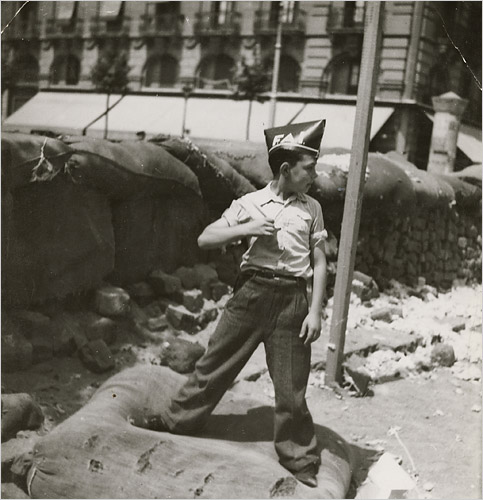
 Photograph by Gerda Taro
Greetings from glorious San Francisco. Currently sitting in Four Barrel Coffee, sipping a delicious iced coffee (or three), enjoying the Indian summer and the constant stream of rather handsome gents passing through (ladies, take note). I’ve been reading an amazing book about an amazing woman whilst on my week-long California trip and I wanted to discuss it with you.
Robert Capa, and his brother Cornell, are among some of my favorite photographers, but when I began to investigate into their life histories, I discovered a bit more than I bargained for. In short, Robert Capa never actually existed. The man known as “Robert Capa” was actually a photographer named Andre Ernő Friedmann, a Hungarian Jew born in 1913. “Mr. Capa” was created in the 1936 in response to rising Nazism in Europe. The imaginary photojournalist with the American-sounding name easily secured work that a Jew couldn’t.
But Friedmann didn’t dream up Robert Capa alone.
Enter: Gerda Taro
 Gerda Taro
Born Gerta Pohorylle to a Jewish Polish family living in Germany in 1910, Gerda was the companion and partner of Robert Capa. They met in Paris in the 1930s, where both were refugees. While she initially served as his assistant, Gerda eventually learned the art of photography from Robert. They fell in love and both published work as “Robert Capa,” and Gerta became Gerda. When civil war broke out in Spain in 1936, the two travelled there together to photograph the conflict.
 Capa and Taro
“Taro and Capa represent a sort of romantic vision of the stateless person involving themselves in terrible battles: the social battles, the political battles of the time.”
It was during the Spanish Civil War that Taro began to establish herself as a photographer apart from Capa, with a style of her own and the use of a different kind of camera from Capa. While Capa’s photographs illustrate his love of movement and spontaneity, Taro’s photographs are more posed and place more emphasis on intimate moments. Around this same time, Taro also refused Capa’s marriage proposal. Capa would never marry for the rest of his life.
 Robert Capa
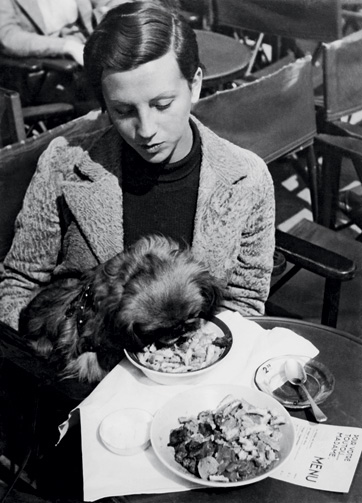 Gerda Taro
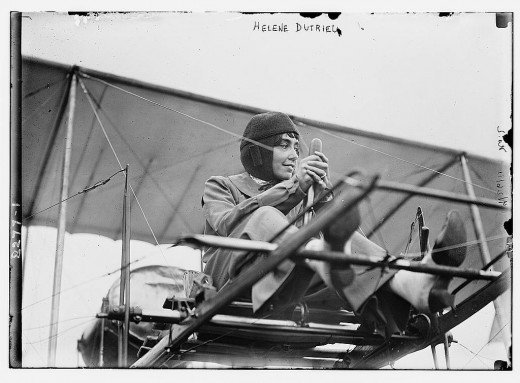
Crushed by a tank at the age of 26 in 1937, Gerda Taro was the first female photojournalist to cover the front lines of a war and the first to die doing so. Possibly her most familiar image is the one that opened this post, of a Spanish female soldier practicing with her pistol while wearing heels. Her photographs from the front lines are amazing. I am in awe of her courage and creativity. The woman was a badass.
“Taro is part of a small pantheon of women photographers who saw photography as an extension of their political commitment and of their role as new women.“
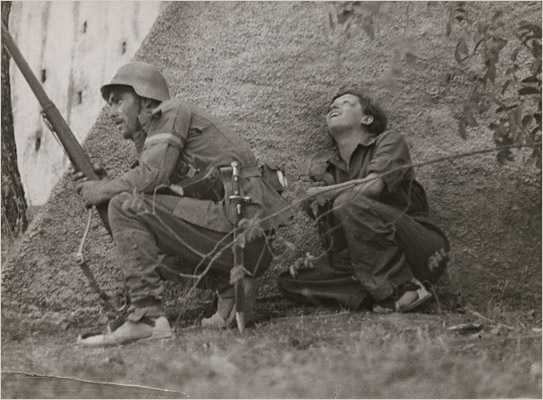
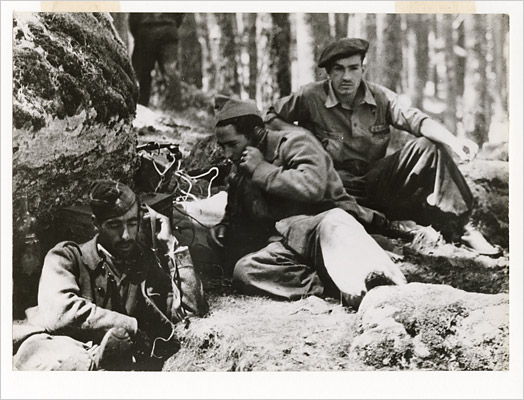
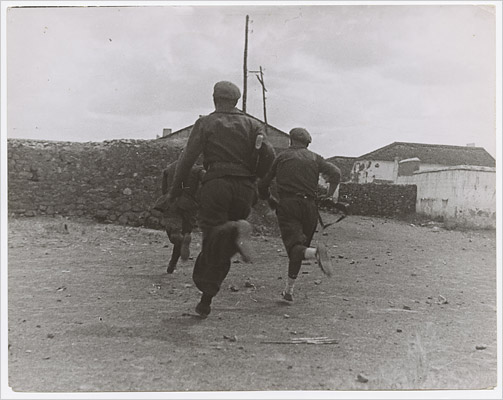

So, about that book I mentioned…

Waiting for Robert Capa retells Robert and Gerda’s amazing story. Author Susana Fortes weaves a gripping tale of historical fiction that is recently translated from Spanish. It begins in Paris and follows them to wartime Spain. I have not been able to put the book down during my trip and I highly recommend you pick it up. I’ve also noticed that one of my favorite directors, Michael Mann, has snapped up the film rights… You can bet that I will be watching this project with interest.
Rabbit Hole: The American Girl Magazine
16/10/2011 § 7 Comments
No, no, not that American Girl.*

From 1917 until 1979 Girl Scouts published a magazine, originally called “The Rally” (1917–1920) and then “The American Girl.” At one time this magazine had the largest circulation of any magazine aimed at teen-aged girls.
I really love some of the covers from the 1930s.
 Girl Shout Week. Word.
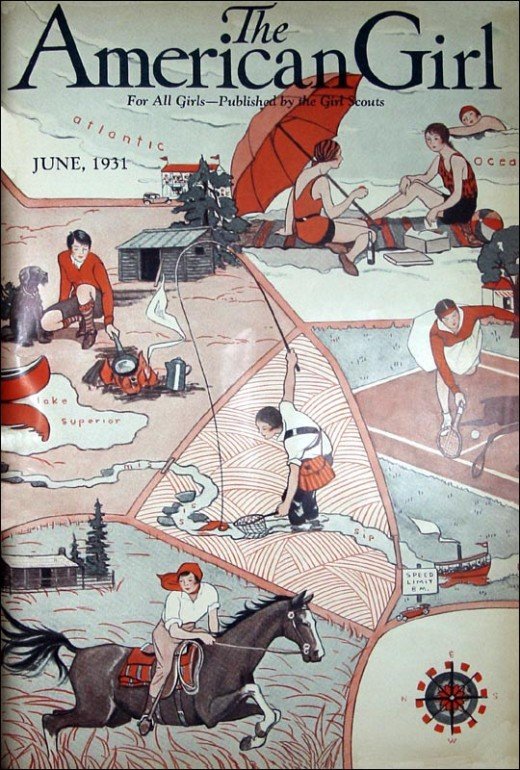
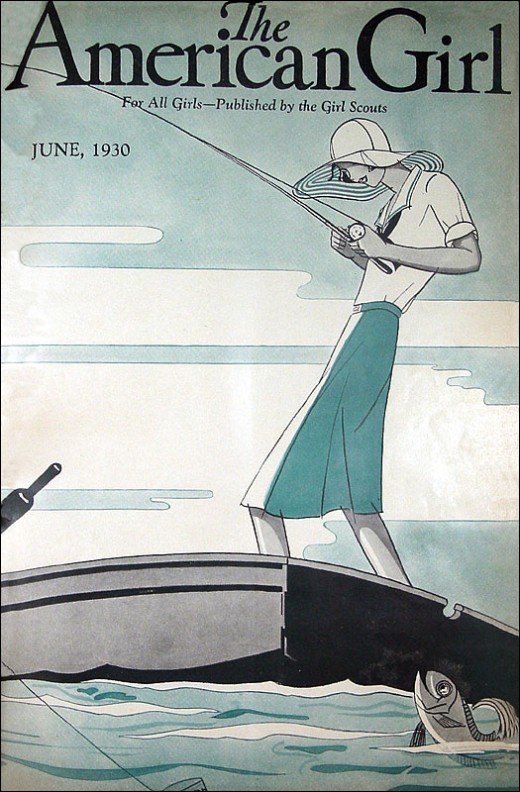
 For more, head over to How To Be A Retronaut.
*I did own one of those dolls, though. Bonus points if you can guess which one.
Fotos: PCH ~ Los Angeles to Big Sur
14/10/2011 § Leave a comment
 Santa Monica palms.
As I mentioned, I’ve been travelling this week along the California coast on the Pacific Coast Highway. I’ve got a million pictures — is this boring? are these like boring vacation slides your great uncle made you look at? — and here are some of my favorite moments from the drive north from Los Angeles to Big Sur.
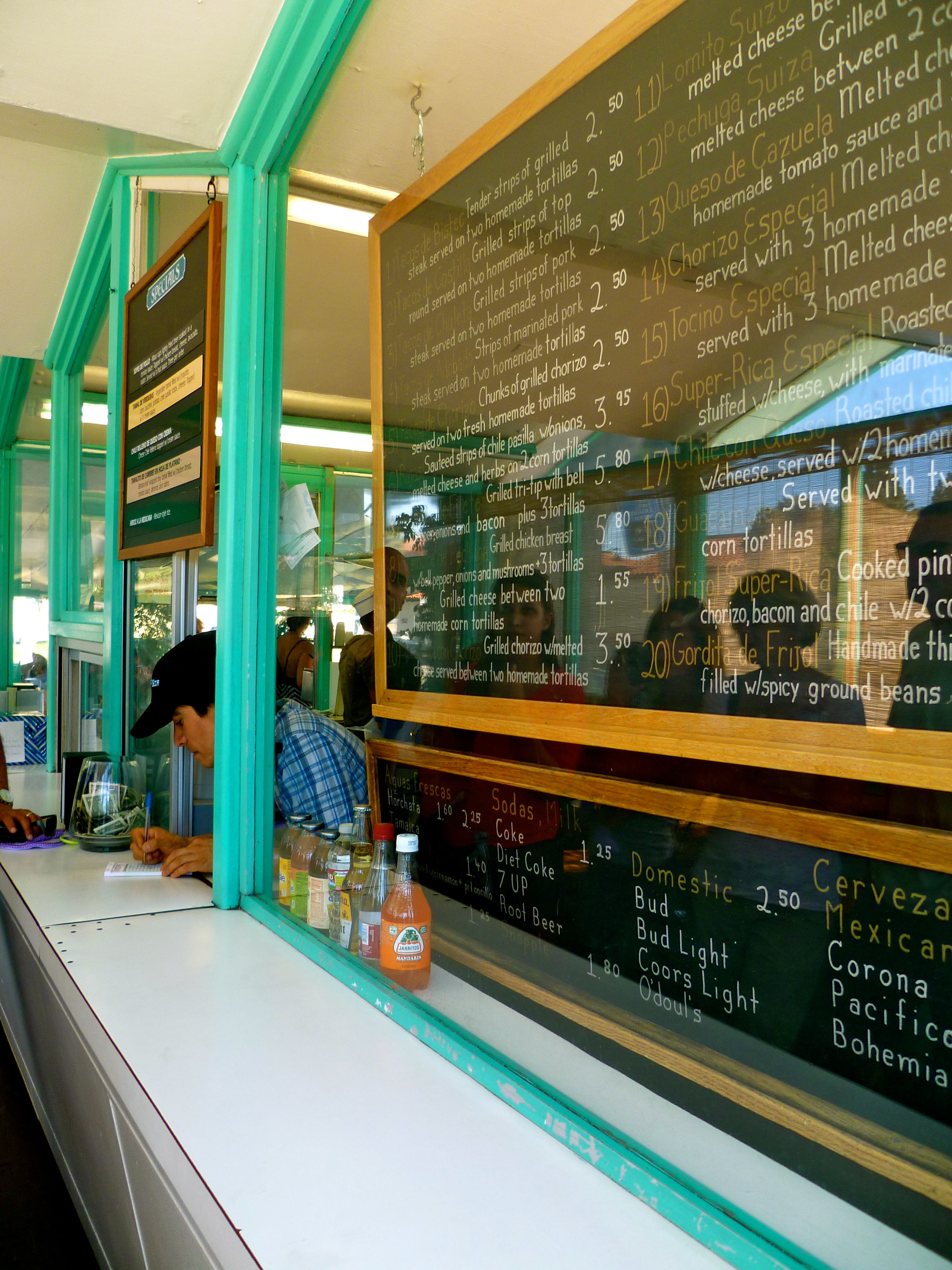 La Super-Rica Taqueria
622 N Milpas St
Santa Barbara, CA 93103
Amazing Mexican food.
If you are in Santa Barbara, you must make a point to stop at La Super-Rica.
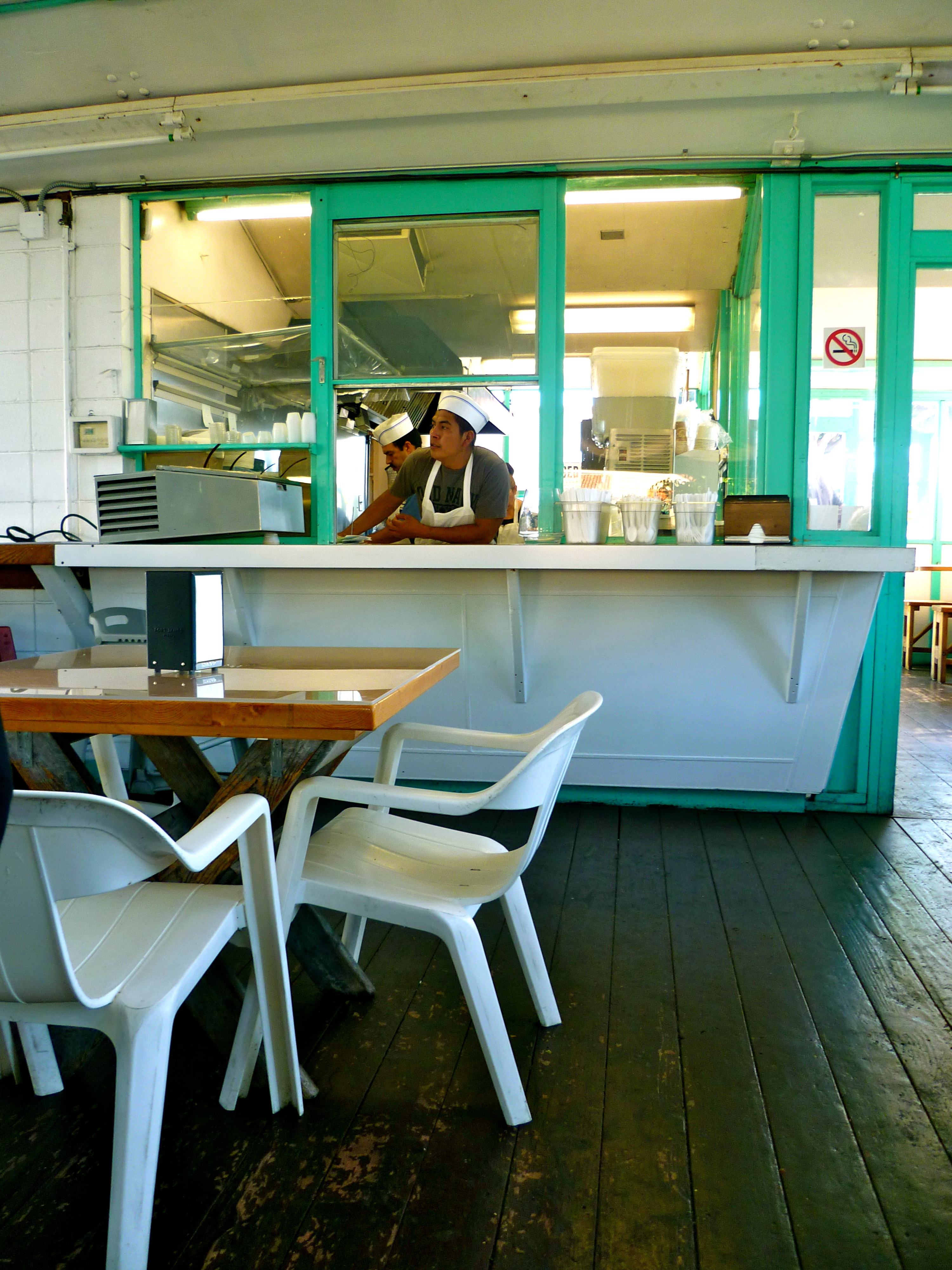

 Have we discussed my horchata addiction? It’s ridiculous.
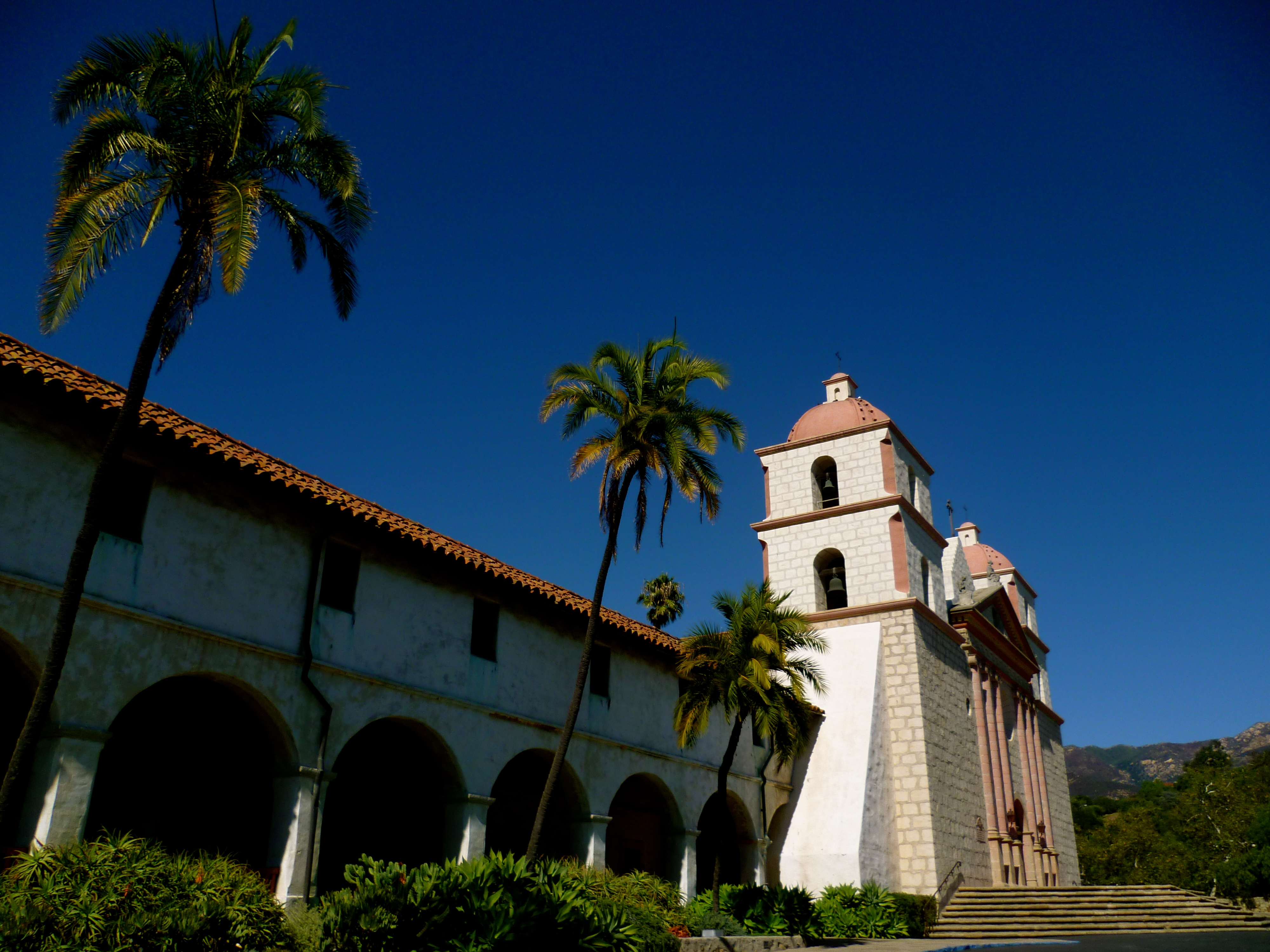 Old Mission Santa Barbara
2201 Laguna St
Santa Barbara, CA 93105
The Santa Barbara Mission was the tenth of the California Missions to be founded by the Spanish Franciscans. It was established on the Feast of St. Barbara, December 4, 1786.

 Morro Bay.

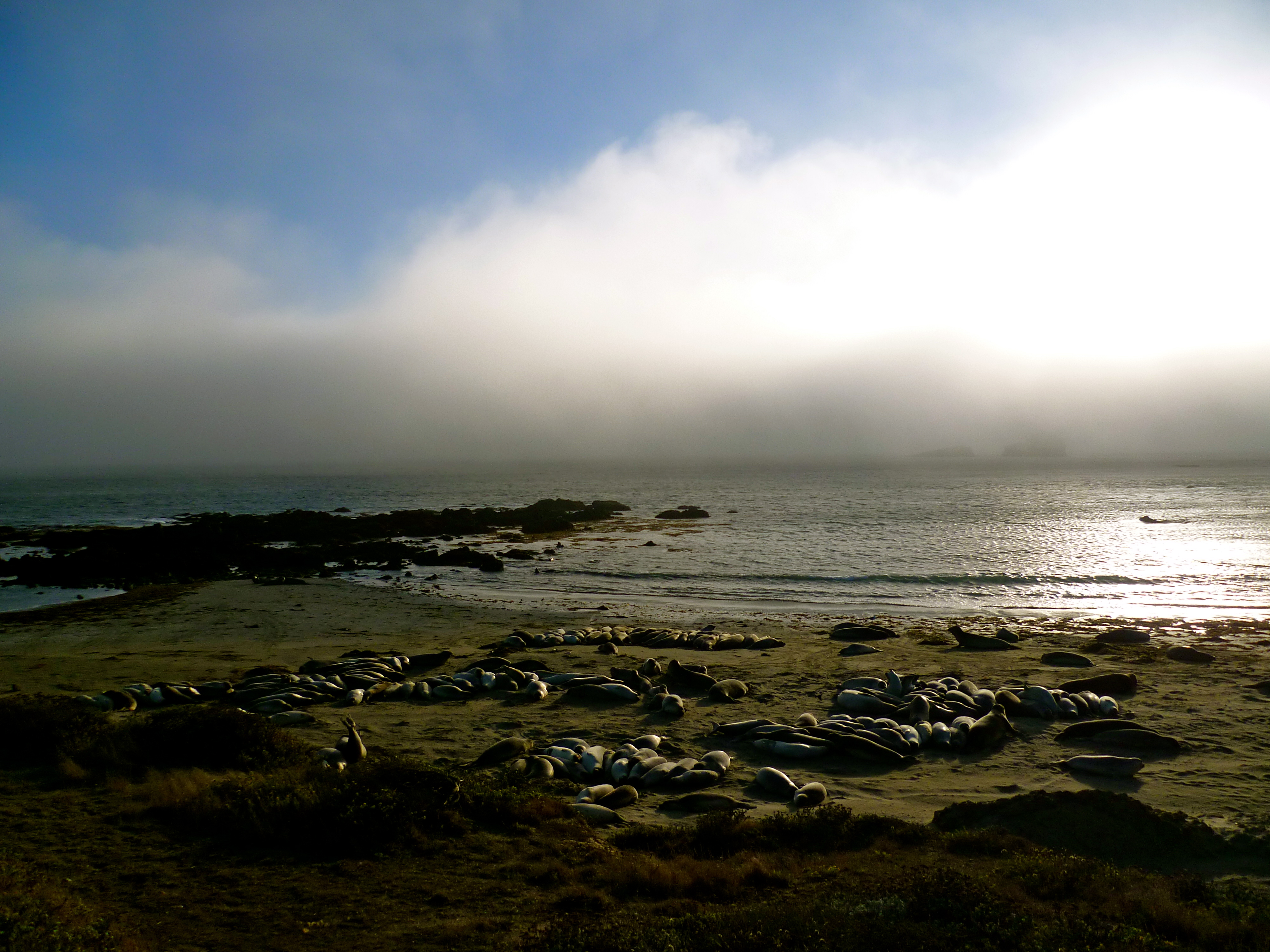 Elephant seals at the Piedras Blancas rookery.
 Sunset near Big Sur.

Fotos: Los Angeles Union Station
11/10/2011 § 9 Comments





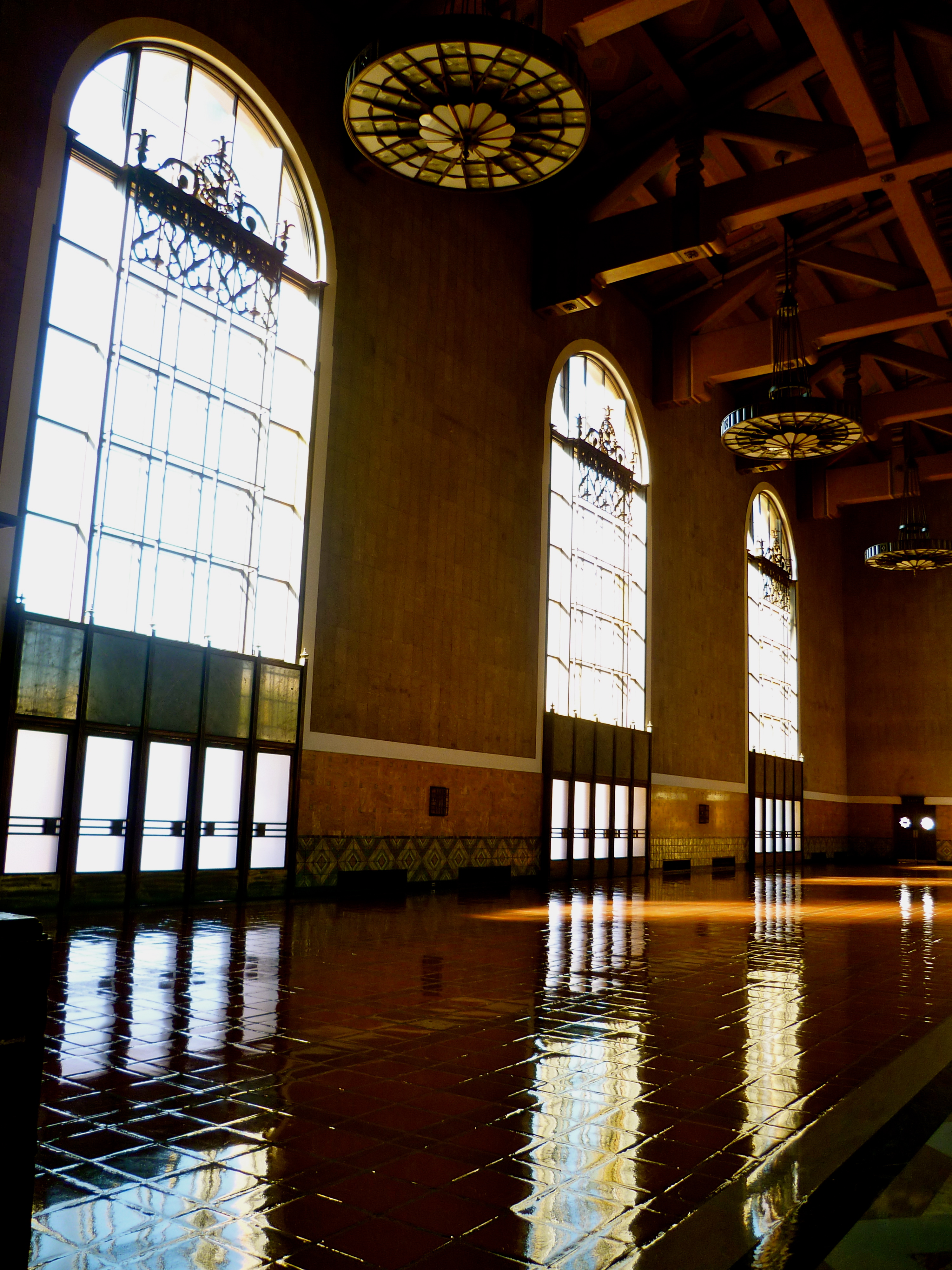


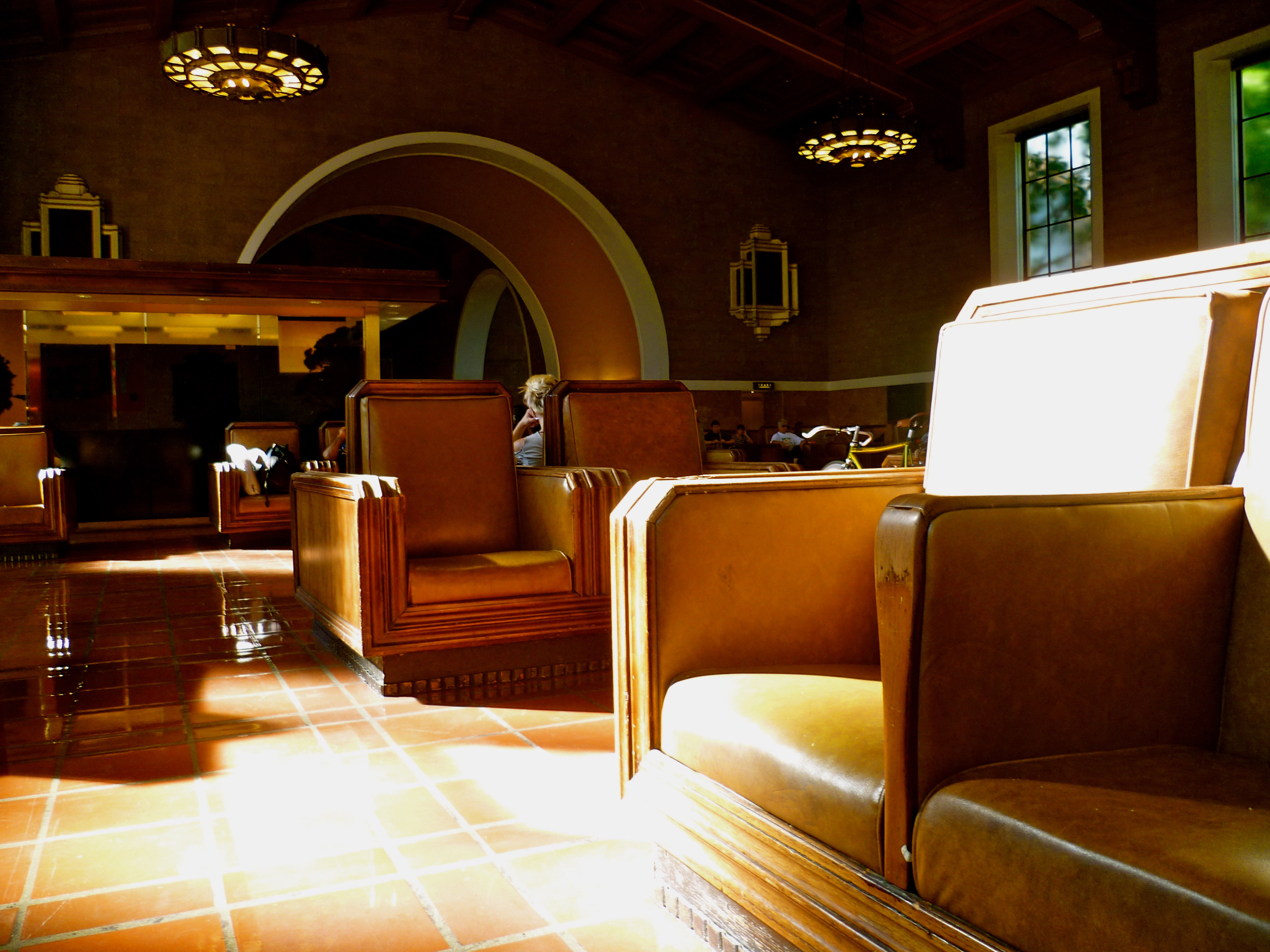
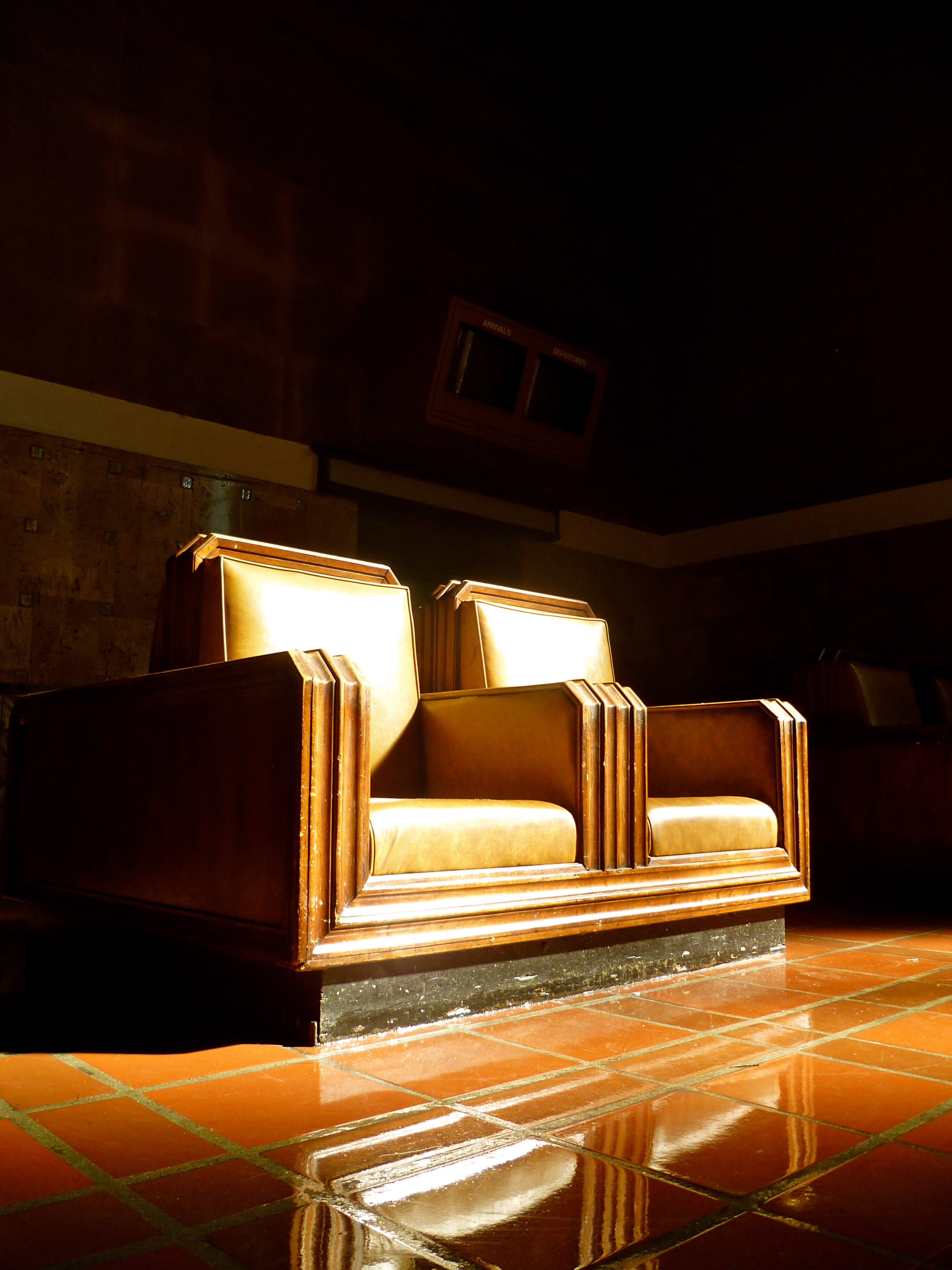

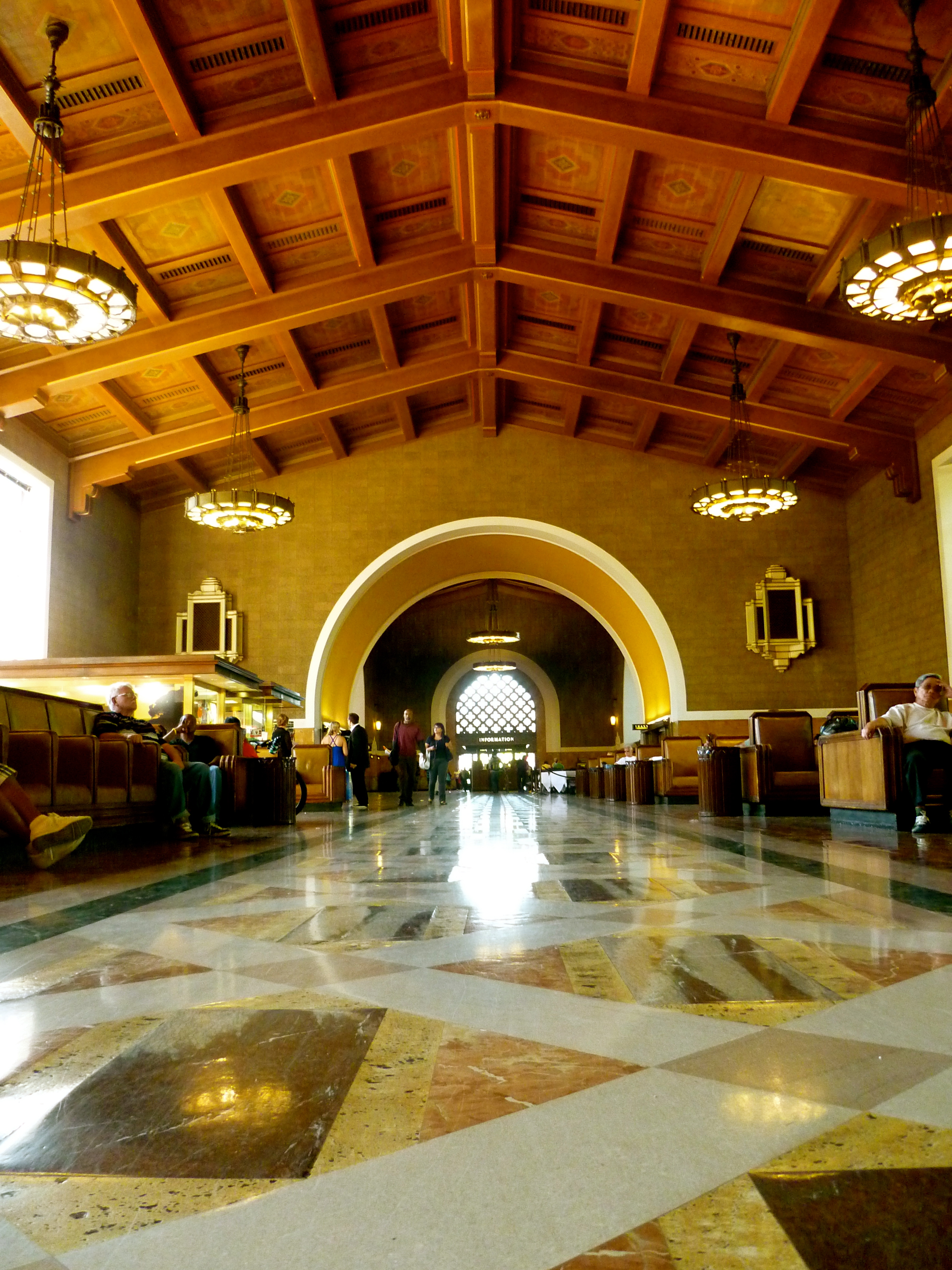

Los Angeles Union Station, the “Last of the Great Railway Stations.”
The station opened in 1939 and it is one of my favorite places in LA.
Rabbit Hole: Vintage Sportswomen
07/10/2011 § Leave a comment
I figure… if these ladies can do all of this in a dress (and most likely a corset too)…
 I really have no good reason for not taking myself to the gym, right?
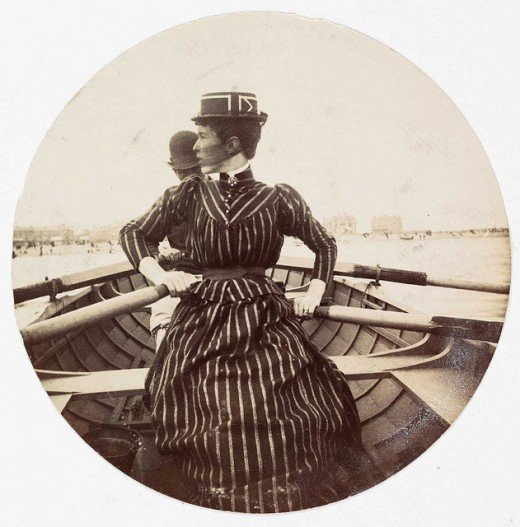 Well, other than pure, unadulterated laziness.
Let’s keep it real.
 For more images of vintage sportswomen,
head over to How To Be A Retronaut.
Re-Mastered {Yves Saint Laurent, 1999}
07/10/2011 § 3 Comments

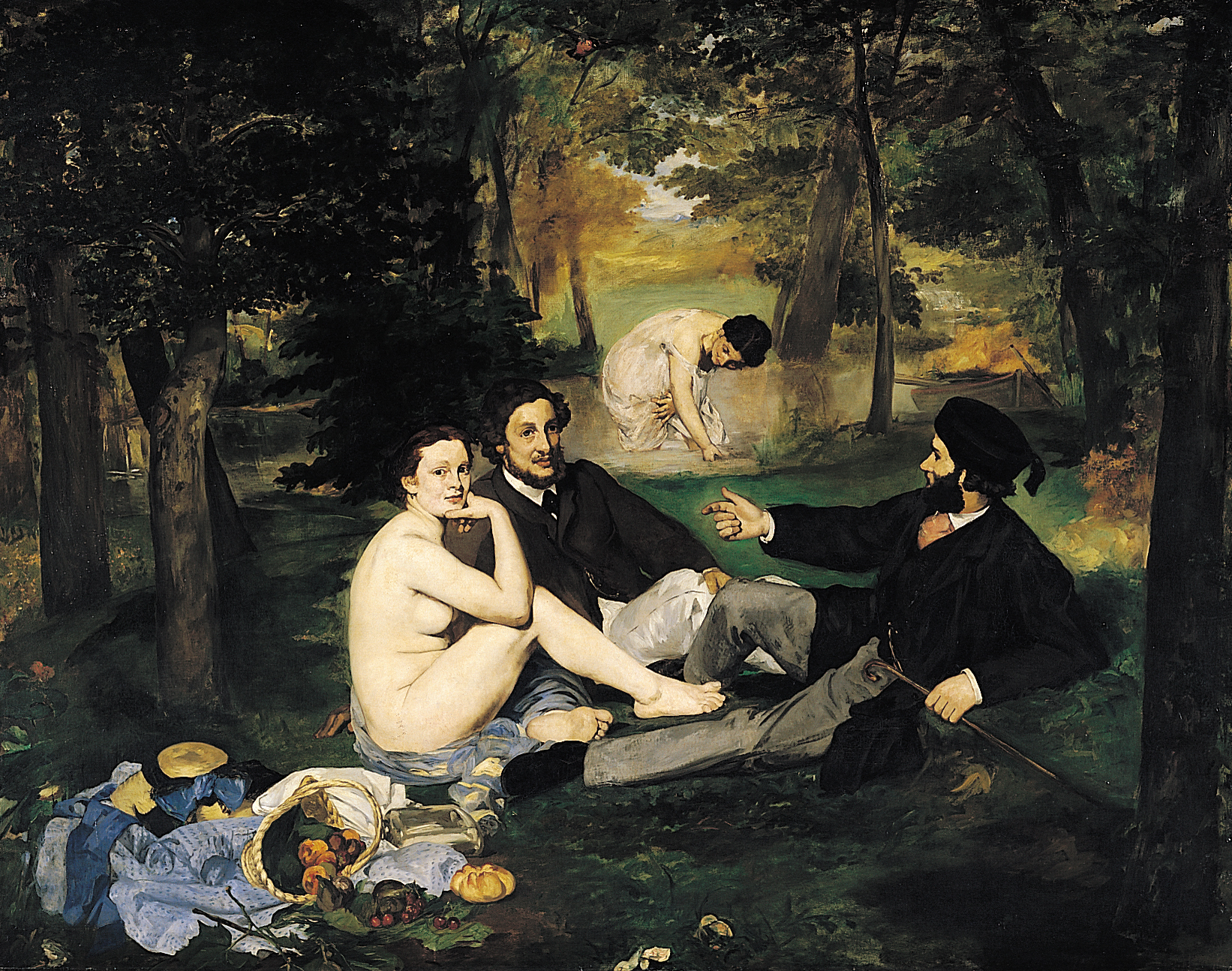 Le Déjeuner sur l’herbe
Edouard Manet, c. 1862
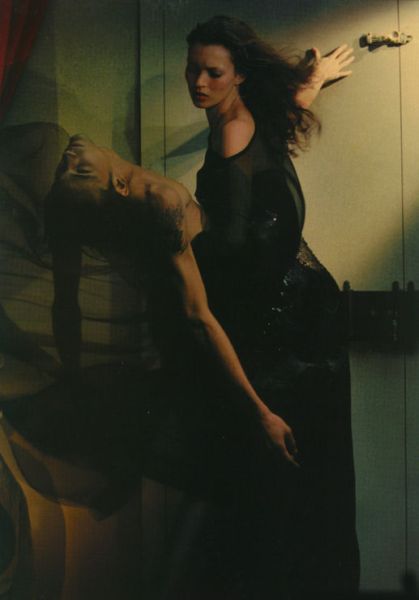
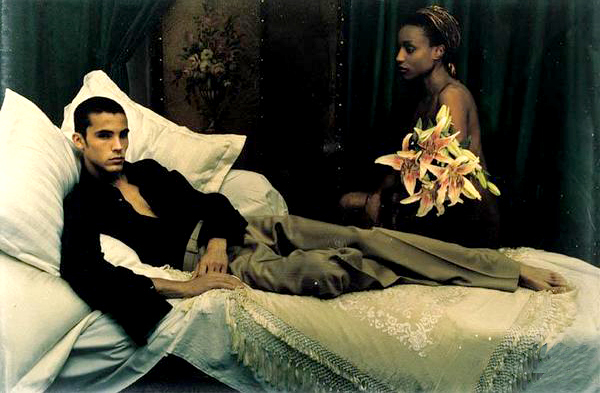
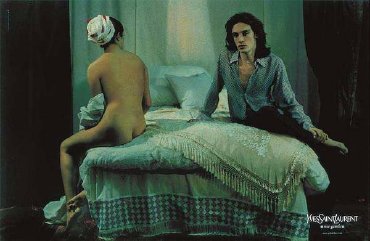
This classic Yves Saint Laurent campaign that echoes several iconic paintings, photographed by Mario Sorrenti in 1999, is a favorite of mine. Yes, Christian Louboutin also had a more recent campaign along this same theme, but those photographs were merely exacting reproductions of the originals, with a stiletto thrown into the mix. Pretty to look at, but not much more. Appropriately coming from the House of Le Smoking, the YSL images are much more interesting for their deft play with the concepts of gender and gender roles. My absolute favorite image is this first one above, based on Manet’s Le Déjeuner sur l’herbe (one of my first stops whenever visiting the Musée d’Orsay in Paris). I’ve always wondered why the ladies were naked whilst the men were so very buttoned up. What kind of luncheon is that? Extra points for Kate Moss in a suit, of course…
Even more interesting is the image based on Fragonard’s Le Verrou, where a image of sex, violence and male domination is flipped on its head. Again, with Kate Moss at the helm, it is she who is clutching a lithe youth who is shown naked — he is given no courtesy of a layered gown like the woman in the Fragonard painting — and overwhelmed. It is Kate who is reaching up to secure the bolt on the door. It is a woman who overpowers here, a woman who who dominates. (Yes, we do have to cast aside the crucial fact that he very well could reach the bolt if he wanted to, unlike the woman in the Fragonard painting.)
But, wait...
Do you feel the instinct — as I do — to cast the scene differently when looking at Kate? Do you interpret her furrowed brow as concern? That she is she opening the door and not closing it? That something else is happening? Something tender?
Is this merely because the antagonist is a woman…?
Look again. Compare the two. How different are they, truly?
And that is why I will always, always, always prefer this campaign over a few pictures of pretty models, classically styled, with a few shoes placed at strategic intervals.
But that’s just me.
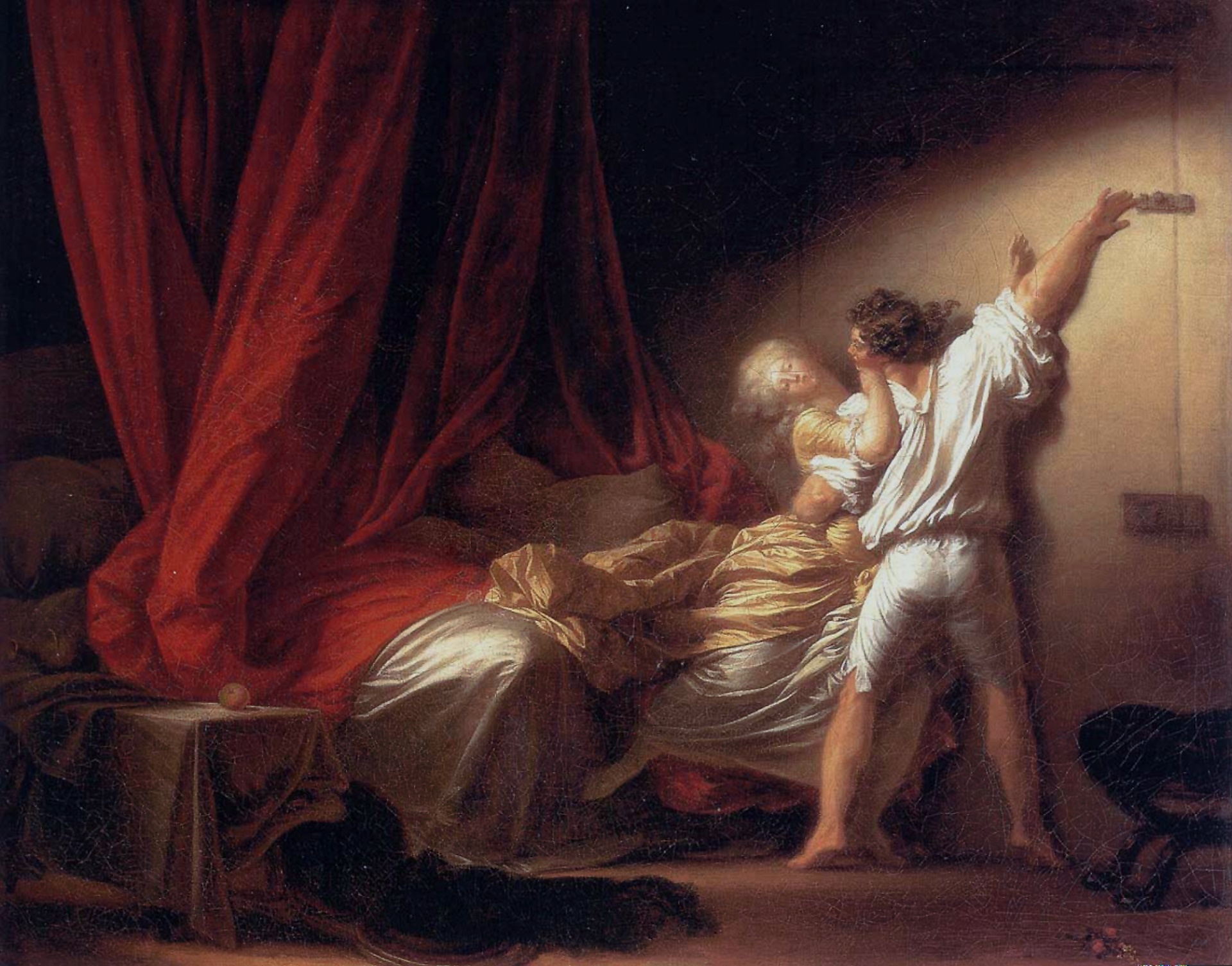 Le Verrou
Jean-Honoré Fragonard, c.1780
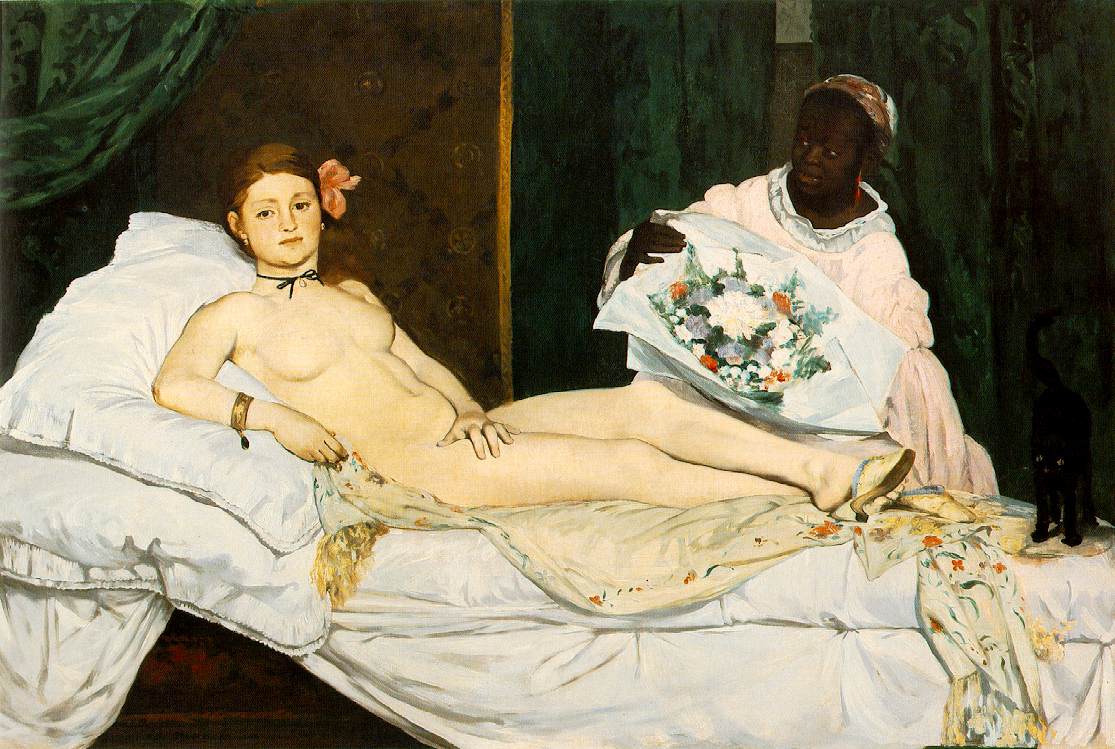 Olympia
Edouard Manet, c. 1863
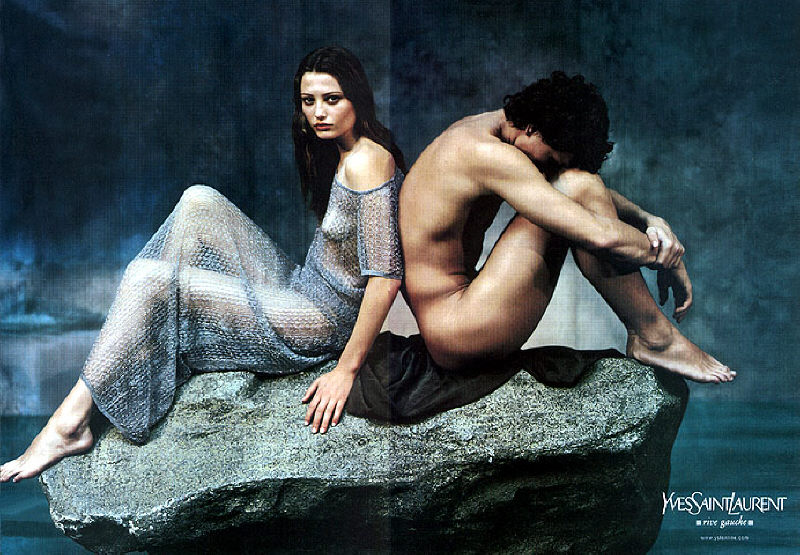
 Jeune homme nu assis au bord de la mer
Hippolyte Flandrin, c.1836
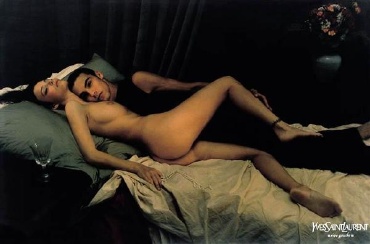
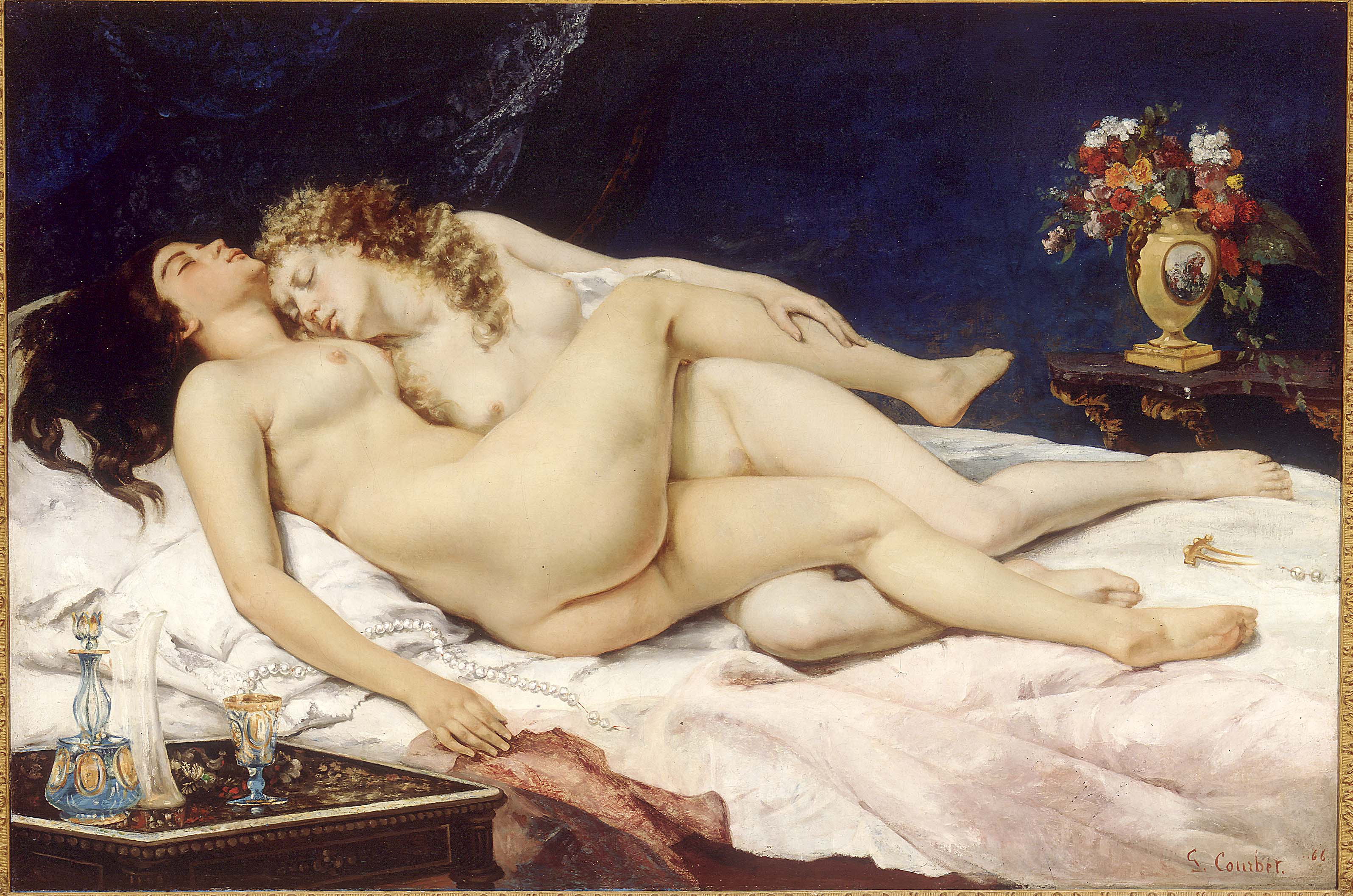 Le sommeil
Jean Désiré Gustave Courbet, c.1866
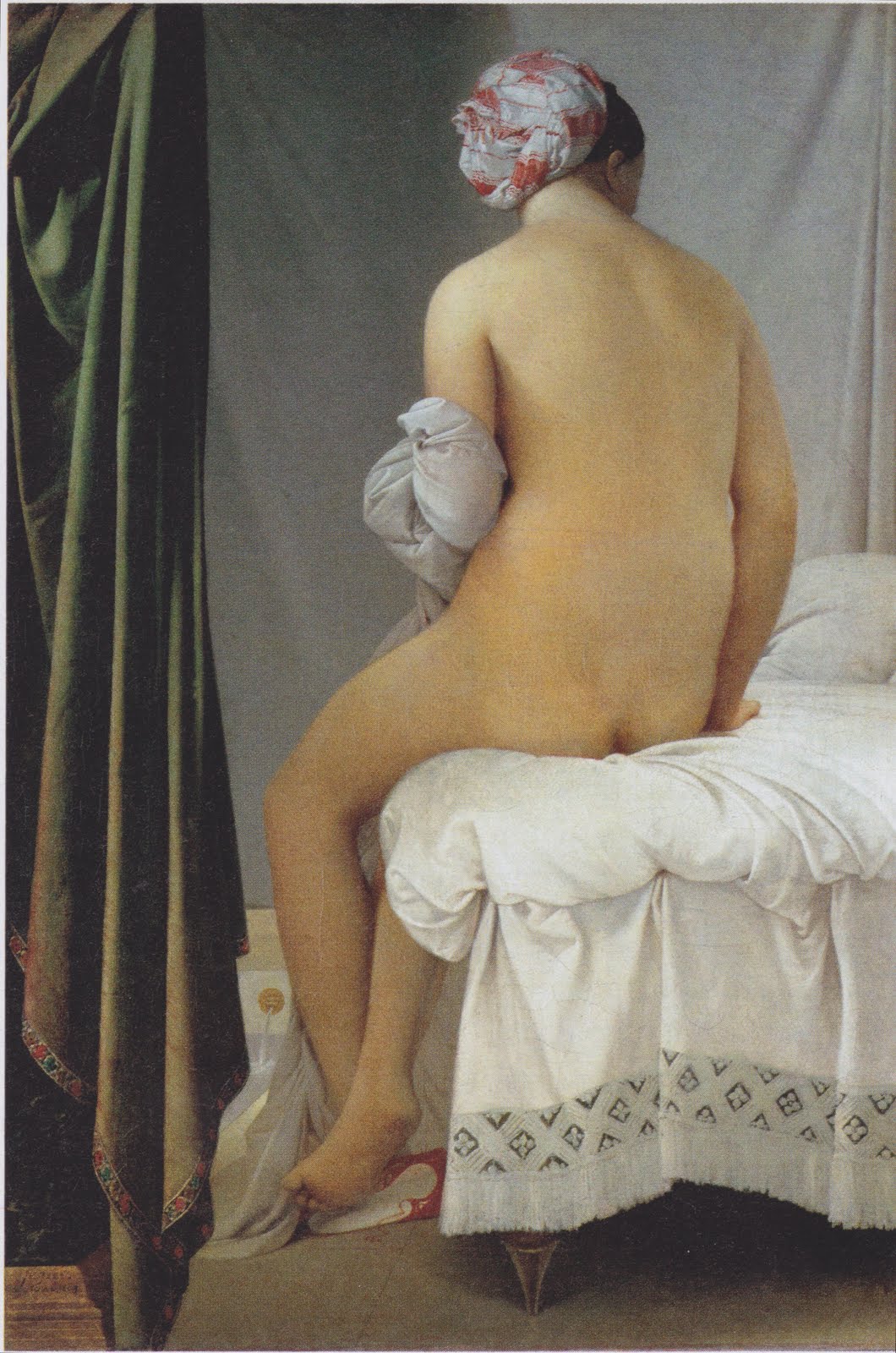 La baigneuse de Valpincon
Jean-Auguste-Dominique Ingres, c.1808

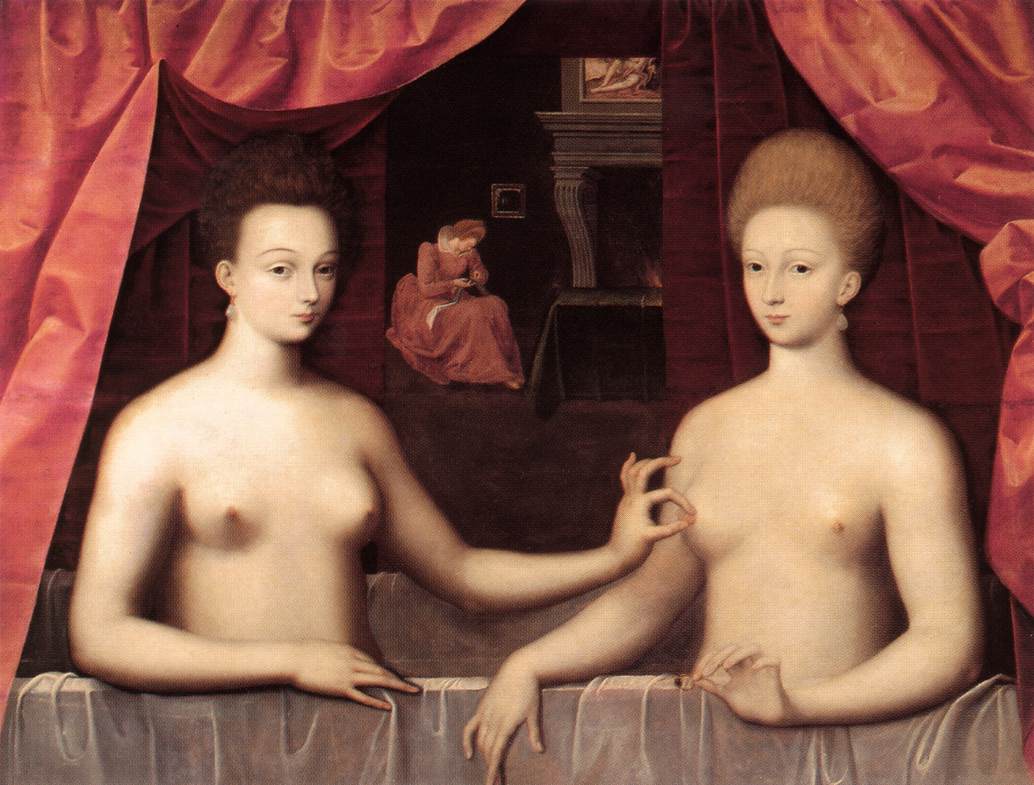 Gabrielle d’Estrées and One of Her Sisters
School of Fontainebleau, c. 1594
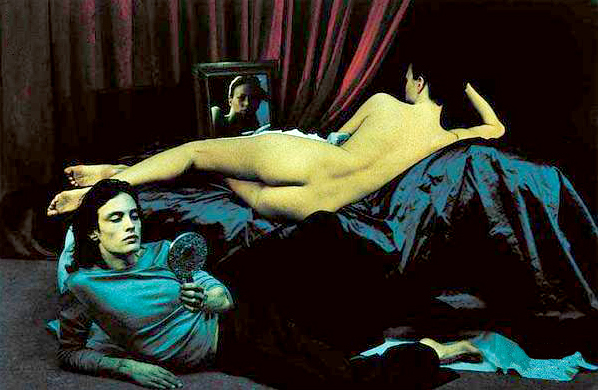
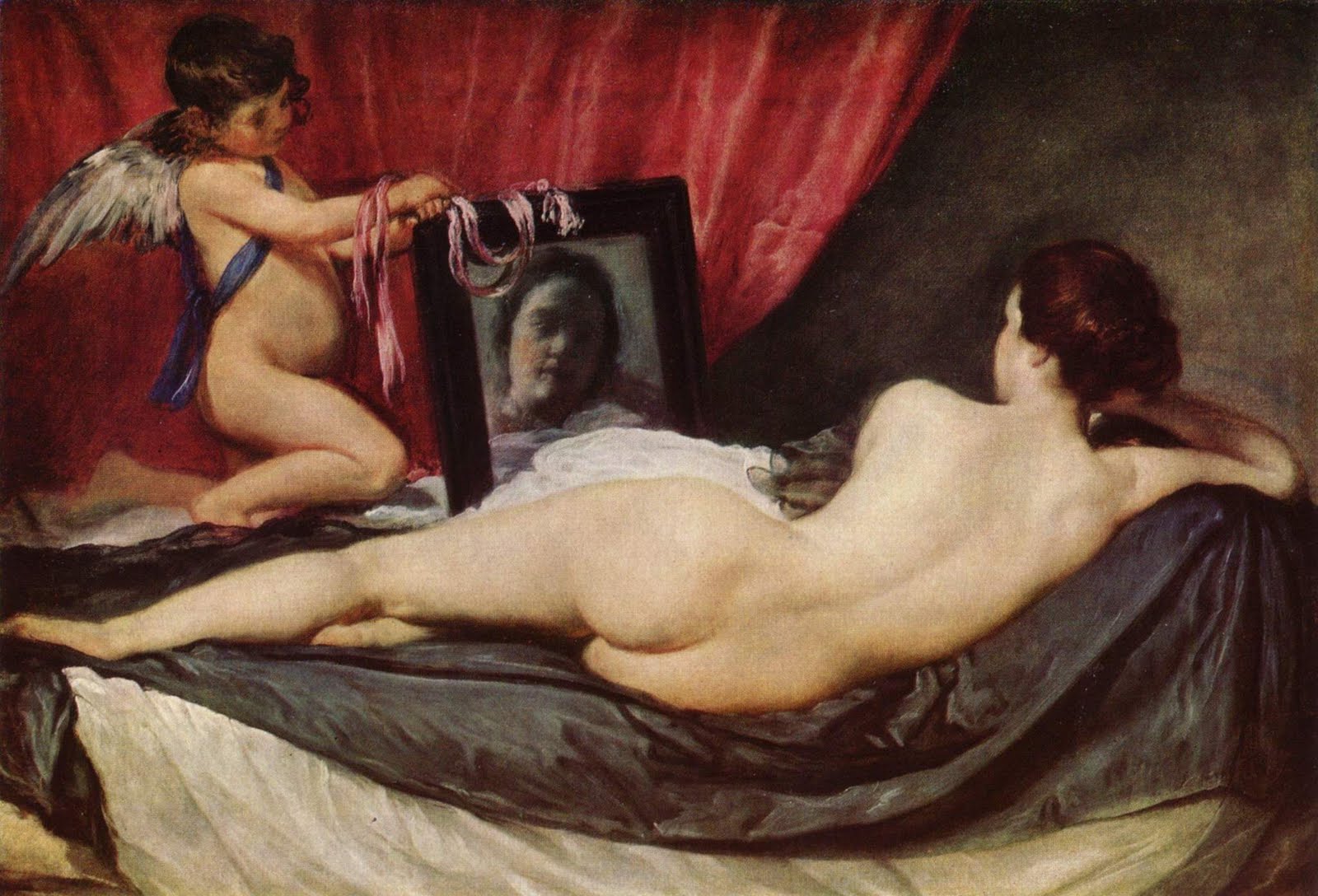 Vénus à son miroir
Diego Velazquez, c.1647-51
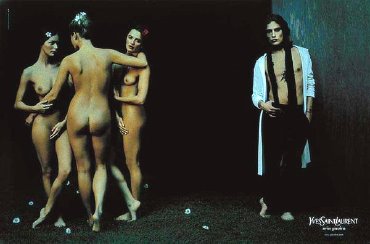
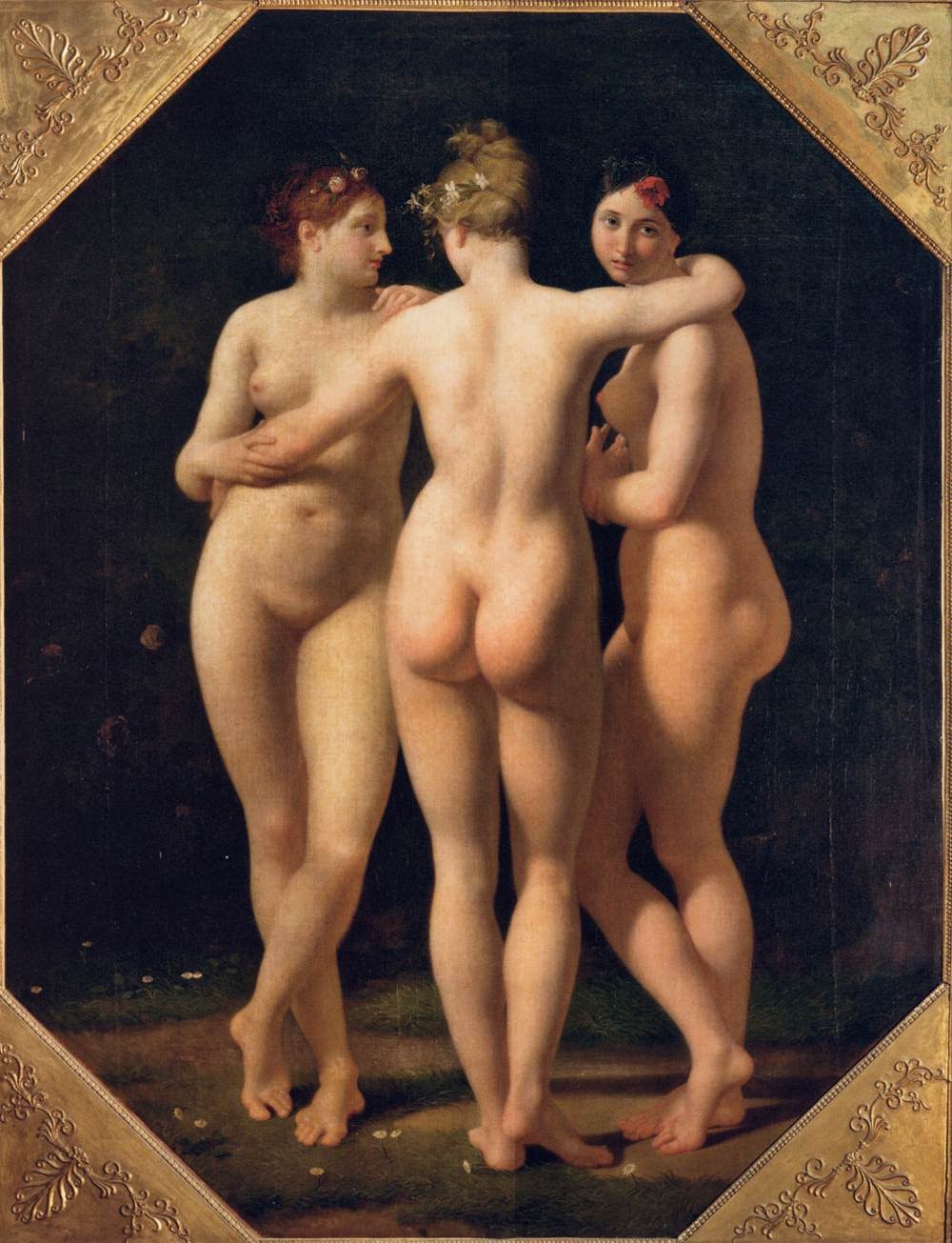 Les Trois Grâces
Jean-Baptiste Regnault, c.1799

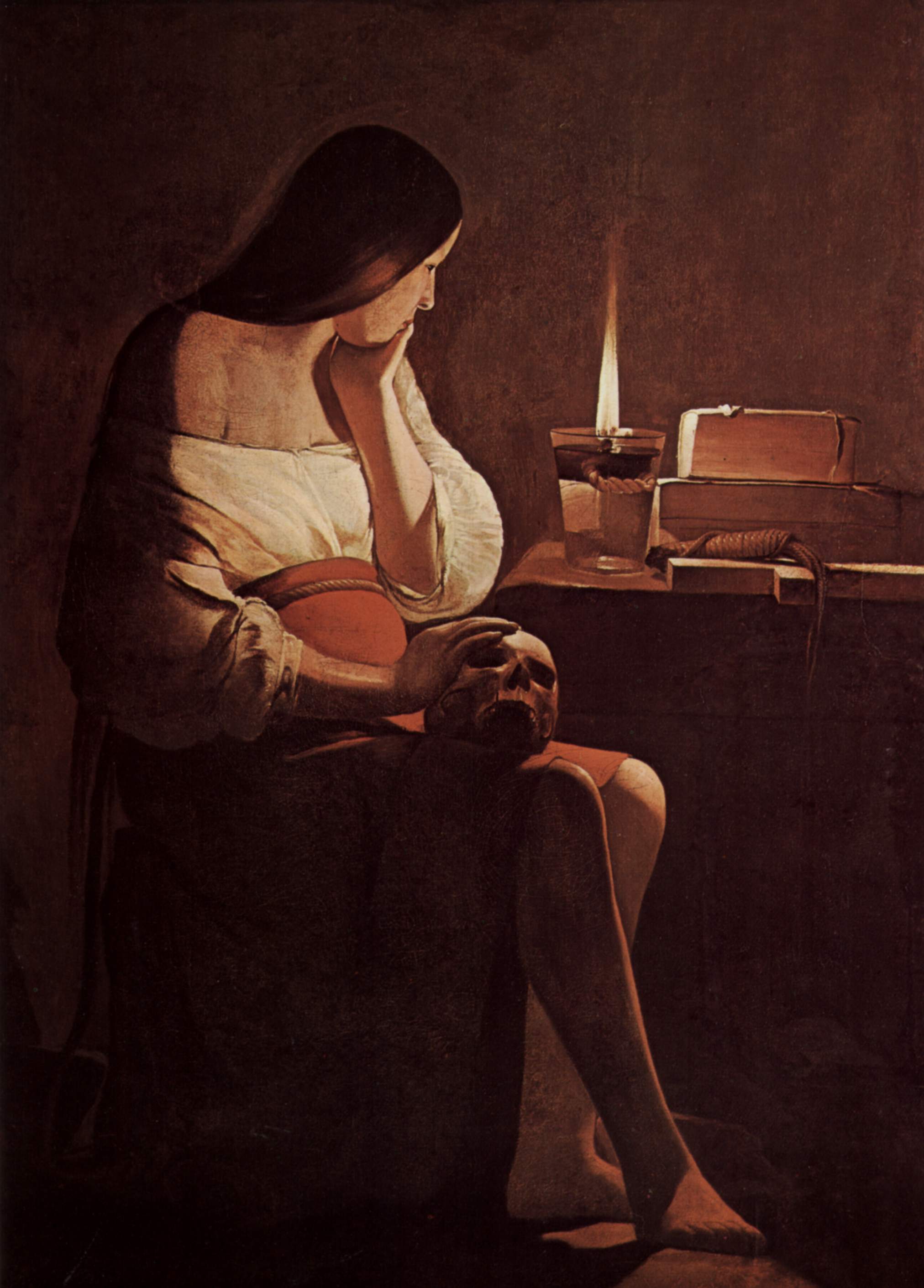 Magdalen with the Smoking Flame
Georges de la Tour, c. 1640
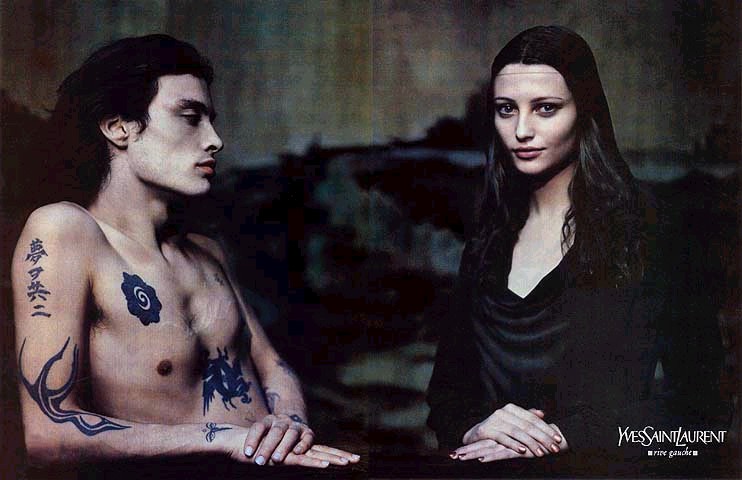
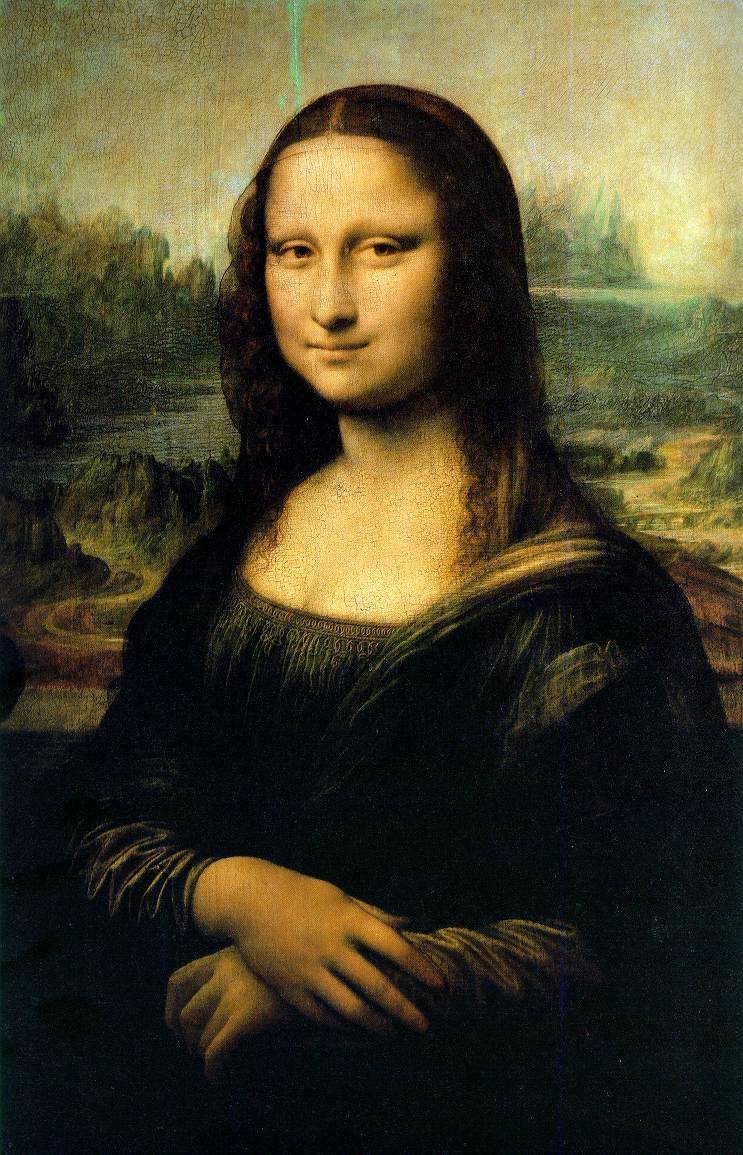 La Gioconda
Leonardo da Vinci, c. 1503–1519
YSL campaign images via The Style Registry.
Style Icon: Gaia Repossi
06/10/2011 § Leave a comment

I spied Gaia a few times whist meandering through all the fashion week photos, but this picture of her from the Paris YSL spring 2012 show blew my mind. Of course, wear a suit and tie to YSL, of course, this would have sat well with Monsieur Saint Laurent… I love how Gaia frequently favors the masculin féminin, but she also seamlessly shifts — chameleon-like — to a decidedly more feminine look.
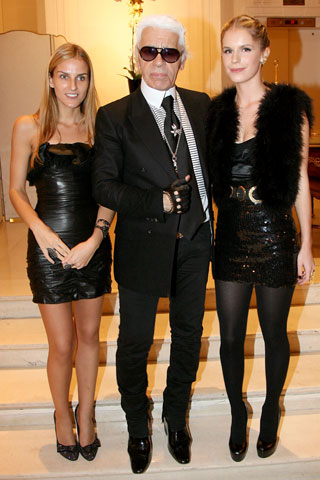 Wearing Balmain, with Karl Lagerfeld and Eugenie Niarchos in 2009.
Only twenty five years old and a member of the Repossi family , fine jewelery makers since 1920, Gaia has been the artistic director of Maison Repossi since the age of twenty and designed her first collection in 2007.
 At Chanel spring 2012
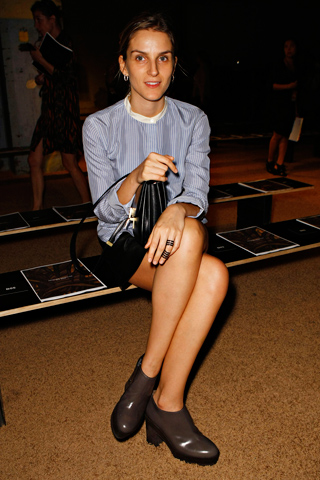 At Proenza Schouler spring 2012


Perhaps it’s the mix of the two—an Italian background and a French way of life—that helped transform the rebellious Monte Carlo—raised teenager into a budding fashion icon. (She has unofficially been ordained the new face of chic, minimalist style.) Notes Altuzarra, “She mixes a kind of French nonchalance with Italian glamour and femininity.” [Derek Blasberg for Harper’s Bazaar.]
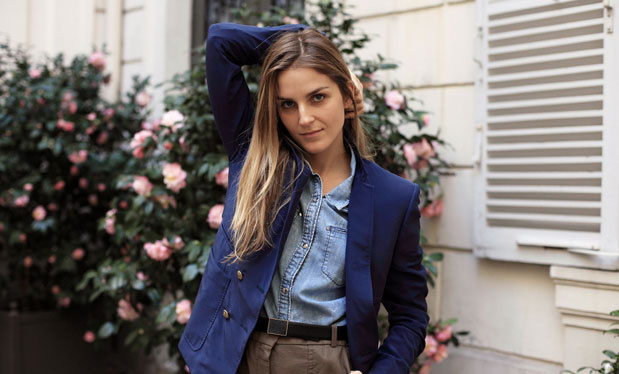
Décris-nous ton style:
Androgyne simple et élégant. J’aime les classiques que je casse.
Tes icônes de mode?
Yves Saint Laurent pour sa vision intemporelle et son univers. Annie Hall, Verushka… [Vogue Paris: Dans le dressing de Gaia Repossi.]
How could I not adore Gaia?
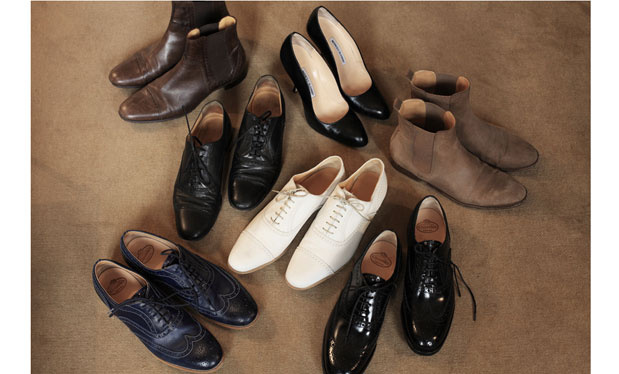 Especially with a closet full of shoes like this…

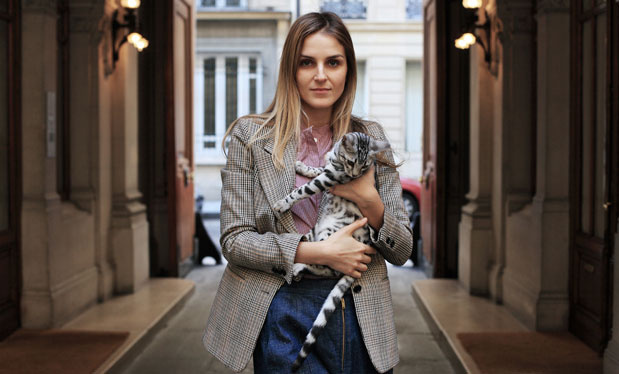
To create her personal style, which she described as “strict,” she often mixes vintage and more current designer pieces, many of them menswear-inspired…”I don’t like anything too glamorous—it’s just not me”…Ms. Repossi arrived at our meeting looking like a modern Annie Hall, in baggy men’s jeans, Hermès oxfords from the 1970s and a well-cut plaid blazer by one of her favorite brands, Céline. [Rachel Dodes for WSJ.]

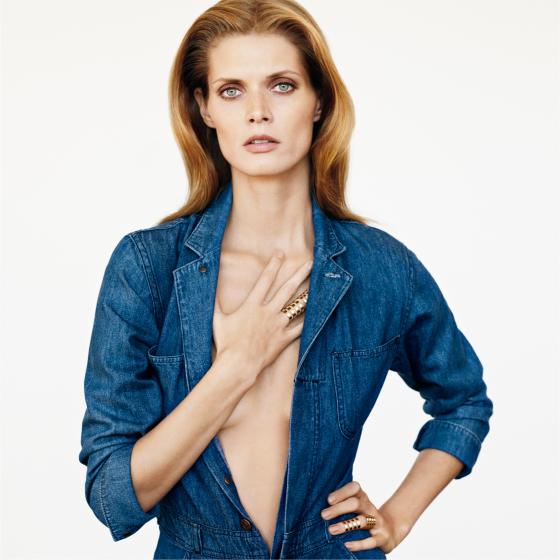
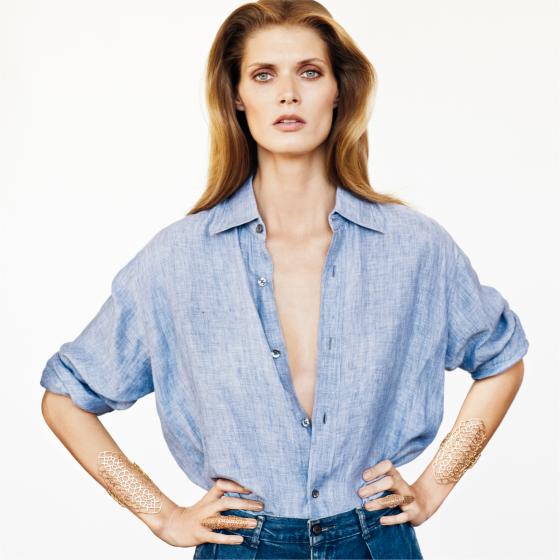
I love how her aesthetic is all over the Repossi 2011 campaign.
Of course, she gets extra brownie points for using Dree Hemingway…
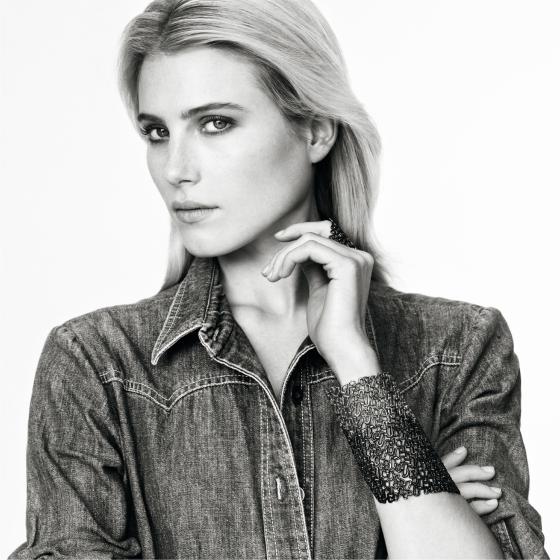

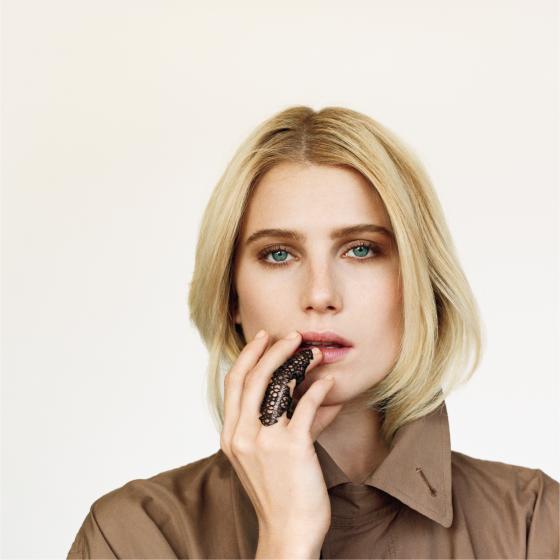



Images 1-4 via Style.com. || Image 5 via TMagazine. || Images 5 & 6 via Harper’s Bazaar. || Images 7-10 via Vogue Paris.
Image 11 via WSJ. || Images 12-19 via REPOSSI.
Rabbit Hole: Vintage Ralph Lauren
06/10/2011 § Leave a comment
You might hate me after this.

…but I just happened upon The Style Registry’s treasure trove of classic Ralph Lauren campaigns, and I couldn’t resist. Could you really expect me to? So much inspiration. If you hate Americana, ladies in ties, boats and/or classic supermodels, it would probably be best to just skip along to the next post. I’d also question our friendship, but I am very open-minded. For your perusal, a few classic RL images — many shot by Bruce Weber — dating from 1981 through 1997.


 Oh. My. God.
 Shades of Out of Africa. It’s almost too much.
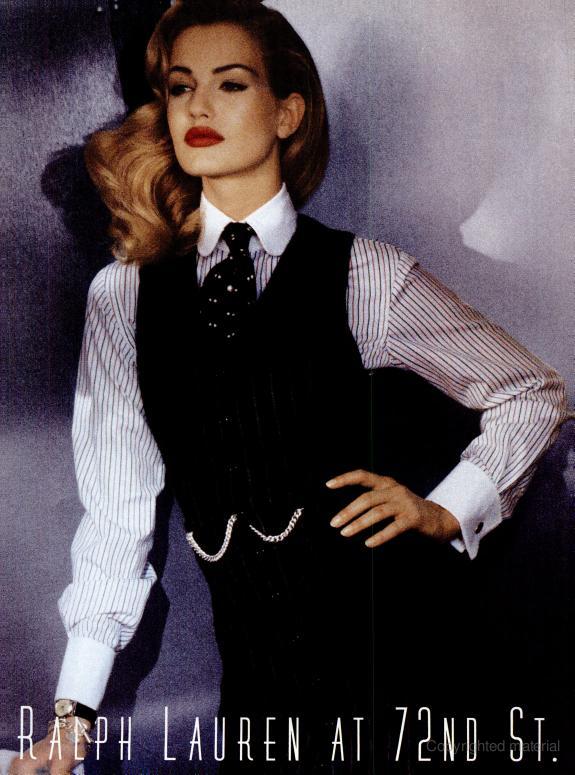


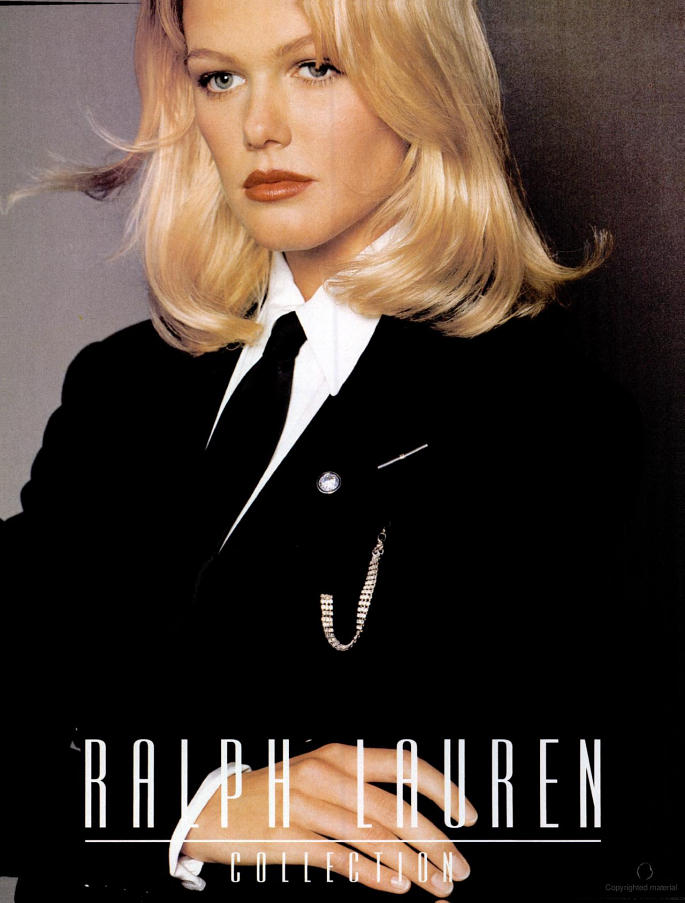
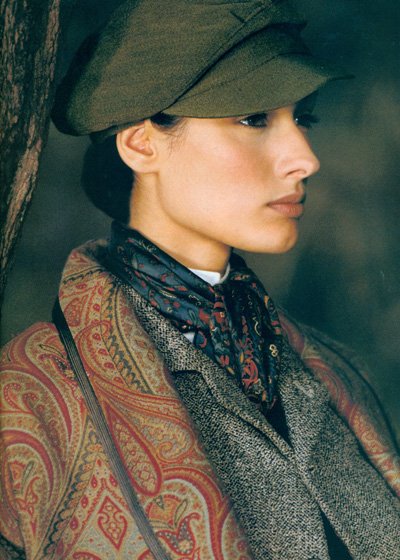


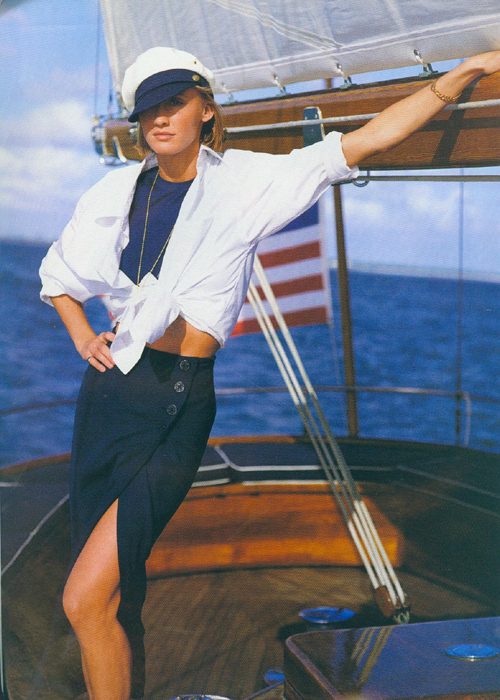

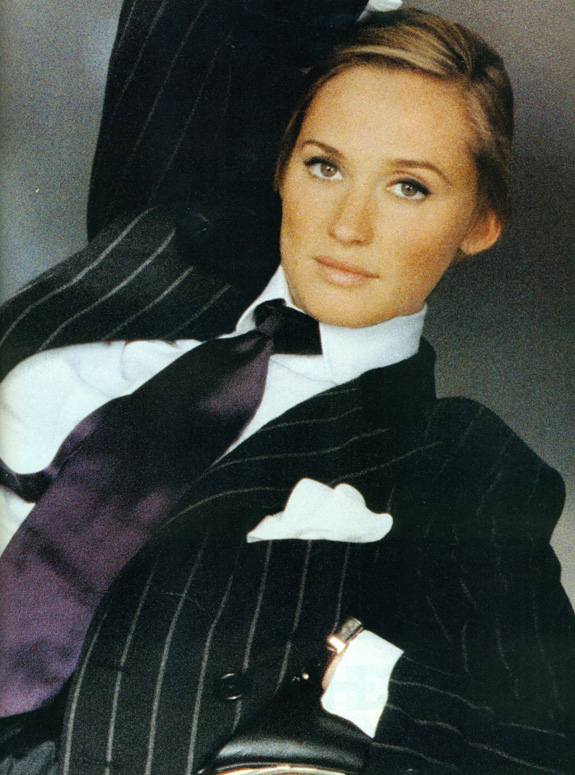
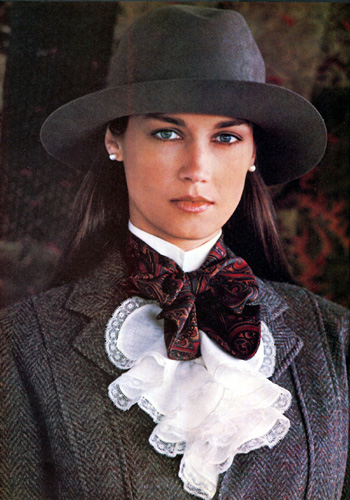

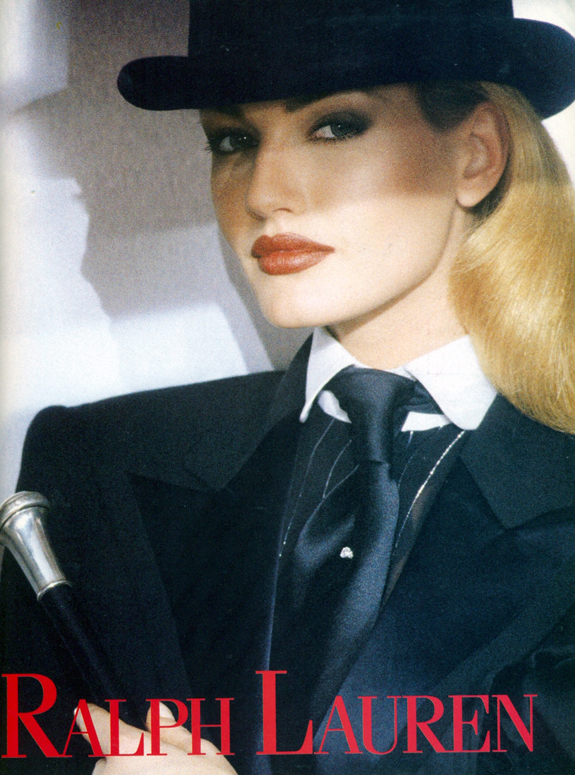
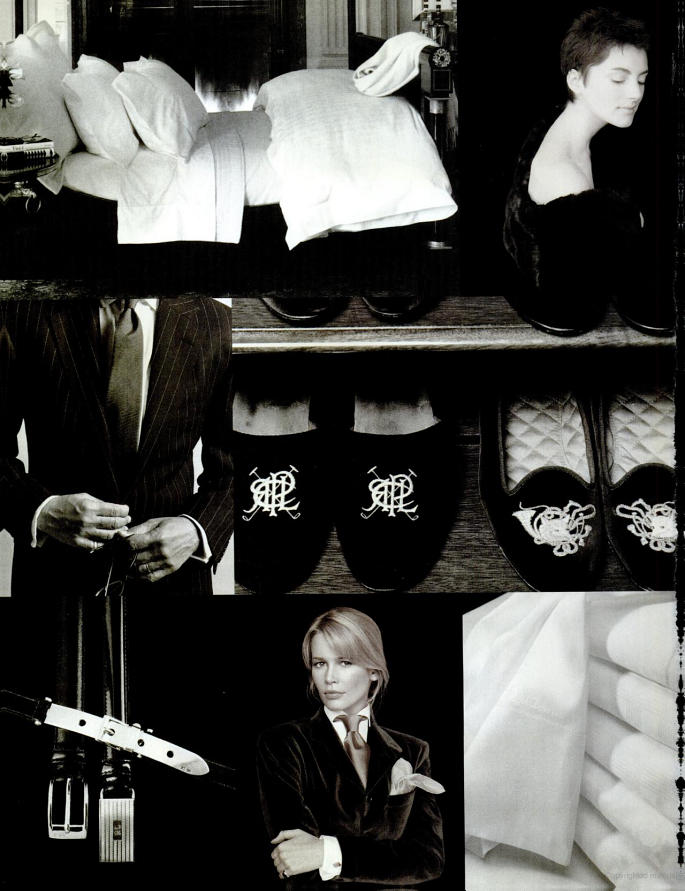
 All images via The Style Registry.
Reading List || WSJ Magazine: The Beau Brummels of Brazzaville
04/10/2011 § 1 Comment
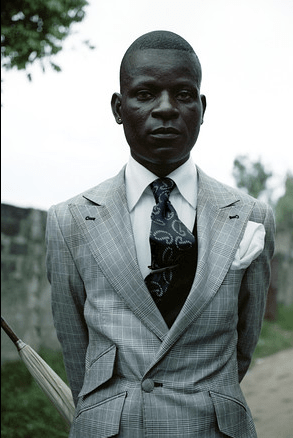 Image via WSJ

The current “State of Man” issue of the Wall Street Journal Magazine has a fascinating article written by Tom Downey about Congolese dandies, or “Sapeurs.” In the two Congos, the Democratic Republic of the Congo and its neighbor the Republic of the Congo, it is still a struggle for many to meet their own basic human needs. Violence is a daily part of life. Severe poverty is rampant. And yet, impossibly, there exists a small group of men who make it the main priority of their lives to outdo each other with exceedingly extravagant (and sometimes bordering on outlandish) suiting and accessories.
On their idiosyncratic and highly ritualized approach to their individual style:
The general rule for Brazza Sapes is said to be that they wear no more than three colors at a time. In fact what this seems to mean is three tones, not counting white. Pocket squares aren’t folded but stuffed in and left to spill out, rakishly. Patch pockets abound, an unconventional feature on most jackets. The outfits are dandyish, but they don’t come off as costumes. Some Sapes boast of their brands, especially their shoe brands, of which J.M. Weston, a fine and expensive French shoemaker, seems to be the most prominent. But most Sapes agree that brand isn’t everything—it’s about fit, confidence and, as Hassan Salvador tells me, art: “We need to paint with colors, patterns and textures,” he says. “All week I mull over the different possible combinations of jacket, trousers, pocket square, tie, tie pin, scarf, umbrella and suspenders before I actually put on the clothes.”
On how Congolese society perceives these men:
“The Sapeurs can only exist in peacetime,” Atipault told me. “To me they’re a sign of better things: stability, tranquility. They indicate that our nation is returning to normal life after years of civil war.”
 Quite Continental