Ghosts of Train Stations Past: New York Pennsylvania Station
07/02/2012 § 5 Comments
I promise a train and train station moratorium after this post.
Maaaaaaaaaybe.

Images of the old New York Penn Station (1910 – 1963), designed by the architectural powerhouse McKim, Mead & White. Every time I have to pass through the wretch that is the new Penn Station — dark, subterranean and horribly bland — I catch myself wishing earnestly that it had survived the 1960s. Wishing that what is now the busiest train station in North America was something beautiful to look at. Wishing that it rivaled the glory that is my beloved Grand Central. But alas, it is not…
Henry Crane had the right idea.
(Sidenote: Mad Men! March 24! Finally!)


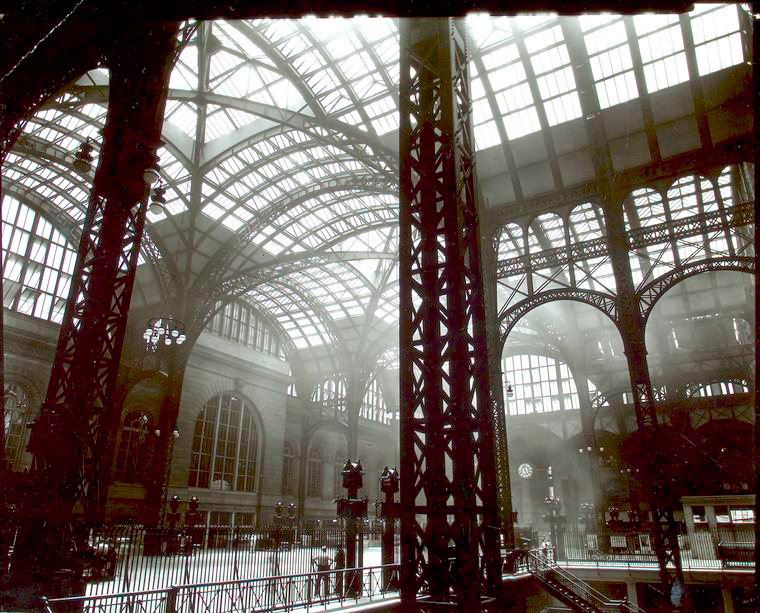

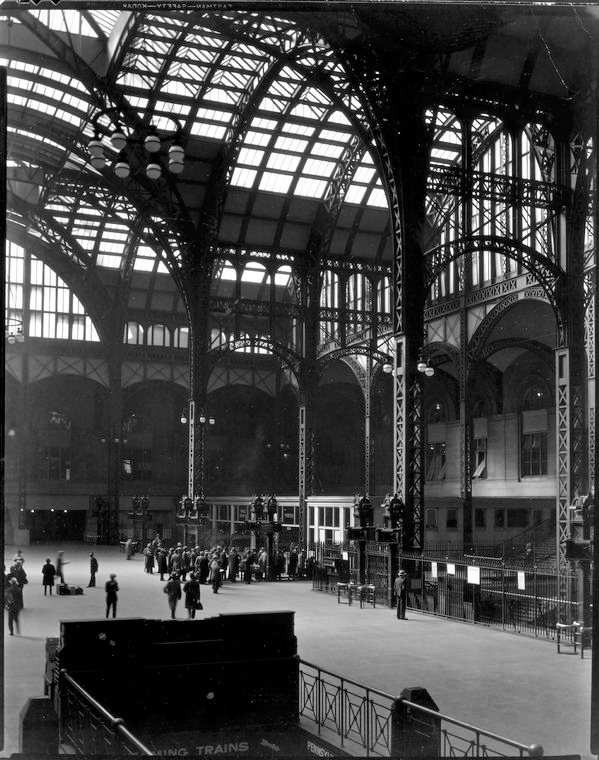

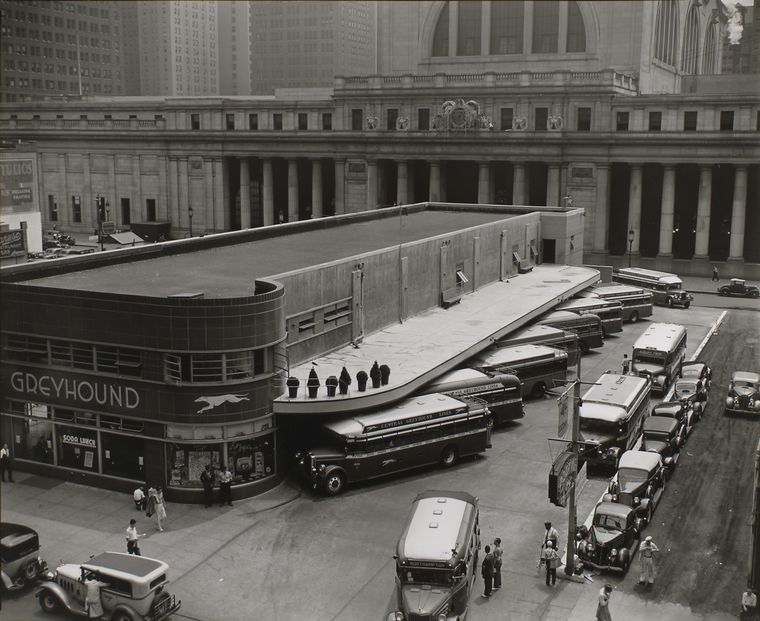
For more pictures of Penn, be sure to check out my earlier post Farewell at Penn Station, poignant moments captured by LIFE photographer Alfred Eisenstaedt of WWII soldiers shipping out.
Images via the Library of Congress and the NYPL
Girl of the Hour: Billie Samuels
06/02/2012 § 4 Comments
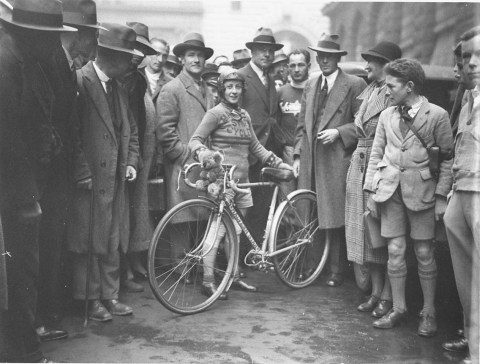
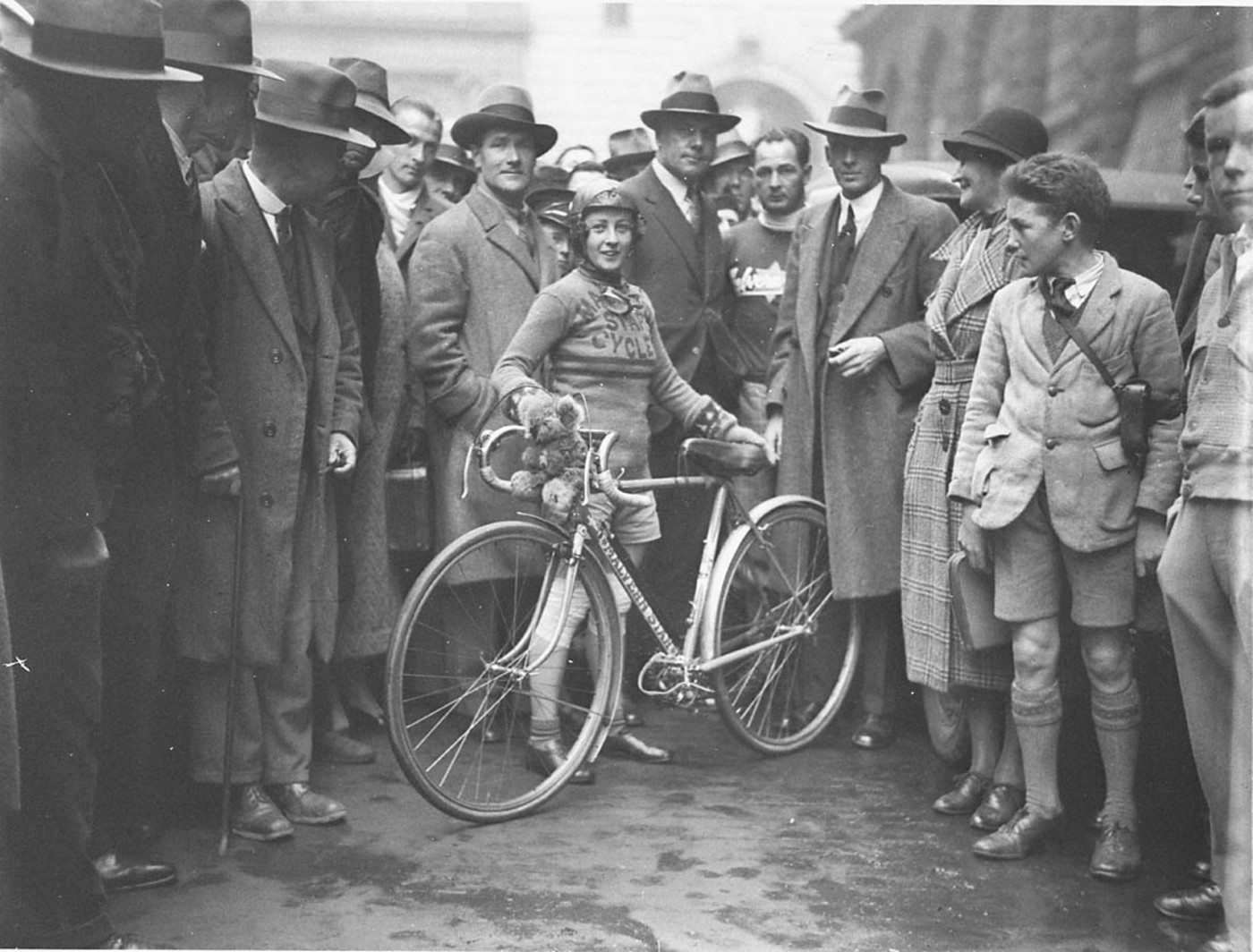
 Billie Samuels, kick-ass girl cyclist, 4 July 1934.
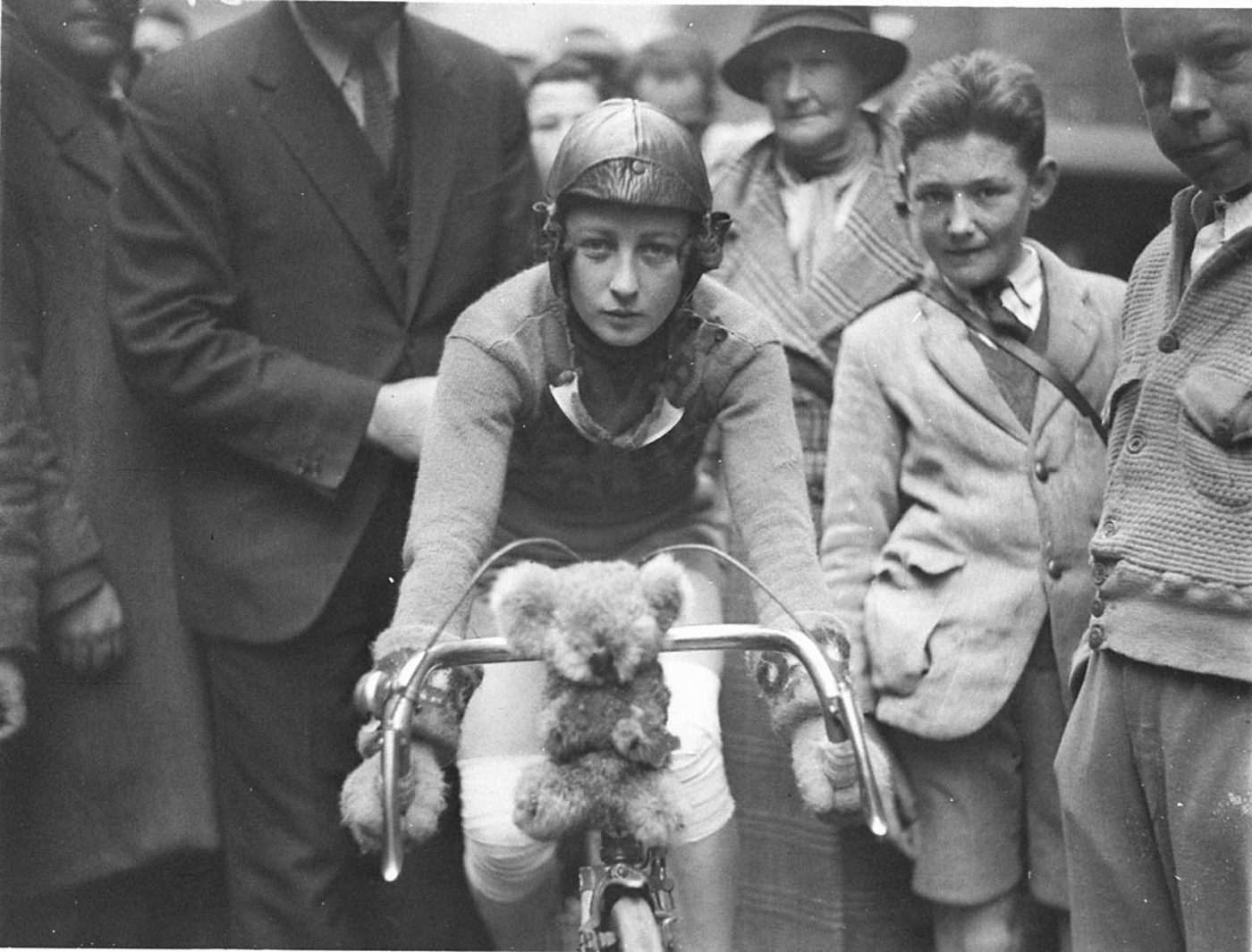
Via The Sydney Morning Herald, Thursday 5 July 1934:
CYCLING.
GIRL’S RECORD ATTEMPT.
Miss Billie Samuels started on her attack on the women’s record from Sydney to Melbourne, held by Miss Valsa Barbour, at 10 o’clock yesterday morning. She will ride to a schedule which will bring her to the Melbourne G.P.O. at 2 p.m. on Saturday, a total time of 3 days 7 hours. This is about three hours faster than the present record. Miss Samuels provides for stoppages of about four hours in Goulburn (132 miles), five hours in Holbrook (333 miles), and five hours in Seymour, Victoria (501 miles), in addition to regular meal stoppages of about 30 to 40 minutes every 40 or 50 miles.
Miss Samuels arrived at Moss Vale at 4.39 p.m., almost 2 hours ahead of schedule time. She encountered rain from Camden to Moss Vale, but is looking fit. Miss Samuels resumed her ride three-quarters of an hour later.
 Images via the State Library of New South Wales.
Previous Persons of the Hour:
Photographer Gerda Taro
Race car enthusiast, sailor and playboy Briggs Swift Cunningham II
World War I in Color: The Autochromes of Albert Kahn
31/01/2012 § 1 Comment
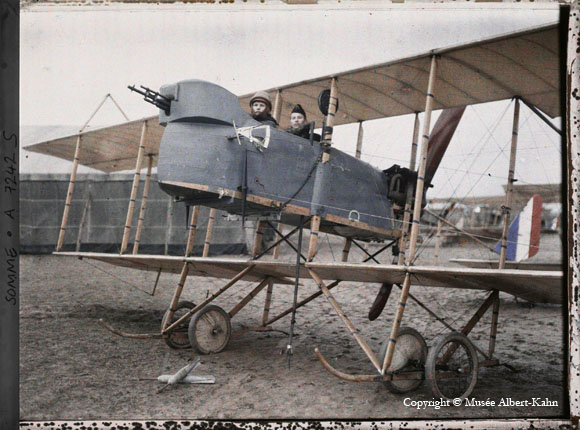
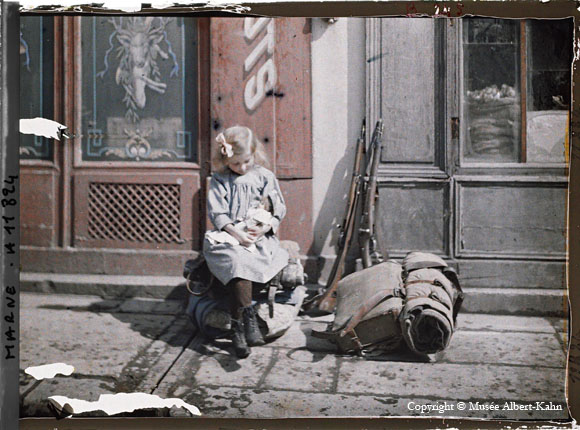


 Color Autochromes — an early form of color photography — taken during WWI, from the collection of Albert Kahn. It is an amazing real-life look into the world that Downton Abbey so elegantly recreated for Masterpiece Theatre. Sidenote: I am completely obsessed with the show. Are you?
Kahn was a French banker and philanthropist who attempted to collect a photographic record of the entire world between 1909 and 1931. Amassing over 72,000 Autochromes, Kahn’s collection included historical records of 50 countries and was little-seen until recently. Kahn’s archive formed the basis of a recent BBC miniseries and accompanying book, The Wonderful World of Albert Kahn: Colour Photographs from a Lost Age. Find out more here.
**Update: Just found a place online where you can watch a bit of the documentary. Find part 1 here and part 2 here, courtesy of Ovation. Enjoy!
QC Loves: Photographer Ditte Isager
29/01/2012 § 1 Comment
From Isager’s series, Horse Riders Journal, Fall 2011
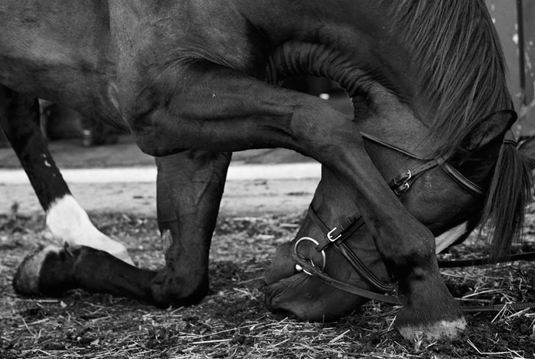
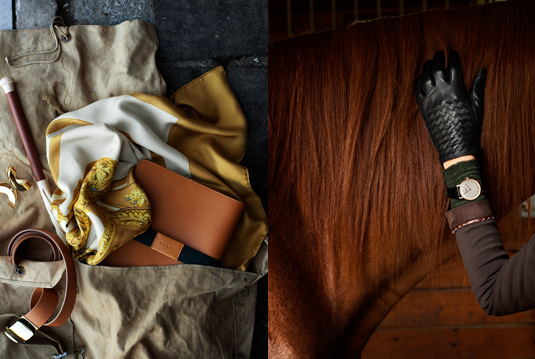


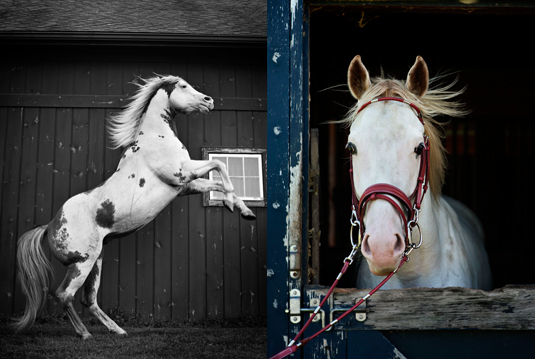


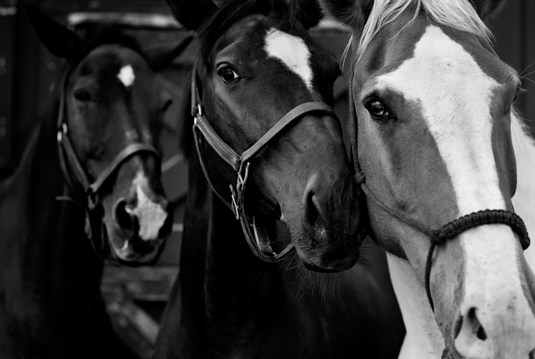
Horse Riders Journal, Spring 2011

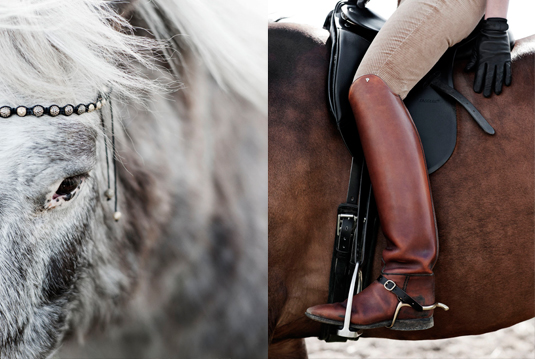
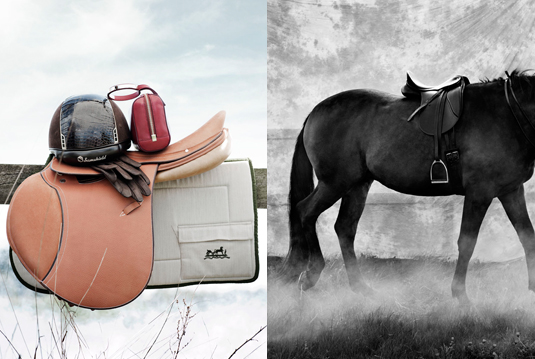
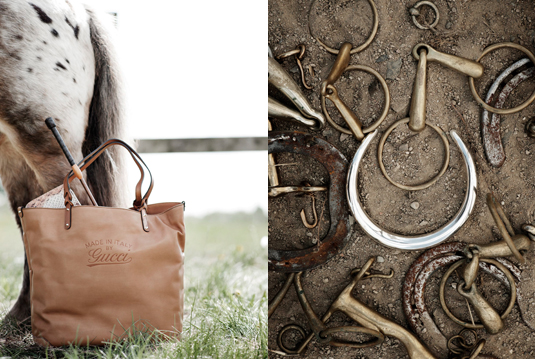
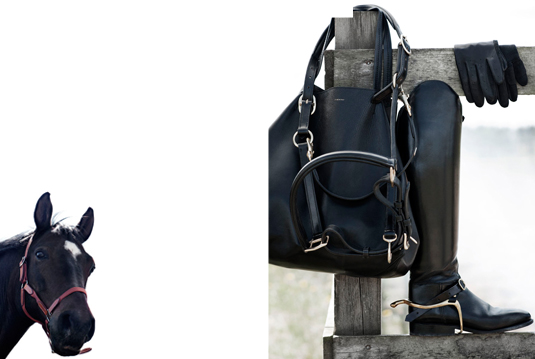
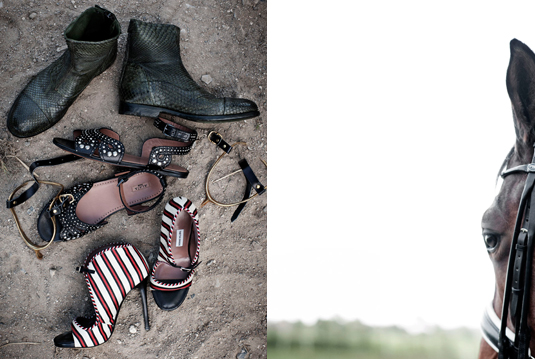

Fashion and dressage? Consider me signed up.
Loving this photography series by Ditte Isager.
Photographer born and raised in Copenhagen Denmark. Living in NYC since 2006. Shooting interiors, personalities, lifestyle and travel. The style is simple nordic. Working with contrast in materials, light, color and objects. Inspiration comes from the light in the Dutch masters, storytelling and effects from motion pictures and the style, character and layers of NY.
Commuting Through Time: New York
26/01/2012 § 2 Comments
A few places I pass by every day on my daily commute…

Grand Central Terminal

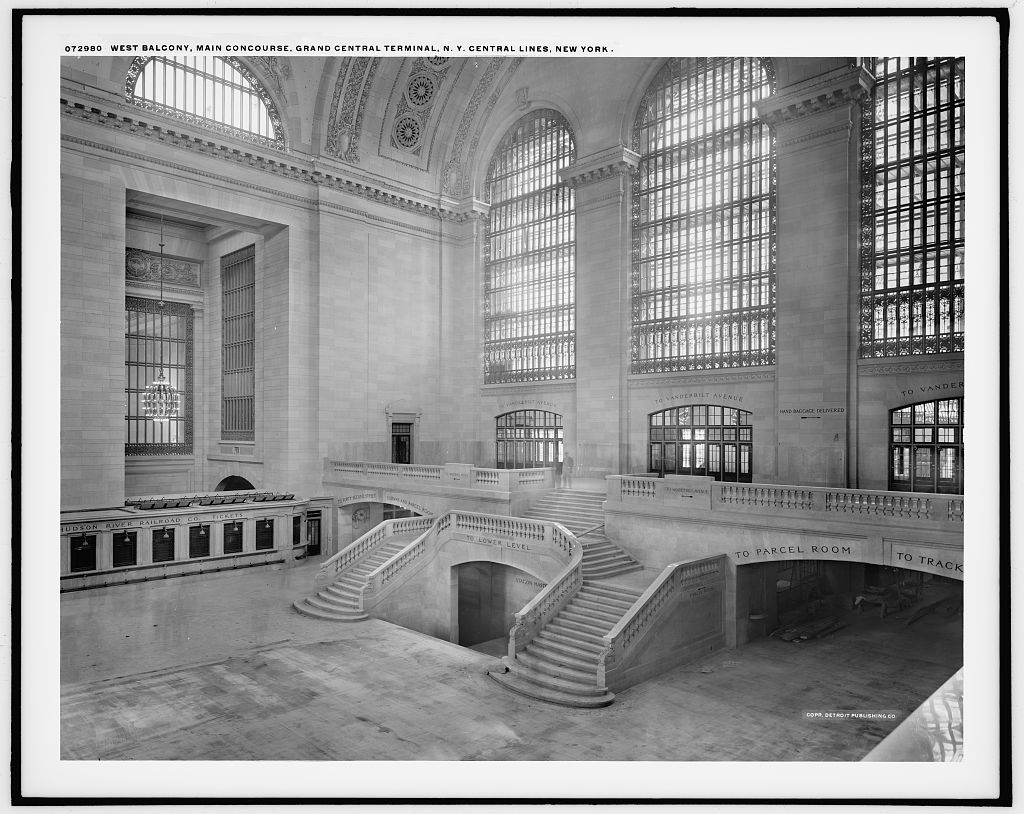
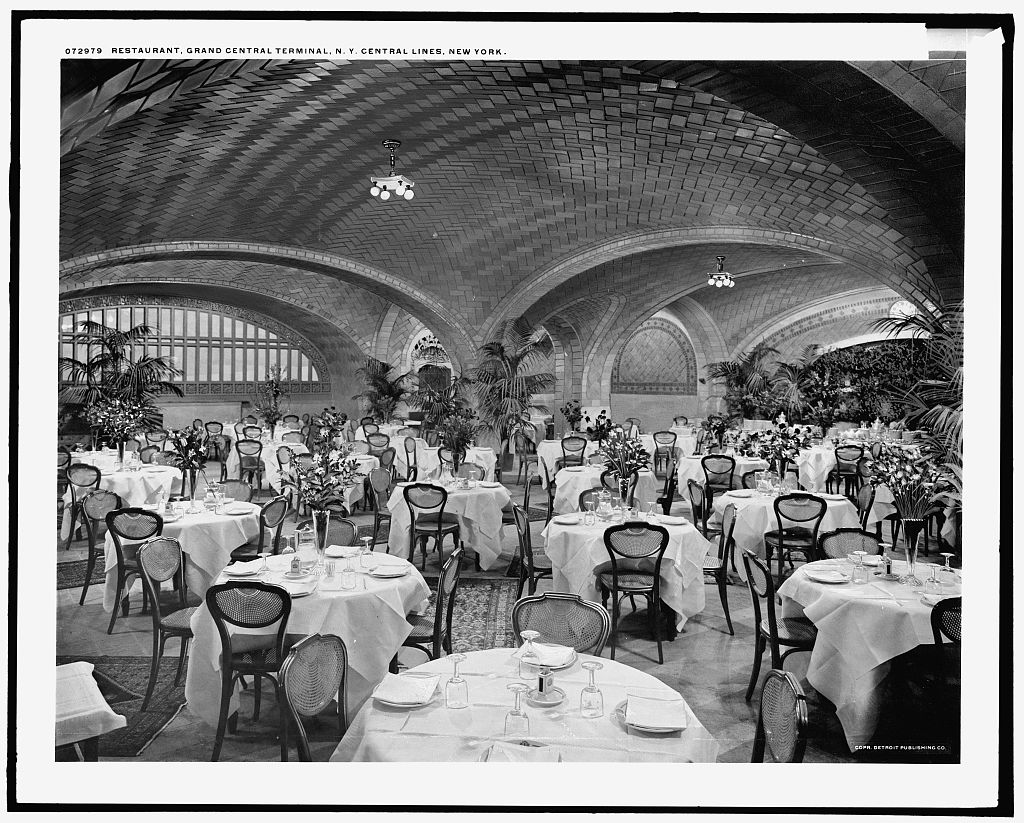

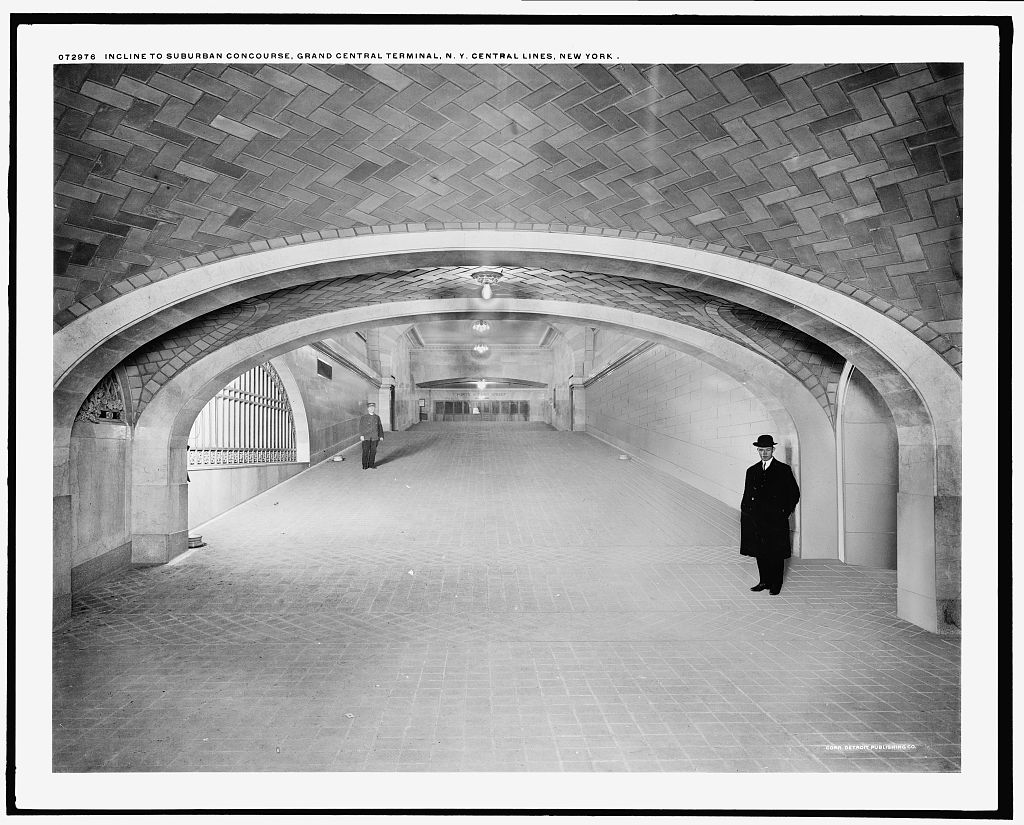
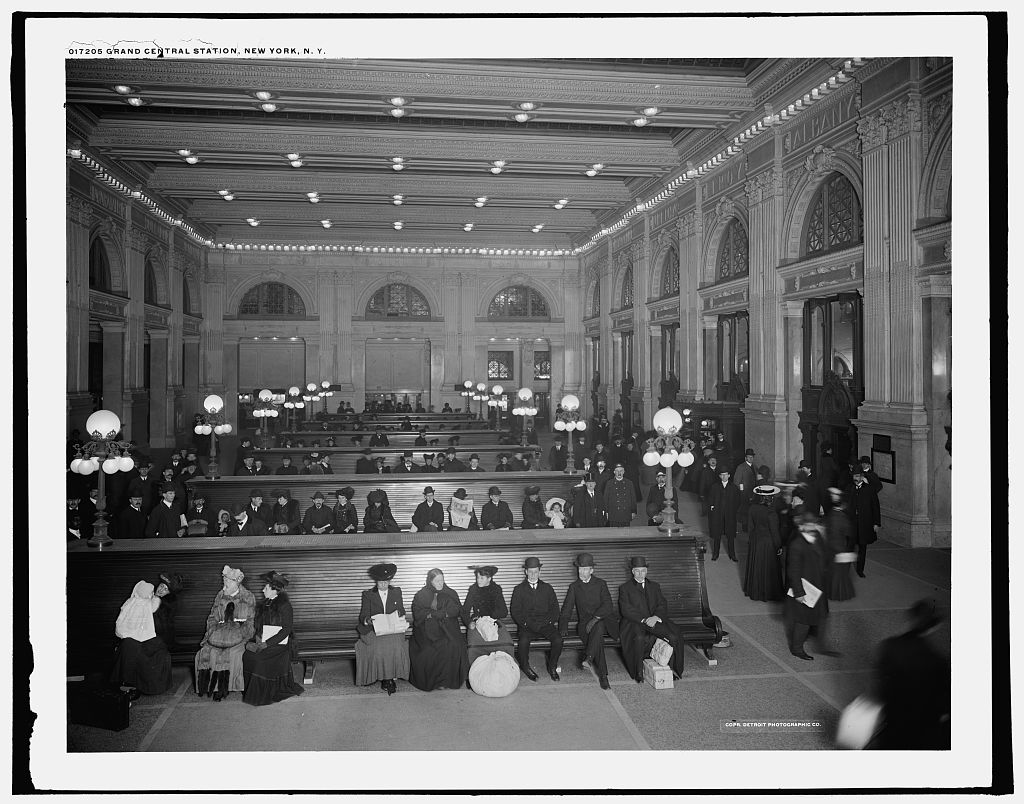
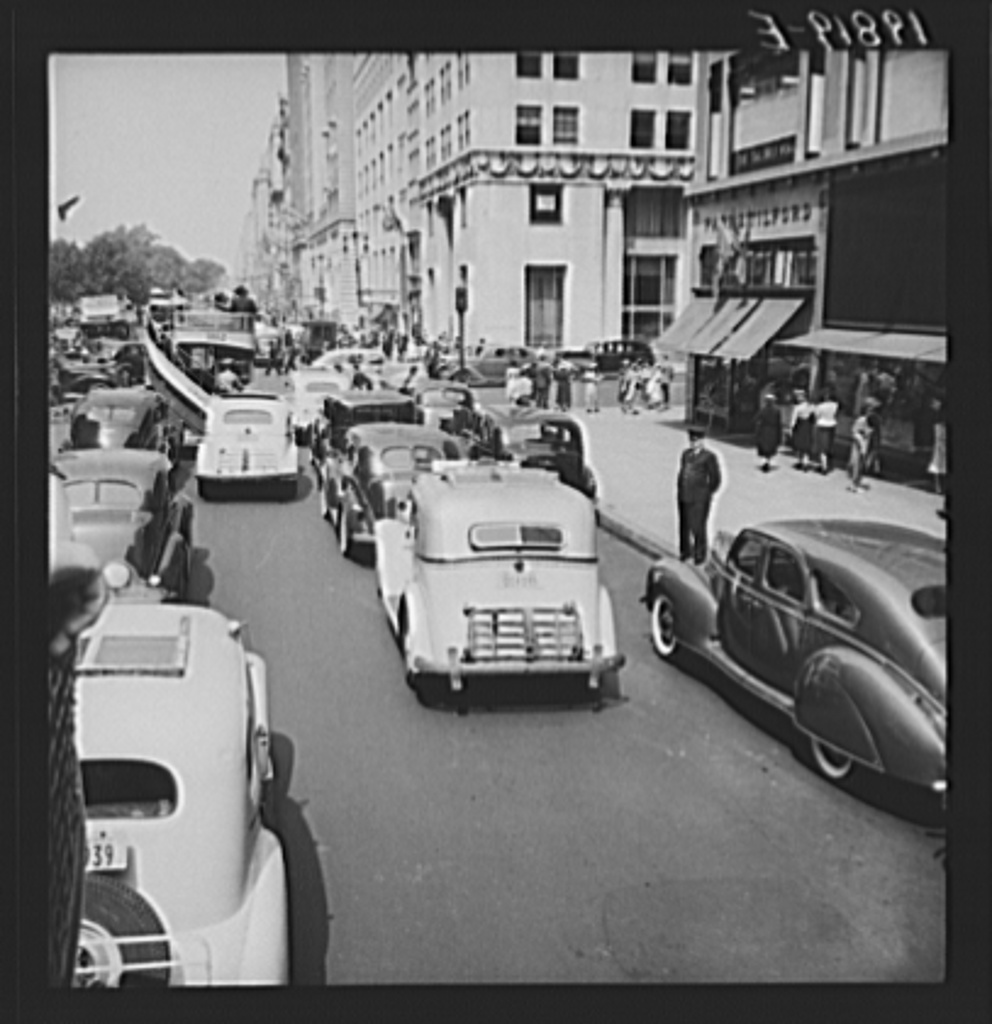
Fifth Avenue.
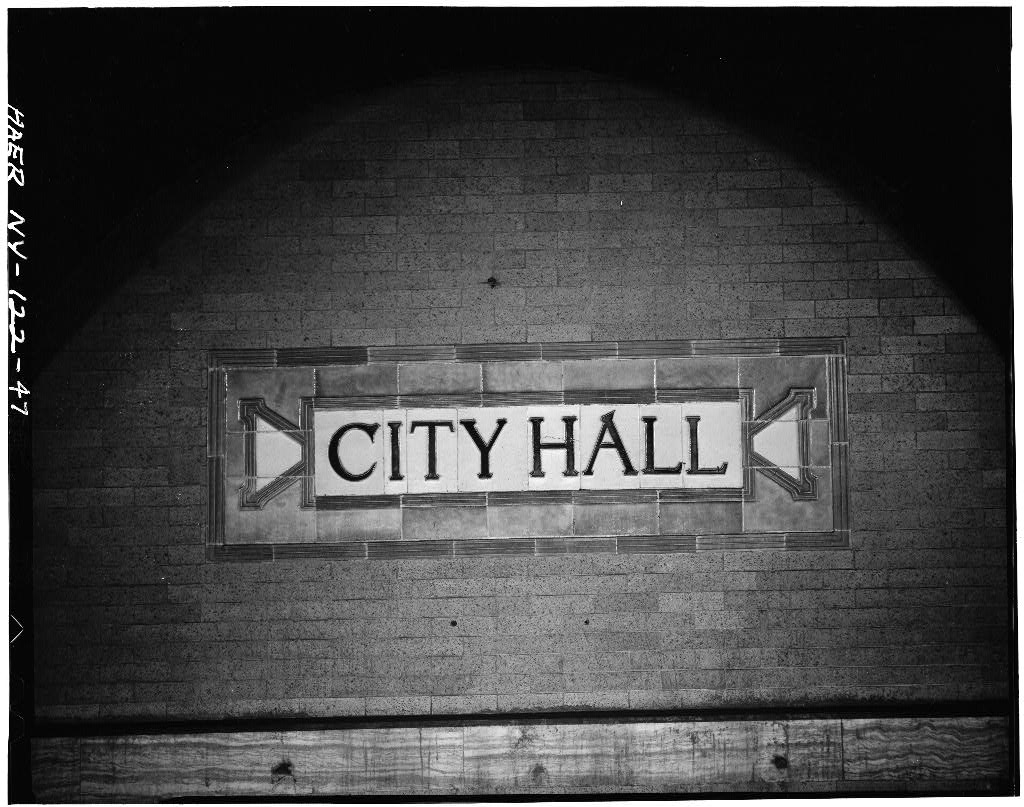
The “hidden” City Hall stop…

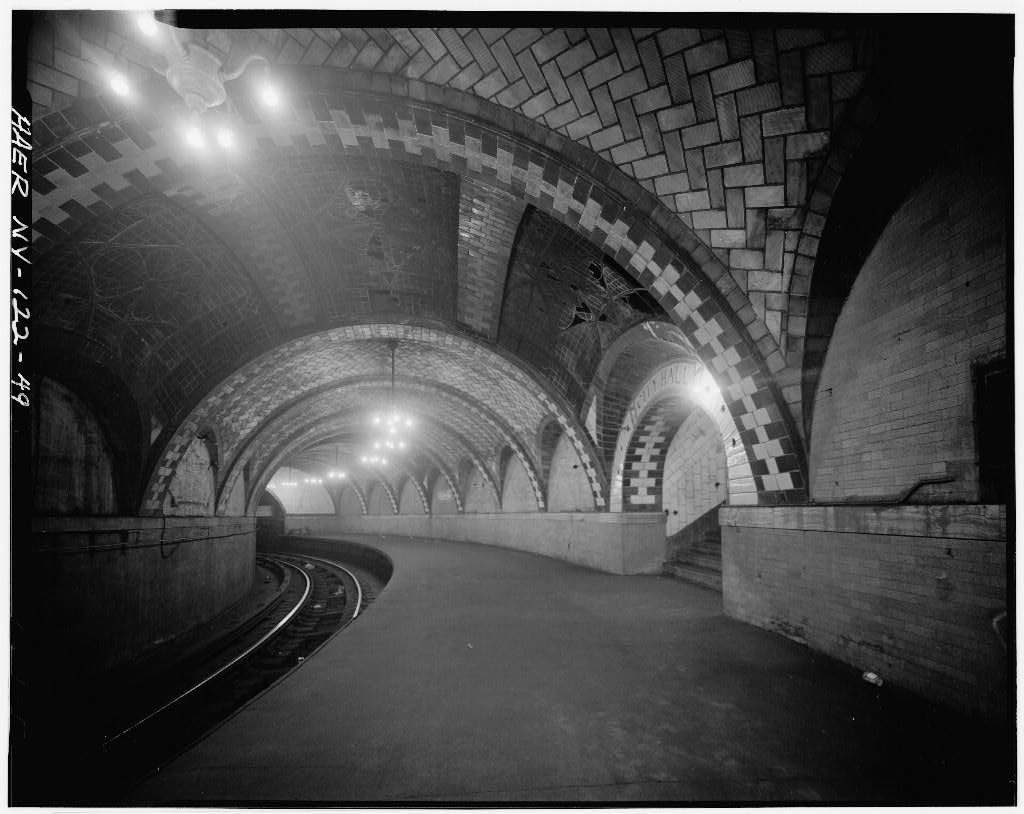

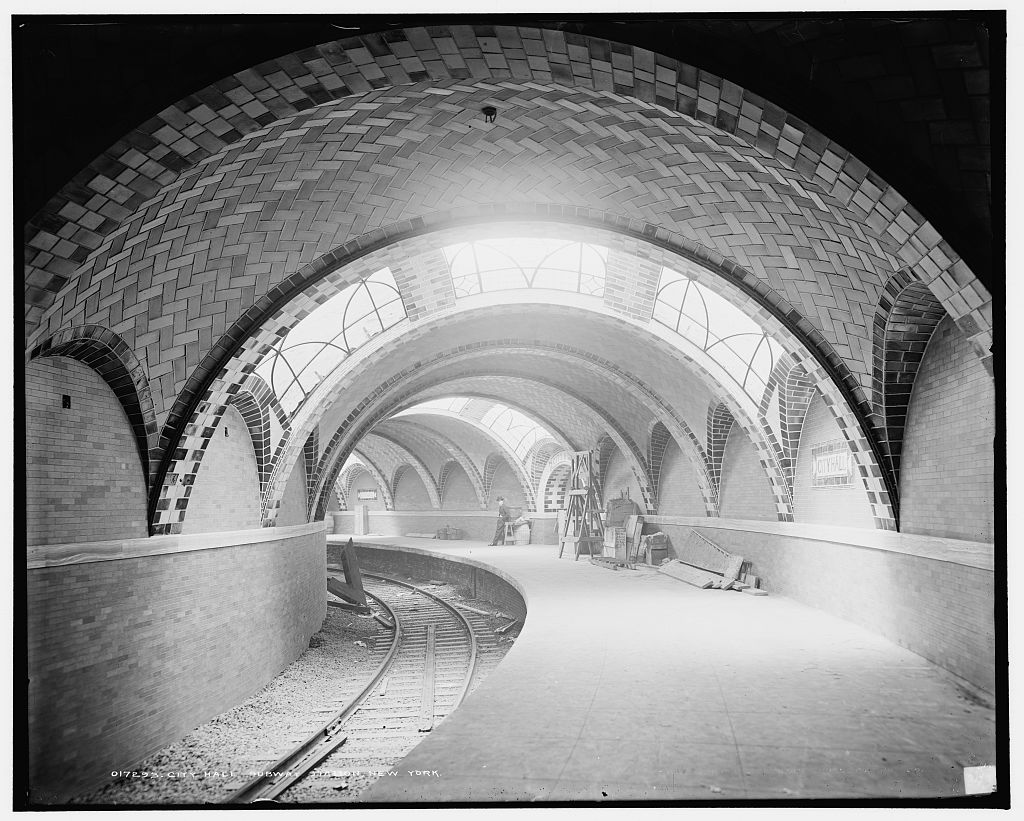

Courtesy of the Library of Congress.
Desired Destination: Siena
24/01/2012 § 3 Comments
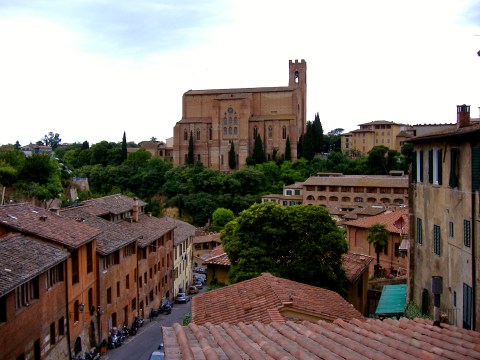 Church of San Domenico, Siena.

With all the dispatches a few weeks back from Florence for Pitti Immagine Uomo, my thoughts couldn’t help but turn to the time I spent studying abroad in the same city. I loved living in Firenze, just off of Piazza Savonarola, in a tiny and charming apartment that originally served as servant’s quarters for a massive home owned by an old and aristocratic family. As I looked at the countless photographs of the peacocking at the trade shows, I couldn’t help but look past the — well-dressed, of course — men, to the city that was peeking around the edges, and remember what living in Tuscany felt like.
My latest Desired Destination is one of my favorite places in Tuscany: the tiny, medieval town of Siena. Approximately one hour south of Florence by car, Siena is noted for its sport, its fierce neighborhood loyalties, and its ancient history. The town is divided into seventeen contrade, or wards, each with distinct boundaries and identifiable symbols and animal mascots. While originally instated to provide military support and initially organized by trade, the contrade have evolved into extremely patriotic neighborhood associations: a resident of Siena will be baptized, married and eulogized, all within his or her contrade, and as you walk through the town, you’ll find the symbols prominently featured everywhere — as almost all contrade have declared rivals and allies, boundaries are very important. These rivalries reach a fever pitch during the Palio, a biannual horse race that has been run in Siena since the 14th century.
 The symbol of Siena:
 Romulus and Remus with the she-wolf
Actually, this is Senius and Aschius, sons of Remus. (Thanks to Simon for the correction!)

“Legend has it that the city was founded by Remus’ sons Senius and Aschius who stole the statue of the she-wolf from Apollo’s temple. Senius rode a black horse, Aschius a white steed. Those colours form the city’s heraldic colour scheme black and white while the city emblem is the same as Rome – the she-wolf and breast-feeding twins.” Via.
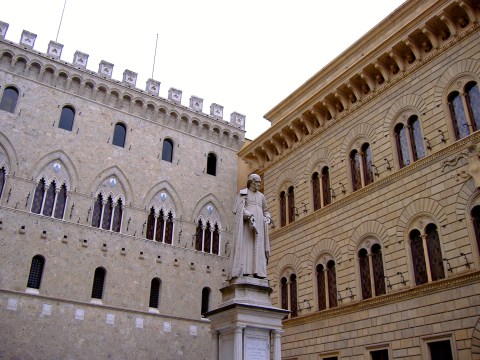 Palazzo Salimbeni, piazza Salimbeni.
Headquarters of the oldest bank in the world, Banca Monte dei Paschi di Siena,
which has been in operation since 1472.

 Piazza del Campo.

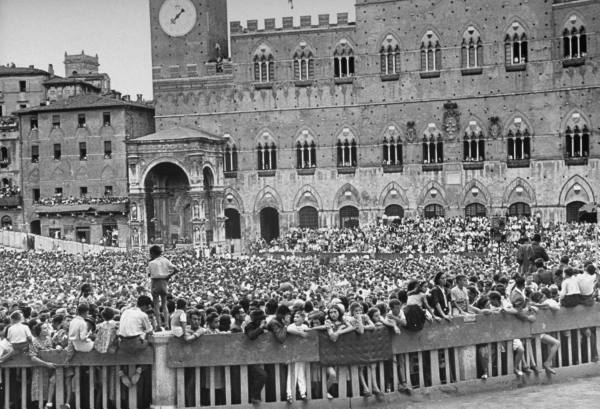
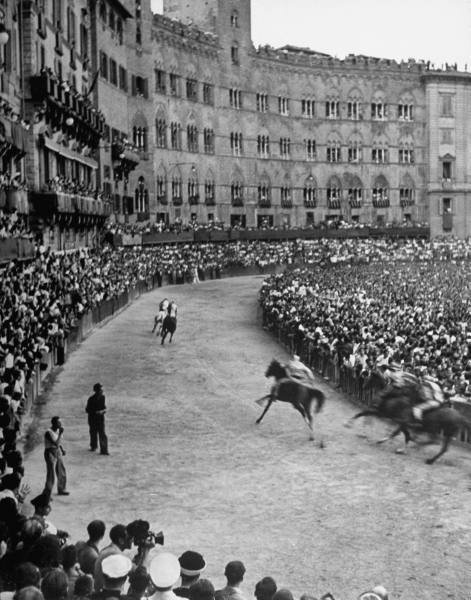
The Palio is run in Siena’s historic center, the Piazza del Campo. Spectators fill the Piazza to the brim, with wealthier spectators enjoying the view from balconies above. With layers of dirt packed over the stone, the horses and riders must complete three loops around the Piazza as fast as possible. Complicating matters are the Piazza’s sharp turns and the fact that the jockeys must ride bareback — injuries are frequent and it is not uncommon for horses to compete and win the race after discarding their graceless riders. At each race, ten contrade are represented, alliances are tested and rampant bribery is rumored, in this ultimate competition for bragging rights and glory that is much unchanged since it was first run in the 14th century.
 Spectators in the Piazza del Campo, 1947. Photos by Walter Sanders for LIFE.
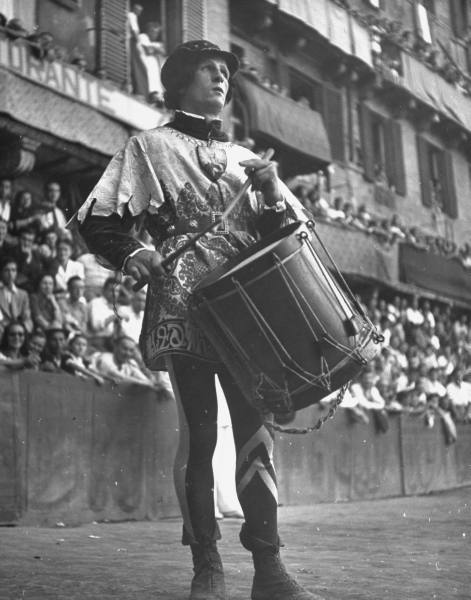
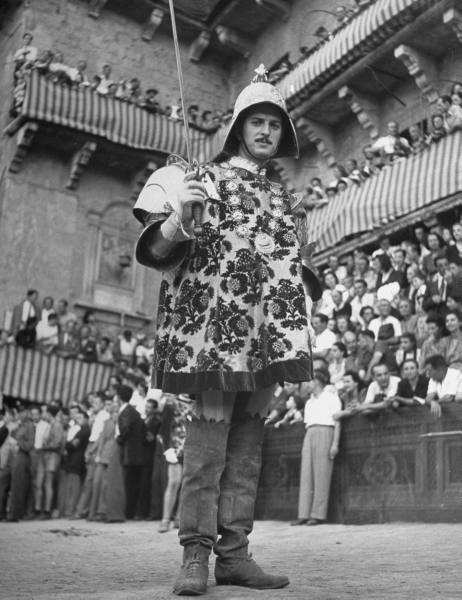
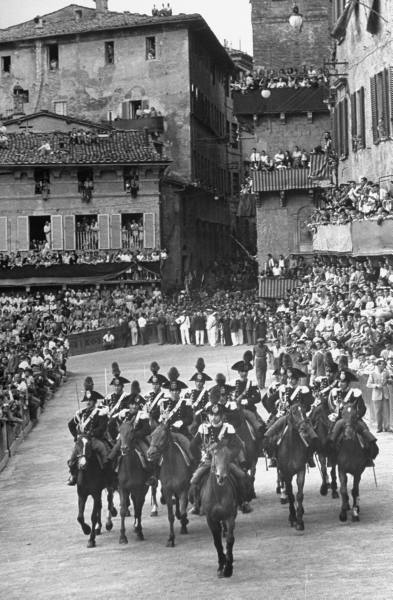


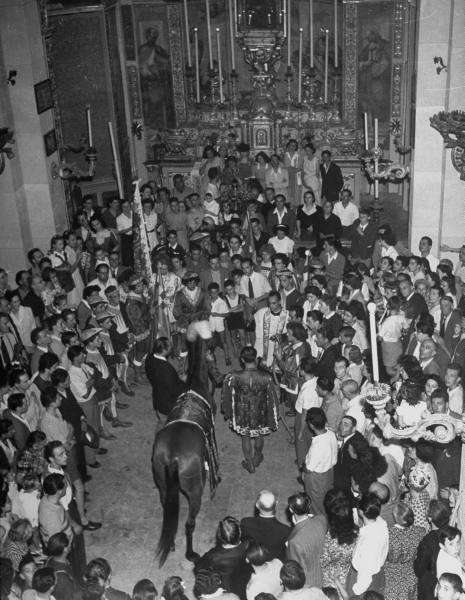 Each contrade brings their horse into their church for a pre-race blessing.

Horse racing not your thing? Fear not. Siena’s designation as a UNESCO World Heritage Site assures that there is something for almost everyone, especially if you like art and churches. There are the beautiful secular frescoes in the Palazzo Pubblico and the amazingly elaborate Duomo di Siena to see. However, if you prefer to simply wander about the old winding streets, I wouldn’t argue. And definitely bring home some of the beautiful and brightly painted ceramics Siena is known for — contrade specific, of course.
For accommodations, turn to Hotel Certosa di Maggiano. Originally a Carthusian monastery built in 1394, the property changed hands and fell into disrepair until it was purchased in 1969 and eventually converted by Anna Grossi Recordati into the luxury hotel it is today. Surrounded by six acres of countryside and boasting one of the best restaurants in the world, chef Paolo Lopriore’s Il Canto, the Hotel Certosa di Maggiano is a perfect escape from the hustle and bustle of Siena, conveniently located only one kilometer from the town.
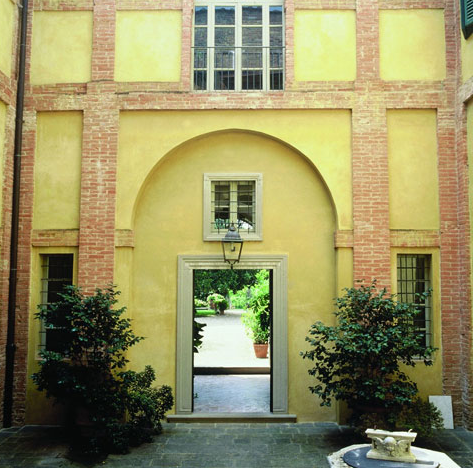
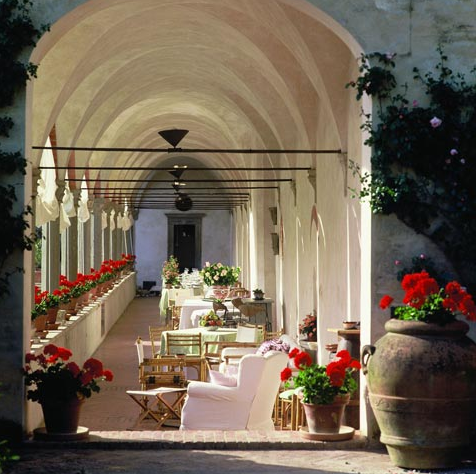
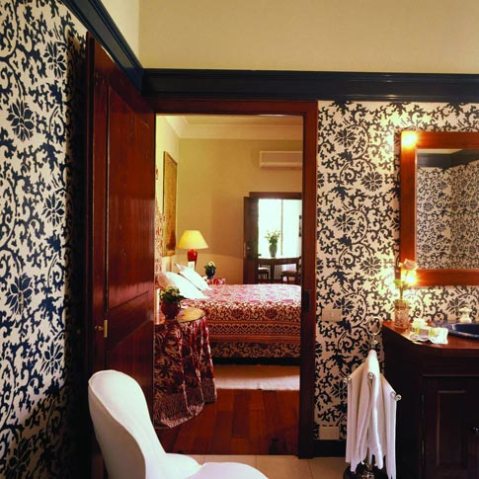 Images via Hotel Certosa di Maggiano.

Currently closed for the winter, this darling hotel is set to reopen on March 16.
Perhaps I should book a room for when Pitti rolls around again in June…
Strada di Certosa, 82
0577 288 180
The Falcon Hunt
08/01/2012 § Leave a comment
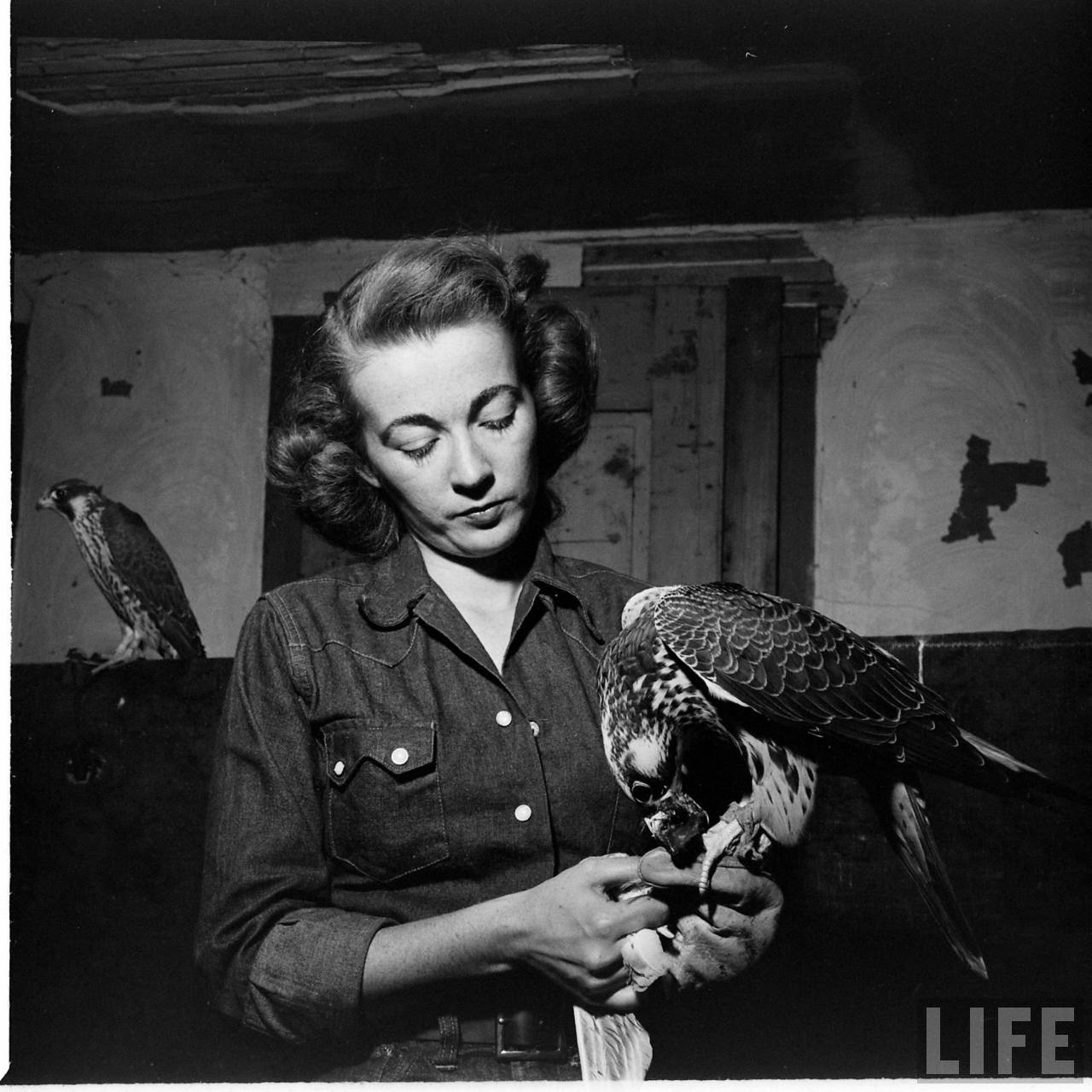
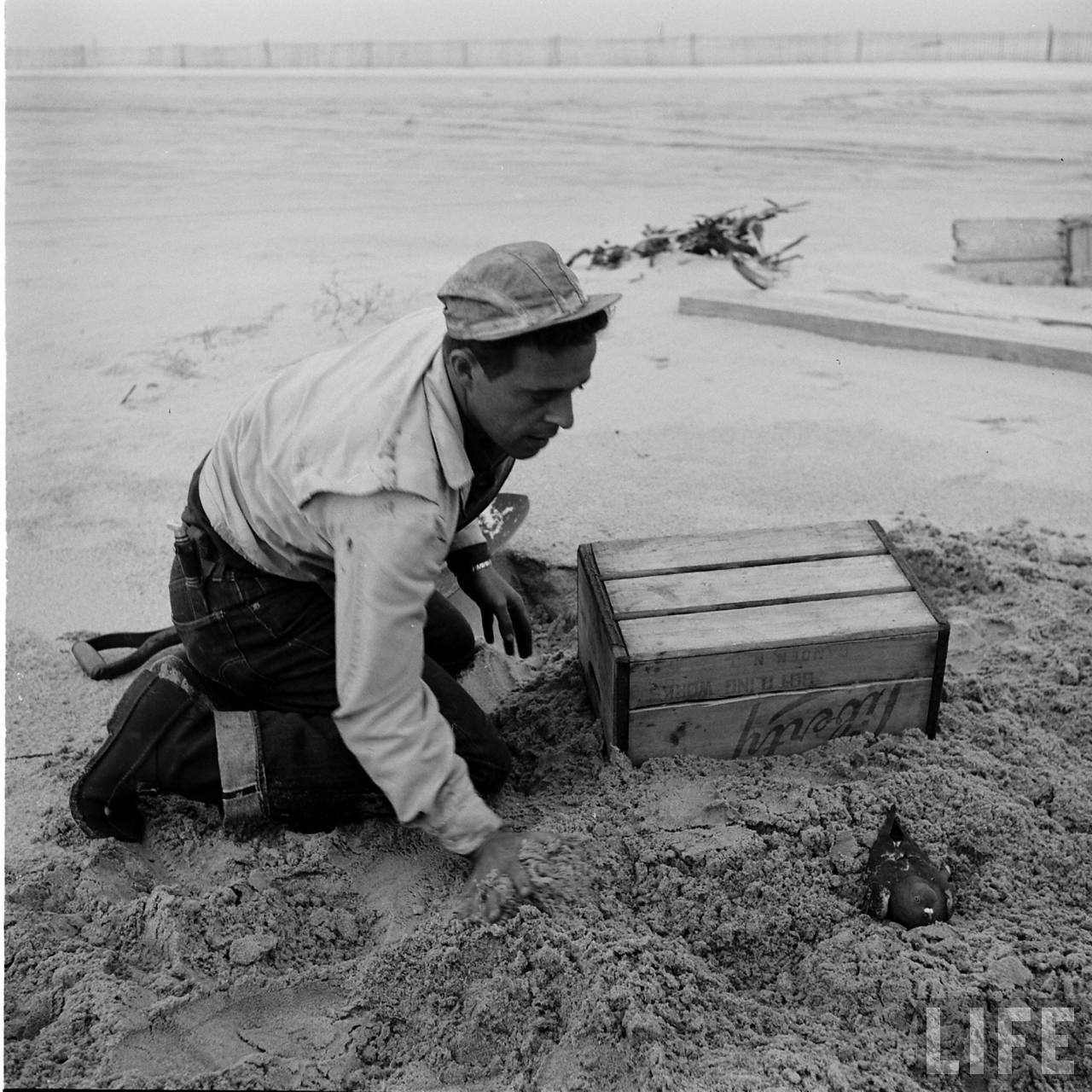
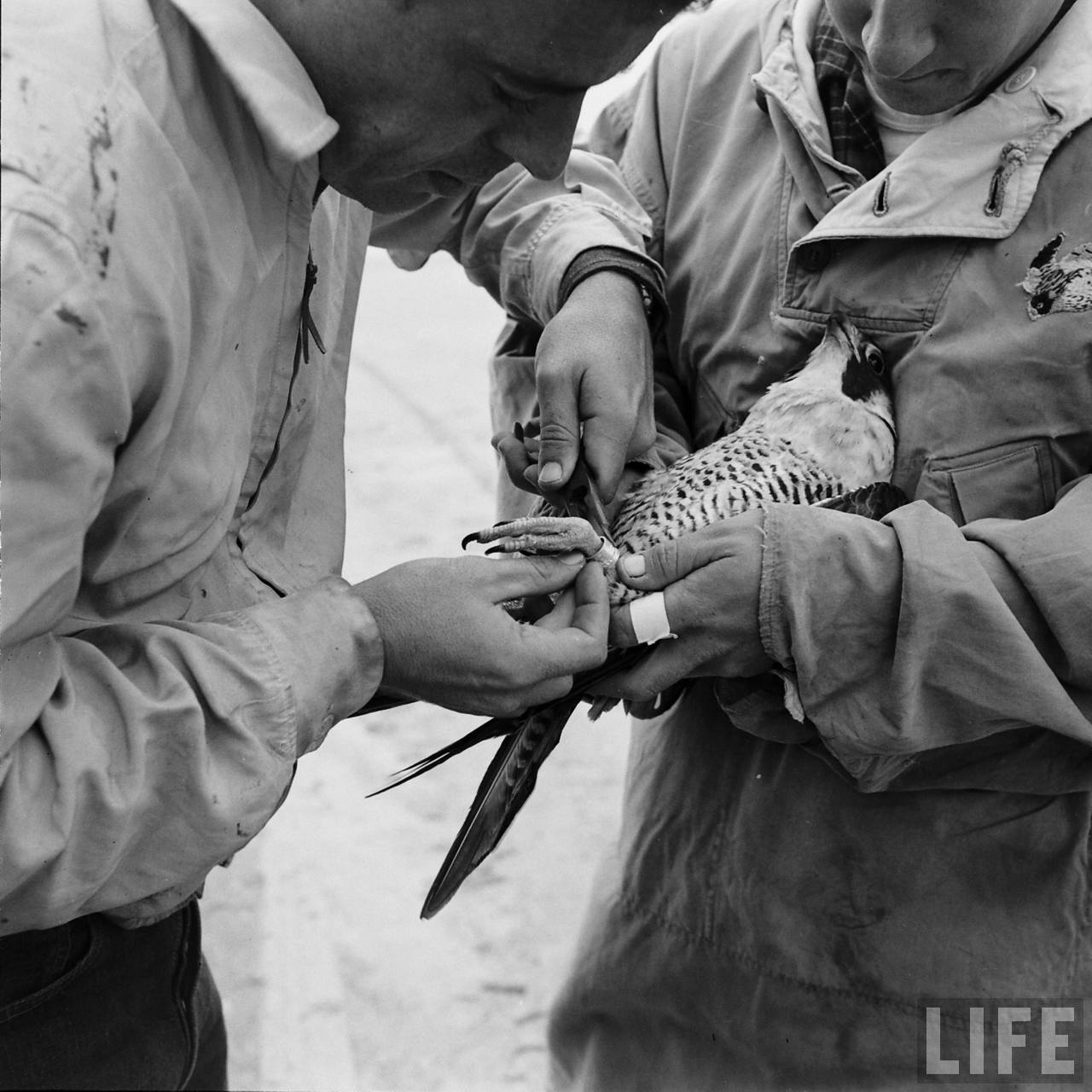
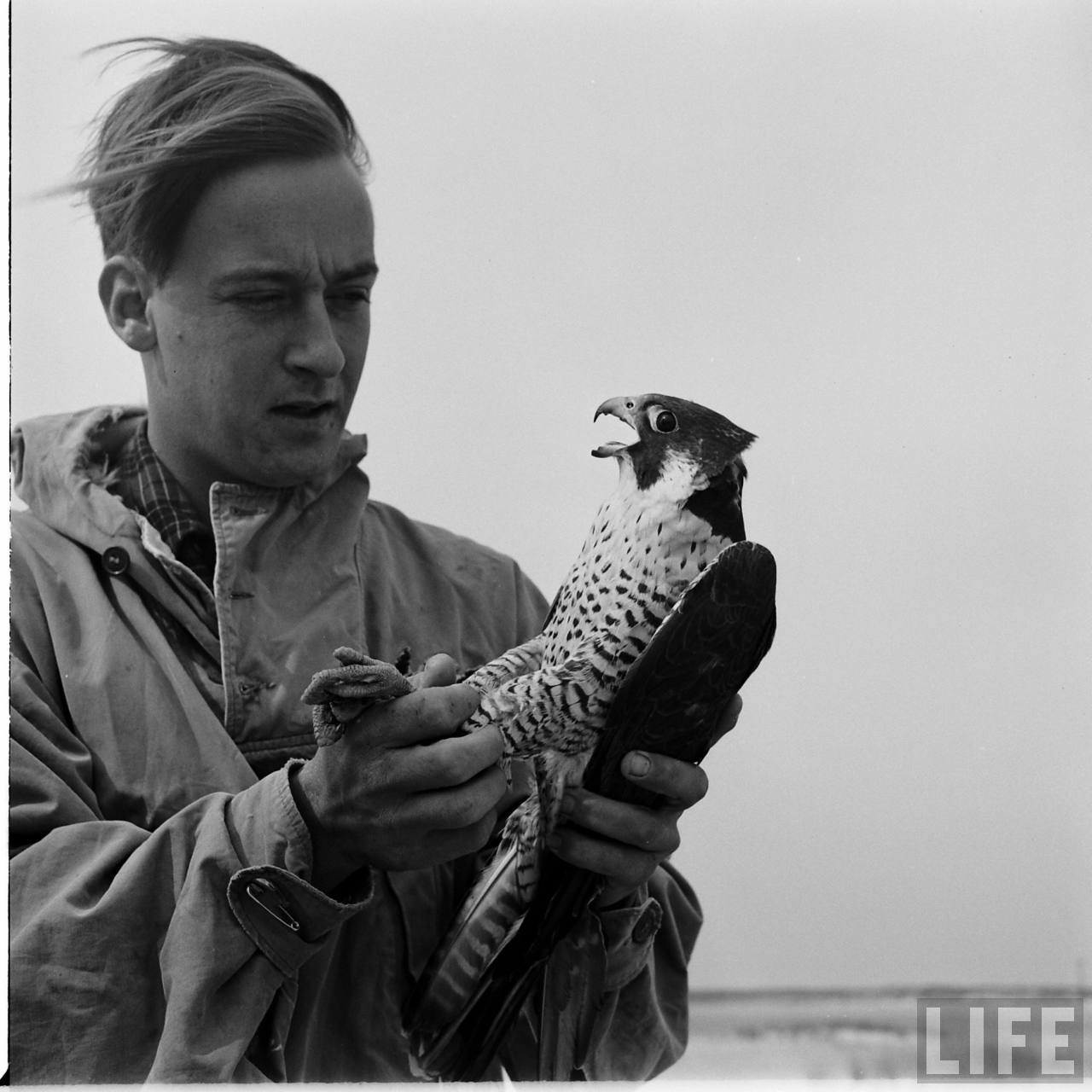
In 1952, Halter Cunningham, a federal game warden and businessman, allowed LIFE photographer Peter Stackpole to come along on his annual fall falcon hunt on an island off of Maryland. Using the “medieval” method of pigeons attached to strings and hunters buried in the sand, Cunningham captured a number of peregrine falcons to attach identification bands to their legs, so that ornithologists could then study their movements. He then released all but one falcon back into the wild, keeping that bird to train over the winter months and then release the following spring.
To read the original article, Life Goes on a Falcon Hunt,
which appeared in the November 17, 1952 issue of LIFE, head here.


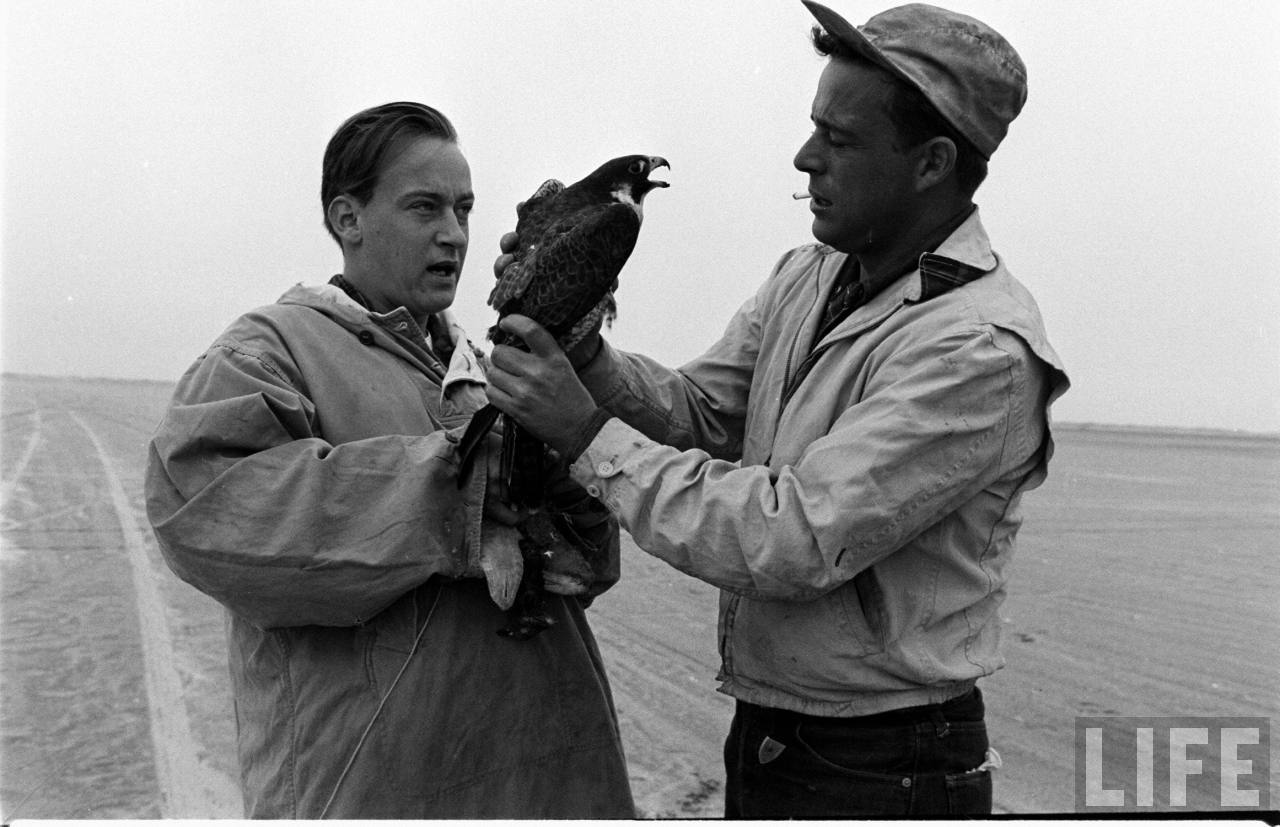

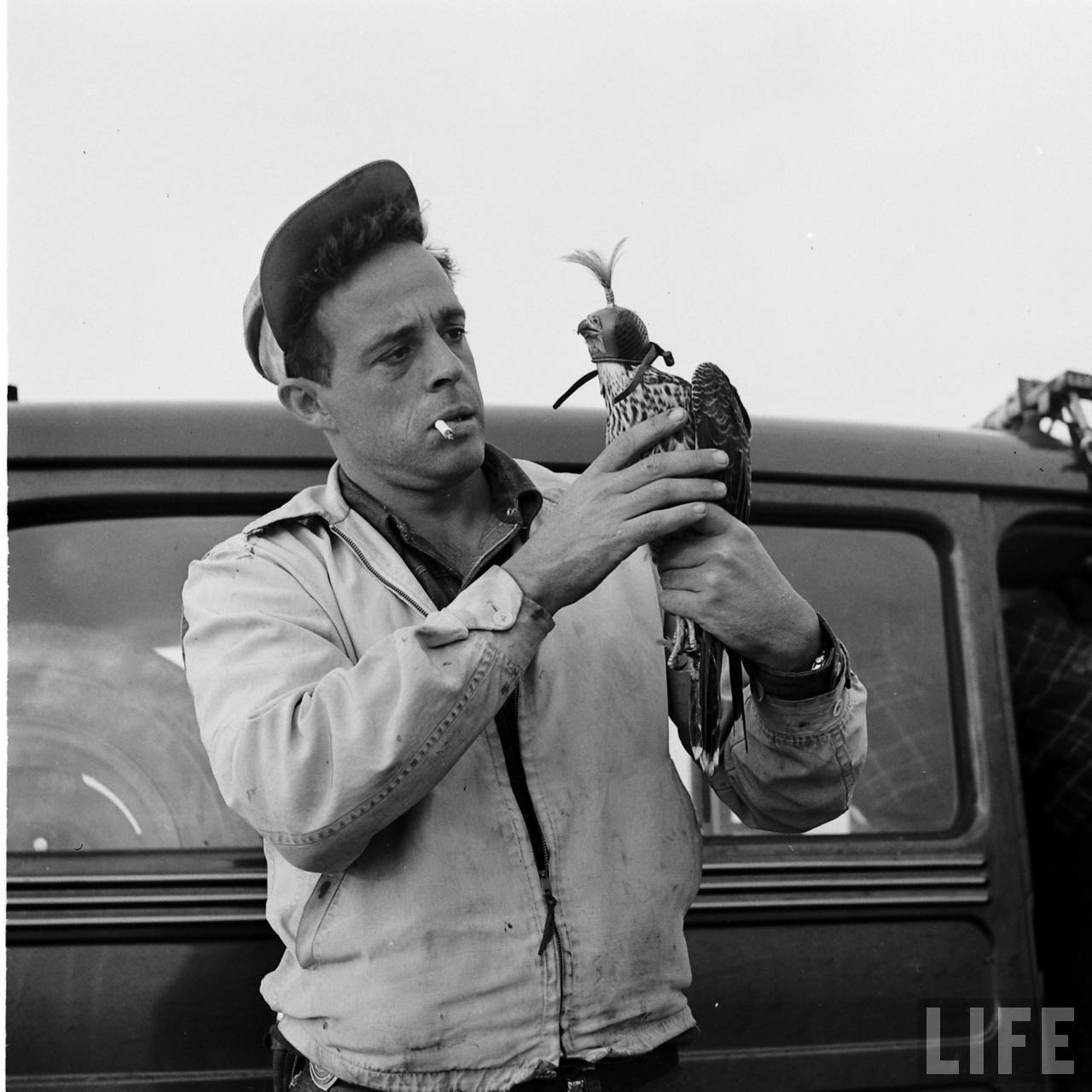
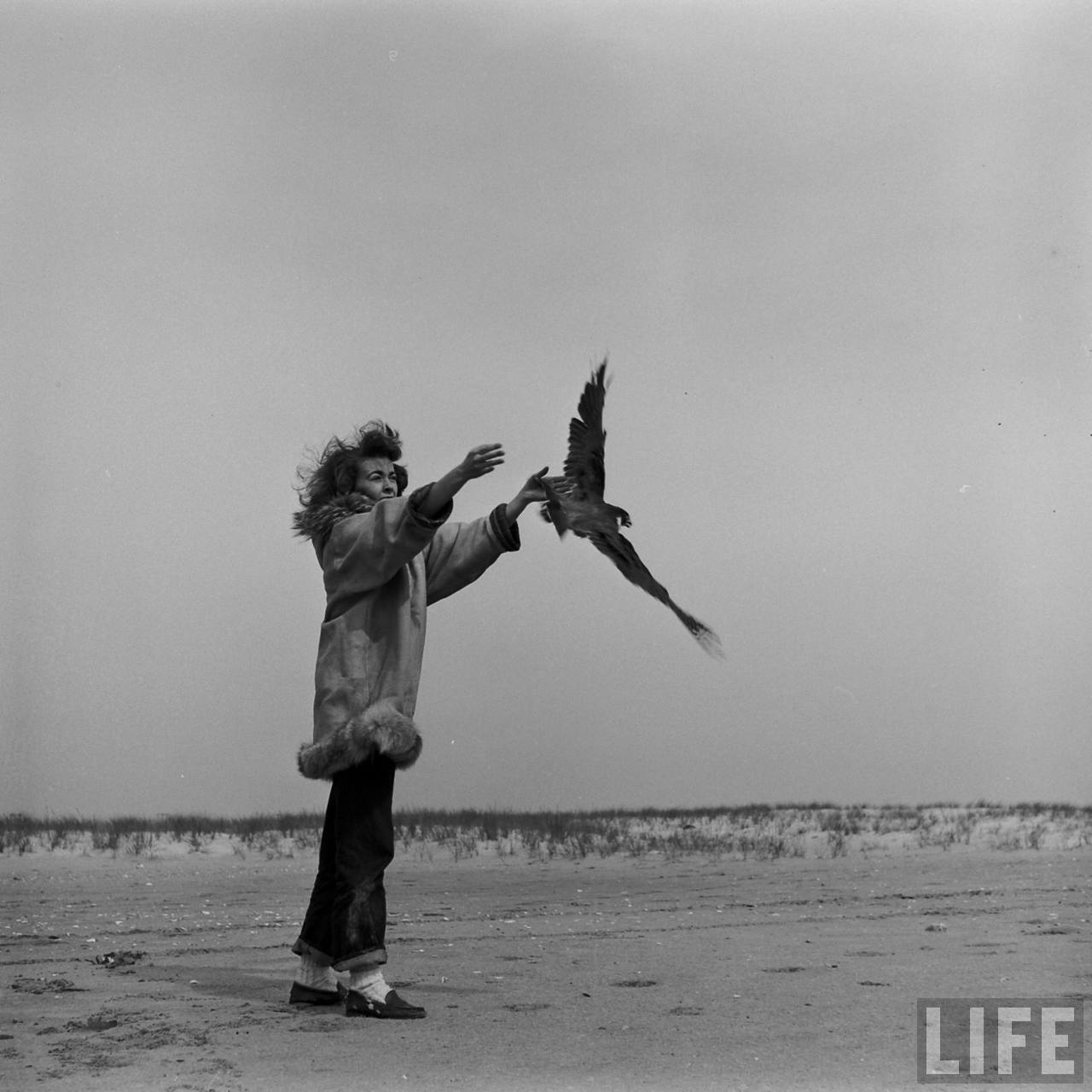
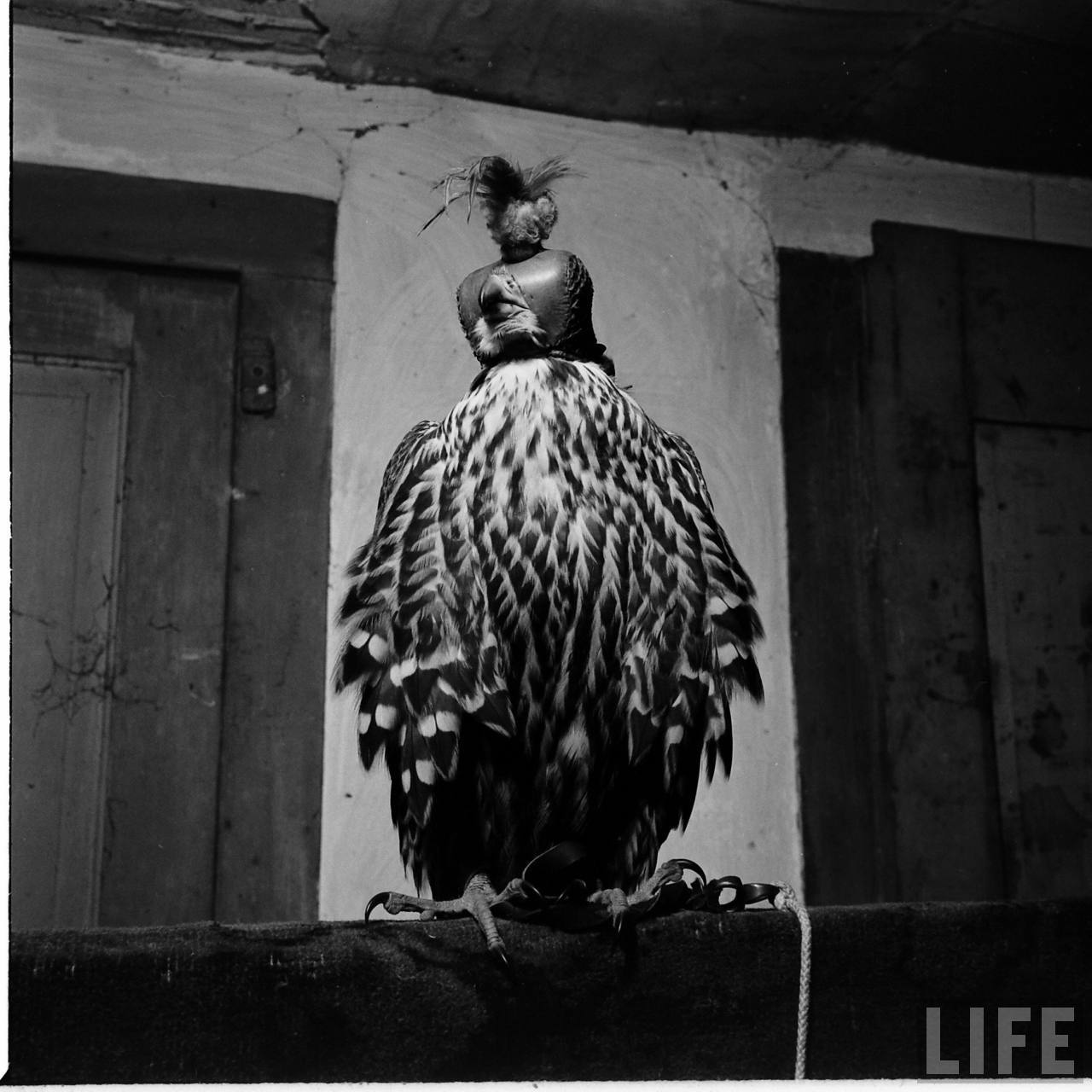
See more of the falcons at home after the jump.
Rabbit Hole Revisit: paws22
06/01/2012 § 1 Comment
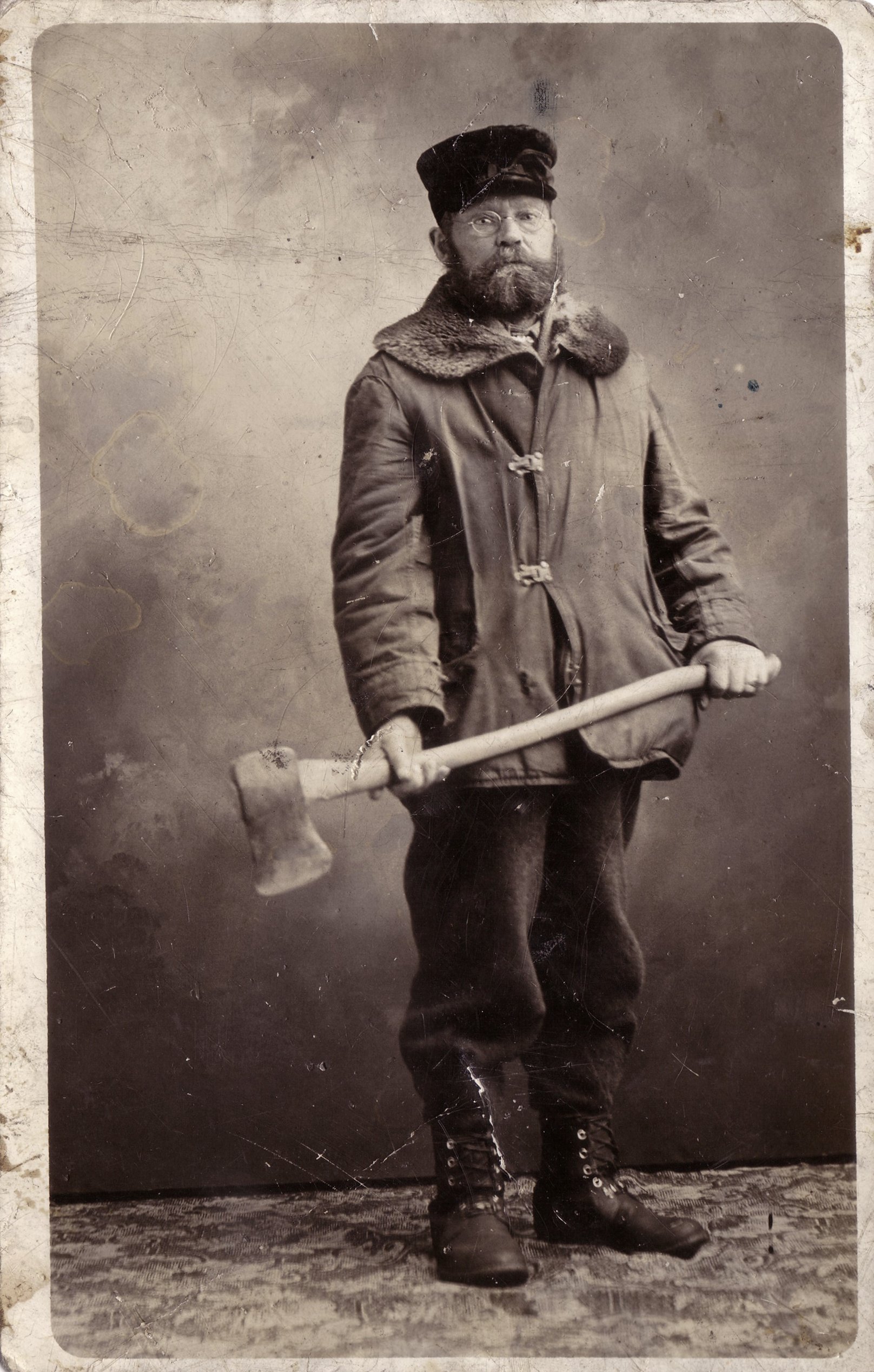
It had been awhile since I checked in with paws22 on Flickr, and I’m happy to report he’s still working away on his collection of some of the best vintage photographs I’ve ever seen. If you haven’t yet visited him, you really ought to. Head here.
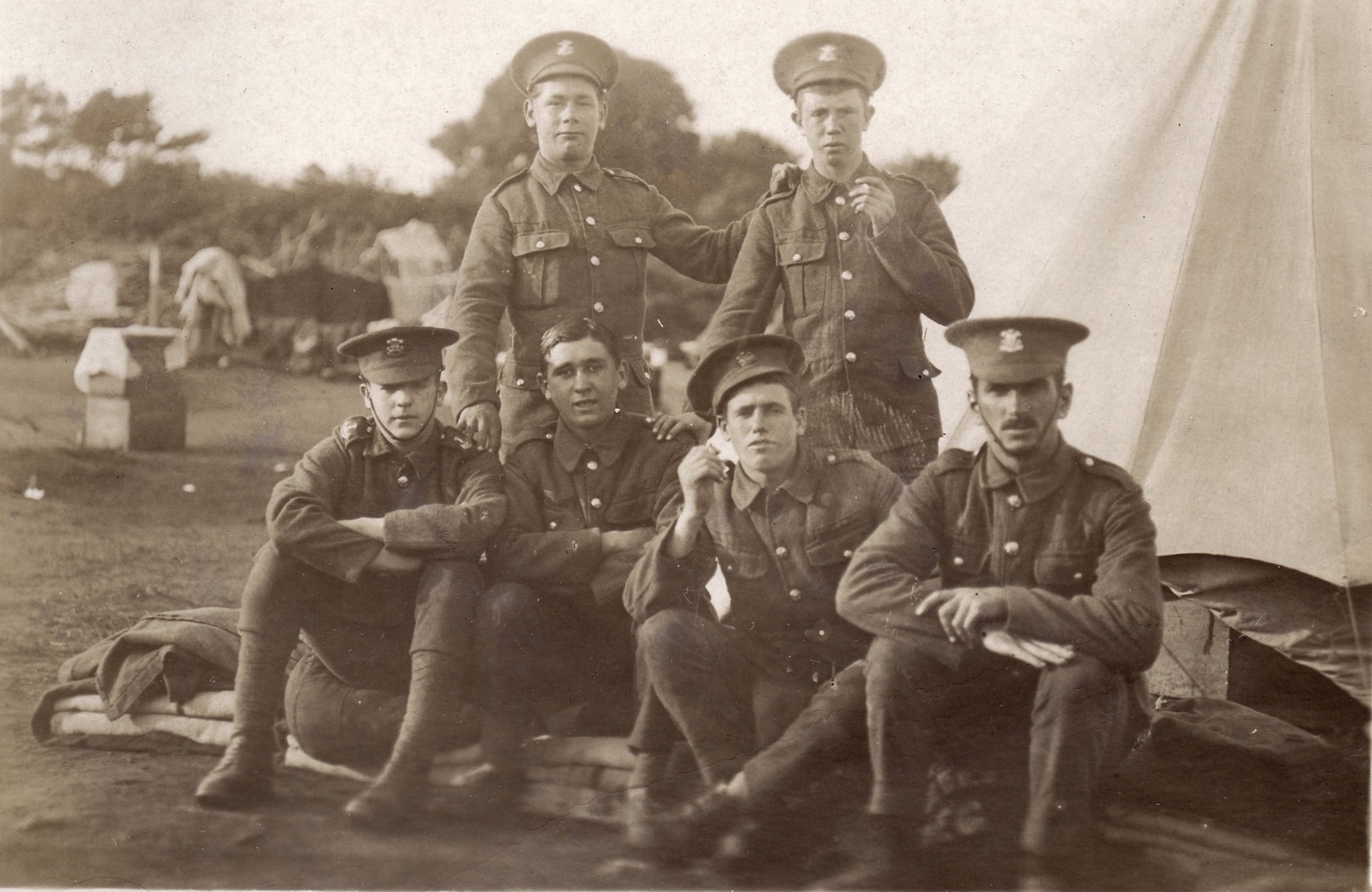


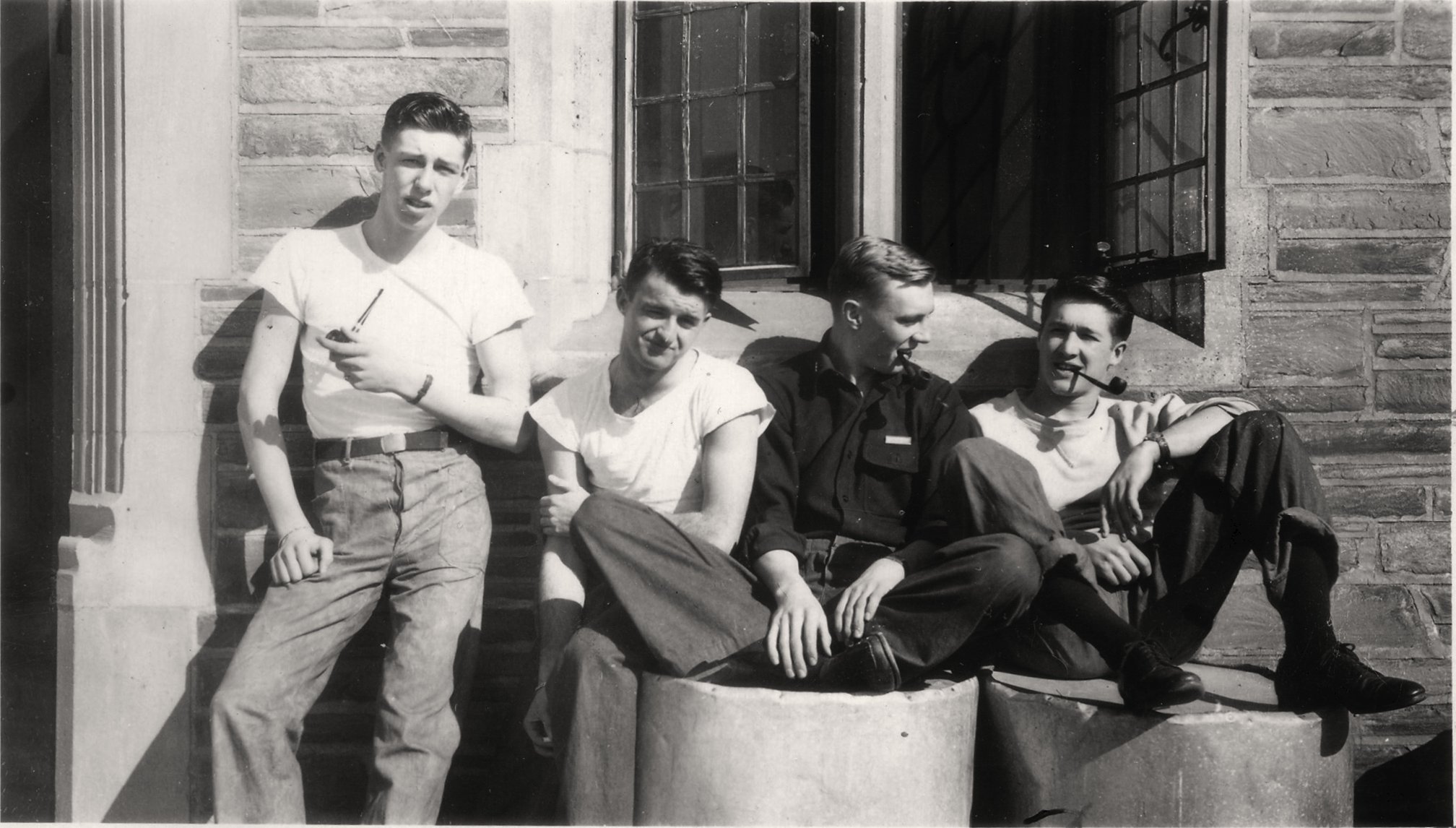 All images via paws22.
Related:
Rabbit Hole Revisit: paws22 on Flickr
Down the Rabbit Hole: paws22 on Flickr
The Duke of Beaufort’s Hunt, 1949
23/12/2011 § 2 Comments

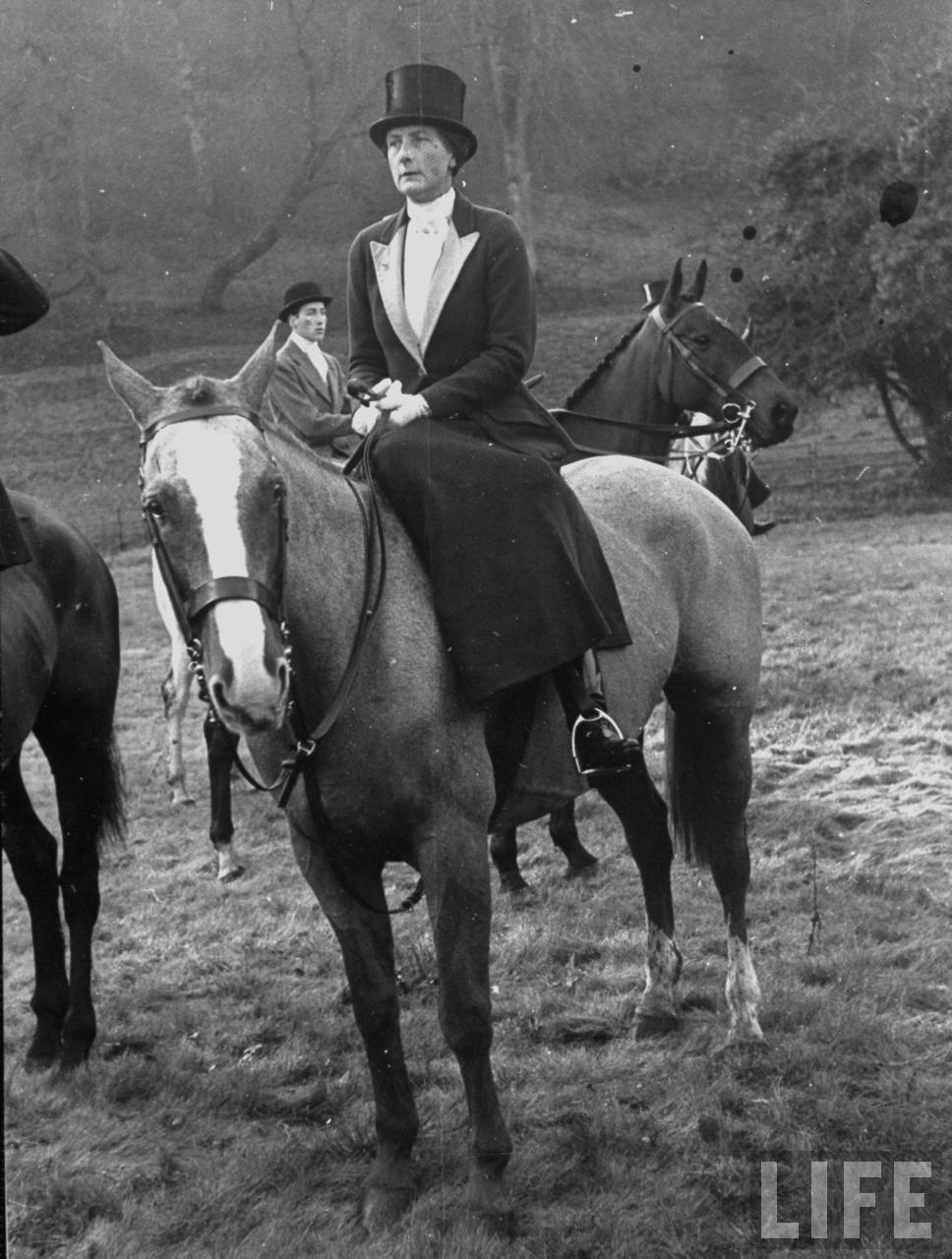
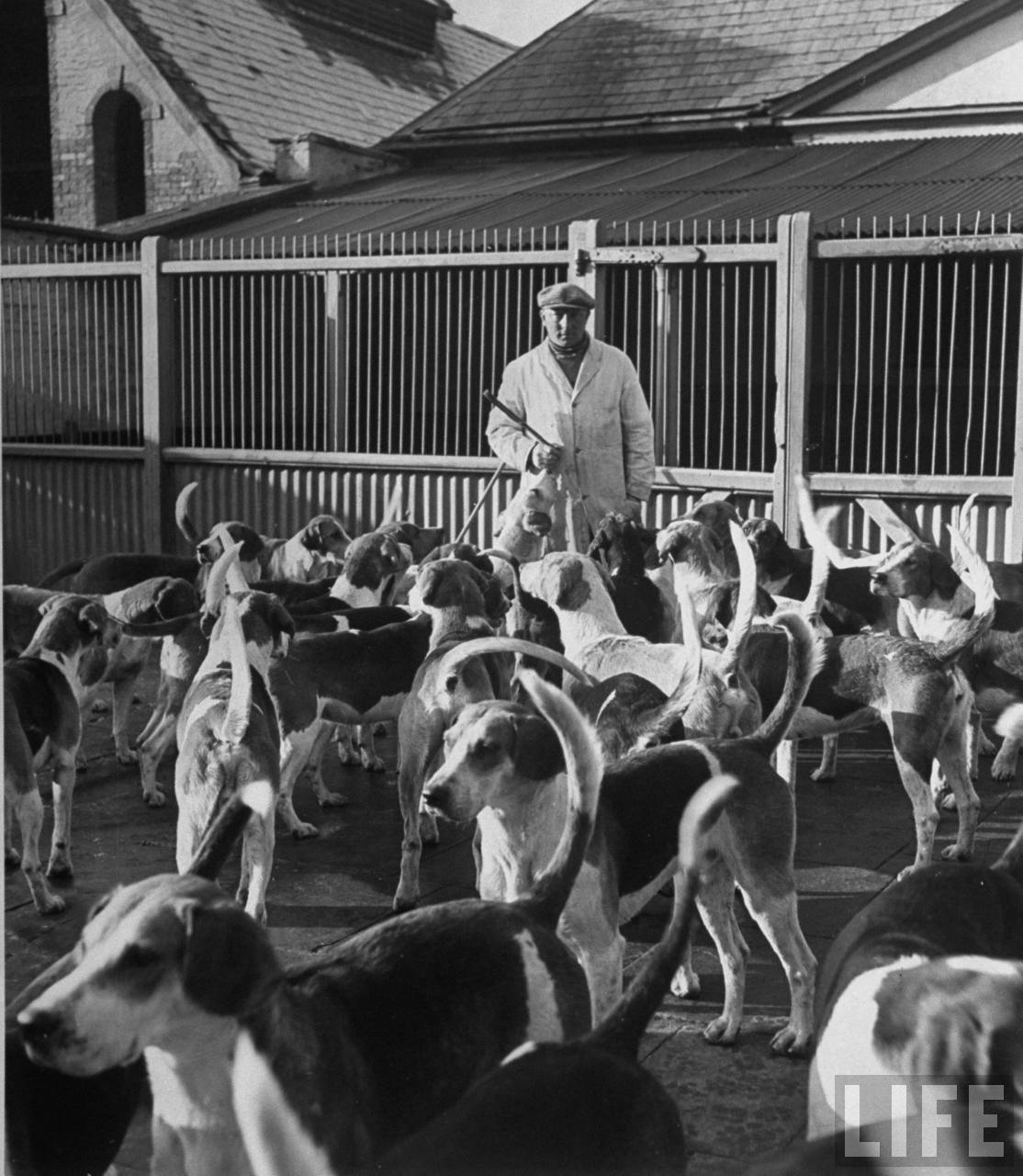
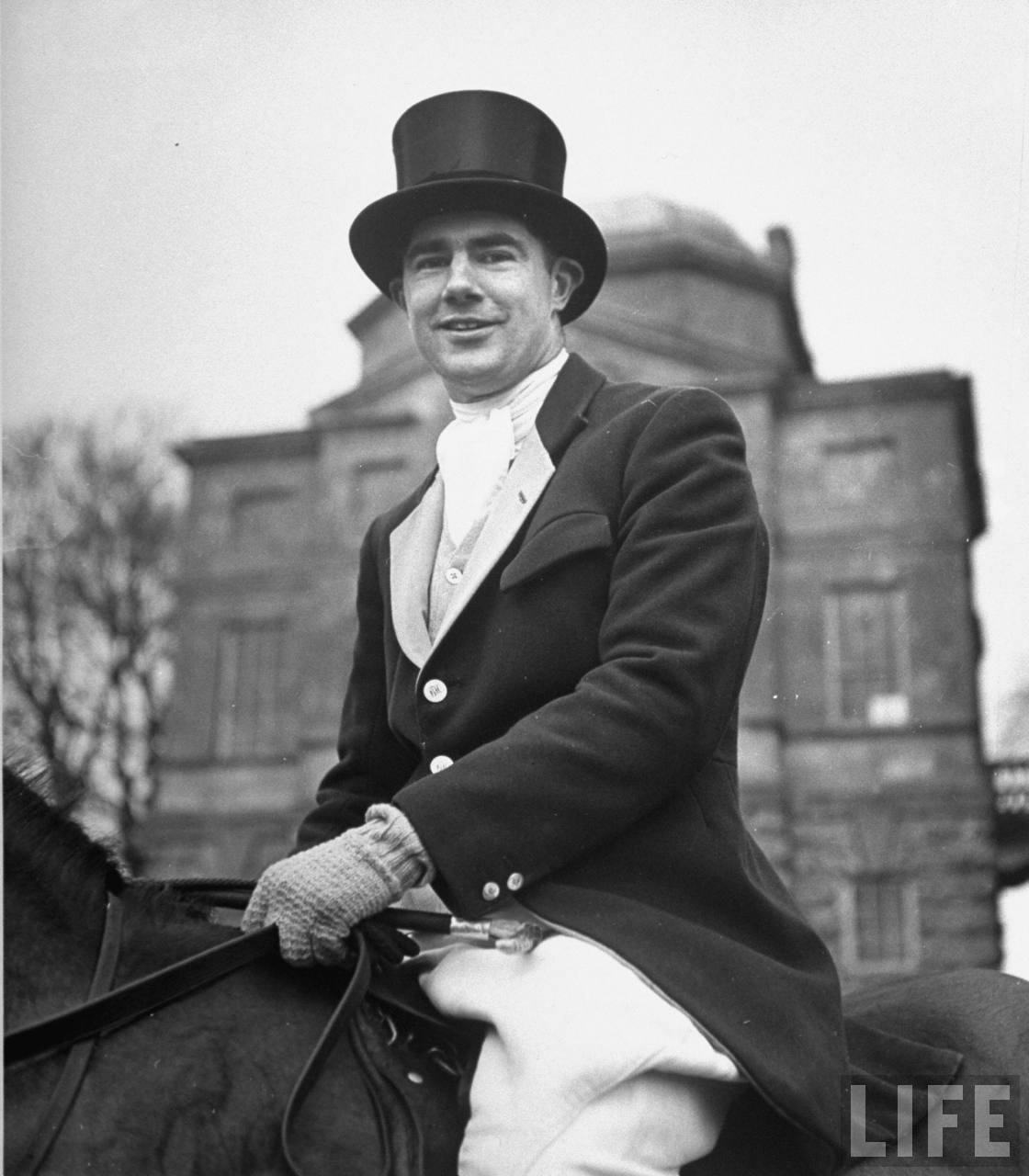
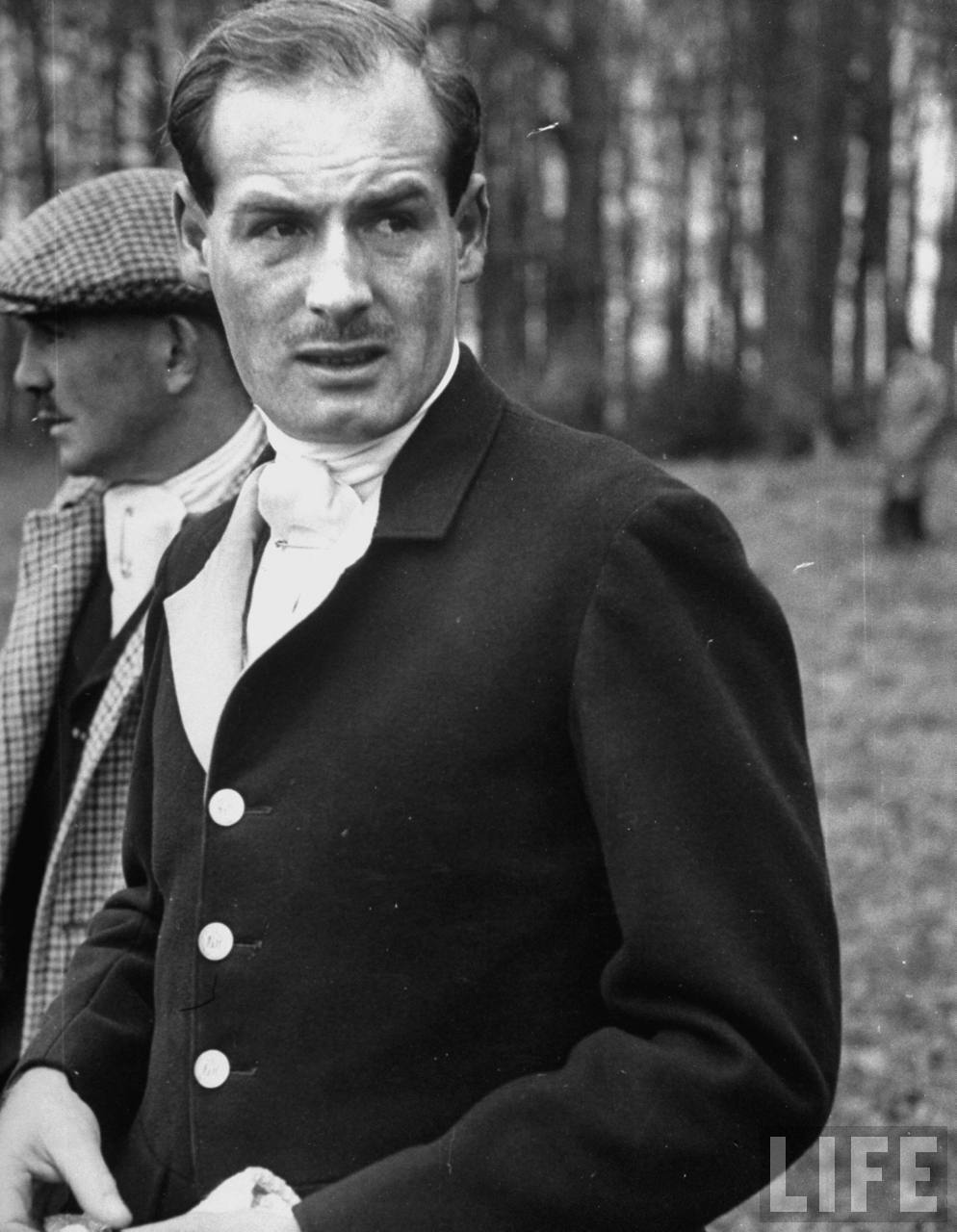
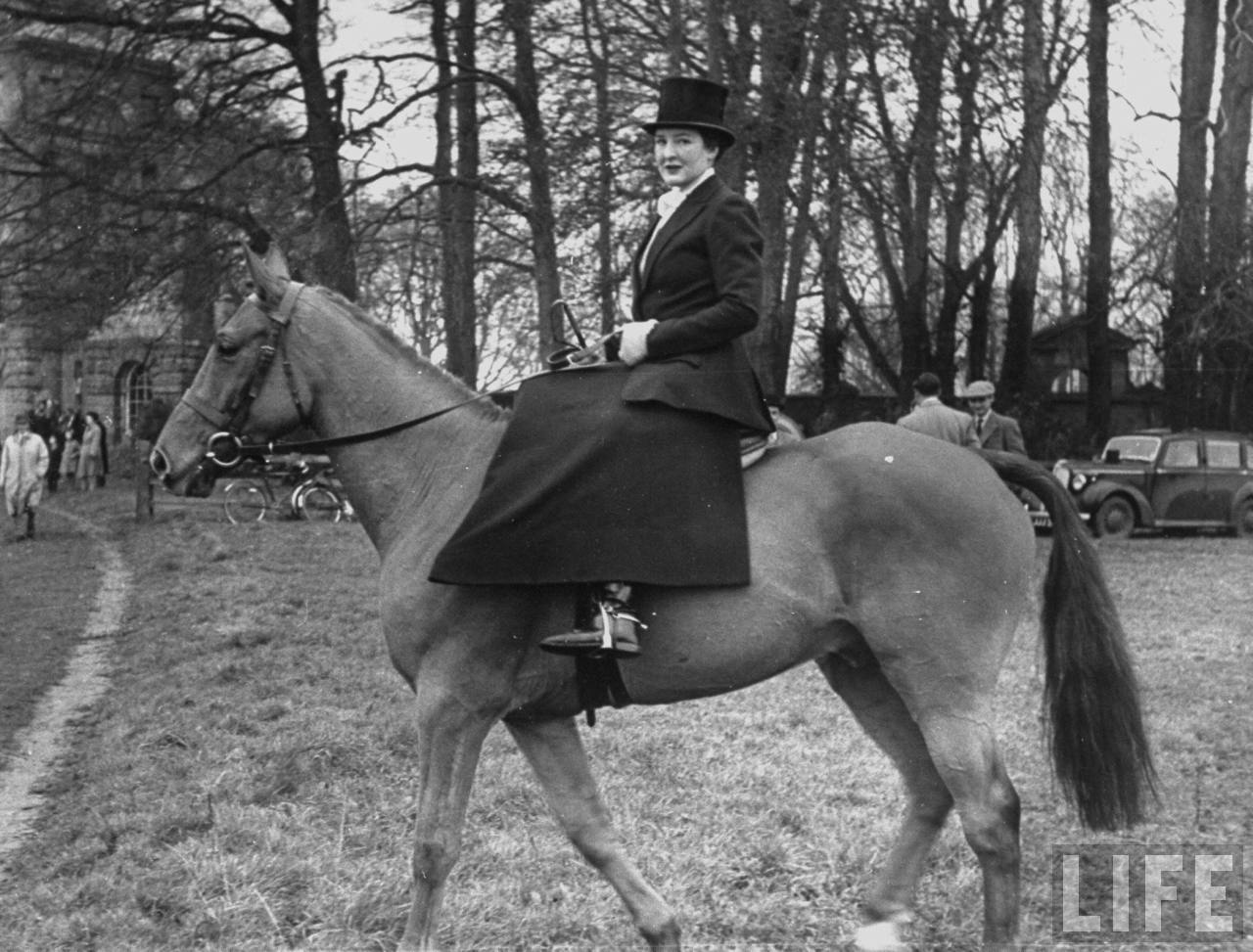
Photos of the Duke of Beaufort’s Hunt, March 1949, at Badminton House in Gloucestershire, England. The Beaufort is one of the oldest and largest fox hunts in England. Founded by the 1st Duke of Beaufort in 1682, later heads of the House of Beaufort have all either hunted or occupied The Beaufort’s mastership, and the hounds, kennels and stables are still held by the family. The 11th and current Duke of Beaufort, David Robert Somerset, currently occupies the mastership of the pack and acts as its patron.
Two unfortunate things about these photos. First, the pictures are not captioned so I have no idea who is who — but I do know that the 10th Duke of Beaufort isn’t shown. Second, as the pictures are in black and white, you don’t get to notice the distinctive livery color of the Duke’s Hunt. Instead of wearing the traditional red, the huntsman and whippers-in wear green, while the subscribers wear blue coats with buff facings (you can notice the buff facings, though).
Aside from that, they’re really great. I especially love the ladies sitting sidesaddle with their top hats, and the servants navigating their way around the horses with their silver trays. Lovely. It’s no accident I’ve been finding myself looking for a beaver fur top hat of my own…





A lovely illustration of the Beaufort Hunt I found over at The Anglophile:

And a few images of the Duke of Beaufort’s Hunt today:


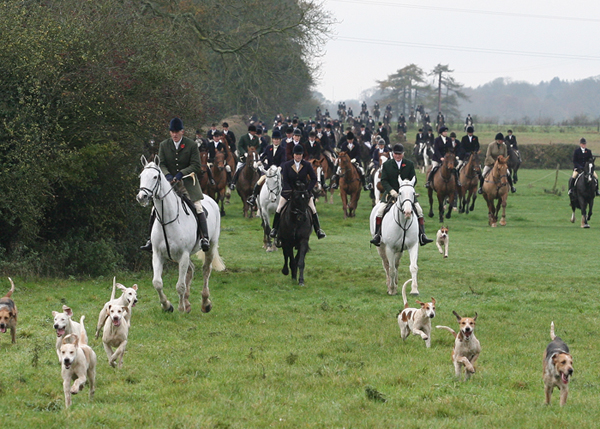
To learn more about the Duke of Beaufort’s Hunt, head over to their website here.
I’m also excited to mention that I’ve started my own club.
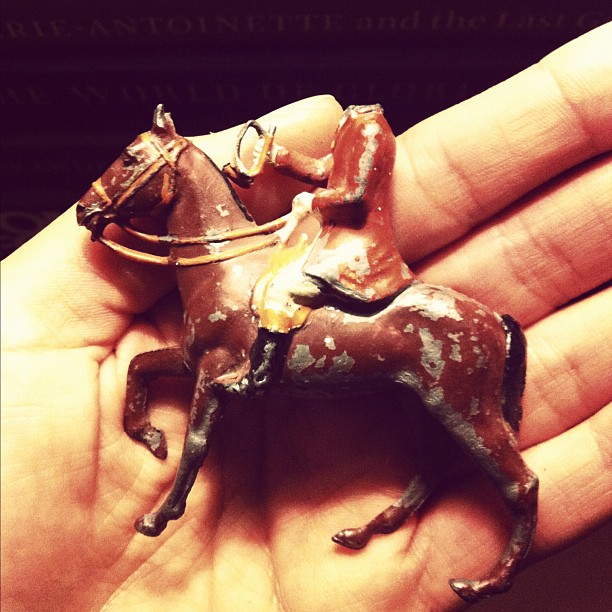 More on that in a bit…
All other images via LIFE and Beaufort Hunt.
Field Notes: Antiquing in Mercado de San Telmo
13/12/2011 § 5 Comments
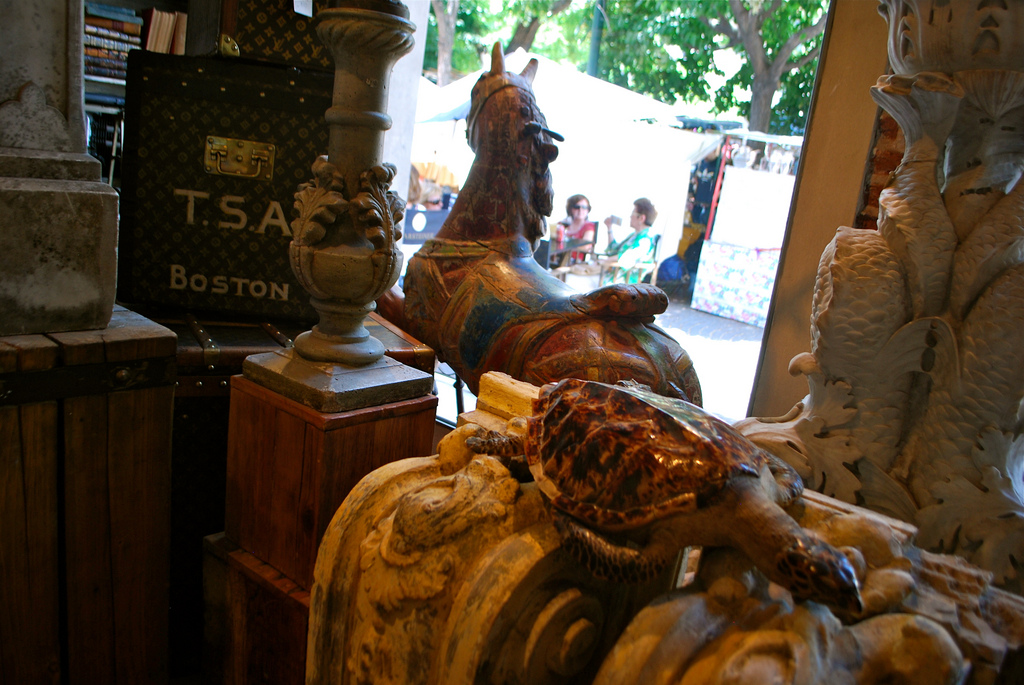
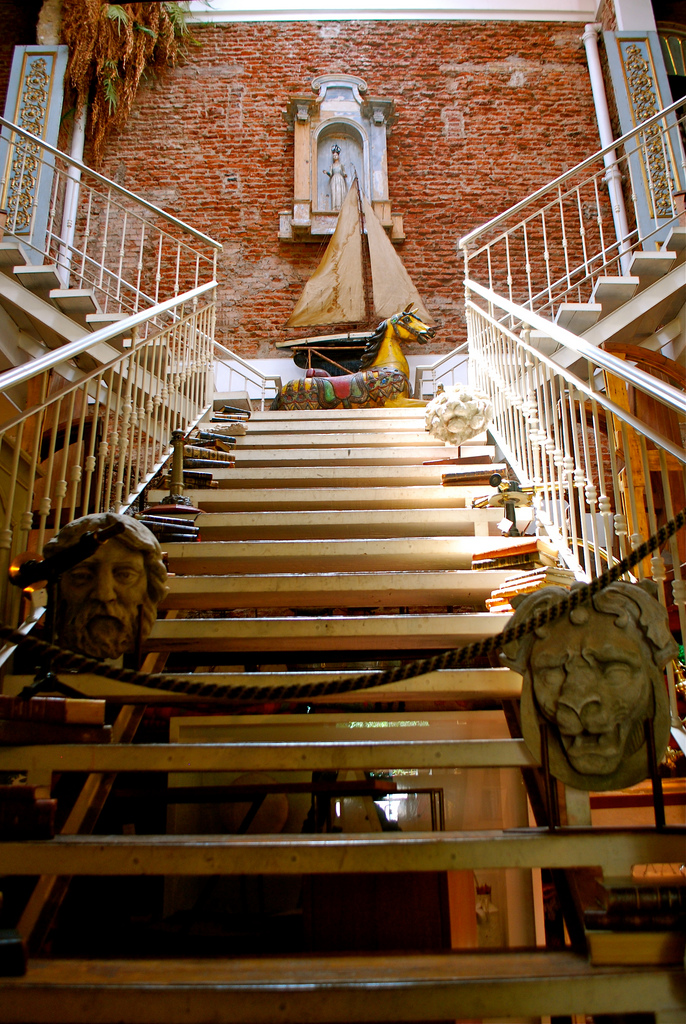
Weekly on Sundays, the street Defensa in the neighborhood of San Telmo in Buenos Aires becomes a bustling marketplace where one can purchase almost anything. Automobiles are prohibited, vendors set their stalls in the streets and enterprising young people rove the crowds carrying boxes of homemade empanadas for sale. However, the most impressive attractions of the San Telmo market are the amazing antique shops and there are two in particular I wanted to share with you.
 Gabriel del Campo (Defensa 1131 in San Telmo)
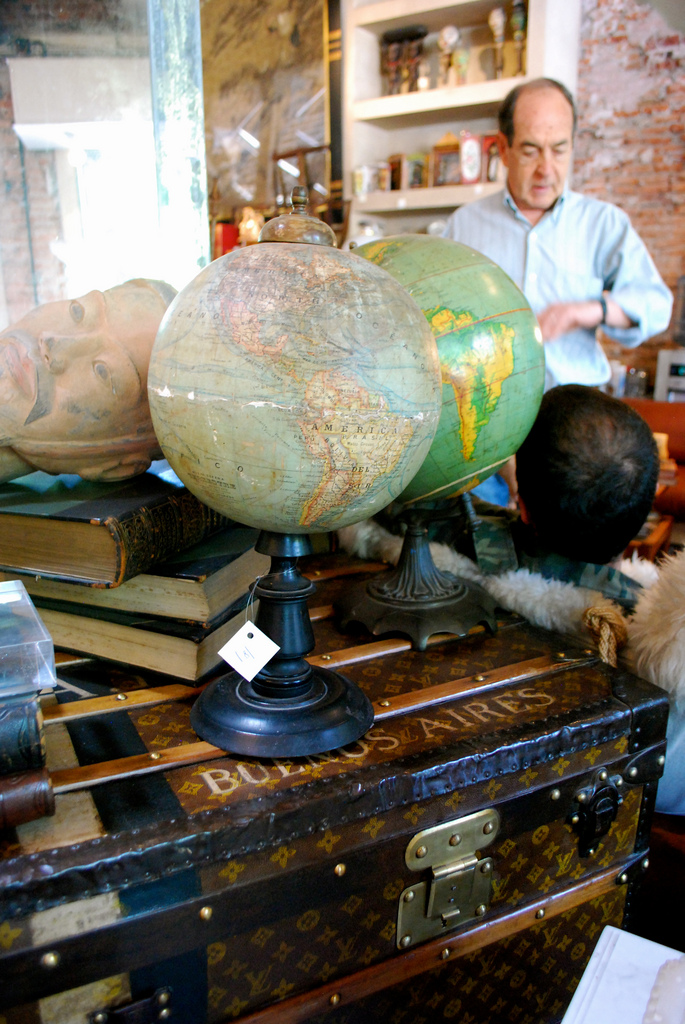
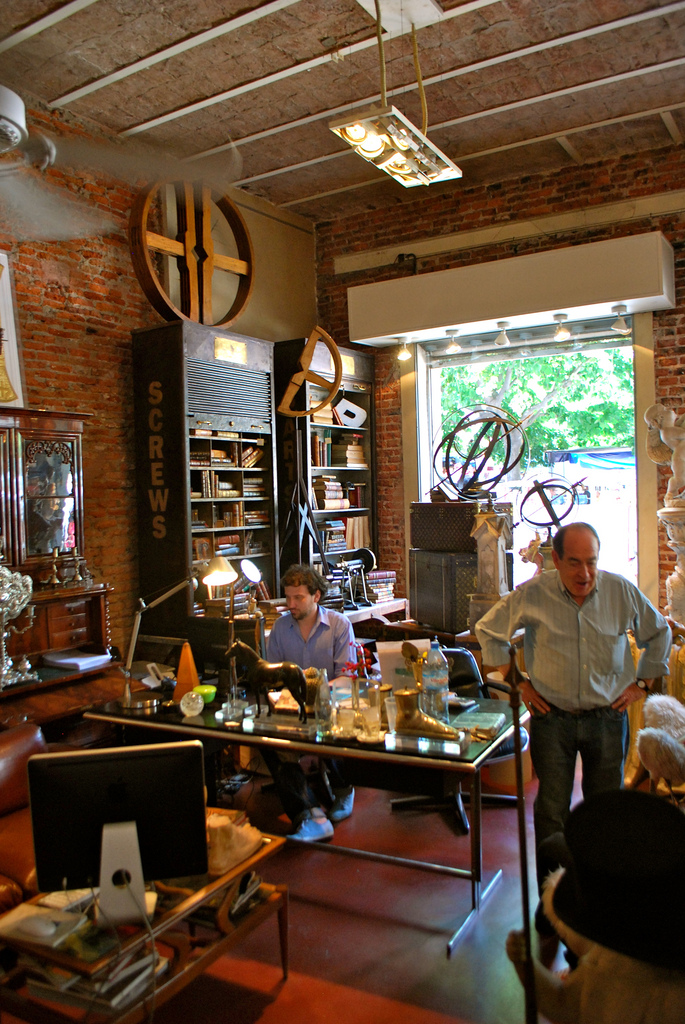
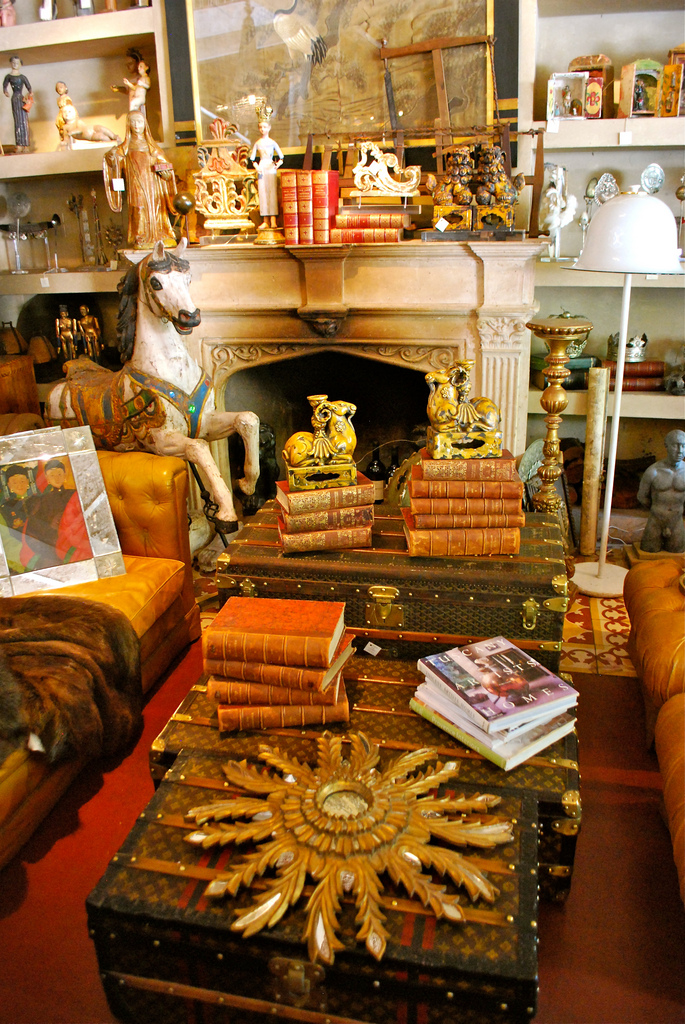
Gabriel del Campo was a rather surreal experience. There were so many interesting and immaculate items — from dolls to furniture to fur rugs to an extensive collection of luggage and trunks — and they were staged so beautifully, it felt almost like a museum. Albeit the kind of museum I wanted to live in. And while the exchange rate is currently quite favorable, the shop is well aware of the high quality and value of their items.
For example, a diminutive woman with an accent that sounded like she was from Hong Kong was noisily admiring a Louis Vuitton steamer trunk that was almost as tall as she was. When she asked the price, “18,000” was the answer. “Pesos?” she asked, which would have been a little over $4,000. “No, no. American dollars.”
For those of us who are not on Ralph Lauren’s scouting team and find ourselves without their unlimited funds, rest assured that Gabriel del Campo is an inherently satisfying exercise in antique inspiration and it is definitely worth a look around. Who knows, you might get lucky...

 Antigüo Balcón (Defensa 961, Location 90, in Antiguo Mercado de San Telmo)
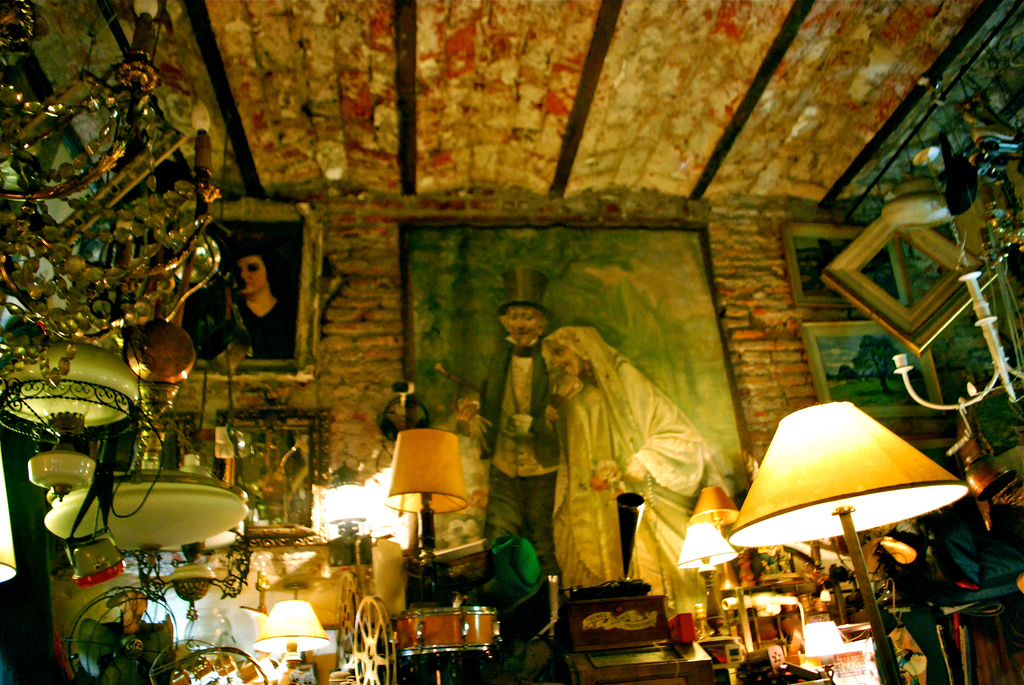
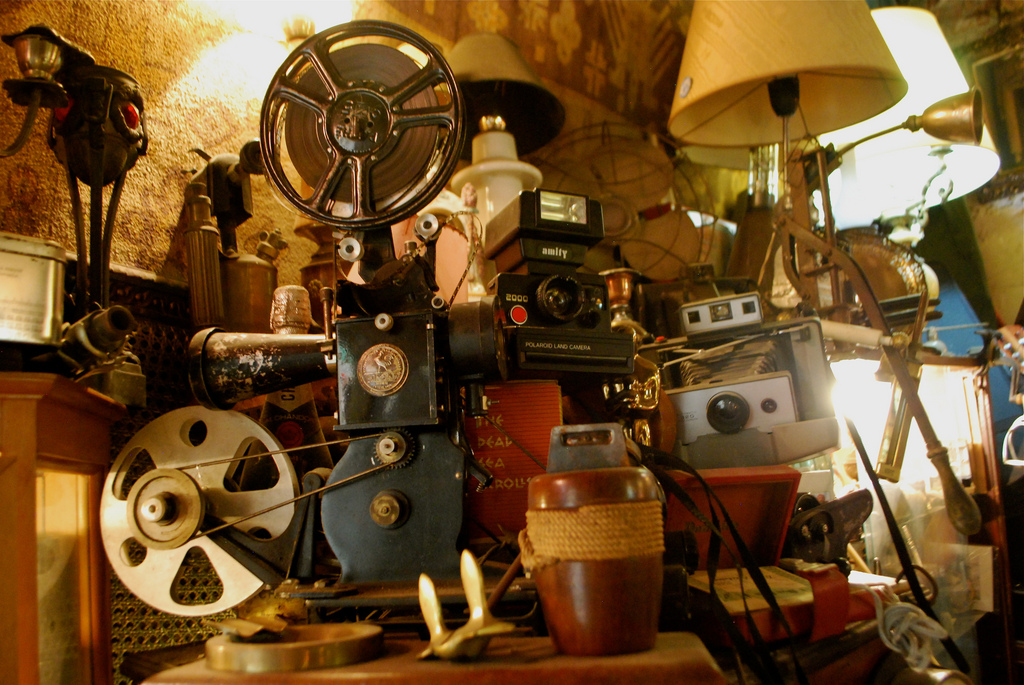
On the other hand, the tiny and adorable shop Antigüo Balcón, was a completely different — but much more lovely — experience. Run by owner Abel Neira for over 20 years, the shop is a dizzying jumble of all sorts of odds and ends and hidden treasures. Mr. Neira seems to somewhat specialize in a few types of items — namely cameras, musical instruments, fans and telephones — but truly, there is a little bit of everything crammed into this tiny space.
Mr. Neira was a delight to speak with. As he pointed out small treasures my untrained eye might have missed, we chatted about my trip and the best places to go in the city — quite like visiting an old friend with an amazing collection. At Antigüo Balcón, unlike at Gabriel del Campo, you can find amazing things that won’t require a second mortgage — or a first one for that matter — and you will consider your time with Mr. Neira as an added bonus.
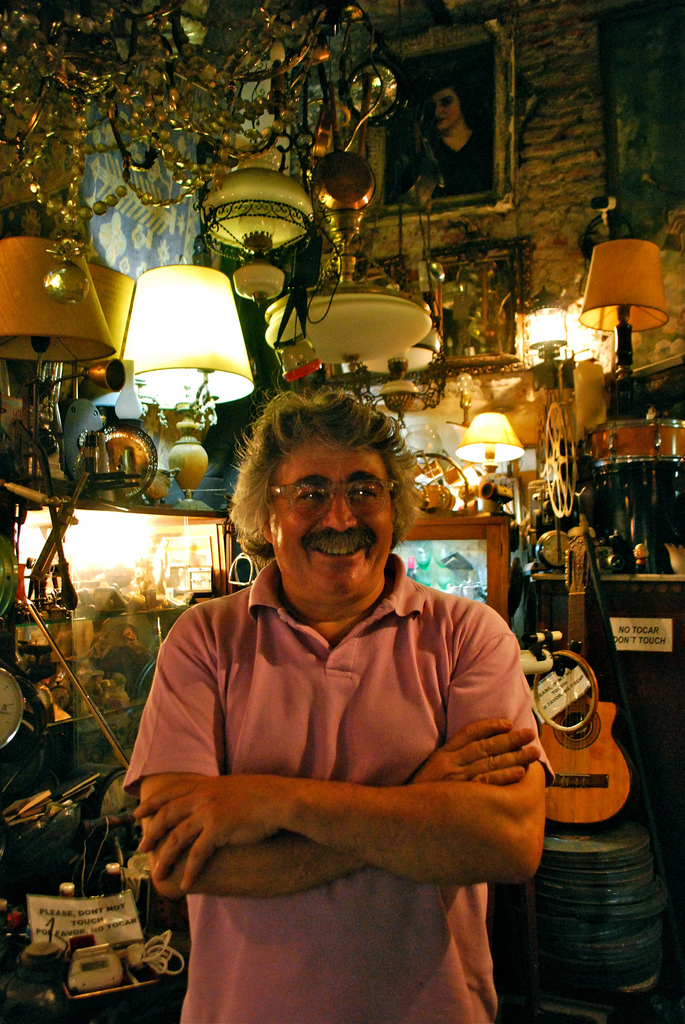 Abel Neira, owner of Antigüo Balcón.



Related: Field Notes: Buenos Aires, Argentina
 Quite Continental