Rabbit Hole: Interviews After the Day of Infamy
07/12/2011 § Leave a comment

Today marks the 70th anniversary of the Japanese attack on Pearl Harbor, in which 2,402 Americans were killed, and 1,282 were wounded. Japanese planes inflicted heavy damages to the US Pacific Fleet stationed in Hawaii, particularly to her battleships: all eight were damaged, four were sunk, and two were never to be raised again — the Arizona and the Oklahoma. In an instant, the isolationism that had dominated US politics and popular sentiment vanished and America was galvanized to war.
The following day President Roosevelt requested (and immediately received) a Congressional declaration of war on Japan in what has become known as his Day of Infamy speech. That same day, the Archive of American Folk Song (now the Archive of Folk Culture, American Folklife Center), dispatched their fieldworkers to collect “man on the street” reactions to both the attack and the declaration of war. By February 1942, fieldworkers had recorded over twelve hours of opinions from more than two hundred individuals across the country. Touching on topics such as race relations and national pride, the interviews are a revealing look at the American state of mind in the wake of Pearl Harbor.
Head here to listen to these interviews for yourself, courtesy of the US National Archives. You will find them cross-referenced by subject, name and location.
Personally, I found these interviews to be quite the rabbit hole and I am sure you will also find this to be the case. I have a close connection to the Pacific Theatre, as both my grandfathers served there and one of my grandmothers was born and raised in Guam. I have been to the USS Arizona, the battleship still quietly sleeping at the bottom of Pearl Harbor with over 1,000 souls entombed. It is amazing to have the opportunity to hear exactly what Americans thought and felt in those bewildering months, without the filter of nostalgic memories.
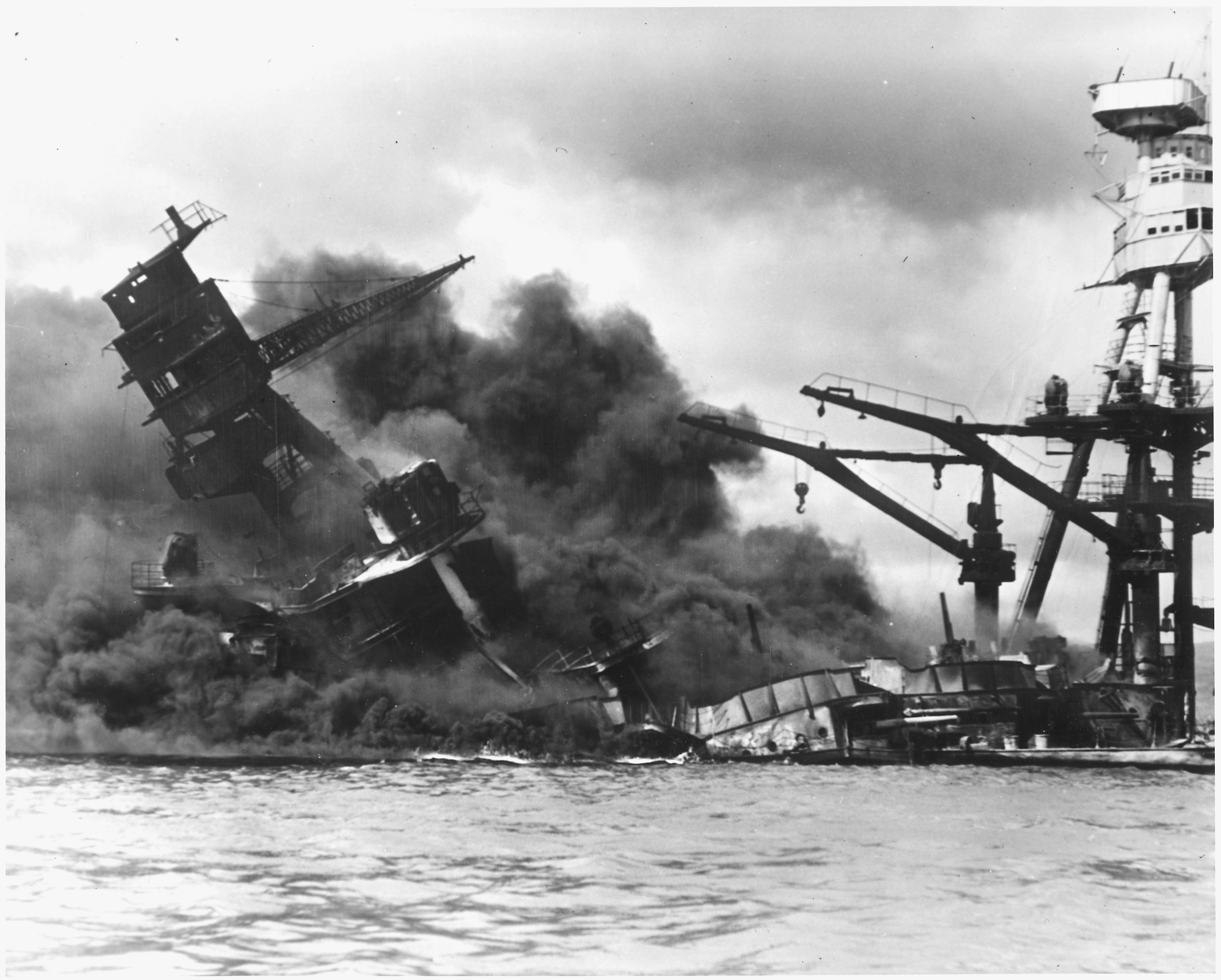 USS Arizona, sinking in the attack on Pearl Harbor.
She was born in the Brooklyn Navy Yard.
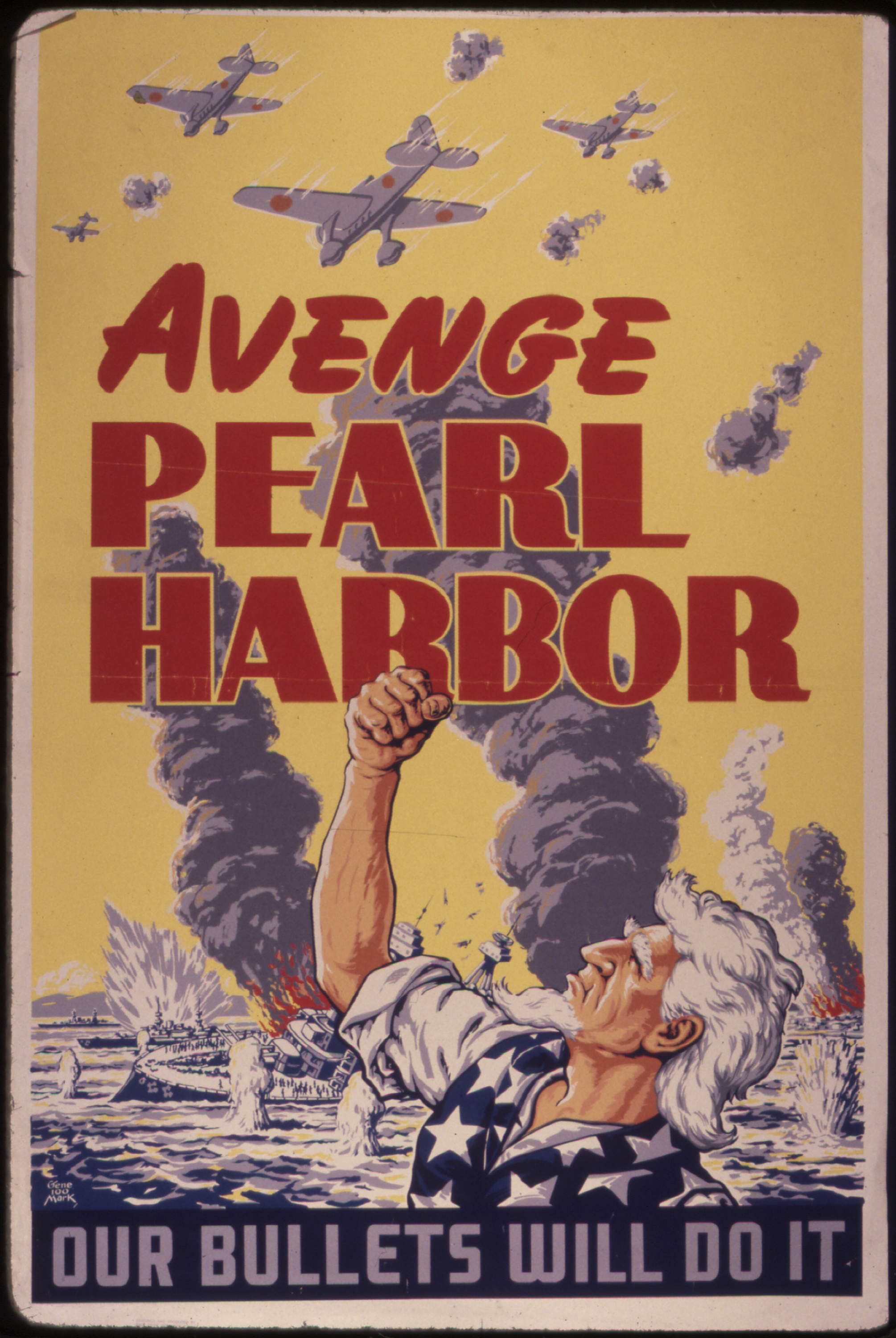
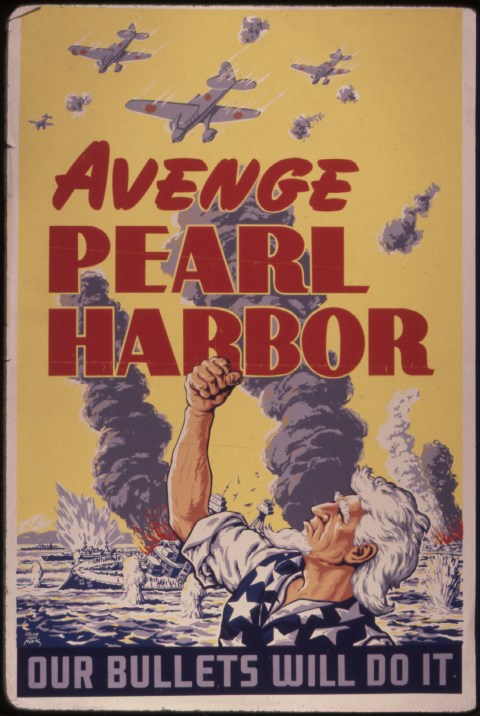 All images via the US National Archives.
Related: Happy Liberation Day: Battle of Guam – July 21, 1944
Style Icon: Amelia Earhart
30/11/2011 § 8 Comments
“The best things of mankind are as useless as Amelia Earhart’s adventure. Such persons…prove that man is no mere creature of his habits, no mere automaton, no mere cog in the collective machine but that in the dust of which he is made there is also fire, lighted now and then by great winds from the sky.” –Walter Lippmann
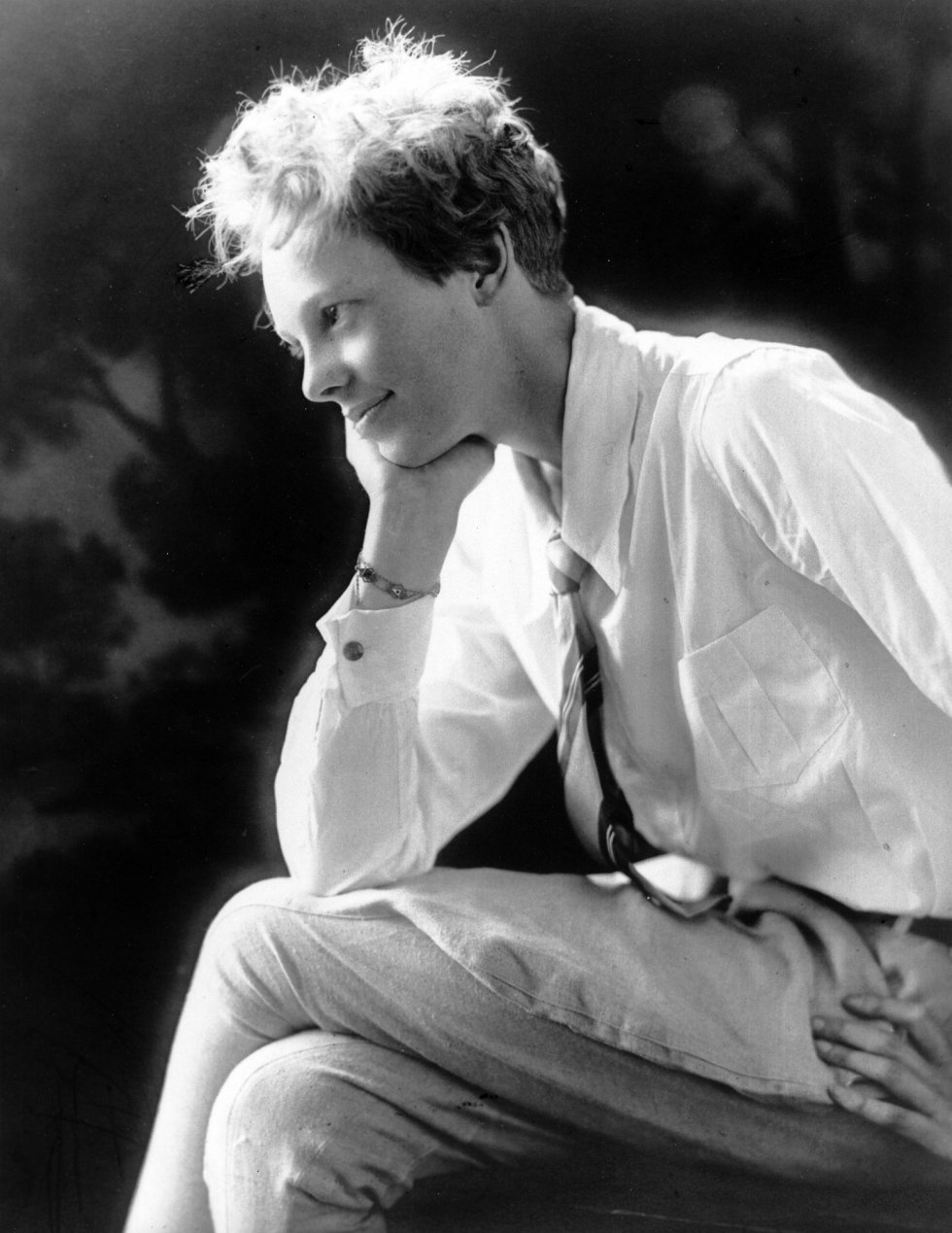
“Please know that I am aware of the hazards. I want to do it because I want to do it. Women must try to do things as men have tried. When they fail, their failure must be a challenge to others.” –Amelia Earhart
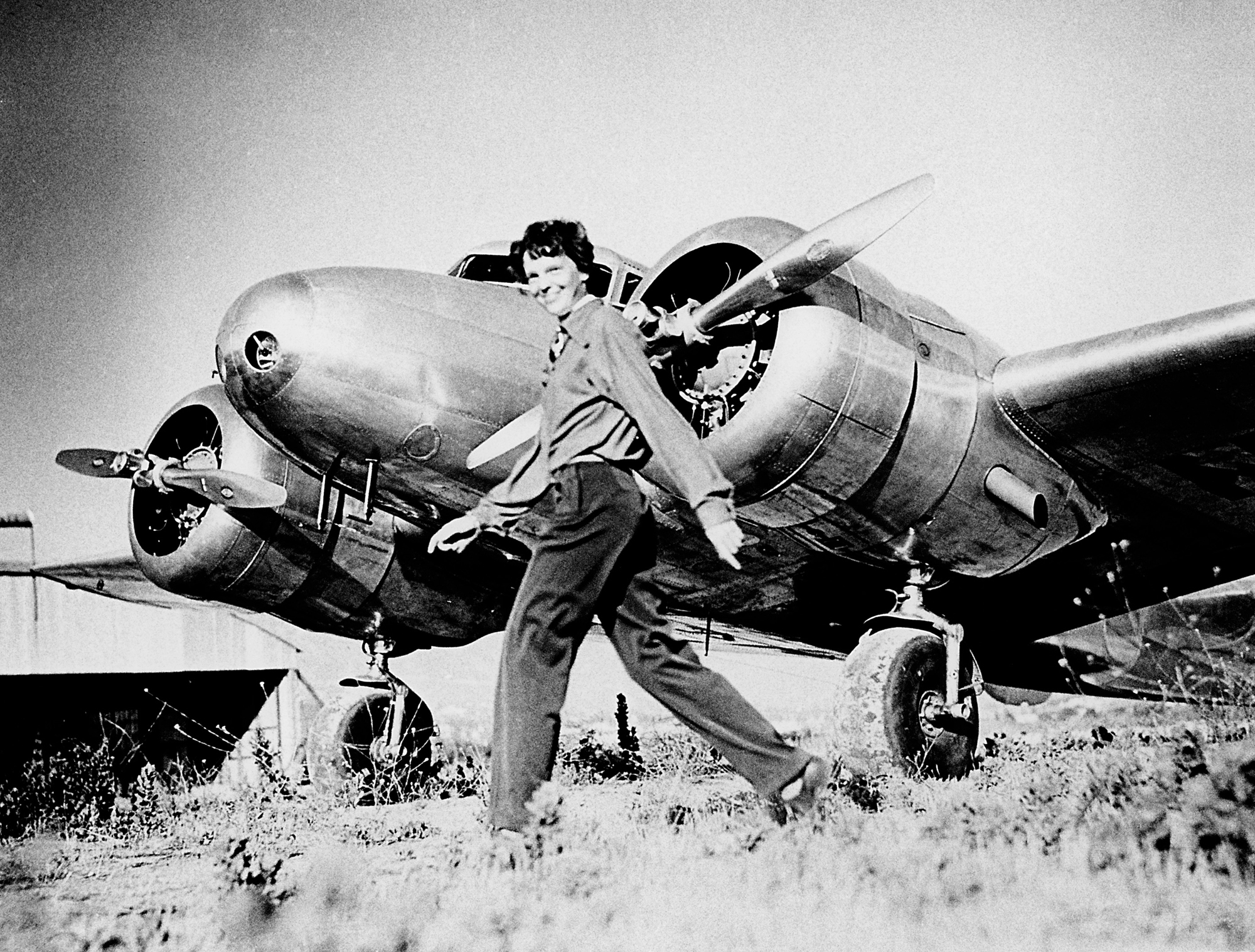
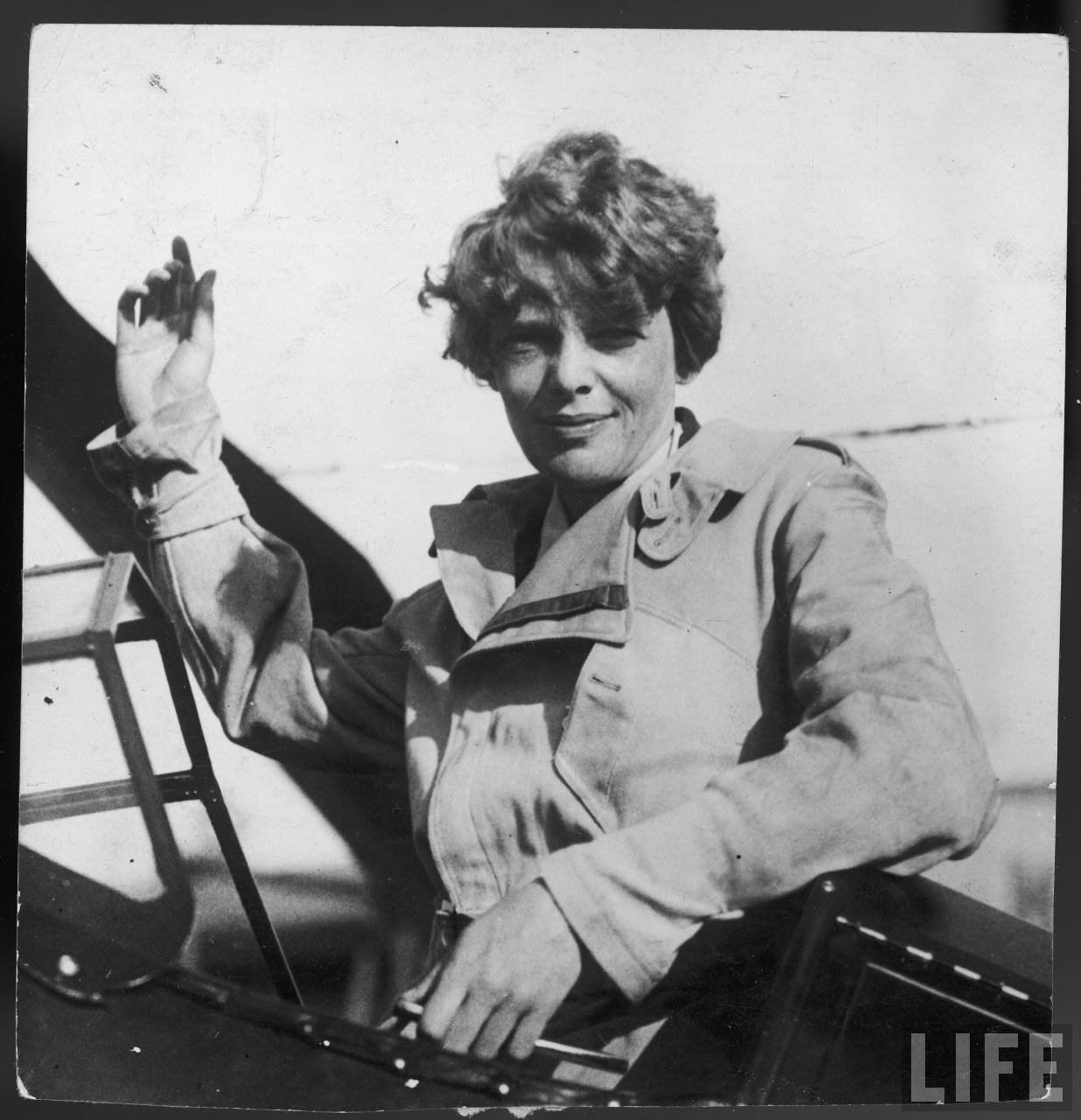
Amelia Earhart (July 24, 1897 – disappeared in 1937) is arguably the most famous aviatrix in history. The first woman to cross the Atlantic solo, and only the second person to do it successfully, the notoriety from Earhart’s many feats in the air were trumped only by the mystery surrounding the loss of her plane while she attempted to circumnavigate the globe in 1937. (You can read the article about her disappearance that ran in the July 19, 1937 issue of LIFE Magazine here, it also has a great photo-log of the trip. It’s been my goal to find this issue to add to my collection, but no such luck yet.)
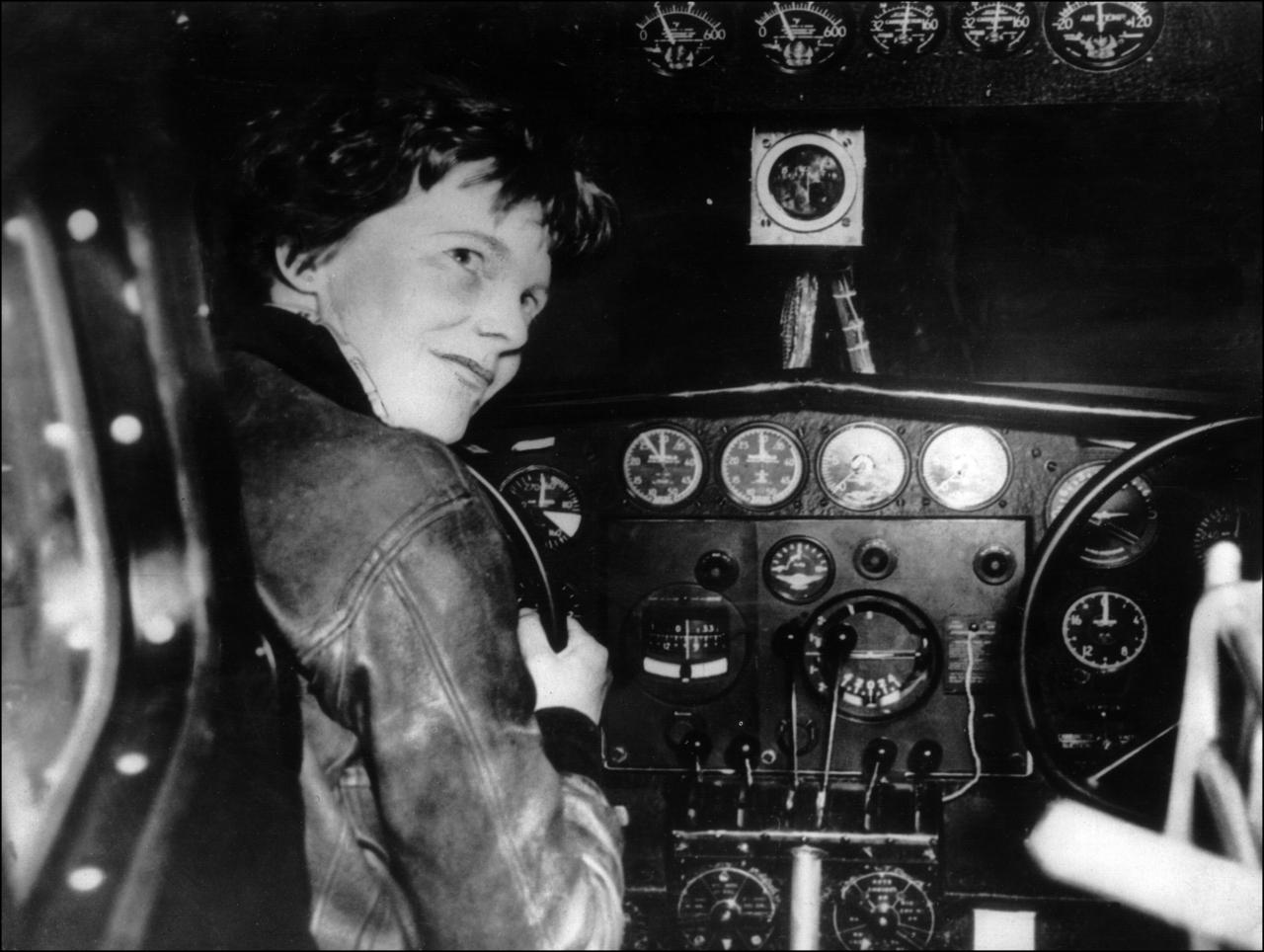
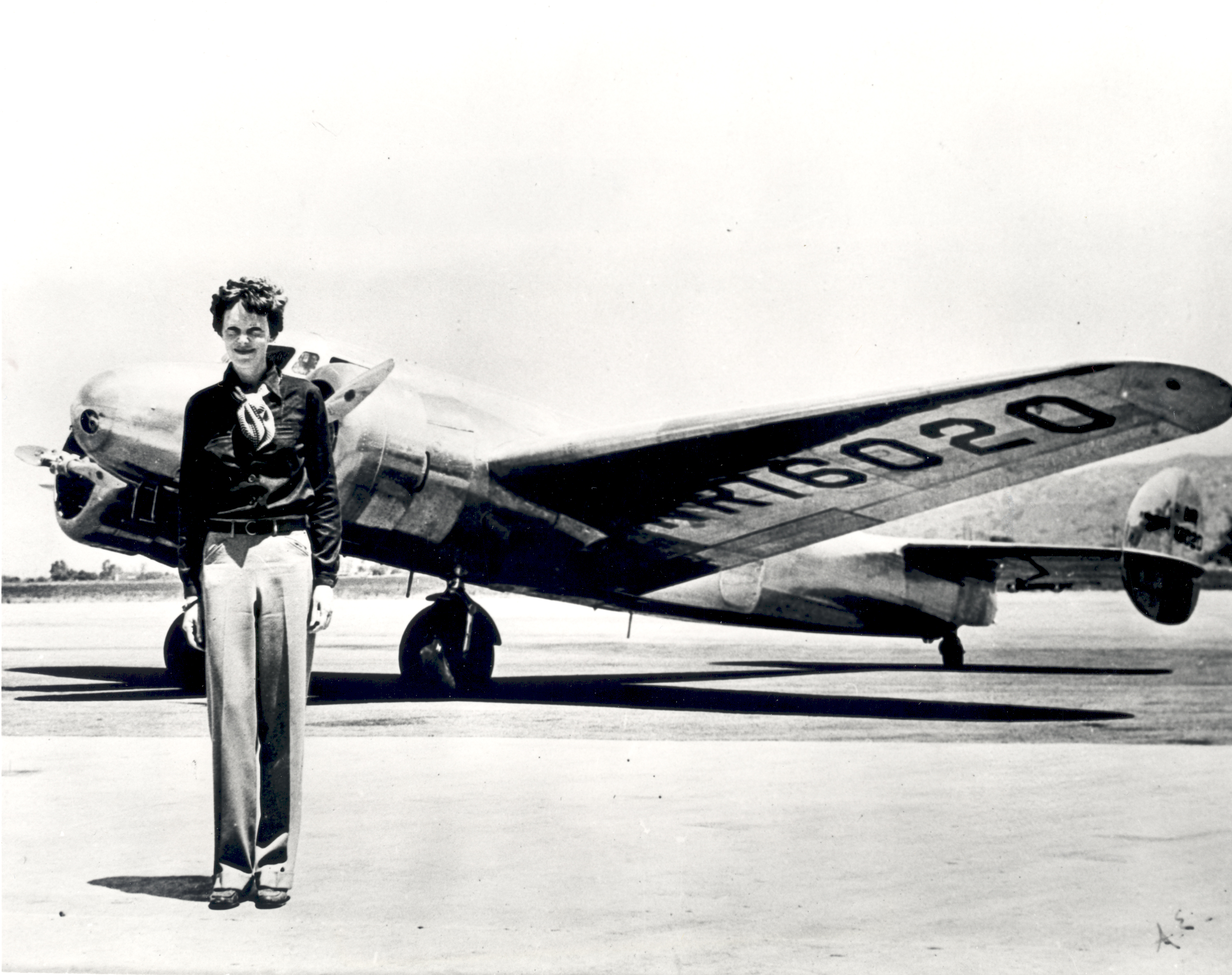
I have long been an admirer of Earhart’s adventuresome spirit, tenacity and courage — and also her wardrobe. Her staples: a perfect pleated trouser, a crisp dress shirt, a pretty scarf, a well-worn bomber jacket and hardworking boots. Her signature elements: a bit of tousled hair, a scrubbed-clean face, a devil-may-care attitude, and an endearingly scrunched-up Mona Lisa smile.
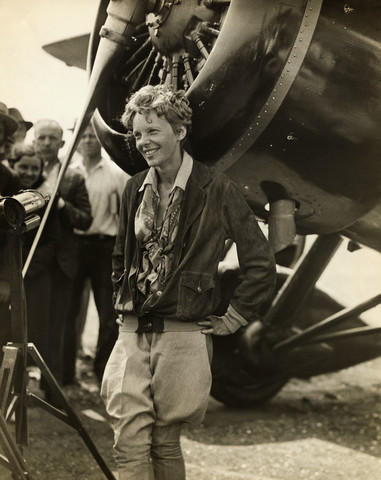
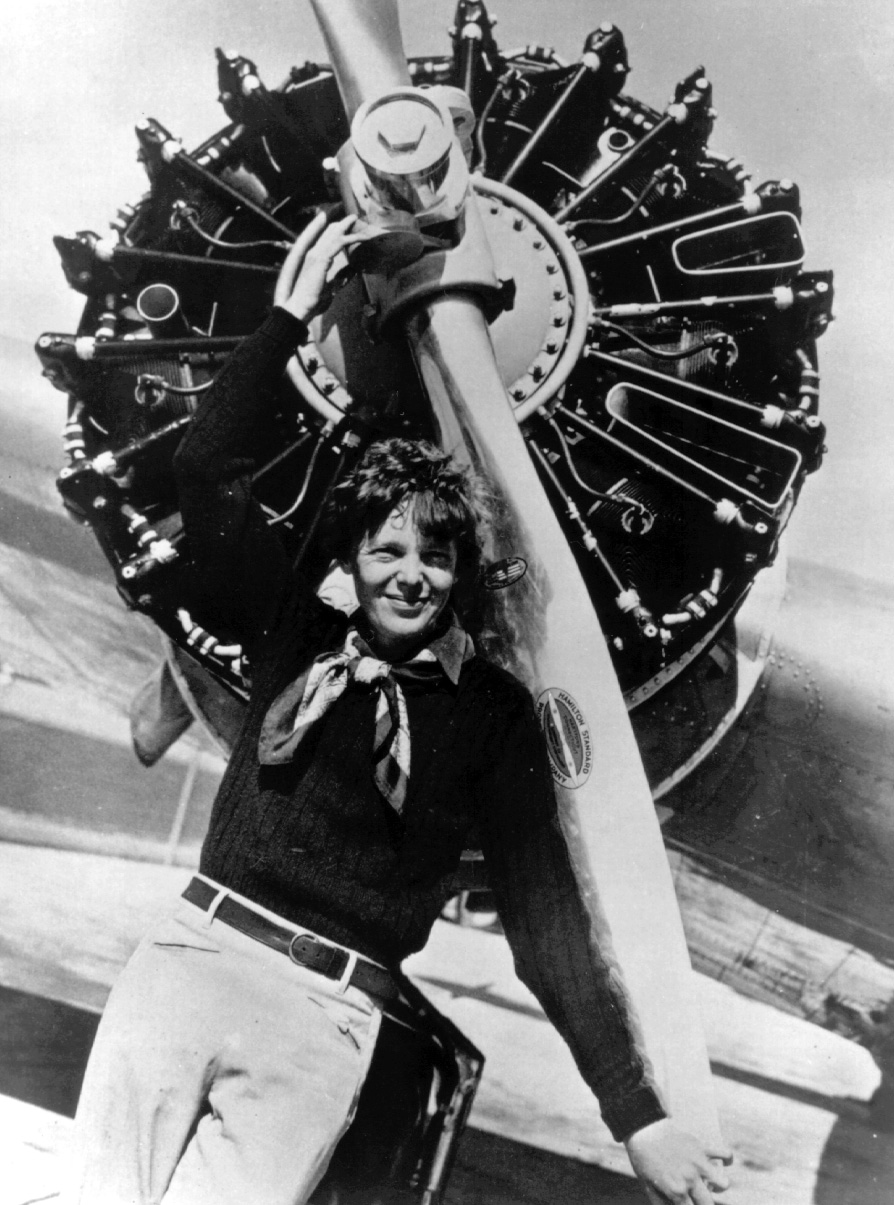
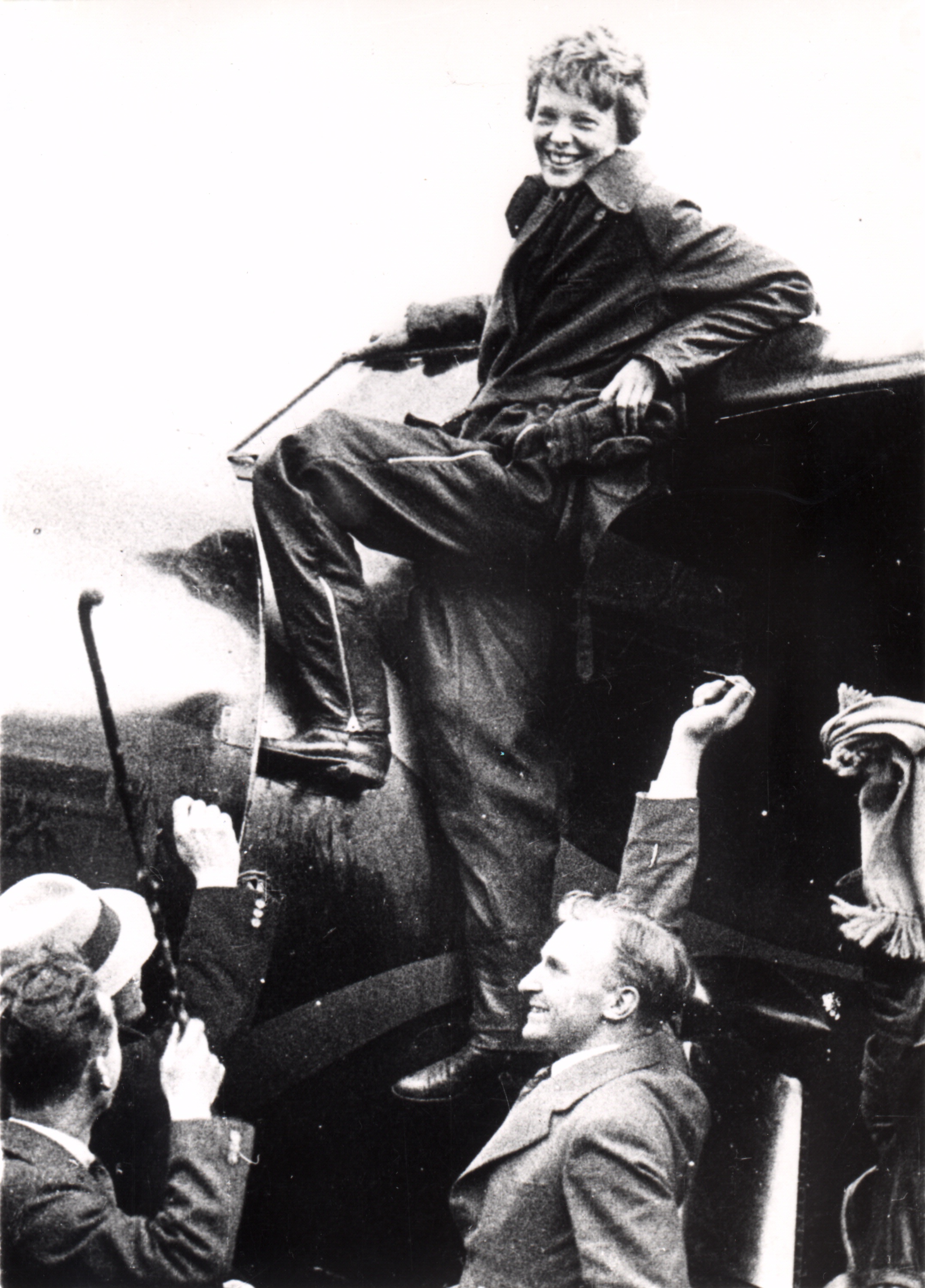
“Adventure is worthwhile in itself.” –Amelia Earhart
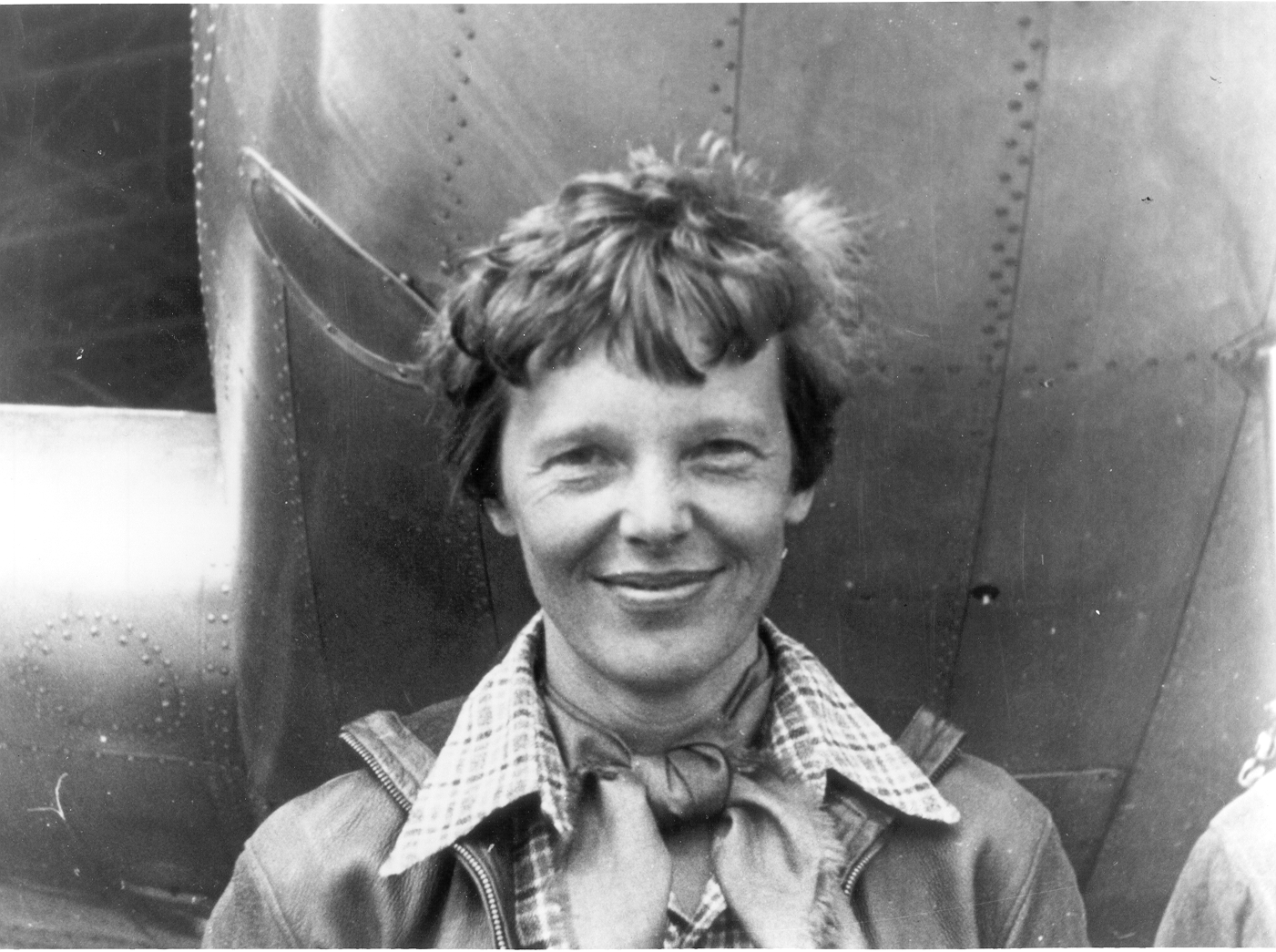
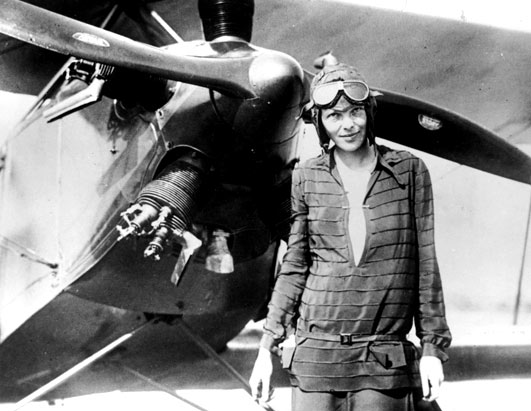


Smithsonian curator Dorothy Cochrane and aircraft restorer Karl Heinzel discuss early aviation, aeronautical technology and Earhart’s Lockheed Vega, the plane she crossed the Atlantic in, which is on display at the Smithsonian National Air and Space Museum in Washington, D.C.
New Addition: San Fernando Valley Mercantile Co. 16″ Tool Bag
27/11/2011 § 5 Comments

I’ve not returned from Buenos Aires just yet, but I thought I would do a brief post from the Southern Hemisphere on what’s turned out to be my favorite travelling companion from the past few weeks. In October, I posted about my trip to the Rose Bowl Flea in California to visit The San Fernando Valley Mercantile Co. and meet founder Warren Schummer. Aside from having a lovely visit, I also put in an order for one of their handsome 16″ tool bags. I was very pleased to receive it before I jetted off for South America and it’s been absolutely great on the trip.
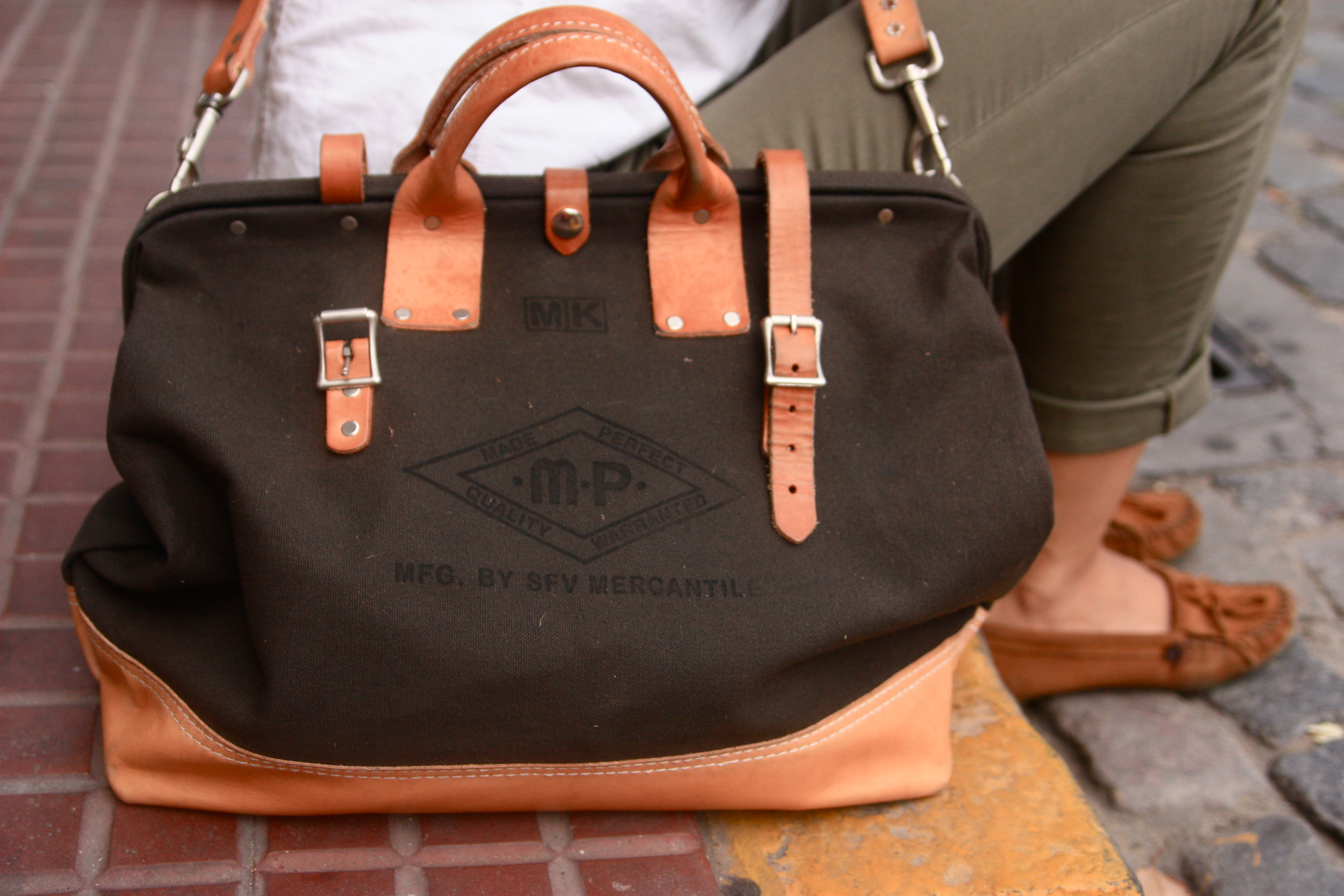
Large enough to fit a MacBook Air, several guidebooks, a Louis Vuitton Pochette, Kate Spade Lacey wallet, a Nikon D60 (and its bag and cords), a few other bits and bobs, and somehow still fit under the seat in front of me, this bag is made for travel. With a firm board bottom and metal feet, it also keeps its shape beautifully when not quite so fully stuffed. I especially liked the detachable shoulder strap, which I usually wore cross-body to keep my hands free. It definitely came in handy while rambling around the antiques market of San Telmo in Buenos Aires, where the photos were taken.

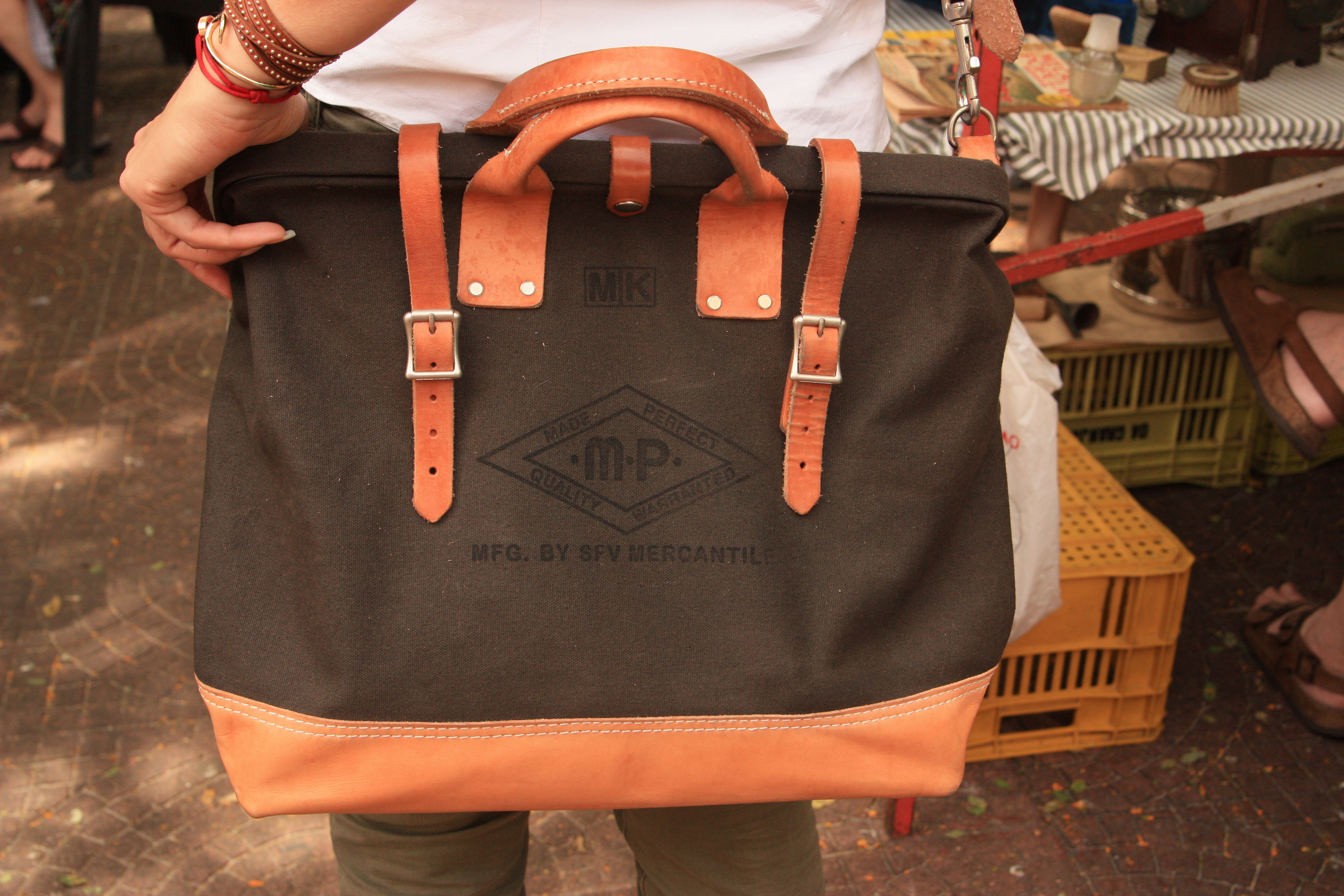
The leather was quite blond when I received it, but after only a few weeks it’s already aging nicely. I’m definitely looking forward to years of use from this handsome bag — and of course, many more trips around the world with it. If you’d like your own bag from this very limited run, all completely handmade in Southern California, head here.
You’ll notice two small alterations on my bag, courtesy of Warren: the addition of a small snap at the top to keep it securely closed and — and! — my monogram just below that. If you ask him very very nicely, he might be able to fix yours up as well.
Don’t forget to also check out the rest of The SFV Mercantile shop here, as well as the store blog, and Warren’s awesome Vintage Workwear blog.
All photographs courtesy of Erin Rickards, who is a great photographer and even greater friend, but sadly is without a website. She did just start Instagramming, though. If you’d like to follow her there, her username is @ericka22.
Featured: Quite Continental on StyleLikeU ~ Addictions: Neckties
18/11/2011 § 3 Comments
A few weeks ago I sat down with StyleLikeU to talk about my somewhat obsessive relationship with one of my favorite articles of clothing: the necktie. I am happy to share the finished product with you today. If you were ever curious why I wear them and who ties my knots, you are in luck — and you’ll also get a peek at my growing collection.
A big thank you to the StyleLikeU ladies. Shooting this was a lot of fun.
I can’t say that it isn’t kind of weird watching myself on video, though. Do I really talk like that?
Happy Veterans Day
11/11/2011 § 1 Comment
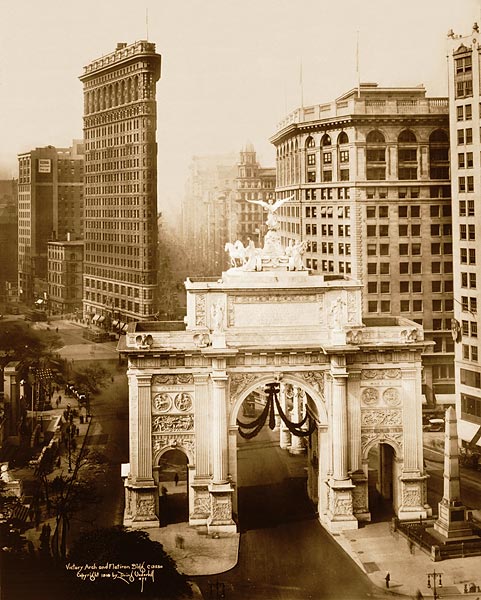 Armistice Day, New York, 1919.
Victory Arch.
Veterans Day was originally celebrated as Armistice Day, commemorating the day that the Great War ended, which at the time was thought to be the “War to End all Wars.” By 1939 it became apparent that this ideal would unfortunately not bear out and the holiday was expanded in 1953 to honor all veterans, living or dead. Veterans Day has my father, grandfather, great uncle and many other friends and family members who have proudly served our country front of mind today — not least of all because the parade will be passing my office on Fifth Avenue. To each and every one of them, I owe a deep debt of gratitude and I admire their commitment and bravery. Thank you.
Happy Veterans Day.
 Armistice Day, New York , 1919.
Colonel Donovan and staff of 165th Infantry, passing under the Victory Arch.
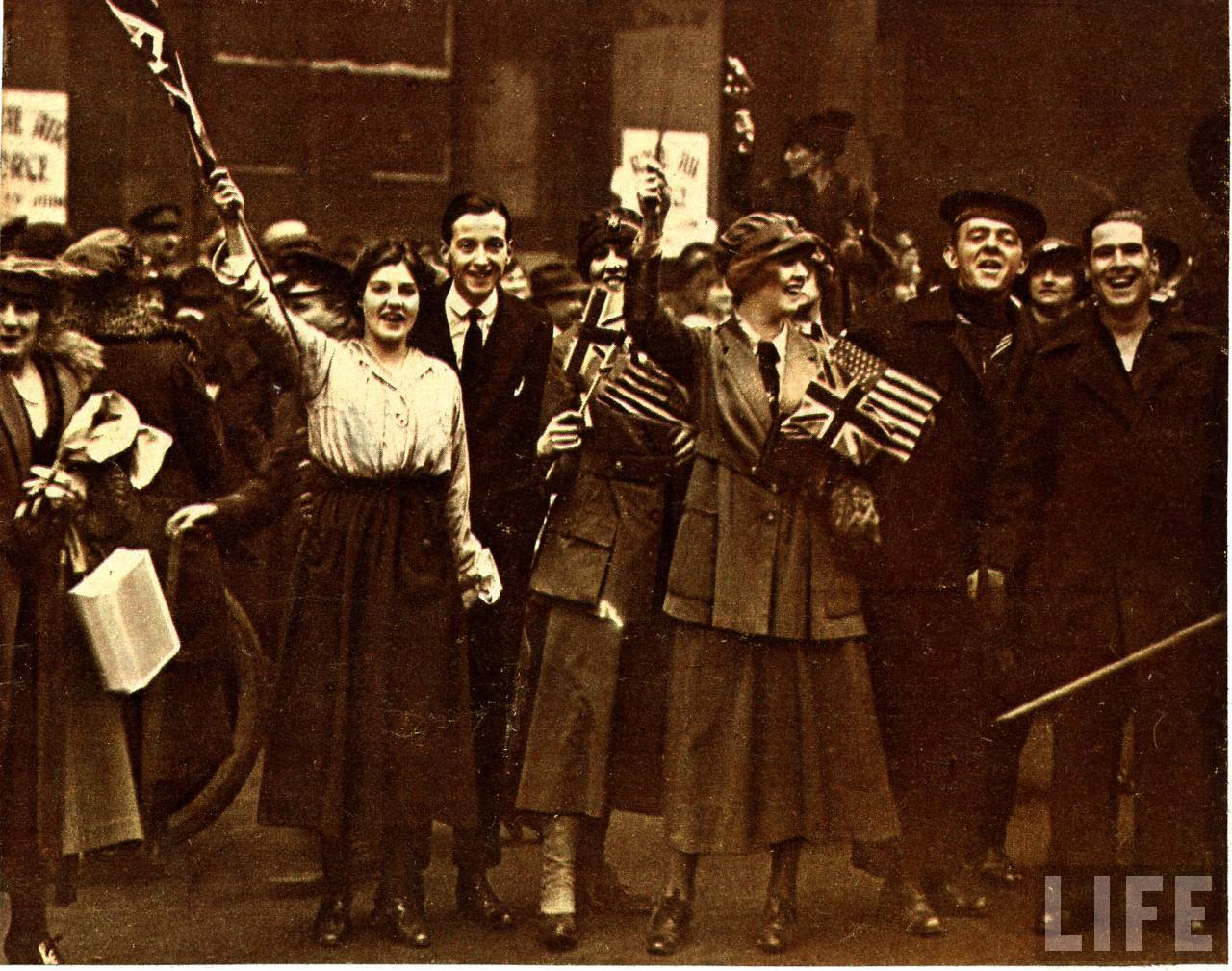 Armistice Day, London, 1918.
 Armistice Day, Virginia, 1943.
Arlington National Cemetery, Tomb of the Unknown Soldier.
Images via US National Archives and LIFE Archives.
LIFE Archives: New Hampshire Girls’ ROTC, 1942
07/11/2011 § 1 Comment


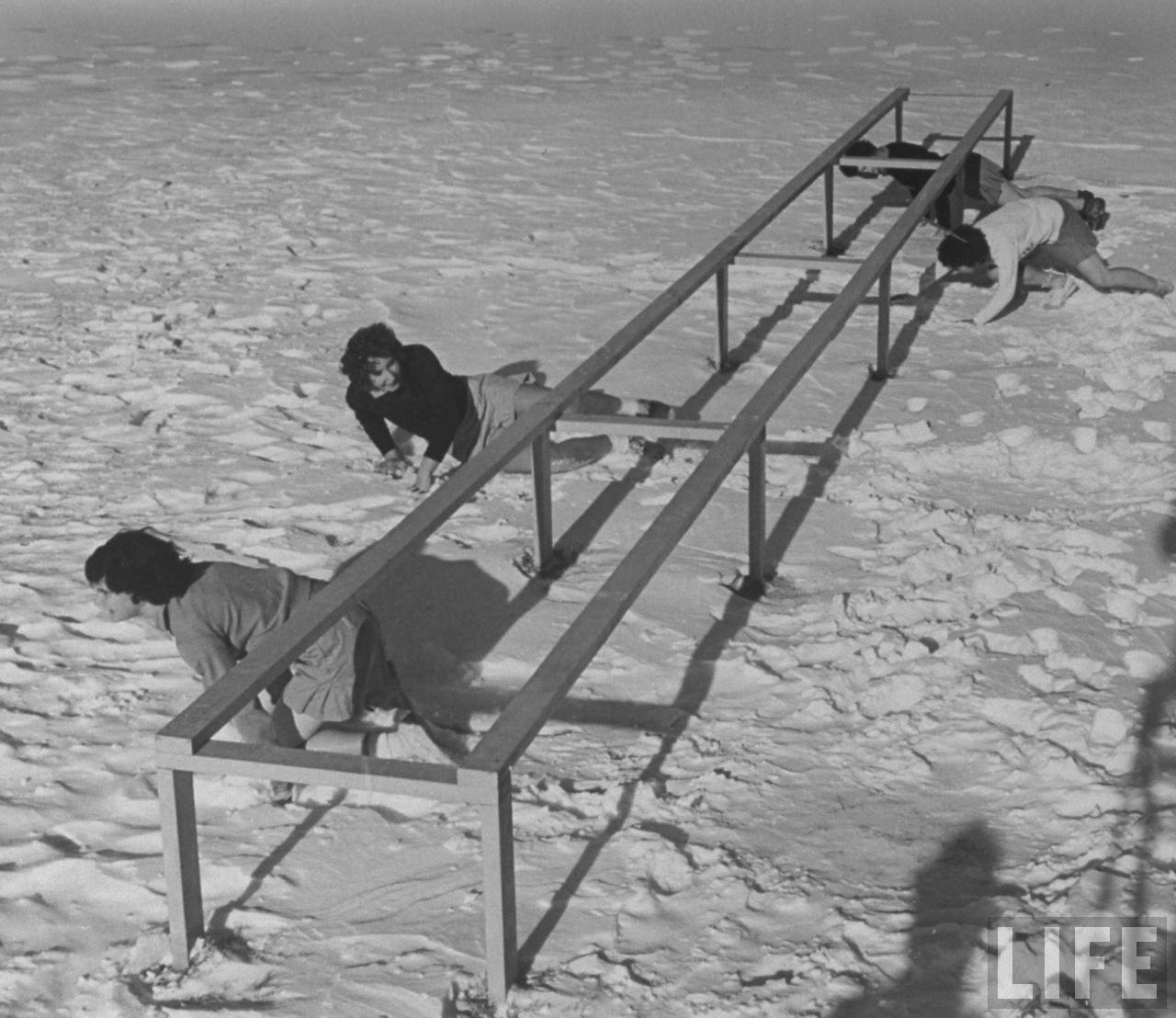

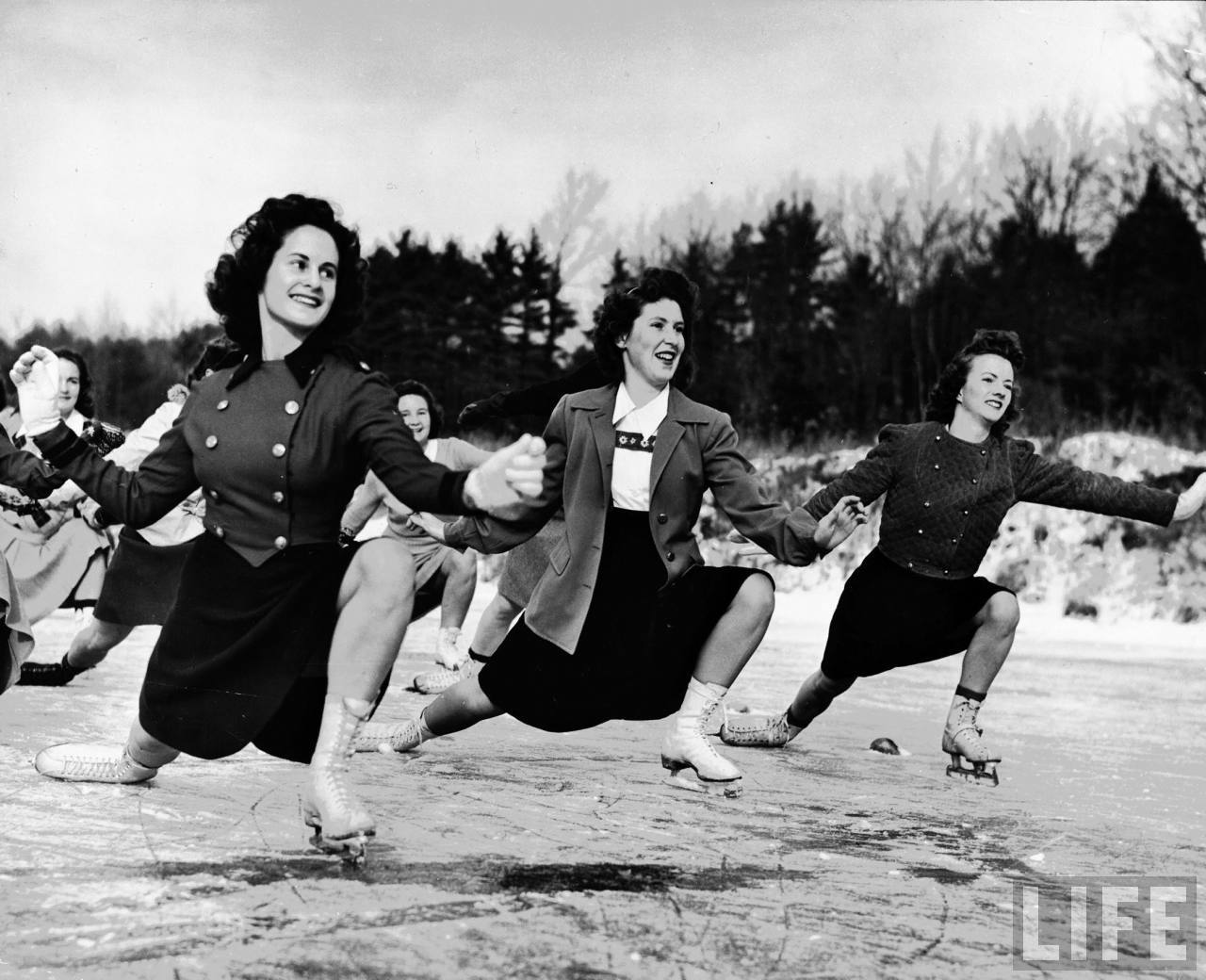


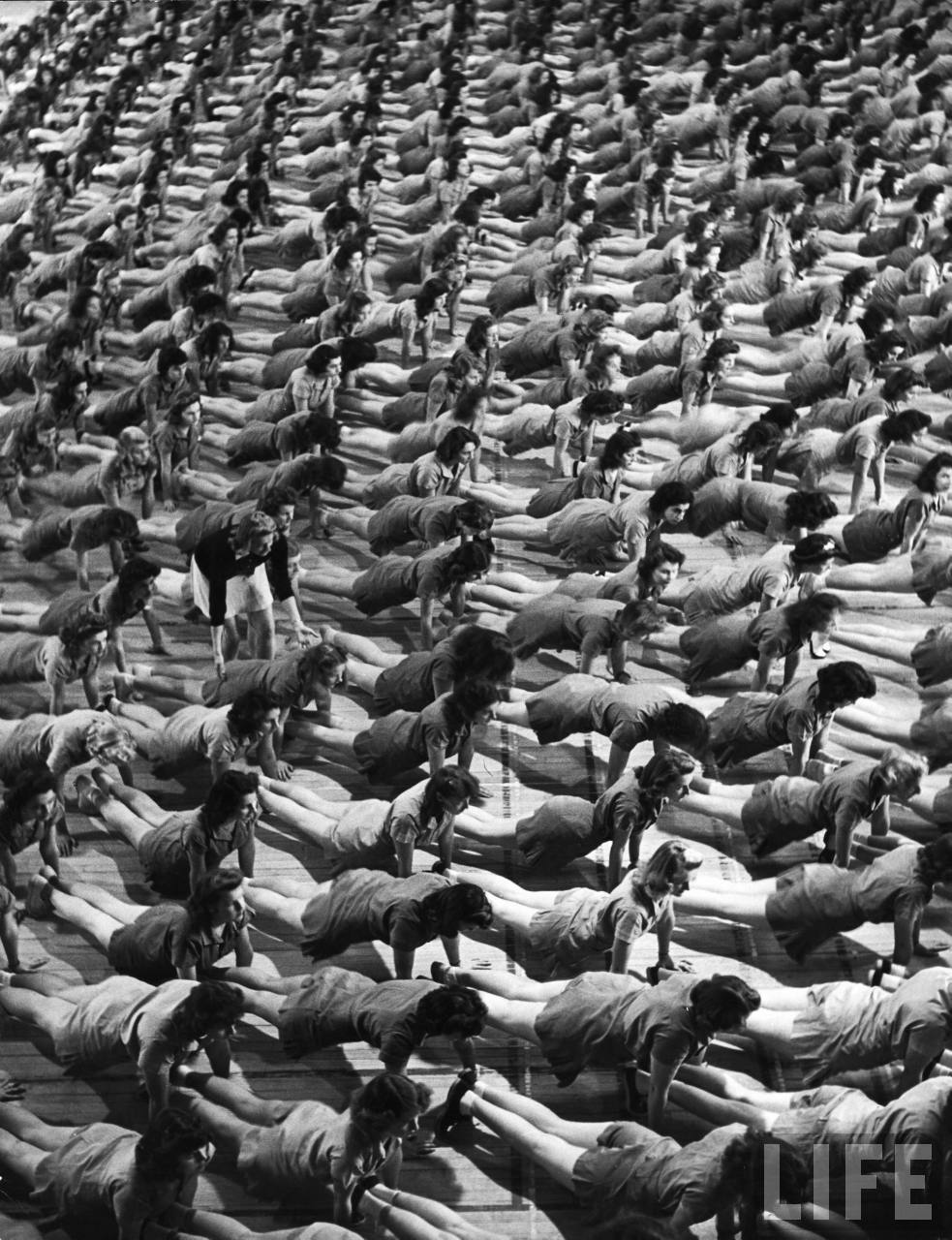
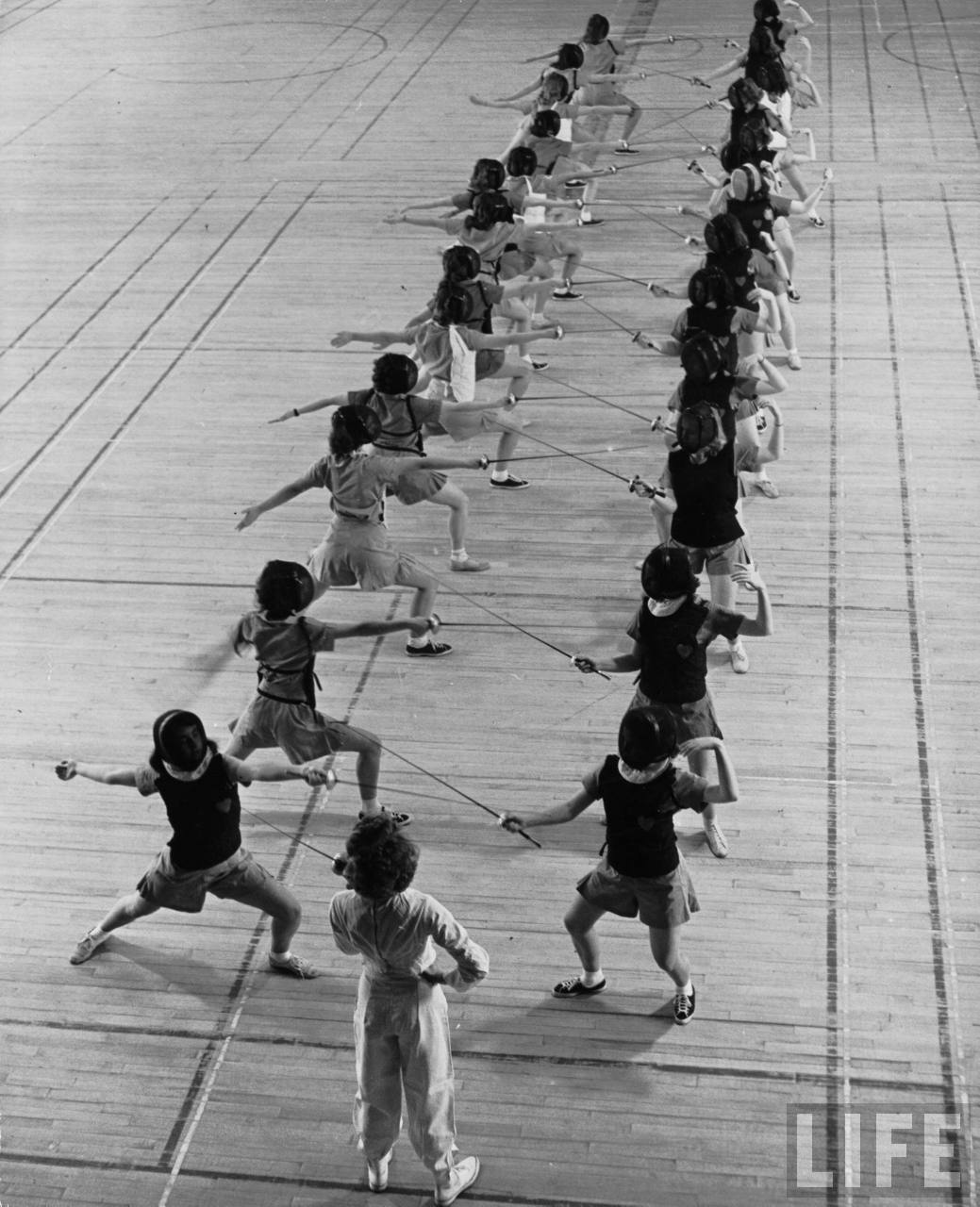


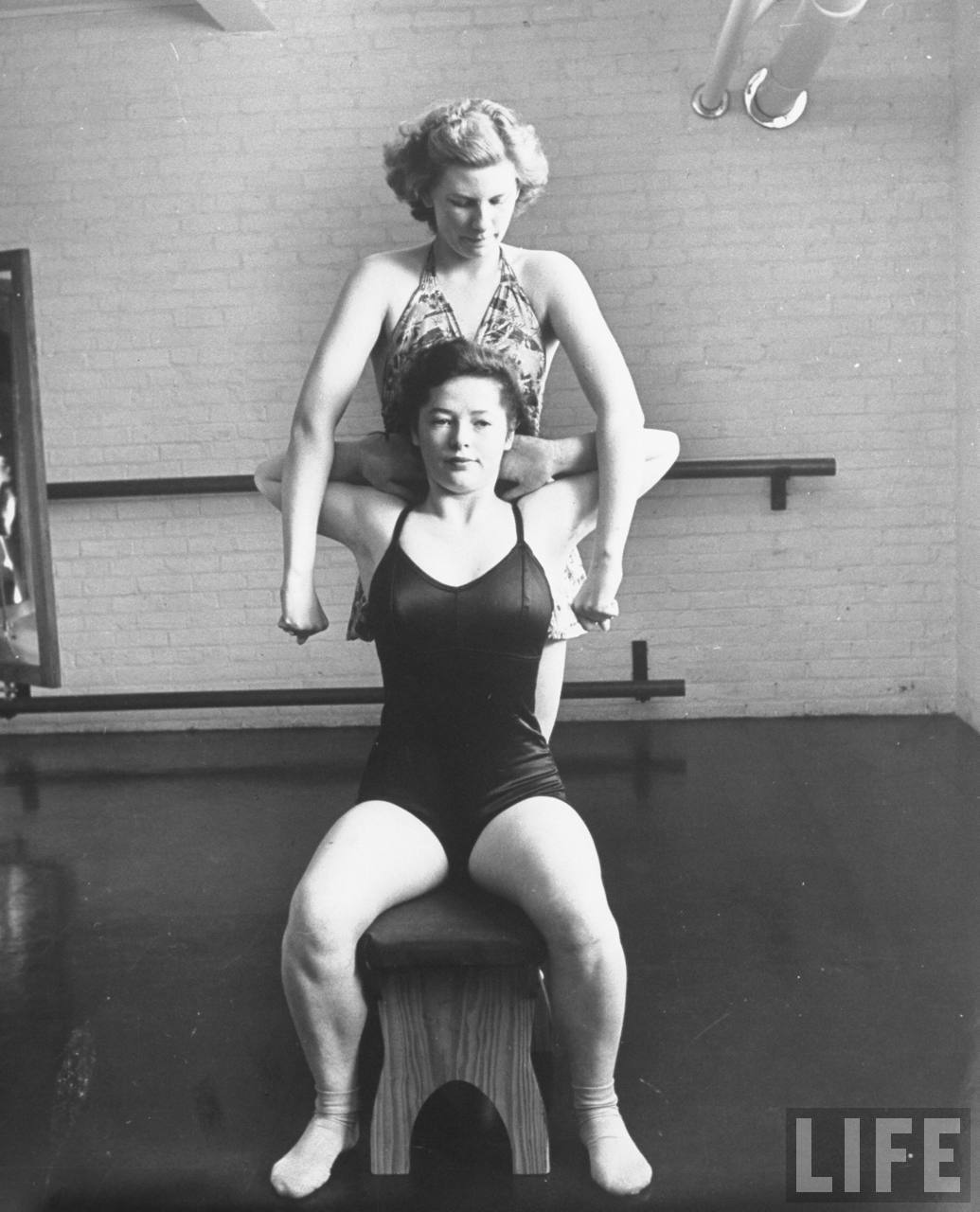
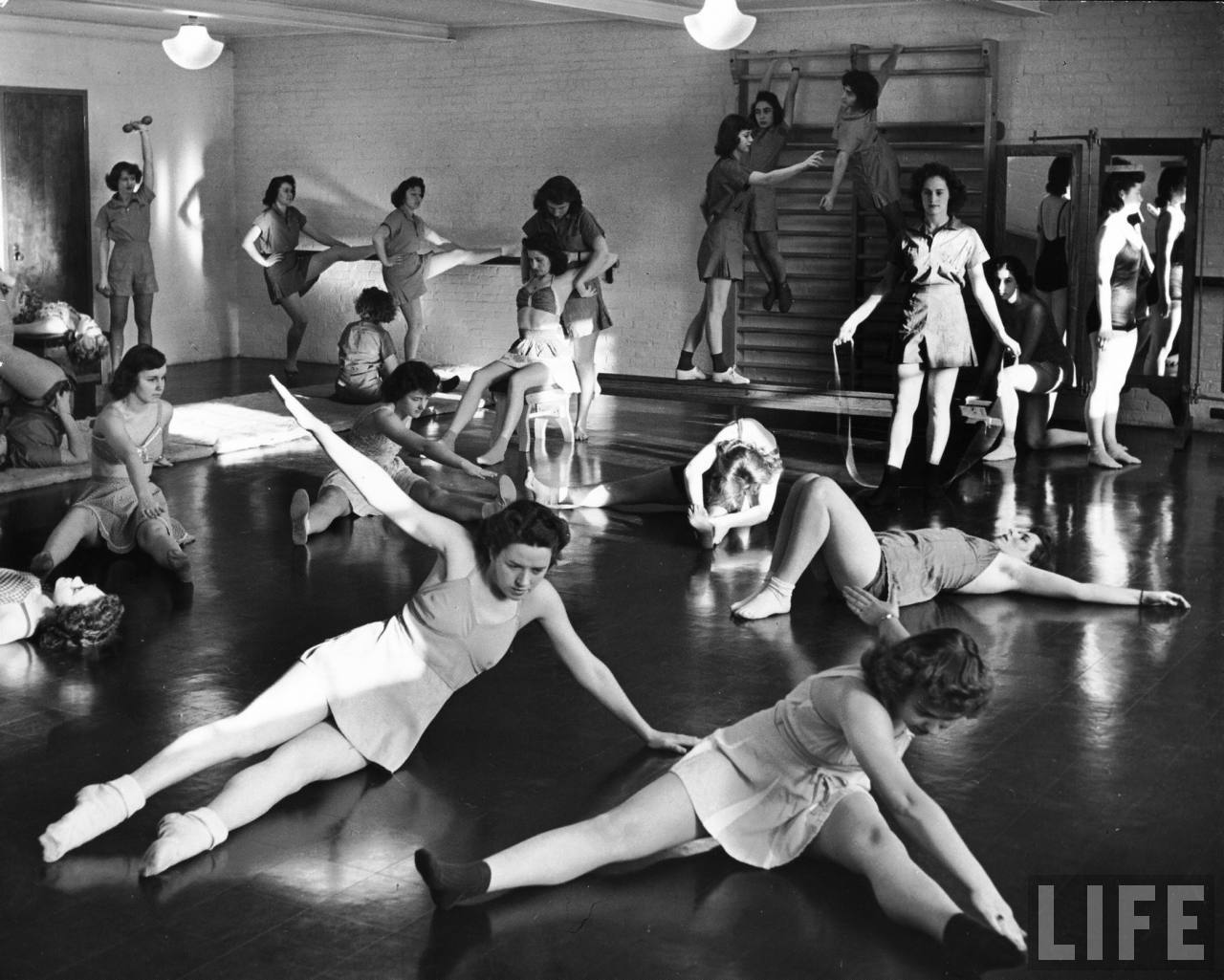 All images via LIFE Archive.
Study: Wintry Contrast
07/11/2011 § Leave a comment
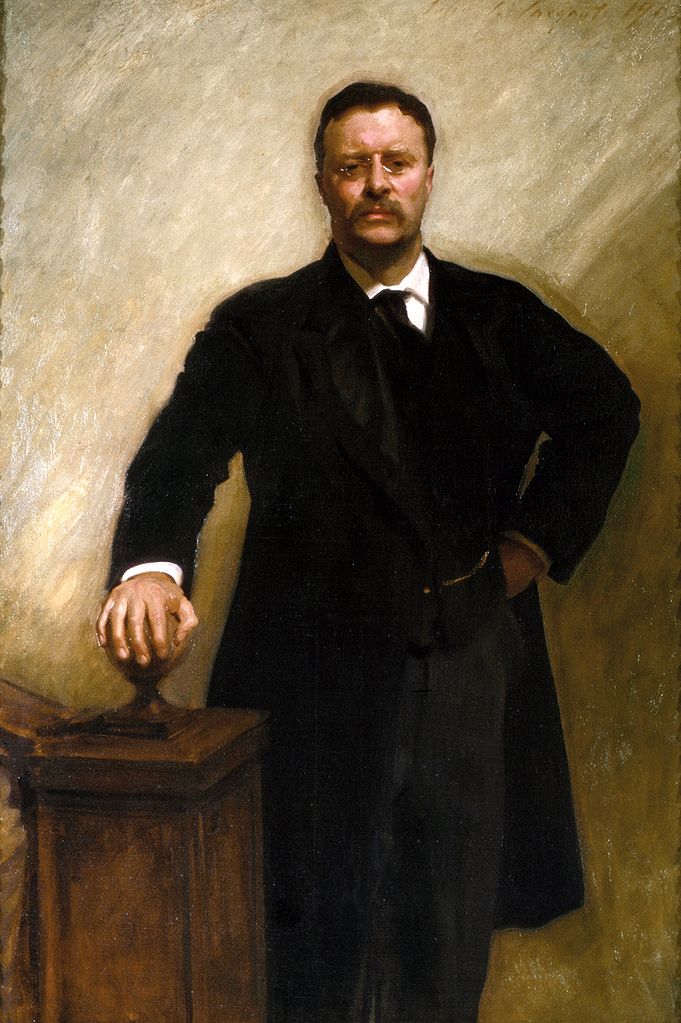 President Theodore Roosevelt, 1903, by John Singer Sargent.
The descent of nearly three inches of snow on New York on Halloween, had me snowbound and bundled in my bed for a good few hours, watching the swirling flurries fall from the darkened sky. This wintry contrast was echoed when I took in a performance of 69°South at BAM this week, a dramatic interpretation of the ill-fated Endurance Expedition headed up by Sir Ernest Shackleton in 1914. The show was an remarkably creative retelling of an amazing story of perseverance and survival, set on the barren ice floes of Antarctica. Fittingly, the stage was almost entirely white, with the dark woolens of the marionettes standing out in stark contrast. The show immediately made me want to see the actual pictures from the expedition, taken by its official photographer, Frank Hurley.
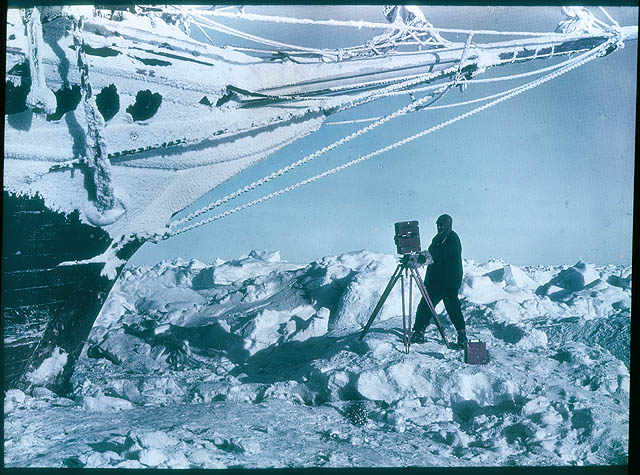 Hurley photographing the Endurance.
Hurley’s pictures of the ship Endurance are among the most interesting to me. The juxtaposition of the dark, hulking ship, trapped and ultimately claimed by the ice, are striking. Everything is darkness and light. Desperation and the stubborn emergence of life. Snow and ice everywhere.
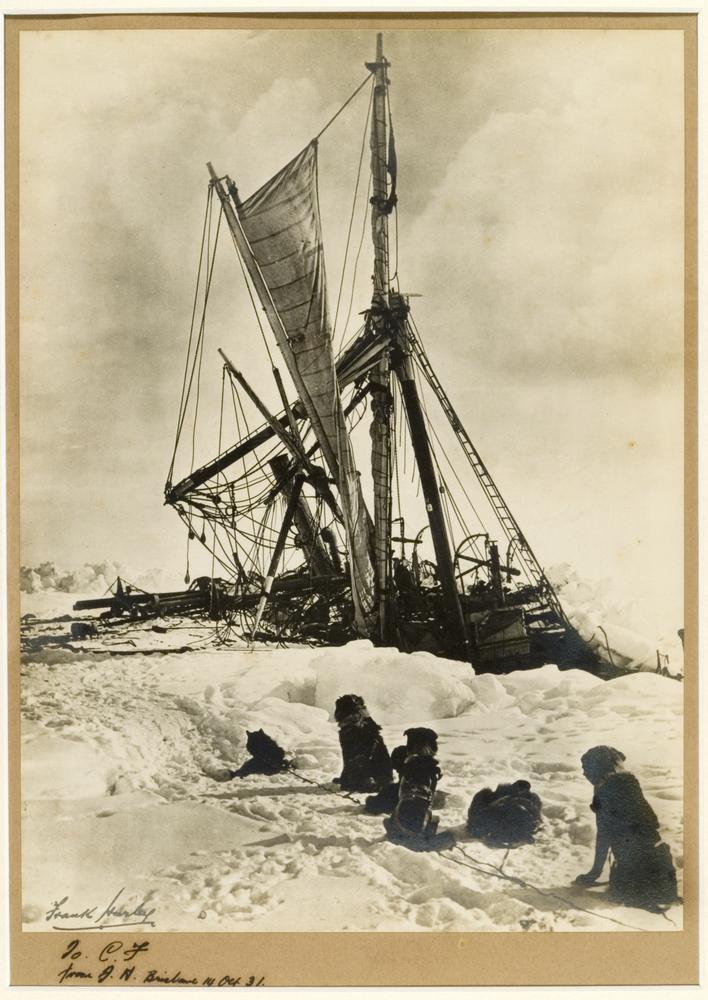
Initially outfitted with a full retinue of camera equipment, when the Endurance was abandoned Hurley was required to strip down his gear to the essentials. He was left with a single vest pocket Kodak camera and three rolls of film. He took only 38 photographs throughout the remainder of the expedition, which lasted over two years. They, along with the 120 glass negatives he saved, document the long, difficult trip back to civilization.
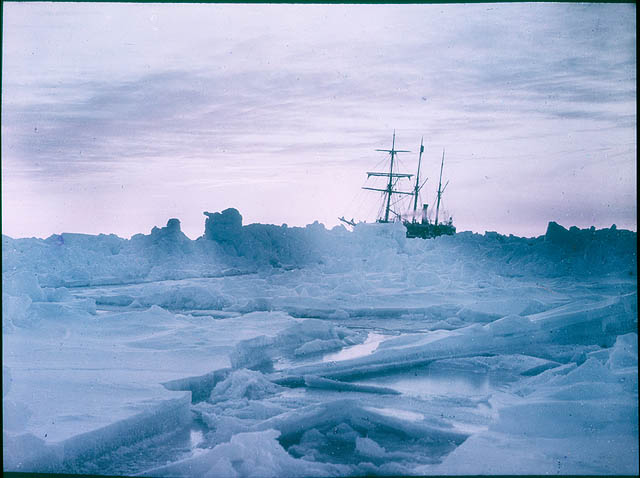
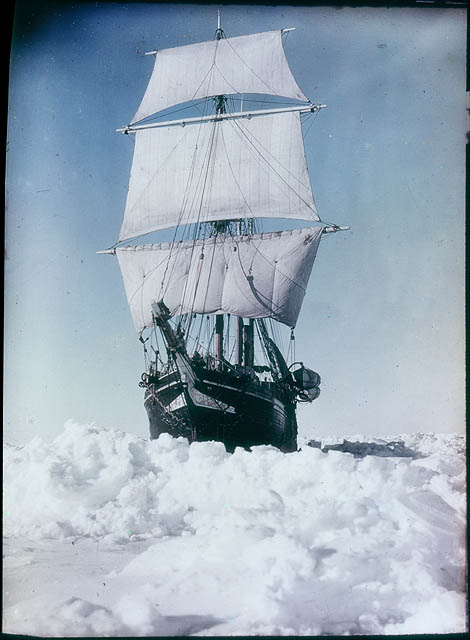
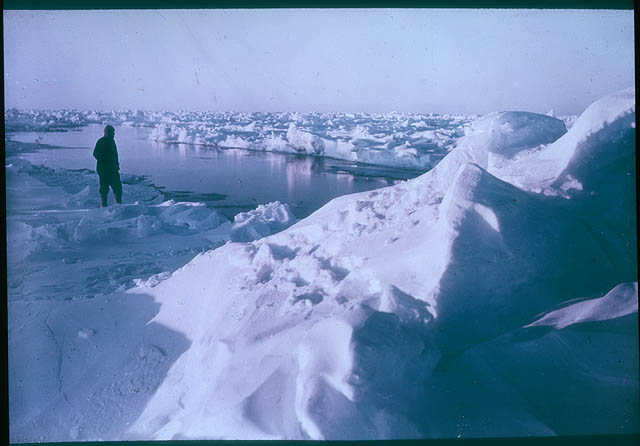 Shackleton. All Hurley photographs via State Library of New South Wales.
The wintry contrast also reminded me of one of my favorite American painters, John Singer Sargent (January 12, 1856 – April 14, 1925), and his luxurious Edwardian portraits. Sargent, an American expat born in Italy with deep familial roots in New England, was a fabulously successful portraitist during his lifetime, capturing some of the most important figures in American and European society. Emerging from a yawning, darkened background, Sargent often draws the viewer’s attention to a gleaming shirt collar, a bit of lace or a flash of porcelain skin… Not unlike snow I saw, silently falling on Halloween or the vast ice floes in Hurley’s photographs. Life emerging. Light emerging. Darkness and light.
The story of the impending winter months…
 Alice Vanderbilt Shepard, 1888.
 Caspar Goodrich, 1887.
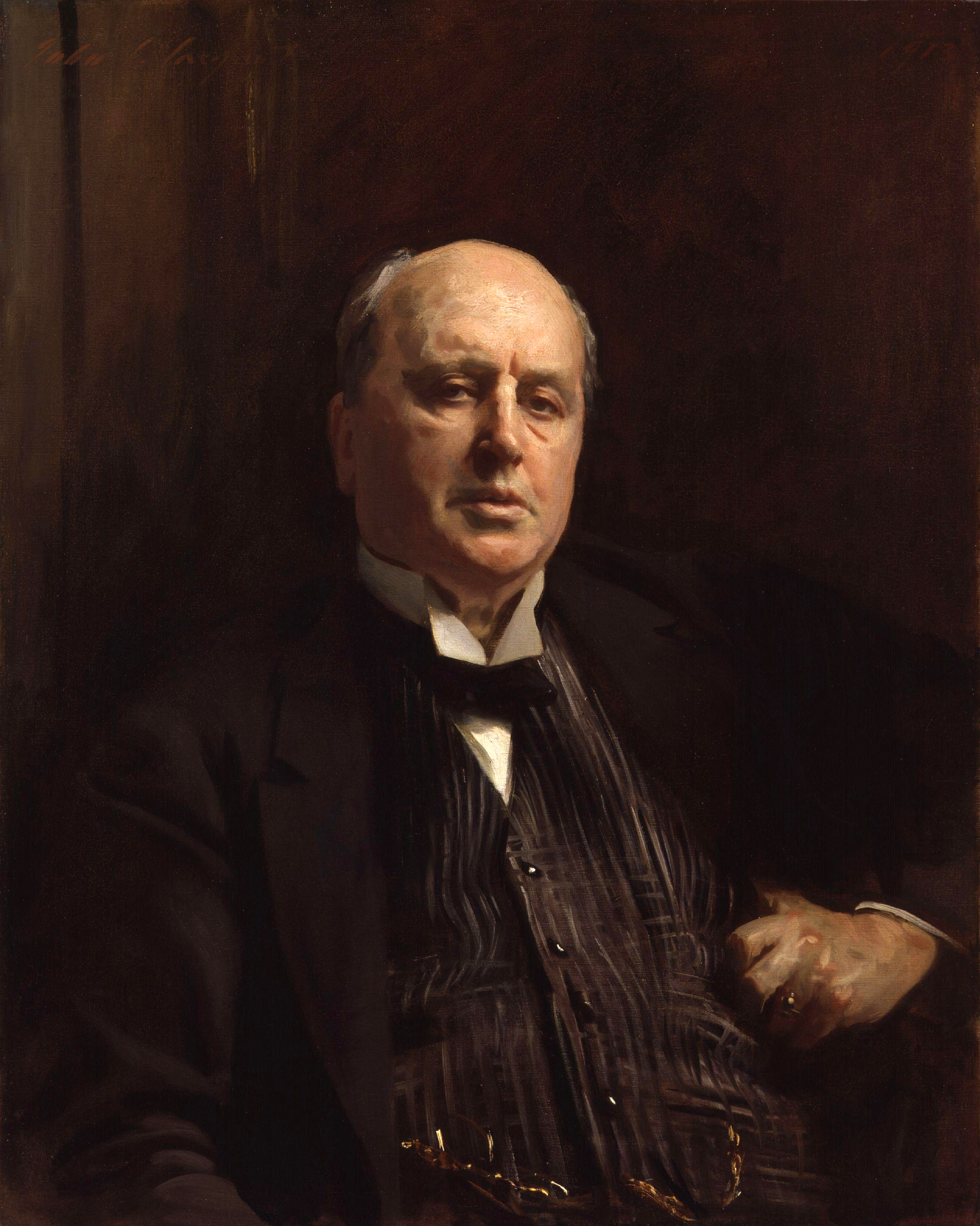 Henry James, 1913.
 Elizabeth Winthrop Chanler (Mrs. John Jay Chapman), 1893.
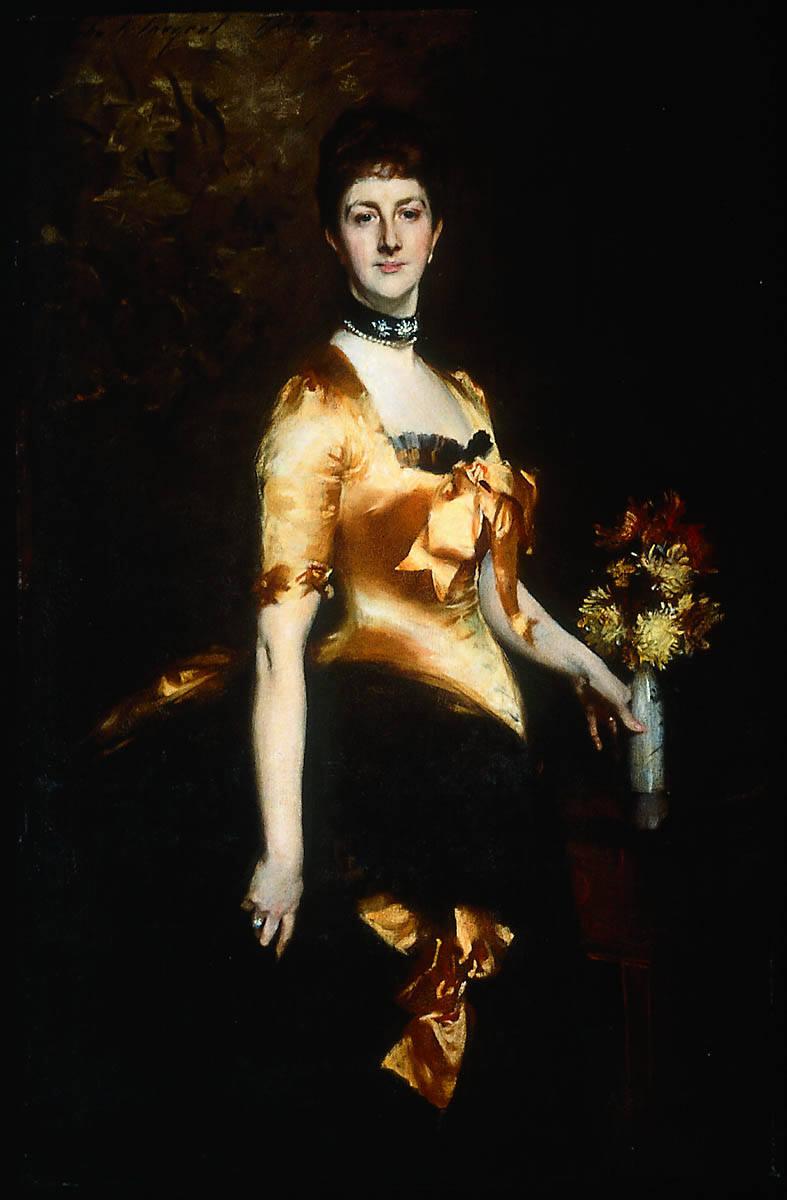 Edith, Lady Playfair (Edith Russell), 1884.
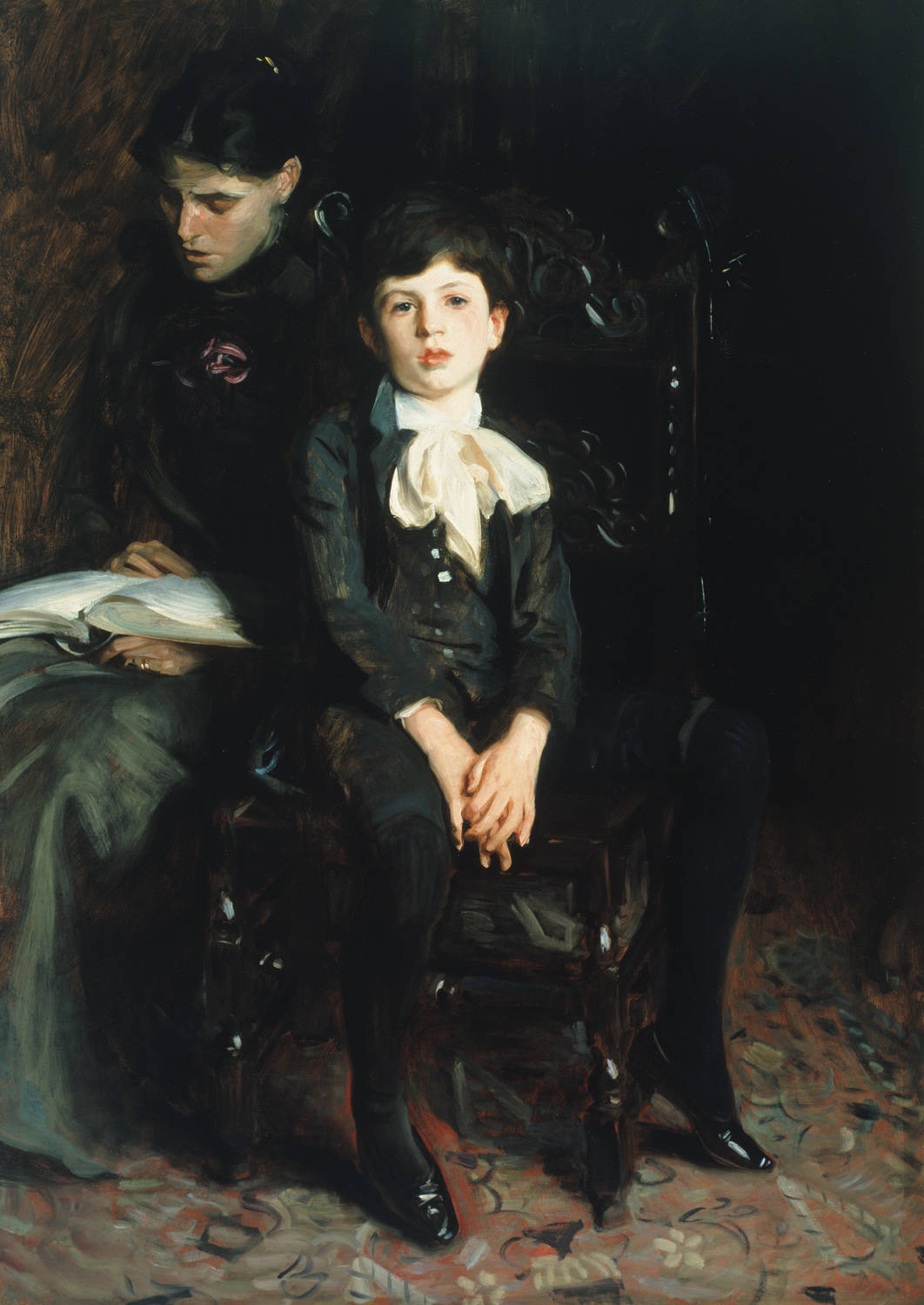 Homer Saint-Gaudens and his Mother, 1890.
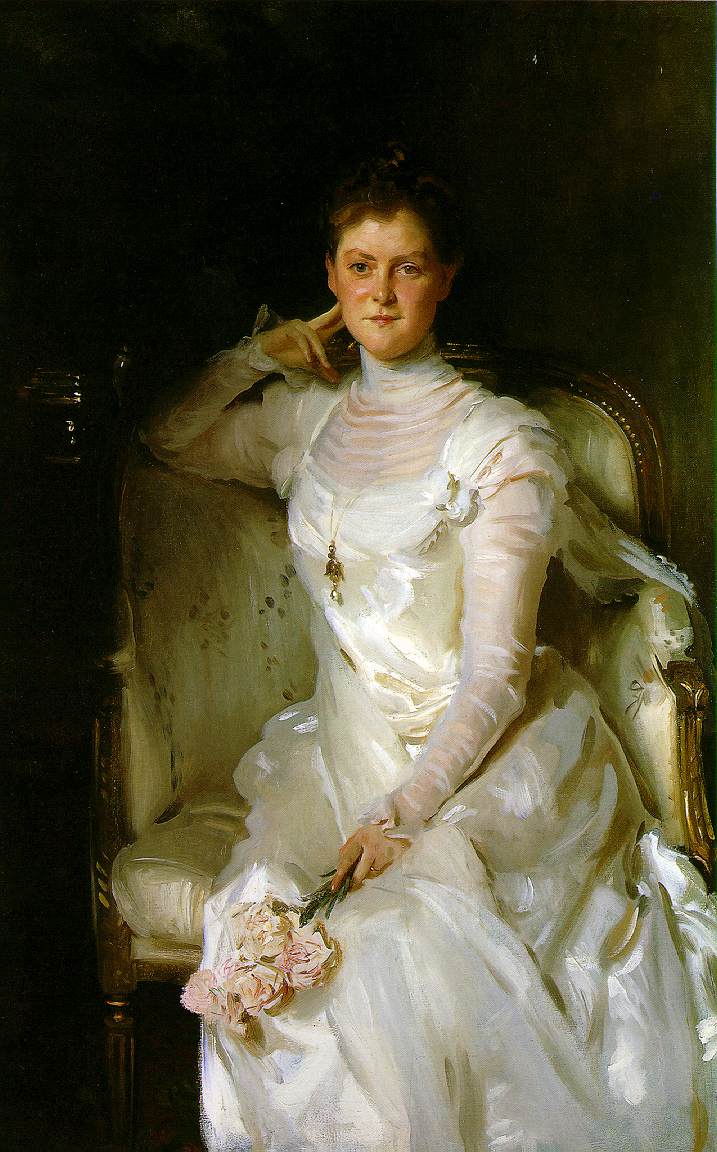 Mrs. Joshua Montgomery Sears, 1899.
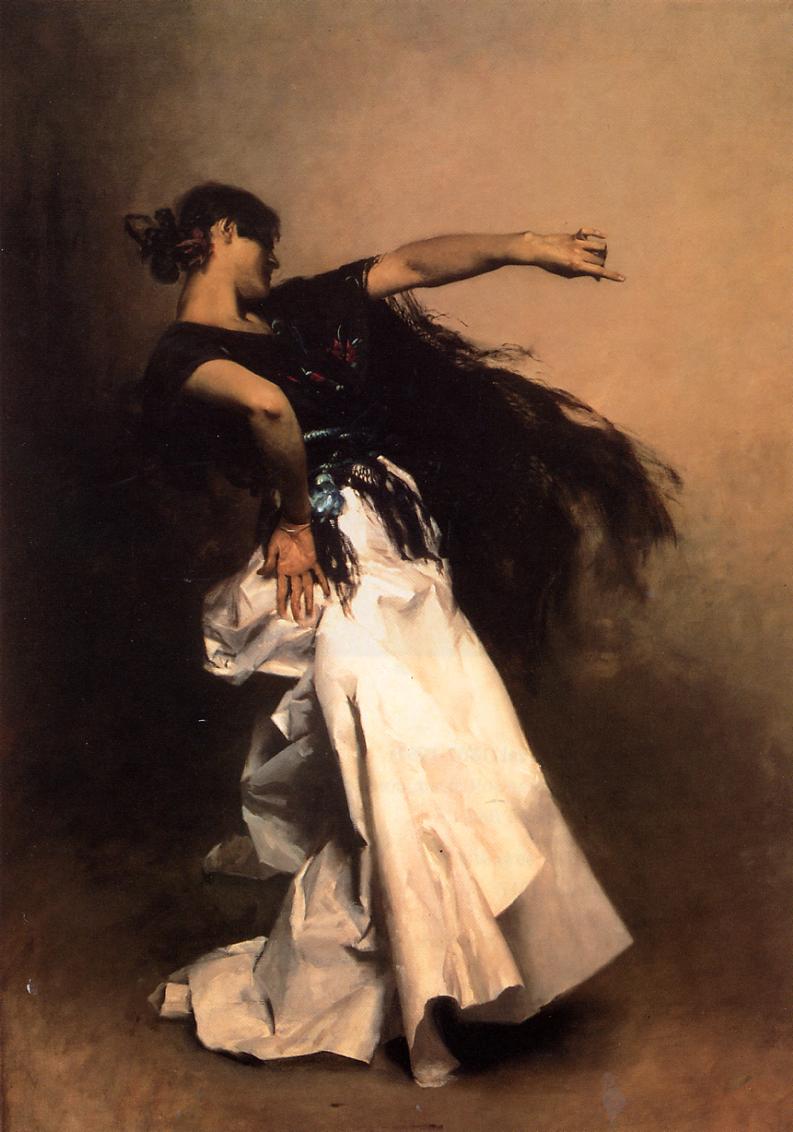 Spanish Dancer, 1880
American poet Henry Wadsworth Longfellow (February 27, 1807 – March 24, 1882) is noted for his lyrical style and was the most famous poet of his time. Born in Portland, Maine, he no doubt was well familiar with the stark beauty of snowy winters. I love the image of the snow as shaken from the garments of “Air,” represented as a mythical woman in his poem Snow-flakes — so quietly sad, yet beautiful.
Snow-flakes
By Henry Wadsworth Longfellow
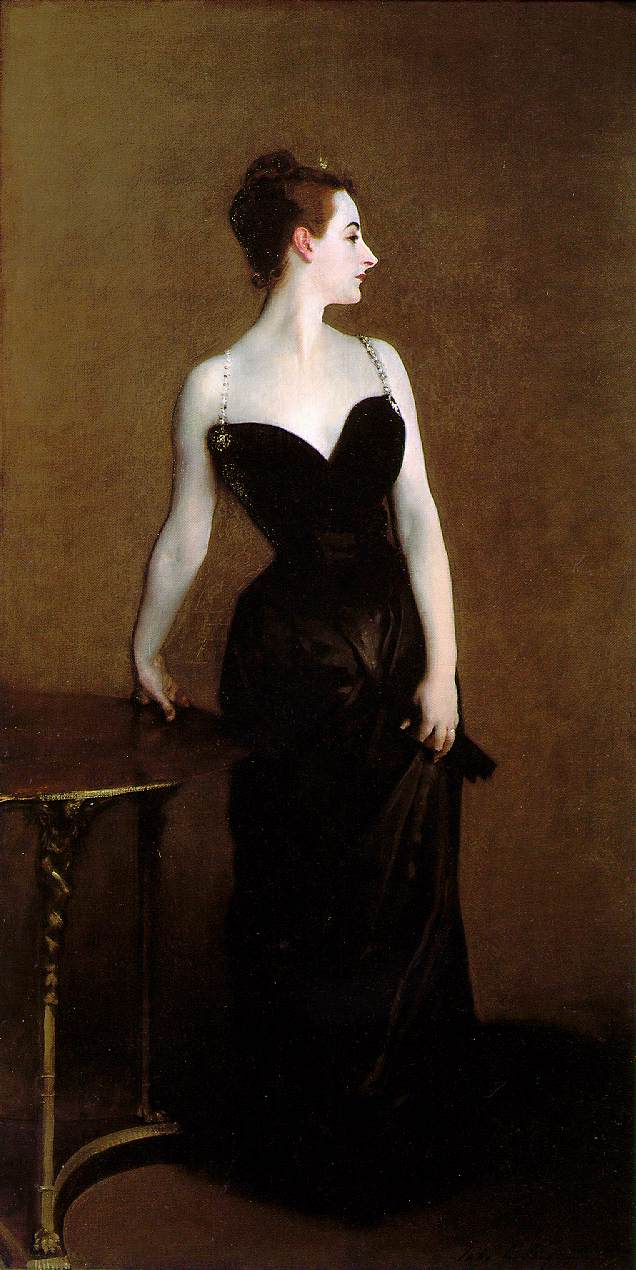 Portrait of Madame X, 1884.
Thus, these men who were the most important in their fields — polar exploration, portraiture, and poetry — in their lifetimes, all have me thinking about the winter months that are to come.
Happy Halloween!
31/10/2011 § 1 Comment
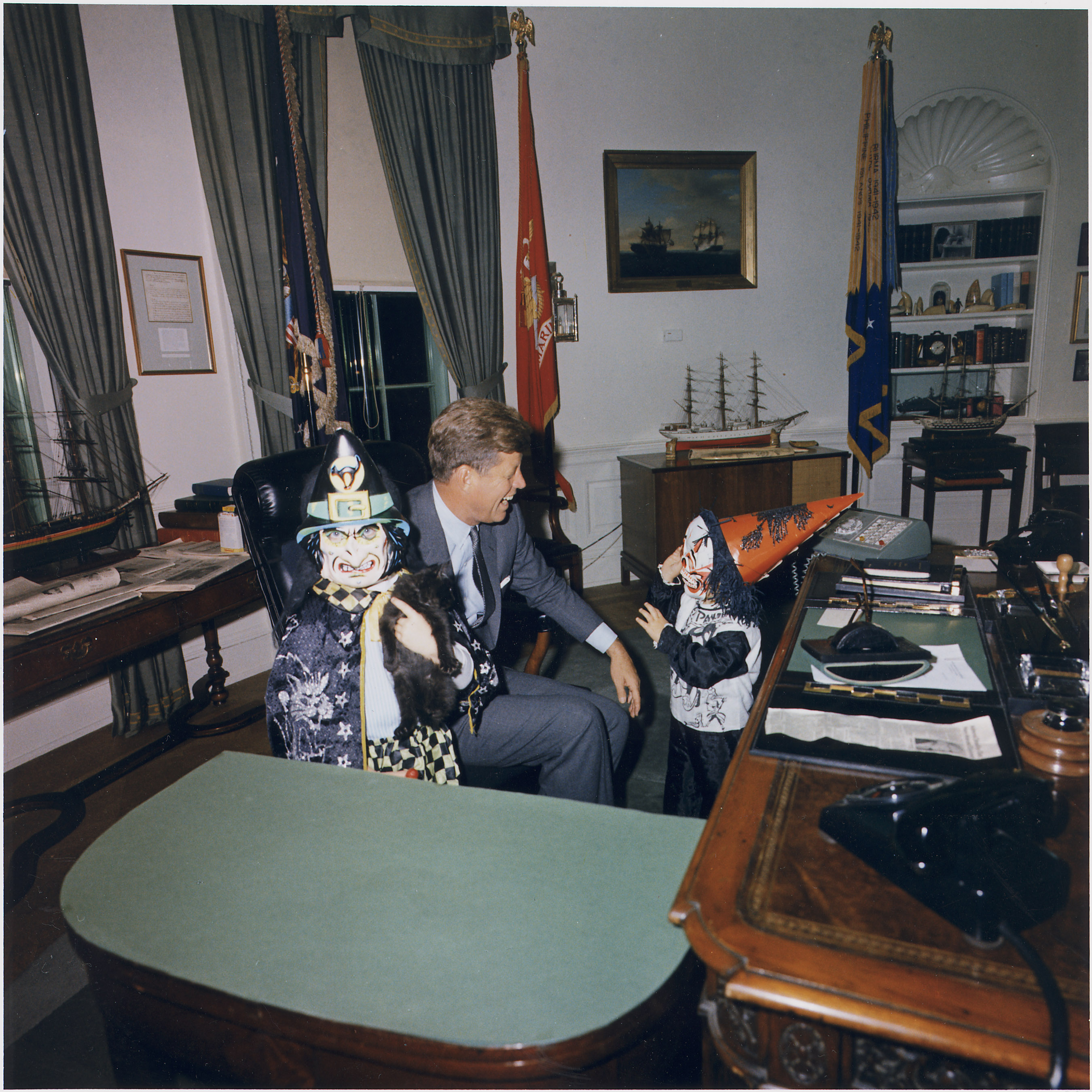 John, John-John and Caroline in the Oval Office. Halloween 1963.
Image via the US National Archives.
Imagineering The Haunted Mansion
31/10/2011 § Leave a comment
Fact: I refused to enter the Haunted Mansion at Disneyland until I was 13 years old. Too scary for this little scaredy-cat. It’s since become one of my favorite attractions at the park, with its herky-jerky animatronics, doom buggies and hitchhiking ghosts. On Halloween, my thoughts always turn to this lovely antebellum mansion, and I thought I might share a bit about the creation of the ride. Of special interest in this video is the appearance of Harriet Burns, the first Disney woman Imagineer, at the two minute mark in part 1.
LIFE Archives: Nantucket Boys In Winter, 1959
27/10/2011 § 1 Comment
From the article The Winter Joys of Children Summer Left Behind.
Published in LIFE Magazine February 23, 1959.
 Under a cold winter sky a knot of Nantucketers, among them the three boys at right, watch incoming steamer Nobska stuck in the ice with its cargo of food and mail for the island.
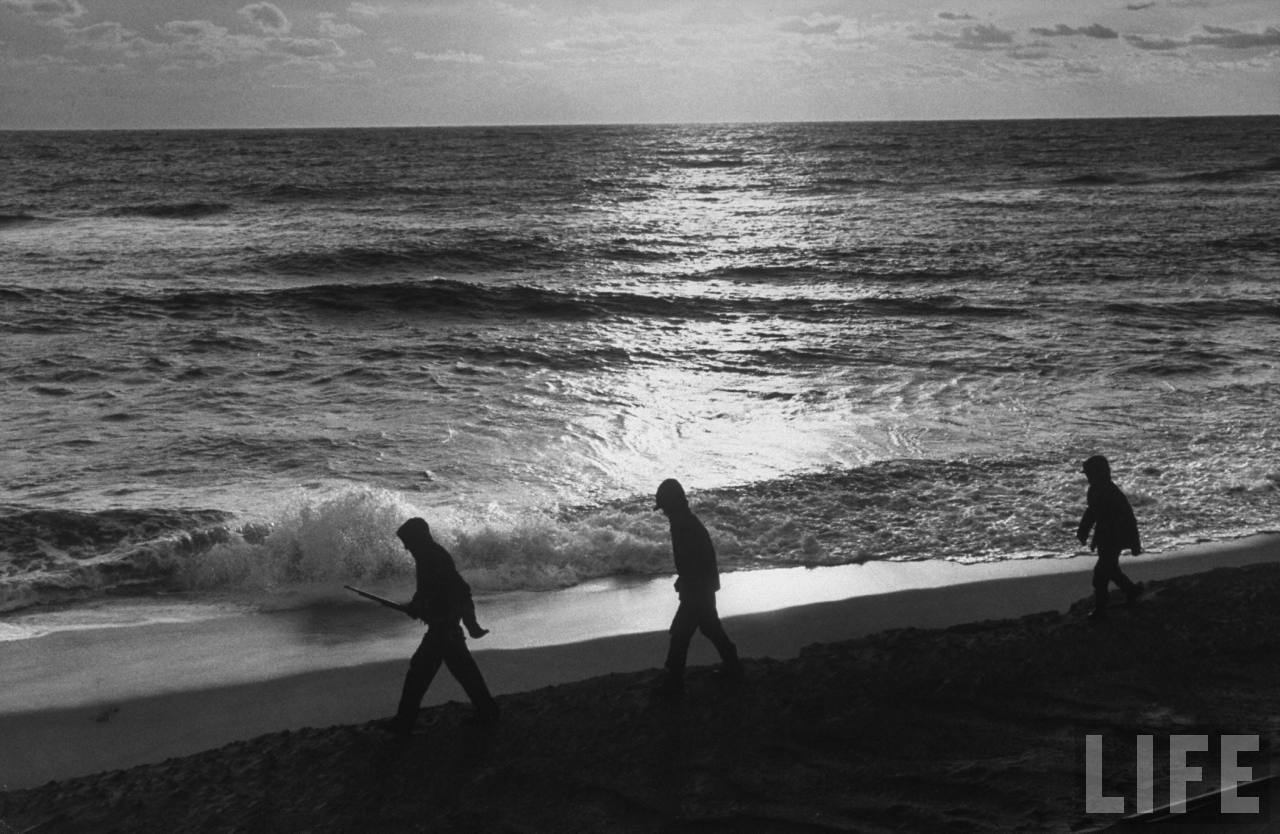
 Muffled in parkas, Dana Perkins, 10 (left), Bruce Bartlett, 12, and Jack Peters, 14 (holding his .22), go off to hunt rabbits on the moors.

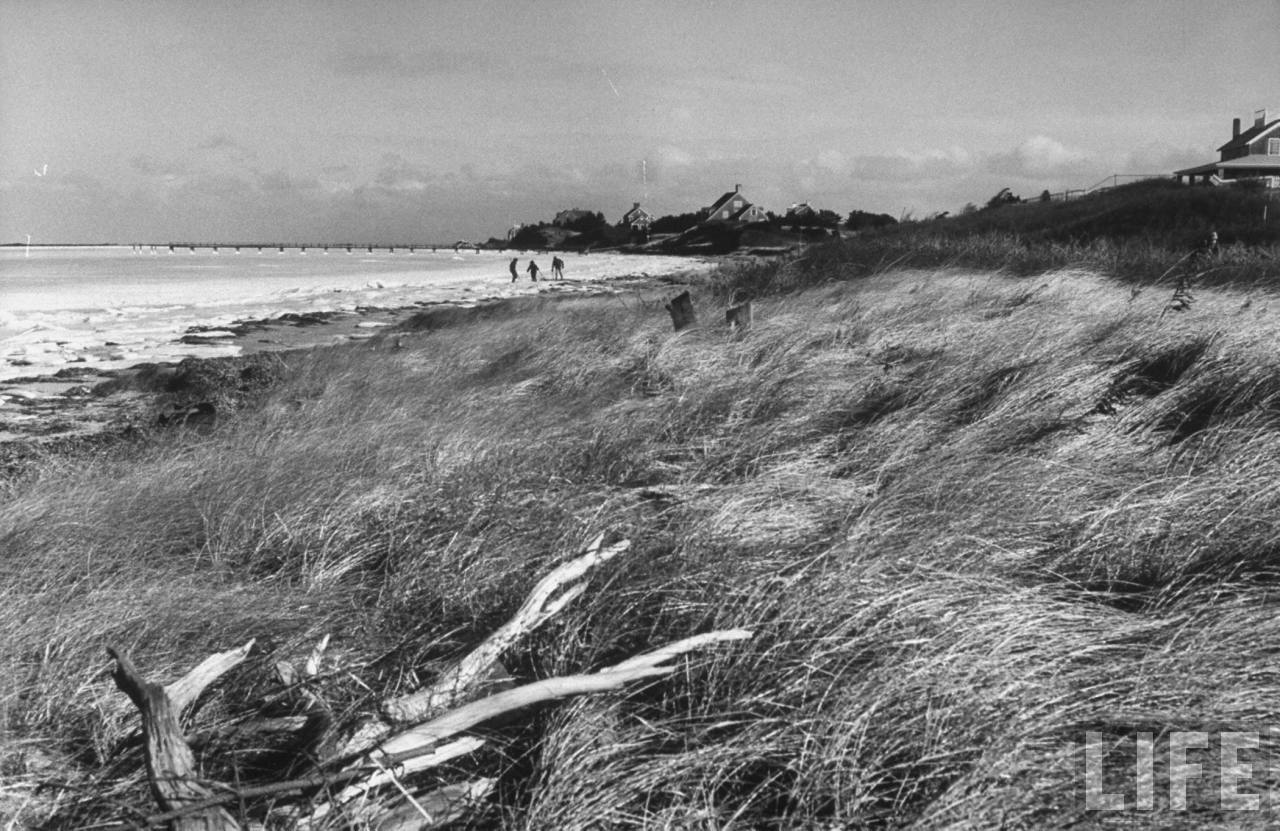

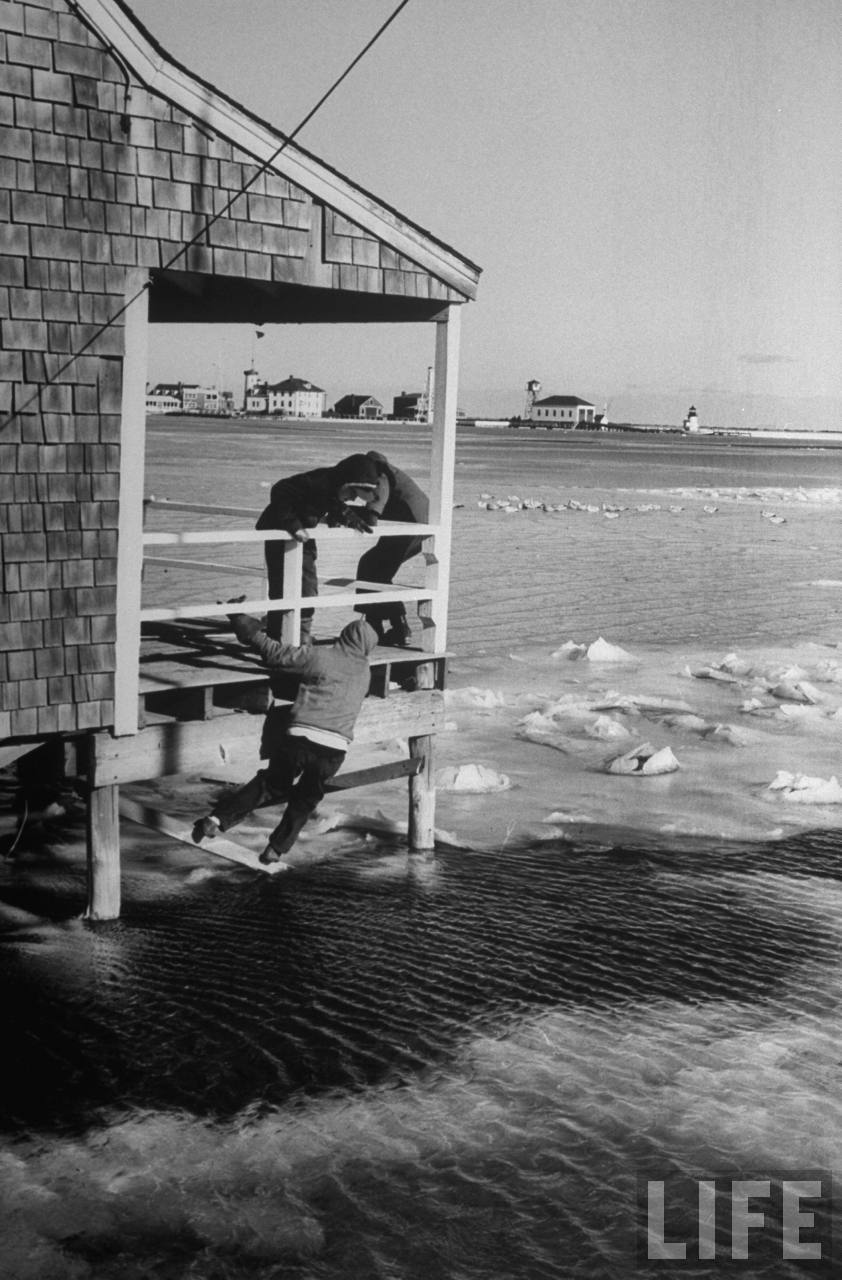
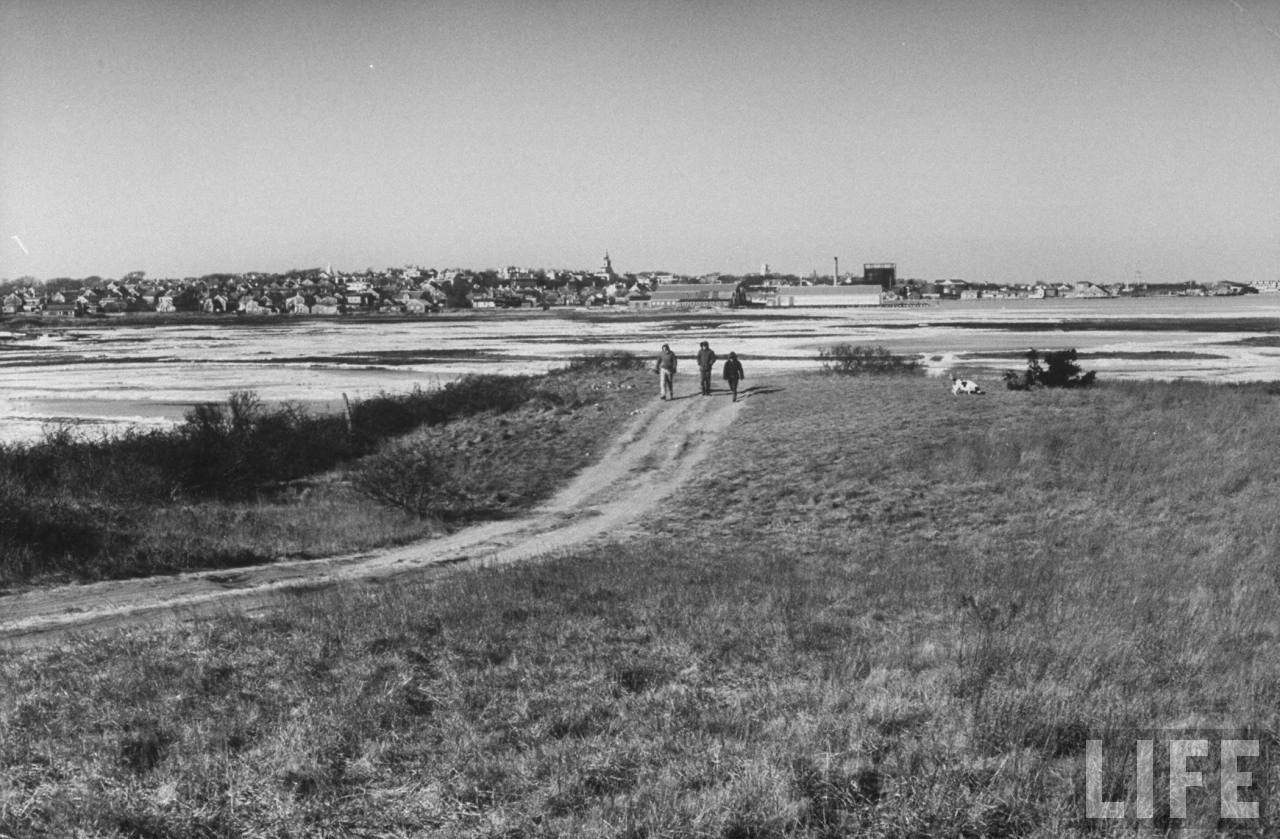


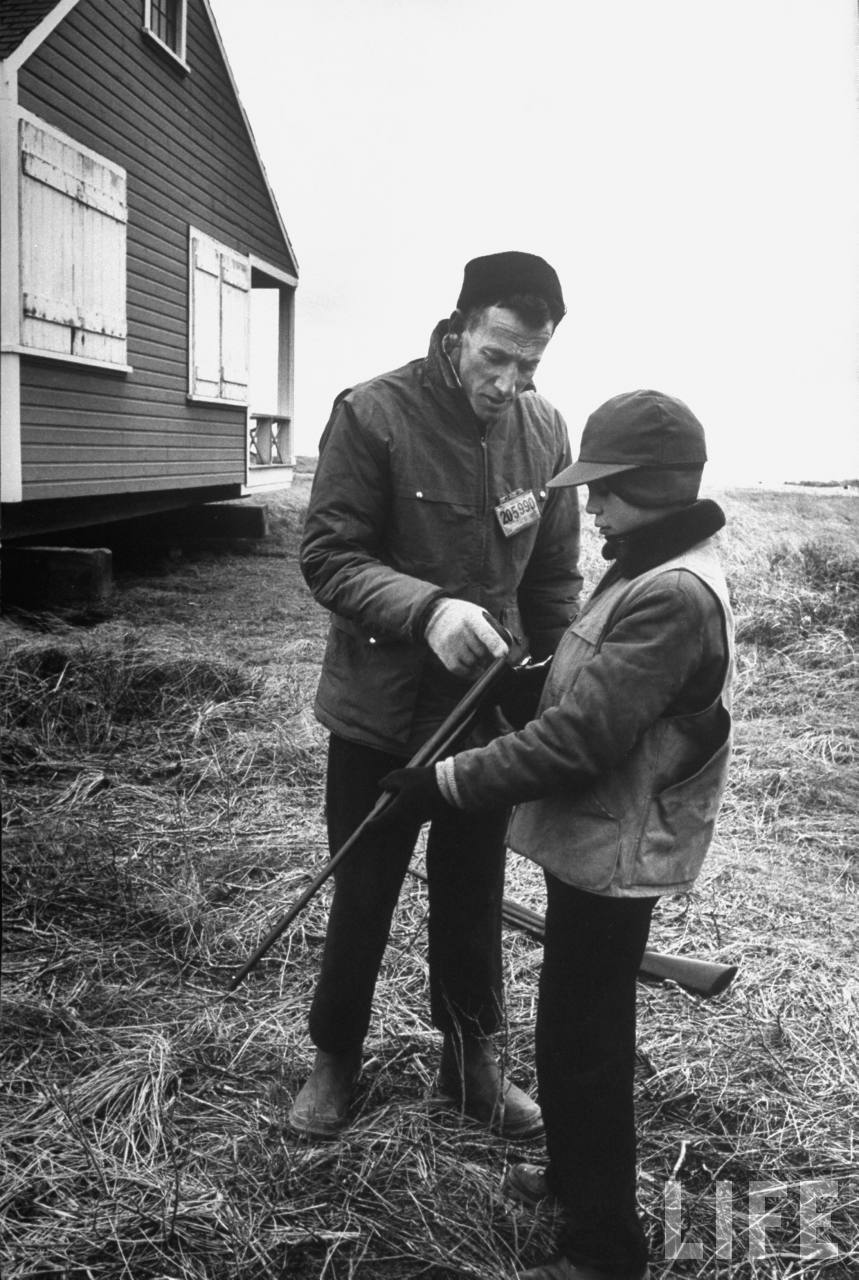
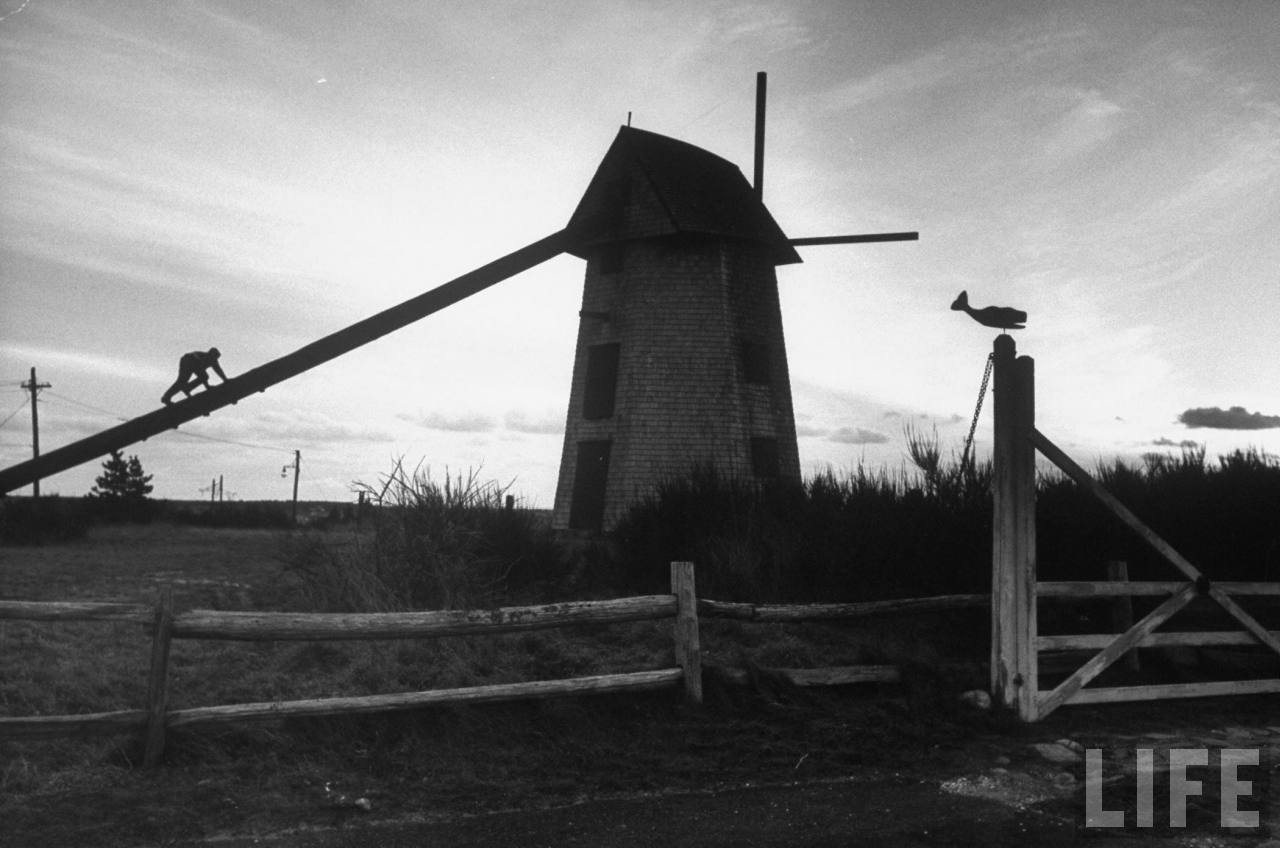 All photographs by Alfred Eisenstaedt, via the LIFE Archives.
 Quite Continental