Just When I Thought I Was Out… {Ralph Lauren Collection Spring 2012}
16/09/2011 § 2 Comments
…they keep pulling me back in.” — Michael Corleone

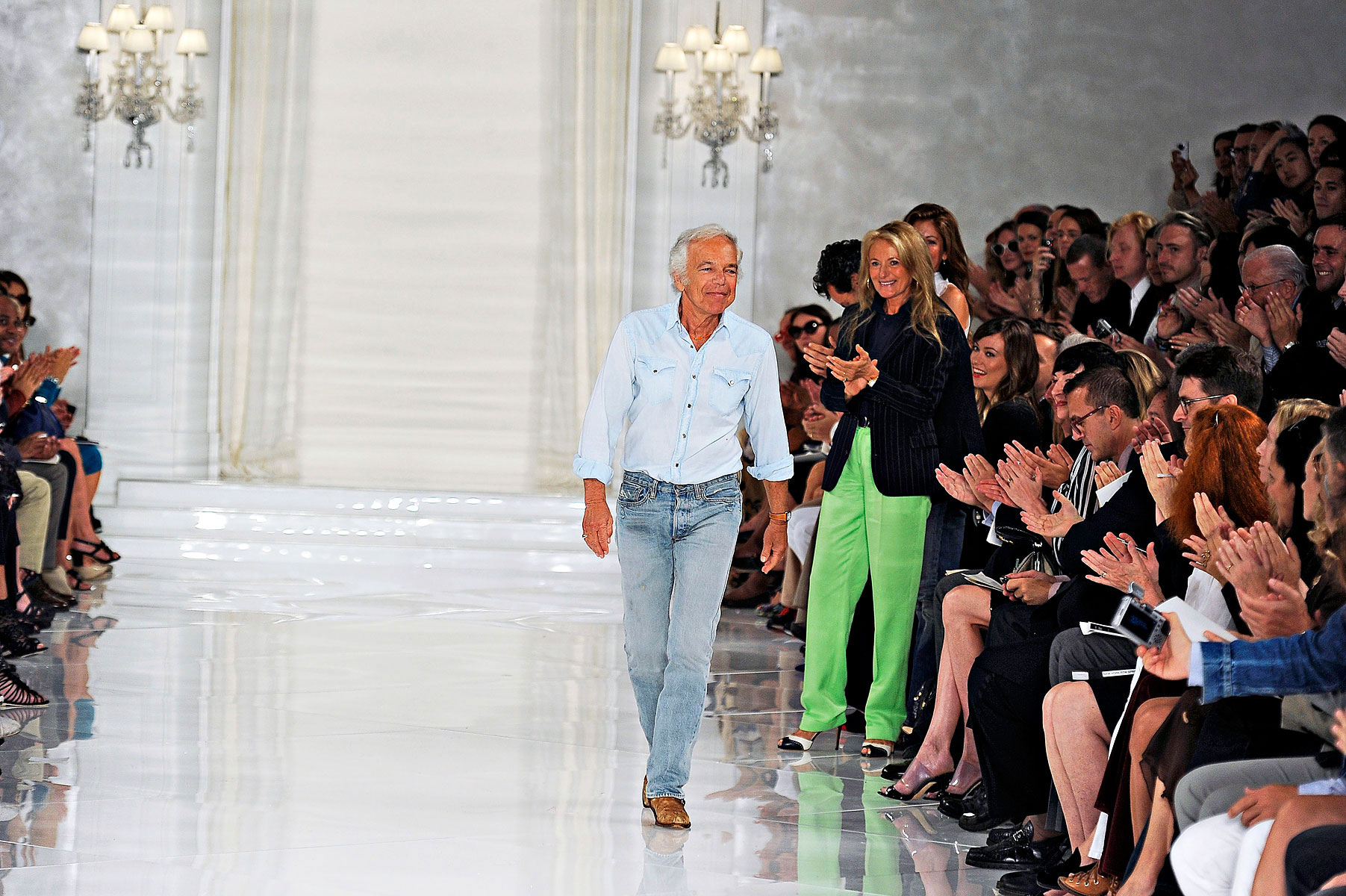
I suppose I should have never doubted that Ralph Lauren would be my favorite from NYFW. We go way, way back. And this time around I flirted with the idea of another man, but the indomitable Mr. Lauren didn’t care. He waited. He reclinated. He knew that when he would drop his glittering collection on my head, I’d come running right back to his side. He knew that I wouldn’t ever be able to say no to him…
The man was right.
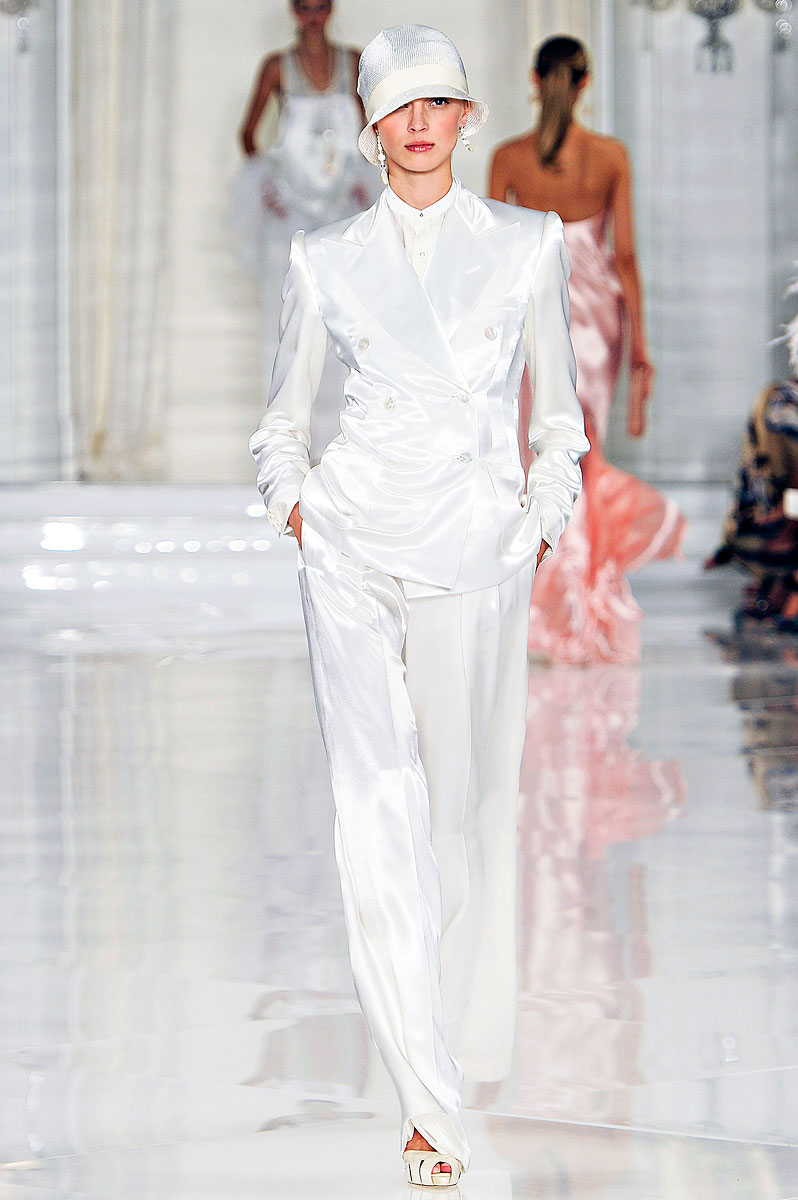
For spring 2012, while most other collections showed influences of the 1930s and 40s, Mr. Lauren reached back even further to a decade he is most comfortable with — the 1920s. And why not? His costumes for Jack Clayton’s Gatsby are constantly referenced by fashion and costume designers. Why not seize upon spring’s nostalgia, ratchet up the glamour and hit his own sweet spot? Textbook really. These are clothes for both Daisy Buchanan and Jordan Baker, and you probably already know I tend to like Jordan a bit more… If you were looking for 1920s with an edge, for the ironic jazz age, you won’t find it here, because that is not what Mr. Lauren does. You need to go talk to Thom Browne if that’s what you want, because that’s what he showed this week. Mr. Lauren is unfailingly earnest, and you will either find this boring, or love it to death as I do. Ralph Lauren is not an iconoclast — he is an icon. And it is a dying breed at that…
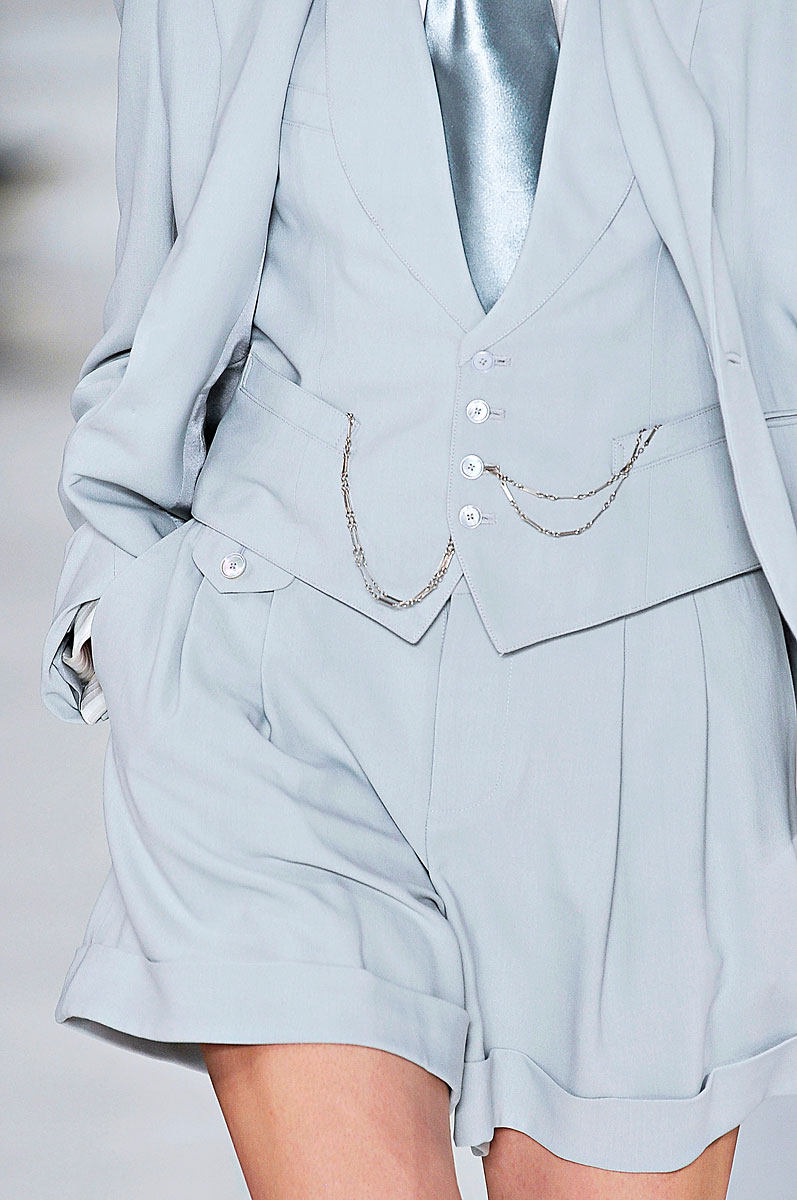
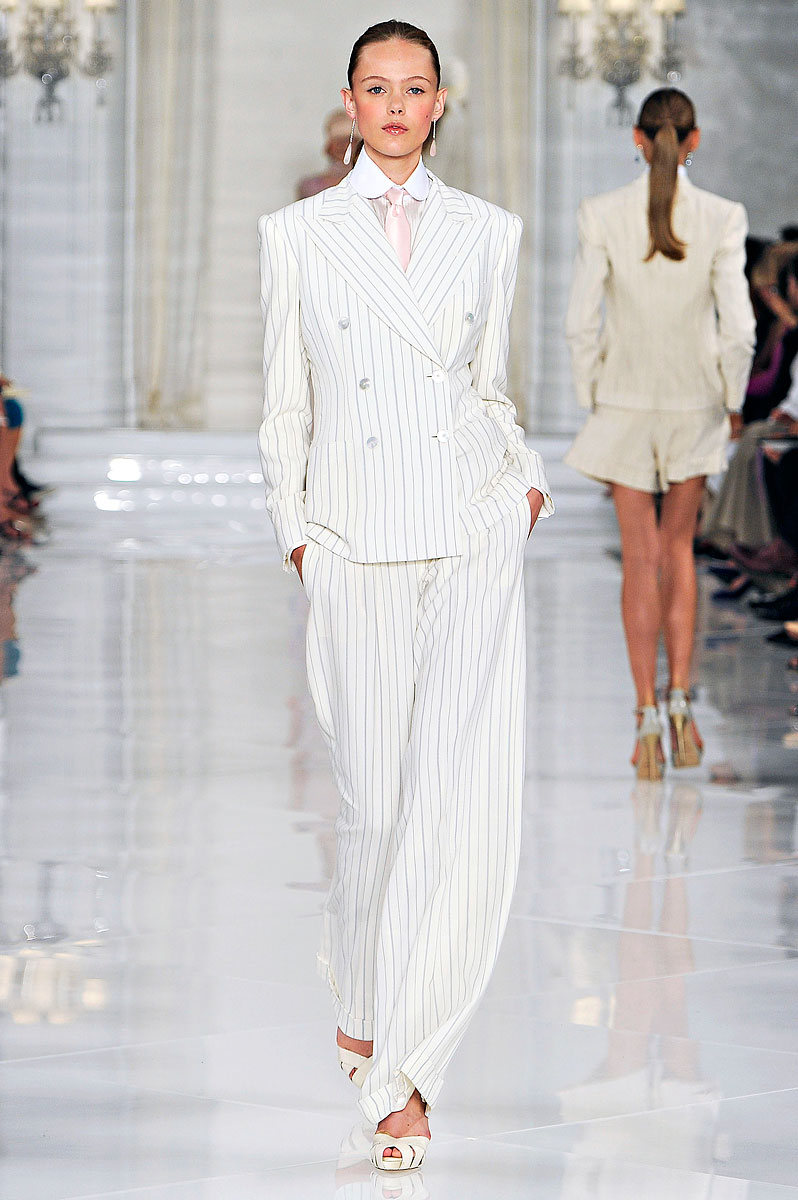
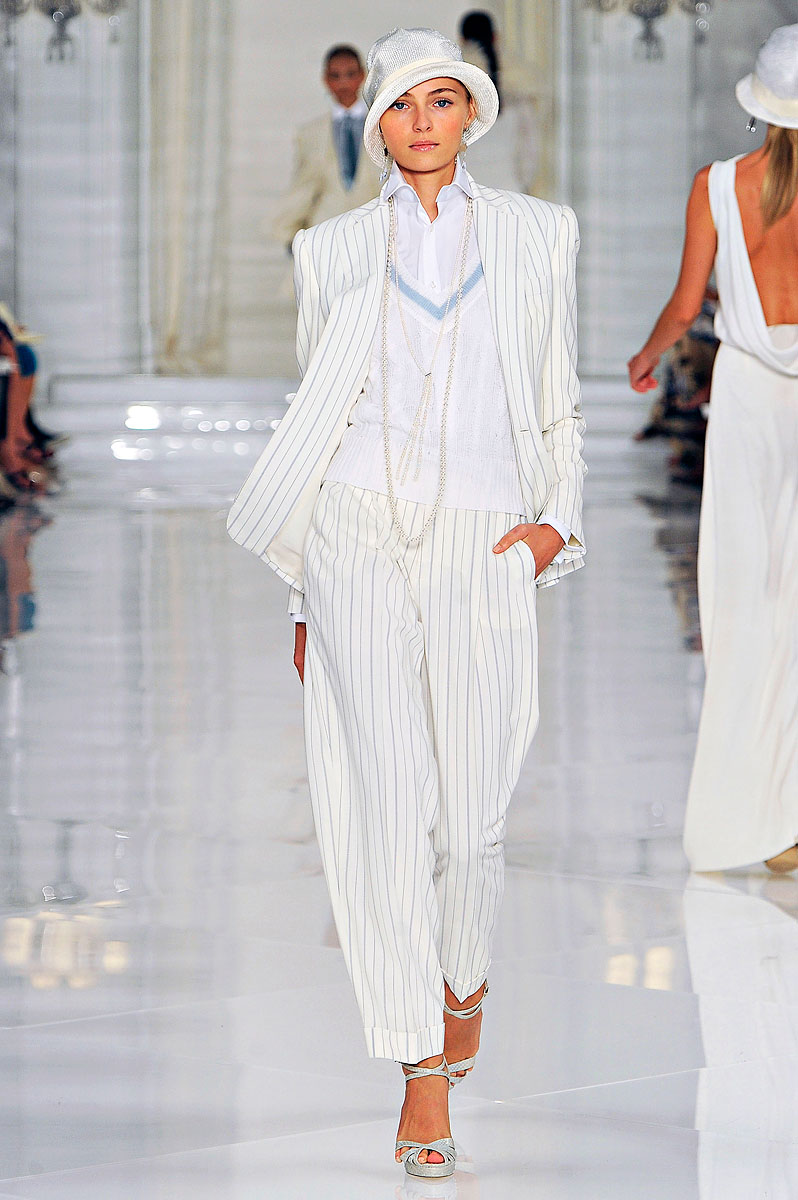
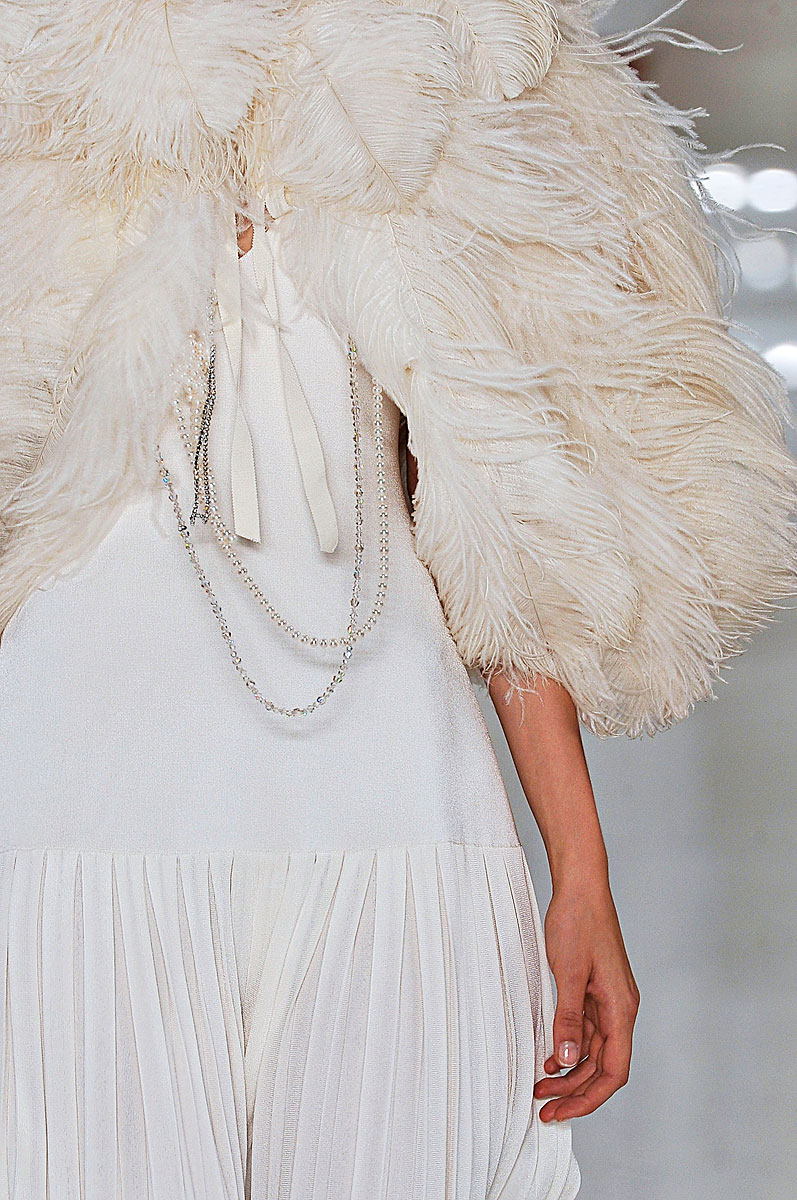
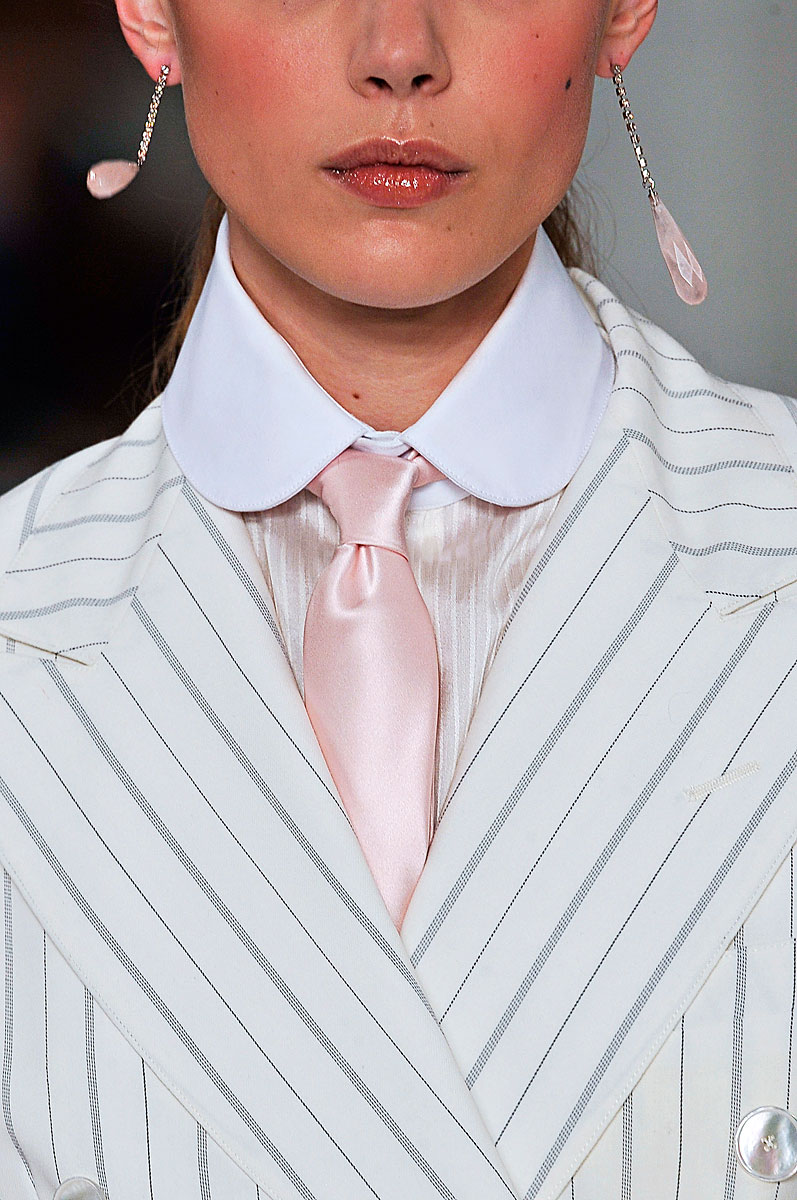
Mr. Lauren’s spring 2012 is iridescent, feathered, and jeweled. It is club-collared, double-breasted and cuffed. The palazzo pant is making a return. You better learn how to tie a tie and how to wear a cloche hat. And above all, get thyself to a fabulous ball because these gorgeous silk gowns, they are screaming to be worn.
Now, I had to restrain myself here. Of course I wanted to post it all down to the last drop, but if you really want to see every outfit, you can head over to Vogue for that. And I highly recommend you do because photographer Marcio Madeira had a field day. His shots are A.Maz.Ing. What I wanted to share with you, were some of my favorite looks, coupled with some of my favorite detail shots (Madeira blew my mind with these — I have yet to see any other runway detail shots that are this lavish, this indulgent).
Ready? Let’s Charleston…







 “Let’s, let’s stay together
Loving you whether, whether
Times are good or bad, happy or sad…”
Well done, sir.
All images via Vogue.
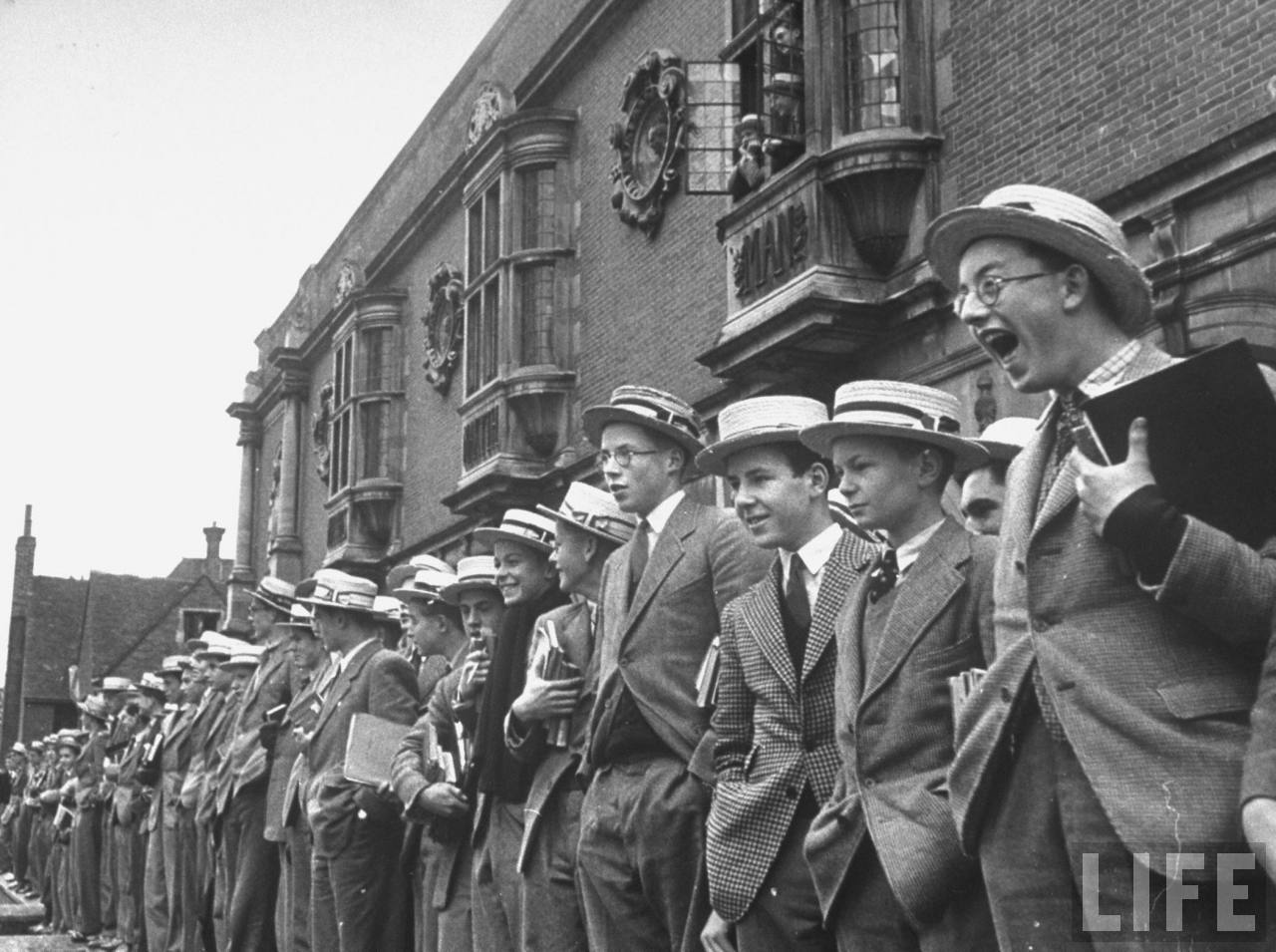
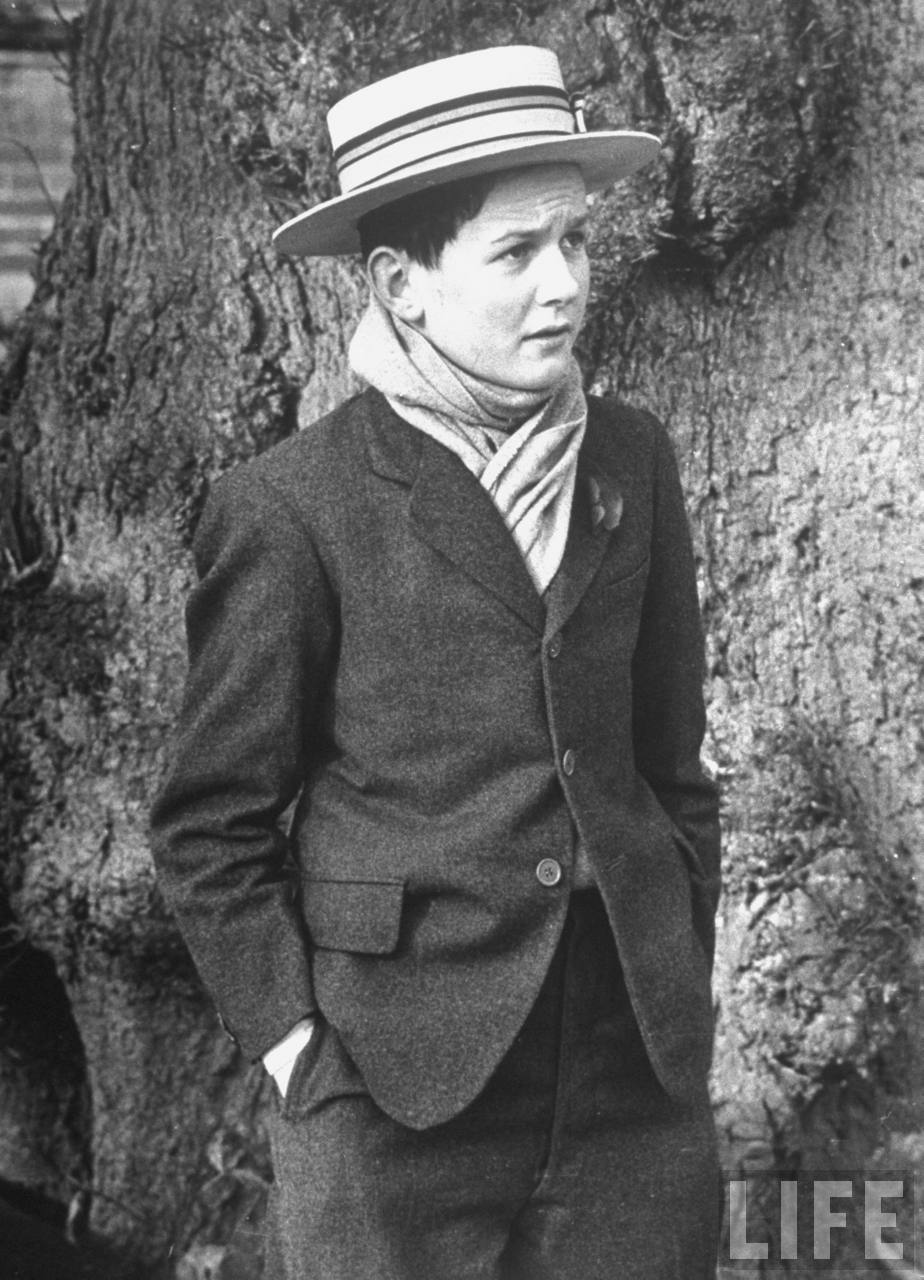
LIFE Archives: Back to School, Winchester College 1951
14/09/2011 § 1 Comment
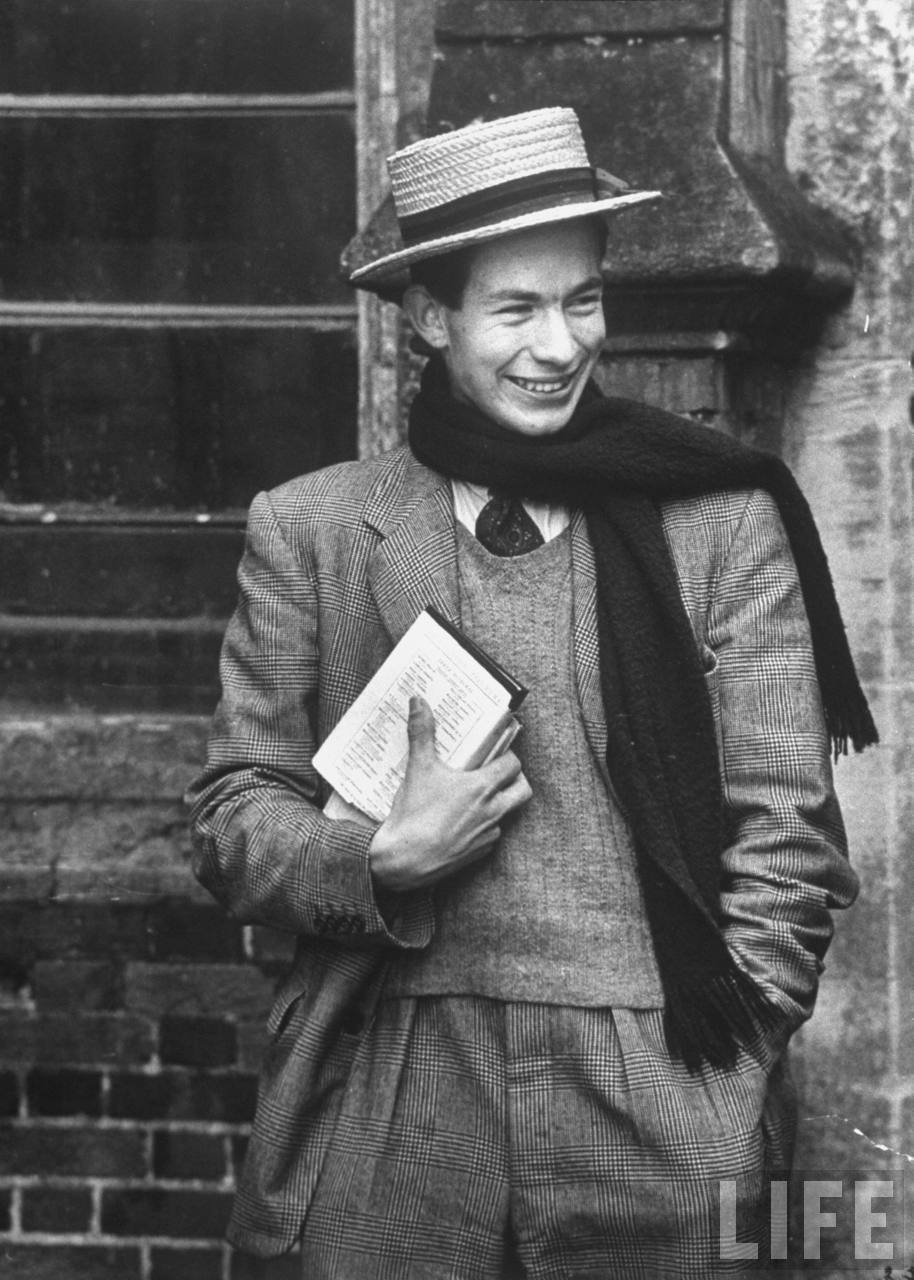 Cornell Capa captures returning students at Winchester College in 1951.
I actually have the AC on as I write this — hello Indian summer!
Seeing all of this delicious tweed is such a tease.



Auction: Doyle New York: The Estate of Douglas Fairbanks, Jr.
12/09/2011 § 1 Comment
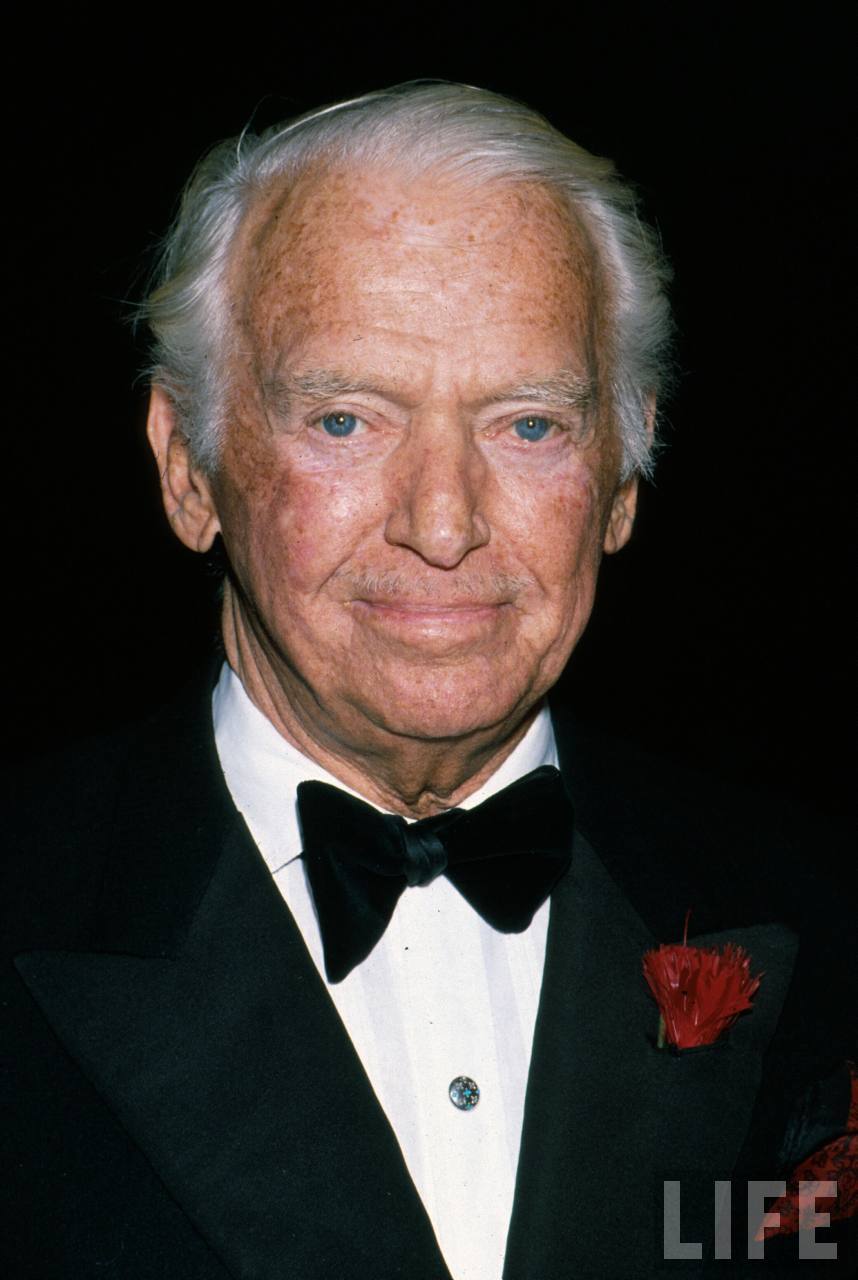
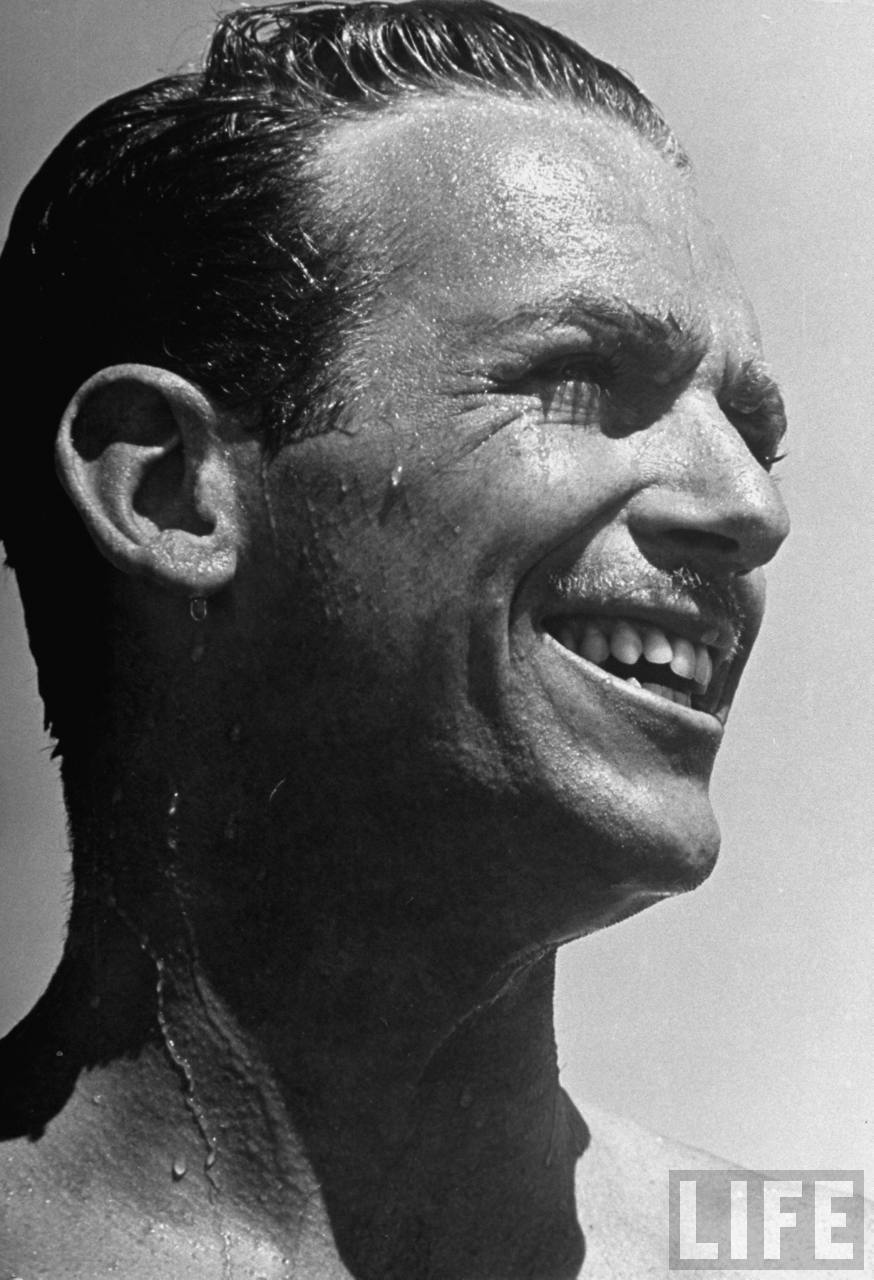 Douglas Fairbanks, Jr. in 1938.
December 9, 1909 – May 7, 2000
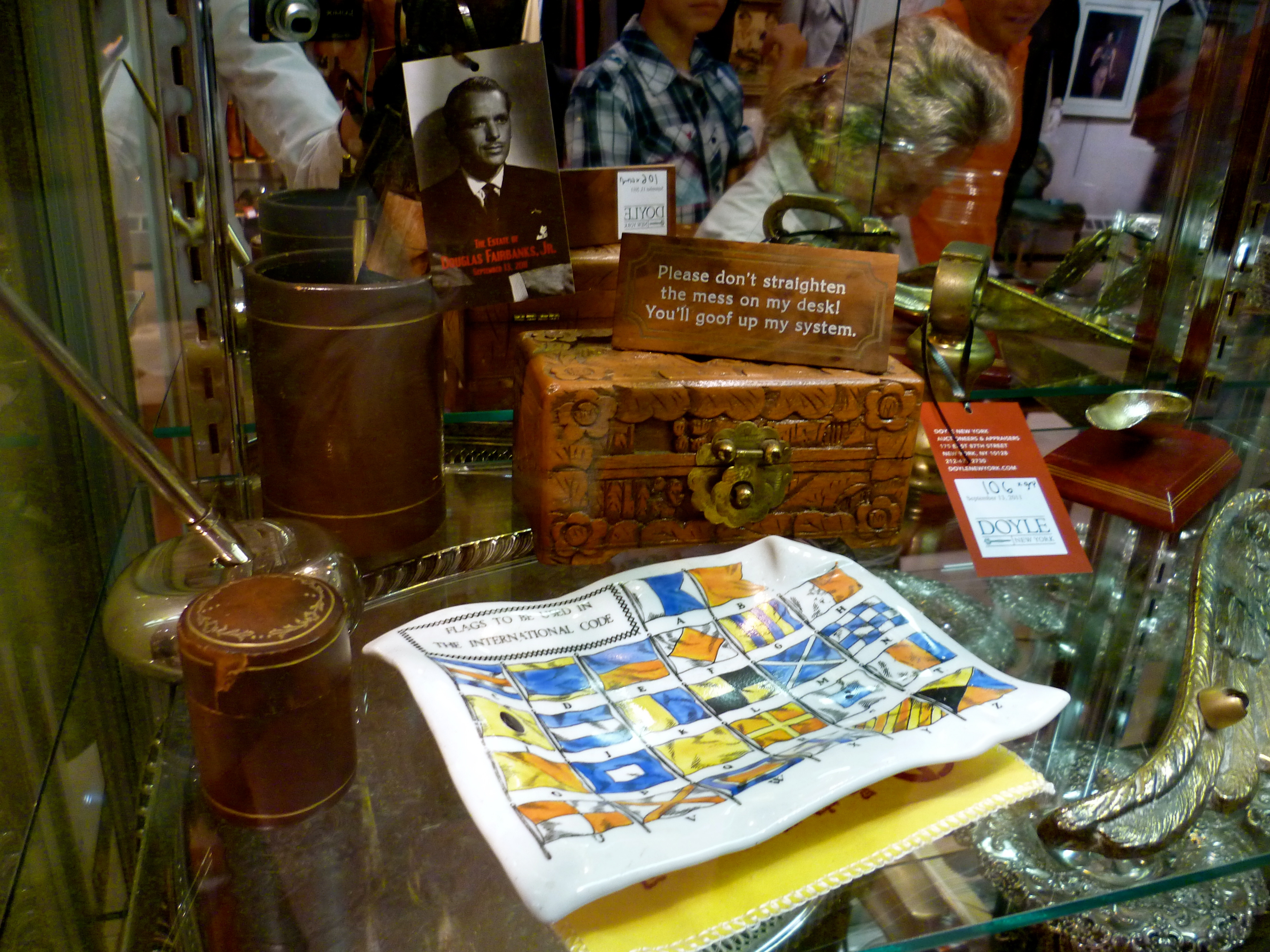
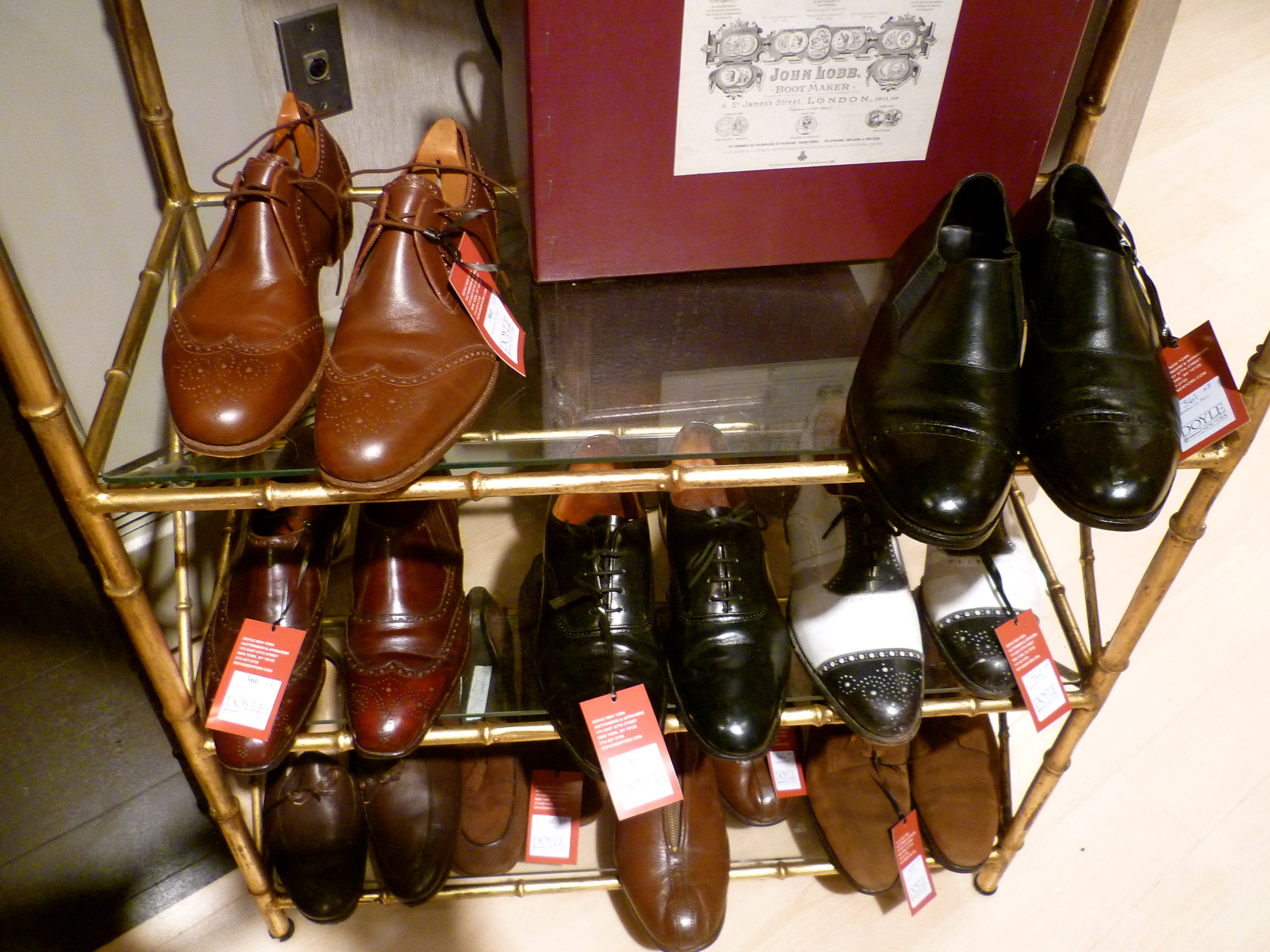
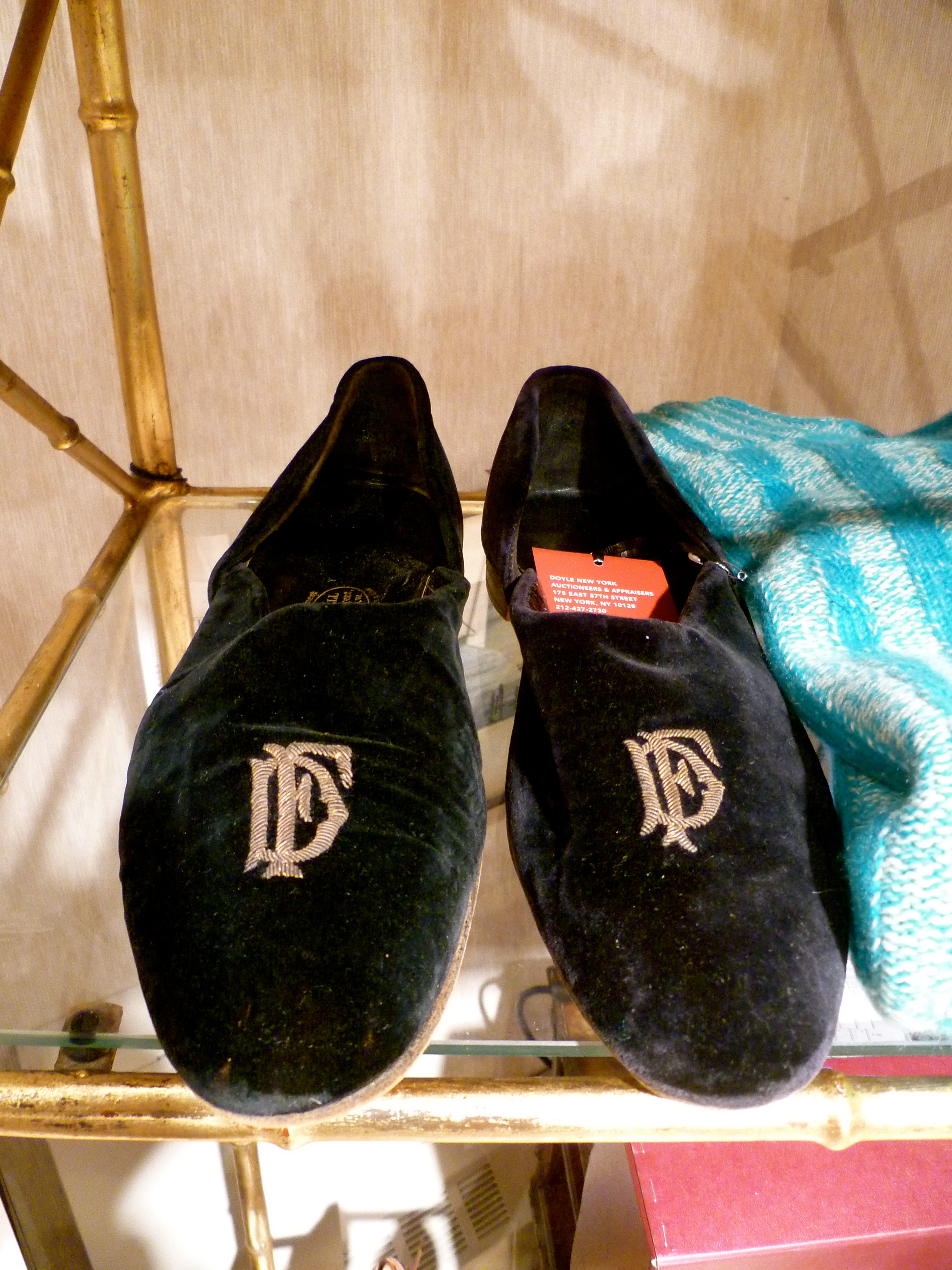
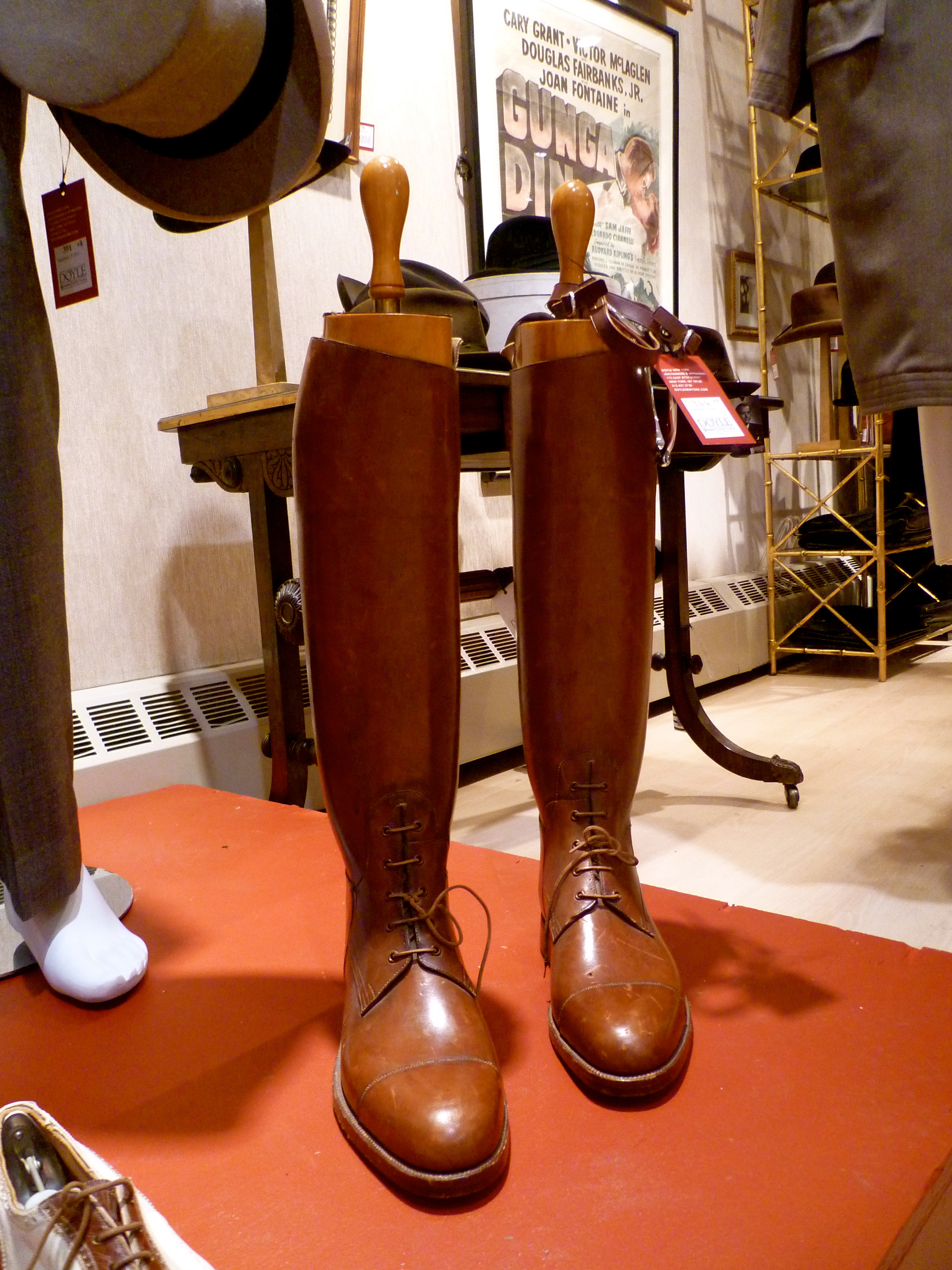
Over the weekend, I dropped by Doyle New York on the Upper East Side to peruse the estate of Douglas Fairbanks, Jr., due to be sold tomorrow morning, September 13, at 10am. Fairbanks, son of screen legend Douglas Fairbanks, Sr. and his first wife Anna; and stepson to his father’s second wife — screen legend in her own right — Mary Pickford; was Hollywood royalty. Encouraged by his father and stepmother, Fairbanks, Jr. began acting at a young age in silent films, eventually working in “talkies” and on the stage, and became quite the leading man.
During the second World War, Fairbanks, Jr. served as a reserve officer in the US Navy, where he trained with the British Royal Navy through an officer exchange program headed by Lord Mountbatten, a friend of his father, Fairbanks, Sr. Fairbanks, Jr. returned to the states where he was instrumental in the creation of the Beach Jumper program, a special naval unit specializing in misinformation and deception. After the war, he returned to acting.
Fairbanks, Jr. was married three times — once to Joan Crawford! — and had three daughters. He was a rather acquisitive fellow who enjoyed the best of everything. This auction of his estate contains more than 400 lots of jewelry, memorabilia, clothing, furniture and artwork. I was most excited to see the clothing and personal effects and came away quite impressed…and also full of antique lust, but that’s to be expected.




 Wearing the platinum, diamond and turquoise set pictured above.
 Loved Fairbanks’ Rolodexes.

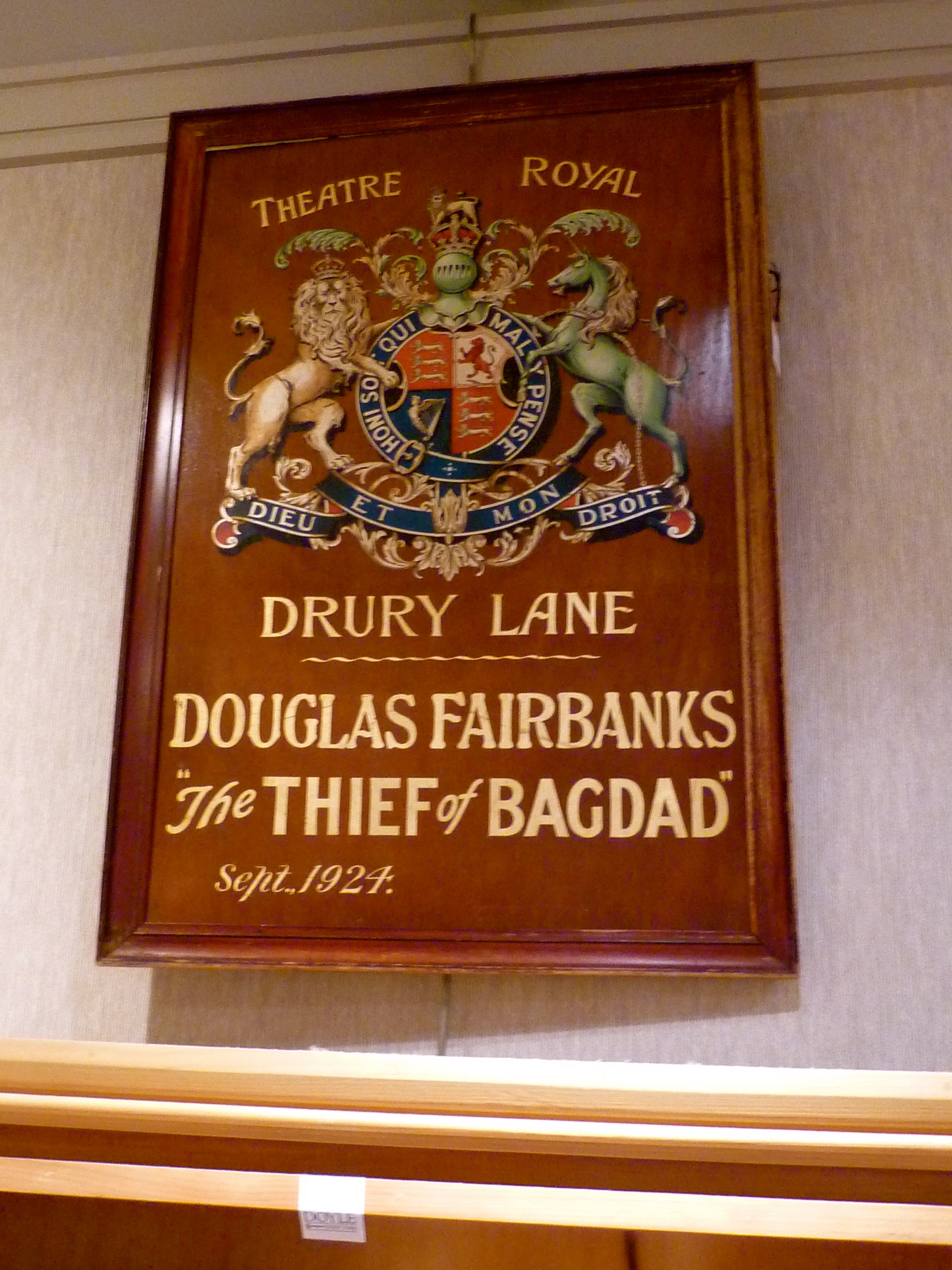
 Decorated war hero, Hollywood star…fan of Lily Pulitzer resort wear?

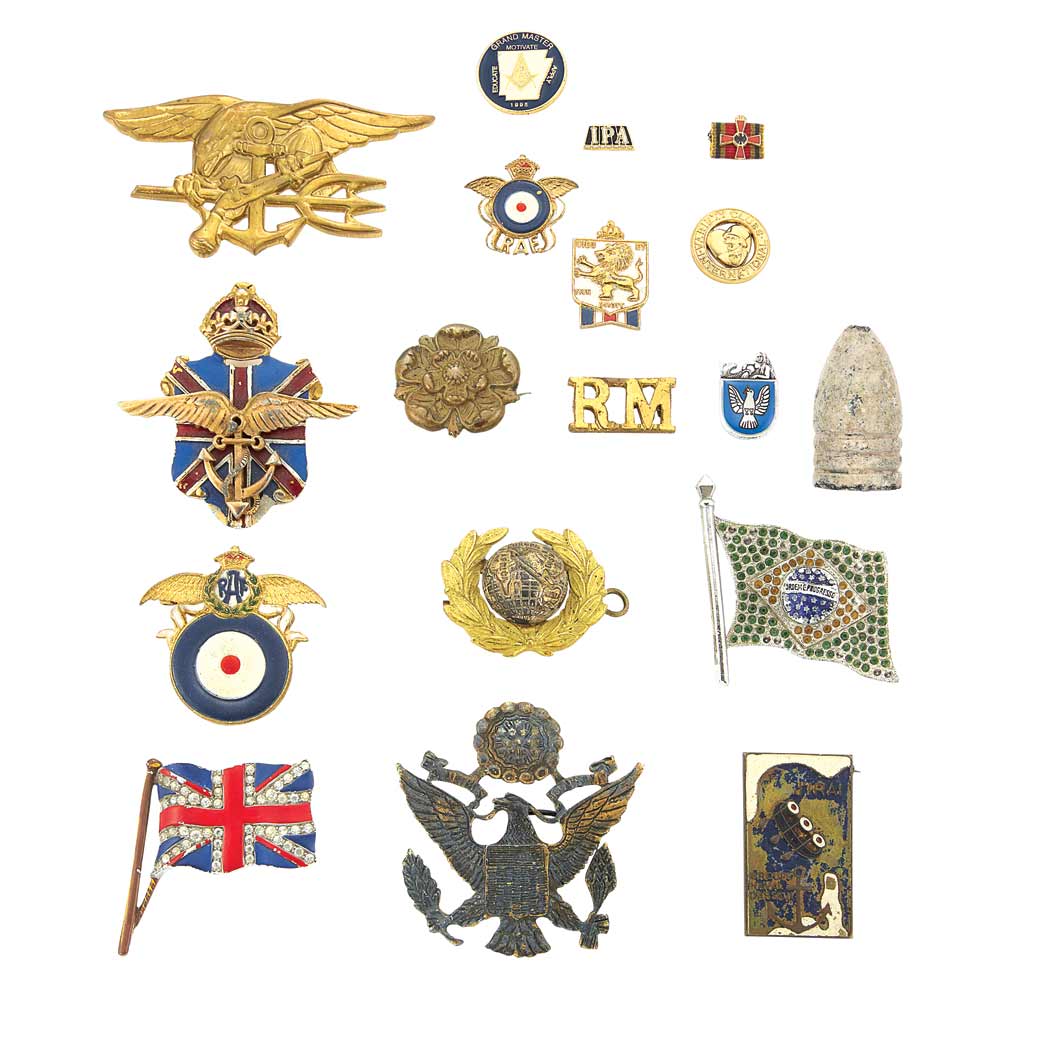
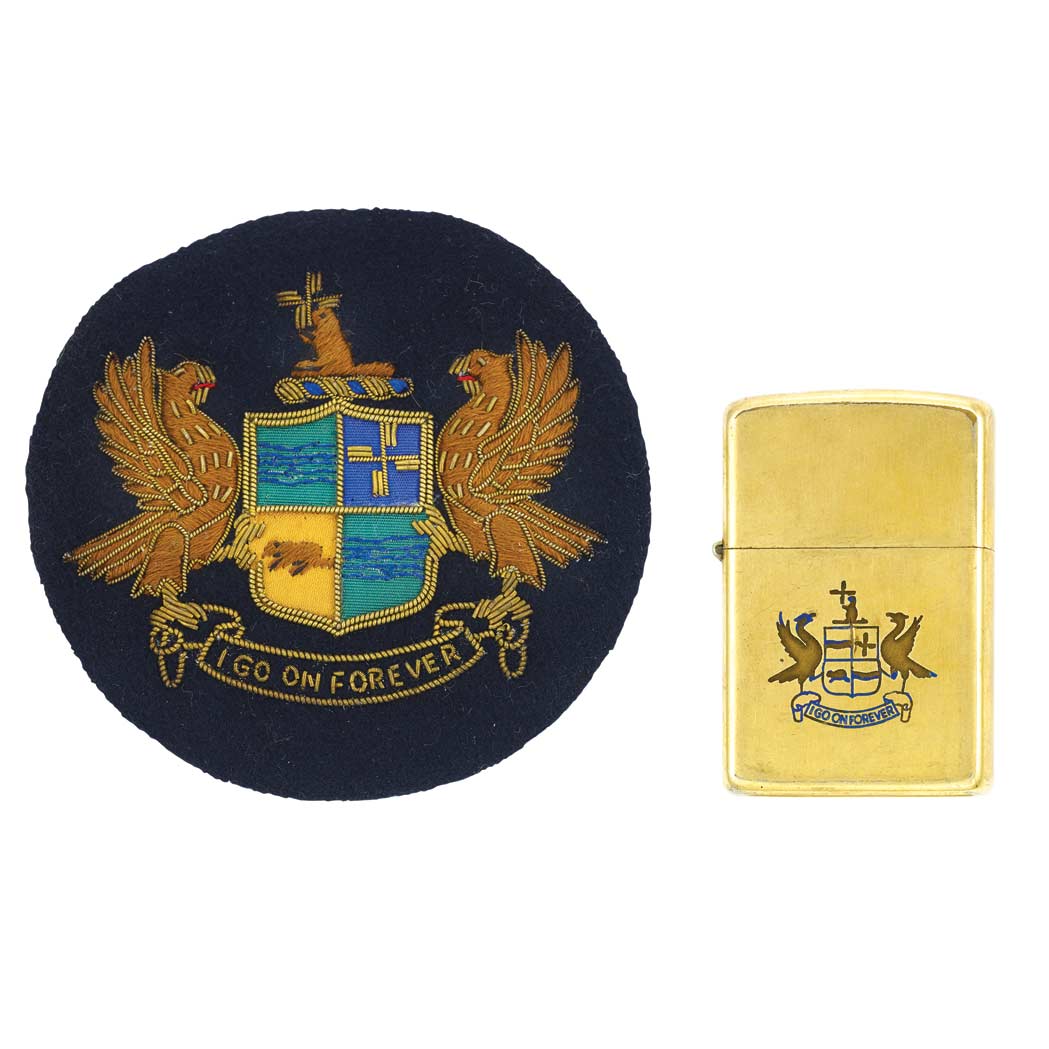 Brook Club crest and lighter
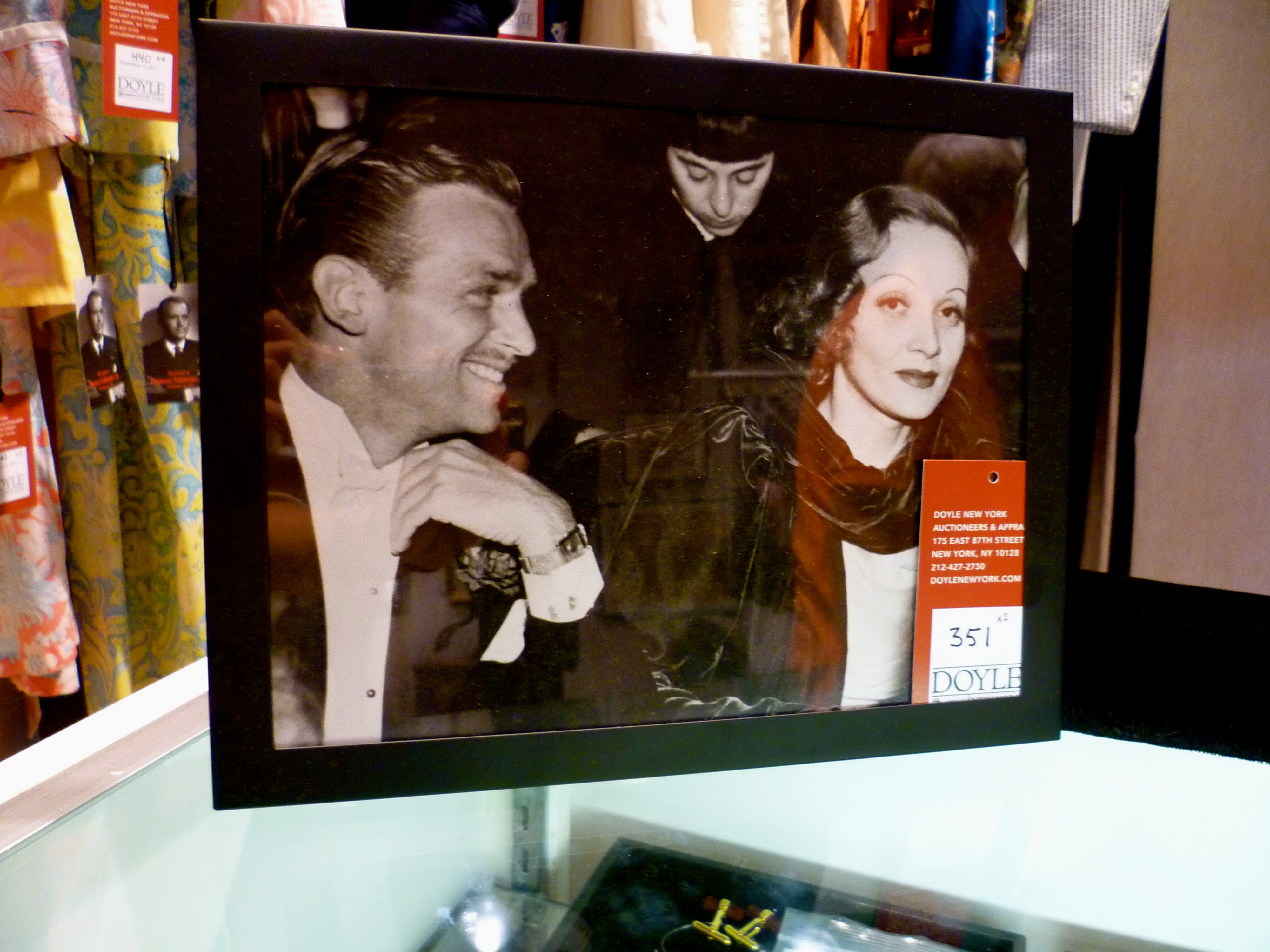
 Patek Philippe Gold Wristwatch
Grouped with below photo of Fairbanks wearing the watch, with Marlene Dietrich

 Images via QC, LIFE and Doyle New York

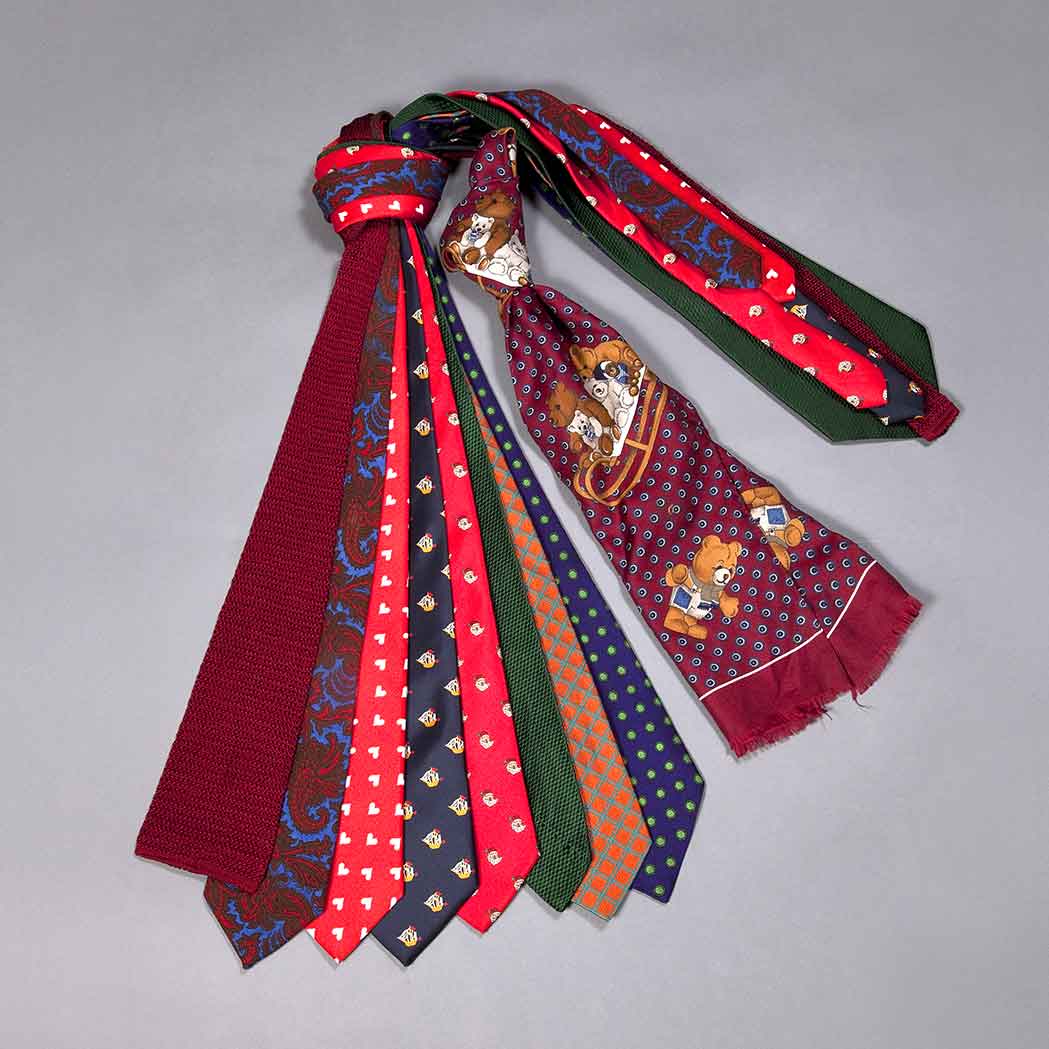
Some of the lots are estimated to go as low as $100 – $200, like these ties pictured above. So if old Hollywood, fine menswear and classic personal accessories appeals to you, you may want to mosey over to Doyle New York tomorrow morning and see what’s what. Or perhaps place a bid from afar. Just don’t you bid on anything that I have my eye on…
The Estate of Douglas Fairbanks, Jr.
Auctioned by Doyle New York
View the full catalog here
Featured: Quite Continental on Racked NY ~ “Shopping Confidential”
07/09/2011 § 2 Comments
Just a short note to let you know I’ve been featured elsewhere on the interwebs. I wrote a brief post for Racked New York’s “Shopping Confidential” series about one of my favorite sources for vintage art in New York City.
To read it, head here.
Style Icons: Teddy Girls
07/09/2011 § 6 Comments

With lady pompadours cropping up everywhere this fall (like the editorial I just previously posted) I have been thinking a lot about the ladies who arguably perfected the hairstyle — The Teddy Girl. You may already be familiar with the British Teddy Boy subculture in the 1950s and 60s of boys and young men who dressed like the dandies of the Edwardian period, but also had something of a reputation for hooliganism. Smaller in number, less well-known and less frequently photographed, Teddy Girls pushed the boundaries of conventional 1950s style for women, with some perfectly emulating the Teddy Boys in both hair style and dress.
These girls were awesome.
 I love her ribbon/cameo necktie. Love.
The teddy girls left school at 14 or 15, worked in factories or offices, and spent their free time buying or making their trademark clothes – pencil skirts, rolled-up jeans, flat shoes, tailored jackets with velvet collars, coolie hats and long, elegant clutch bags. It was head-turning, fastidious dressing, taken from the fashion houses of the time, which had launched haute-couture clothing lines recalling the Edwardian era. Soon the fashion had leapt across the class barrier, and young working-class men and women in London picked up the trend.
When the Girls Came Out To Play by Susannah Price for The Sunday Times

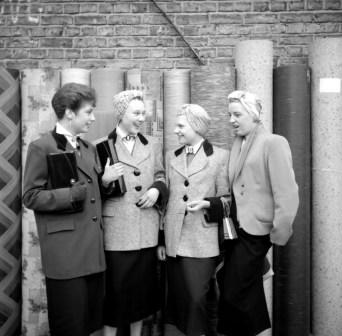
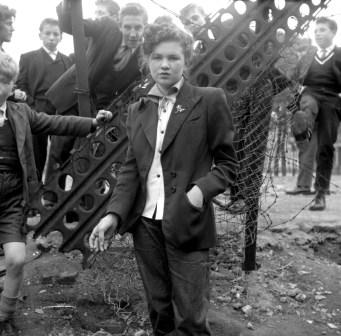

[Photographer Ken] Russell’s work offers a glimpse into the lives of a group of feisty young women who were set on creating an identity of their own. Their choice of clothes wasn’t only for aesthetic effect: these girls were collectively rejecting post-war austerity.
Among many people, male “teds” had an intimidating reputation. They were often linked in the public’s mind with violent crime. In July 1953, 17-year-old John Beckley was murdered by teddy boys near Clapham Common, and the Daily Mirror’s headline – Flick Knives, Dance Music and Edwardian Suits – made an explicit connection between clothing and criminality.
Former teddies insist that the connection between thuggery and style only applied to a small number of them. “We weren’t bad girls,” says Rose Shine, then Rose Hendon, who was 15 when she posed for Russell. “We were all right. We got slung out of the picture house for jiving up the aisles once, but we never broke the law. We weren’t drinkers. We’d go to milk bars, have a peach melba and nod to the music, but you weren’t allowed to dance. It was just showing off: ‘Look at us!’ We called the police ‘the bluebottles’ – you’d see them come round in a Black Maria to catch people playing dice on the corner. But we’d just sit on each other’s doorsteps and play music.”
When the Girls Came Out To Play by Susannah Price for The Sunday Times
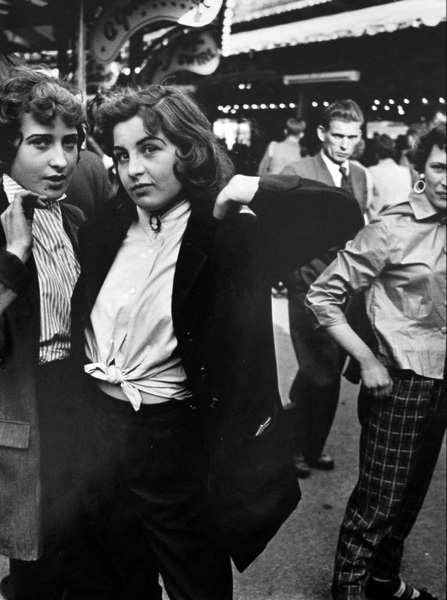 Images 1 & 7 Roger Mayne via // Images 2 – 6 Ken Russell via
LIFE Archives: Glenn Miller {A Nightingale Sang…}
02/09/2011 § 1 Comment
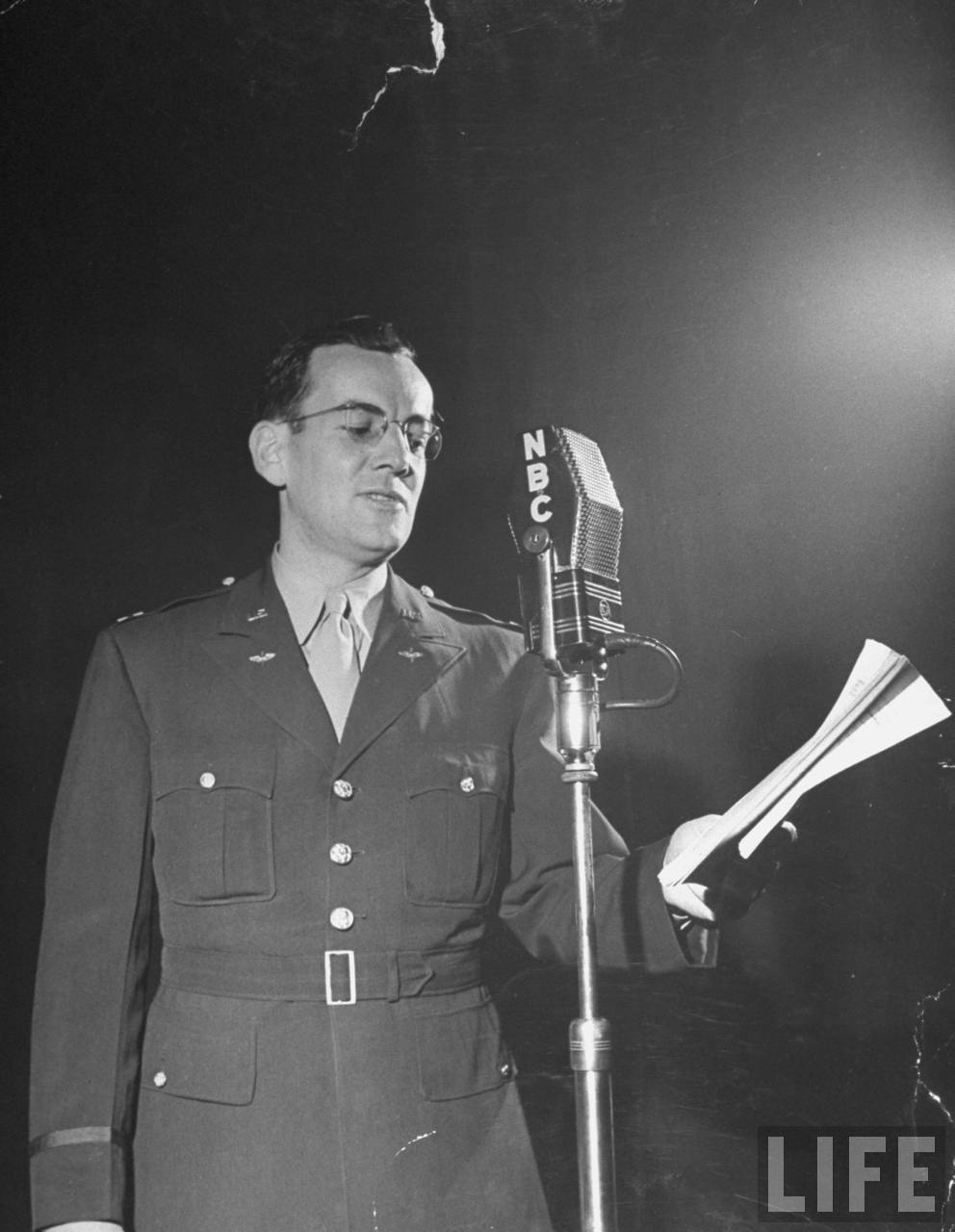
Do you recall I went to Sleep No More a few months ago? I noted that the production’s music was an interesting oeuvre, spanning decades and genres — but there was one song that I liked most of all, a jazz standard written in 1939 called “A Nightingale Sang in Berkley Square.” About a magical night spent falling in love, this song has been sung by many, but the version I prefer — and the version used in Sleep No More — is by the Glenn Miller Orchestra.
Isn’t it just gorgeous…?
While I was familiar with a number of Glenn Miller Orchestra classics — Chattanooga Choo Choo, In the Mood, Moonlight Serenade, among others — I realized I actually did not know all that much about Glenn Miller himself, and upon a quick LIFE Archive search (which has been down for ages, praise Google for finally fixing the bug!), I turned up a batch of great photos of the band leader and band performing for US troops in Connecticut in 1943.


Between the years of 1939 and 1942, the Glenn Miller Orchestra had 70 — count ’em, seven-zero — top ten hits. The Orchestra also had its own CBS radio show and appeared in feature films. Most amazing though, was to find out that in 1942, at the height of popularity, Glenn Miller disbanded the Orchestra so that he could serve his country — musically, of course — in World War II. Too old to be drafted, Miller joined the US Army Air Force, conducted and modernized army bands and eventually formed the Glenn Miller Army Air Force Band. On December 15, 1944 Miller boarded a Paris-bound plane in order to make performance arrangements for the band. Tragically, Miller’s plane disappeared somewhere over the English Channel and was never found.
Miller’s story was made into a film in 1954, starring James Stewart.
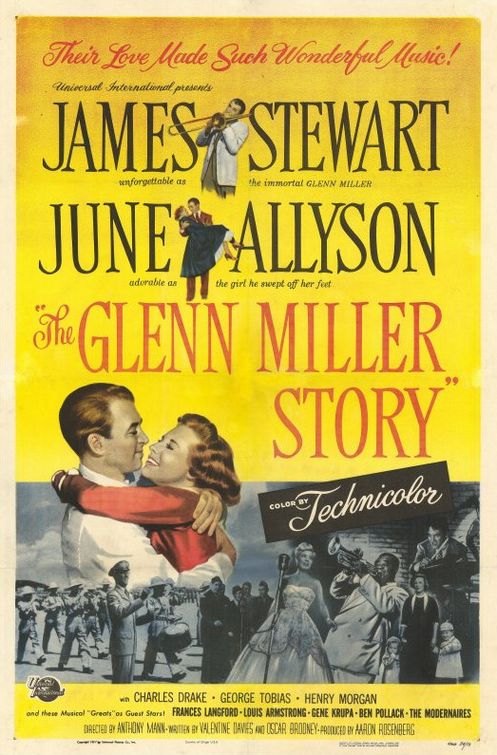
Ladies watching “The Glenn Miller Story” in the theatre, 1954.


New to Glenn Miller? This album has all the classics — a great starter.
Back in Action
29/08/2011 § 5 Comments
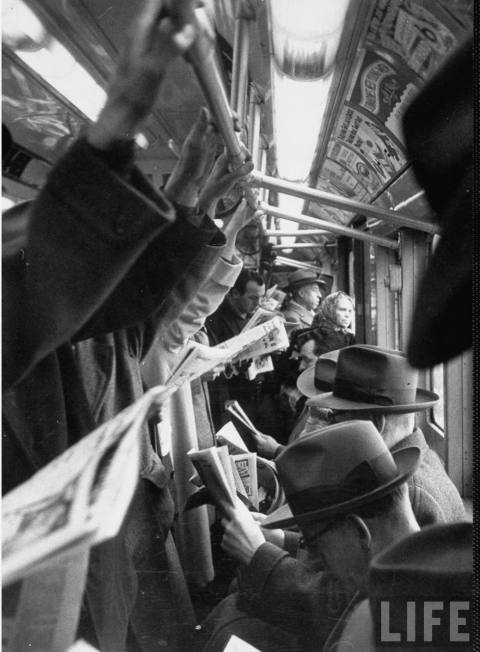 NYC Subway, 1952. Taken by Cornell Capa.

Well darlings, I am happy to report that all is well and that I was able to return to my apartment yesterday evening and even enjoyed a celebratory dinner at neighborhood standby The Odeon. All in all, for a first hurricane, I am glad to report that Irene was something of a letdown, but I’m very happy to take over-preparedness and preemptive measures over disasters and tragedy. My building took on a bit of water in her basement, but that was all. This morning I was able to hop on a very uncrowded 4 train to get to work, and Starbucks even spelled my name right. All in all, business as usual. Well, maybe not the part about Starbucks spelling my name right…
Things that were awesome about the Hurricane Irene weekend included:
- Getting invited to a very special hurricane party
- Running into this guy at Duane Reade
- My Mom suggesting we play Words With Friends, so she knew I was alive
- Hilarious hurricane banter with Jodi, Ted and Bryan
- The Muffins Cafe amazingly staying open late on Saturday and opening up early Sunday, with lines out the door both days
- My building staff toughing it out through the evacuation, with some of them staying from Friday night to Sunday afternoon
- Convincing the hurricane party (no, not the one I mentioned above, thank you, a different one.) I attended on Saturday night to watch Auntie Mame in its fabulous entirety
Great moments, all, but the absolute best part of the weekend
was hearing from everyone concerned for my well-being.
I remain very touched. You guys are awesome.
All best,
M.
…and now we return to our regularly scheduled discussion of all the random things I tend to discuss.
Come On Irene…
26/08/2011 § 3 Comments
 Hurricane Donna, New England, 1960.
You’ve probably heard that New York is expecting Hurricane Irene to touch down sometime this weekend and generally wreak havoc. My gorgeous landmarked building, standing since 1908 and a 9/11 survivor, sits in a low-lying area of lower Manhattan and I have been ordered to evacuate. In an unprecedented move, all public transit will be shut down Saturday at noon and is not expected to come back online until sometime Monday…AND THEY HAVE CLOSED SAKS FIFTH AVENUE!
As this is my first ever hurricane, I’m not quite sure what to expect, but I am decamping from my downtown perch for points further north to batten down the hatches and ride this bad bitch out. I do believe that’s the first time I’ve ever cussed on here. Irene, stop playing with my emotions! You’ve got me all worked up!
Please do your best to stay safe this weekend.
I’ll be back in two shakes of a lamb’s tail, I assure you.
All bests,
M.
Some helpful links (I’ve been obsessively checking):
NYC Office of Emergency Management Evacuation Zone Finder
National Weather Service
Downtown Alliance – Lower Manhattan
Red Cross Go Bag Checklist
In any event, this is your theme song for the weekend:
I know, I KNOW, it’s Eileen…
You can also find me:
…in realtime on Twitter
Tumblr || Svpply || Pinterest
Instagram: quitecontinental
Down the Rabbit Hole: Farm Security Administration and Office of War Information
23/08/2011 § Leave a comment

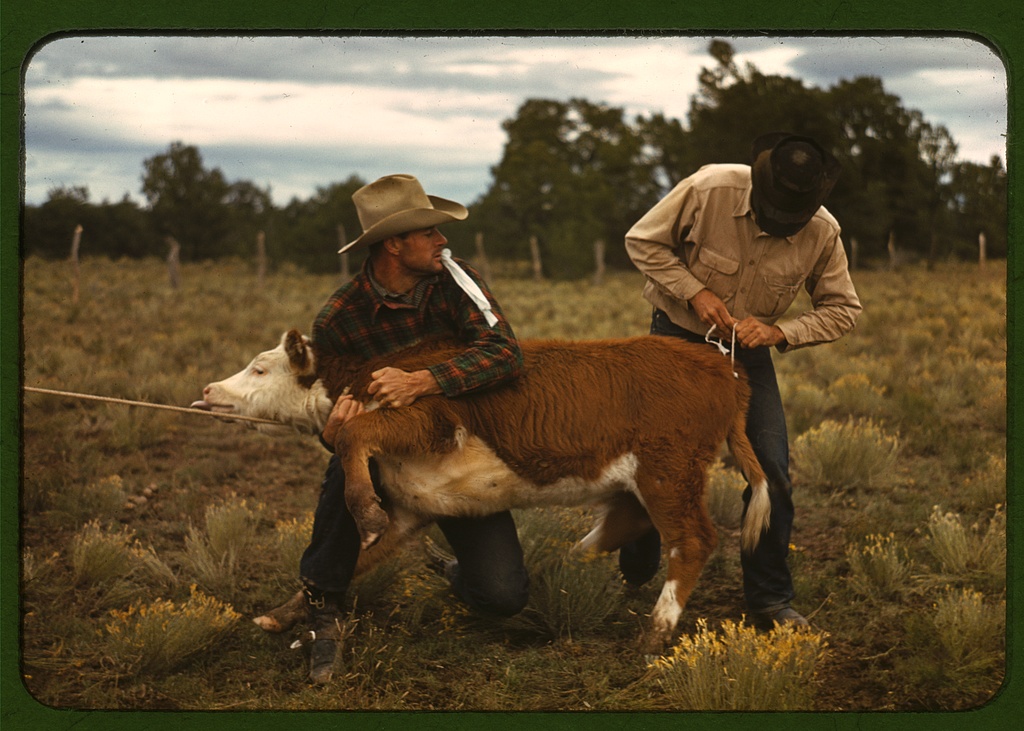
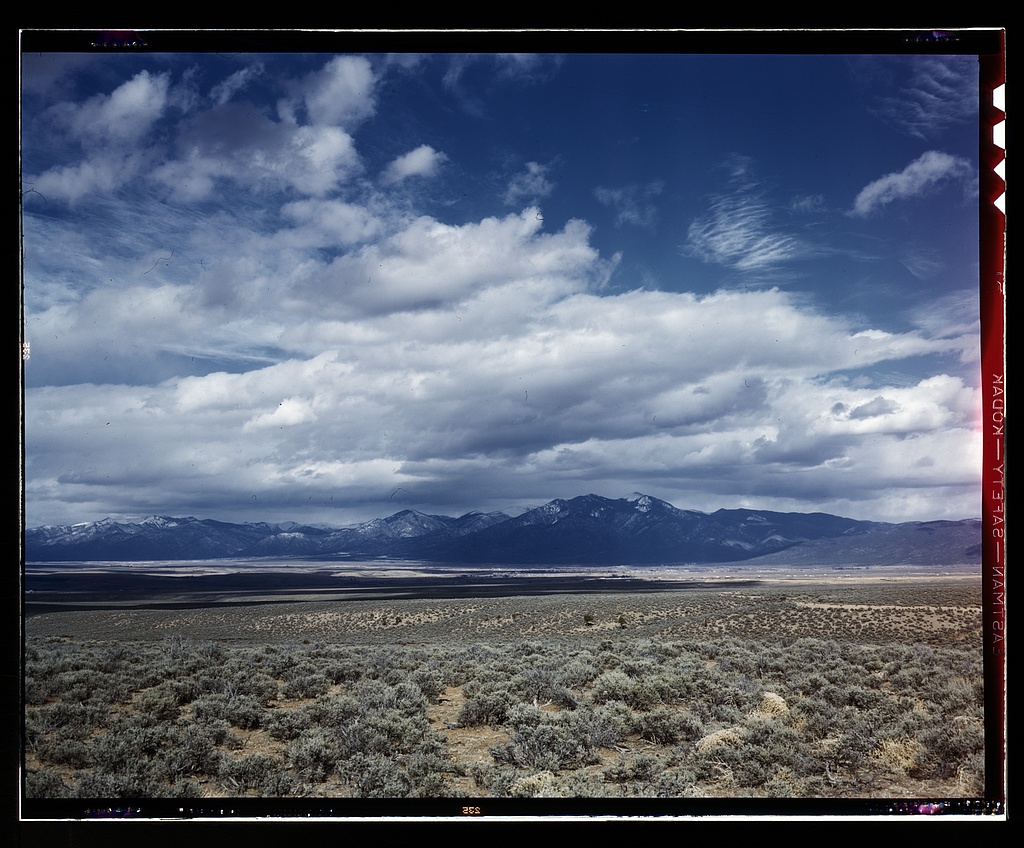
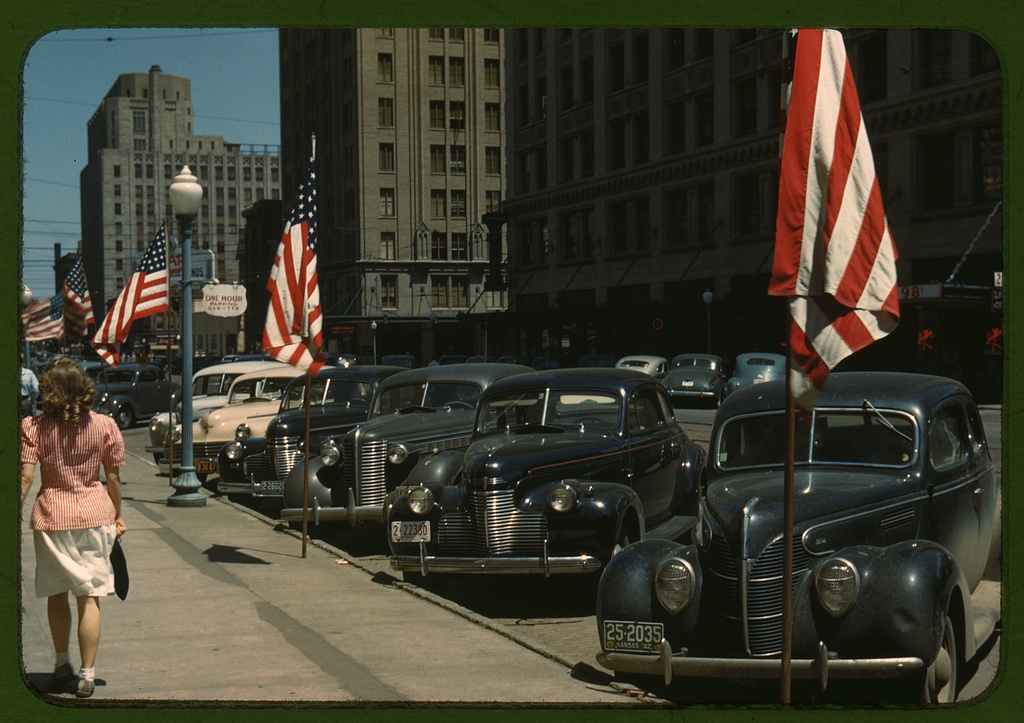
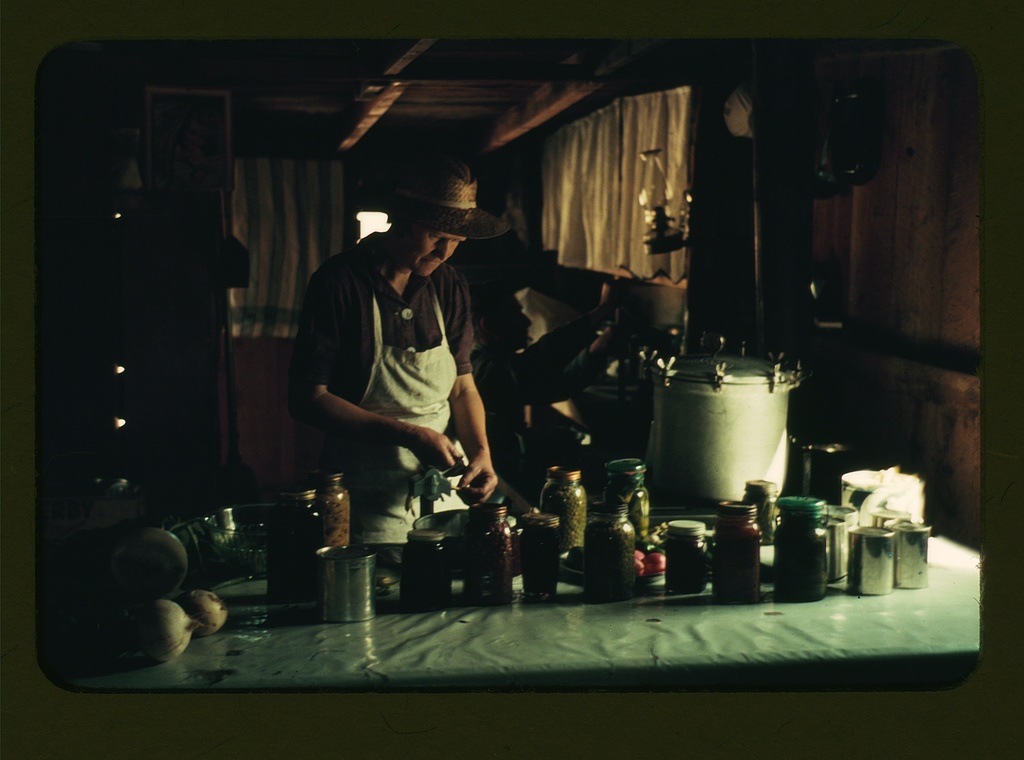
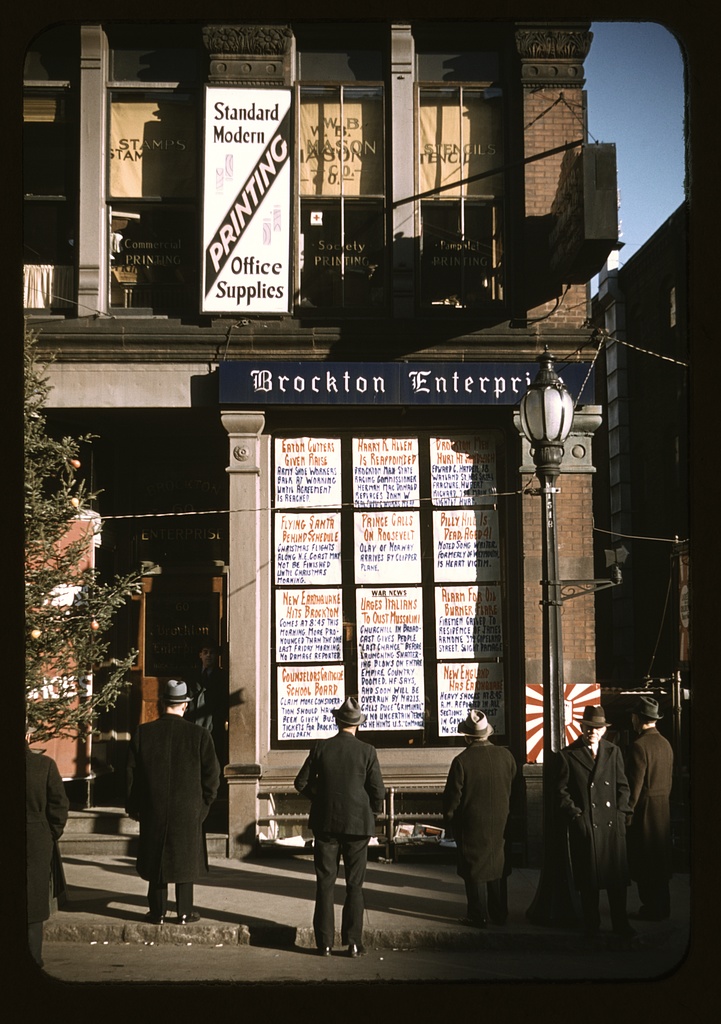
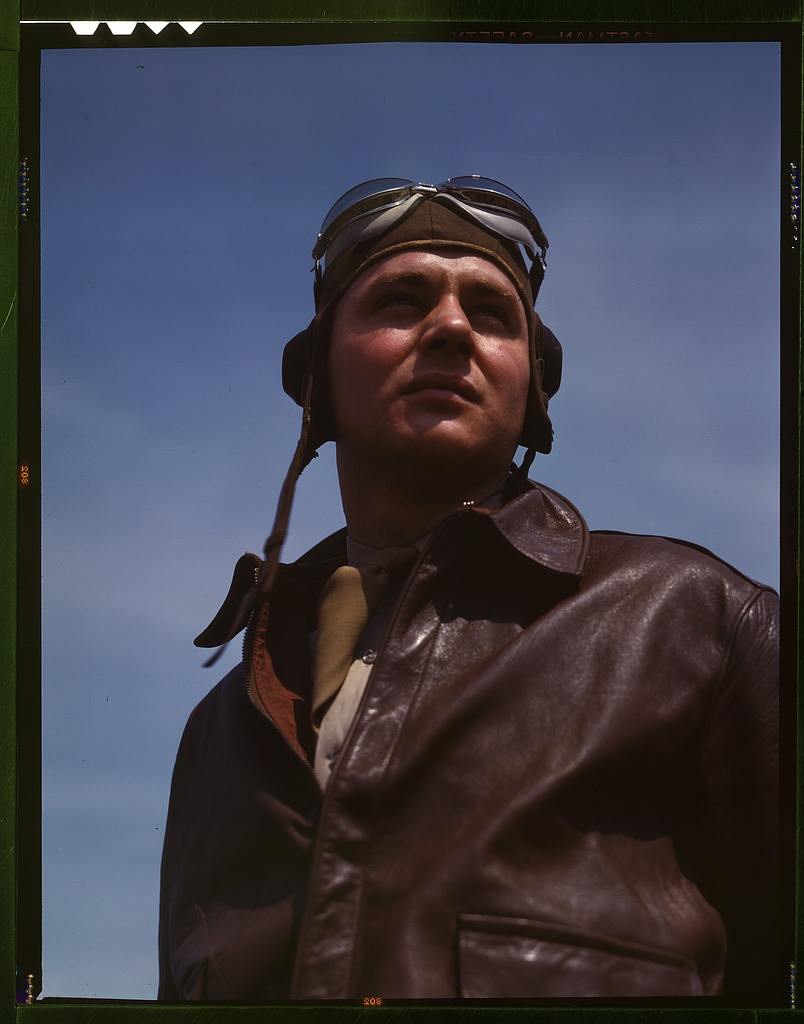
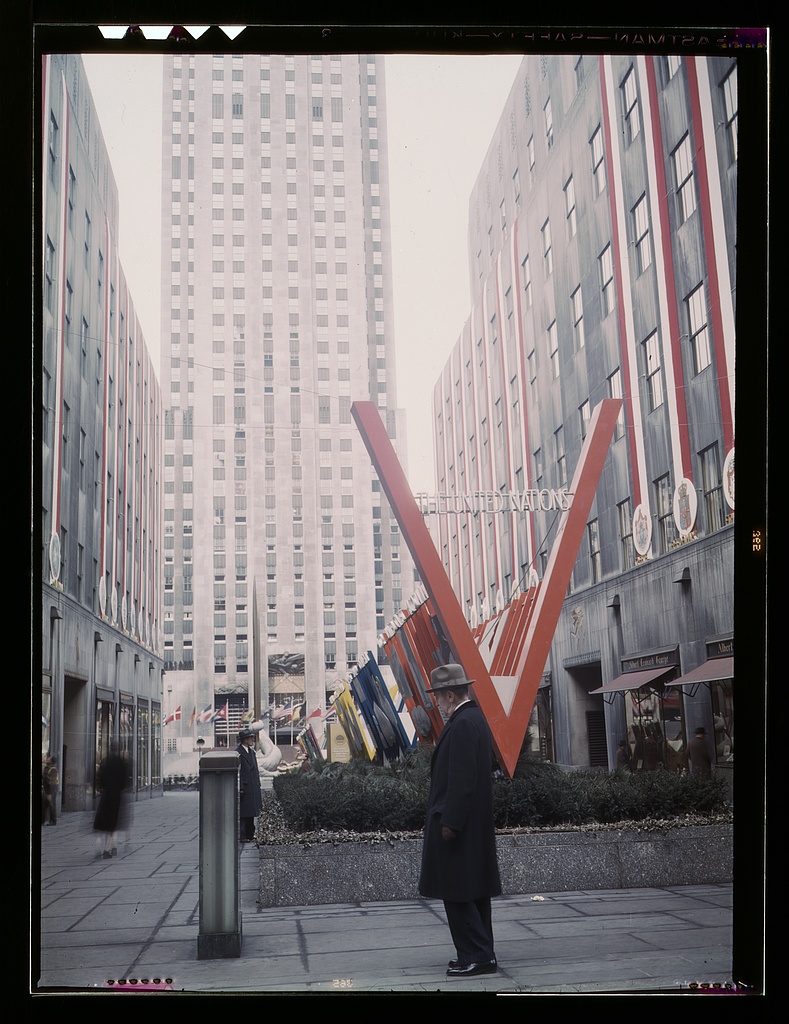
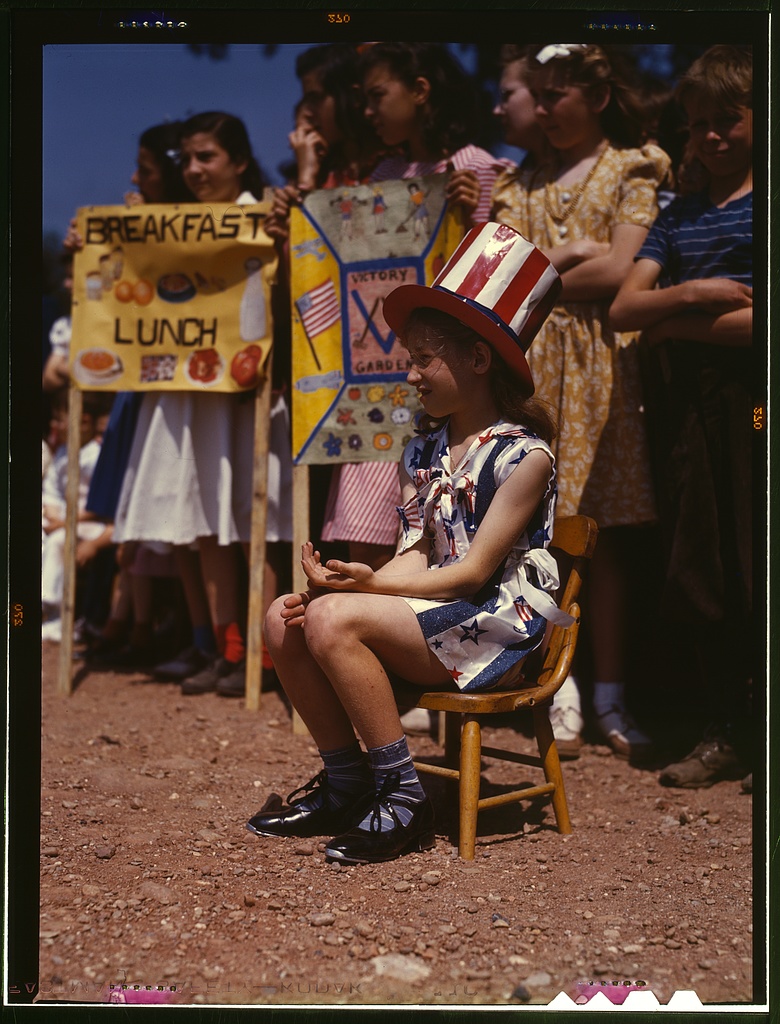
Granted, I tend to feature a lot of sepia and black and white photography, due only to my personal preference. (This is my own little dictatorship, after all…) But every now and again, I do come across color photographs that I like just as much. In my recent travels through the Library of Congress I found a cache of photos that had my attention for hours.
Photographers working for the U.S. government’s Farm Security Administration (FSA) and later the Office of War Information (OWI) between 1939 and 1944 made approximately 1,600 color photographs that depict life in the United States, including Puerto Rico and the Virgin Islands.
Roy Stryker led the FSA unit during its active years and played a key role in the OWI unit in 1942-43.
The 644 color photographs produced by the FSA are less well known and far less extensive than the unit’s black-and-white photographs. Most of the color images are 35mm Kodachrome slides; a few are color transparencies in sizes up to 4×5-inches. The FSA color photographs depict life in the United States, including Puerto Rico and the Virgin Islands, with a focus on rural areas and farm labor.
The 965 color photographs from the OWI are color transparencies in sizes up to 4×5-inches. The photographs depicted life and culture in the U.S., with a focus on factories and women employees, railroads, aviation training, and other aspects of World War II mobilization. (Via the Library of Congress)
Now, these photos aren’t new to Blogville, but I was entranced and still wanted to share a few with you. The people are arresting and the landscapes are beautiful, especially when presented in lush, Kodachrome color. How can you not look at these pictures and wonder about these American lives, lived 70 years ago. Why are they wearing what they are wearing? Where did they come from? Where did they end up?
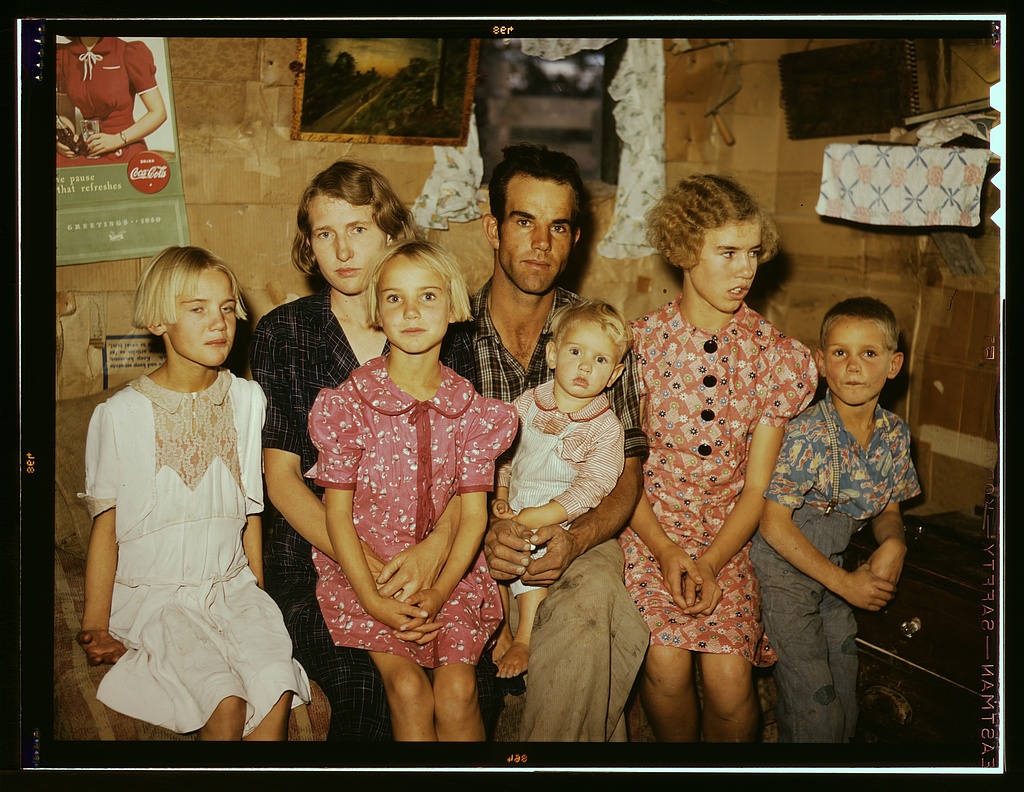






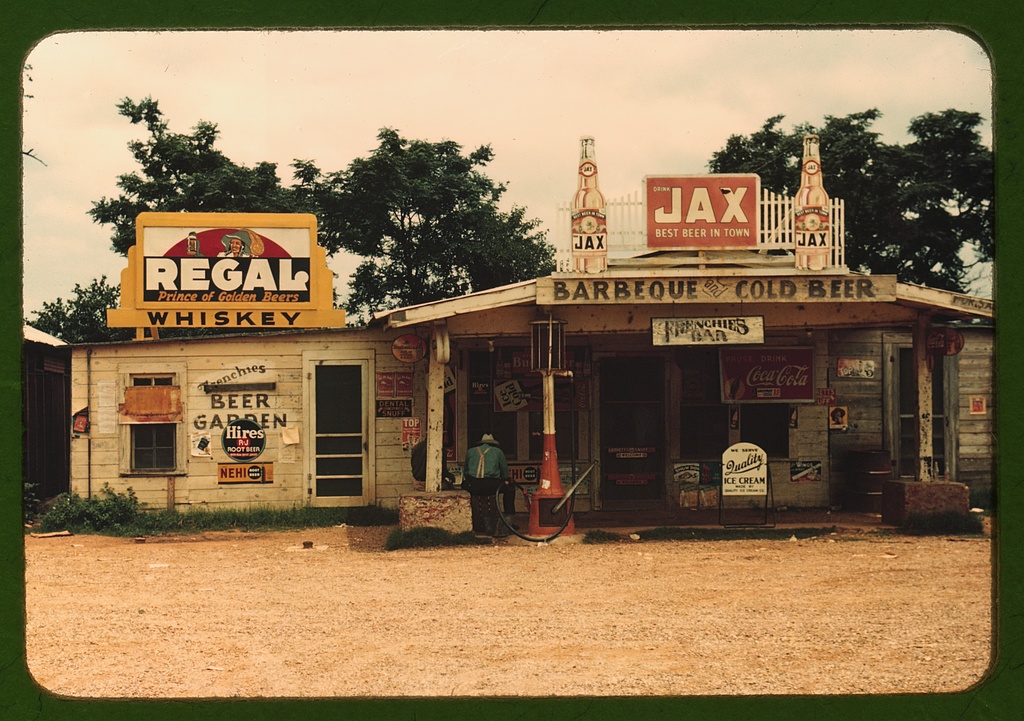
If you’d like to do your own wandering through all 1,600, you can find them here.
Style Icons: Gloria Vanderbilt and Gertrude Vanderbilt Whitney
22/08/2011 § 8 Comments
While the Vanderbilt men are infinitely fascinating and iconic, I can’t help but to also be strongly drawn to the Vanderbilt women. Here I present the two I am most obsessed with, Gloria Vanderbilt, and her aunt Gertrude Vanderbilt Whitney: two amazing women who always seek (in the case of Gloria) and sought (in the case of Gertrude) their own path. If you have not yet picked up The World of Gloria Vanderbilt by Wendy Goodman, I urge you to do so. Looking at the book’s pictures of the Vanderbilts and the fabulous homes they lived in is a frequent pleasure of mine.
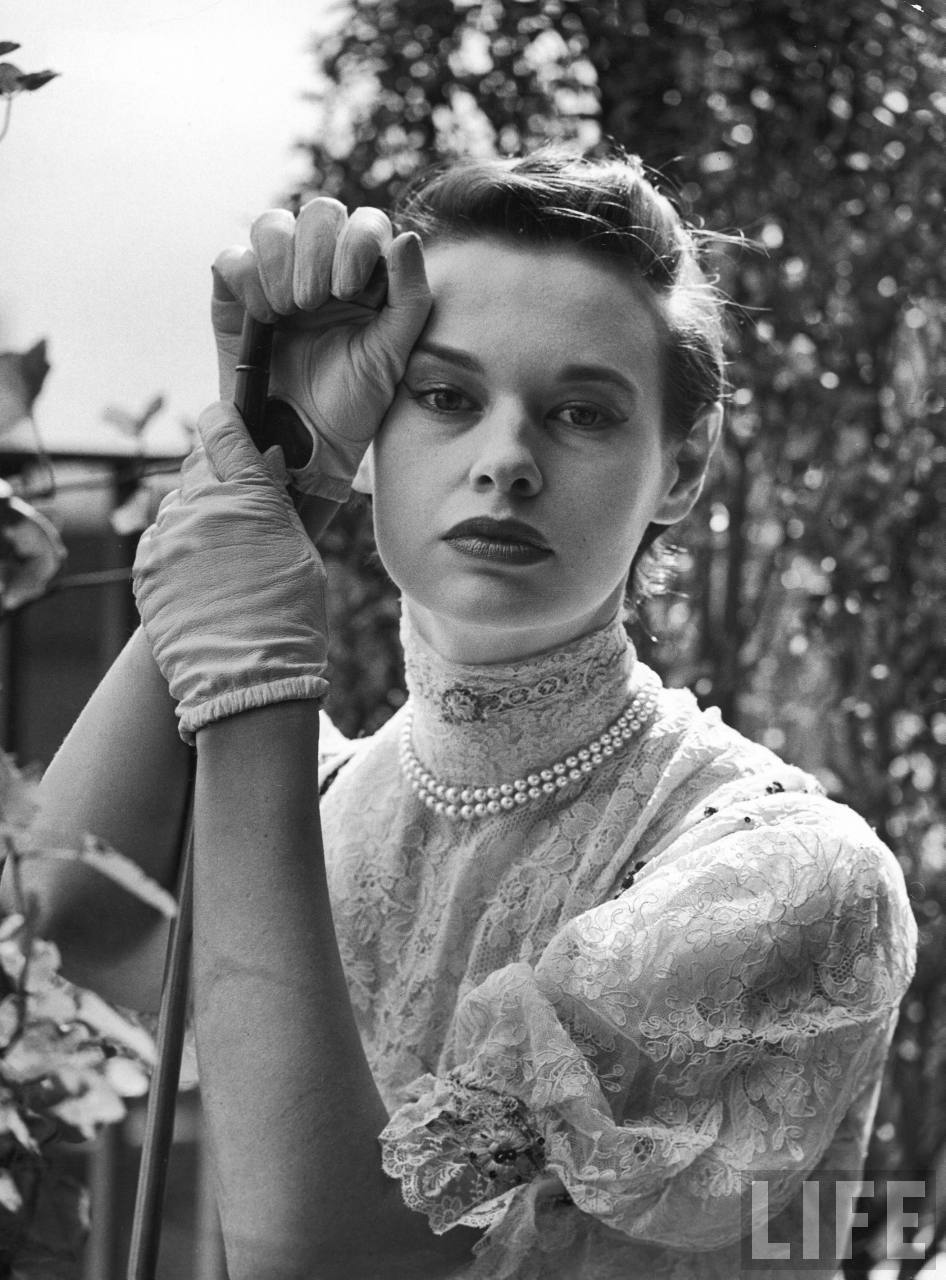
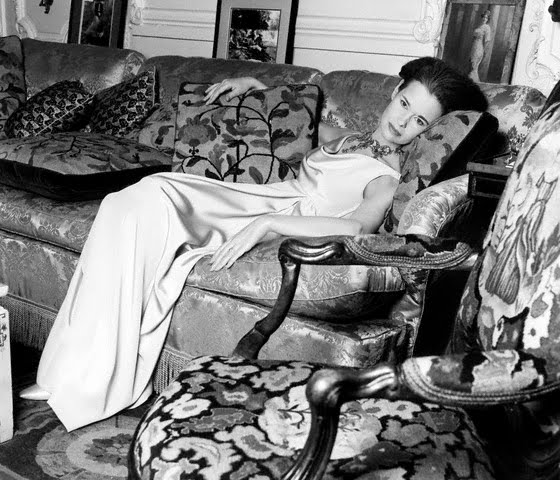
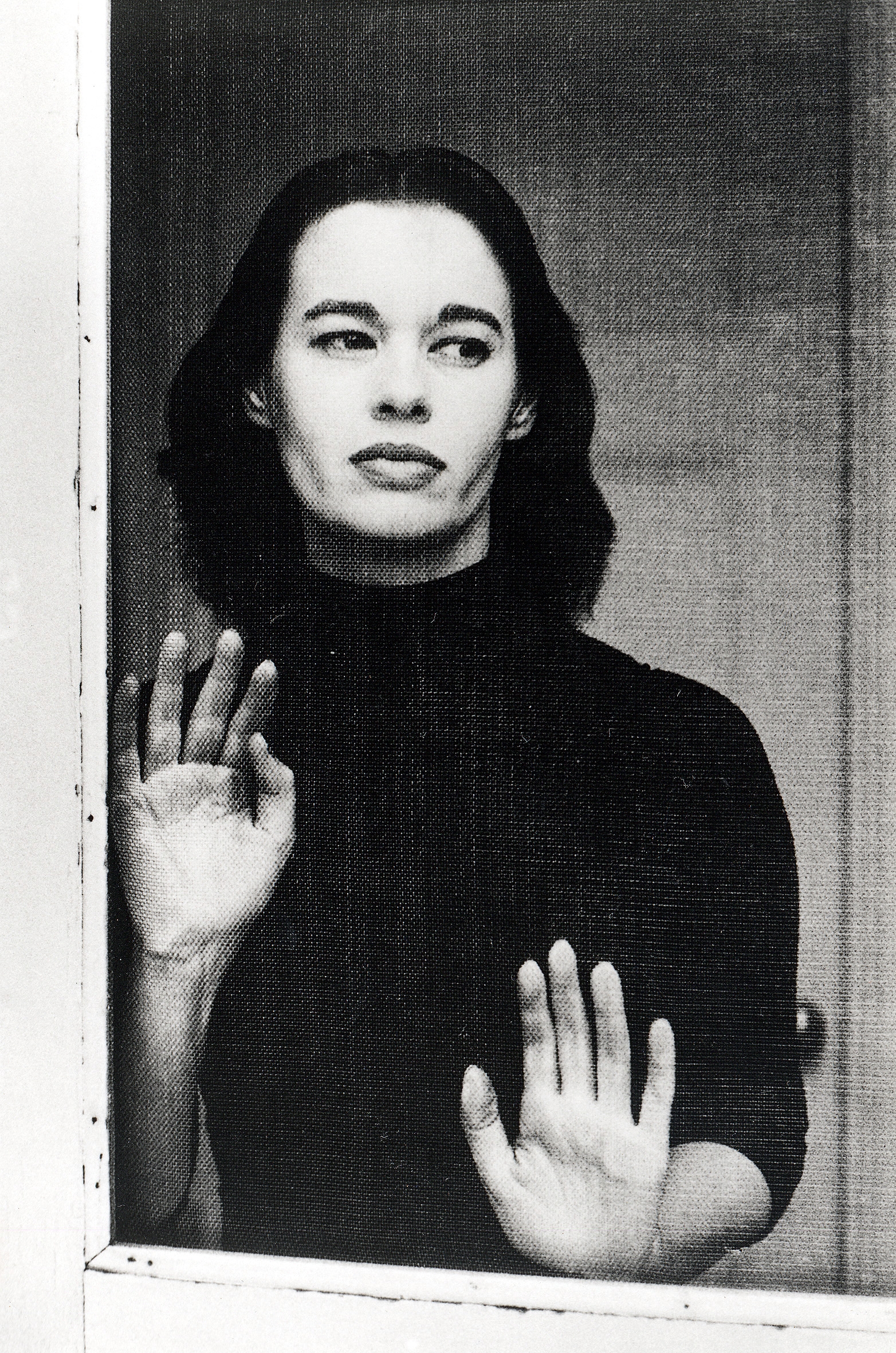
Gloria Vanderbilt is many things: an heiress, a painter, an actor, a muse, a designer, a model, a writer, an entrepreneur, a survivor, an icon. She brought the Vanderbilt name out of the Gilded Age and into the Digital Age, reinventing herself over and over along the way.
From: The World of Gloria Vanderbilt by Wendy Goodman
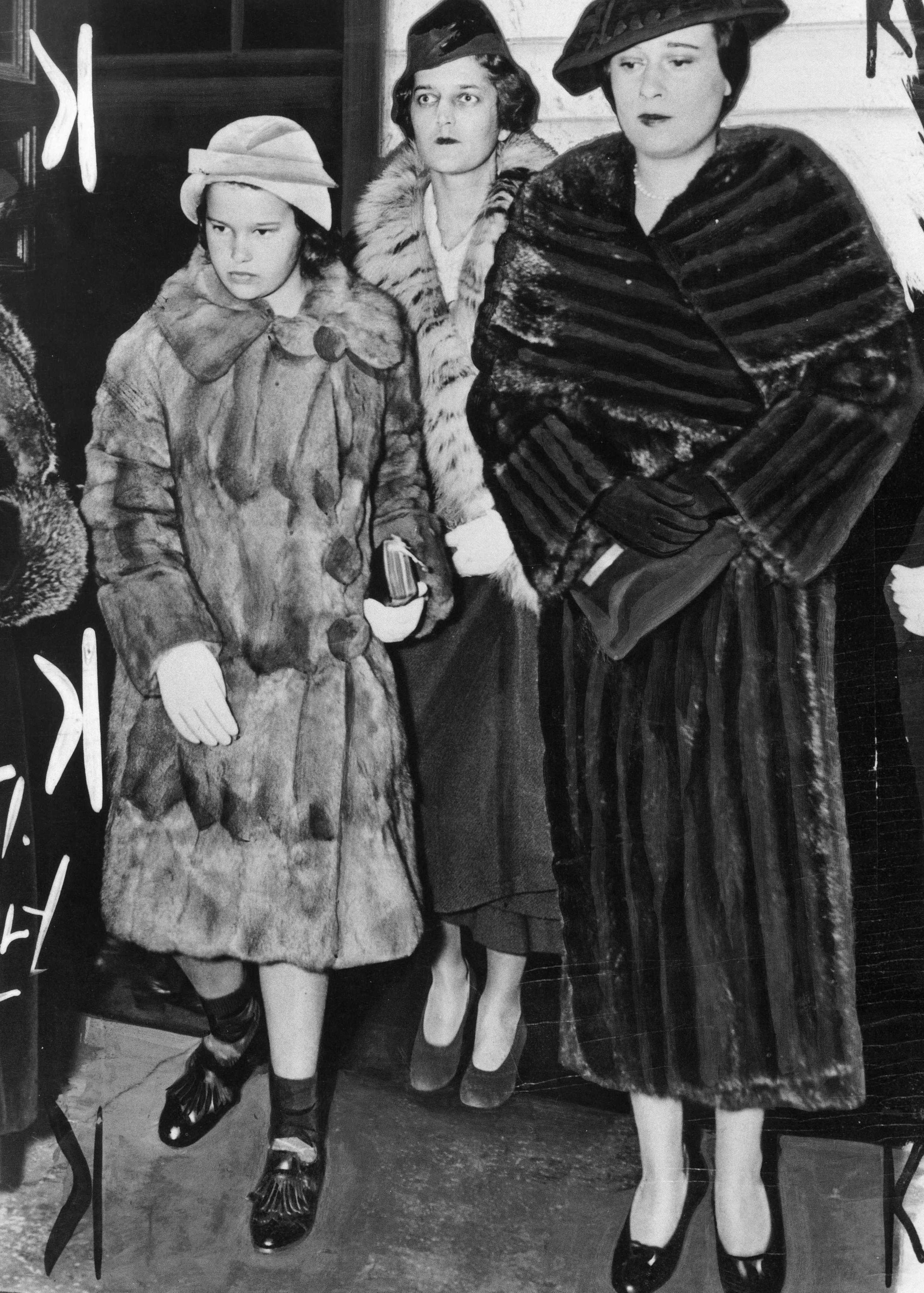 With her mother, Gloria Morgan, and governess. Gloria’s mother lost custody of her in 1934, after a scandalous trial. Gloria’s paternal aunt Gertrude Vanderbilt Whitney was awarded custody.
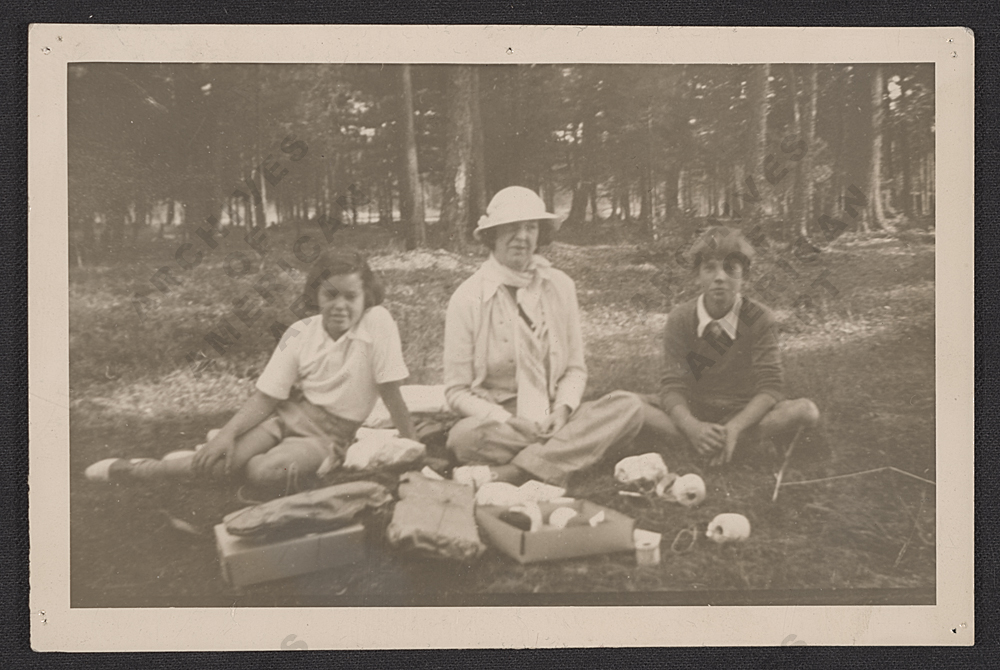 With aunt Gertrude Vanderbilt Whitney and cousin Henry Payne Whitney.
 With aunt Gertrude Vanderbilt Whitney.
Love the trunks...
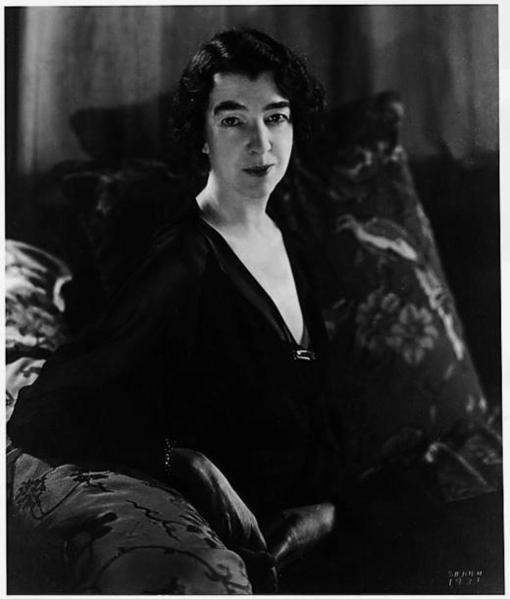
Gertrude Vanderbilt Whitney “…was a formidable , complex woman who had emerged from her own trials within the gilded cage of her family and marriage to Harry Payne Whitney…Harry Payne Whitney was the perfect, dashing millionaire match for a Vanderbilt heiress…But Gertrude discovered early on that unless she made her own life, she would suffer the same fate as so many heiress wives whose husbands found their fun and passion outside of the marriage. Thus she cultivated a life in the arts, both as a patron and a sculptor. She founded the Whitney Museum of American Art in 1931, after the Metropolitan Museum of Art turned down her offer of seven hundred American paintings from her collection in 1929.”
From: The World of Gloria Vanderbilt by Wendy Goodman
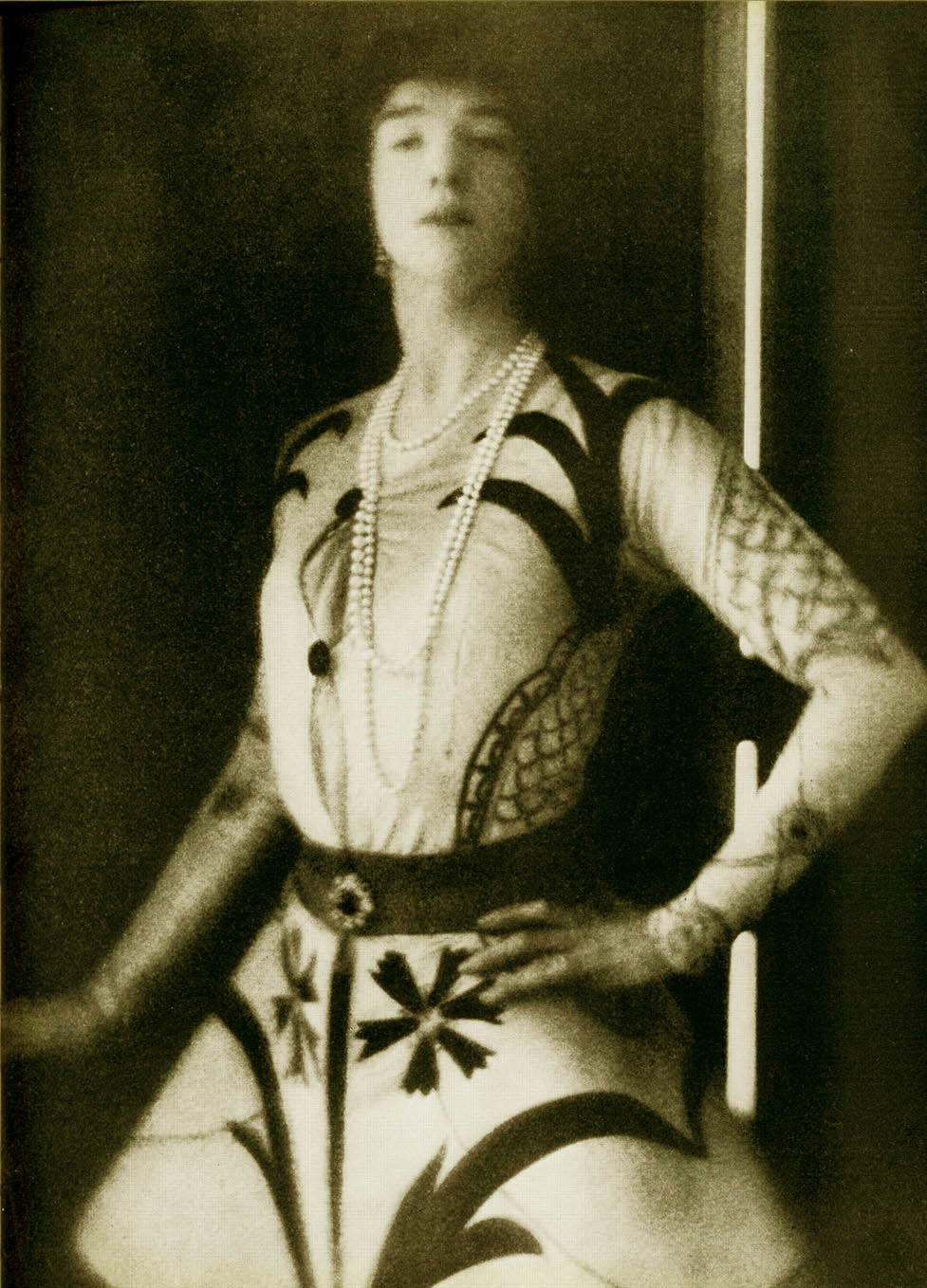
 Gertrude Vanderbilt Whitney, painted by Robert Henri, 1916
Gloria remembers Gertrude as “tall and extremely thin and [having] exquisite taste in the way she presented herself. At Old Westbury she would wear variations of the same look — beautifully cut English slacks with tailored silk shirts, several ropes of pearls and hats (in the house) made of tweed and a jaunty feather tucked in. It was considered eccentric in 1932 for a woman to wear pants, and the first time I met her at Old Westbury I was quite startled, never having seen a woman in pants before.”
From: The World of Gloria Vanderbilt by Wendy Goodman
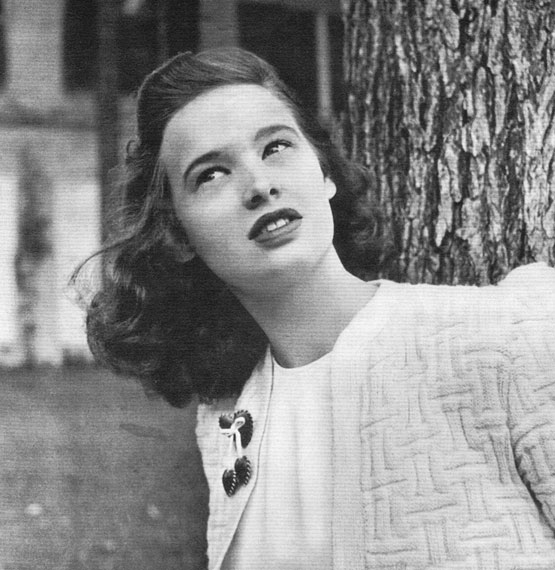
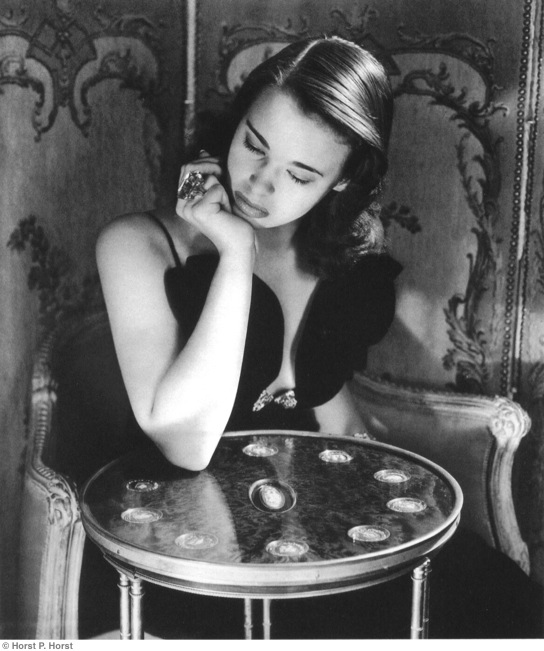
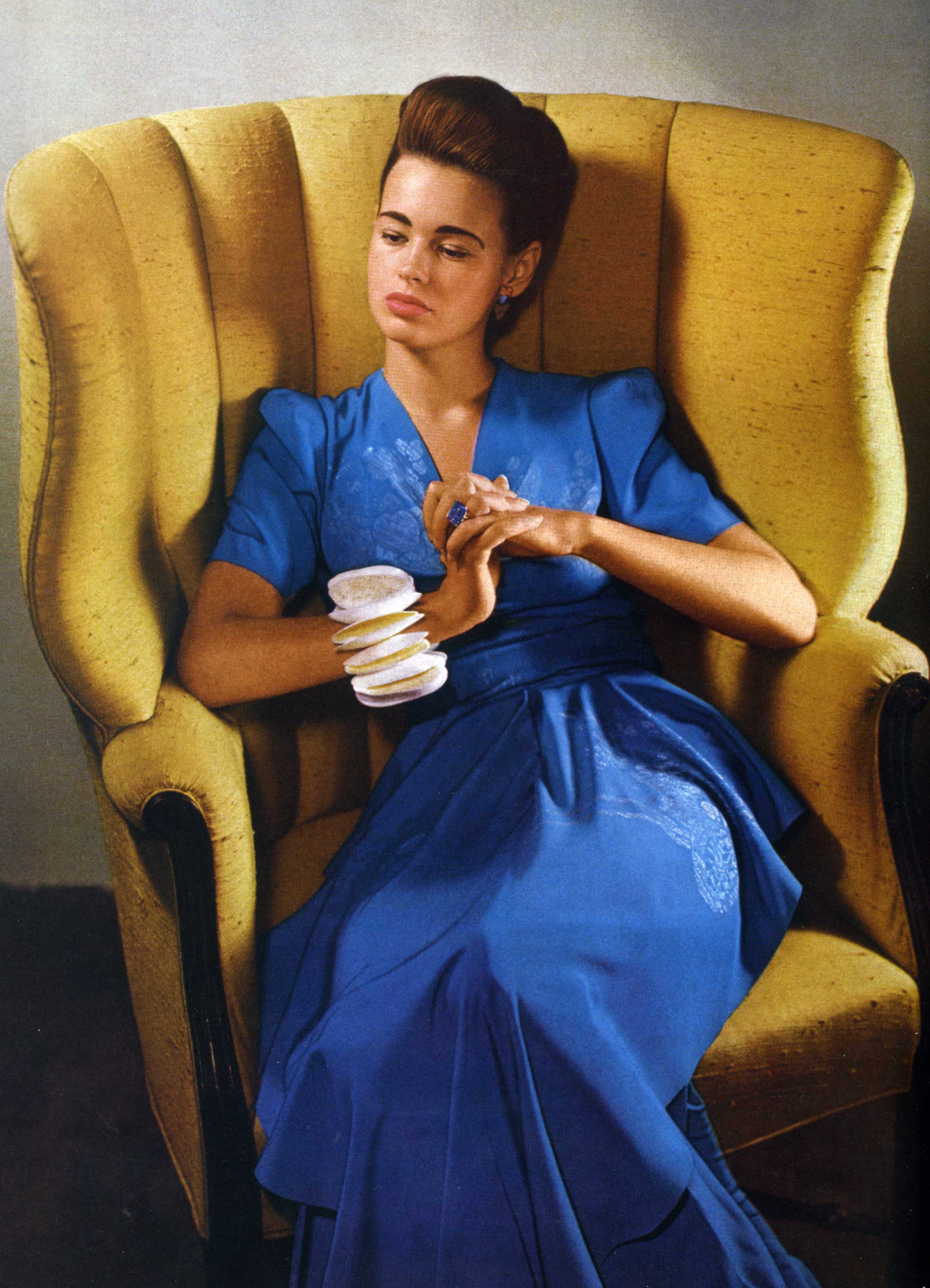
Fifteen year-old Gloria appearing in Harper’s Bazaar for the first time in 1940, at the request of then fashion editor Diana Vreeland, who met Gloria at Gertrude’s home at Old Westbury.
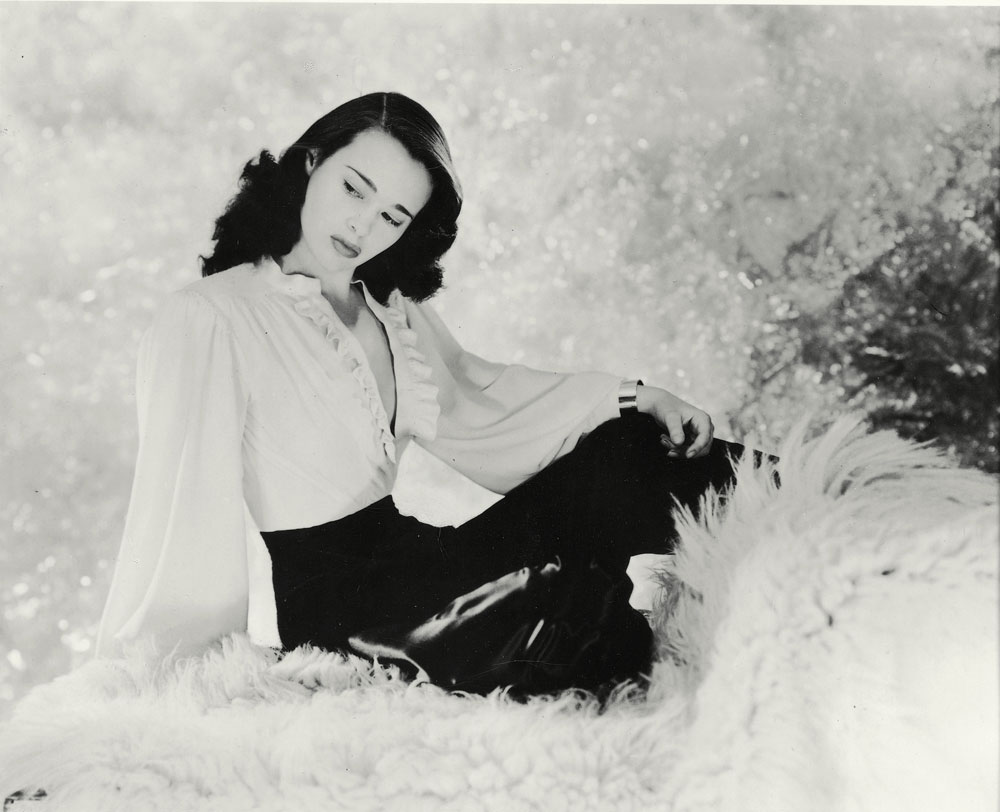
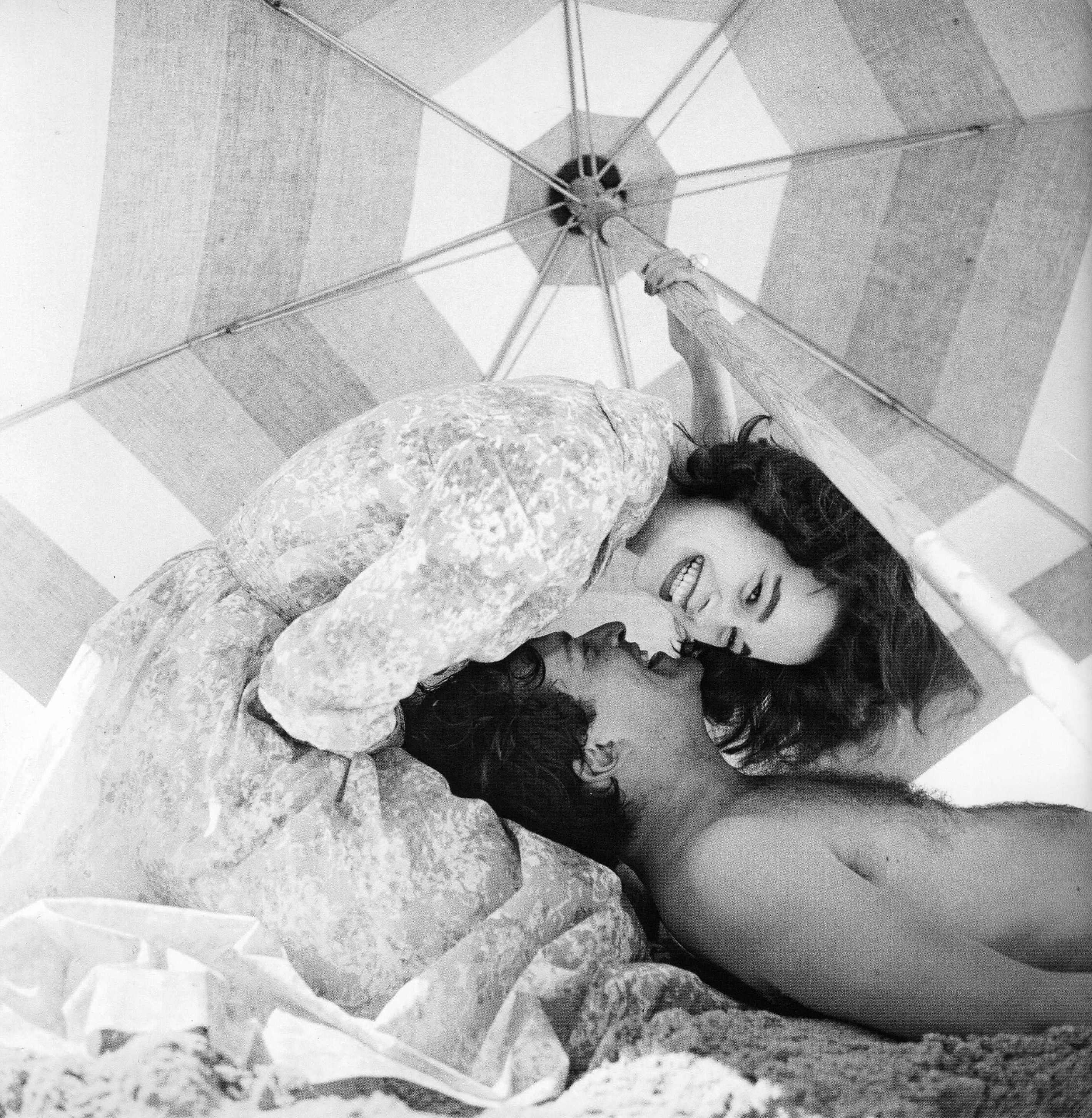 With third husband Sidney Lumet.
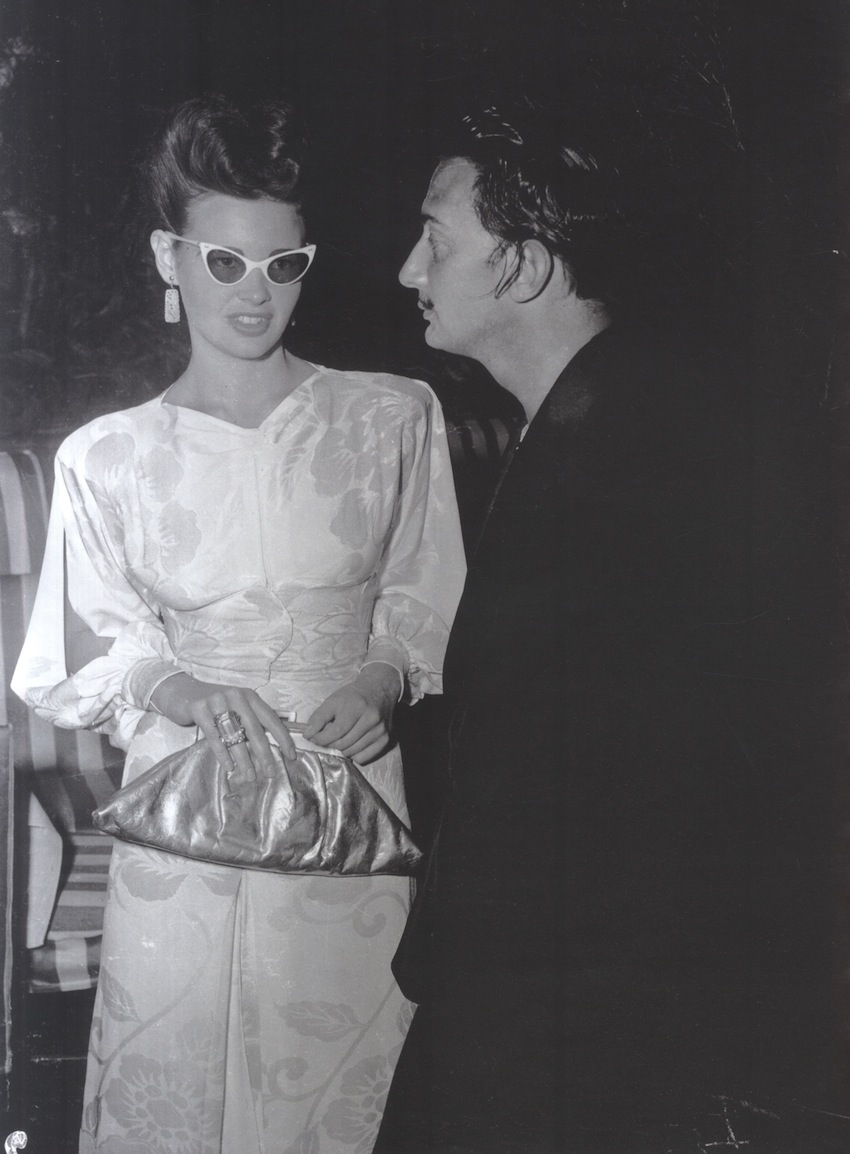 With Salvador Dali.
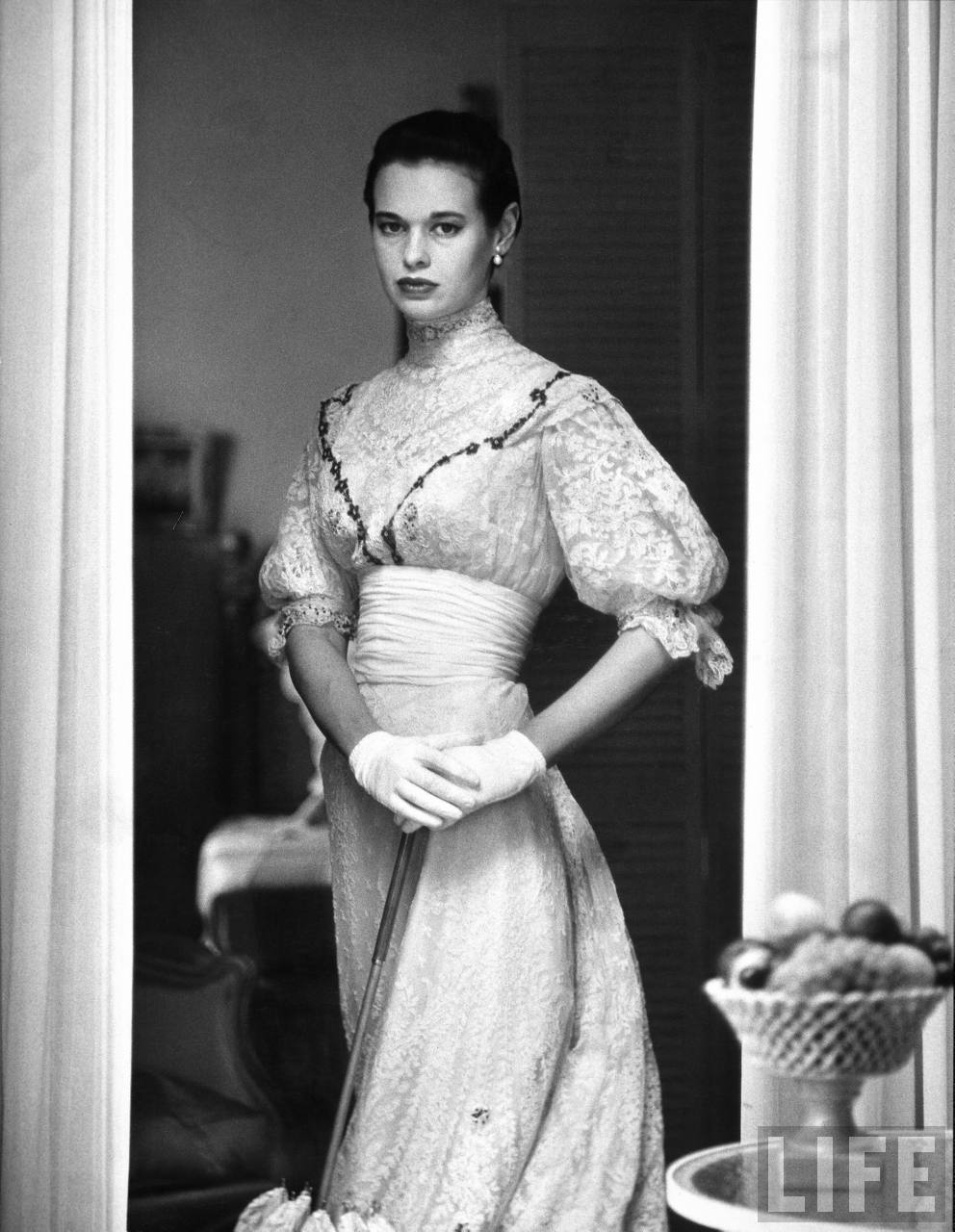
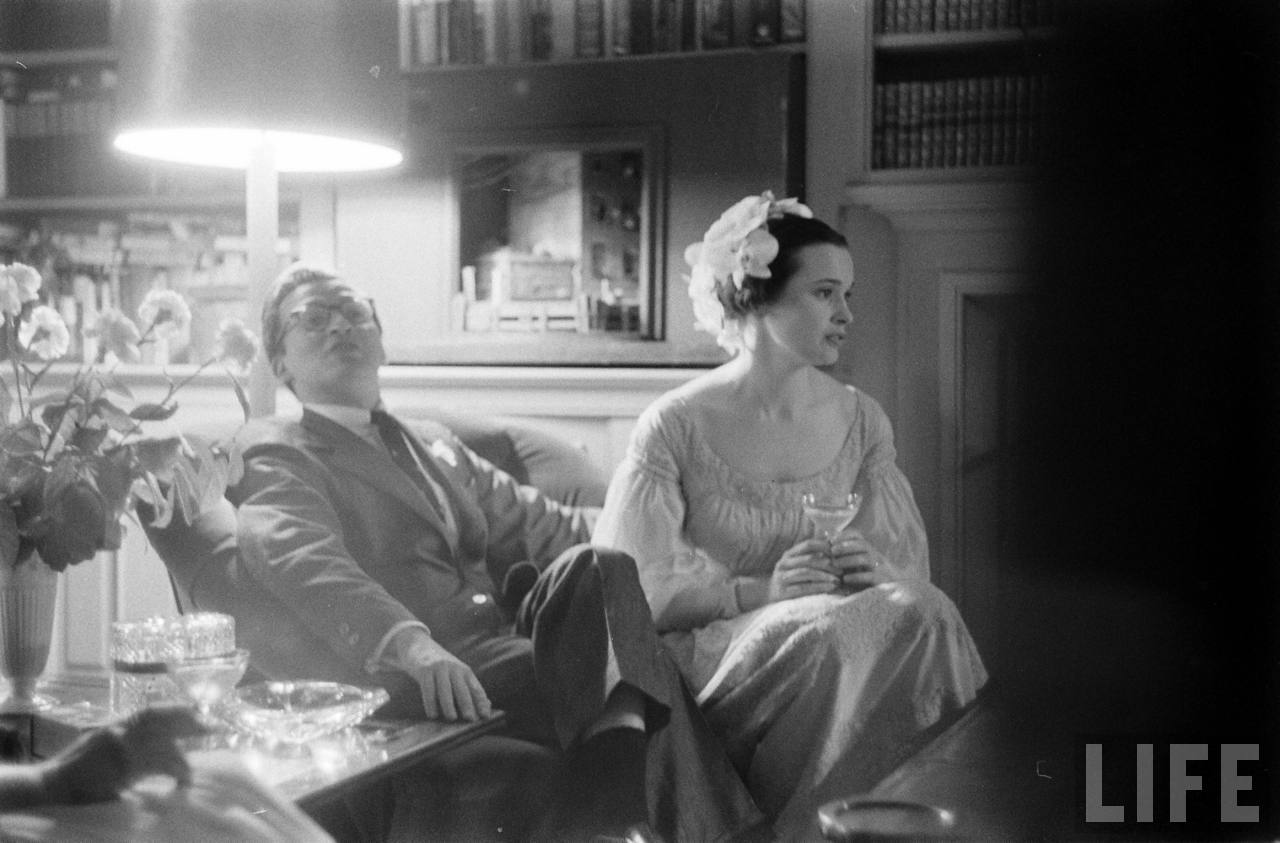 With Lumet.
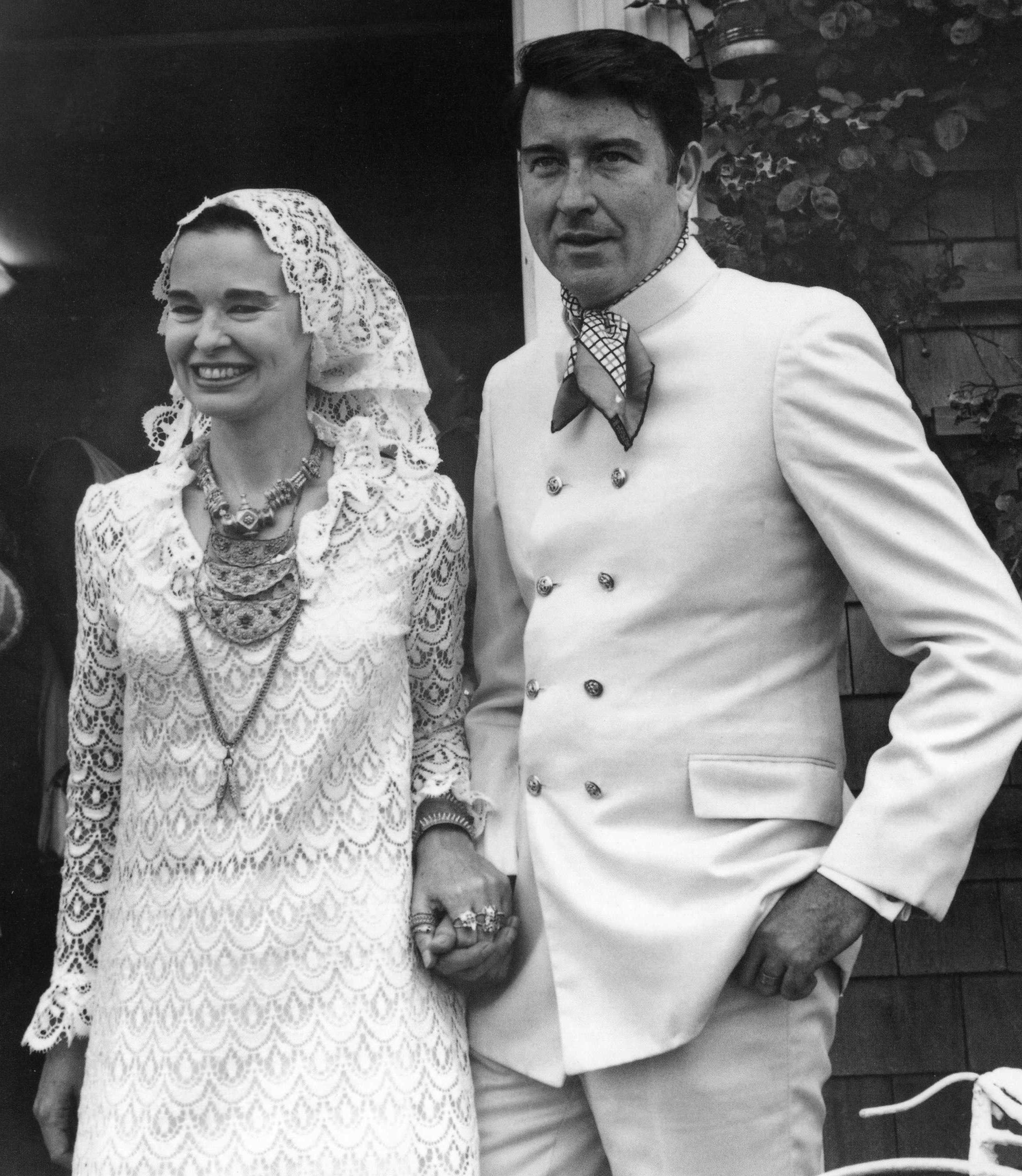 With fourth husband Wyatt Cooper.

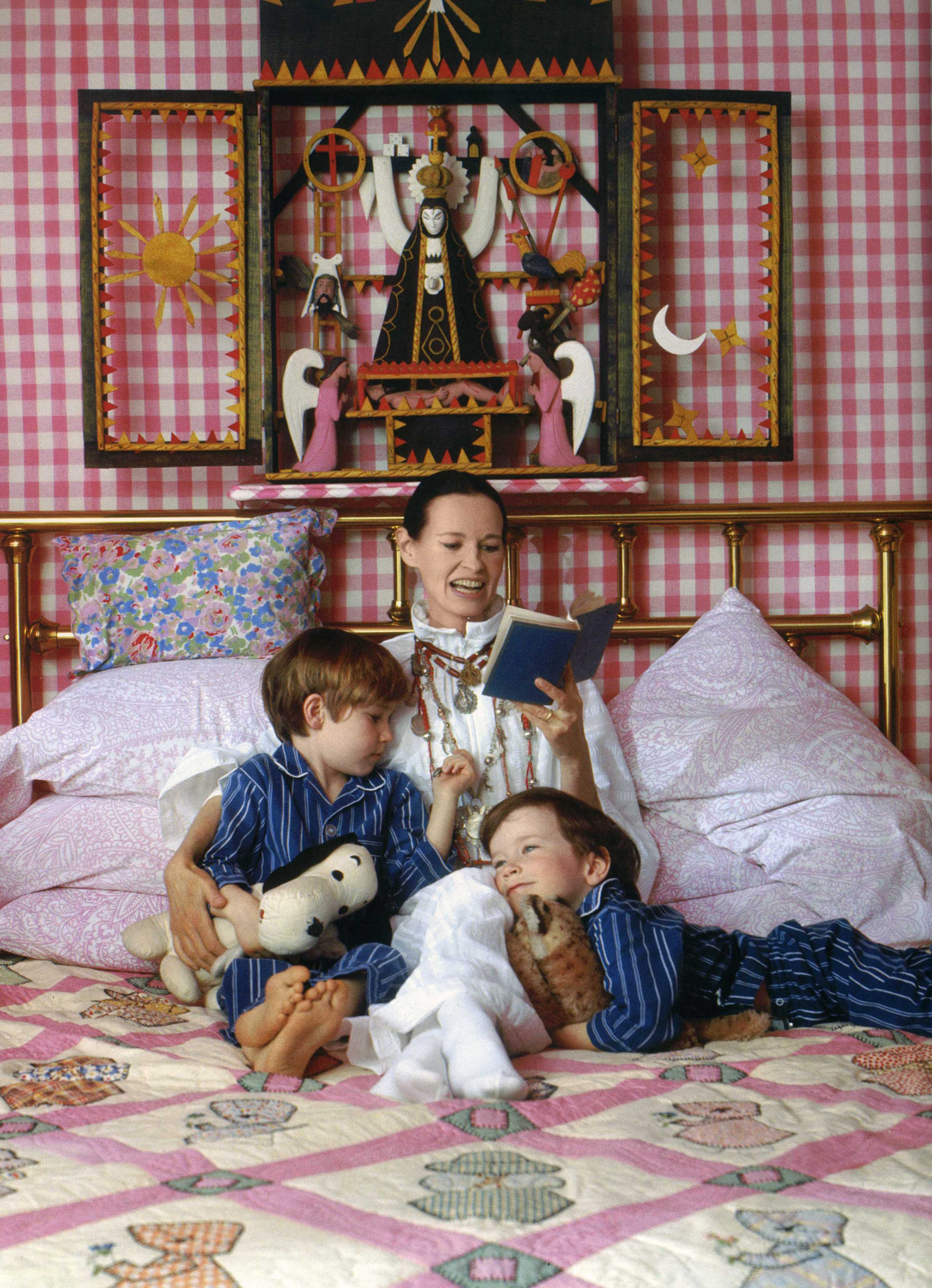 With sons Carter and Anderson Cooper.
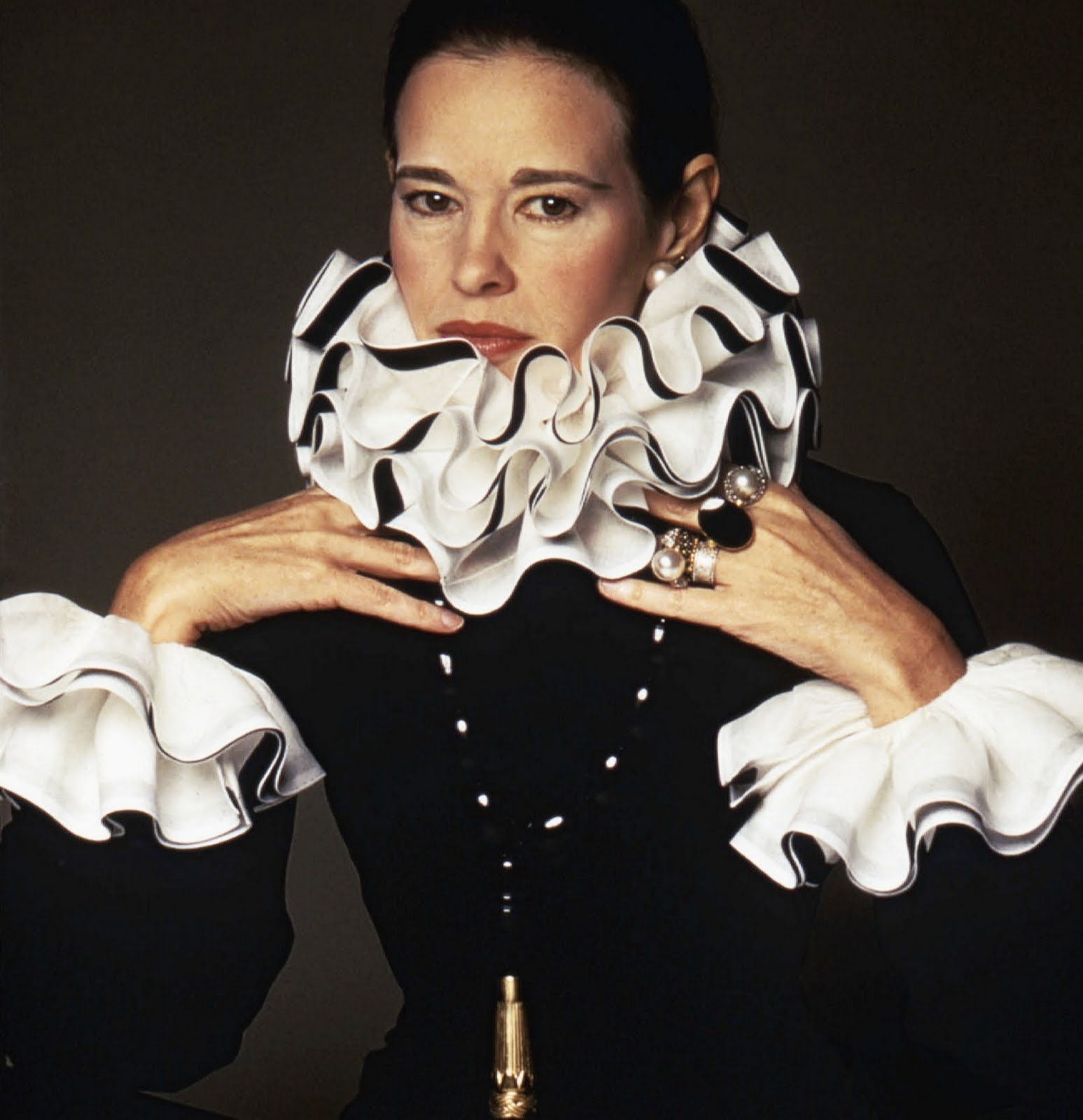
 Quite Continental