Girl of the Hour: Billie Samuels
06/02/2012 § 4 Comments
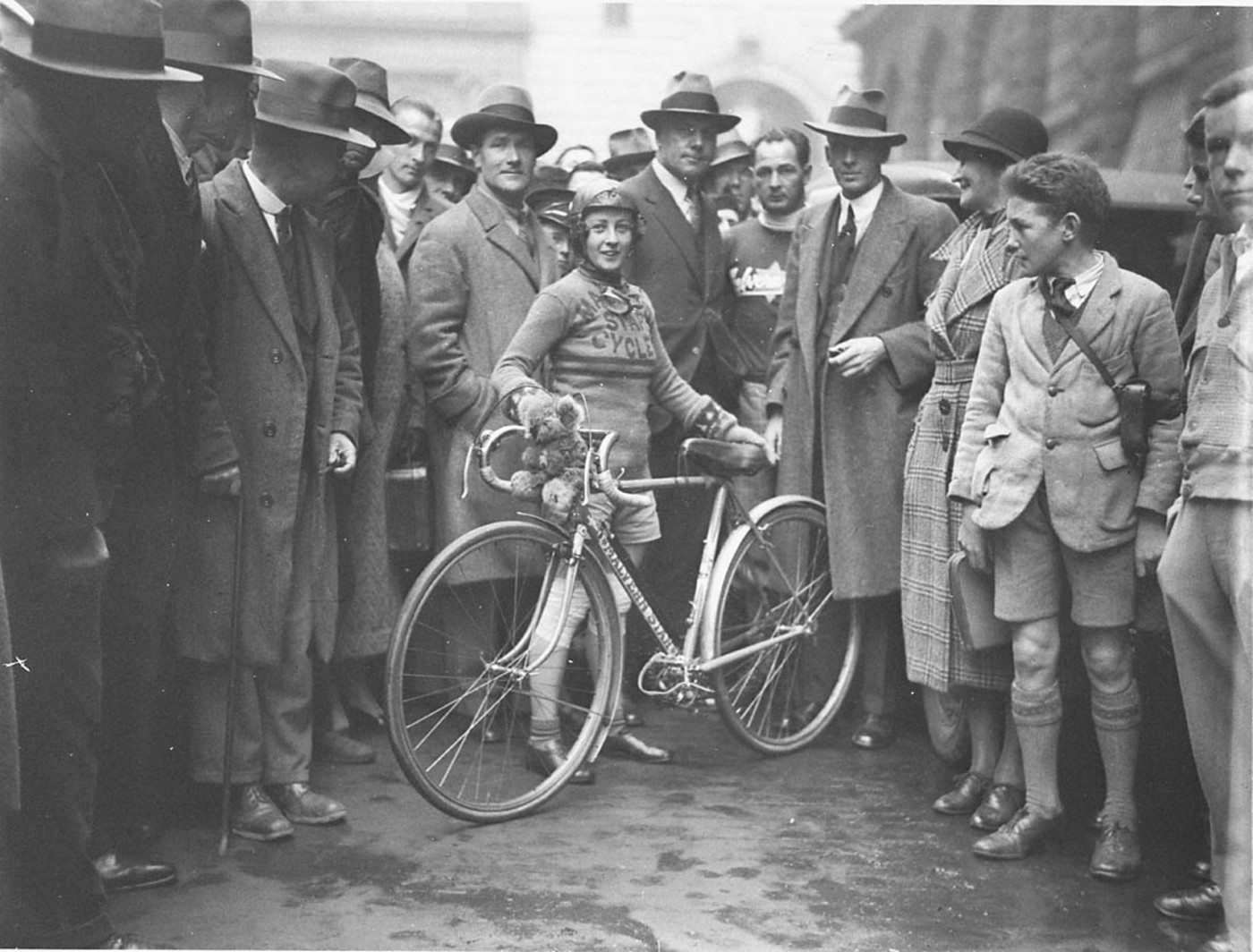
 Billie Samuels, kick-ass girl cyclist, 4 July 1934.
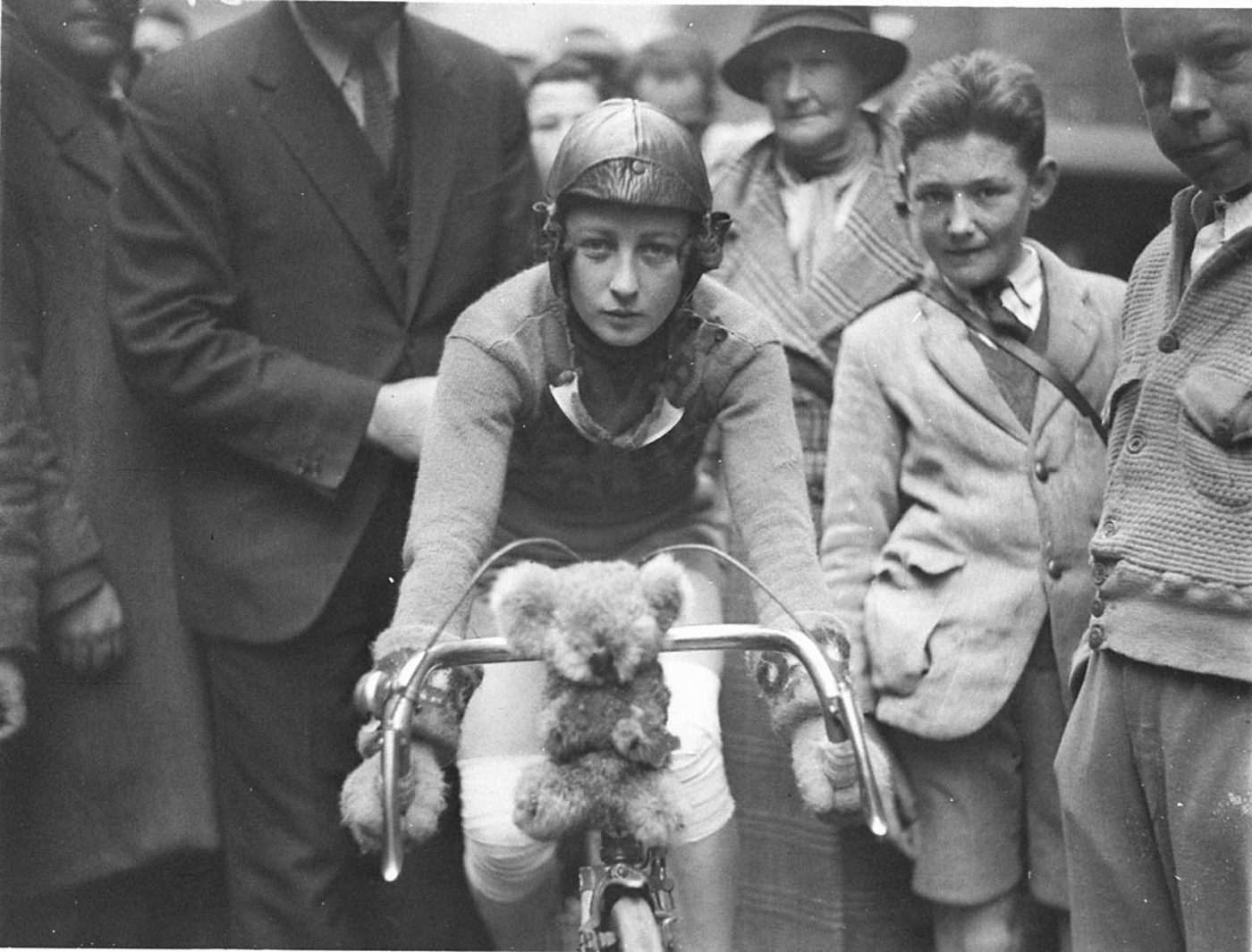
Via The Sydney Morning Herald, Thursday 5 July 1934:
CYCLING.
GIRL’S RECORD ATTEMPT.
Miss Billie Samuels started on her attack on the women’s record from Sydney to Melbourne, held by Miss Valsa Barbour, at 10 o’clock yesterday morning. She will ride to a schedule which will bring her to the Melbourne G.P.O. at 2 p.m. on Saturday, a total time of 3 days 7 hours. This is about three hours faster than the present record. Miss Samuels provides for stoppages of about four hours in Goulburn (132 miles), five hours in Holbrook (333 miles), and five hours in Seymour, Victoria (501 miles), in addition to regular meal stoppages of about 30 to 40 minutes every 40 or 50 miles.
Miss Samuels arrived at Moss Vale at 4.39 p.m., almost 2 hours ahead of schedule time. She encountered rain from Camden to Moss Vale, but is looking fit. Miss Samuels resumed her ride three-quarters of an hour later.
 Images via the State Library of New South Wales.
Previous Persons of the Hour:
Photographer Gerda Taro
Race car enthusiast, sailor and playboy Briggs Swift Cunningham II
Great Loves: Kate and Spencer
02/02/2012 § Leave a comment
In the month of February,
my mind always turns to great love stories…
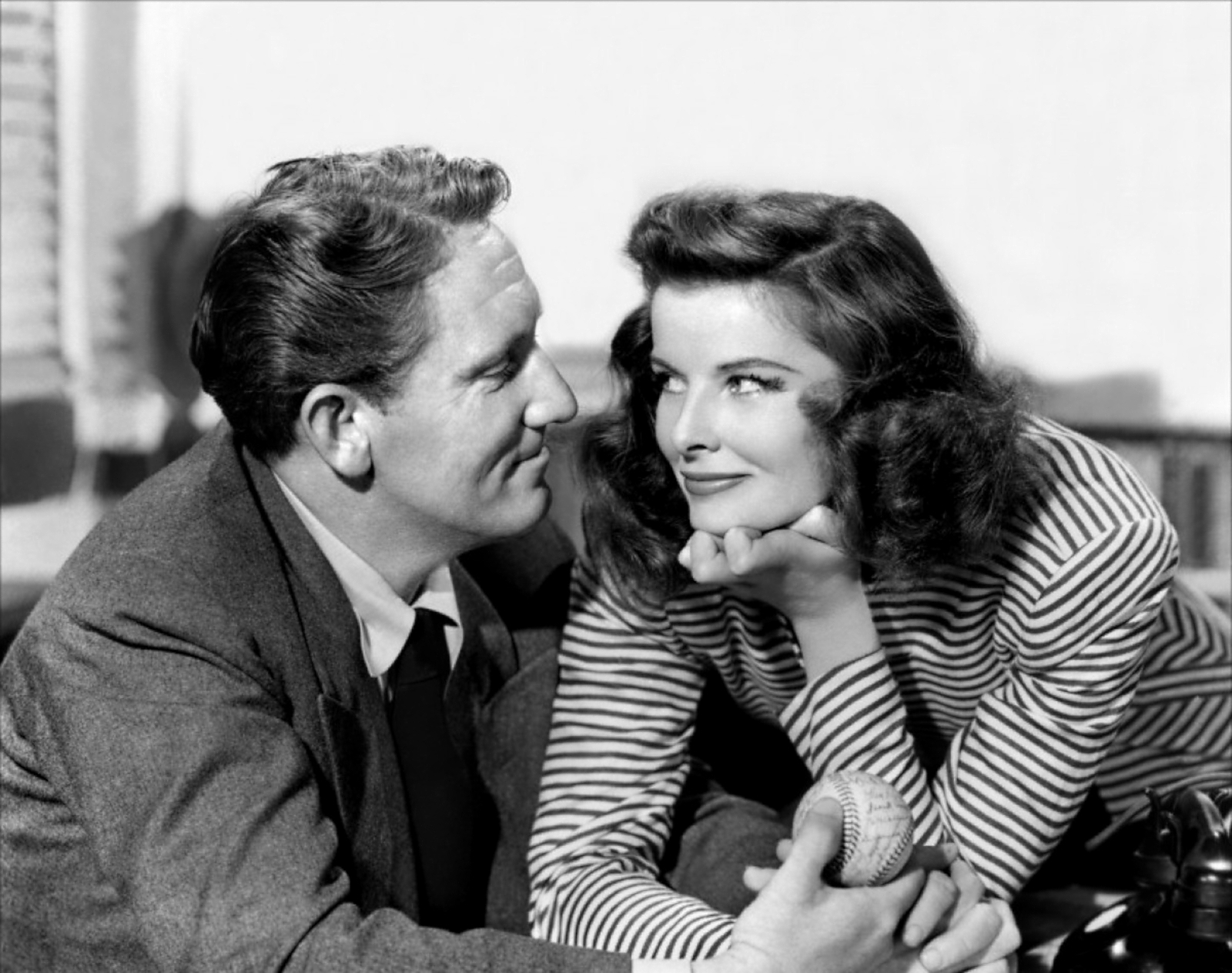
“It was a unique feeling that I had for [Tracy].
I would have done anything for him.”
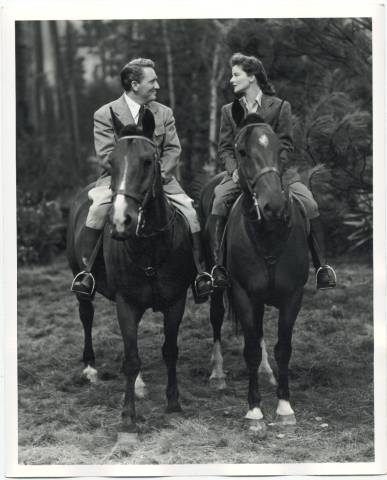
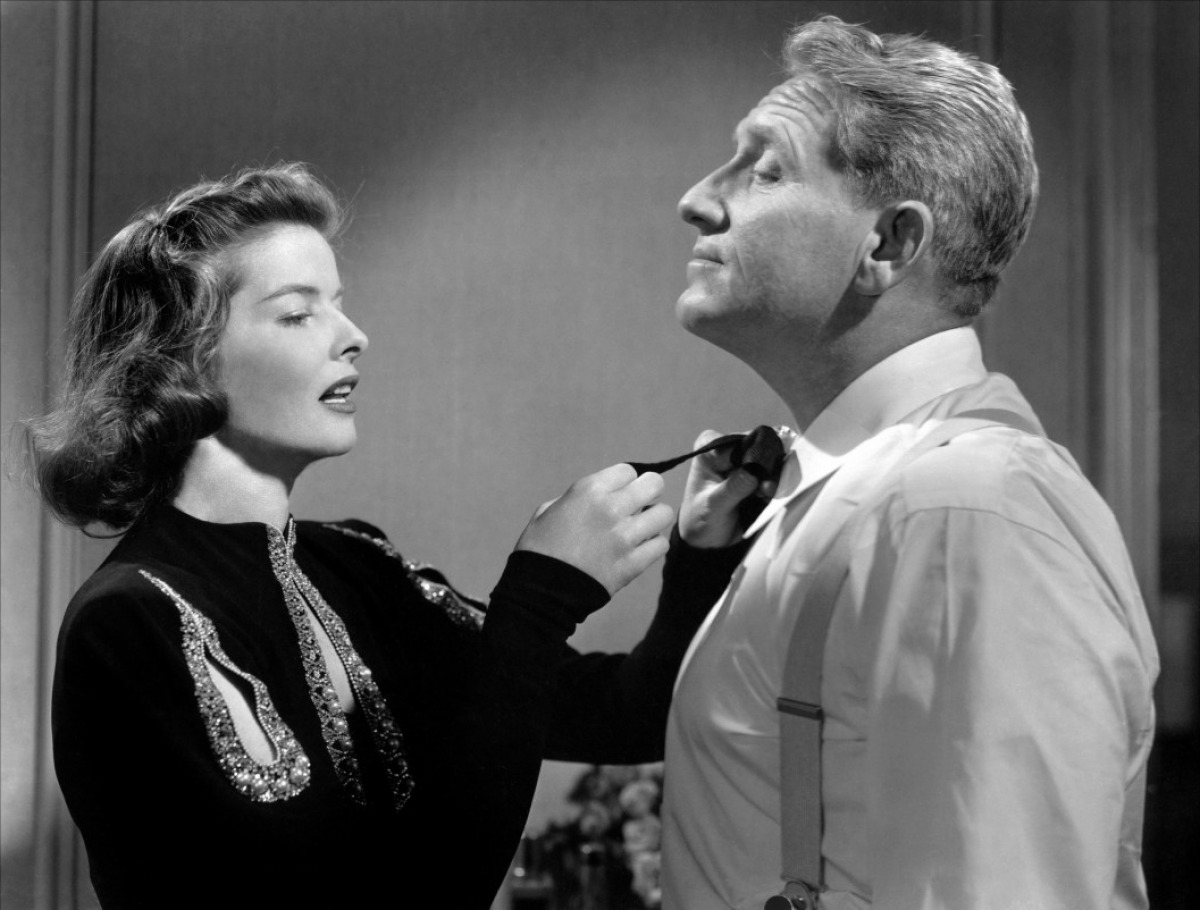
Spencer Tracy and Katharine Hepburn first appeared onscreen together in Woman of the Year (1942). Soon thereafter they began a relationship that was to last over twenty years, until Tracy’s death in 1967. Tracy and Hepburn did not live together until the final years of Tracy’s life and were never married, due to the fact that Tracy already had a wife, Louise Tracy, who he married in 1923 and never divorced. He supported Louise, and their two children, but he almost always lived separately from the household. The romance between Tracy and Hepburn was hidden from the public, but in Hollywood it was an open secret.

Spencer was a troubled soul, a sometimes alcoholic, a lapsed Catholic,
a philanderer, and Kate completely devoted herself to him.

More great love stories:
Joanne and Paul
Elizabeth and Richard
Marilyn and Joe
Bacall and Bogart
World War I in Color: The Autochromes of Albert Kahn
31/01/2012 § 1 Comment
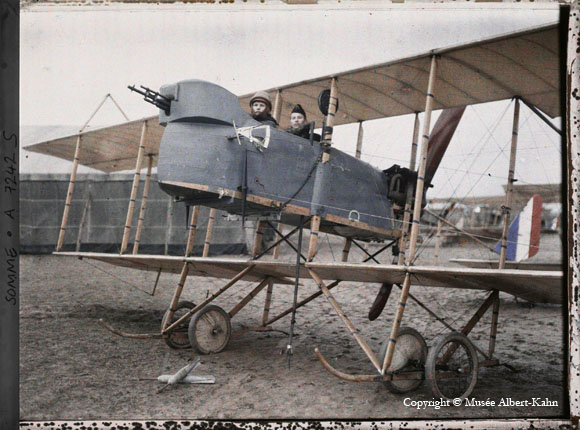
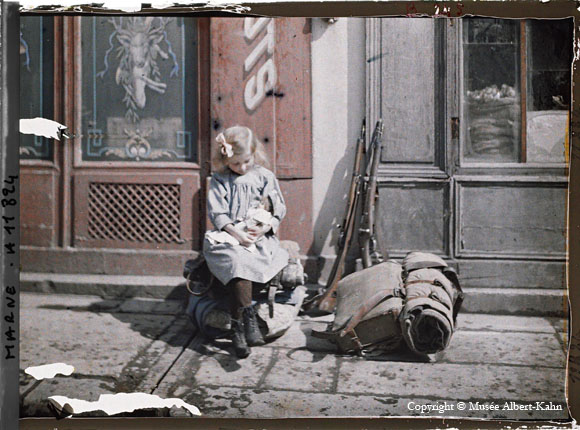


 Color Autochromes — an early form of color photography — taken during WWI, from the collection of Albert Kahn. It is an amazing real-life look into the world that Downton Abbey so elegantly recreated for Masterpiece Theatre. Sidenote: I am completely obsessed with the show. Are you?
Kahn was a French banker and philanthropist who attempted to collect a photographic record of the entire world between 1909 and 1931. Amassing over 72,000 Autochromes, Kahn’s collection included historical records of 50 countries and was little-seen until recently. Kahn’s archive formed the basis of a recent BBC miniseries and accompanying book, The Wonderful World of Albert Kahn: Colour Photographs from a Lost Age. Find out more here.
**Update: Just found a place online where you can watch a bit of the documentary. Find part 1 here and part 2 here, courtesy of Ovation. Enjoy!
QC Loves: Photographer Ditte Isager
29/01/2012 § 1 Comment
From Isager’s series, Horse Riders Journal, Fall 2011
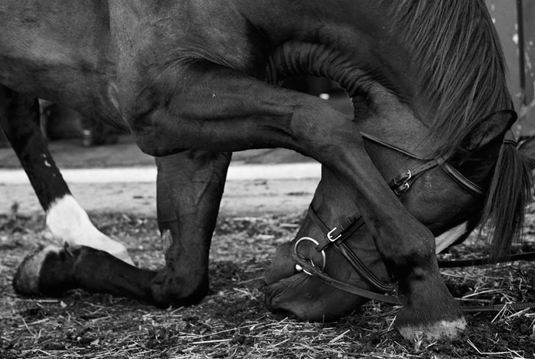
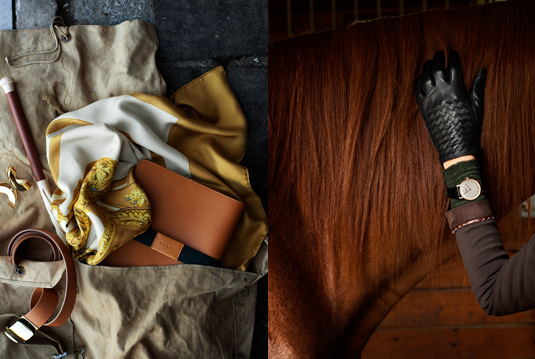


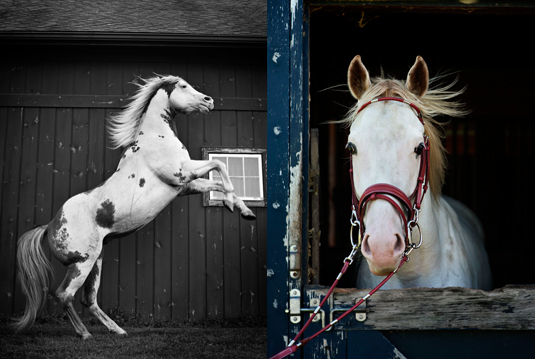


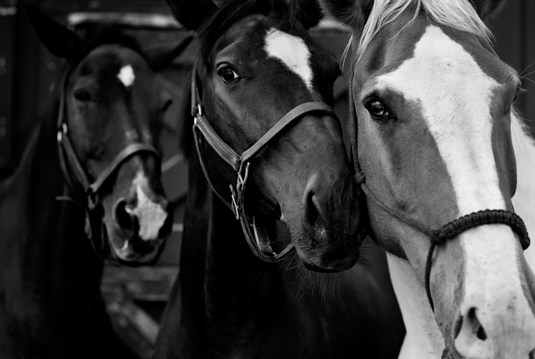
Horse Riders Journal, Spring 2011

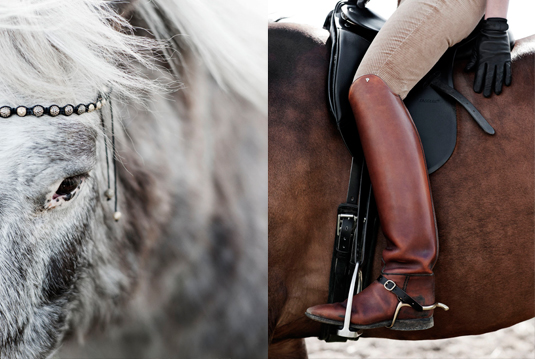
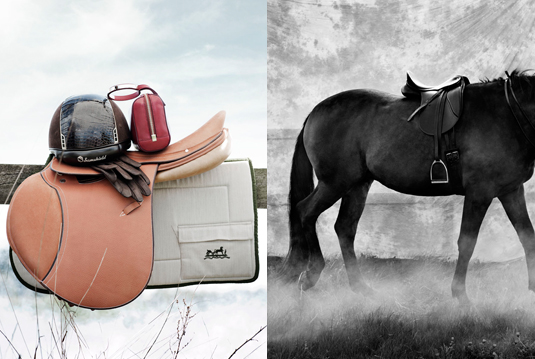
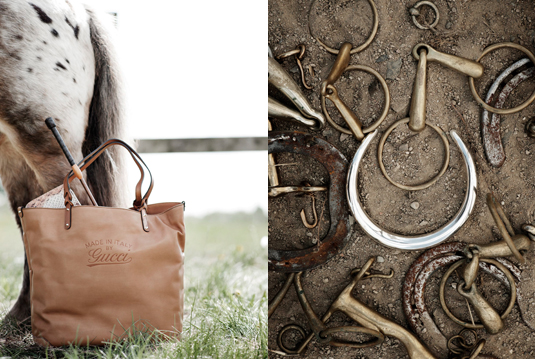
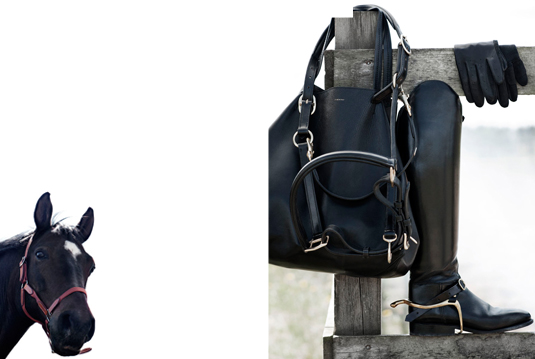
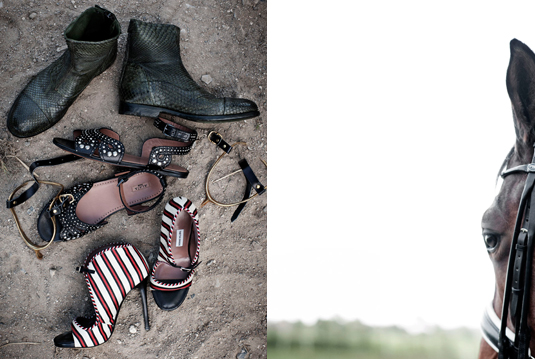

Fashion and dressage? Consider me signed up.
Loving this photography series by Ditte Isager.
Photographer born and raised in Copenhagen Denmark. Living in NYC since 2006. Shooting interiors, personalities, lifestyle and travel. The style is simple nordic. Working with contrast in materials, light, color and objects. Inspiration comes from the light in the Dutch masters, storytelling and effects from motion pictures and the style, character and layers of NY.
Rabbit Hole: Vintage Travel Posters
28/01/2012 § 1 Comment
 In love!
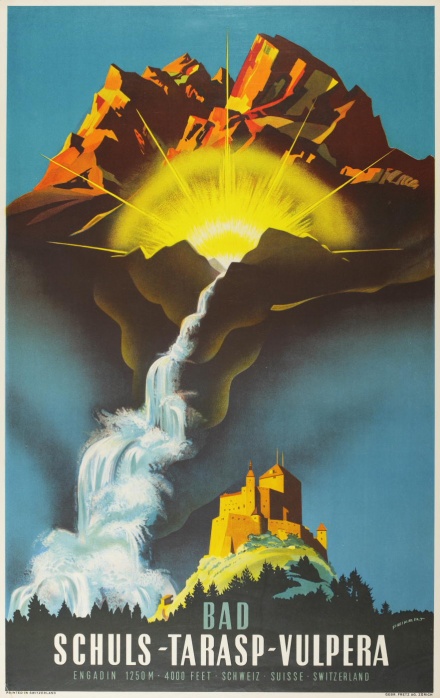
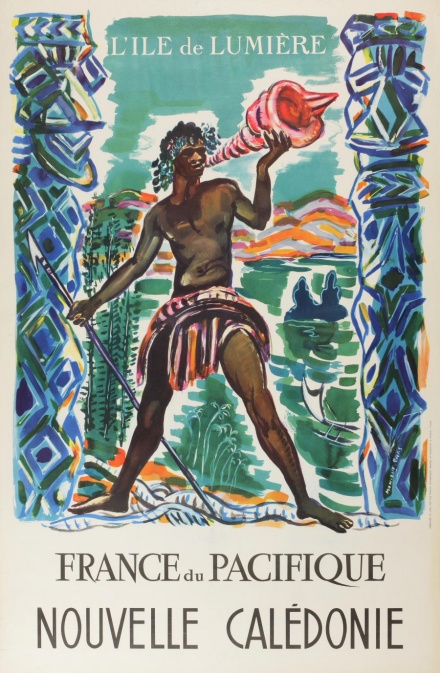

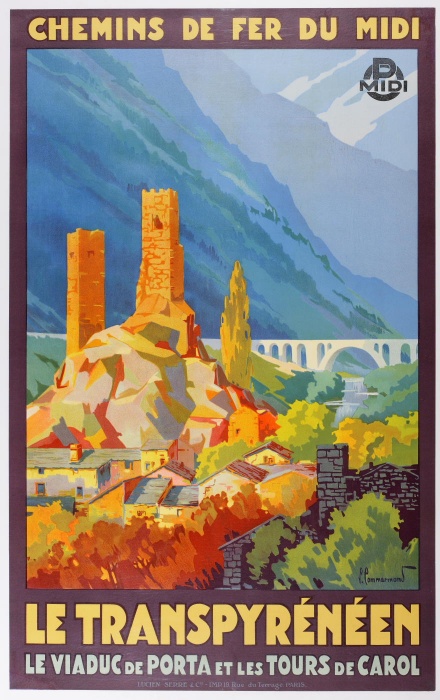 A beautiful collection of vintage travel posters is currently available at Vintage Seekers. To view and purchase these and more, head here.
The Arteries of New York City, 1941
26/01/2012 § 1 Comment
“Manhattan acts like a heart”
A lovely documentary by Encyclopedia Britannica Films on the myriad of transportation options to and from Manhattan available to the New Yorkers and New Jerseyans of 1941. Great images of commuters, the subway, trains, buses, Grand Central, the New Jersey ferry system and — the very best part — my office building on Fifth Avenue at the 5.27 mark.
As a native Californian, mass transit is still a relatively new development in my life, but come next rush hour I will definitely be thinking of the generations of Manhattan strap hangers that have come before me. I only wish the commuters of today looked just as stylish.
Commuting Through Time: New York
26/01/2012 § 2 Comments
A few places I pass by every day on my daily commute…

Grand Central Terminal

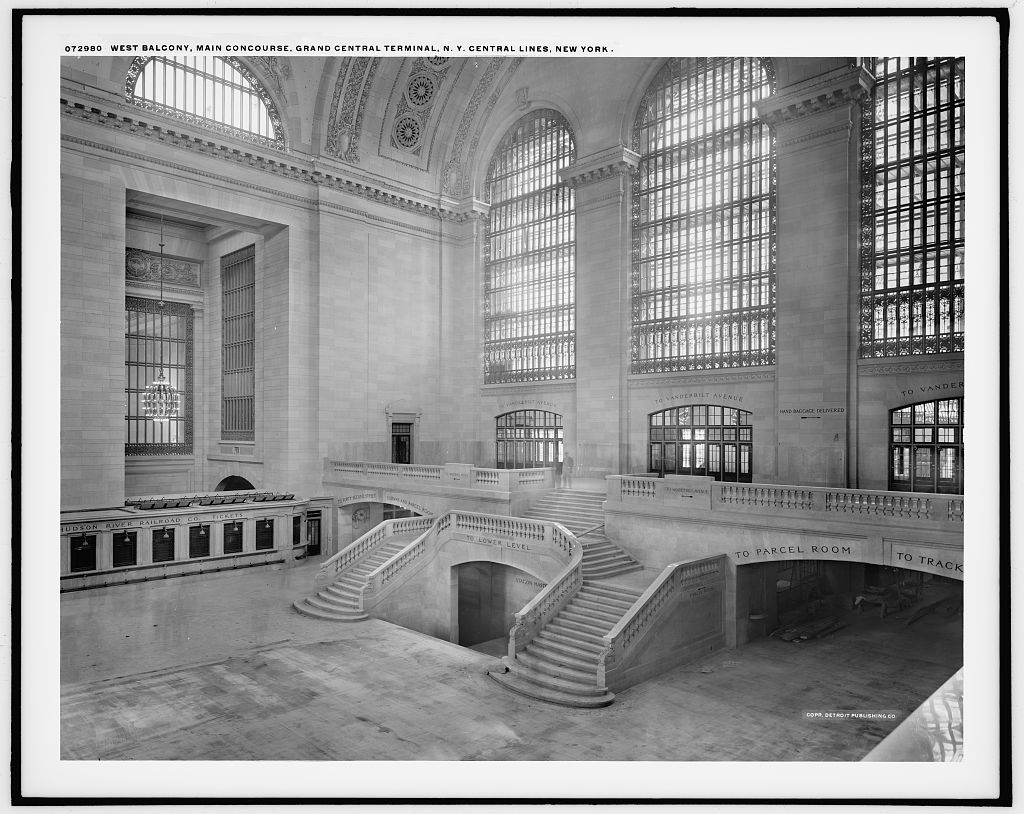
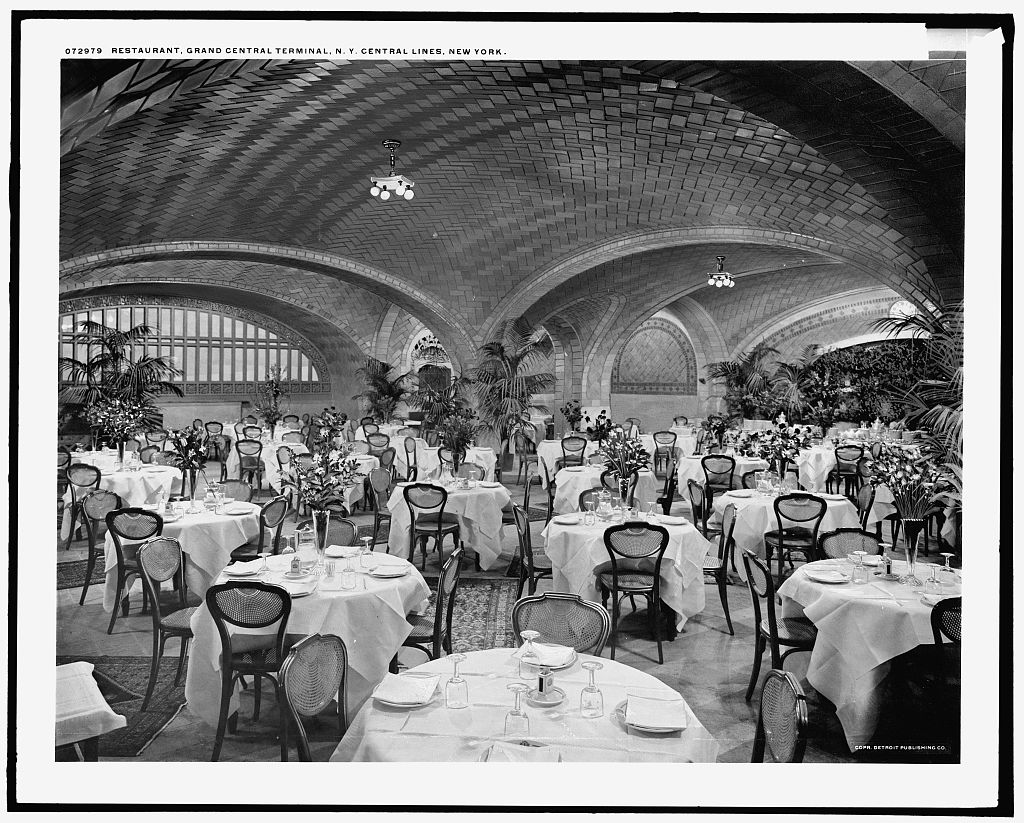

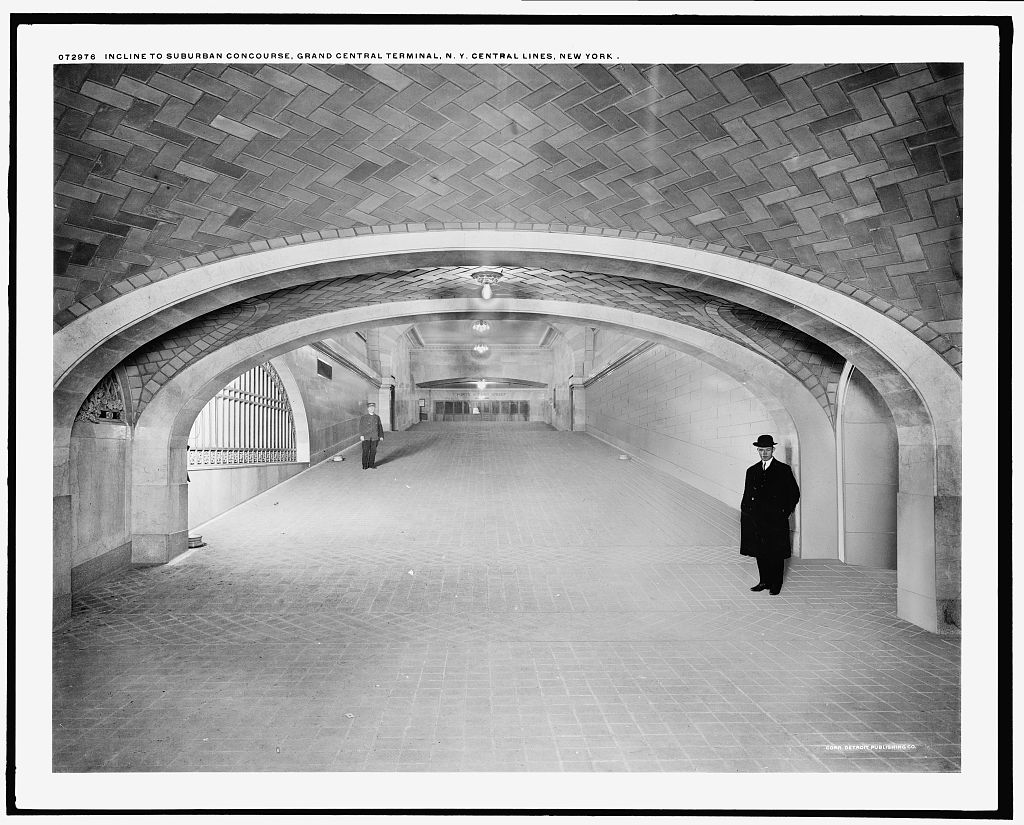
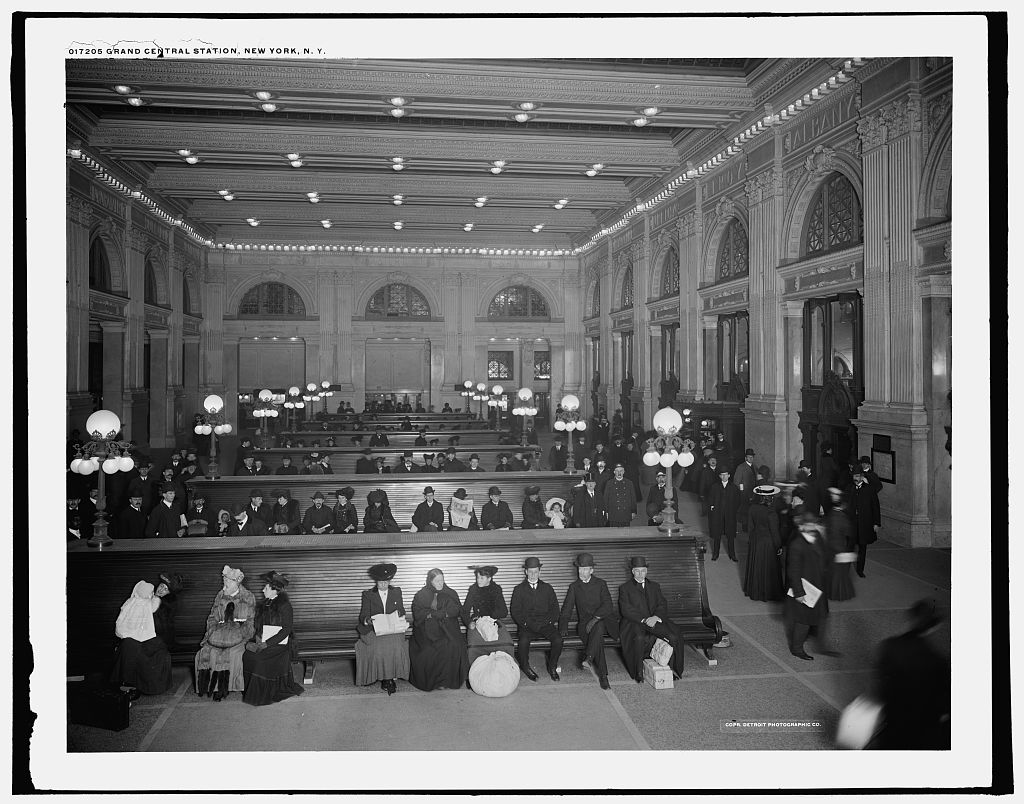
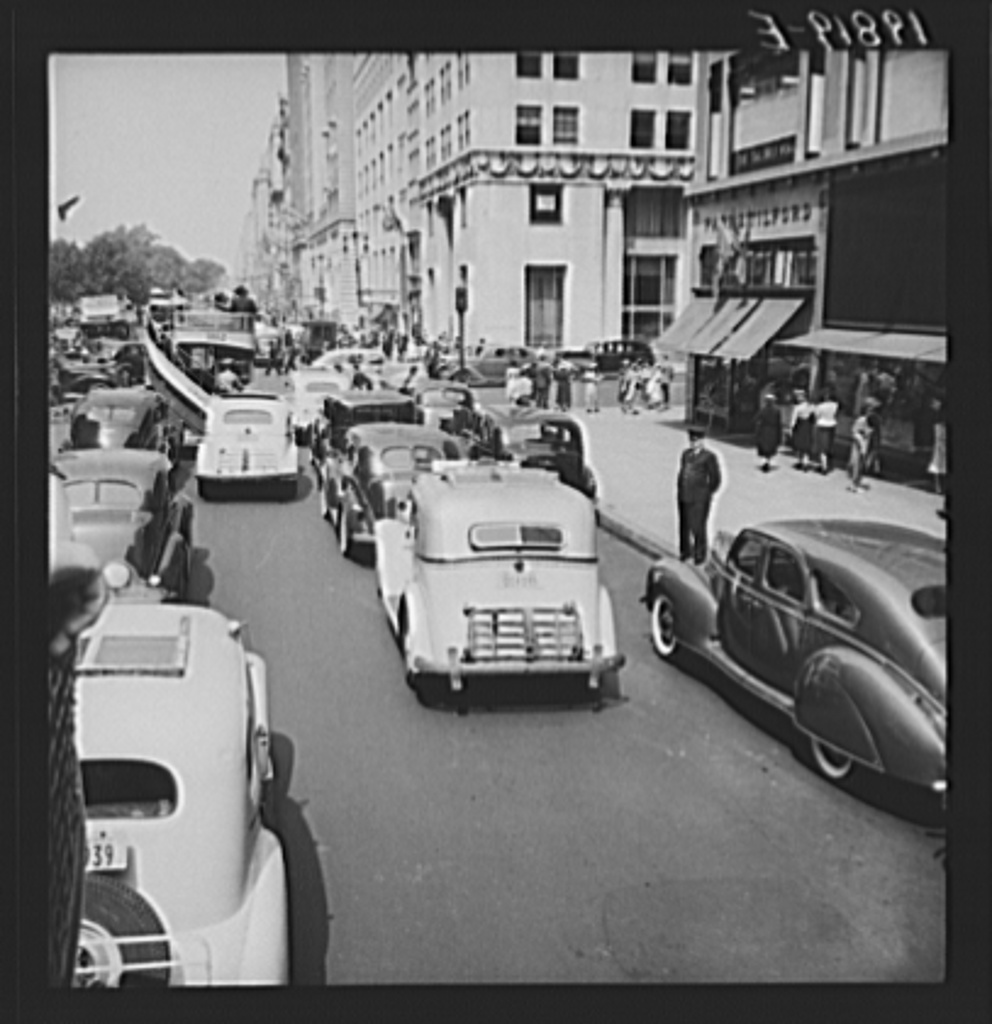
Fifth Avenue.
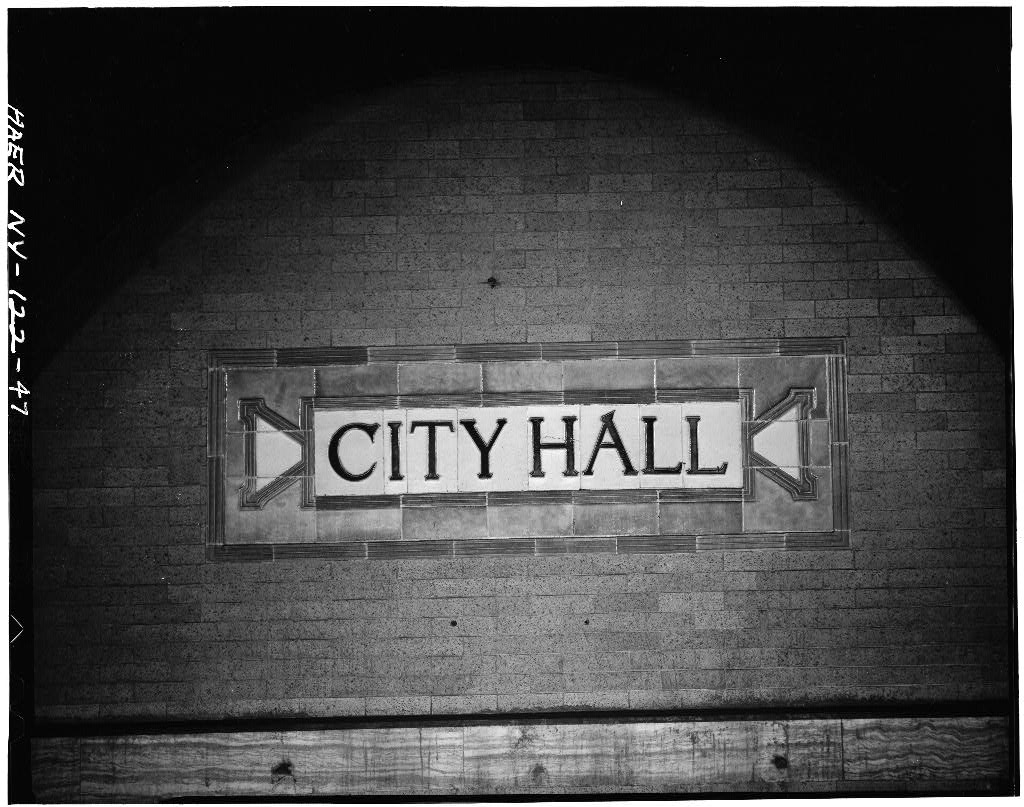
The “hidden” City Hall stop…

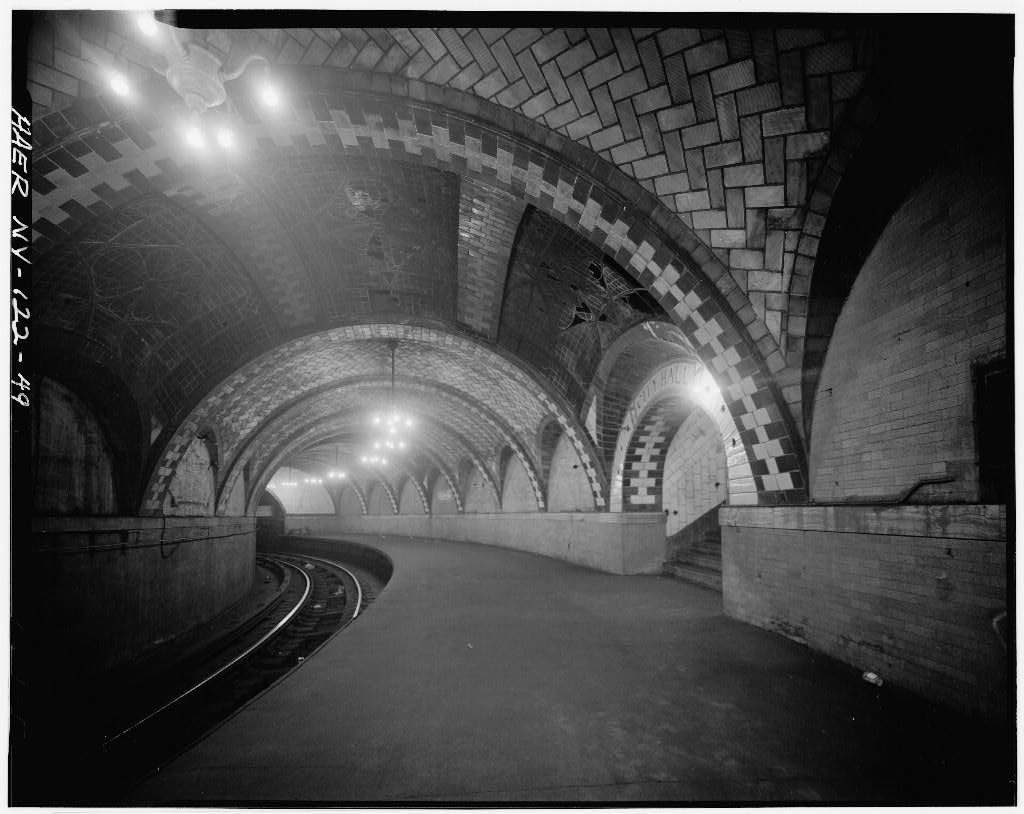

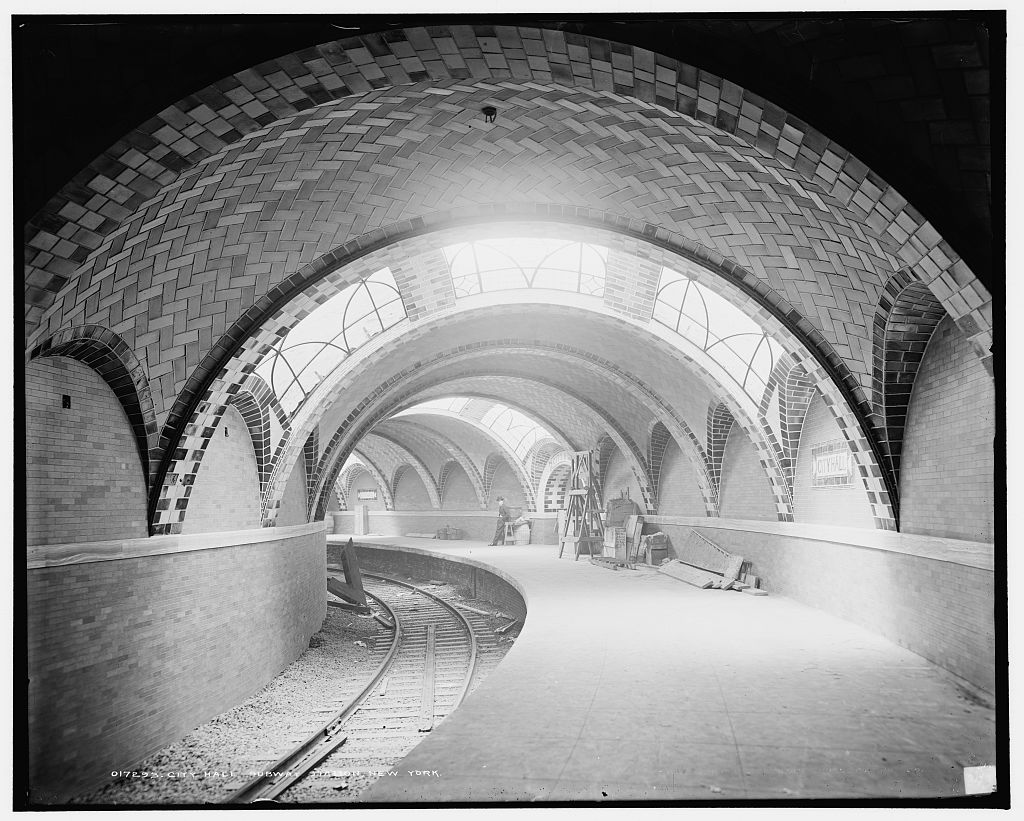

Courtesy of the Library of Congress.
Desired Destination: Siena
24/01/2012 § 3 Comments
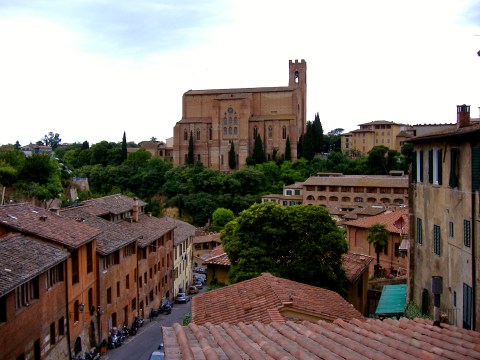 Church of San Domenico, Siena.

With all the dispatches a few weeks back from Florence for Pitti Immagine Uomo, my thoughts couldn’t help but turn to the time I spent studying abroad in the same city. I loved living in Firenze, just off of Piazza Savonarola, in a tiny and charming apartment that originally served as servant’s quarters for a massive home owned by an old and aristocratic family. As I looked at the countless photographs of the peacocking at the trade shows, I couldn’t help but look past the — well-dressed, of course — men, to the city that was peeking around the edges, and remember what living in Tuscany felt like.
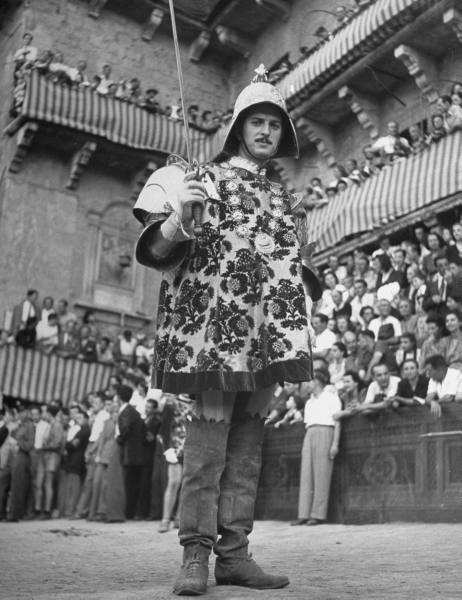
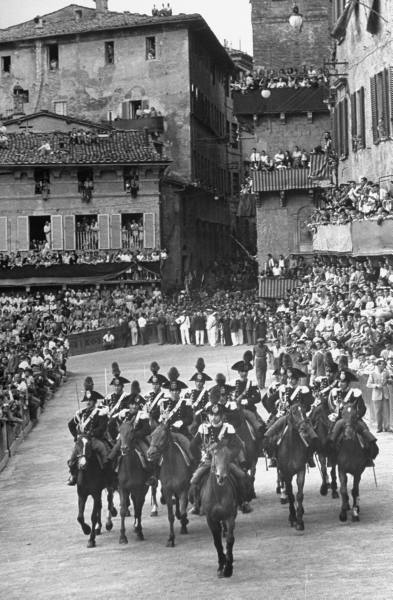
My latest Desired Destination is one of my favorite places in Tuscany: the tiny, medieval town of Siena. Approximately one hour south of Florence by car, Siena is noted for its sport, its fierce neighborhood loyalties, and its ancient history. The town is divided into seventeen contrade, or wards, each with distinct boundaries and identifiable symbols and animal mascots. While originally instated to provide military support and initially organized by trade, the contrade have evolved into extremely patriotic neighborhood associations: a resident of Siena will be baptized, married and eulogized, all within his or her contrade, and as you walk through the town, you’ll find the symbols prominently featured everywhere — as almost all contrade have declared rivals and allies, boundaries are very important. These rivalries reach a fever pitch during the Palio, a biannual horse race that has been run in Siena since the 14th century.
 The symbol of Siena:
 Romulus and Remus with the she-wolf
Actually, this is Senius and Aschius, sons of Remus. (Thanks to Simon for the correction!)

“Legend has it that the city was founded by Remus’ sons Senius and Aschius who stole the statue of the she-wolf from Apollo’s temple. Senius rode a black horse, Aschius a white steed. Those colours form the city’s heraldic colour scheme black and white while the city emblem is the same as Rome – the she-wolf and breast-feeding twins.” Via.
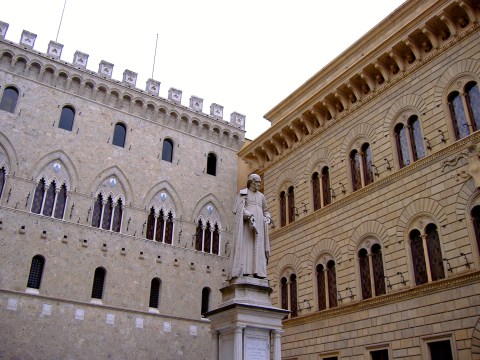 Palazzo Salimbeni, piazza Salimbeni.
Headquarters of the oldest bank in the world, Banca Monte dei Paschi di Siena,
which has been in operation since 1472.

 Piazza del Campo.

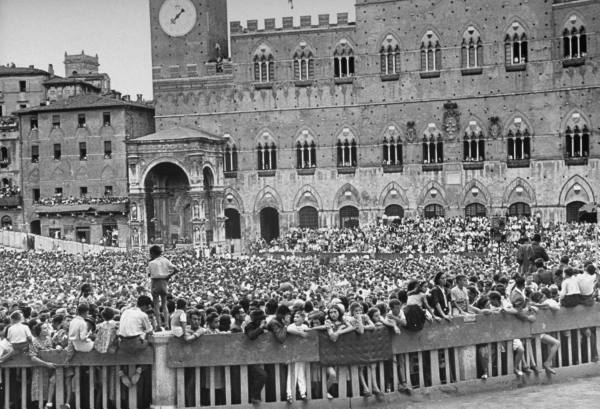
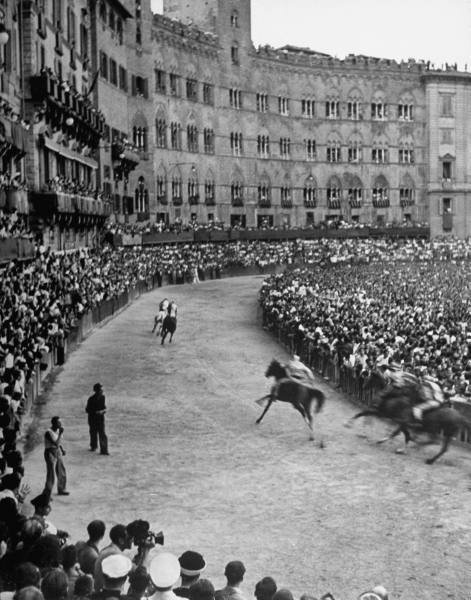
The Palio is run in Siena’s historic center, the Piazza del Campo. Spectators fill the Piazza to the brim, with wealthier spectators enjoying the view from balconies above. With layers of dirt packed over the stone, the horses and riders must complete three loops around the Piazza as fast as possible. Complicating matters are the Piazza’s sharp turns and the fact that the jockeys must ride bareback — injuries are frequent and it is not uncommon for horses to compete and win the race after discarding their graceless riders. At each race, ten contrade are represented, alliances are tested and rampant bribery is rumored, in this ultimate competition for bragging rights and glory that is much unchanged since it was first run in the 14th century.
 Spectators in the Piazza del Campo, 1947. Photos by Walter Sanders for LIFE.
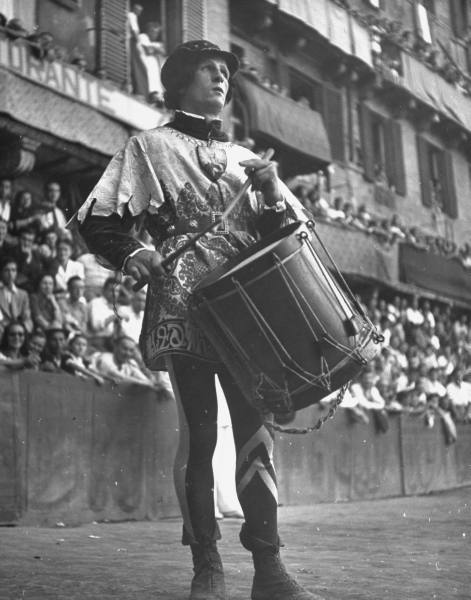


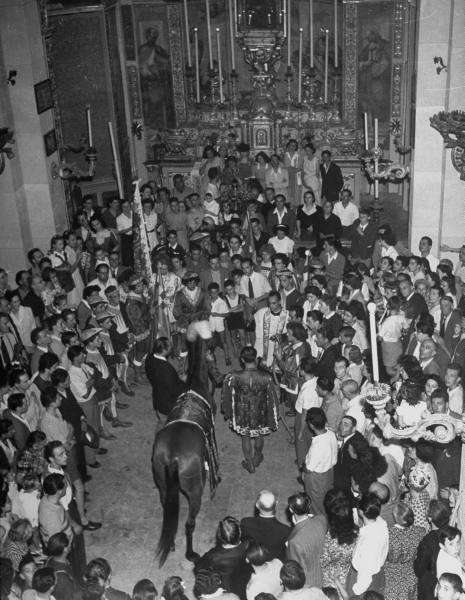 Each contrade brings their horse into their church for a pre-race blessing.

Horse racing not your thing? Fear not. Siena’s designation as a UNESCO World Heritage Site assures that there is something for almost everyone, especially if you like art and churches. There are the beautiful secular frescoes in the Palazzo Pubblico and the amazingly elaborate Duomo di Siena to see. However, if you prefer to simply wander about the old winding streets, I wouldn’t argue. And definitely bring home some of the beautiful and brightly painted ceramics Siena is known for — contrade specific, of course.
For accommodations, turn to Hotel Certosa di Maggiano. Originally a Carthusian monastery built in 1394, the property changed hands and fell into disrepair until it was purchased in 1969 and eventually converted by Anna Grossi Recordati into the luxury hotel it is today. Surrounded by six acres of countryside and boasting one of the best restaurants in the world, chef Paolo Lopriore’s Il Canto, the Hotel Certosa di Maggiano is a perfect escape from the hustle and bustle of Siena, conveniently located only one kilometer from the town.
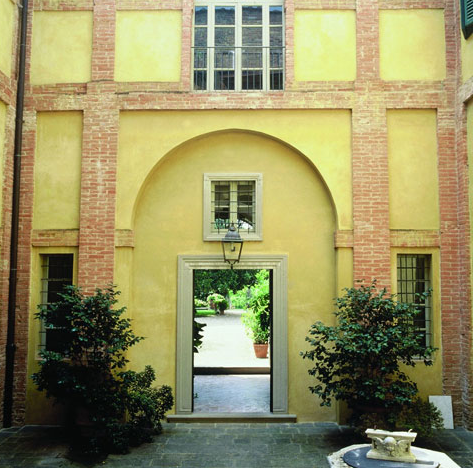
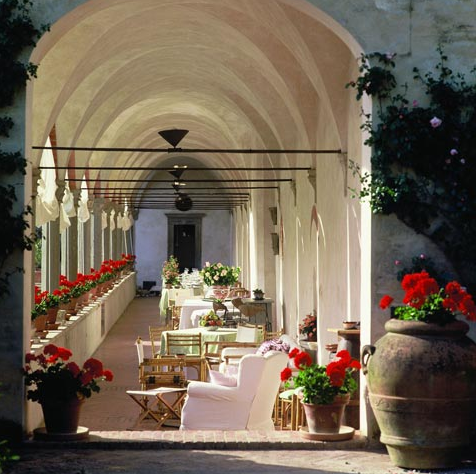
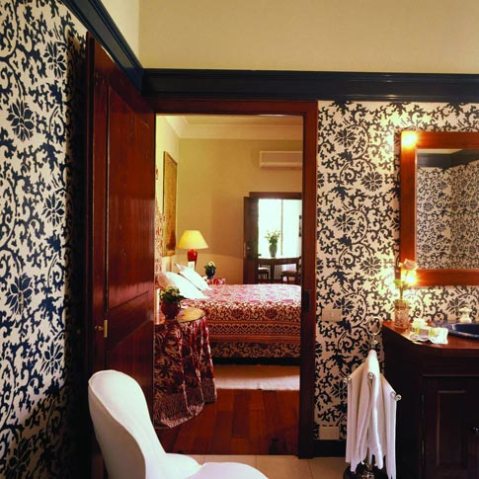 Images via Hotel Certosa di Maggiano.

Currently closed for the winter, this darling hotel is set to reopen on March 16.
Perhaps I should book a room for when Pitti rolls around again in June…
Strada di Certosa, 82
0577 288 180
The Ivy Coed {Jil Sander Pre-Fall 2012}
23/01/2012 § 2 Comments

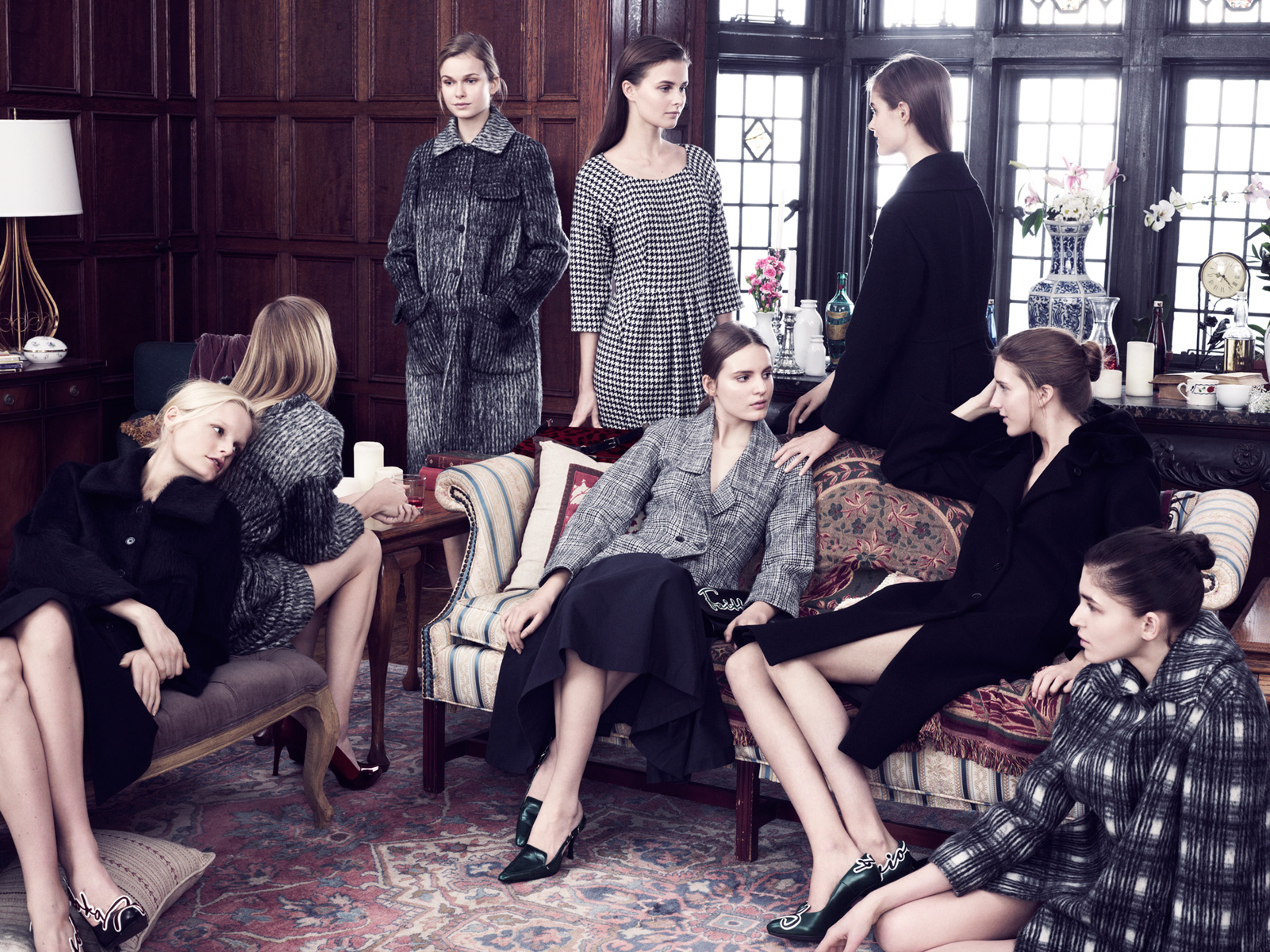
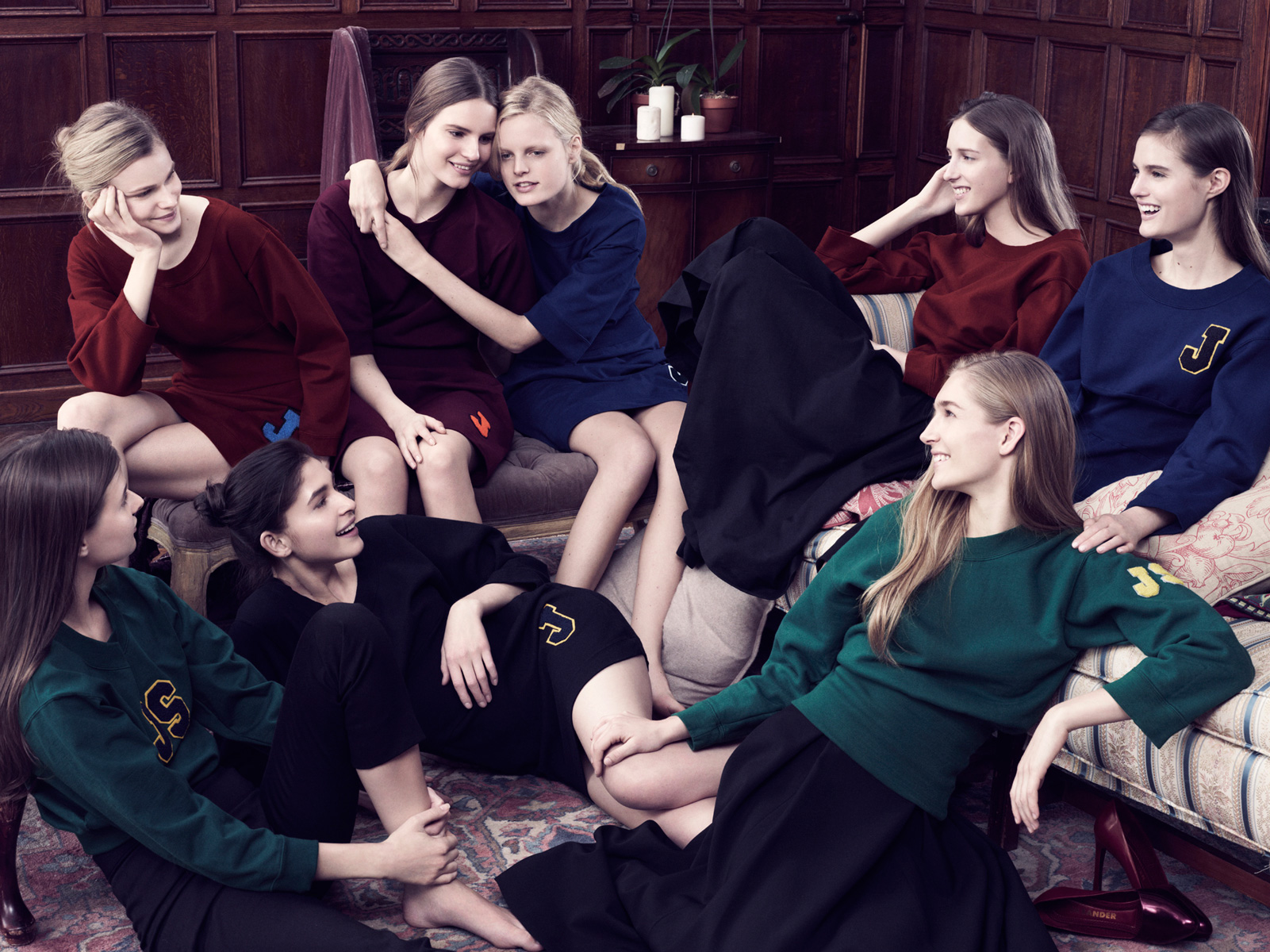
Taking design inspiration from the mid-century American college student isn’t particularly innovative these days. In fact, it can sometimes seem like designers are perennially stuck in those hallowed years between childhood and adulthood, where the most pressing matters of the day are studying for a midterm or rushing the right house. Particularly if said years are spent in one of the more storied institutions, such as the colleges of the Ivy League. This was perhaps most recently and significantly evidenced by the recent reissue and popularity of Teruyoshi Hayashida’s 1965 book Take Ivy, a collection photographs of Ivy style, and its appearance in bookstores and J.Crew stores alike.
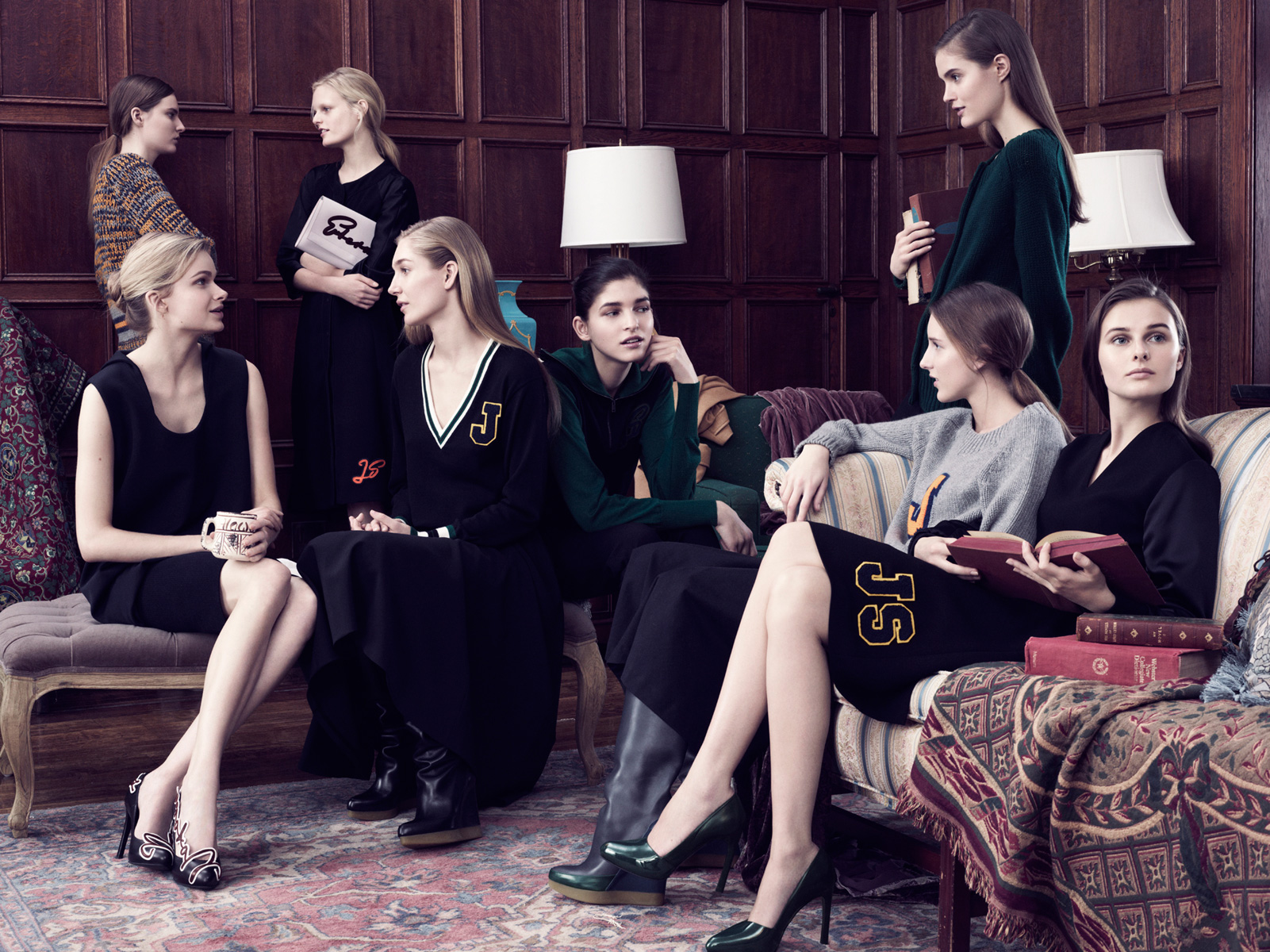
But here is where we shall take a step back, because we should note that the conversation above is truly about men and menswear (and perhaps menswear-influenced womenswear by extension). When was the last time we’ve seen the college coed honored, and not as a caricature — not as a girl in boy’s clothing — but truly female? Honestly, I cannot recall, sadly. Which is why the Jil Sander Pre-fall 2012 collection is so exciting to me.
For Jil Sander, designer Raf Simons has honored the collegiate woman. Not content to merely reproduce — the quagmire that menswear frequently finds itself mired in — Simons’s reinvention of familiar forms is refreshing and startlingly well-executed, especially in the case of outerwear. The presentation of the designs in a campaign that echoes Hayashida’s photographs, in group portraits that recall sororities and ladies’ clubs, is a stroke of genius and I couldn’t resist pulling up a few real ones. You know me.
 SMU sorority, taken by John Dominis, 1951.

 Alpha Kappa Alpha at Howard University, Washington, D.C.
Taken by Alfred Eisenstaedt, 1946.

 Vassar College.

 Bryn Mawr. Taken by Alfred Eisenstaedt , 1956.

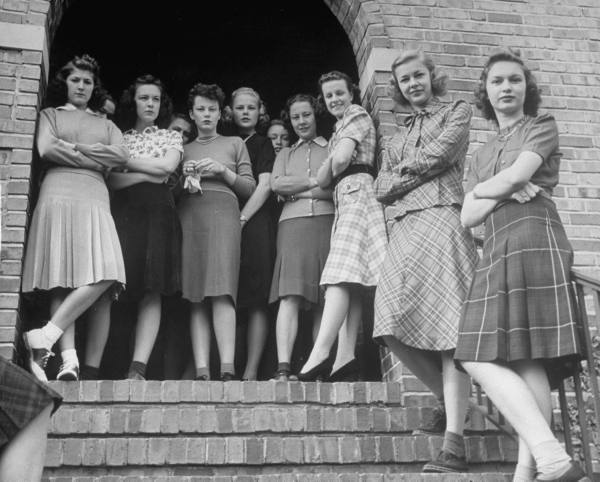 Kappa Kappa Gamma sorority at University of Kansas, Lawrence.
Taken by Alfred Eisenstaedt, 1939.

 Vassar College.


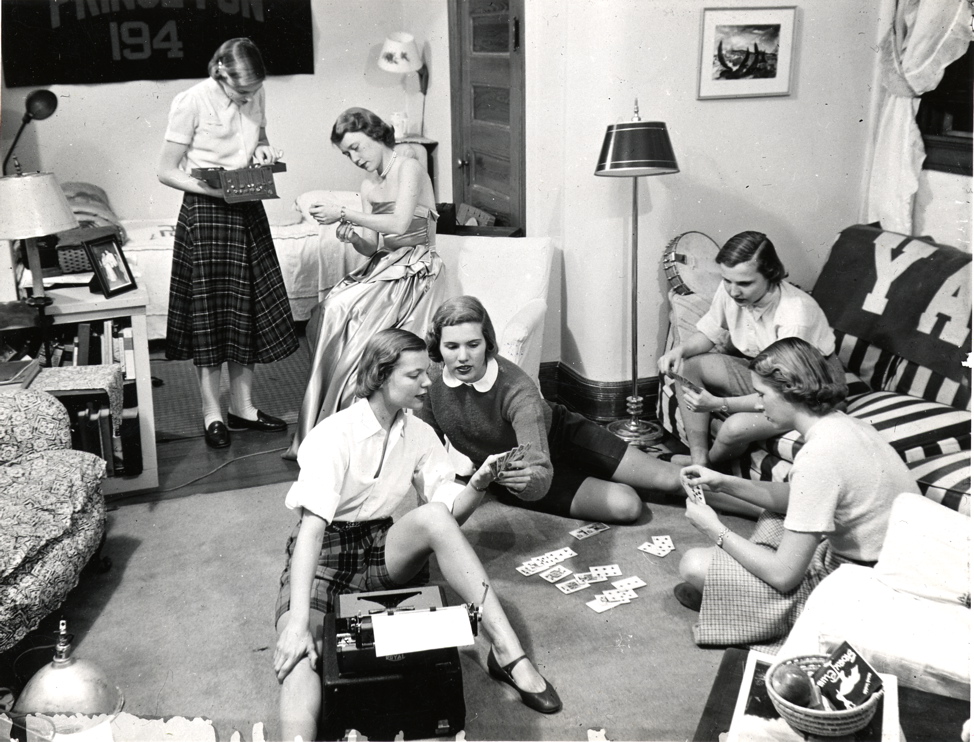 Vassar College.


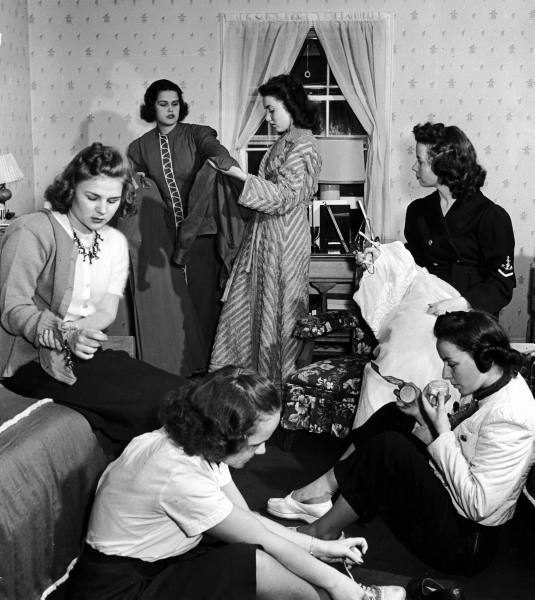 Kappa Alpha Theta Sorority, University of Kansas, Lawrence.
Taken by Alfred Eisenstaedt, 1939.
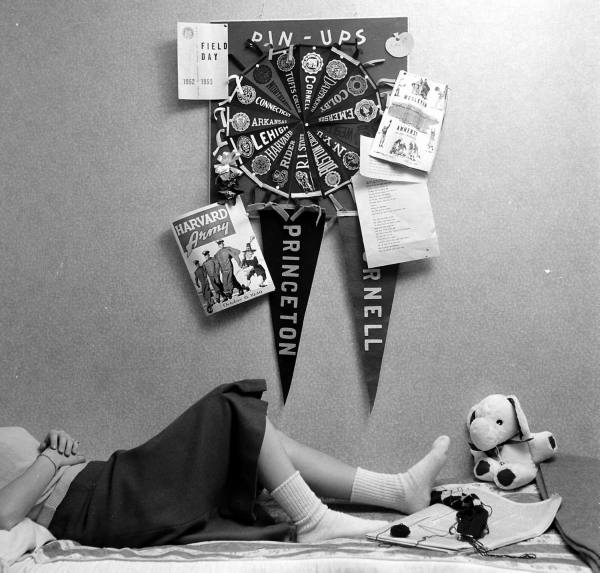 Wellesley College, taken by Nina Leen, 1949.
Images via Vogue, the Vassar Archives, and the LIFE Archives.
Style Icon: Anjelica Huston
16/01/2012 § 3 Comments
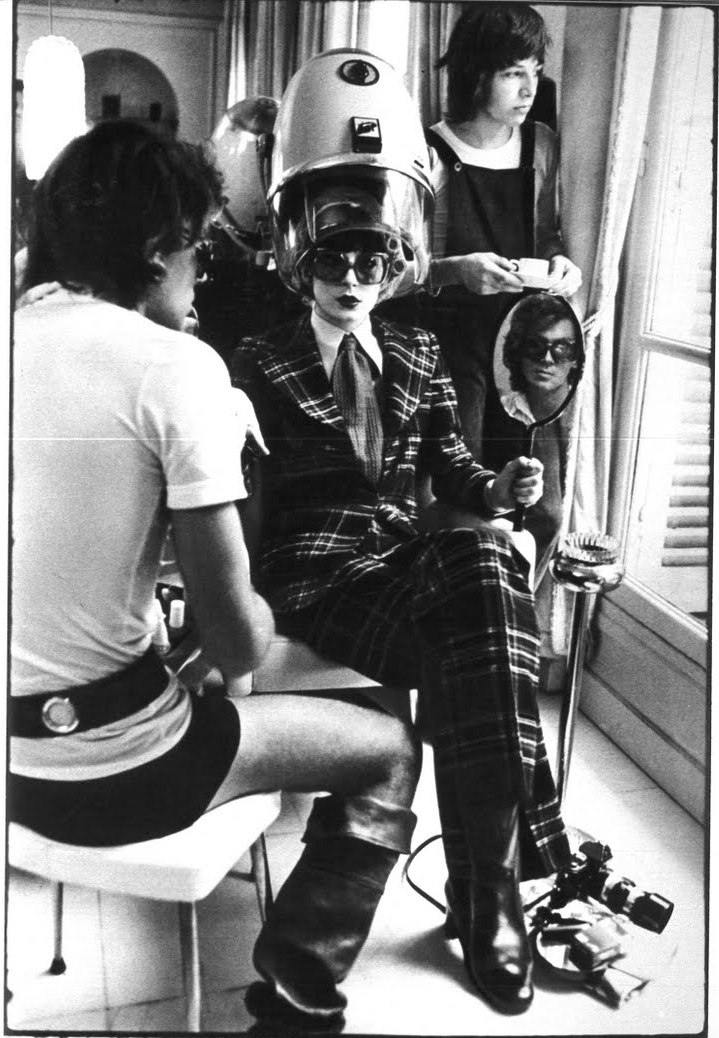 Spirit animal.
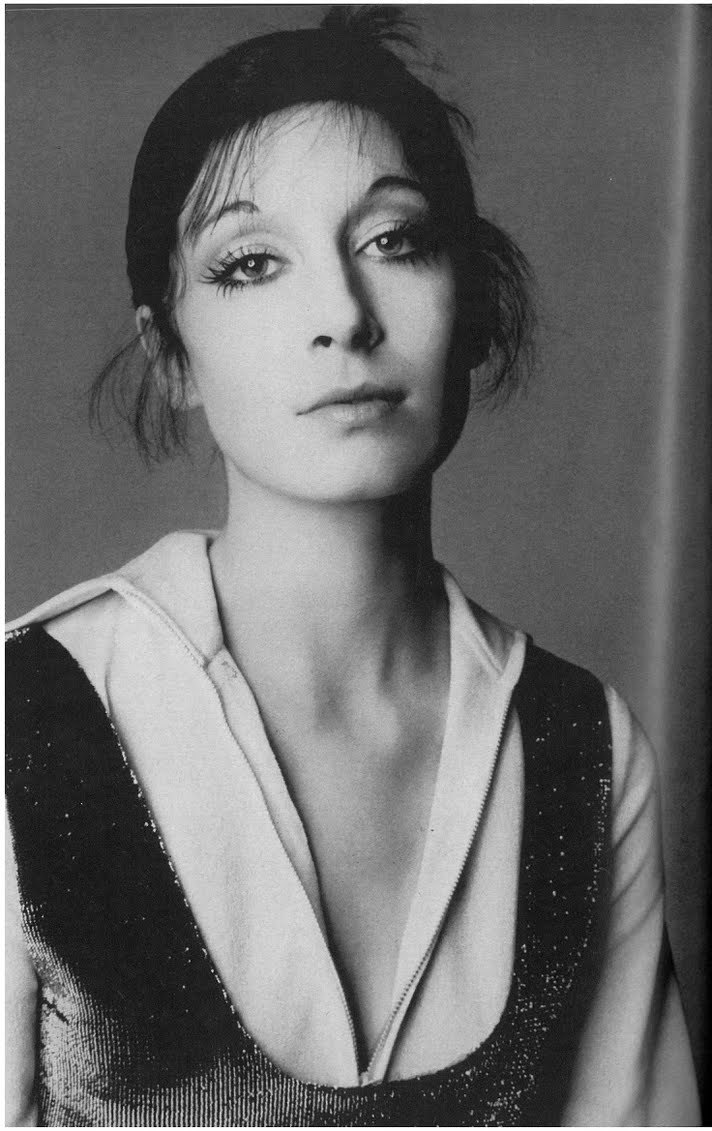
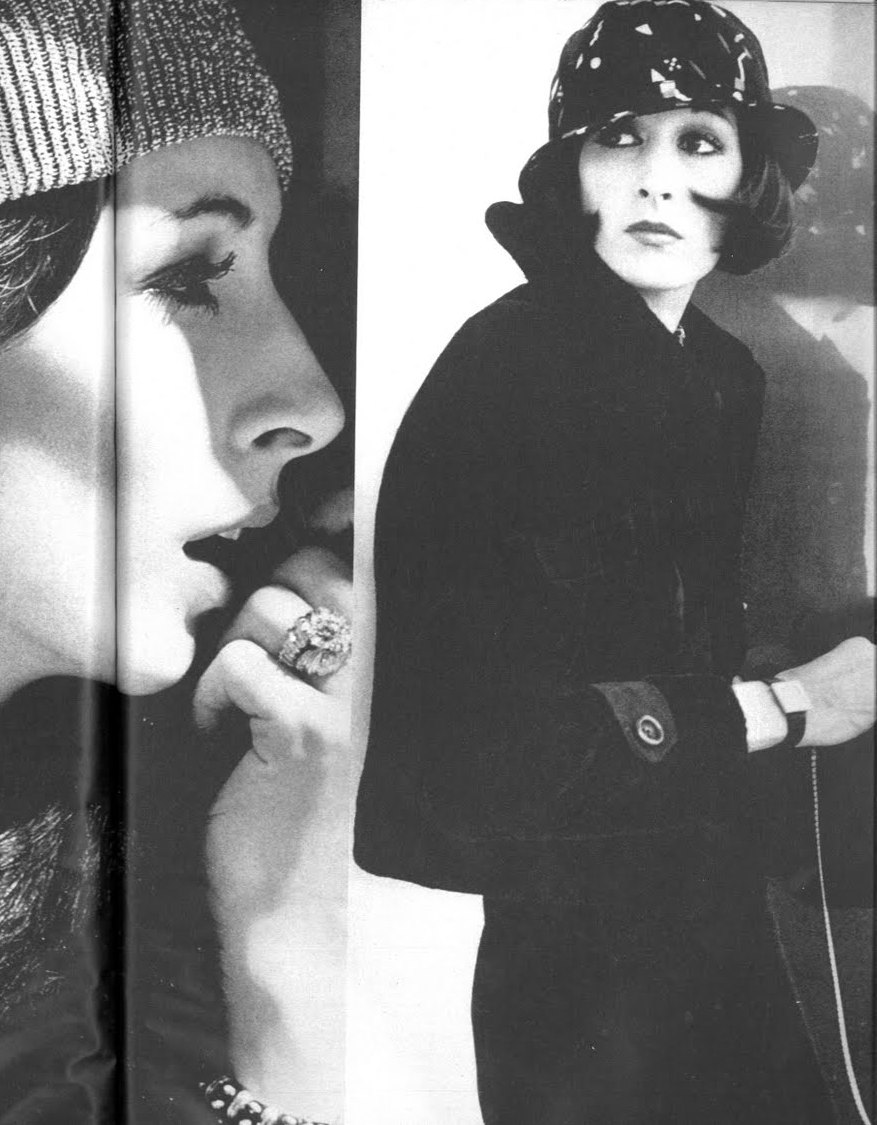
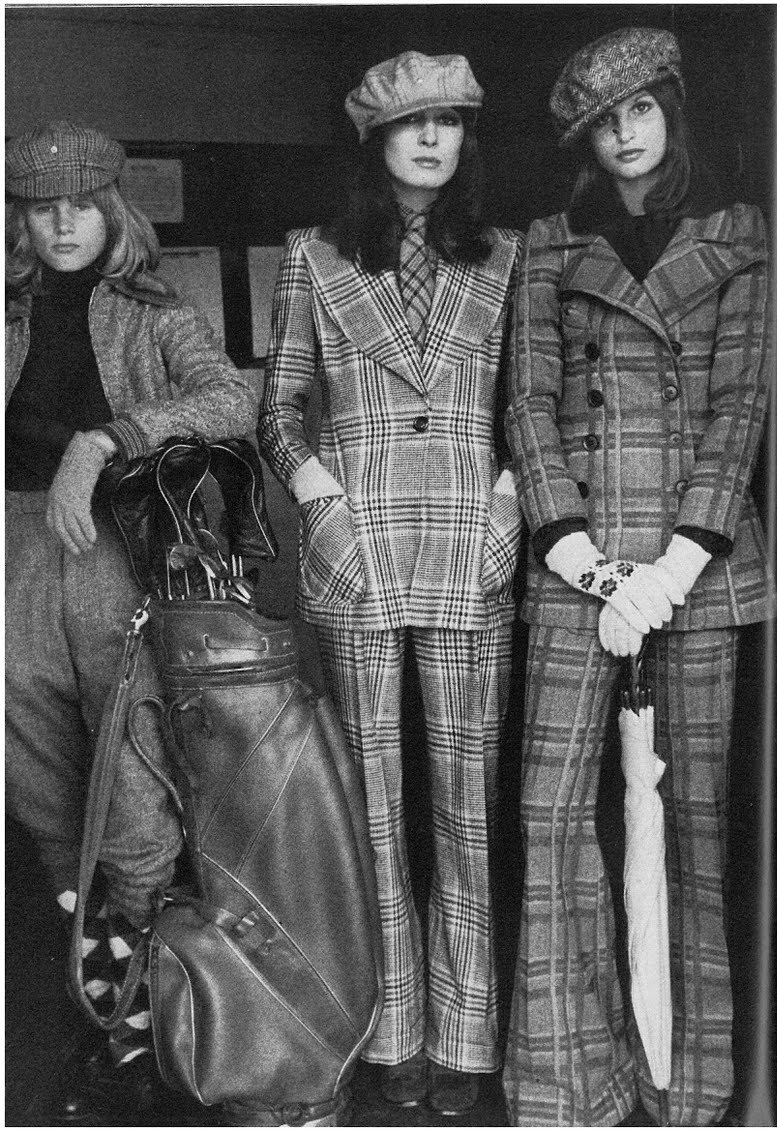
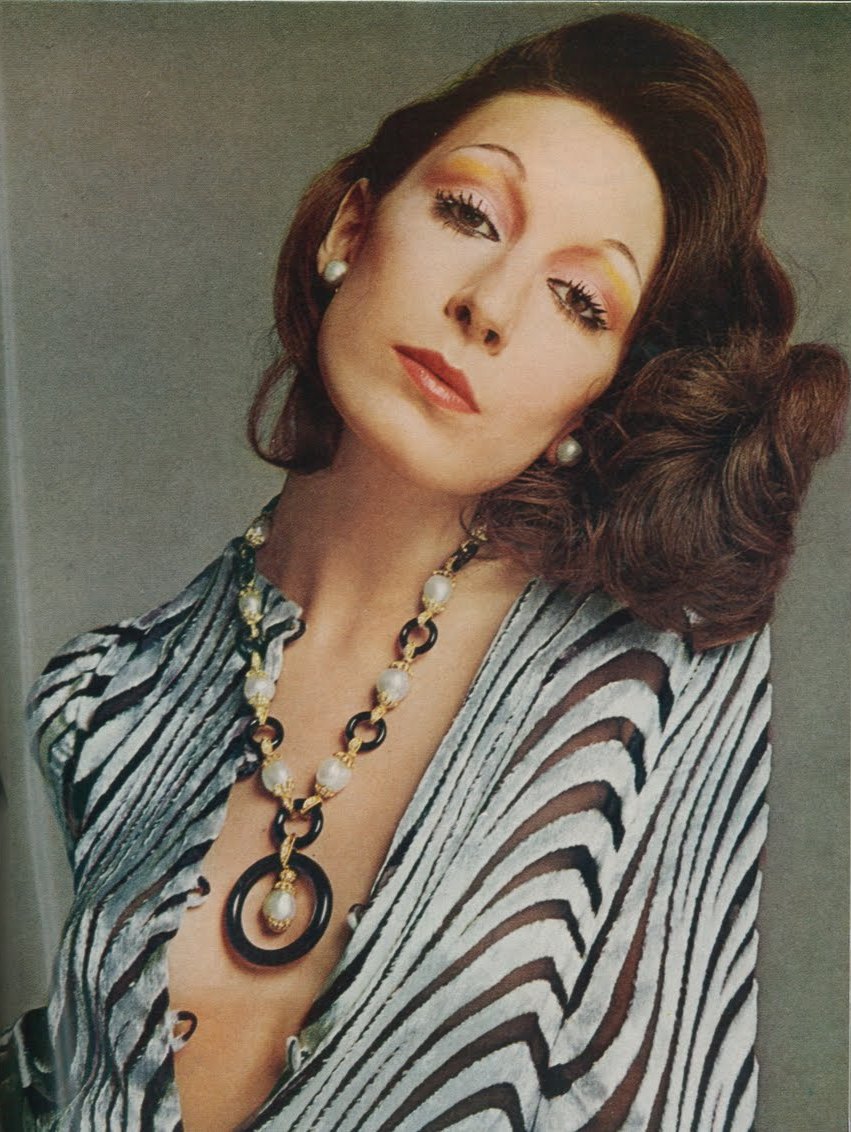
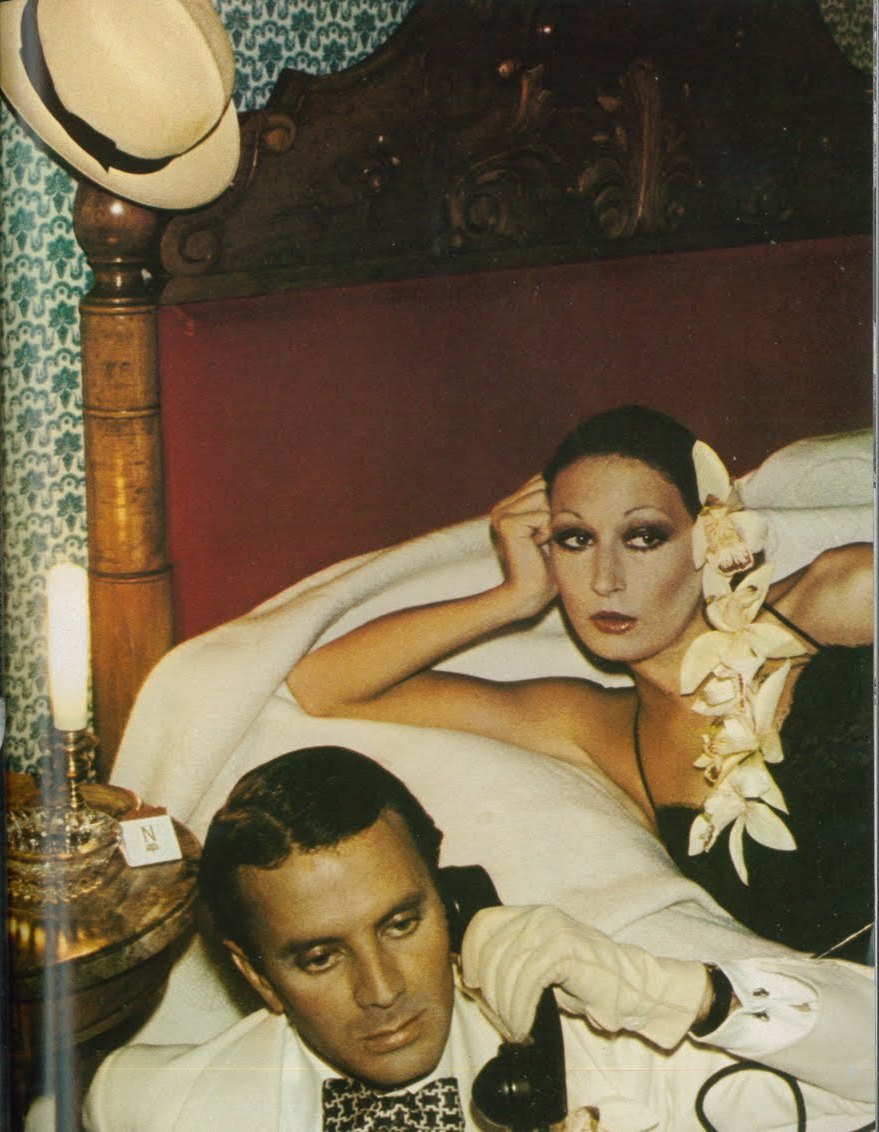
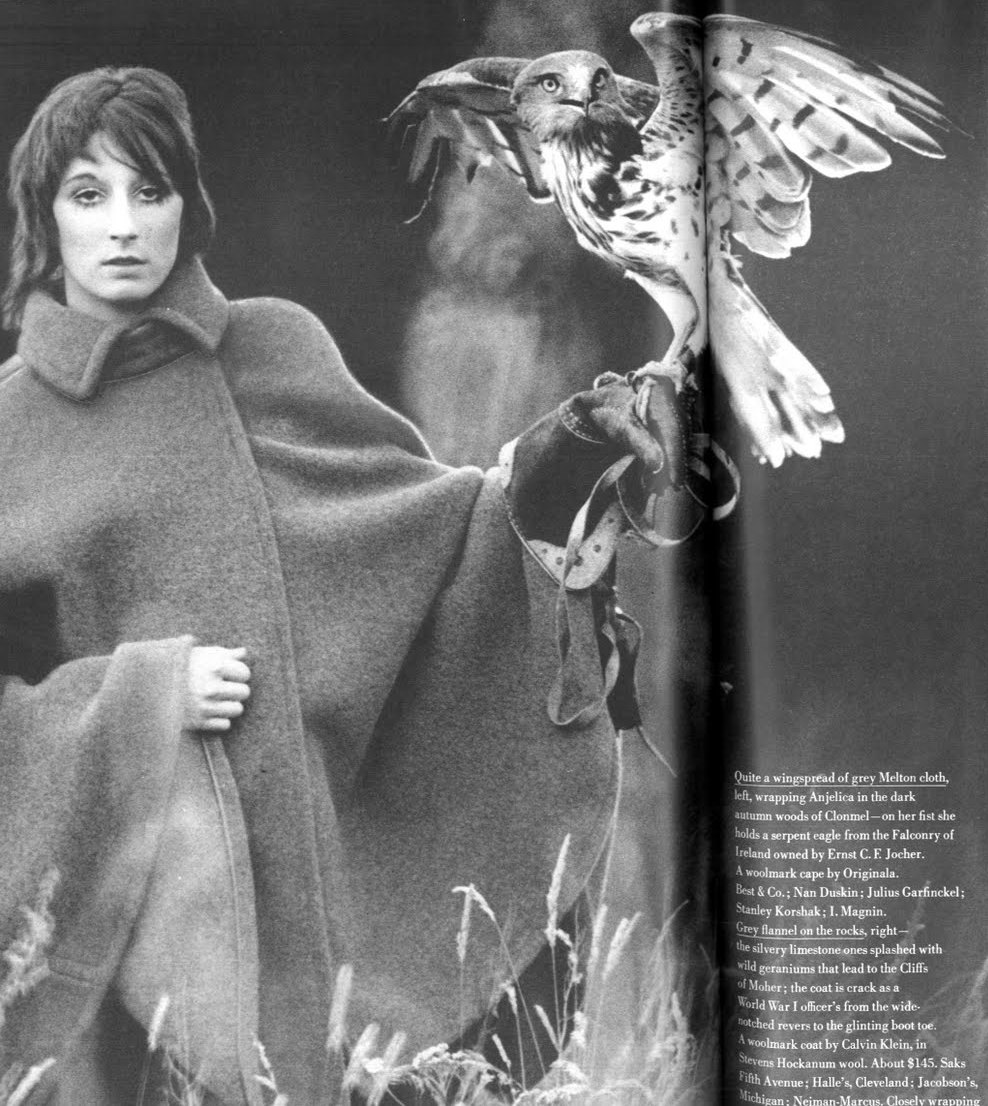
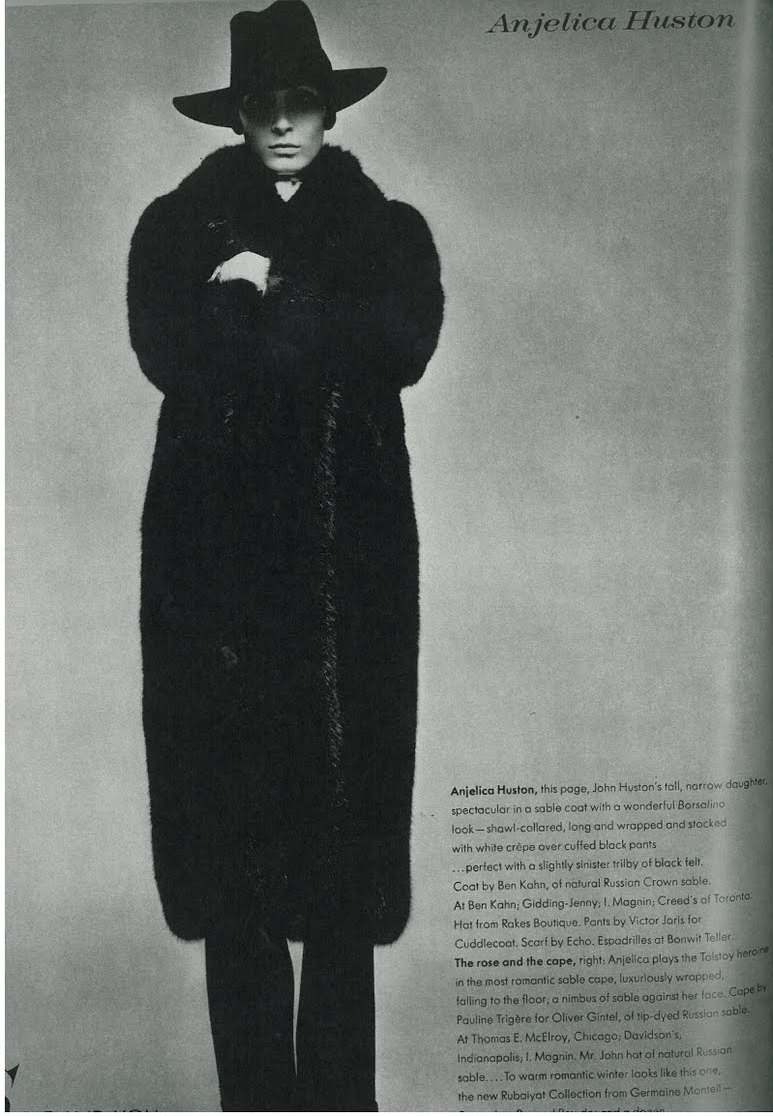
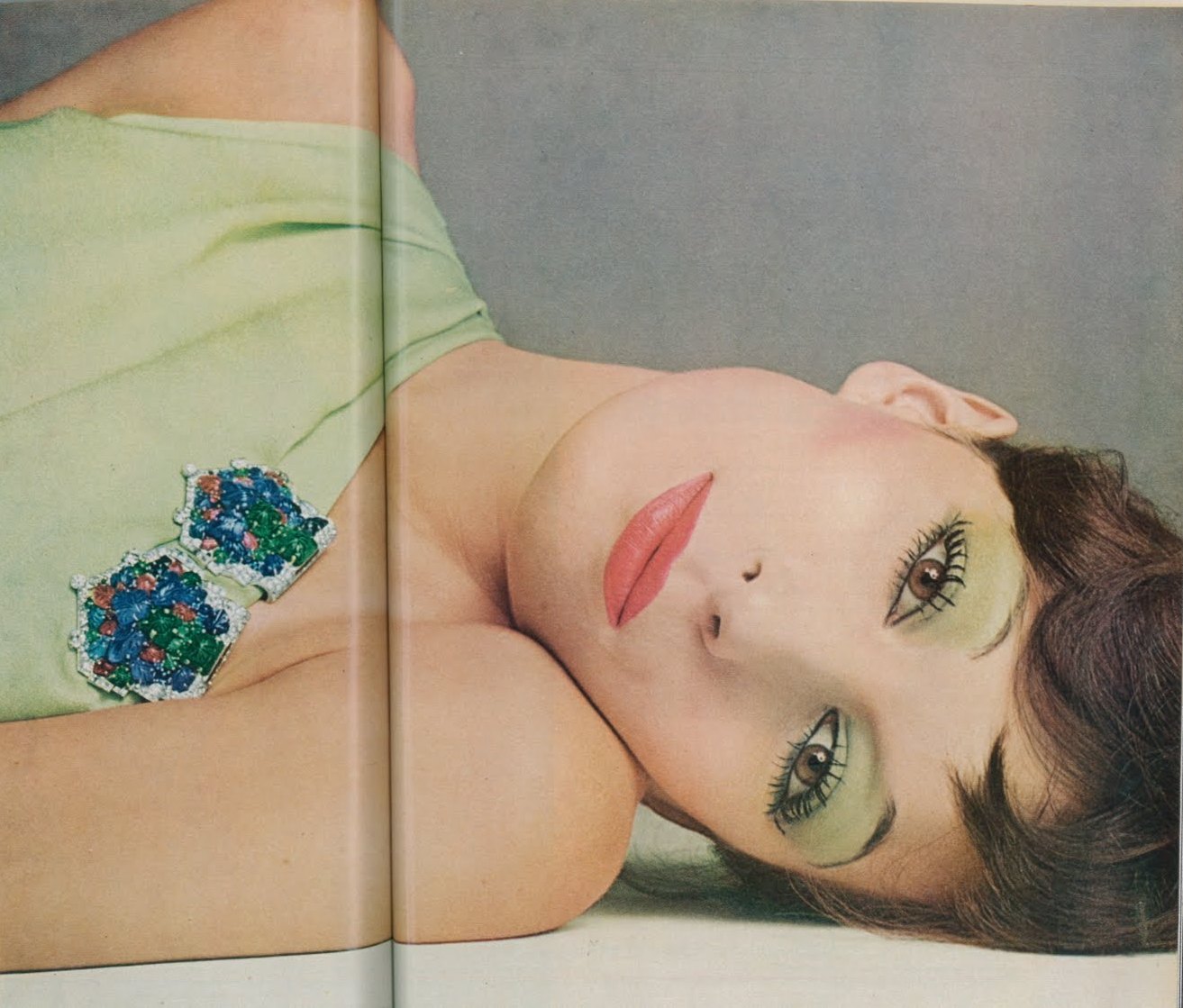
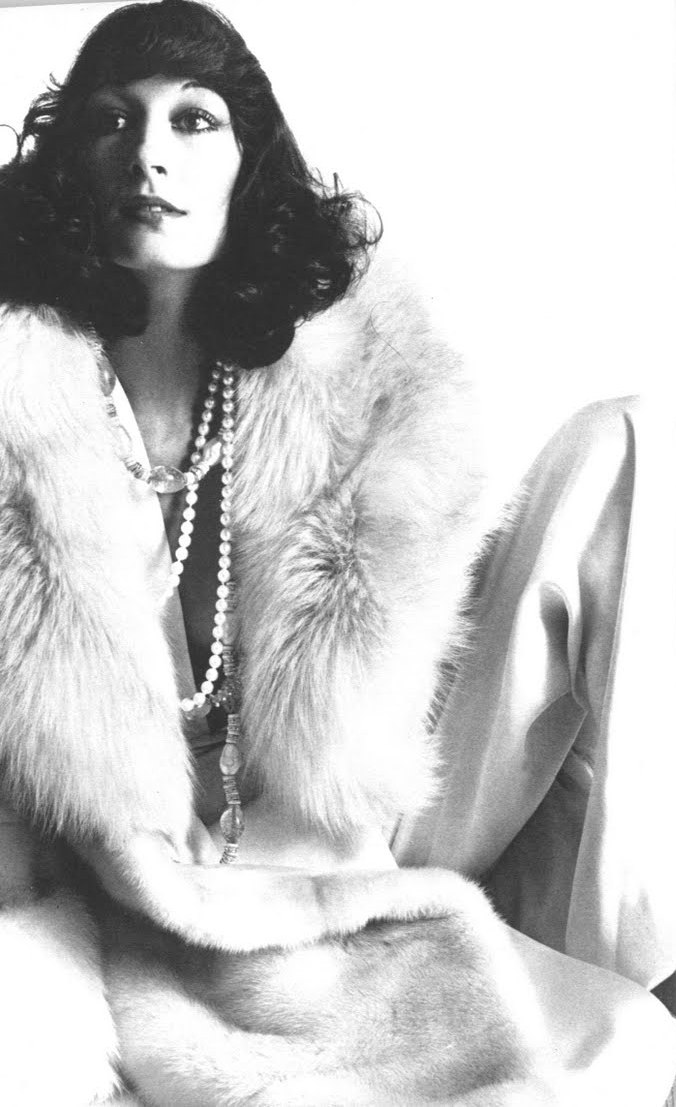
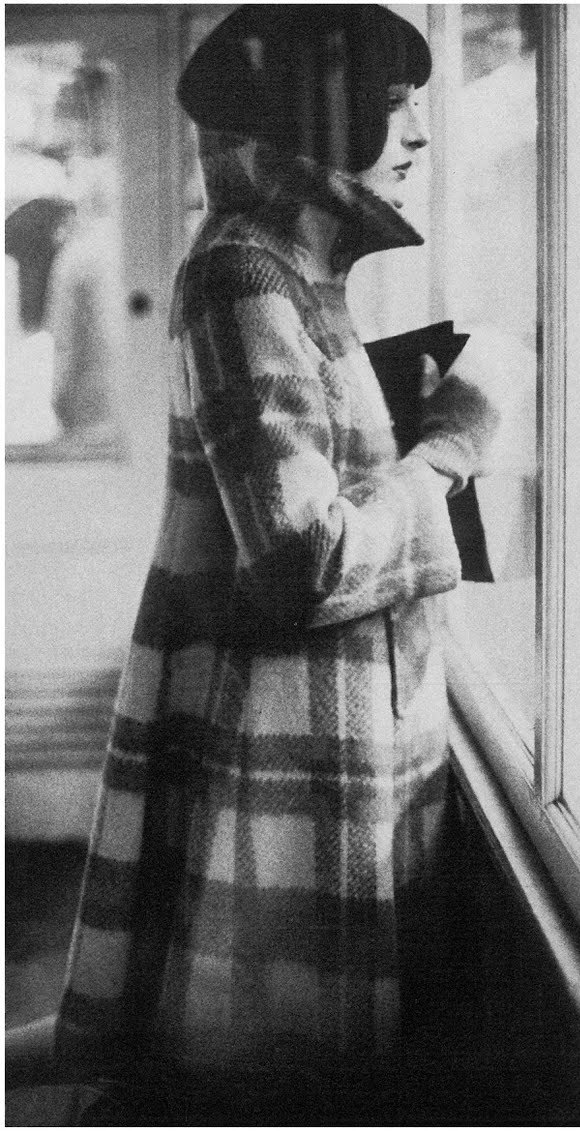
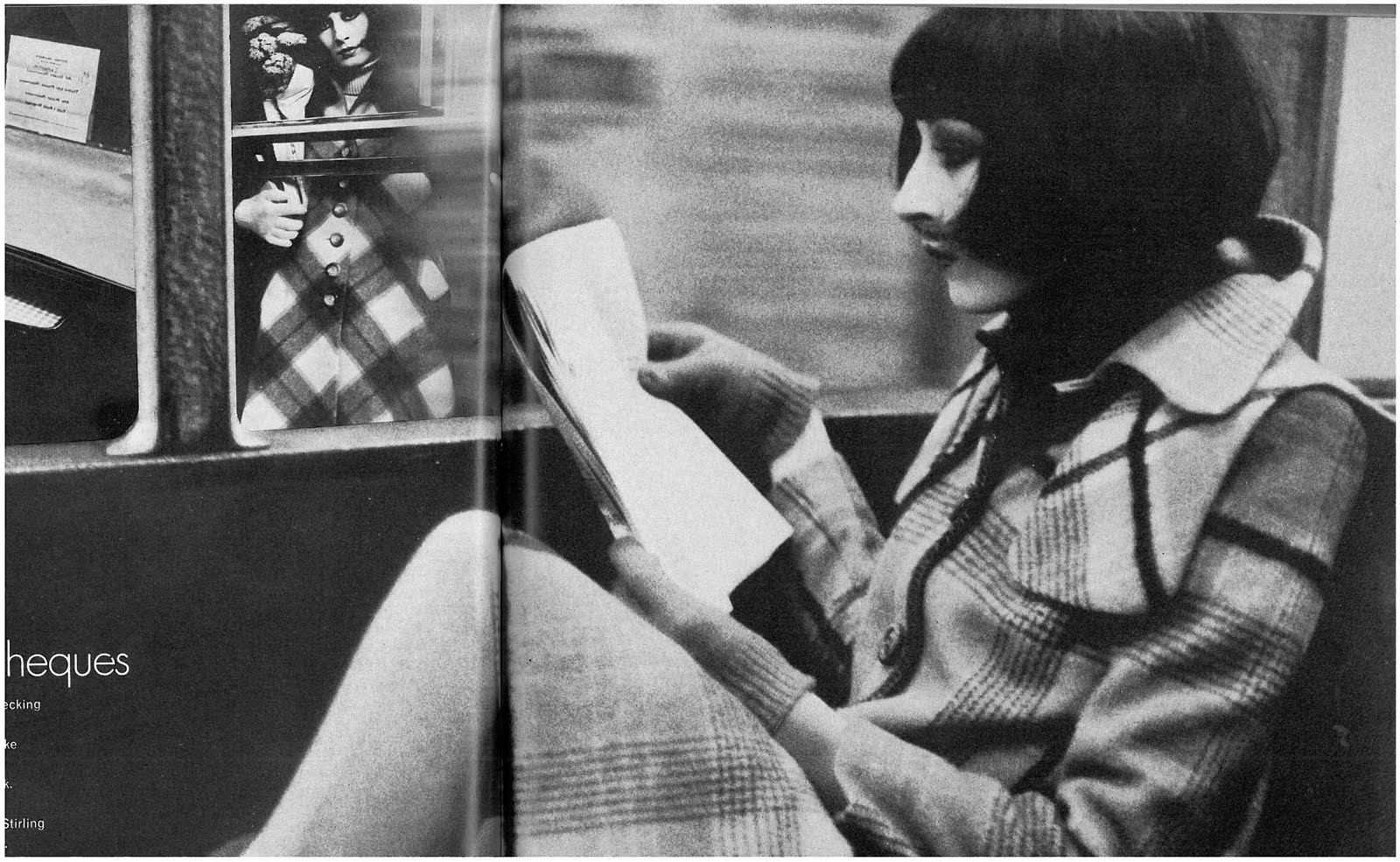
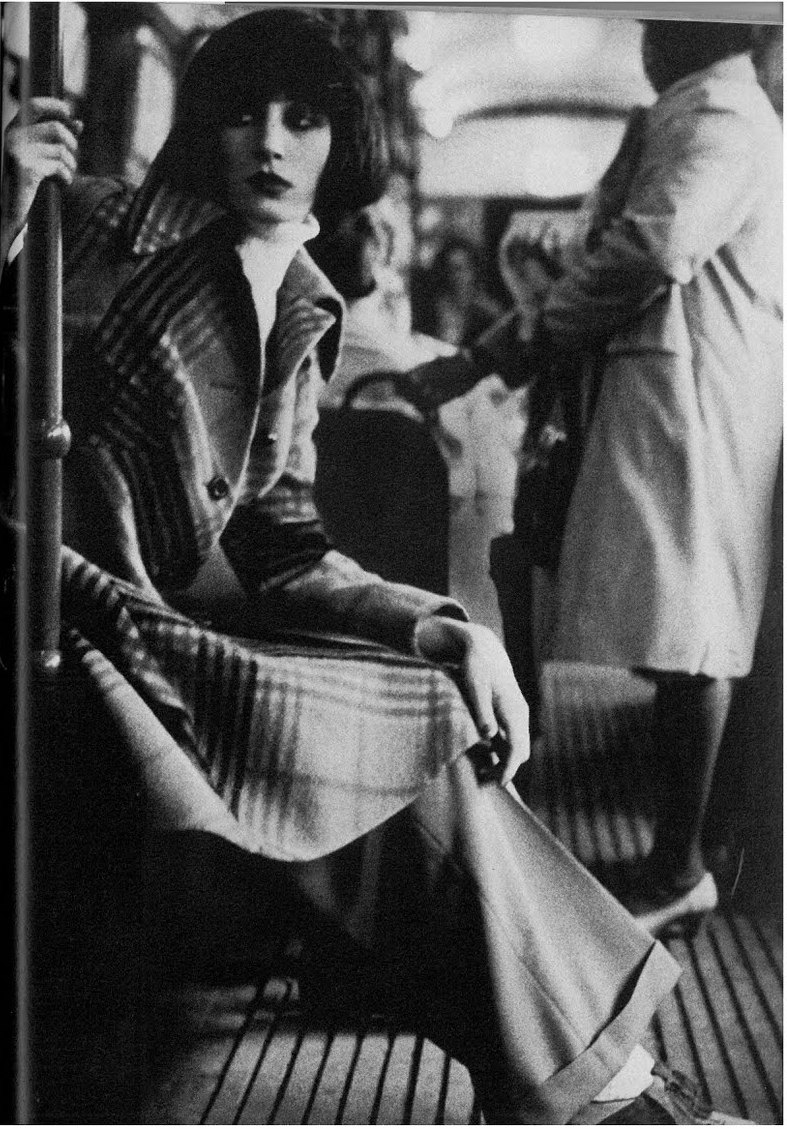
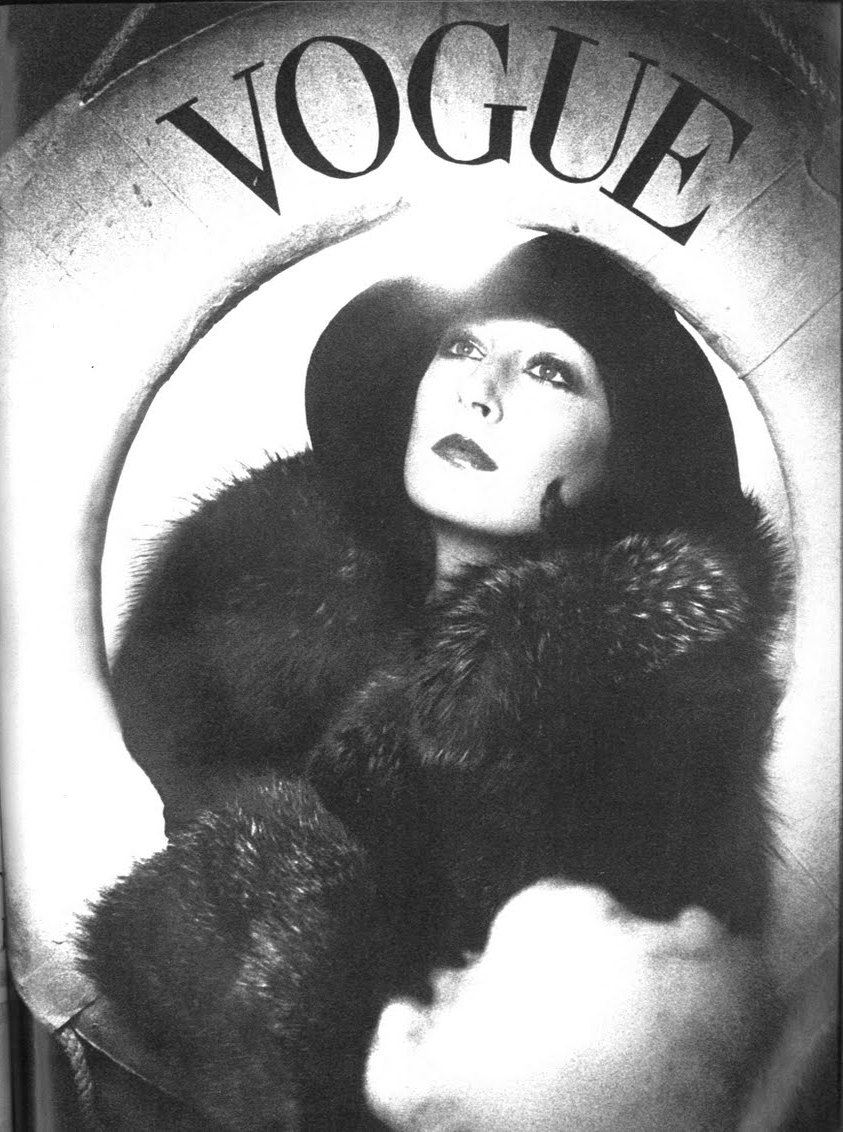
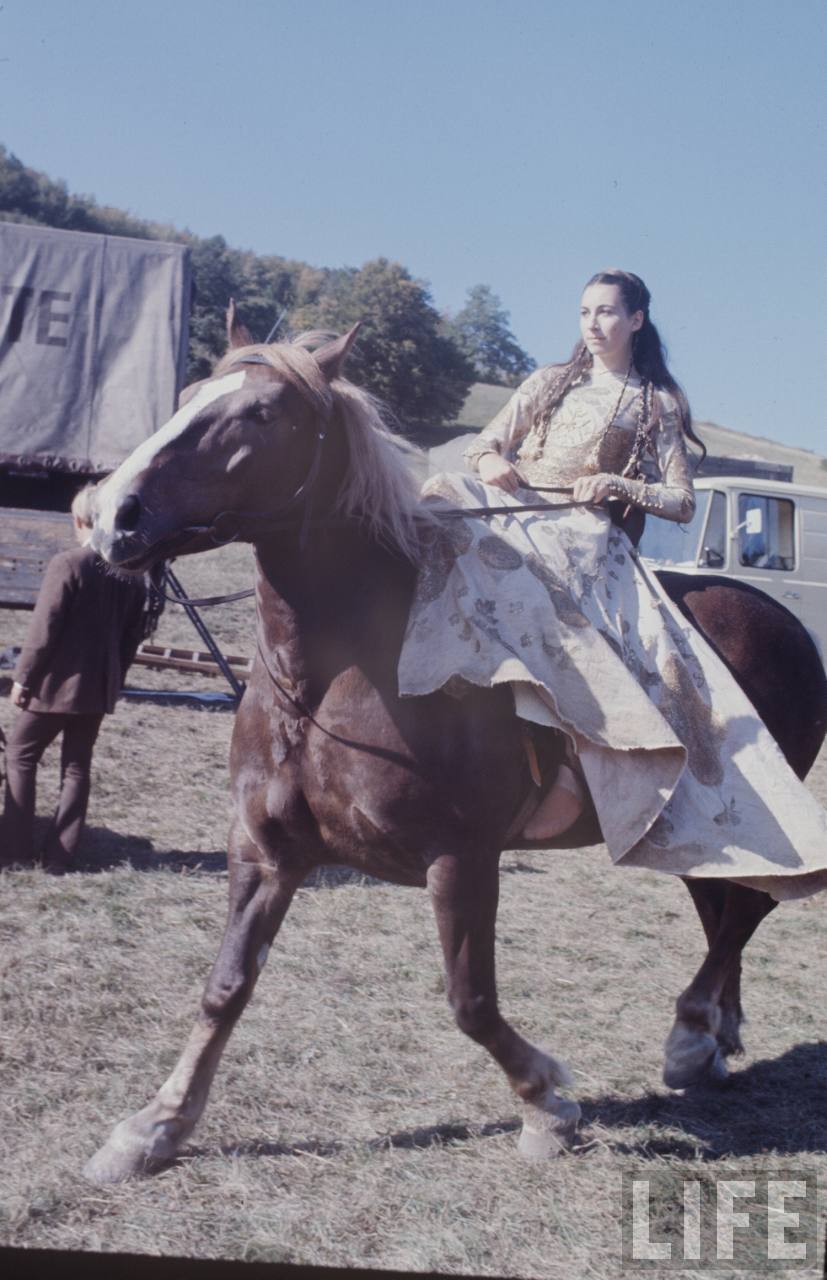
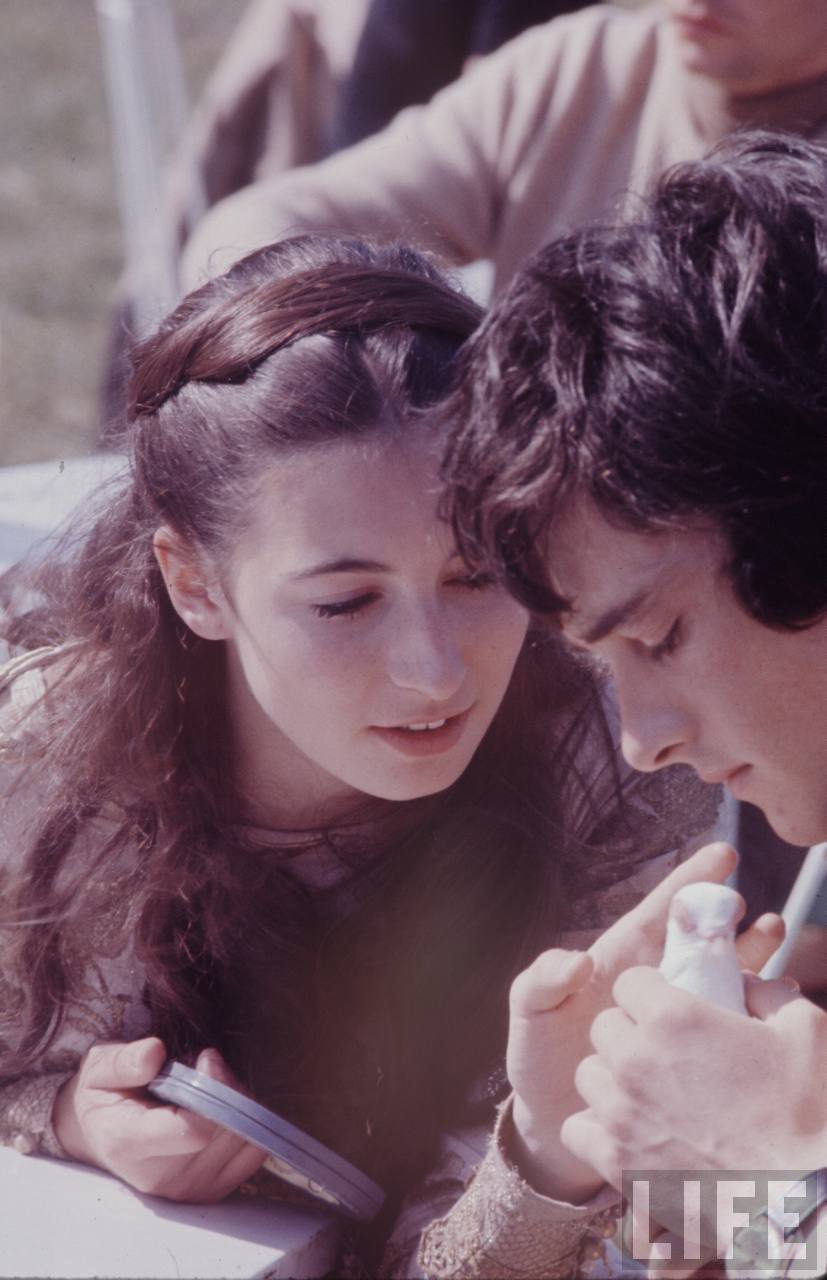
The number of girlcrushes that fondly claim the lovely Anjelica Huston must number in the majillions. I came to this realization after searching for images for this Style Icon post, and noticing the abundance of posts and the repetition of many well-loved photographs of Ms. Huston. So here, I’ve tried to offer a few new images to the mix, pulled mostly from her career as a model in Vogue via youthquakers and from a collection shot by Life Magazine on the set of her first film, A Walk with Love and Death, in 1969 (she’s 18 in the photos).
I have always loved the versatility and originality that Anjelica embodies. I love that she is a tall lady. That she is darkly handsome in a non-conventional manner. That she tends to make off-beat character choices. That she gets even more beautiful as she gets older. That she was involved with Jack Nicholson for over fifteen years. That she is a third generation Oscar winner. Ah, and her voice…
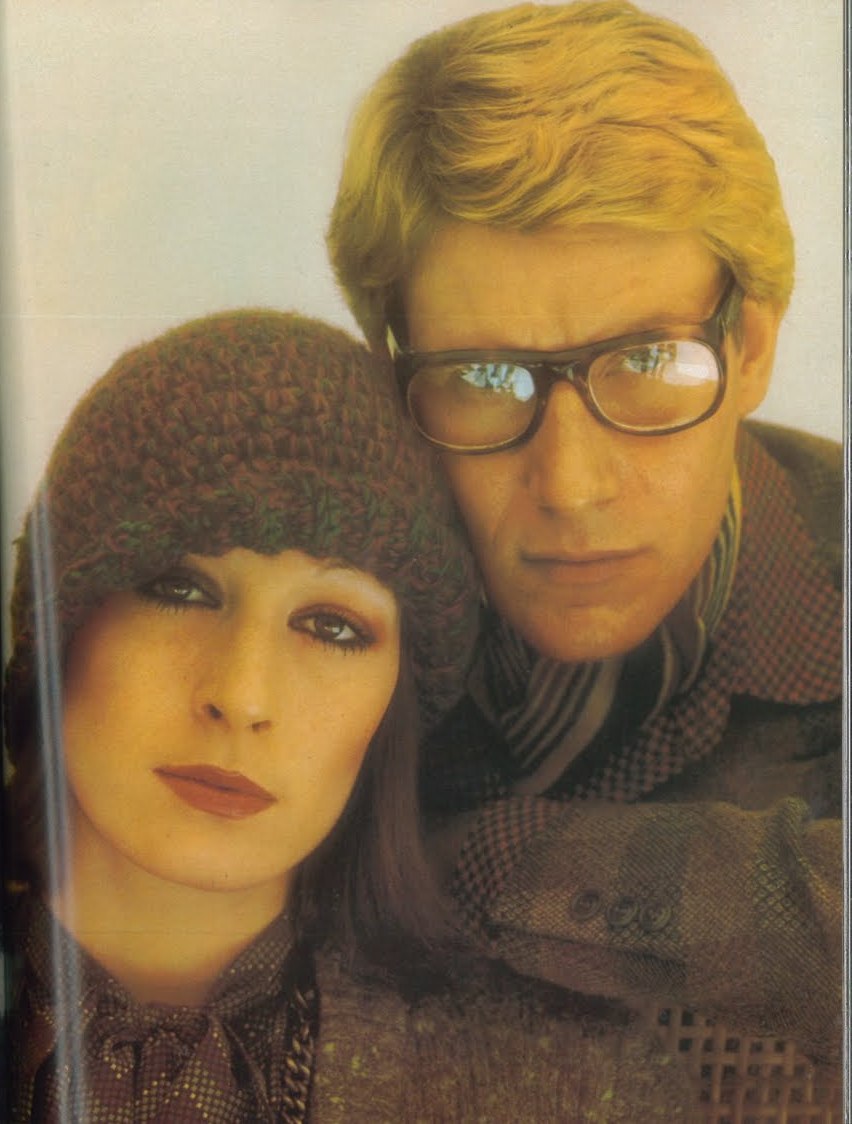



For further Anjelica love, check out Allison and Diana‘s posts.
You can also wander through the youthshakers archive.
 Quite Continental