Summer Storm
31/07/2012 § Leave a comment

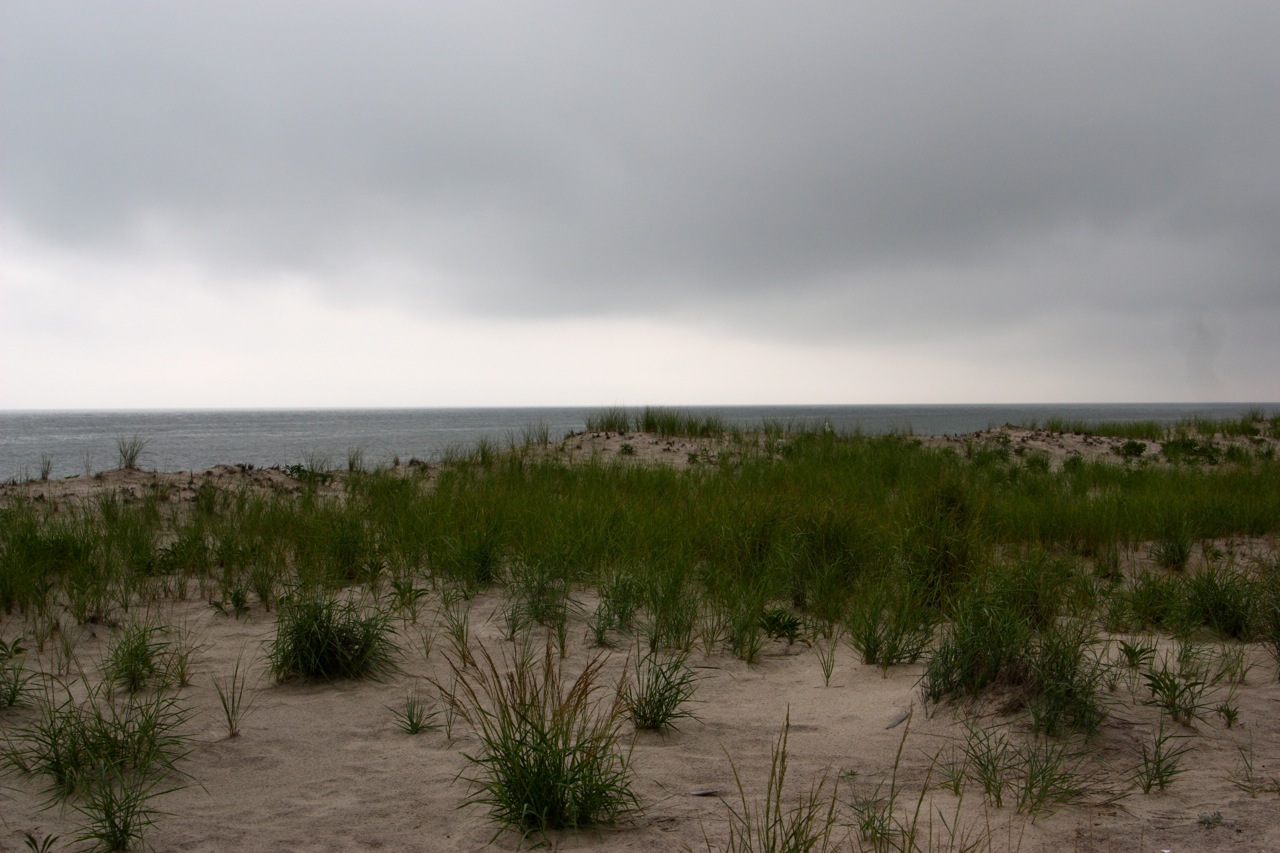
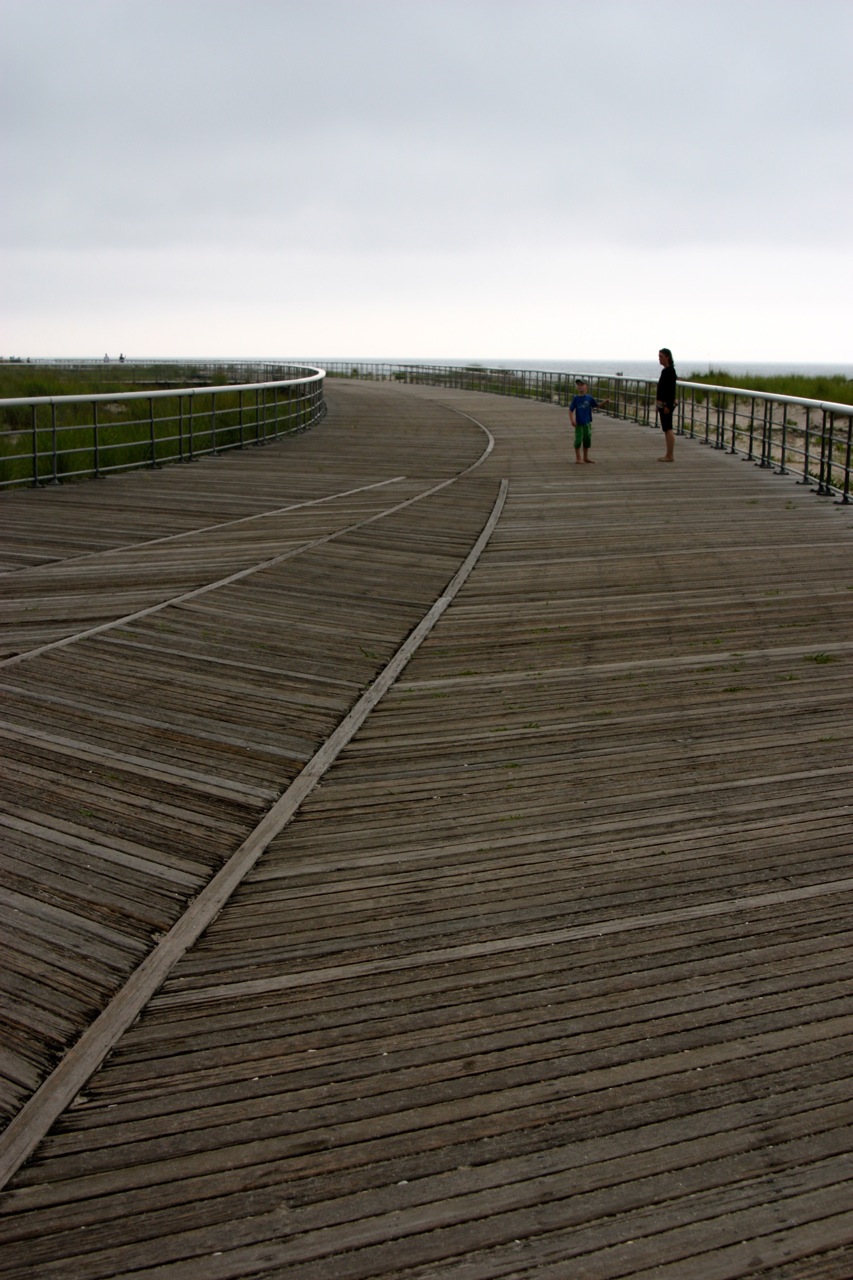
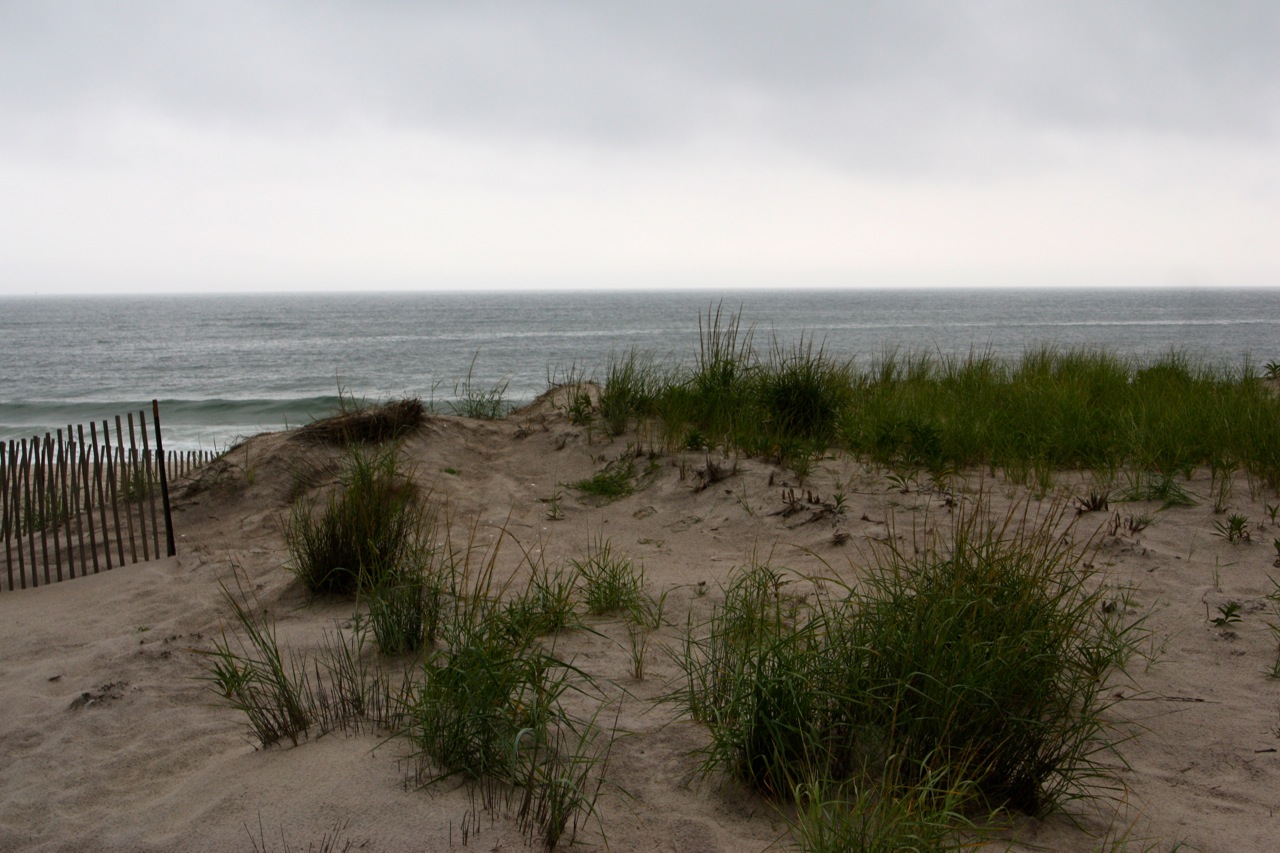
A few pictures from this Saturday past. While a terrific storm was promised, it didn’t manage to dissuade us from our plans to venture out to the beach. And while there wasn’t much sunlight to be had, Mother Nature did present us with some strong waves and beautiful — albeit foreboding — clouds. It was a beautiful, foggy beach day, and by the time the sky opened up, we were safe and sound and already on our way home. A perfect day.






Daughter of a Deb
25/07/2012 § 1 Comment

The idea that girls require guidance and education in order to become women — scratch that, to become proper ladies — is the foundation of charm school. You might recall we discussed this concept in February. I talked about how I saw value in the model, girls and women coming together in the name of self-education and improvement, but I disagree with the emphasis most of these institutions placed on being pretty, perfect baking skills or being a good wife. To hell with all that. And so, that’s why I created the Quite Continental Charm School, a modern guide for modern women to create their most charming life.
And while I might have turned the concept of charm school on its head for my own purposes, I still remain fascinated by all the traditions that prepare and commemorate a girl’s transformation into a woman, like the Bat Mitzvah or the Quinceañera. Growing up, I was none too interested in all of that Sweet Sixteen stuff, but I wasn’t able to completely escape the allure of the tradition. Perhaps it’s because I am actually the daughter of a “deb.”
What’s a deb? Historically, American debutantes were girls who had reached the age of maturity and were newly eligible to be married. As part of a formal — and usually quite lavish — ceremony the girls were presented to polite society (read: upper class) either singly or as part of a group, usually wearing some kind of fancy white ballgown. Fast forwarding a few generations, the deb of my mother’s generation wasn’t primarily intent on catching a husband. Her attentions were instead focused on making an excellent impression in her social circle (on her own behalf, as well as for her family), finding the perfect escort and wearing an amazing dress. While traditions do vary regionally, most debutantes also perform some sort of charity work as part of the process as well.
So, as we might have discussed already, my mother was quite the social butterfly growing up. When I was a young resident of Awkwardsville, living at the intersection of Braces Street and Glasses Avenue, I would often look at the pictures of my mom at one of the many photos of her at a prom or formal — from their sheer number, it would seem like that was all she did in high school — but it was the pictures of her at her cotillion, in that shining white dress, that would always stand out from all the others. What I felt is hard to describe, but I loved them without having any desire to be a deb. I left that to my sister, who seemed to enjoy it. Naturally, to her cotillion I wore a black, backless gown and painted my nails with Chanel’s Vamp. Naturally.
So for a change, I asked my mom to talk a little about what it was like when she was a deb, to hear the story behind the pictures I love so much (which I promise to scan sometime soon):
“The debutante thing was very different in 1965. You had to be invited to participate, and that produced a group of about 35. In the spring we waited with baited breath to see if we were chosen. Selection was based on family, character, and social standing. I was afraid I wouldn’t be chosen because your grandparents were not in the “in” social scene. But we were buddies with Alicia’s family (they were); and Alicia and I were best buds (but she had to drop out because she came down with mono). I was a little younger than the rest of the debs (required age was 17 of a HS senior), but it was the crowd I hung out with (I was 16 and a junior). Announcements were made and the formal tea was held; we wore hats and gloves and our best dresses to tea. In the countdown to Thanksgiving weekend, we were required to attend etiquette classes, We were also required to do a set amount of volunteer hours. I was assigned to the Neuro-Psychiatric Institute at UCLA (NPI). It was interesting. I had to wear a candystriper-type uniform (like a pinafore). I got to see the lab monkeys in their cages (that part was sad). Then weekly rehearsals began around mid-Sept. Mrs. Poole started us of with the waltz and curtsey. After we had that down, they brought in the dads, and then the escorts. The ball was held at the Ambassador Hotel in the Embassy Ballroom (where RFK was assassinated 3 years later). I had a room upstairs where I dressed and some parents hung out after hours. We had an all-night party as a group somewhere else.”
My mother’s debut was organized by the Los Angeles chapter of The Links, an international, non-profit volunteer service organization of women committed to enriching, sustaining and ensuring the culture and economic survival of African Americans and other persons of African ancestry. This year marks the 60th anniversary of the Link’s ball; the first was held at Ciro’s, a famous nightclub on the Sunset Strip, because hotel ballrooms were not available for minority social events in Los Angeles in 1952. So you can imagine how happy I was, finding these pictures in the Life Archives. While these debutantes in 1950 are 15 years earlier than my mother’s era, and a good fifty years earlier than my sister’s, there are constants: the puffy white dresses, the elbow-length gloves, the proud parents, the nervous escorts, the pomp and the circumstance.
The photos, shot by Cornell Capa for Life Magazine, capture Harlem’s very first large-scale “negro debutante cotillion,” organized by Mrs. Lillian Sharpe Hunter, a prominent social-event promoter. If you would like to read the article — and there’s a great shot of the Rockland Palace Ballroom where all 52 girls debuted in front of an audience of 4,700 that you must see! — you can find it here.
(Above, L-R) Debutantes Joan Greene, Carole Mc Kenzie, Marian Romain,
Lois Mc Laughlin and Marcia Miller posing in their dresses.
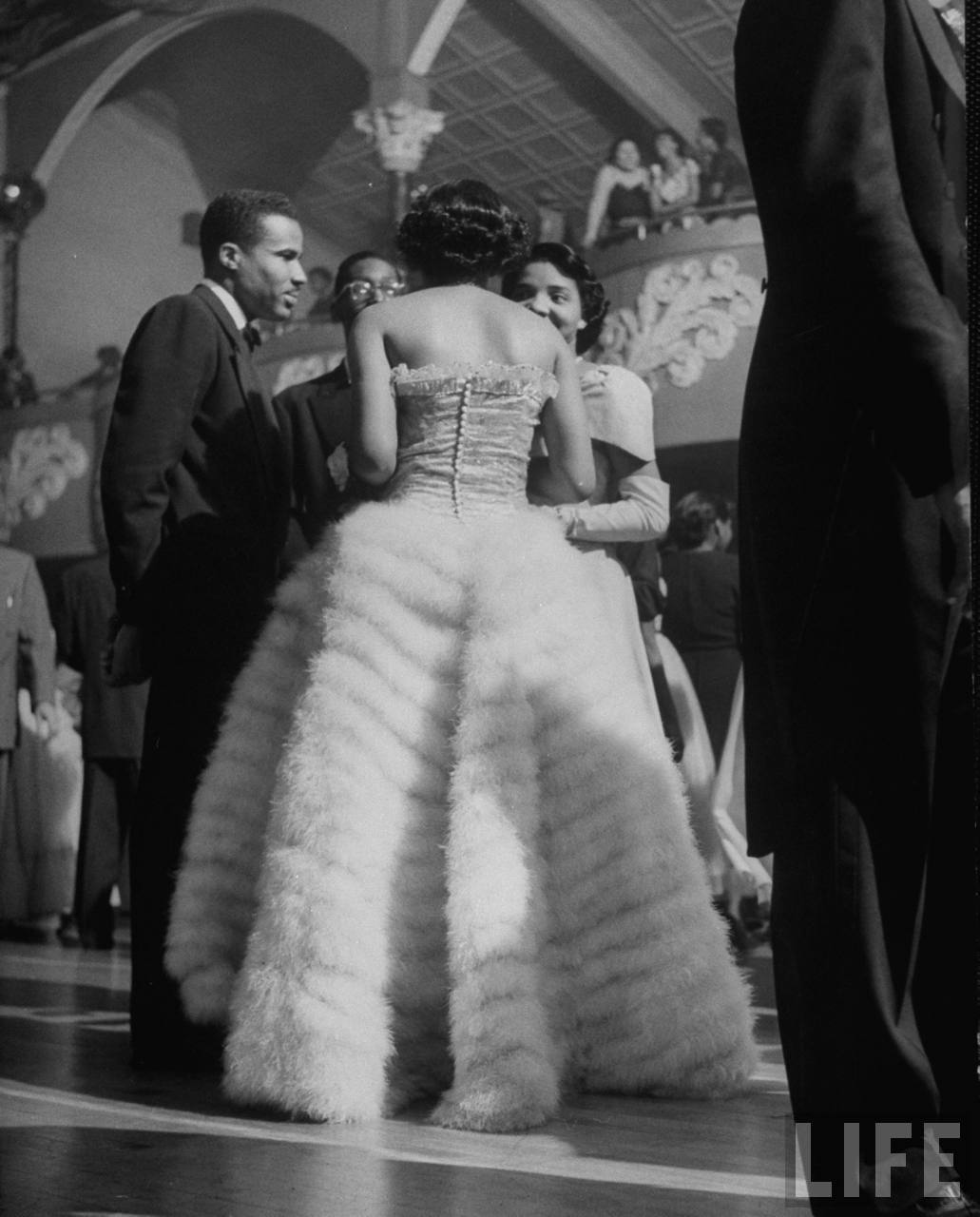 Debutante Marilyn Lowe wearing a dress made
from feathers during the debutante cotillion.
 Patronly shriners, members of Brooklyn’s Eureka Temple No. 10,
who sponsored debutante Joanne Norris during the debutante cotillion.
 Ushers holding seating lists during the debutante cotillion.
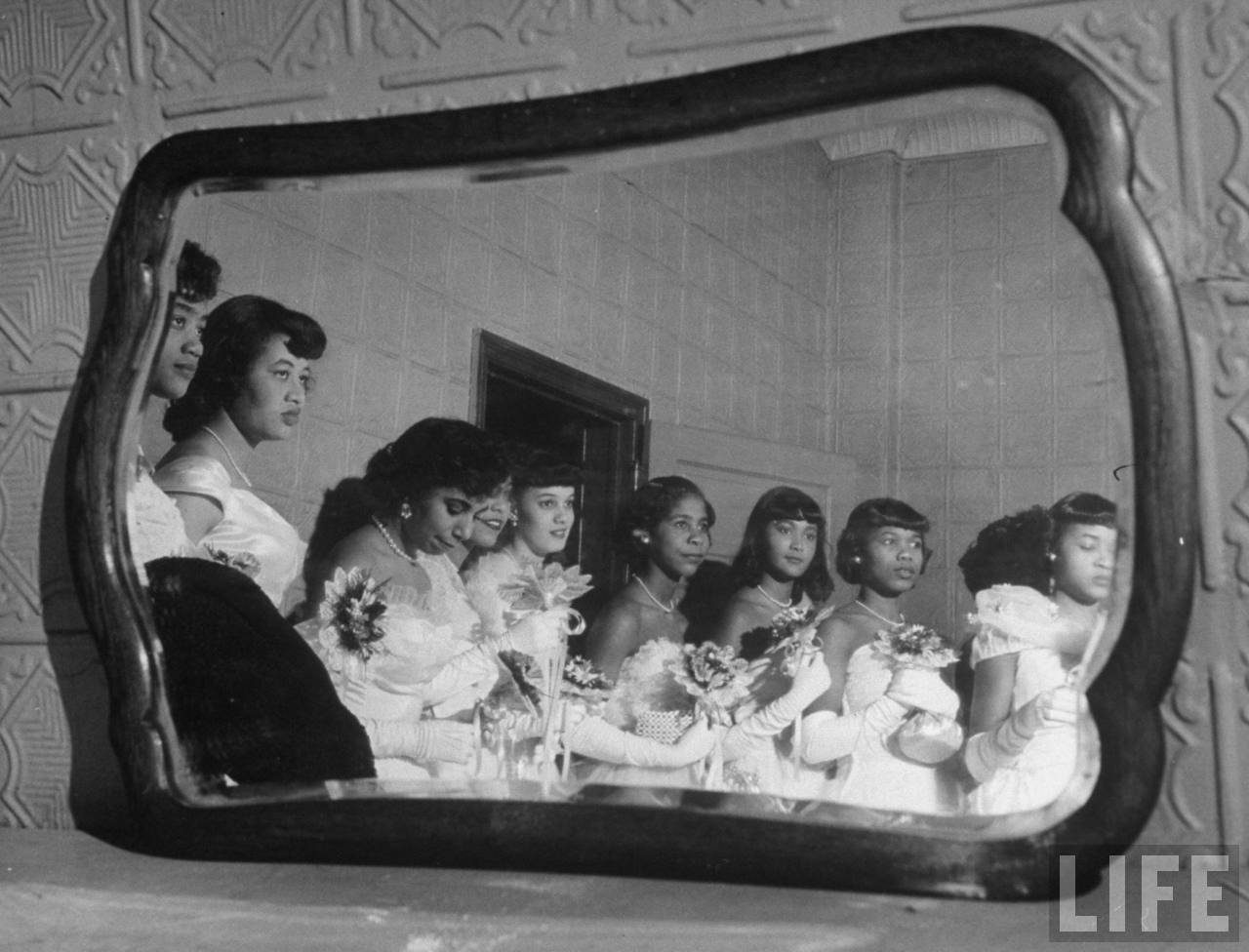 Girls waiting to go downstairs for the debutante cotillion.
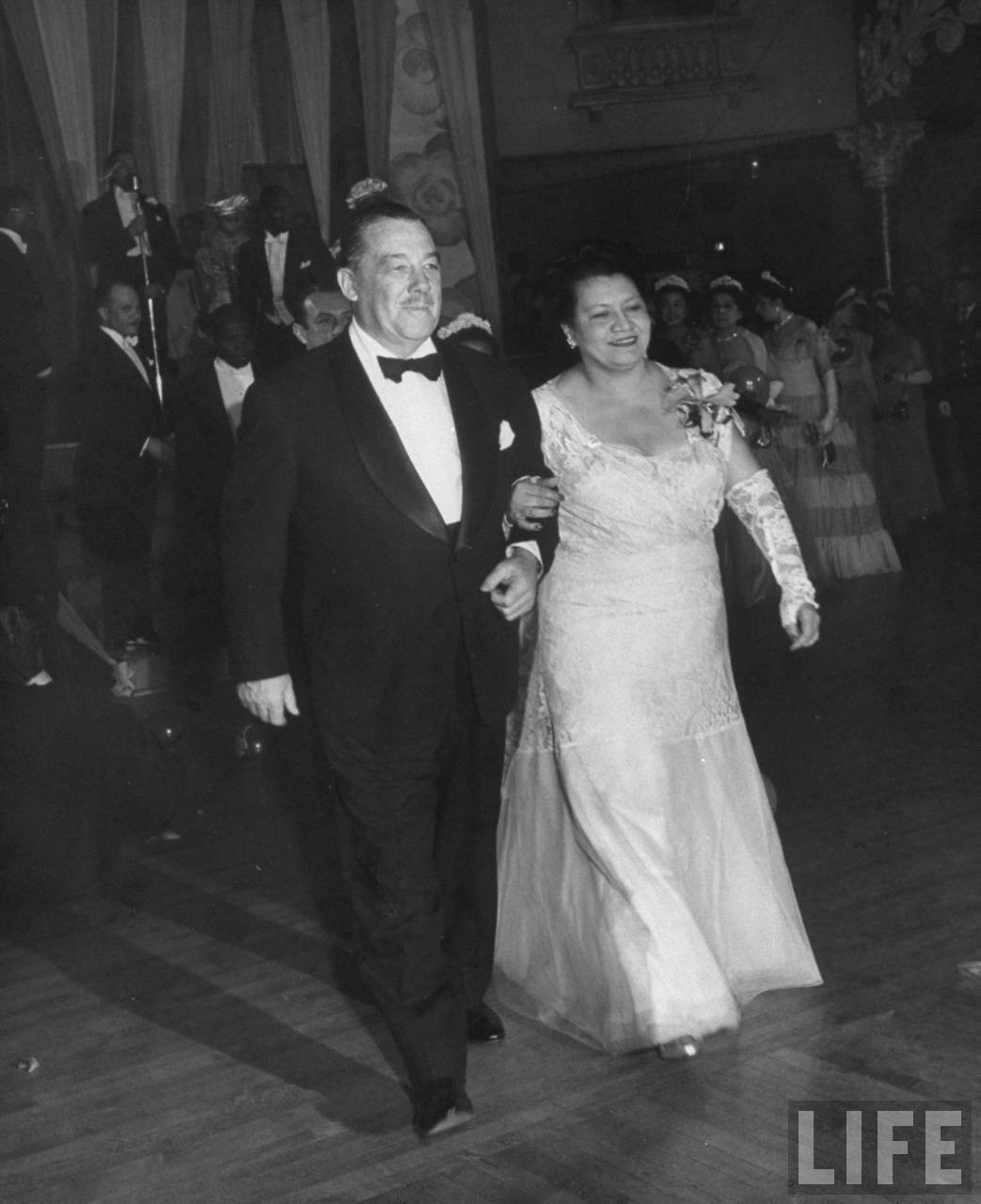 Grand March is led by Mrs. Lillian Sharpe Hunter and the
guest of honor Grover Whalen for the debutante cotillion.
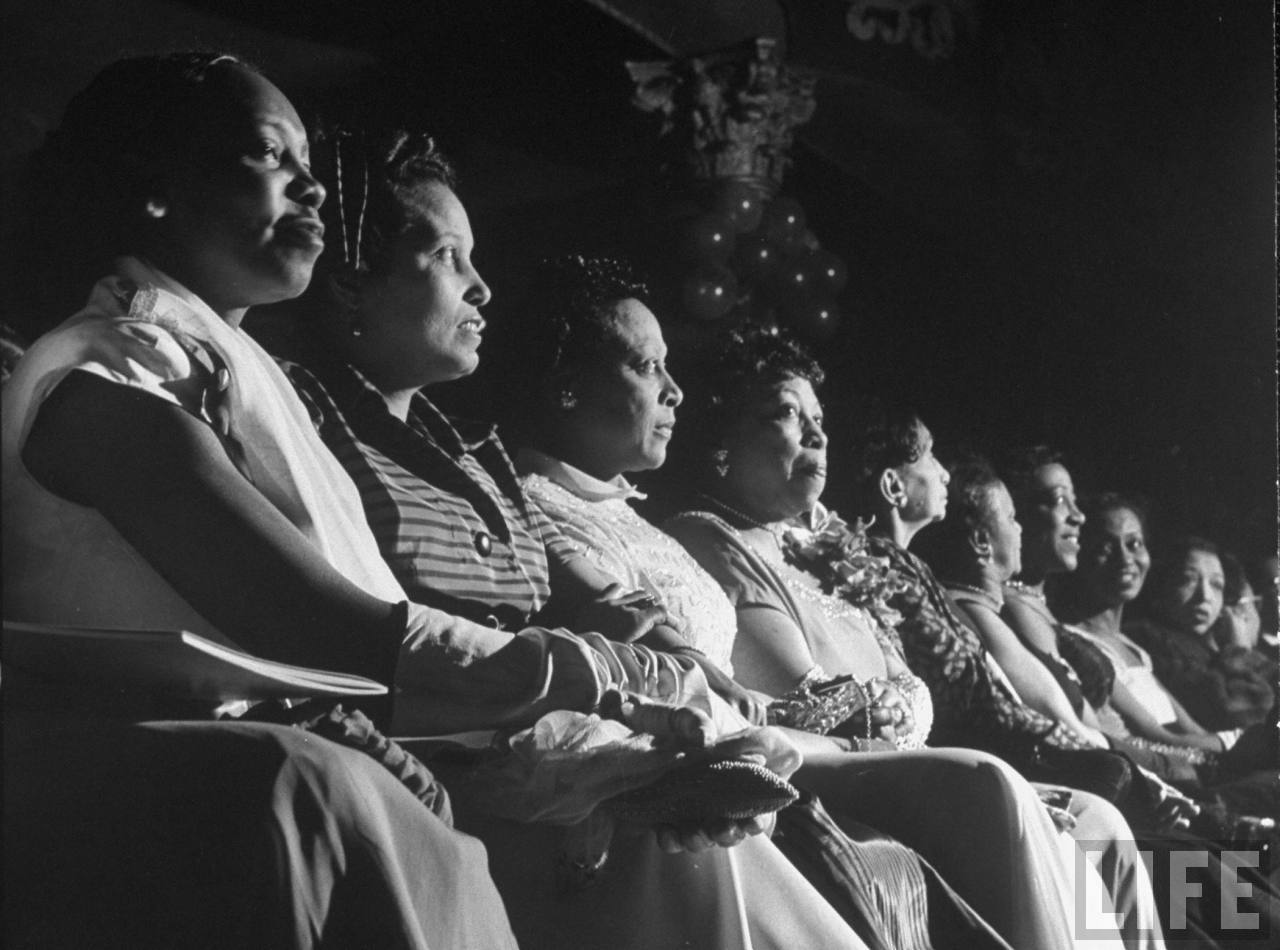 Matronly organizers and committee members
look on during the debutante cotillion.
Were you a deb too? I would love to hear your story!
The Quite Continental Charm School
A modern guide to creating a charmed life
A Day at the Races: Belmont Park in the 1910s
08/06/2012 § 3 Comments

In case you hadn’t heard, I’ll Have Another has withdrawn from the Belmont Stakes in New York this weekend due to a tendon injury. I’m a bit sad that the chestnut 3 year-old colt won’t be making a run at becoming the first Triple Crown winner since Affirmed in 1978, but of course it is for the best.
Since I’m left without a horse to back – I’ll Have Another actually won me a pretty penny on Derby Day – I decided to see if I couldn’t find us some photos from race days past at Belmont Park. The Library of Congress delivered in a major way with wonderful images dated between 1910 and 1915 of the track, Mr. August Belmont, Jr. and his wife, a couple of lady Roosevelts and anonymous racegoers dressed in their finest. I love how some of these look like the streetstyle photography so popular today. Perhaps we should get Scott Schuman a time machine…
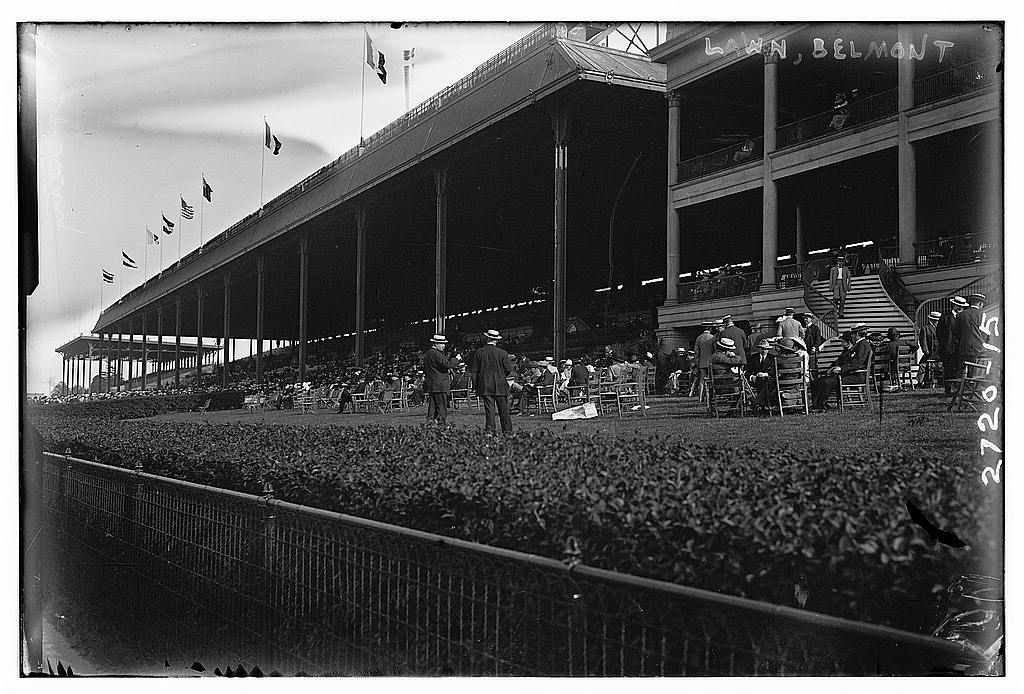
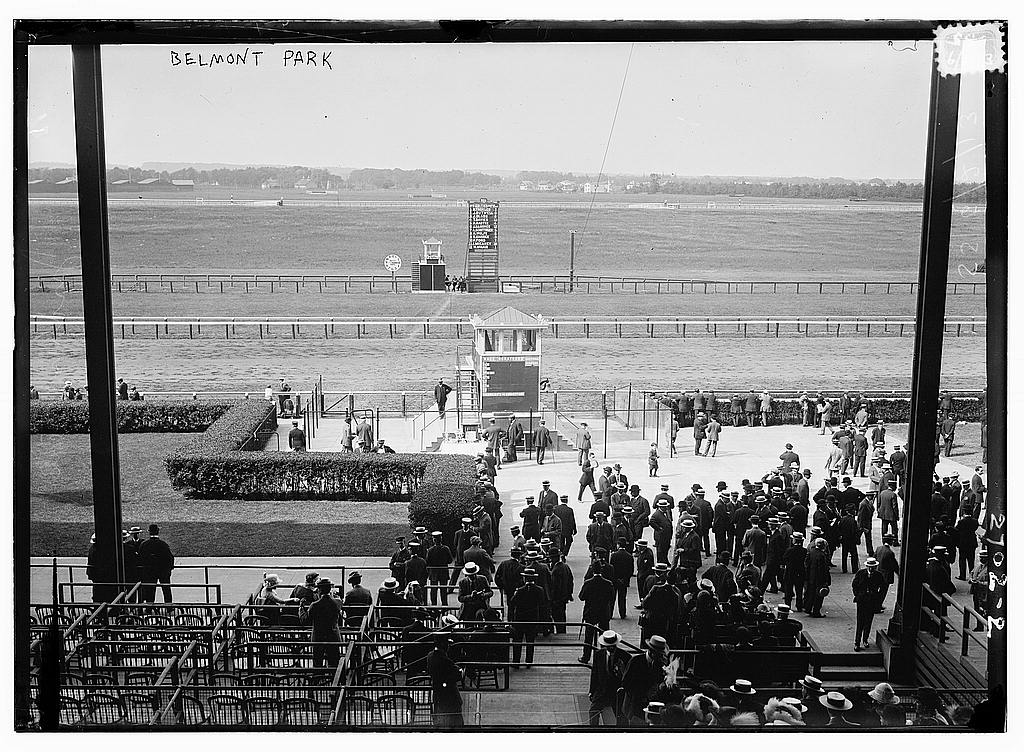

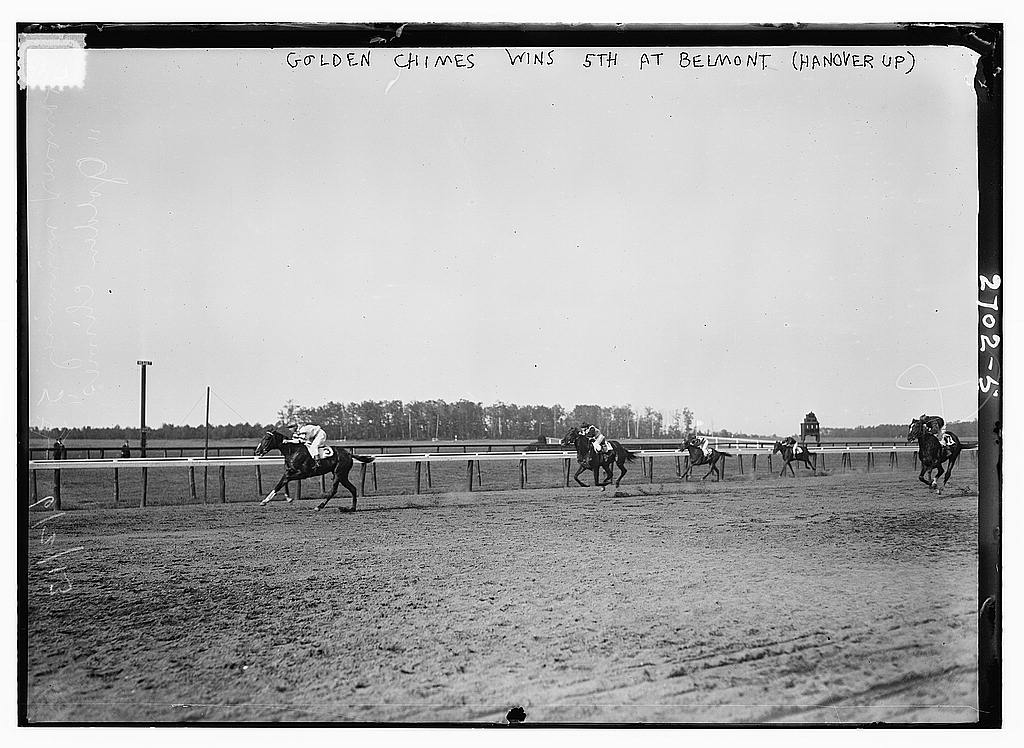
 A sea of straw boaters…

 Paul Drennan Cravath (of Cravath, Swaine & Moore, for the law nerds)
with August Belmont, Jr.
 Mrs. August Belmont, wearing a rather rad hat.


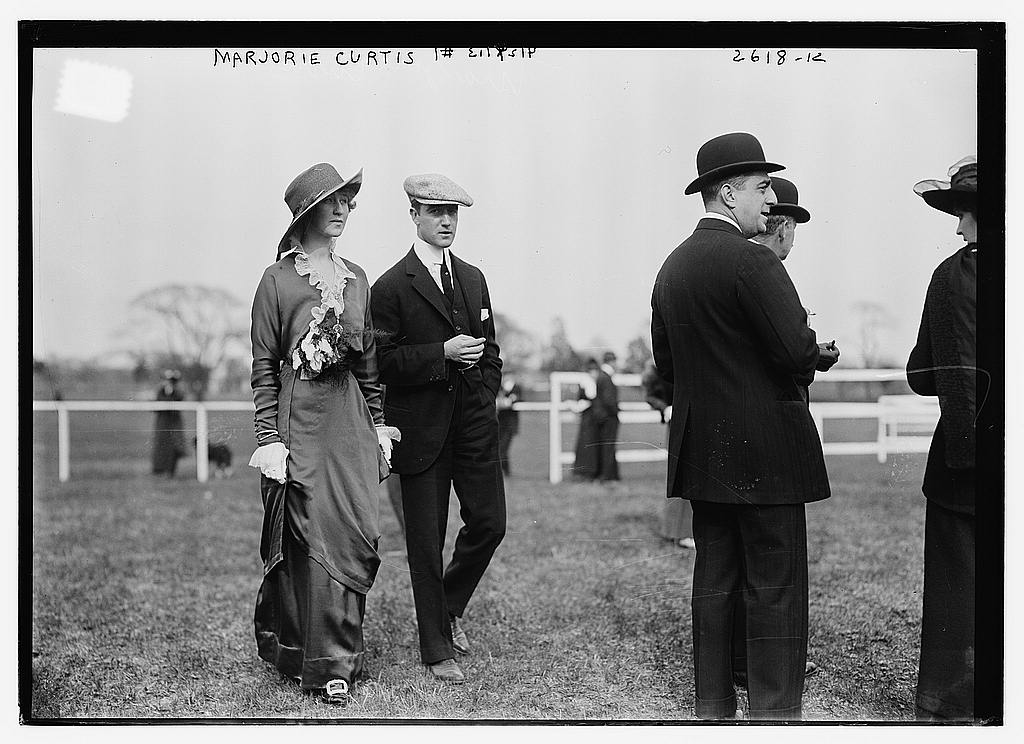


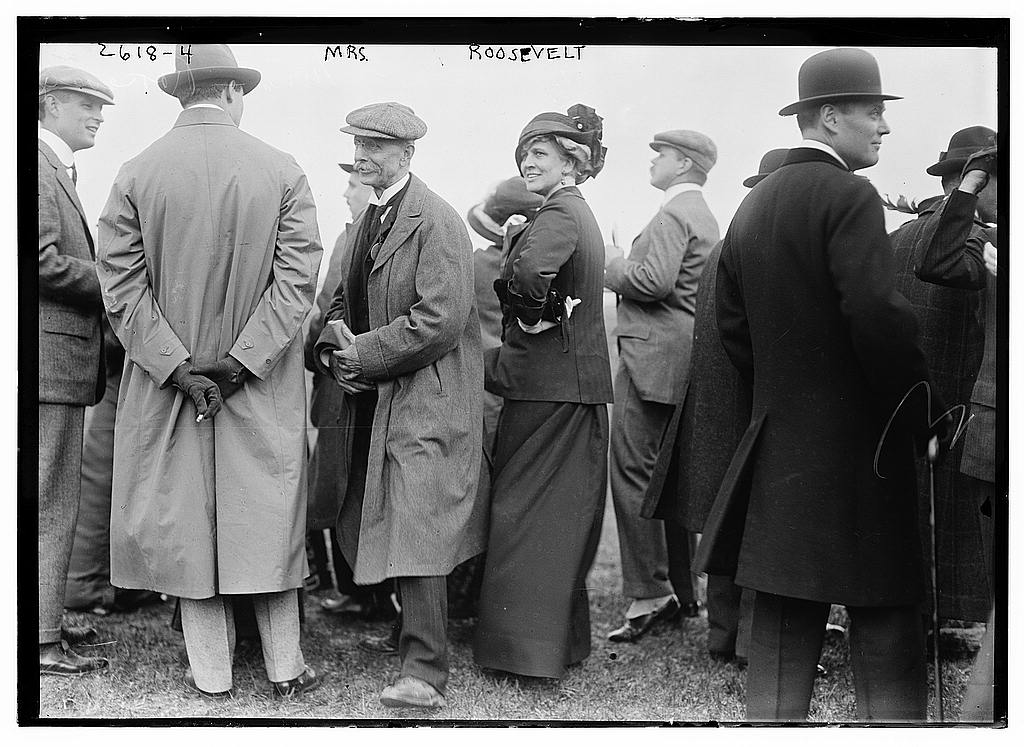 Mrs. Edith Roosevelt
(Mrs. Theodore Roosevelt and former First Lady)
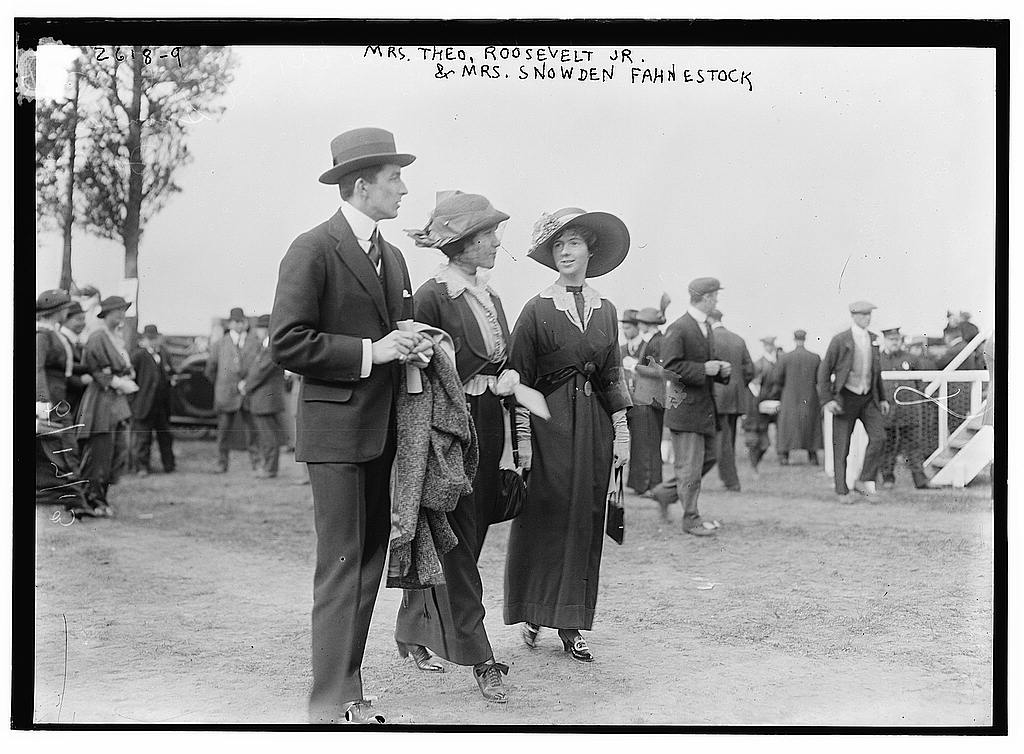 Eleanor Butler “Bunny” Alexander-Roosevelt
(Mrs. Theodore Roosevelt, Jr.)
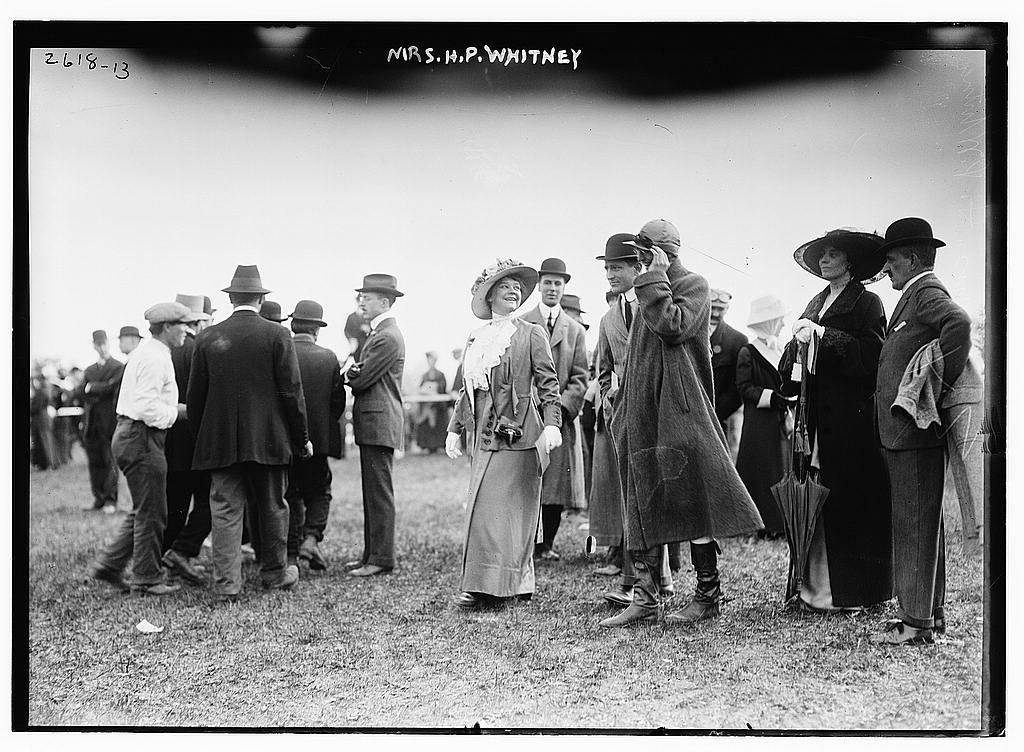 I feel as though this picture must be labeled incorrectly.
This woman looks nothing like Gertrude Vanderbilt Whitney, or is it me?

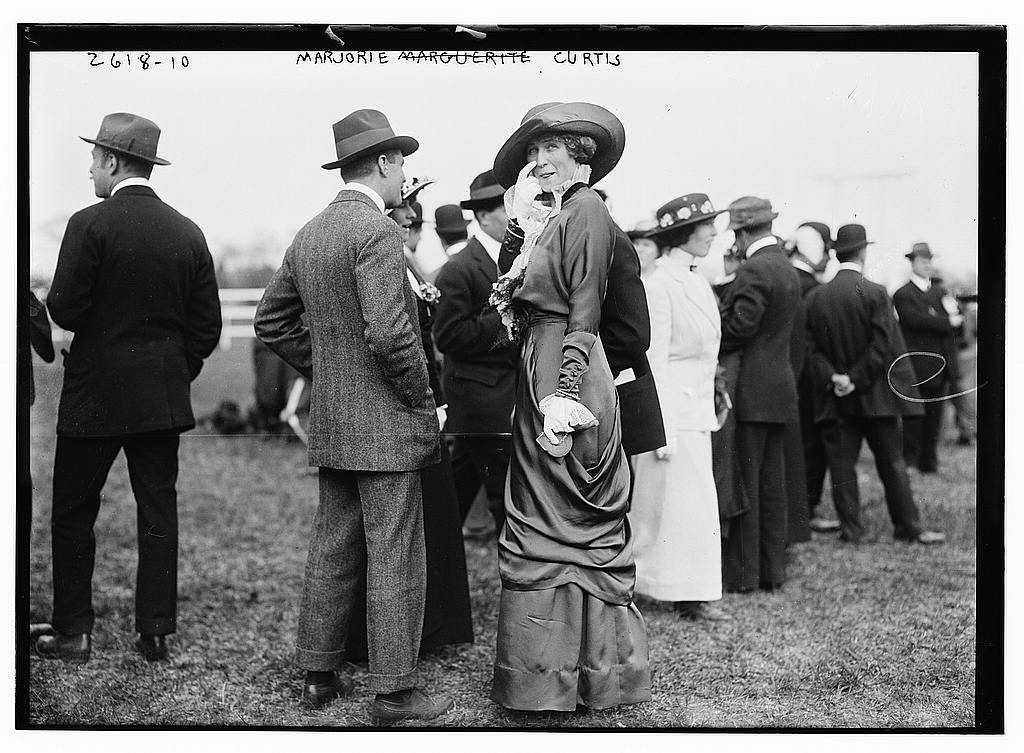

All images via The Library of Congress.
Movin’ On Up.
04/06/2012 § 10 Comments

I don’t frequently talk about my day job, I realize (I work for a political risk consulting firm), but today is a very special day because we open our doors in a new location. As I packed up in preparation for the move, I came to realize that in the five years I have been in New York, I have only worked in one very small slice of Manhattan. Namely, the patch of midtown between 40th and 45th Streets and 7th and Madison Avenues. Every morning I said hello to Grand Central, Bryant Park, Times Square, and the New York Public Library. The not so distant pinnacles of the Chrysler Building, the Empire State Building, and Rockefeller Center, grandly scraping the sky as I skipped off to grab coffee. And while I am excited to settle in to a new area — our shiny new office will be in the Flatiron District now — I couldn’t help but already be a bit nostalgic for my former digs. And so, in honor of the move, I wanted to share a few of the many pictures I’ve taken over the years.
Onward, upward (and 20 blocks downtown) I go!

(clockwise, from top left) The Morgan Library,
Bryant Park in spring, Lord and Taylor, our former office’s front entrance.
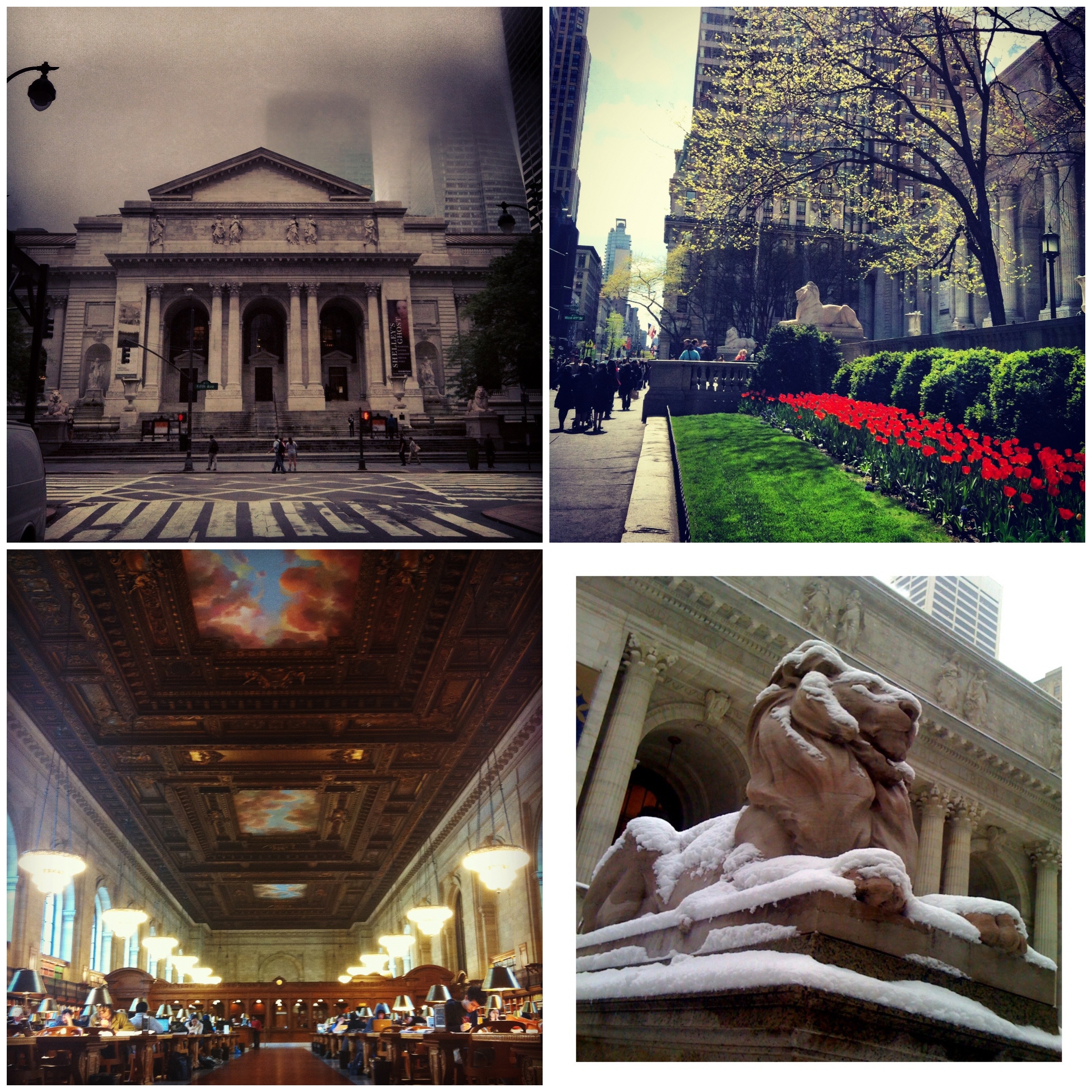
The New York Public Library, in fog, spring, and snow,
and the grand reading room with its paneled ceiling.

The Bank of America tower, northbound on Madison Avenue,
the constellations inside Grand Central Terminal,
the bar at the Campbell Apartment.

Bryant Park: the carousel, the Bryant Park Hotel,
summer movies on the lawn, ice skating in winter.
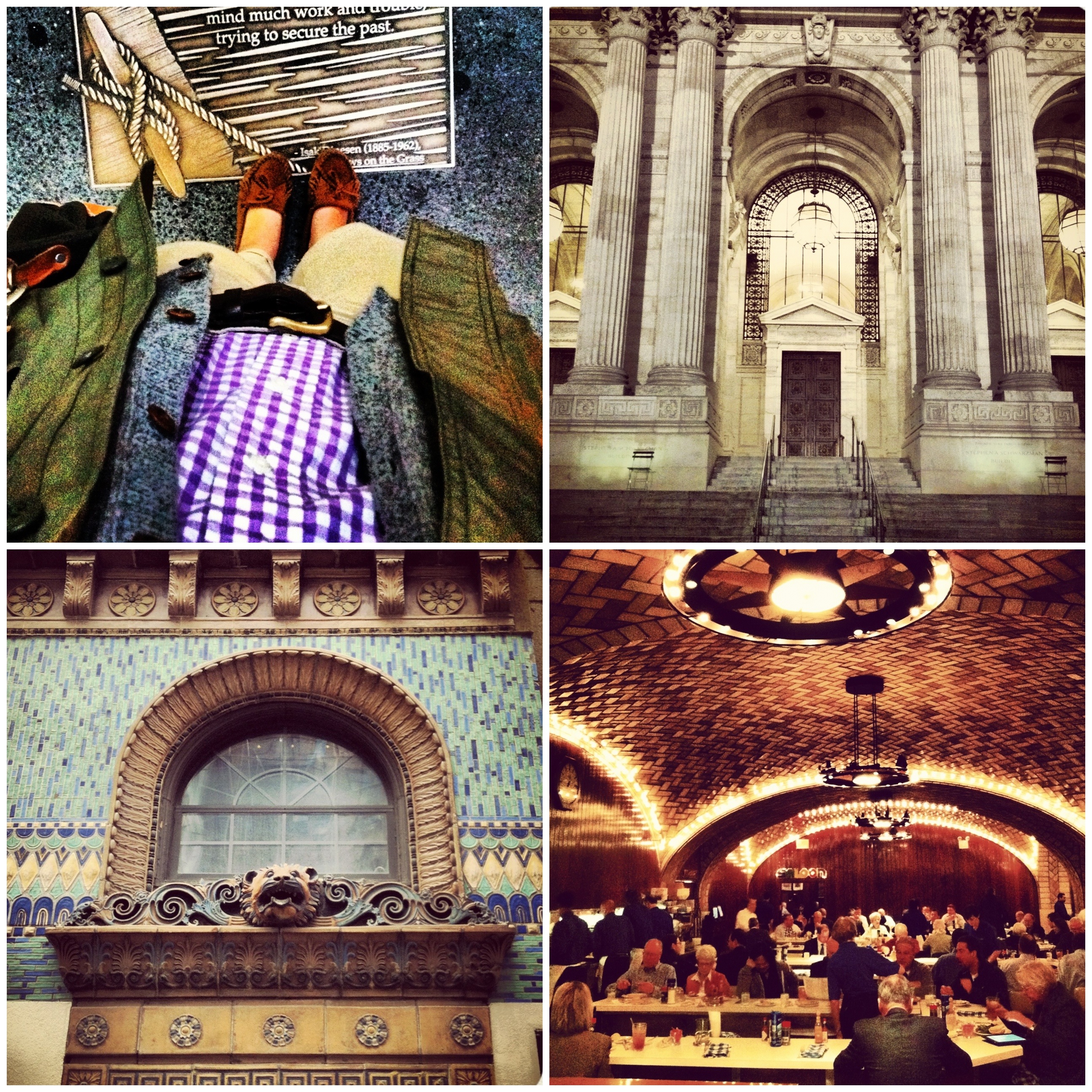
The Library Walk tiles, the steps to the library at night,
the counter at the Grand Central Oyster Bar,
and a very curious lion (?) I passed every day on E. 41st.

The Knox Hat Building, Times Square at night,
Grand Central in the morning, Fifth Avenue parades.
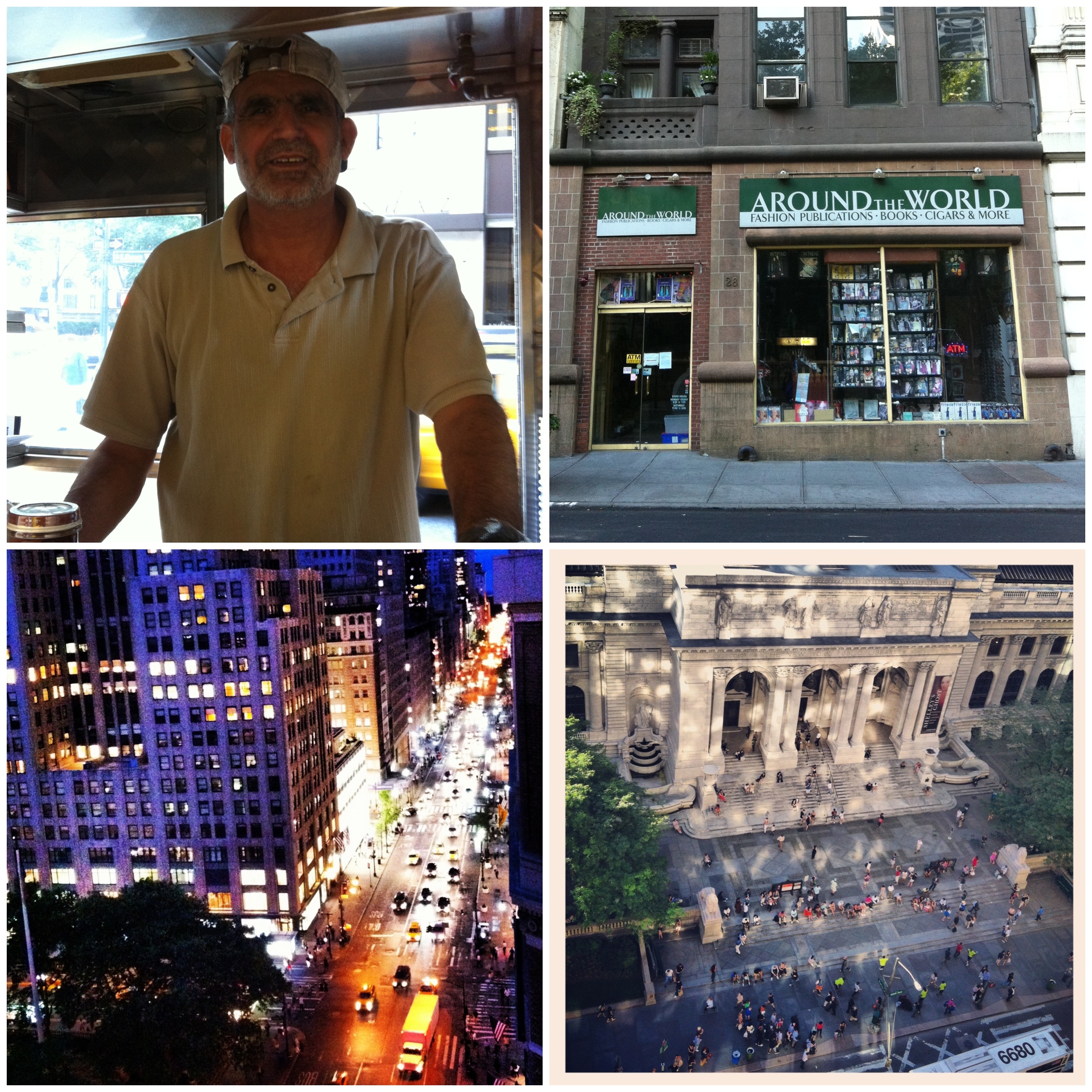
My morning coffee pit stop, the amazing fashion newsstand Around the World,
and two views from our office terrace.

One thing I will definitely miss: our amazing terrace overlooking Fifth Ave.
A few pictures from the last hurrah.
New Addition || Put A Horse On It: Life Magazine, 1937
01/05/2012 § 5 Comments

This weekend while on a walk in my neighborhood, I stopped by one of my favorite shops in Tribeca, Philip Williams Posters, on a bit of a lark. While the store is best known for its collection of vintage posters, my attention was drawn from the window by what looked like a massive stack of magazines. Once inside, I simultaneously realized that they were Life Magazines and that my afternoon was pretty much sealed.
You already know how much I love Life Magazine: I collect them, I read virtual copies on Google Books and wander for (way too many) hours in the online archive. Coming at this cache of vintage media from multiple directions sometimes provides the opportunity for the kind of pleasant surprise I had this weekend.
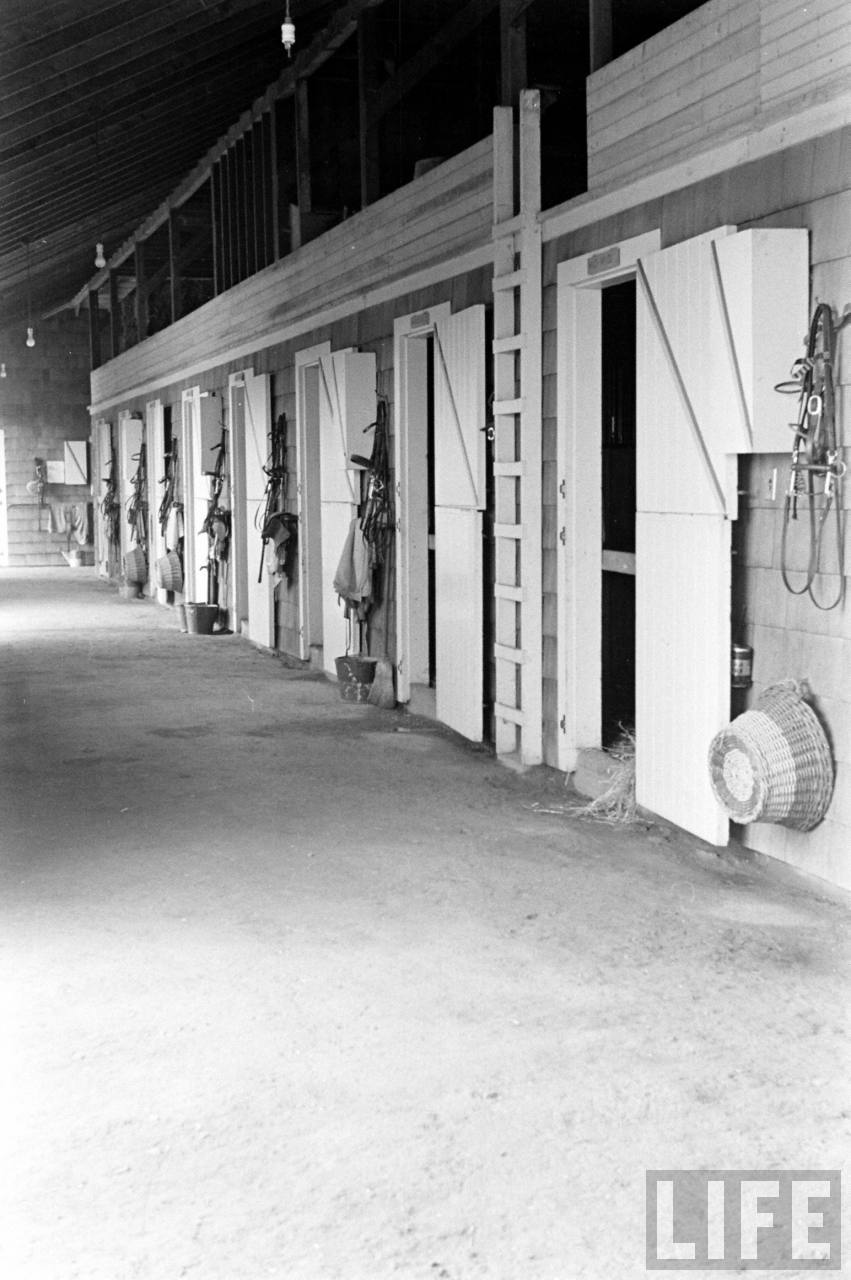
First off, you put a horse on anything and I will at least give it a second look. You put one on the cover of a Life Magazine from the 1930s and mention it’s a polo pony? Dead. Before even cracking this baby open, I knew it was coming home with me. But when I did, I realized I was already familiar with the photos inside as they were part of a set that I had discovered in the archives a few weeks ago — and trust me when I say there is nothing in there tagged “polo” that I haven’t already seen.
 I especially love the advertisements.
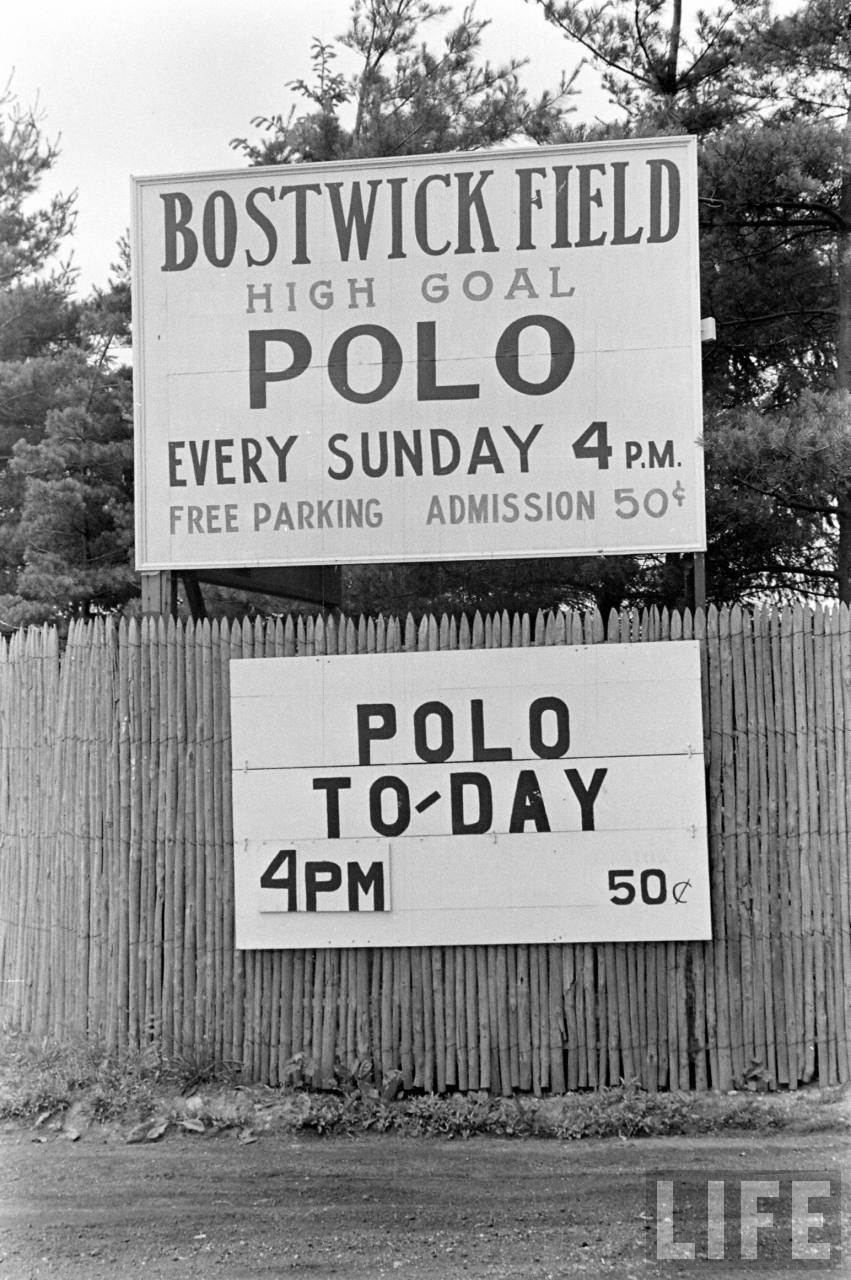
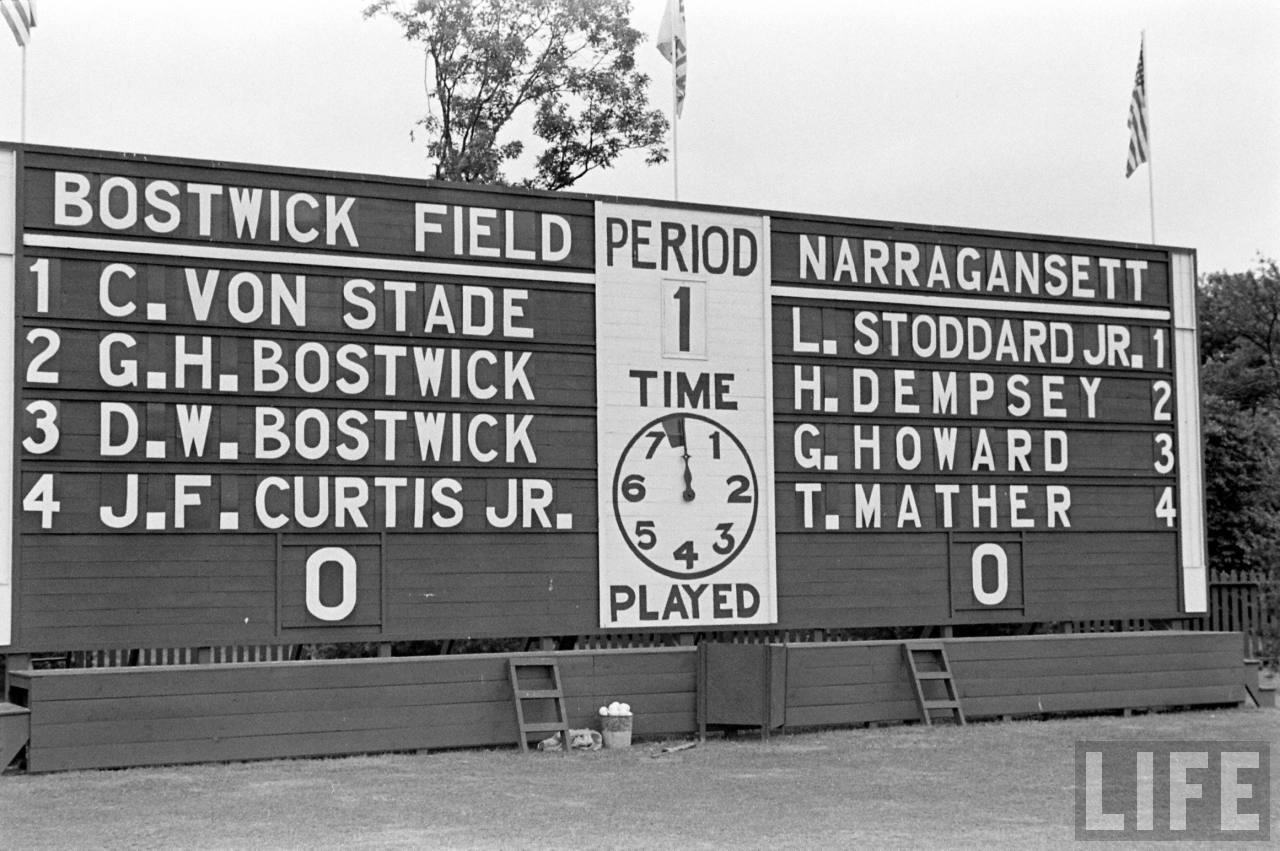
The feature is about George H. “Pete” Bostwick (August 14, 1909 – January 13, 1982), steeplechase jockey, horse trainer, 8-goal polo player and grandson to Jabez A. Bostwick, a founder and treasurer of Standard Oil Company of New York and partner of John D. Rockefeller. Pete’s favored game, high-goal polo, was a pastime of the wealthy in the 1930s, but Pete made an unprecedented, egalitarian move: he invited the public to watch him and his friends play at Bostwick Field on Long Island, charging only fifty cents for admission. It was an immediate hit.
These photos were taken 1937 in Long Island by Alfred Eisenstaedt. Because relatively few actually made it into the issue, having access to the archive allowed me to really enjoy even more photos than were published. This is about to be a long post, so I must apologize in advance if you don’t enjoy looking at black and white photos of horses, polo or people in their Sunday best. I will apologize, but I’ll think you’re kinda crazy.
 A 28 year-old Pete Bostwick, center.
“There is no use sitting in school when one
can sit on a horse and go somewhere.“


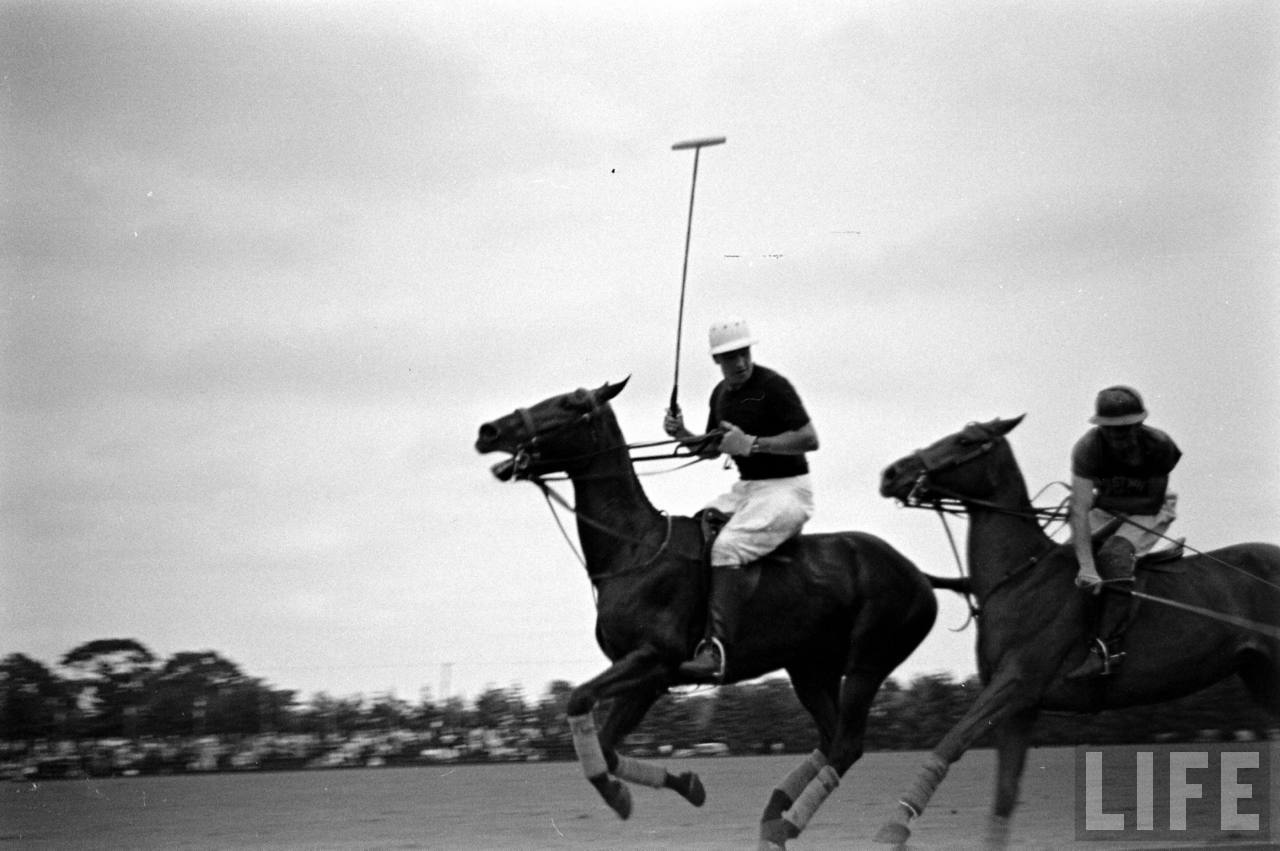


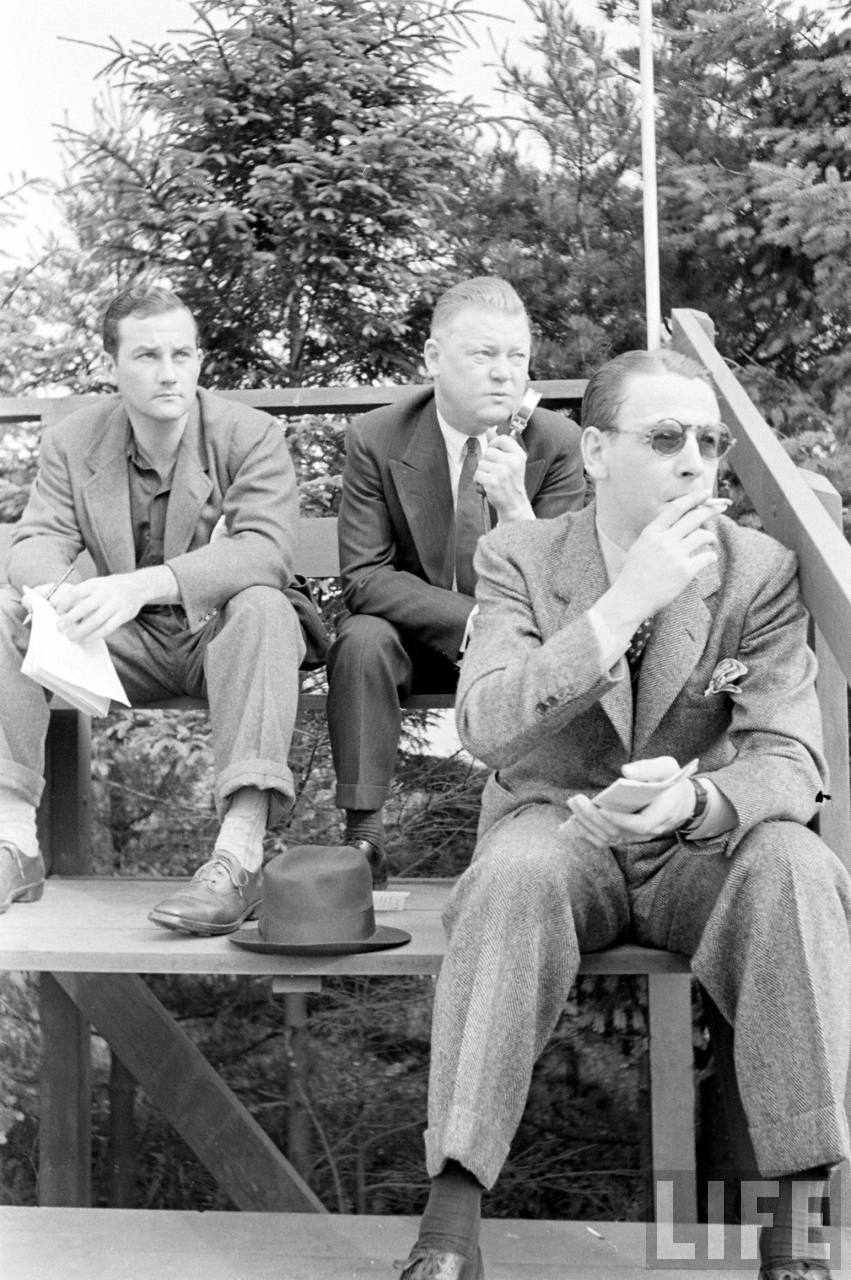


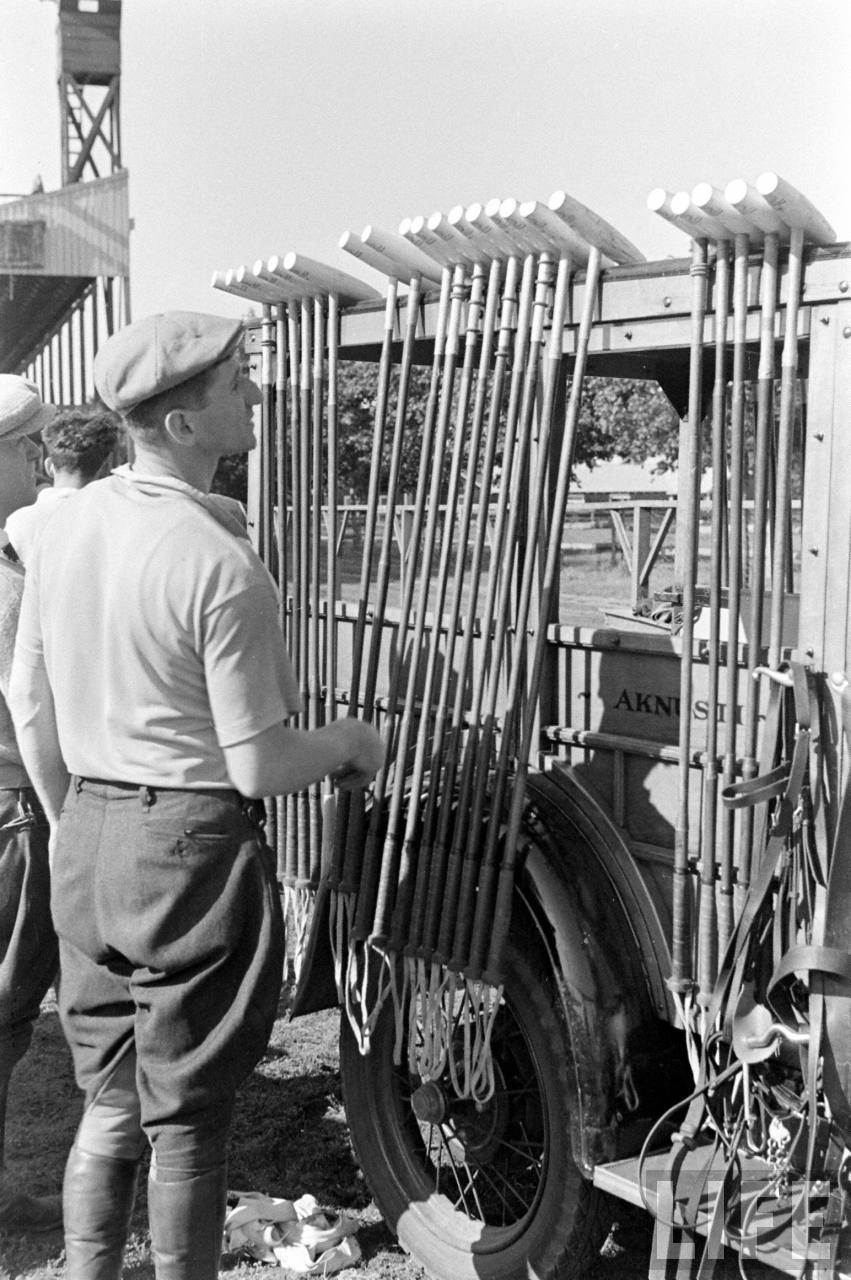


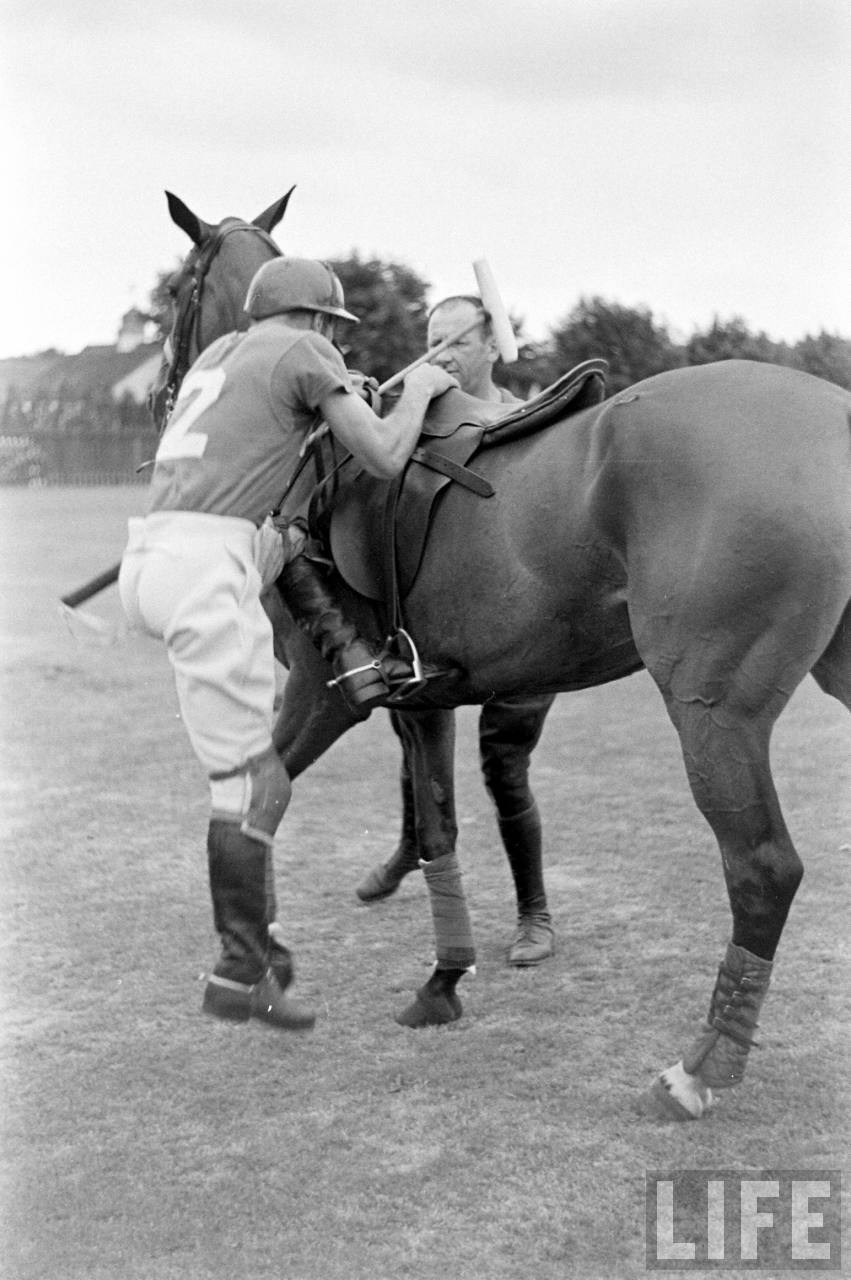


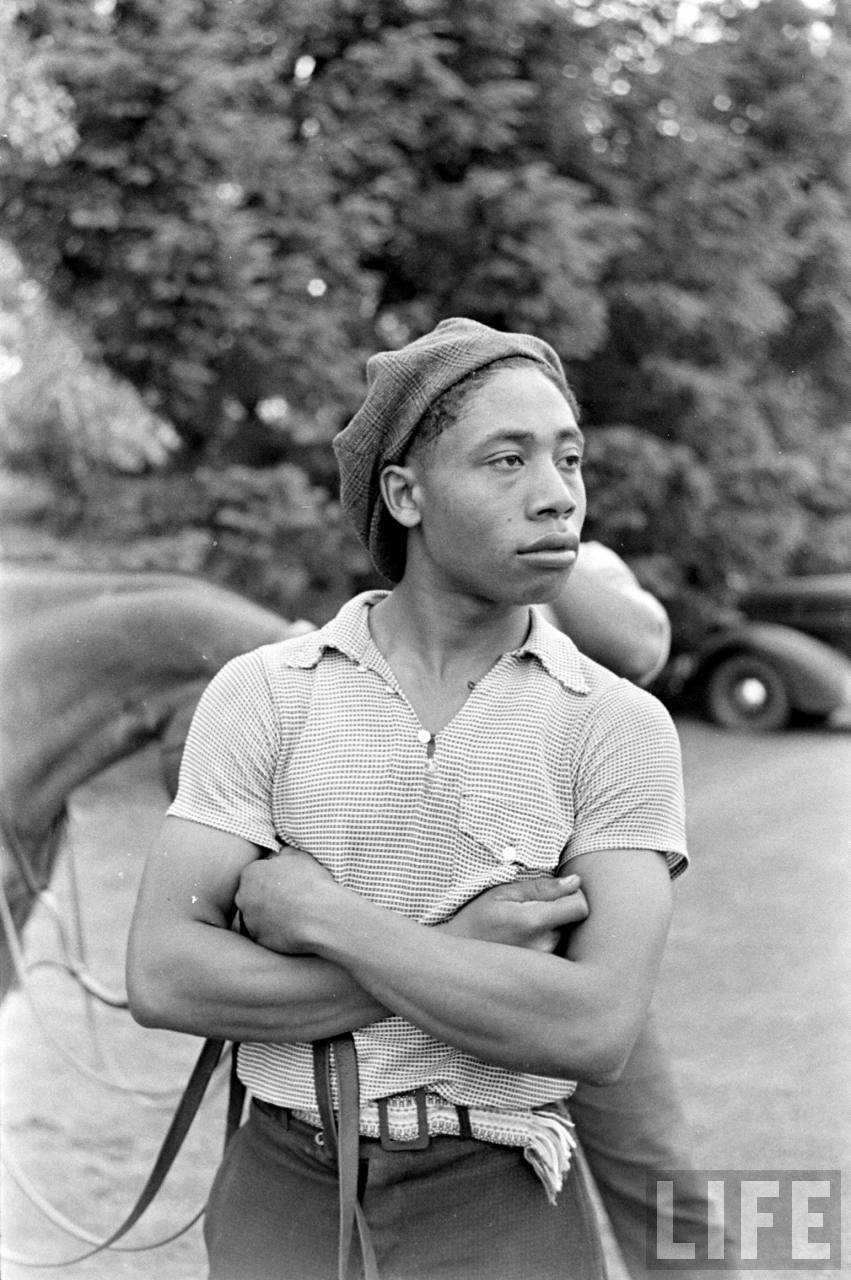


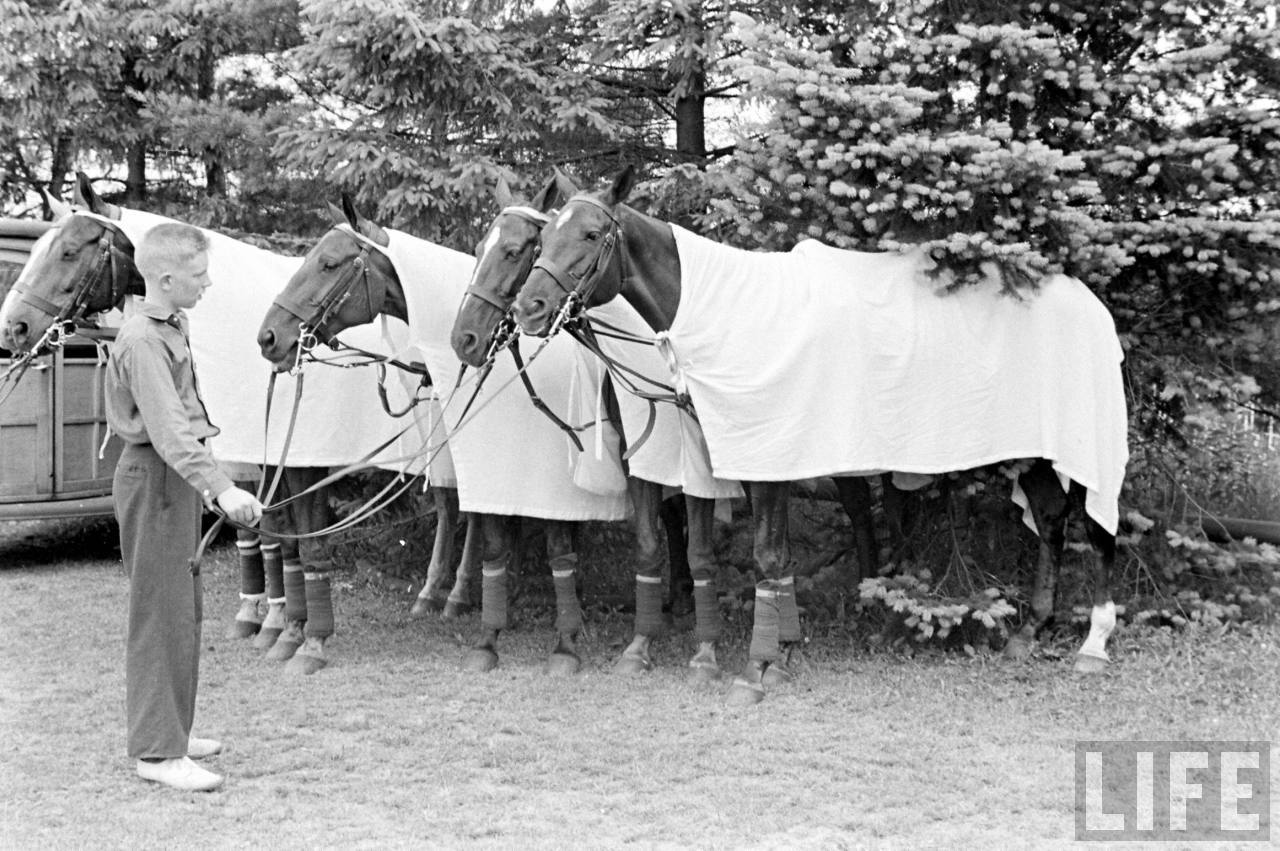
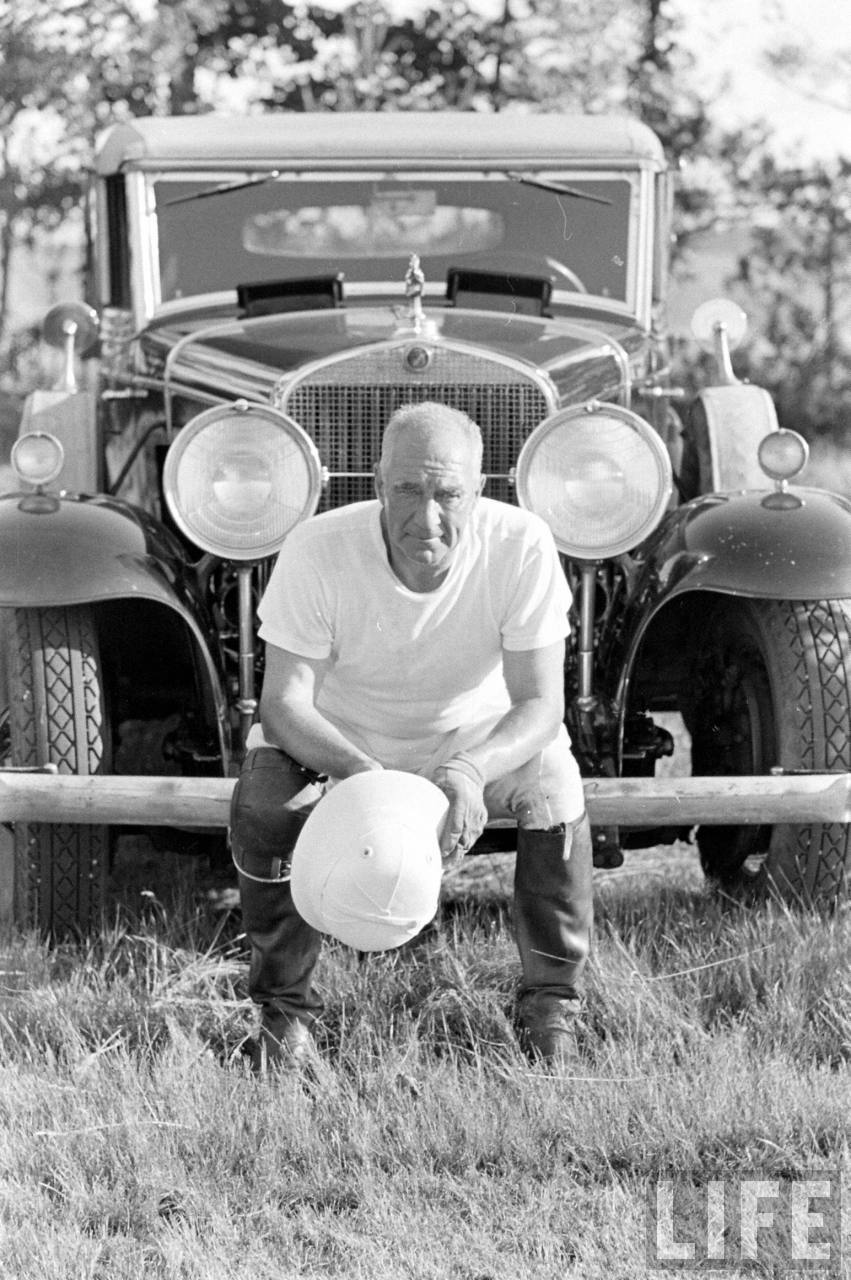
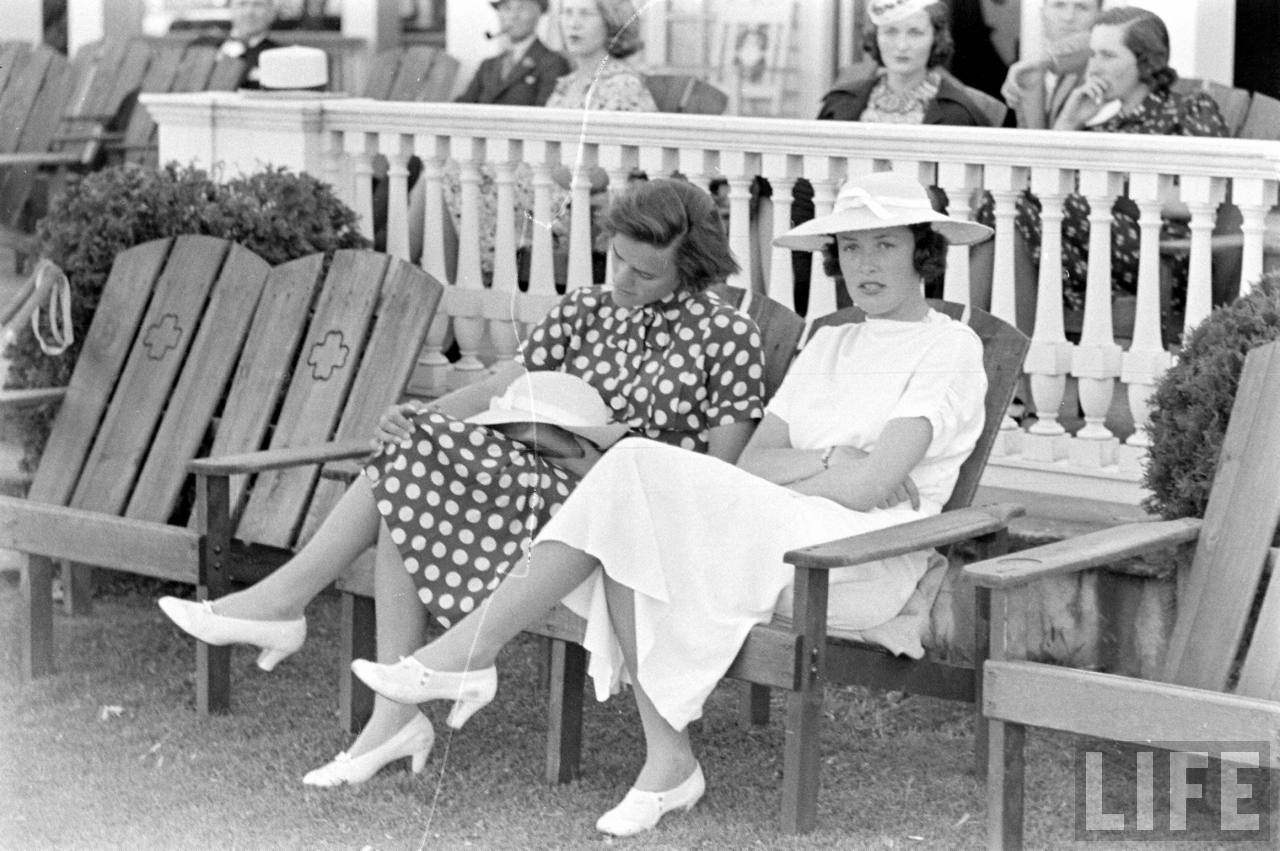


 Pete Bostwick: lover of polo, beer and cable knit sweaters.
If you’d like to read the feature yourself, you can find it here, via Google Books.
 Philip Williams Posters || 122 Chambers St., Tribeca || 212.513.0313
Ghosts of Train Stations Past: New York Pennsylvania Station
07/02/2012 § 5 Comments
I promise a train and train station moratorium after this post.
Maaaaaaaaaybe.

Images of the old New York Penn Station (1910 – 1963), designed by the architectural powerhouse McKim, Mead & White. Every time I have to pass through the wretch that is the new Penn Station — dark, subterranean and horribly bland — I catch myself wishing earnestly that it had survived the 1960s. Wishing that what is now the busiest train station in North America was something beautiful to look at. Wishing that it rivaled the glory that is my beloved Grand Central. But alas, it is not…
Henry Crane had the right idea.
(Sidenote: Mad Men! March 24! Finally!)


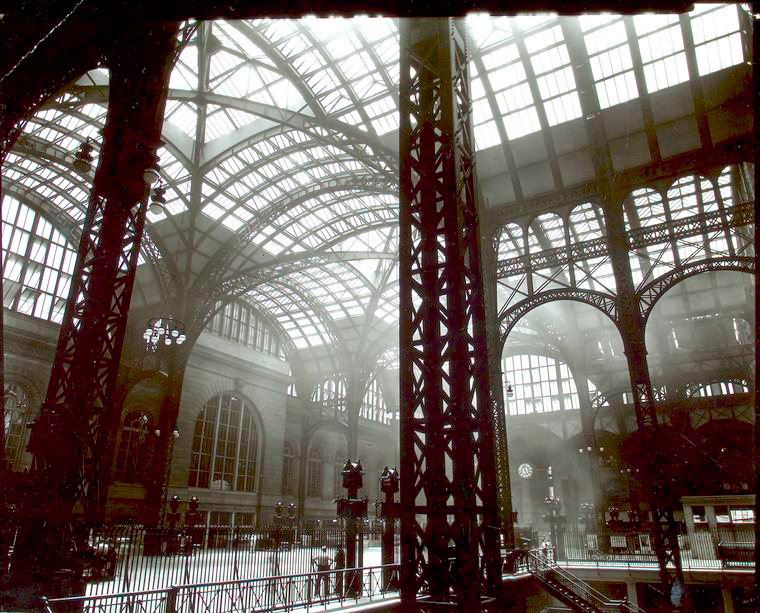

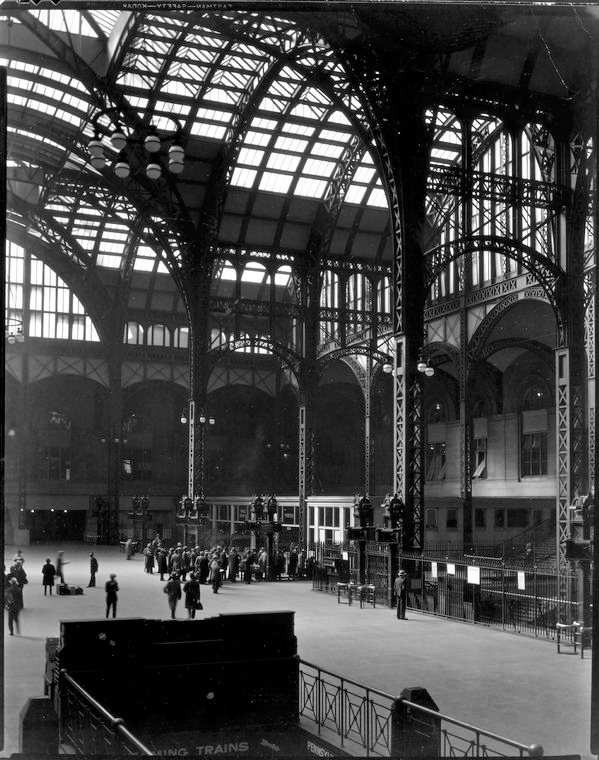

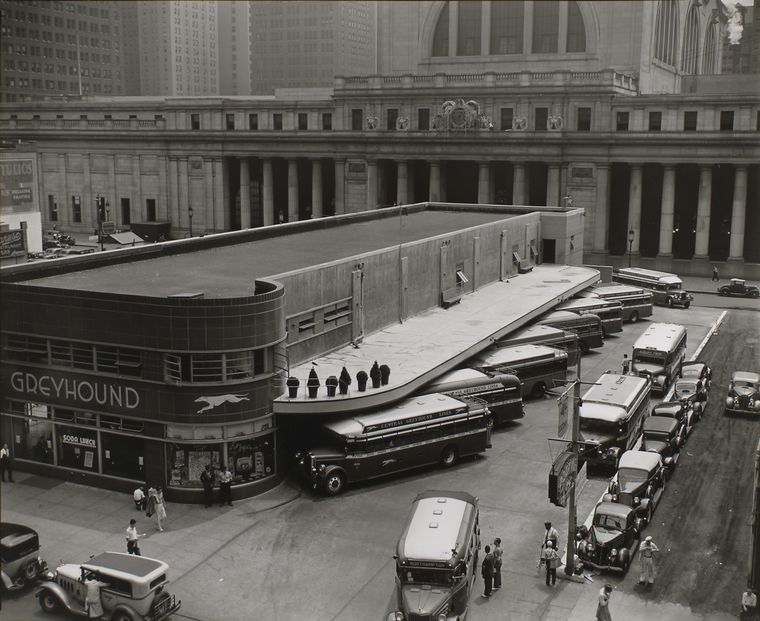
For more pictures of Penn, be sure to check out my earlier post Farewell at Penn Station, poignant moments captured by LIFE photographer Alfred Eisenstaedt of WWII soldiers shipping out.
Images via the Library of Congress and the NYPL
The Arteries of New York City, 1941
26/01/2012 § 1 Comment
“Manhattan acts like a heart”
A lovely documentary by Encyclopedia Britannica Films on the myriad of transportation options to and from Manhattan available to the New Yorkers and New Jerseyans of 1941. Great images of commuters, the subway, trains, buses, Grand Central, the New Jersey ferry system and — the very best part — my office building on Fifth Avenue at the 5.27 mark.
As a native Californian, mass transit is still a relatively new development in my life, but come next rush hour I will definitely be thinking of the generations of Manhattan strap hangers that have come before me. I only wish the commuters of today looked just as stylish.
Commuting Through Time: New York
26/01/2012 § 2 Comments
A few places I pass by every day on my daily commute…

Grand Central Terminal

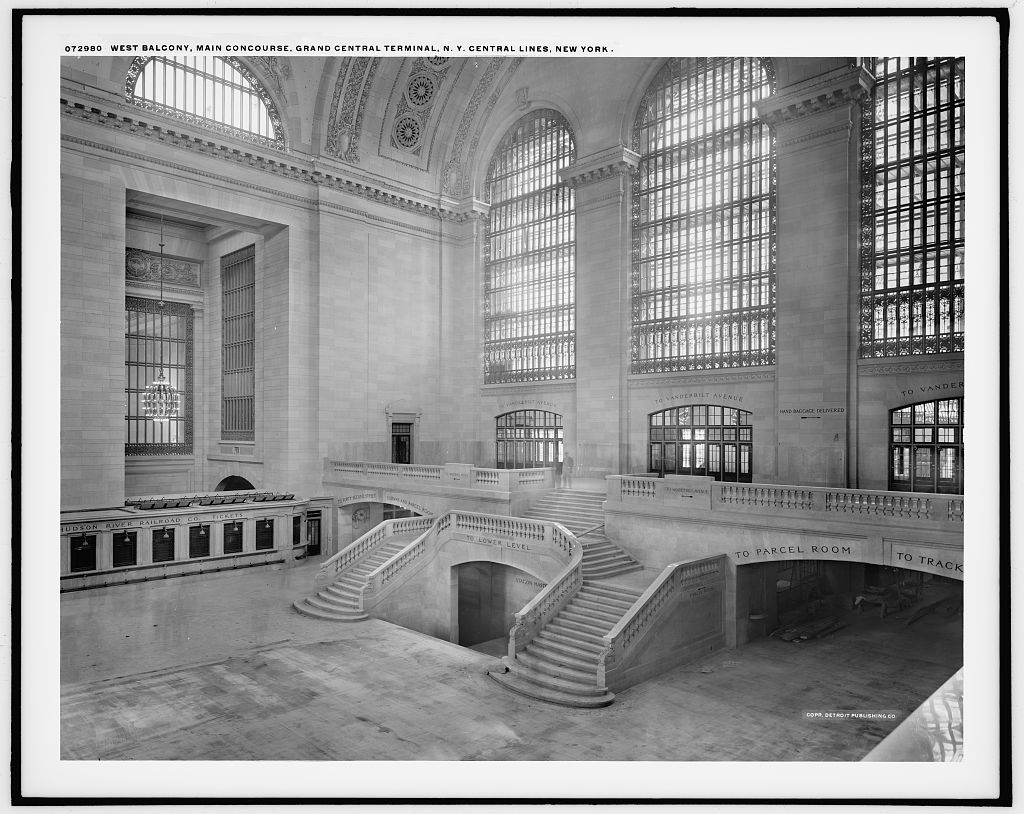
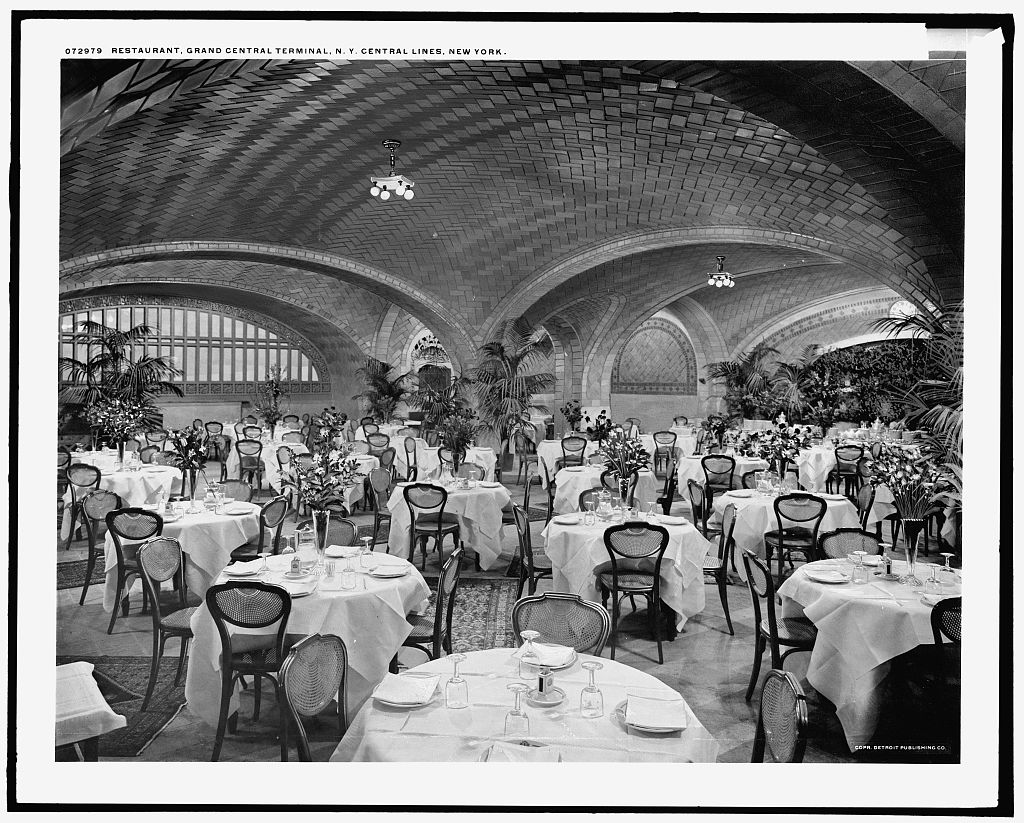

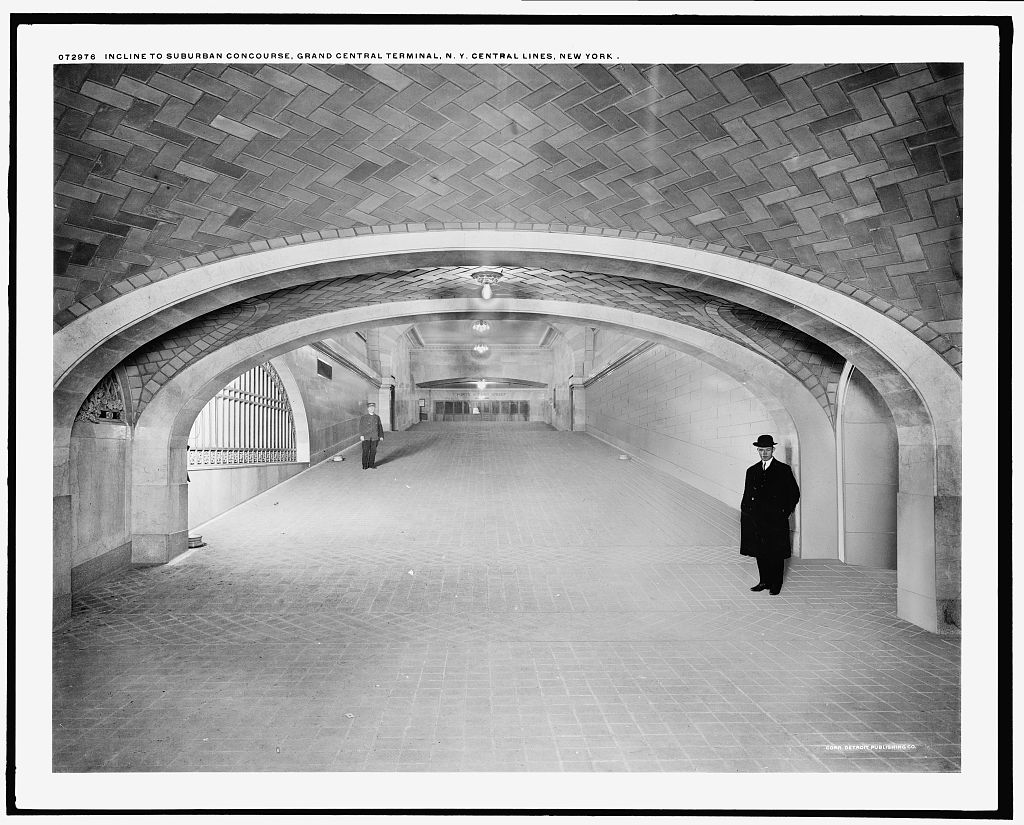
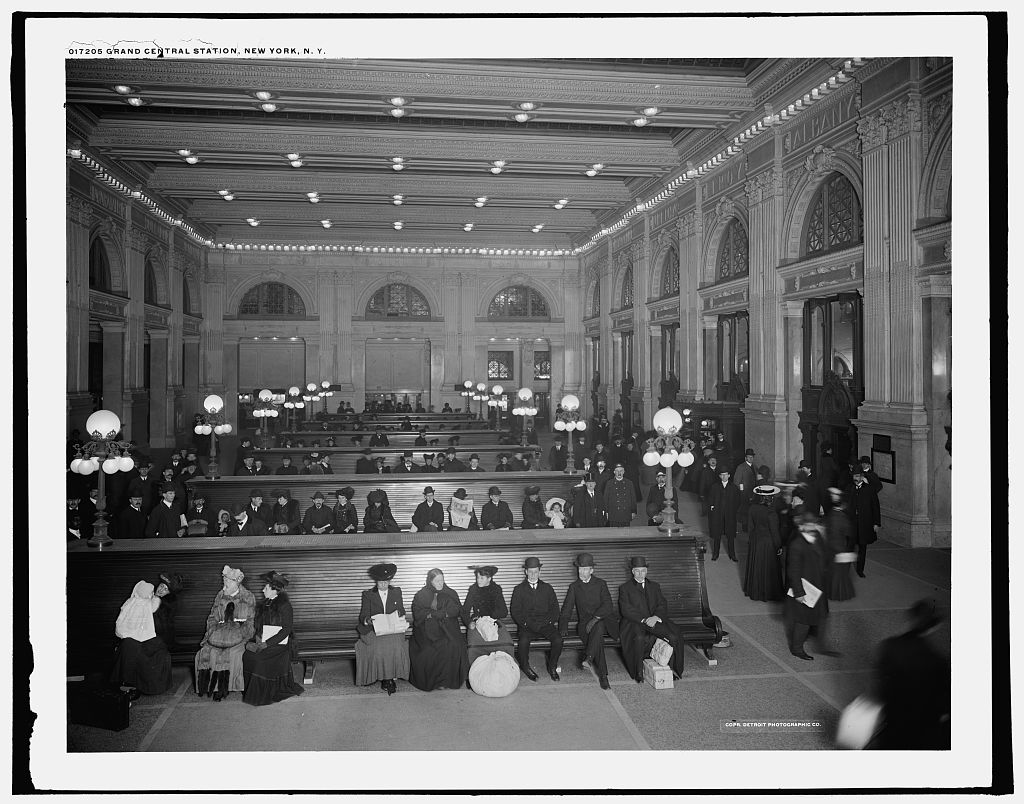
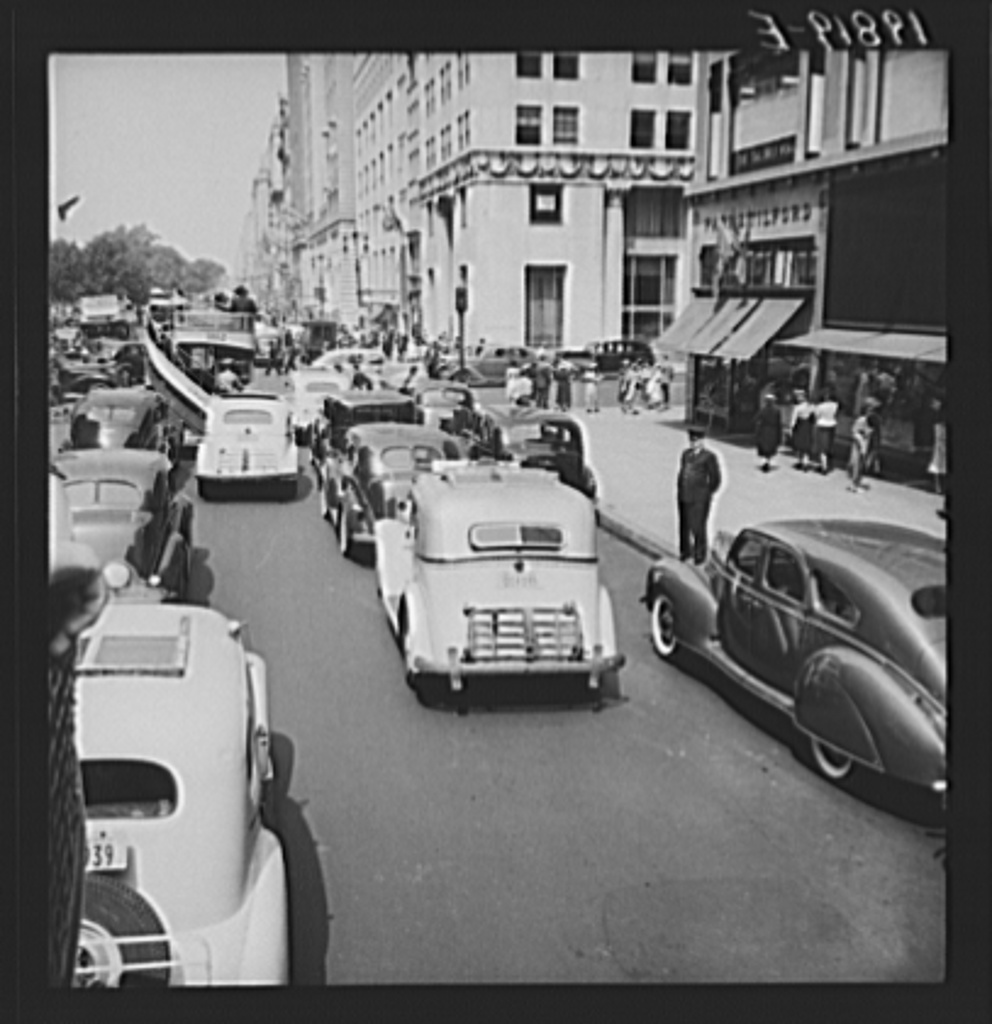
Fifth Avenue.
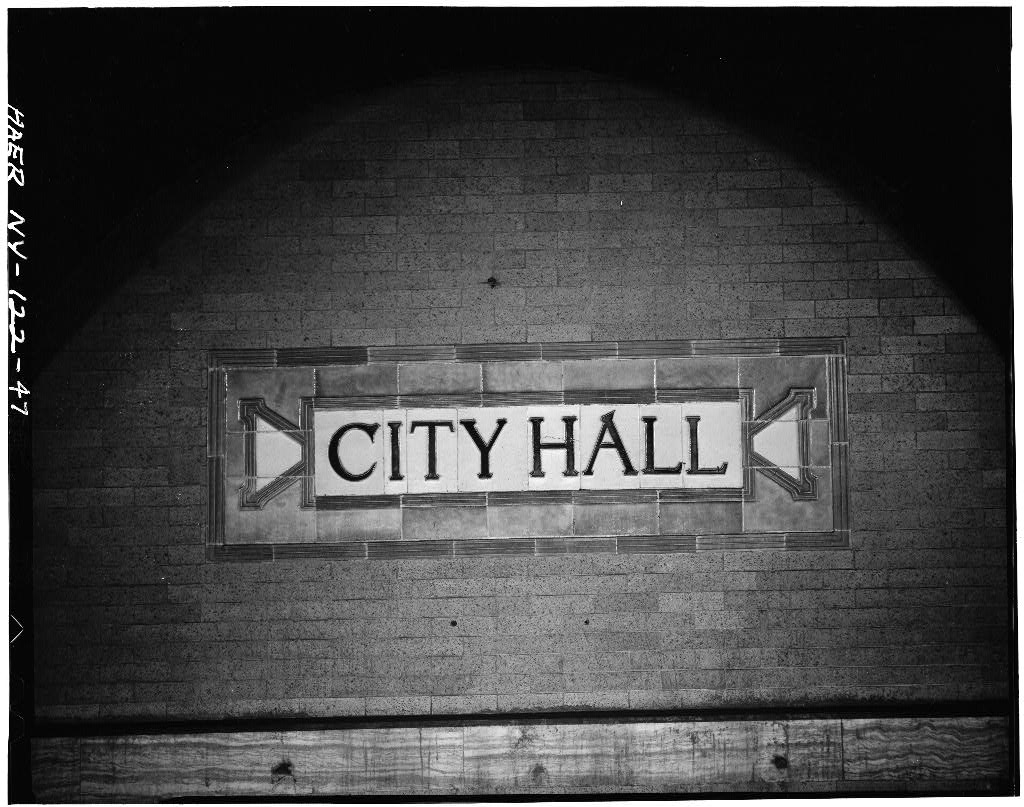
The “hidden” City Hall stop…

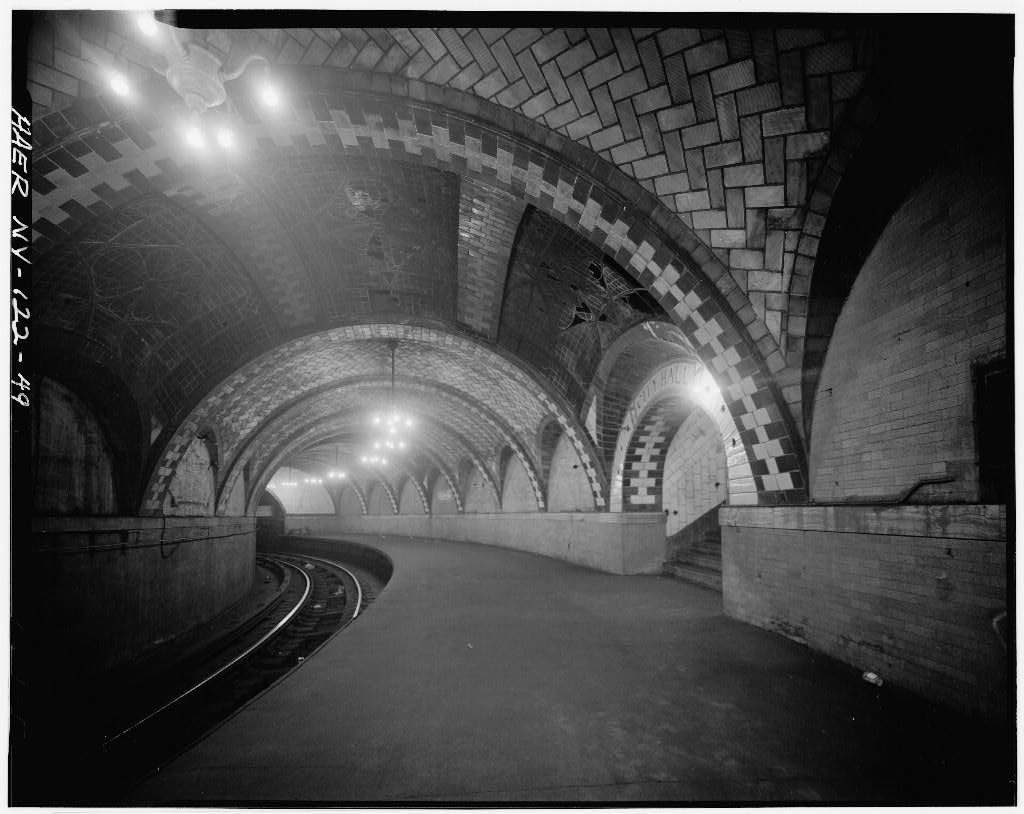

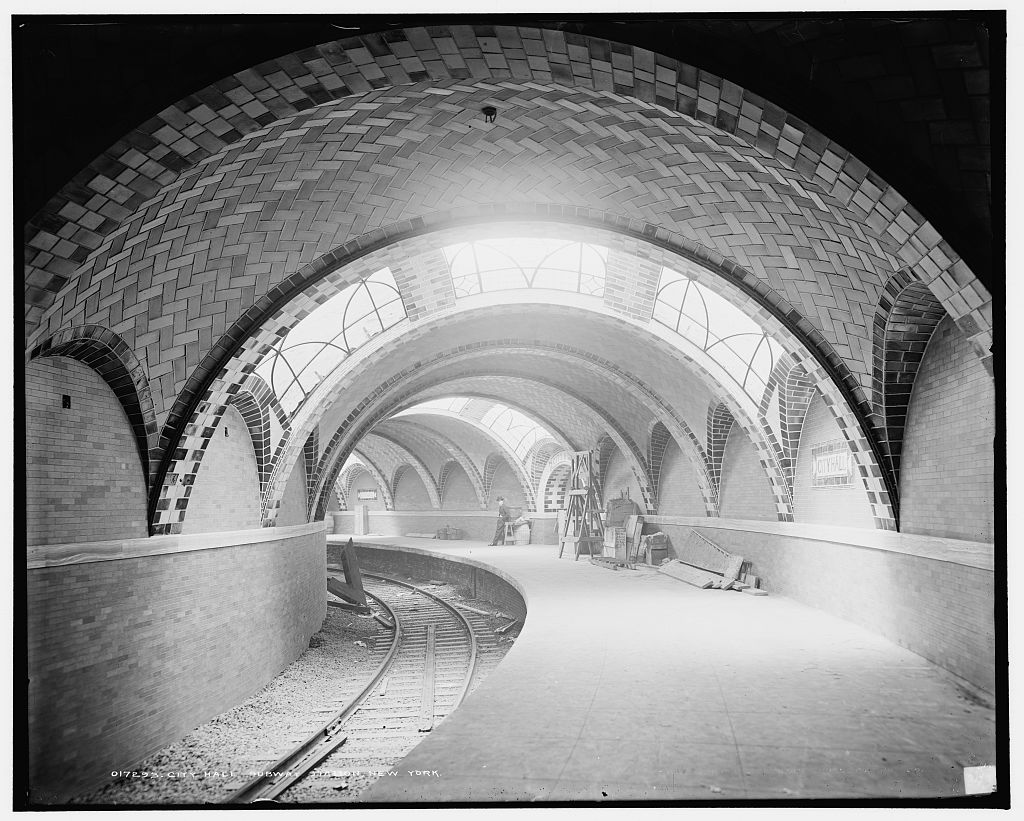

Courtesy of the Library of Congress.
Dial MUrray Hill 8-2205 for Santa
25/12/2011 § 4 Comments
 “Hello, Santa Claus. How you feel?” Jo Ann Ward, 3.
In December of 1947, New York children could dial MUrray Hill 8-2205 and be directly connected with Santa Claus, to discuss their Christmas lists and other such business. The phone number was actually answered by a small staff of Santas at the world-famous toy shop F.A.O. Schwarz, which did not employ a costumed Santa because they felt it might disappoint some children. So fascinated by the prospect of a chat with Santa, some children wanted to talk all day.
To view the original article, which appeared in the
December 15, 1947 issue of LIFE, head here.
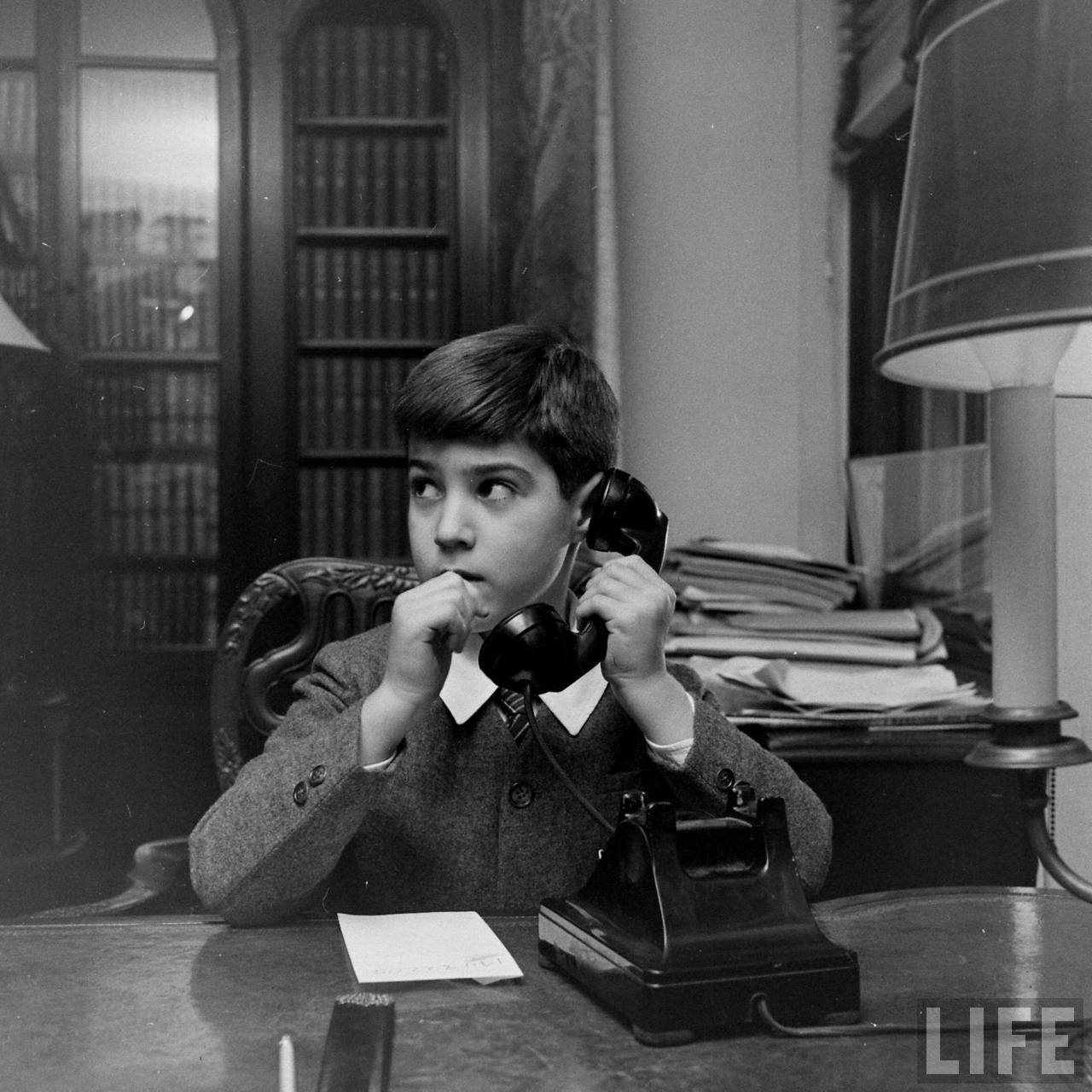


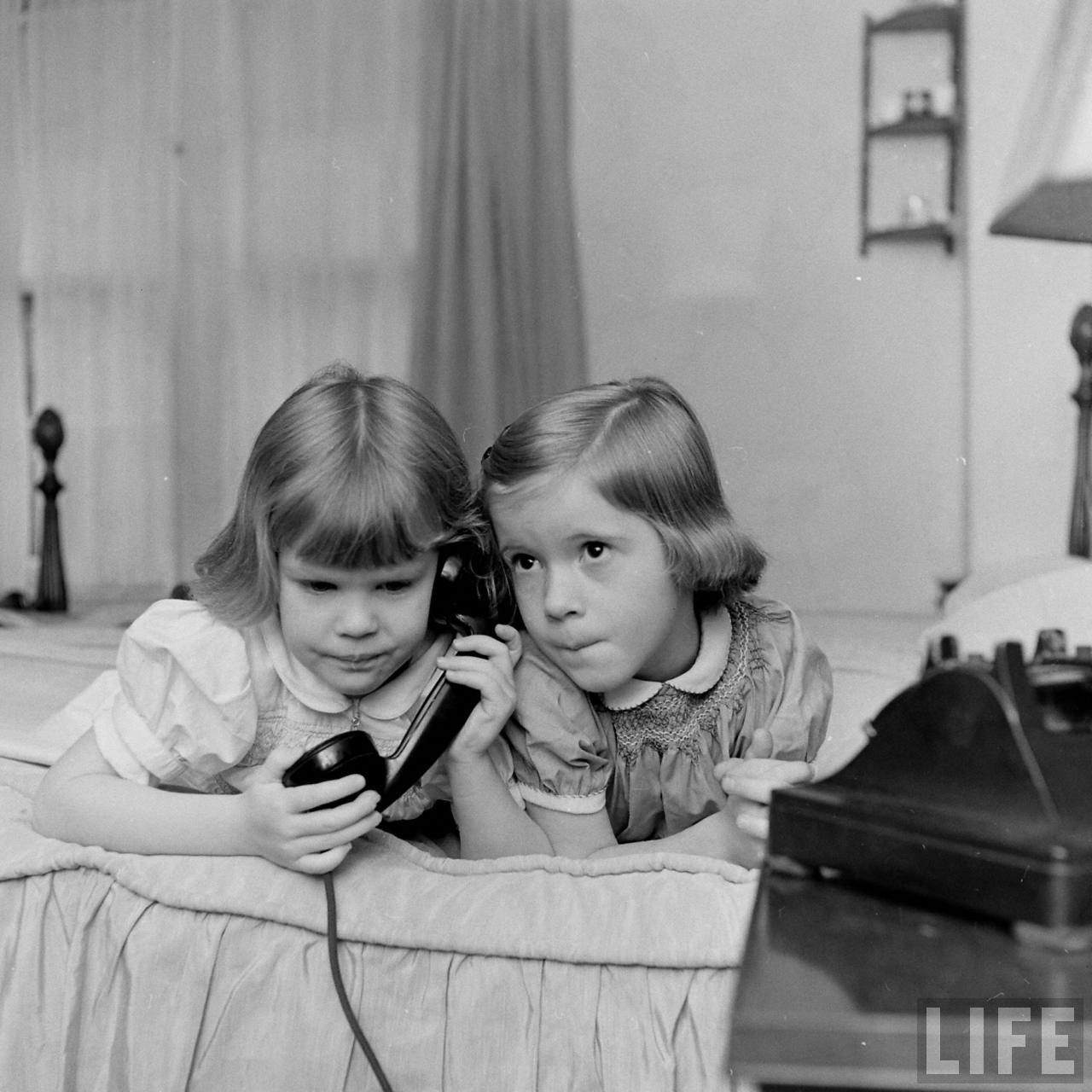


 The F.A.O. Schwarz Santas, hard at work.
All images via the LIFE Archive.
Rabbit Hole: Fifth Avenue, New York, 1911
20/10/2011 § 2 Comments
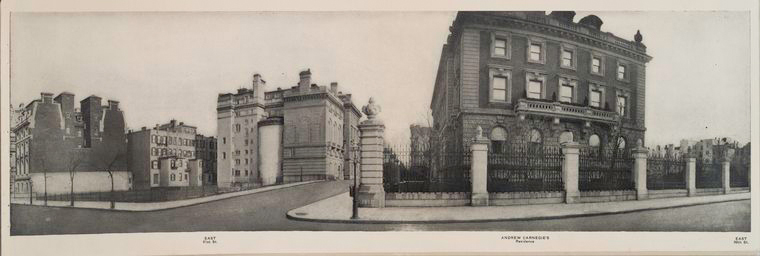 Carnegie mansion (R, current home of the Cooper-Hewitt)
Did you know that the New York Public Library had within its collections a series of panoramic photographs taken of Fifth Avenue — from start to finish — in 1911? I’ve been thoroughly enjoying my virtual wanderings down the avenue in 1911, which coincidentally is also where my office is located in 2011. Cars and pedestrians are frozen in time on the stately street. Some of the buildings I can recognize, while others have been long since torn down. The library is without its lions, St. Thomas is just being built and Mrs. Vanderbilt is still living in the mansion where Bergdorf Goodman now stands.
The images are a bit small here, but I urge you to click through and take a look for yourself at New York 100 years ago. They are amazing. You can find the collection here.
 Knox Hat Building (currently home to HSBC) and NYPL
 St. Patrick’s Cathedral
 The Metropolitan Club
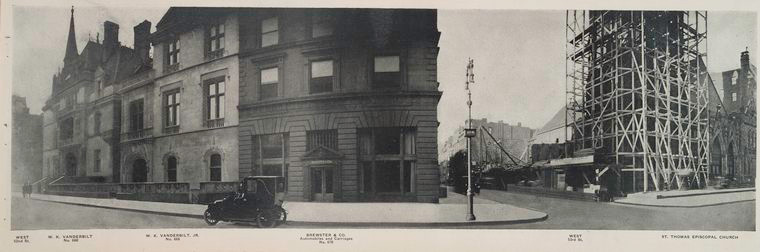 St. Thomas being built (R) and two Vanderbilt homes (L)
 Vanderbilt home (current location of Bergdorf Goodman) and the Plaza
 Met Museum
 Quite Continental