Happy Birthday to Corinne
22/12/2011 § 6 Comments
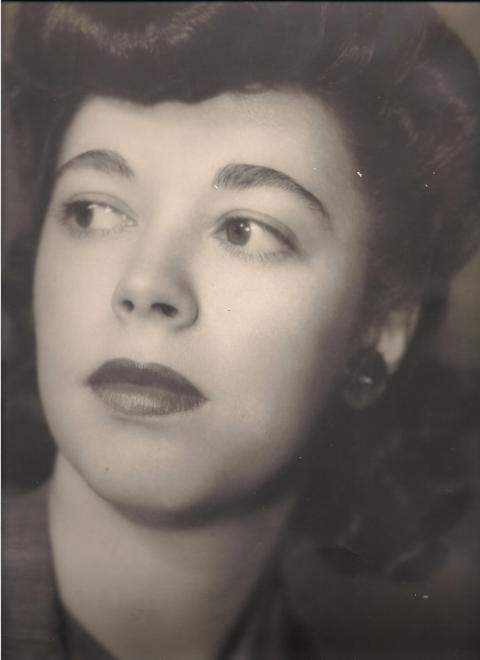
On this day in 1915, my grandmother Corinne Carey was born in Washington, D.C. Were she still alive, she would be turning 96 today. We used to commiserate on quite a few items: we both were/are Christmas babies (my birthday arrives in just a *few* days, in fact); we both were/are the eldest sister; we both were/are on the tall side; we both love/loved art. Little-known fact: I carry her name as my own middle name.
I do find it a bit funny that I have never forgotten her birthday, but can’t seem to ever remember my parents’ wedding anniversary, which happens to be sometime in December as well. (I suppose my mother finds this less funny.)
Important things I learned from my grandmother:
- Red lipstick is never, ever, EVER wrong.
- It is important to always smell pretty. Even if you end up wearing enough perfume to knock out your entire family.
- Always have your hair done. By someone else. Twice a week.
- It is acceptable parenting to get all gussied up with your sister and then put your children to bed, telling them that you and their aunt are just going sit on the porch and “chat.”
- Drinking beer from the can can definitely be ladylike.
- Let your husband have his hobbies. As long as he keeps them in the garage.
From Corinne, you should take bit of a devil-may-care attitude with a healthy dose of no-nonsense. A perfectly polished party girl who didn’t take no guff from nobody. She was a proud mother, a loving sister and a grandmother I miss dearly.
Happiest possible returns, Grandma.
Style Icons: The Women of the Wild Bunch
21/12/2011 § Leave a comment
 Image via Tomboy Style.
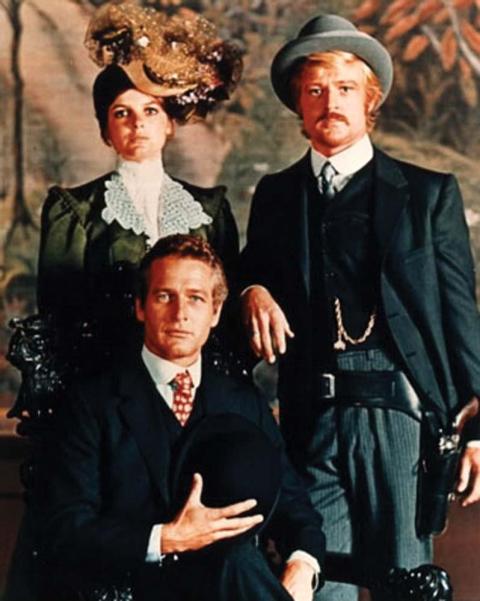
Because I had a number of flights over the last couple of weeks, I had the opportunity to revisit some of my favorite films. One of them yielded a bit of style inspiration in a roundabout manner and it has been on my mind for days now. The film? Butch Cassidy and the Sundance Kid, starring Robert Redford as Sundance, Paul Newman as Butch. If you haven’t yet seen the film, I highly recommend you make the time — it’s even on iTunes, in fact. Loosely based on true events, the film follows real-life turn of the century bank and train robbers Butch Cassidy and the Sundance Kid, members of the Wild Bunch and the Hole in the Wall Gang, through a series of heists and concurrent efforts to outrun the law. Katharine Ross plays Etta Place, a woman who was companion to the Sundance Kid and traveled with both men across the country and to South America. There are only two known pictures of the real Etta Place — in fact, it’s actually not even clear that Etta Place was her real name — and she vanished without a trace around 1909. Quite the mystery.
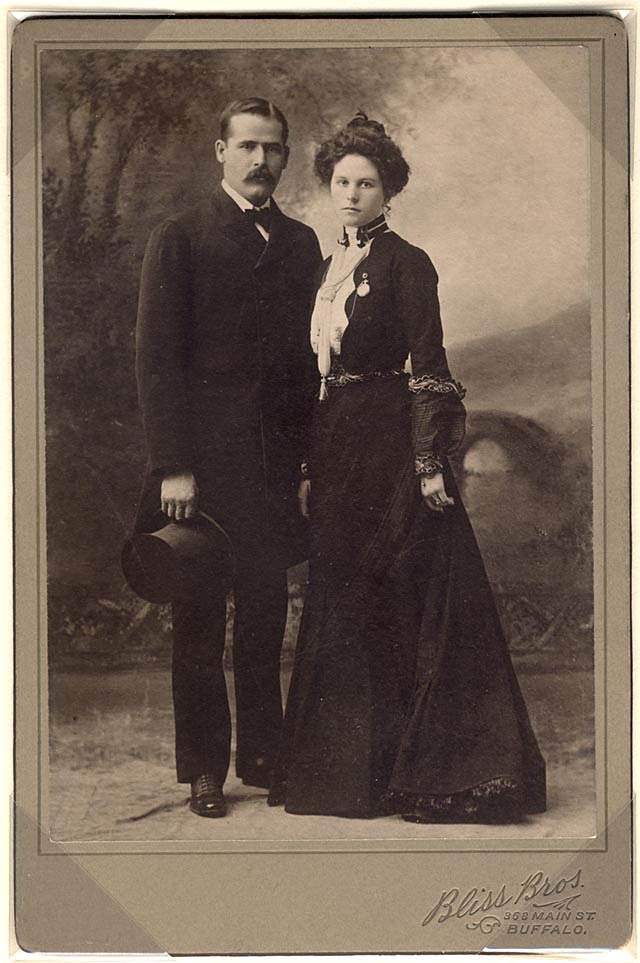 The real Etta Place, with the Sundance Kid

At its heart, the film is about the relationship between Butch and Sundance and the chemistry between Newman and Redford is spot on. But I couldn’t help but be drawn to Etta Place, the school teacher who somehow became enmeshed with two of the most prolific thieves in history. My favorite scenes are when Etta dresses a bit boyishly, but truth be told, she spends most of the film in very proper and very ladylike attire, usually complete with hats and gloves. (Sidenote: The costumes in this film are a.MAY.zing.)
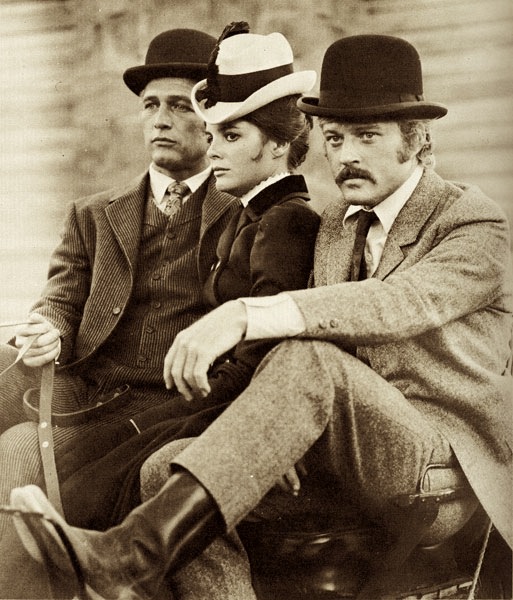 Image via The Selvedge Yard

A bit of further research led to an unexpected discovery. While the film version of the Wild Bunch was men-only (with the tangential exception of Etta), there were in fact, a few female members of the gang. Most notorious among these women, was Laura Bullion, “The Rose of the Wild Bunch.”
 Laura Bullion’s 1901 mugshot
Far be it from me to glorify any real-life criminals, but I was taken aback by Laura’s mugshot and the scatty details of her life. Born in 1876 to an outlaw father, she is linked romantically to Ben Kilpatrick, also a member of the Wild Bunch. Her crimes tended toward robbery, prostitution, and forgery, for which she ended up spending almost 4 years in jail around the turn of the century. After serving her time, she eventually moved to Memphis, where she posed as a war widow under assumed names and oddly domesticated herself, becoming a seamstress, drapery maker and interior decorator. She died in 1961, the last living member of the Wild Bunch and last person to have actually known Etta Place.
The 1901 mugshot is arresting. It’s almost like she dares you to look away. Her gaze is all hardness and resolve. For a woman at that time to choose such an unconventional lifestyle, one can only guess what her life must have been like, growing up surrounded by criminals. Also, can we please note the bow tie?!
Interestingly, as I researched more female outlaws, I came to notice how frequently their sexual activities and partners were mentioned — distinctly different from the characterizations of their male outlaw counterparts — and how the accounts that were made at the time have a distinct impact on the accounts that are written today. It is interesting to note that these women were frequently made out to be sexual deviants, loose women, and/or prostitutes — defined by that all too-familiar double-standard. Not only did they break the laws of the land, but since they shirked sexual mores with abandon, society made it clear they were outsiders. Perhaps even more so than male outlaws.
From Laura and Etta, I’m taking a sense of rebellion and adventure.
But I will leave it to them to break the laws.
The Wanderlust
16/12/2011 § Leave a comment
 Image via National Library of Wales.

Islwyn Roberts of Llanbedr, Merionethshire, a Welshman who would hitchhike his way around the world and then return home to sit on a bench in town and read stories about his adventures to anyone who would listen. A mostly deaf war veteran, Islwyn managed to get all the way to Algeria on £6 in 1949. He returned home to Wales, but set out again in 1958 for a year-long trip that included stops in Egypt, South Africa, Patagonia (in South America) and Canada.
The Wanderlust
by Robert W. Service
The Wanderlust has lured me to the seven lonely seas,
Has dumped me on the tailing-piles of dearth;
The Wanderlust has haled me from the morris chairs of ease,
Has hurled me to the ends of all the earth.
How bitterly I’ve cursed it, oh, the Painted Desert knows,
The wraithlike heights that hug the pallid plain,
The all-but-fluid silence, — yet the longing grows and grows,
And I’ve got to glut the Wanderlust again.
Soldier, sailor, in what a plight I’ve been!
Tinker, tailor, oh what a sight I’ve seen!
And I’m hitting the trail in the morning, boys,
And you won’t see my heels for dust;
For it’s “all day” with you
When you answer the cue
Of the Wan-der-lust.
The Wanderlust has got me . . . by the belly-aching fire,
By the fever and the freezing and the pain;
By the darkness that just drowns you, by the wail of home desire,
I’ve tried to break the spell of it — in vain.
Life might have been a feast for me, now there are only crumbs;
In rags and tatters, beggar-wise I sit;
Yet there’s no rest or peace for me, imperious it drums,
The Wanderlust, and I must follow it.
Highway, by-way, many a mile I’ve done;
Rare way, fair way, many a height I’ve won;
But I’m pulling my freight in the morning, boys,
And it’s over the hills or bust;
For there’s never a cure
When you list to the lure
Of the Wan-der-lust.
The Wanderlust has taught me . . . it has whispered to my heart
Things all you stay-at-homes will never know.
The white man and the savage are but three short days apart,
Three days of cursing, crawling, doubt and woe.
Then it’s down to chewing muclucs, to the water you can eat,
To fish you bolt with nose held in your hand.
When you get right down to cases, it’s King’s Grub that rules the races,
And the Wanderlust will help you understand.
Haunting, taunting, that is the spell of it;
Mocking, baulking, that is the hell of it;
But I’ll shoulder my pack in the morning, boys,
And I’m going because I must;
For it’s so-long to all
When you answer the call
Of the Wan-der-lust.
The Wanderlust has blest me . . . in a ragged blanket curled,
I’ve watched the gulf of Heaven foam with stars;
I’ve walked with eyes wide open to the wonder of the world,
I’ve seen God’s flood of glory burst its bars.
I’ve seen the gold a-blinding in the riffles of the sky,
Till I fancied me a bloated plutocrat;
But I’m freedom’s happy bond-slave, and I will be till I die,
And I’ve got to thank the Wanderlust for that.
Wild heart, child heart, all of the world your home.
Glad heart, mad heart, what can you do but roam?
Oh, I’ll beat it once more in the morning, boys,
With a pinch of tea and a crust;
For you cannot deny
When you hark to the cry
Of the Wan-der-lust.
The Wanderlust will claim me at the finish for its own.
I’ll turn my back on men and face the Pole.
Beyond the Arctic outposts I will venture all alone;
Some Never-never Land will be my goal.
Thank God! there’s none will miss me, for I’ve been a bird of flight;
And in my moccasins I’ll take my call;
For the Wanderlust has ruled me,
And the Wanderlust has schooled me,
And I’m ready for the darkest trail of all.
Grim land, dim land, oh, how the vastness calls!
Far land, star land, oh, how the stillness falls!
For you never can tell if it’s heaven or hell,
And I’m taking the trail on trust;
But I haven’t a doubt
That my soul will leap out
On its Wan-der-lust.
Field Notes: Antiquing in Mercado de San Telmo
13/12/2011 § 5 Comments
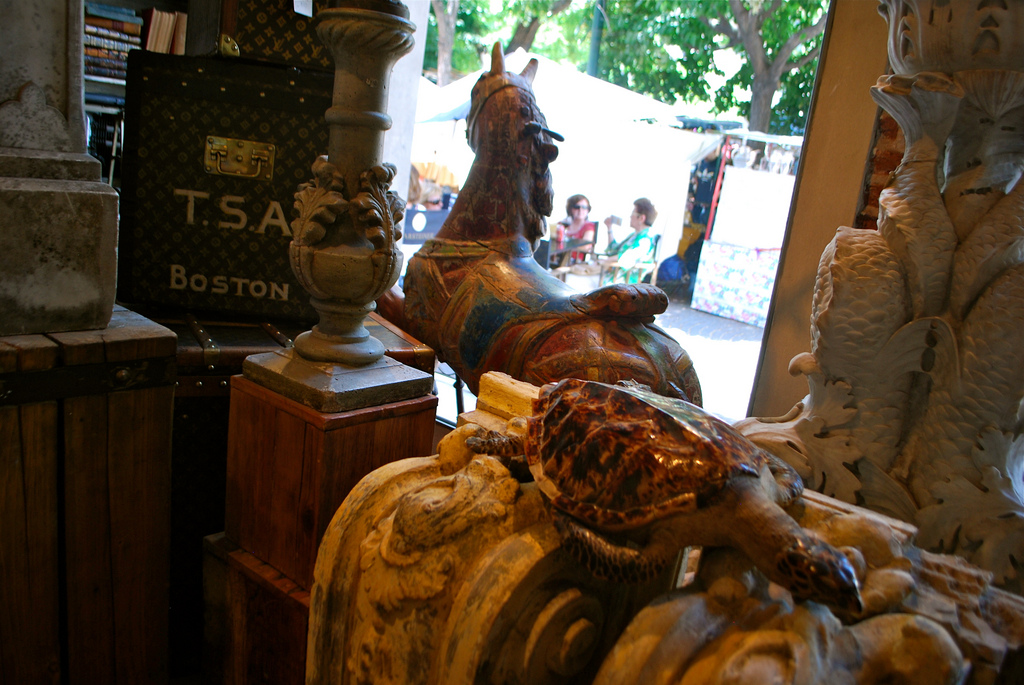
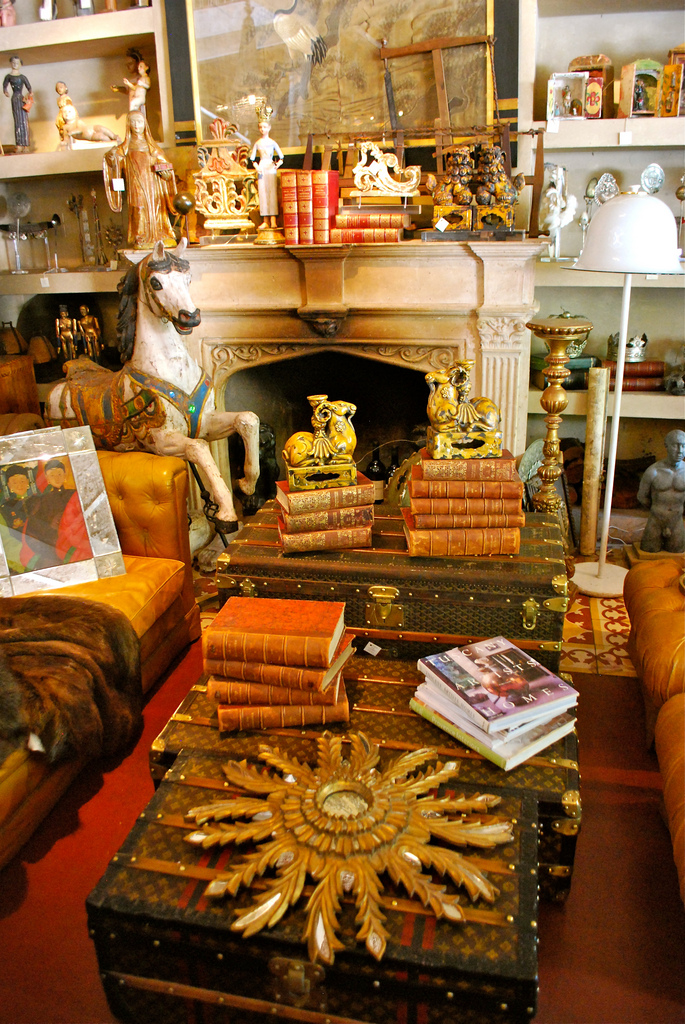
Weekly on Sundays, the street Defensa in the neighborhood of San Telmo in Buenos Aires becomes a bustling marketplace where one can purchase almost anything. Automobiles are prohibited, vendors set their stalls in the streets and enterprising young people rove the crowds carrying boxes of homemade empanadas for sale. However, the most impressive attractions of the San Telmo market are the amazing antique shops and there are two in particular I wanted to share with you.
 Gabriel del Campo (Defensa 1131 in San Telmo)
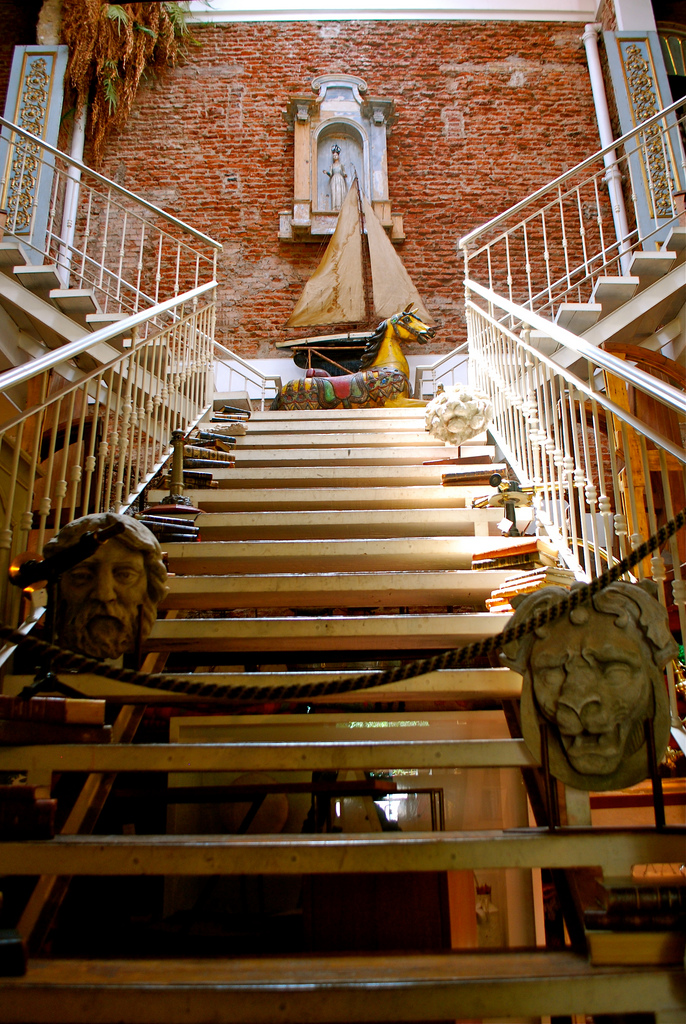
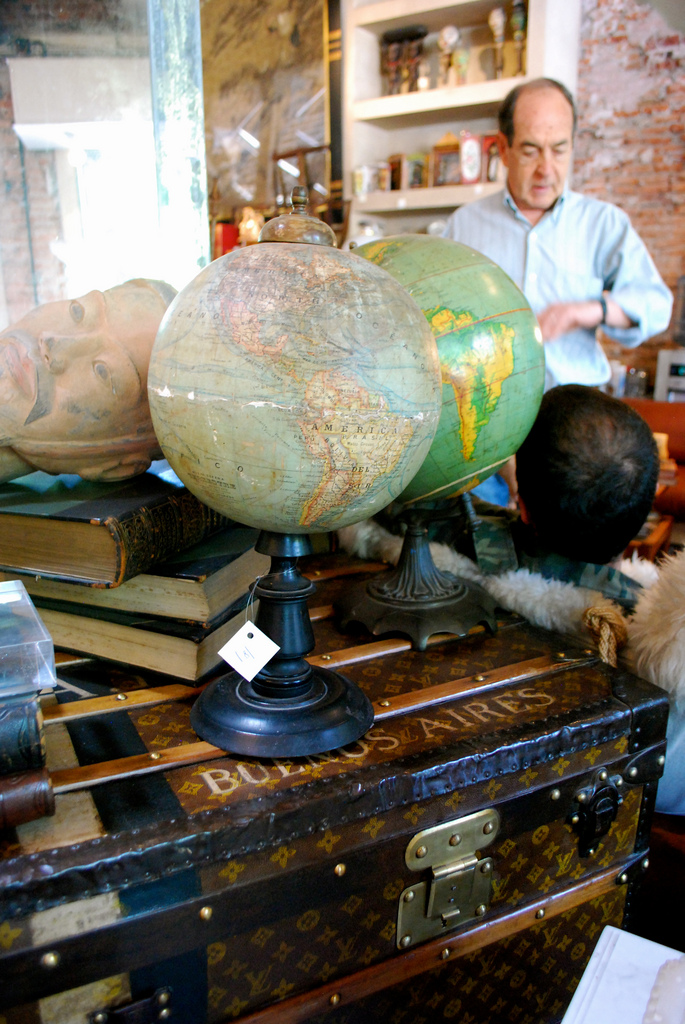
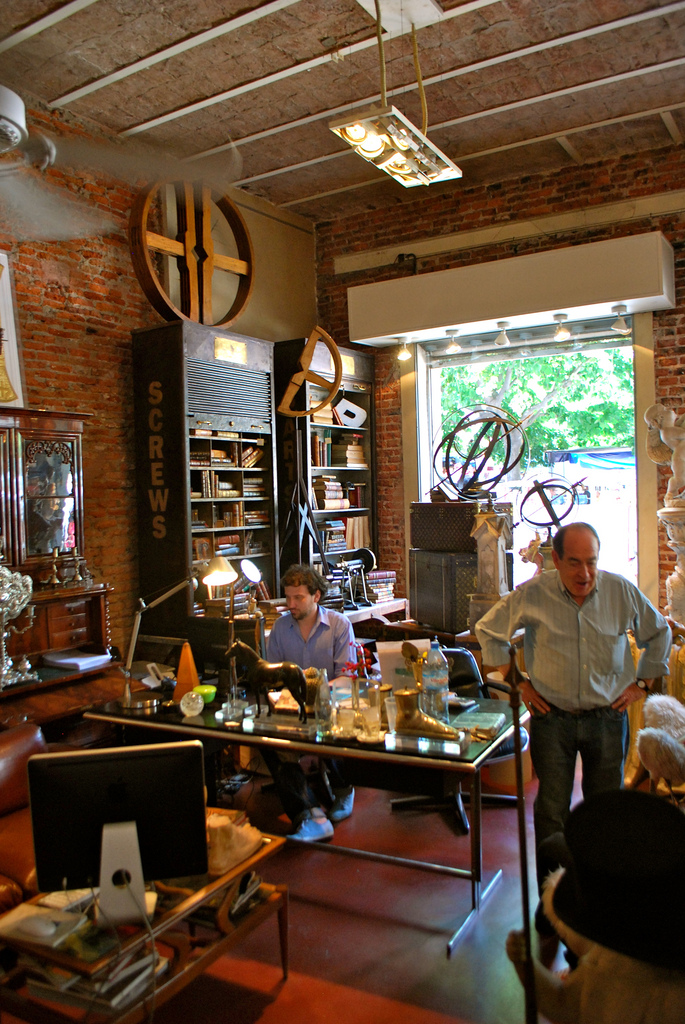
Gabriel del Campo was a rather surreal experience. There were so many interesting and immaculate items — from dolls to furniture to fur rugs to an extensive collection of luggage and trunks — and they were staged so beautifully, it felt almost like a museum. Albeit the kind of museum I wanted to live in. And while the exchange rate is currently quite favorable, the shop is well aware of the high quality and value of their items.
For example, a diminutive woman with an accent that sounded like she was from Hong Kong was noisily admiring a Louis Vuitton steamer trunk that was almost as tall as she was. When she asked the price, “18,000” was the answer. “Pesos?” she asked, which would have been a little over $4,000. “No, no. American dollars.”
For those of us who are not on Ralph Lauren’s scouting team and find ourselves without their unlimited funds, rest assured that Gabriel del Campo is an inherently satisfying exercise in antique inspiration and it is definitely worth a look around. Who knows, you might get lucky...

 Antigüo Balcón (Defensa 961, Location 90, in Antiguo Mercado de San Telmo)
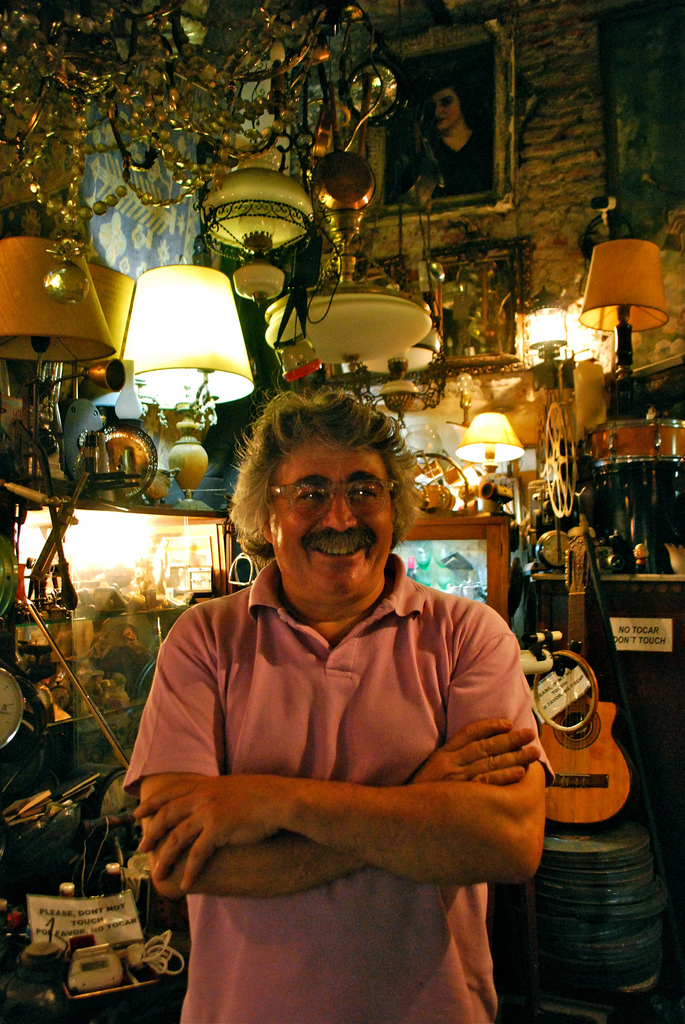
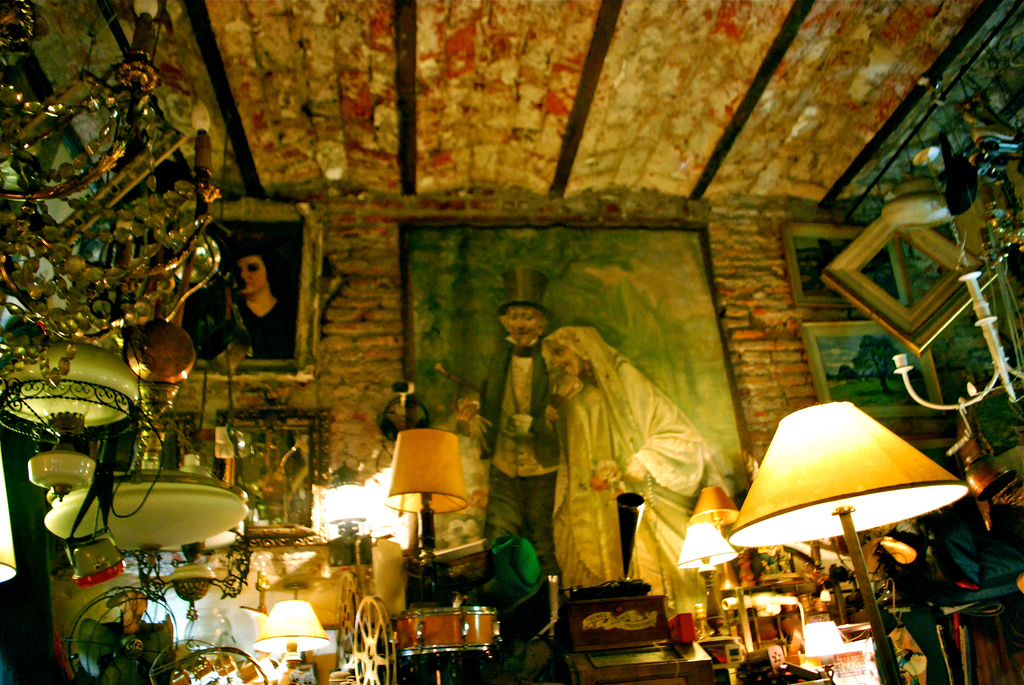
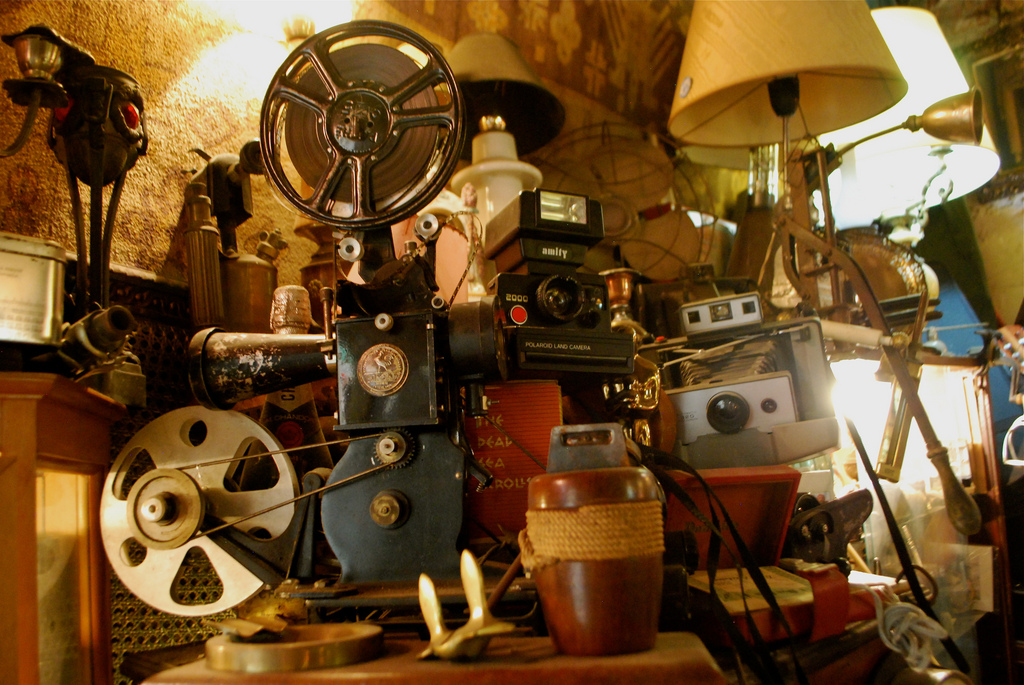
On the other hand, the tiny and adorable shop Antigüo Balcón, was a completely different — but much more lovely — experience. Run by owner Abel Neira for over 20 years, the shop is a dizzying jumble of all sorts of odds and ends and hidden treasures. Mr. Neira seems to somewhat specialize in a few types of items — namely cameras, musical instruments, fans and telephones — but truly, there is a little bit of everything crammed into this tiny space.
Mr. Neira was a delight to speak with. As he pointed out small treasures my untrained eye might have missed, we chatted about my trip and the best places to go in the city — quite like visiting an old friend with an amazing collection. At Antigüo Balcón, unlike at Gabriel del Campo, you can find amazing things that won’t require a second mortgage — or a first one for that matter — and you will consider your time with Mr. Neira as an added bonus.
 Abel Neira, owner of Antigüo Balcón.



Related: Field Notes: Buenos Aires, Argentina
Reading List || The Financial Times: Power With Grace ~ Christine Lagarde
13/12/2011 § Leave a comment
 Christine Lagarde. Image via the FT.

When Christine Lagarde took the reins at the IMF from embattled and embarrassed Dominique Strauss-Kahn, I will admit that aside from the remarkable milestones she represents — the first female managing director of the IMF, first female finance minister of a G7 country, first female head of international law firm Baker & McKenzie — there is something about her style that resonates deeply with me. Here I use the term “style” loosely, as I do not specifically mean her manner of dress or hairstyle. While I do love both, it has more to do with what Gillian Tett calls her “power with grace” in Tett’s recent article on Lagarde for the Women of 2011: Special Edition of the Financial Times:
But Lagarde is also being watched – as a potent female watershed. Never before has a woman held such a powerful position in global finance; the world of money has hitherto been dominated by men, not just inside banks but in bureaucracies too. Lagarde herself has often lamented this pattern, joking, for example, that the financial crisis might have been different if there had been “Lehman Sisters” and pointing out that the euro’s “fragile” foundations were created by its “founding fathers”, not mothers, since “regrettably, there was no woman at the table at the time.” Or, as she recently told me on the telephone: “I wish that there were more women in finance – I think it would be much healthier. We don’t know if it would have been different with more women [in 2008] but my intuition tells me it possibly might have been.”
Read the article here.
And from Forbes, Lagarde talks about being a lawyer, gender, diversity and the role of the IMF in the global economic crisis. Especially interesting to hear the reasons she prefers to use the title “Chairman.”
Also on the list:
The Smithsonian: Unflinching Portraits of Pearl Harbor Survivors
Business of Fashion: Digital Scorecard | Valentino Garavani Virtual Museum
LIFE Magazine, 17 Jan 1969: While Burton romances Rex, Liz weighs her power and her future
The diamond is 33.9 carats and when I first saw it I said, “It can’t be real.” And Mrs. Burton belted back happily, “You bet your sweet ass it’s real. It’s the Krupp Diamond.”
Field Notes: Buenos Aires, Argentina
12/12/2011 § 7 Comments

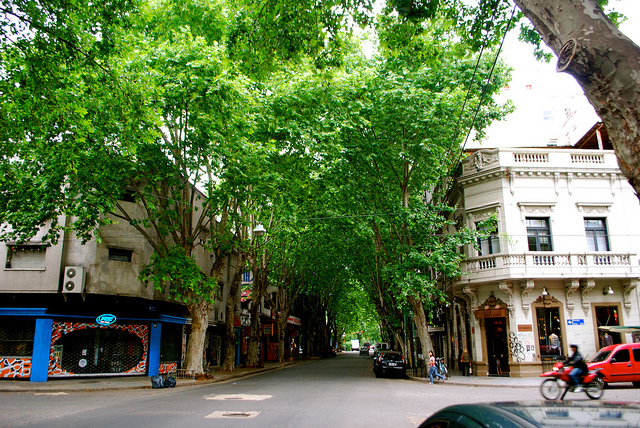 Palermo Soho


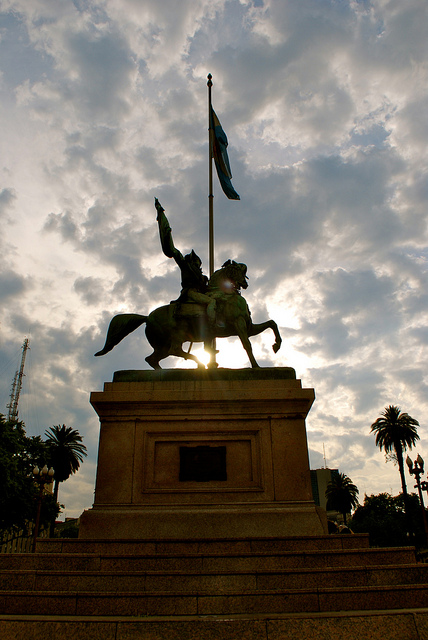 Plaza de Mayo
 Mausoleum of General San Martín, Buenos Aires Metropolitan Cathedral
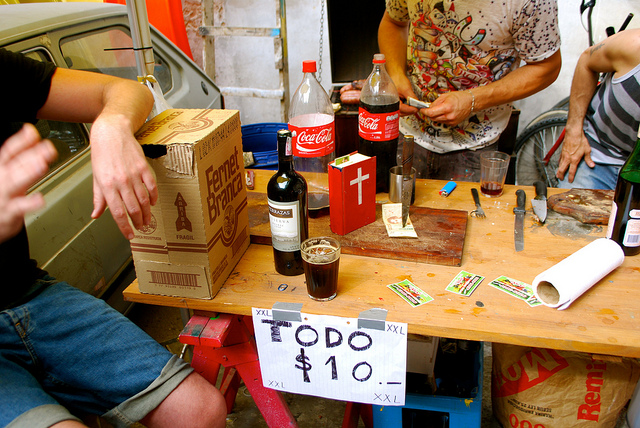
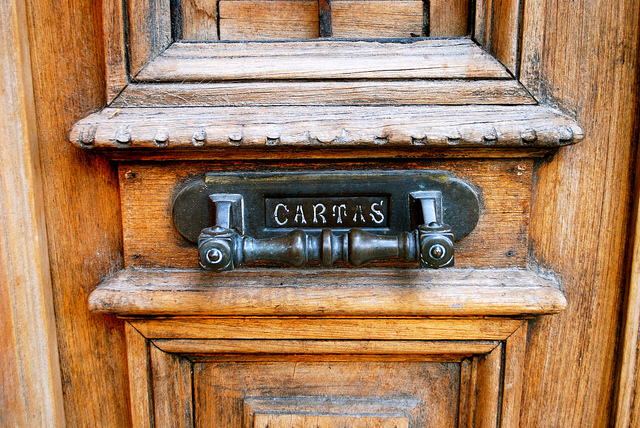
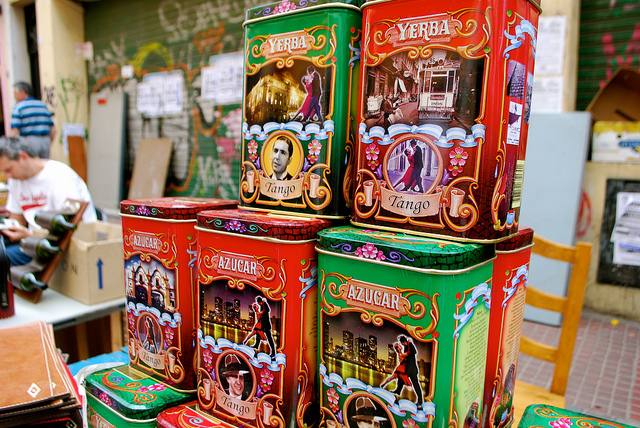
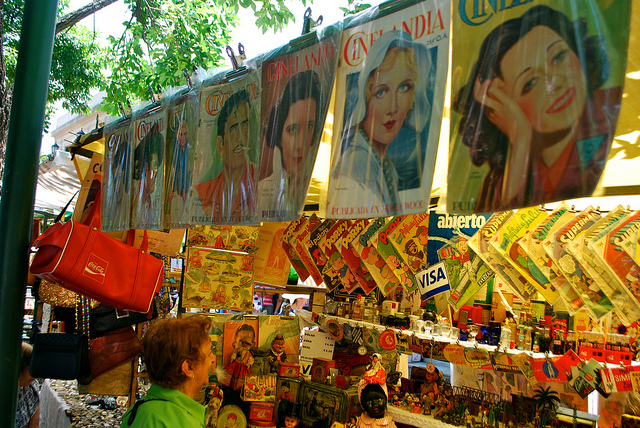 Mercado de San Telmo
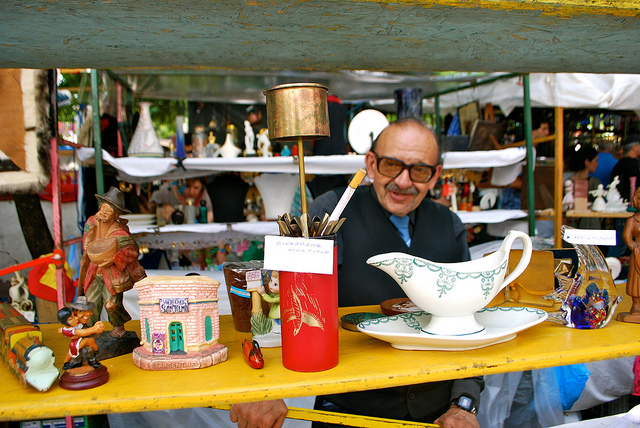
 Museum ships


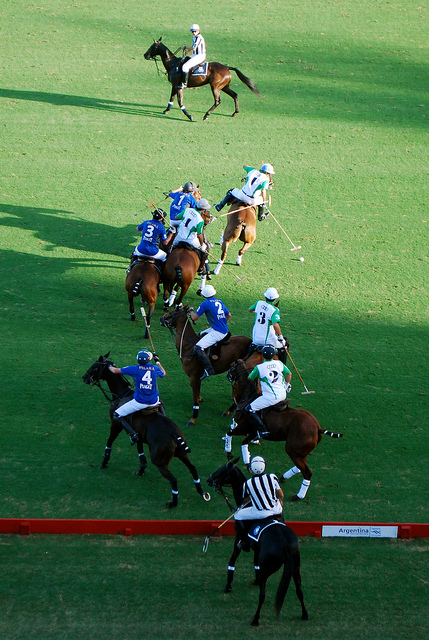 Argentine Polo Open

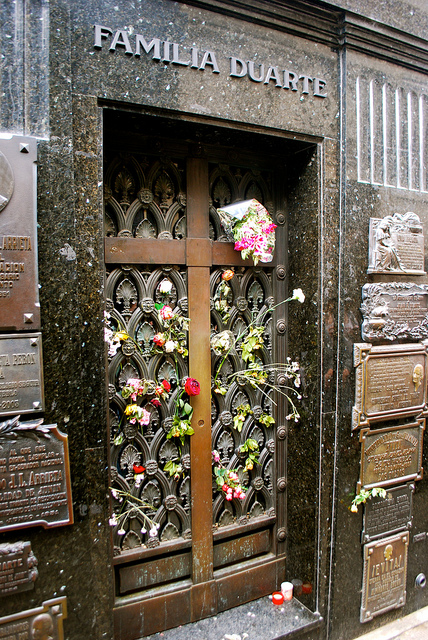 Recoleta Cemetary


Field Notes: Buenos Aires
As you may recall, I recently returned from a trip to Buenos Aires and I have been raving about the city to anyone who will listen. The word amazing has definitely been bandied about quite a bit. Simultaneously cosmopolitan and relaxing, the city makes for a perfect destination when the northern hemisphere turns to winter. With the exchange rate currently in my favor (~4.6 pesos to the dollar), it was an affordable escape as well. Of course, I am plotting my return trip as we speak…
I recommend staying in one of the Palermo neighborhoods: Hollywood or Soho. The neighborhoods are named for their resemblance to the American cities with the same name: Soho with its bustling shopping and dining, Hollywood with its concentration of the city’s media companies. I stayed in Palermo Soho and found it to be well located and felt exceptionally safe after dark. It is, however, a bit of a walk to the Subte (subway), but taxis are plentiful and quite affordable. Instead of staying in a hotel, I rented a flat, which is definitely the most cost-effective option. Through Buenos Aires Rents, I found a sparkling clean studio in a brand new building with 24-hour doorman service, laundry, gym and roof deck with a pool, for a little over $60 per night. While renting a flat means you don’t have a concierge on hand at all times, the folks at Buenos Aires Rents were always immediately available for my questions and also offer car service for airport transfers. If you are the type that requires daily room service, take a look at Esplendor Palermo Soho, which was darling and directly around the corner from where I stayed.
Next time, I will definitely stay at the Hotel del Casco, which is actually in San Isidro, a bit north of Buenos Aires proper. An exceptionally beautiful, 1890s neoclassical palazzo that was formerly the summer home of an aristocratic family, the Hotel del Casco has been converted into a gorgeous 20 room hotel that retains much of its original 19th century aesthetic.
 Hotel del Casco. Perfection.
Buenos Aires is a city that easily lends itself to cafe lingering and meandering. I spent many lovely, lazy mornings people-watching over coffee and toast topped with dulce de leche in corner cafes. Afternoons were for siestas. Evenings were for late and lengthy dinners of steak and malbec. But should you be more itinerary-minded, there is plenty to do. Visit one of the many art museums, go to the Plaza de Mayo and see the Casa Rosada, shop for antiques in the San Telmo market on Sundays, board the museum ships of Puerto Madero, and visit the massive Recoleta Cemetary (where you can find the tomb of Eva Peron). I especially recommend Graffitimundo, a great tour of Buenos Aires street art and graffiti, for an inside look at a burgeoning art scene and neighborhoods a bit off the normal tourist route. If you go in mid-November as I did, you can catch the Argentine Polo Open, which I quite enjoyed.
As for cuisine, Buenos Aires is widely known for their red meat and red wine. I had fantastic meals at Don Julio (Guatemala 4691 in Palermo Soho) and El Trapiche (Paraguay 5099 in El Centro). I also dined at what is widely considered the best restaurant in town, Cabaña Las Lilas (A.M. de Justo 516 in Puerto Madero). While Cabaña Las Lilas was quite good and takes full advantage of their picturesque setting, I definitely preferred the atmosphere of Don Julio and El Trapiche, both of which felt more locally authentic and less touristy. It is also worth noting that most of my dinners — with multiple courses and wine — tended to run between $25 and $40 per person. Also, make sure not to miss Cafe Tortoni (Avenida De Mayo 825), the oldest coffee shop in all of Argentina, founded in 1858.
Parting notes: WiFi is plentiful in the city so no need to run up massive roaming data charges. // Bring the plug adapter for Australia and not the one marked “South America.” For some reason, Argentina uses slanted prongs unlike the rest of the continent. // You won’t need a visa, but upon arrival you will have to pay a fee equal to the amount the US charges Argentines for US visas. Currently that amount is $140, but it will also cover any other entries over the next ten years.
You can see the rest of my photos from Buenos Aires here.
LIFE Archives: The Rabbit Hunt
09/12/2011 § 6 Comments
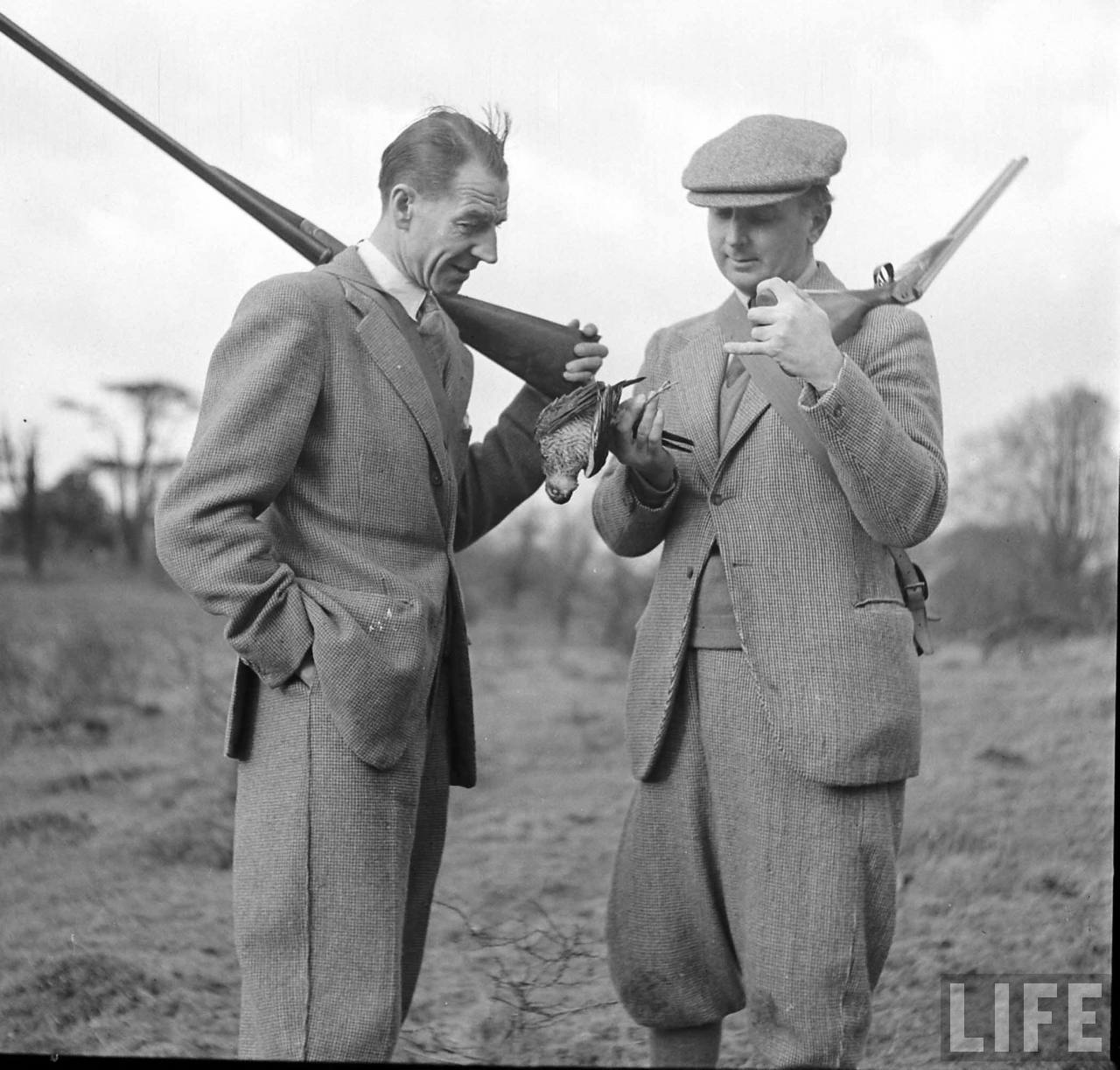
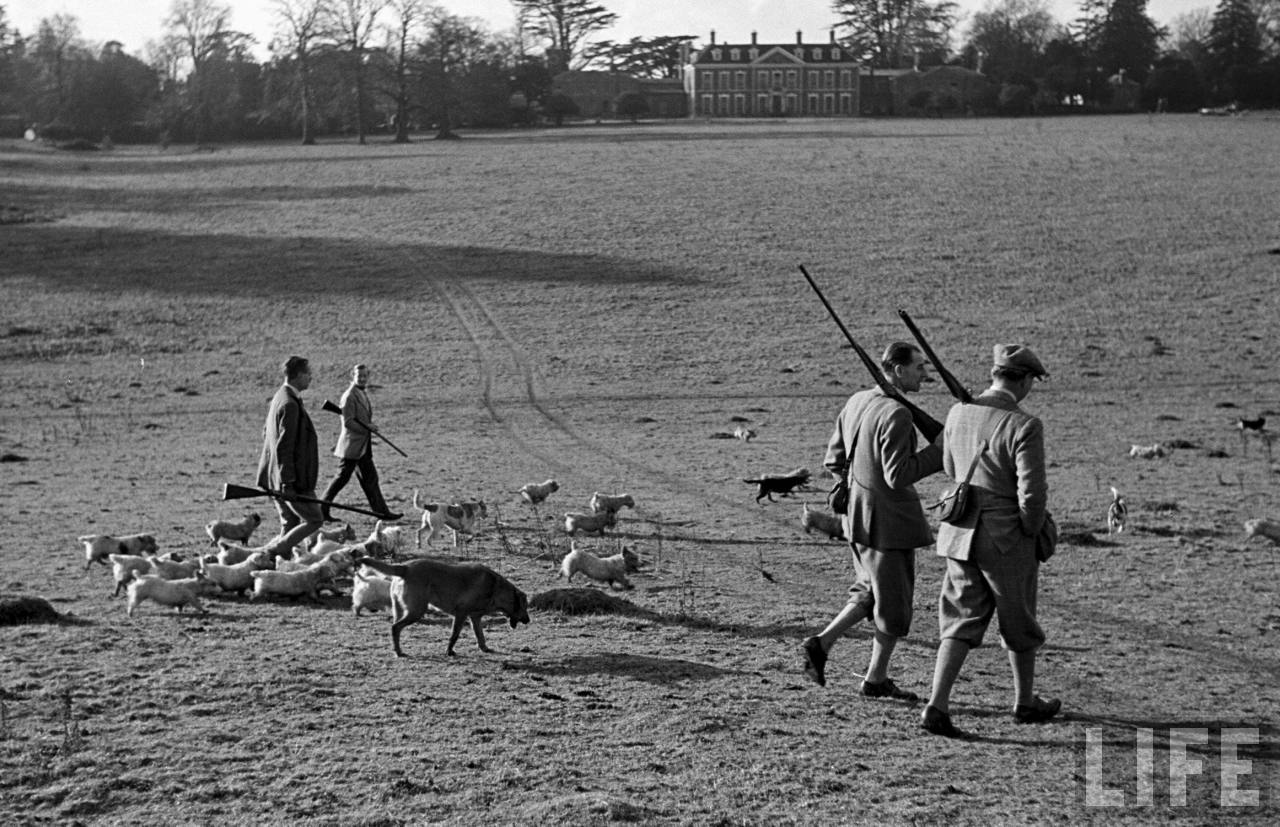
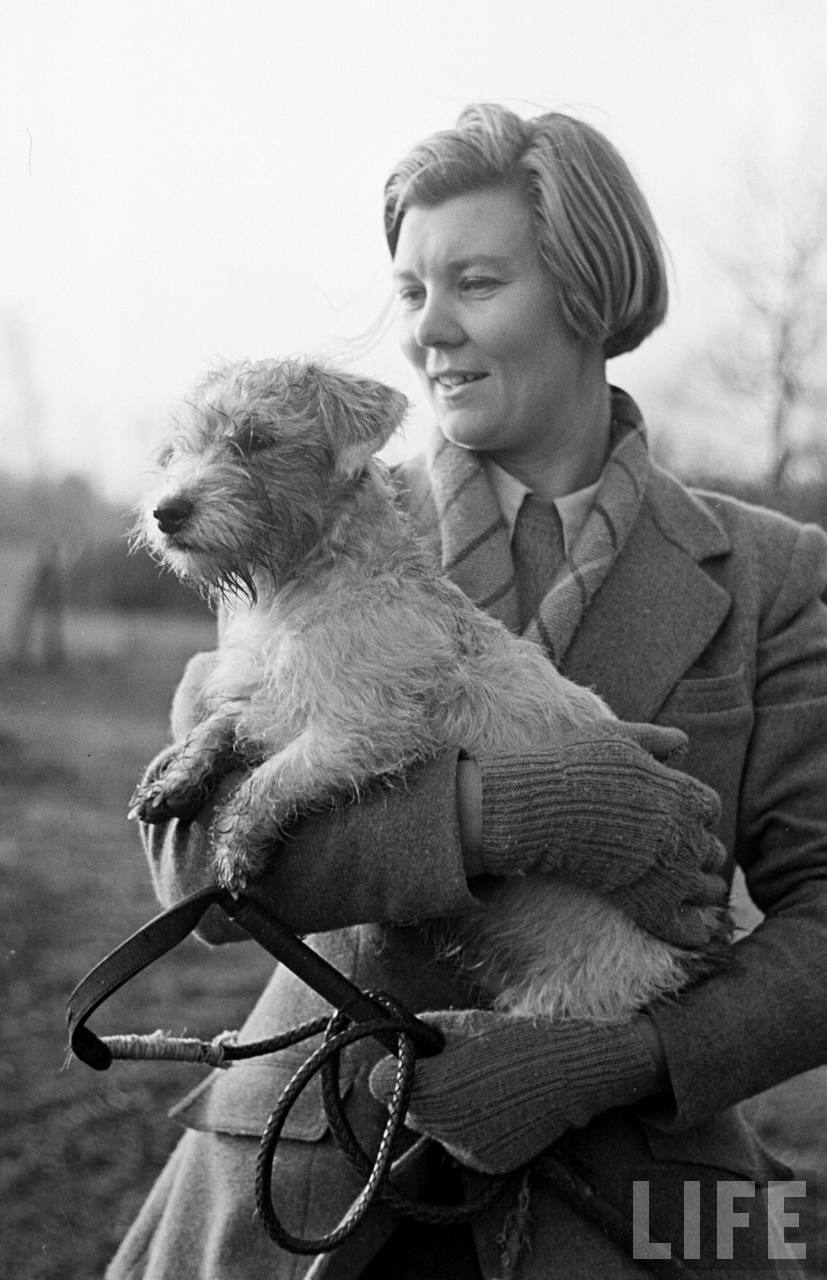
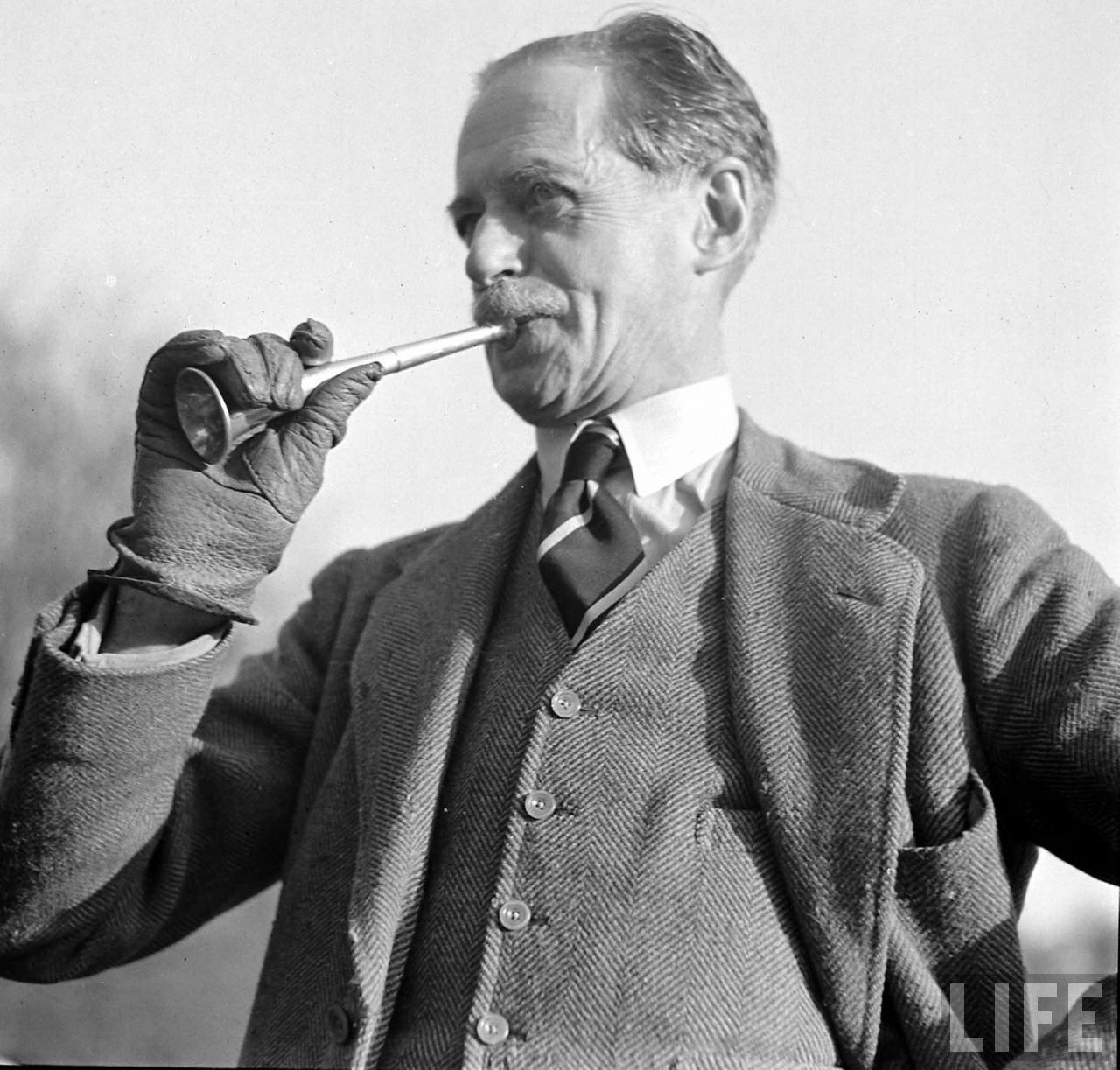
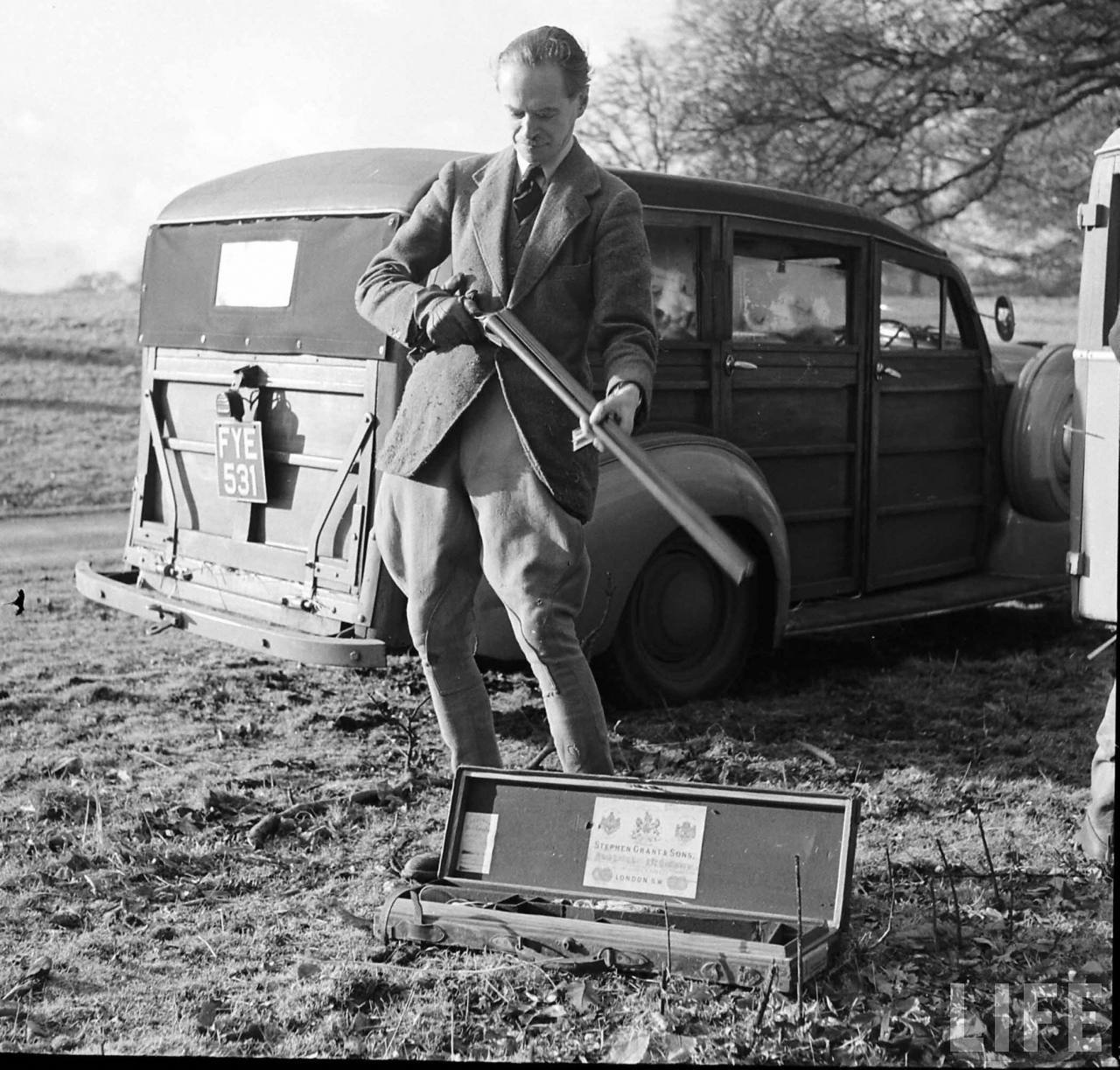

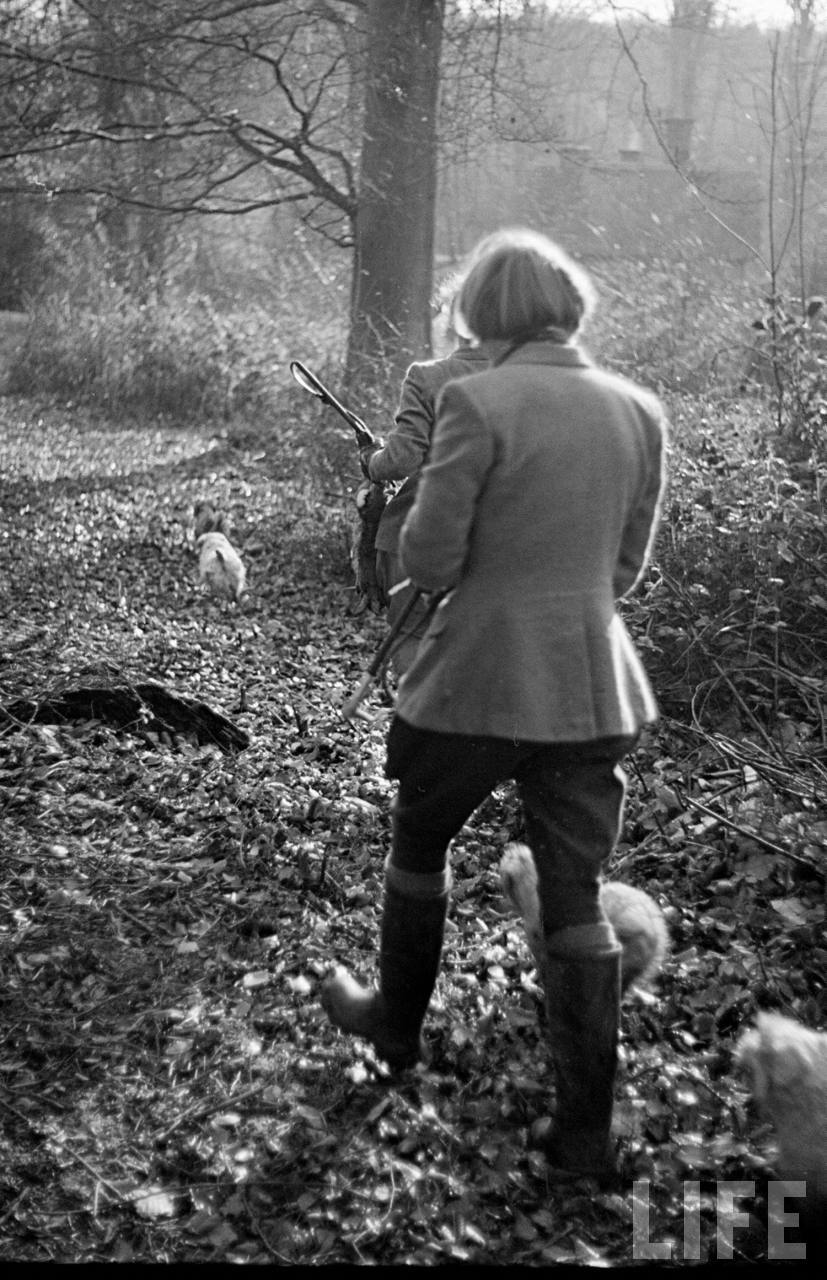
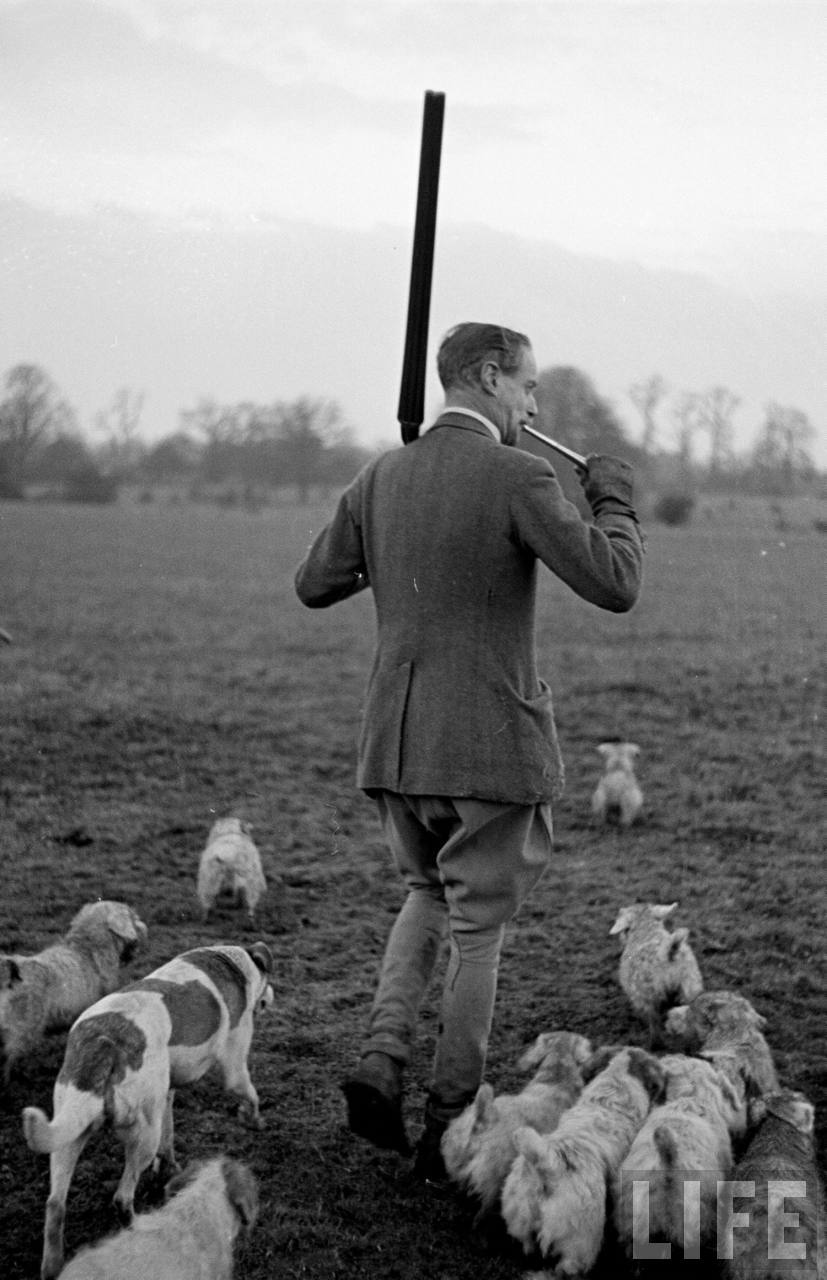
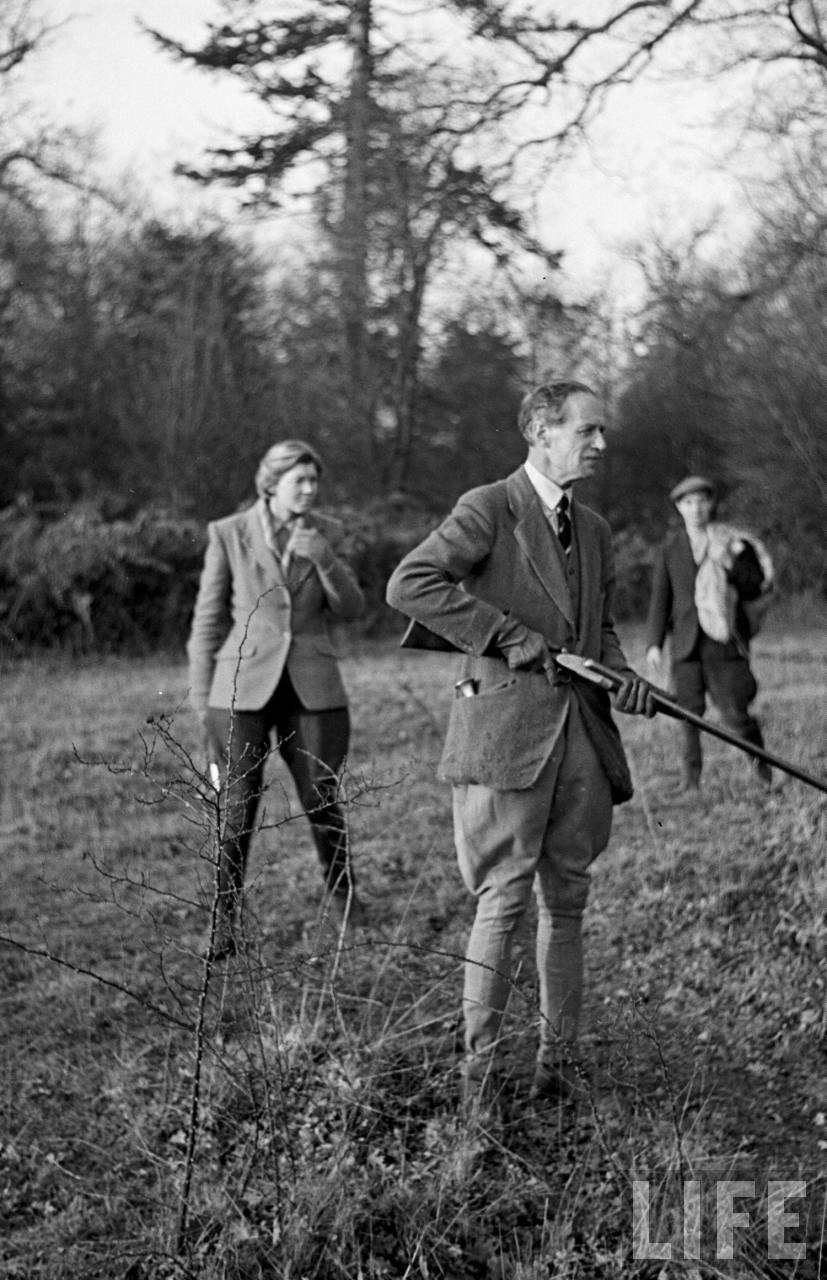

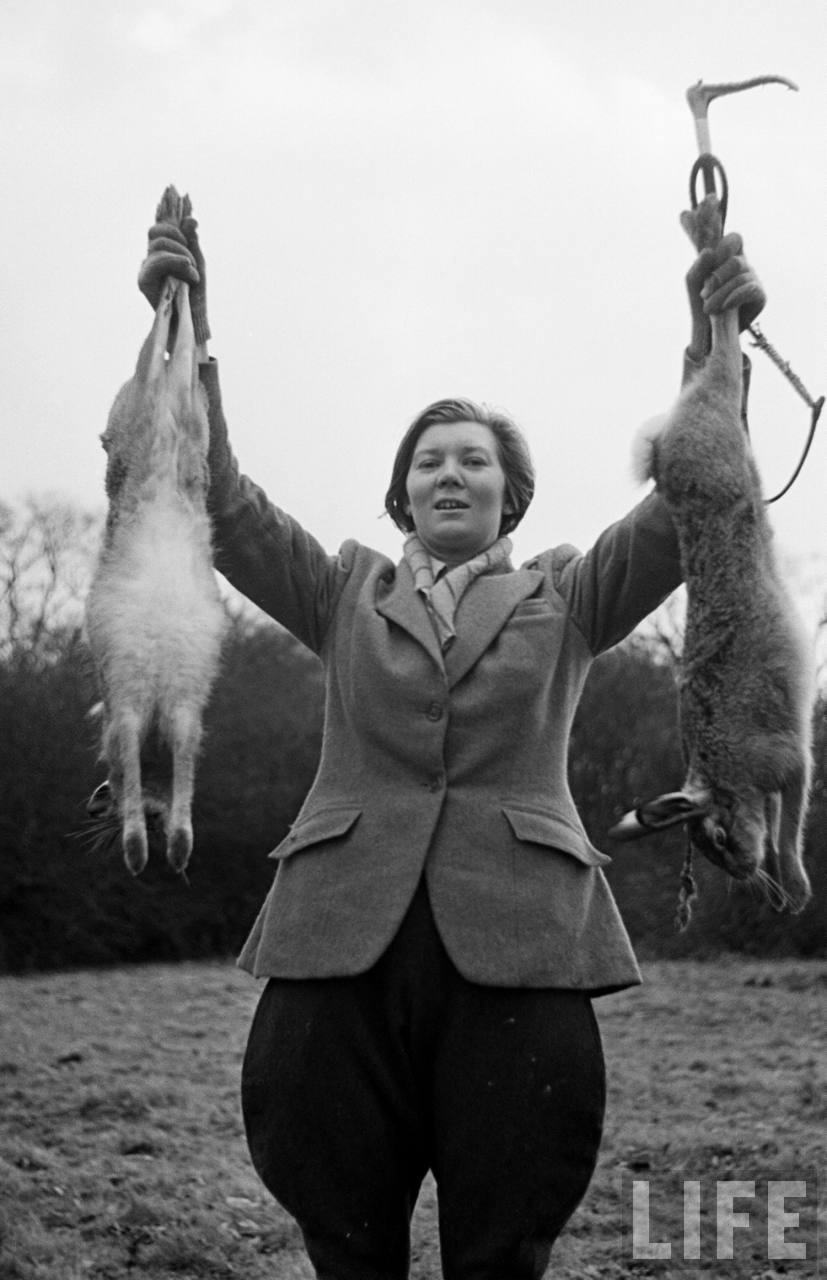

 A rabbit hunt somewhere in Britain in 1950 seems perfectly apropos after the chilly weather that descended upon New York today, does it not? Lovely tweed and leather and even a lady in a tie. This hunt was shot for LIFE Magazine by William J. Sumits, but I have been unable to find the accompanying article. In any event, the small wooly dogs — the Sealyham Terrier — seem to be the central focus, but I was quite drawn to the hunting party’s clothes. Of course.
Embrace your modern huntress in this lovely herringbone overcoat, these knickerbocker pants — both by Rugby, this tie by Pierrepont Hicks, these riding boots by Frye, this pretty lavender wool scarf from J.Press (on sale!), and these leather driving gloves from Dents. Dandy it up a bit by adding a vintage brooch and a leather and chrome liquor caddy from Orvis. Tally-ho!
All images via the LIFE Archive.
Rabbit Hole: Interviews After the Day of Infamy
07/12/2011 § Leave a comment

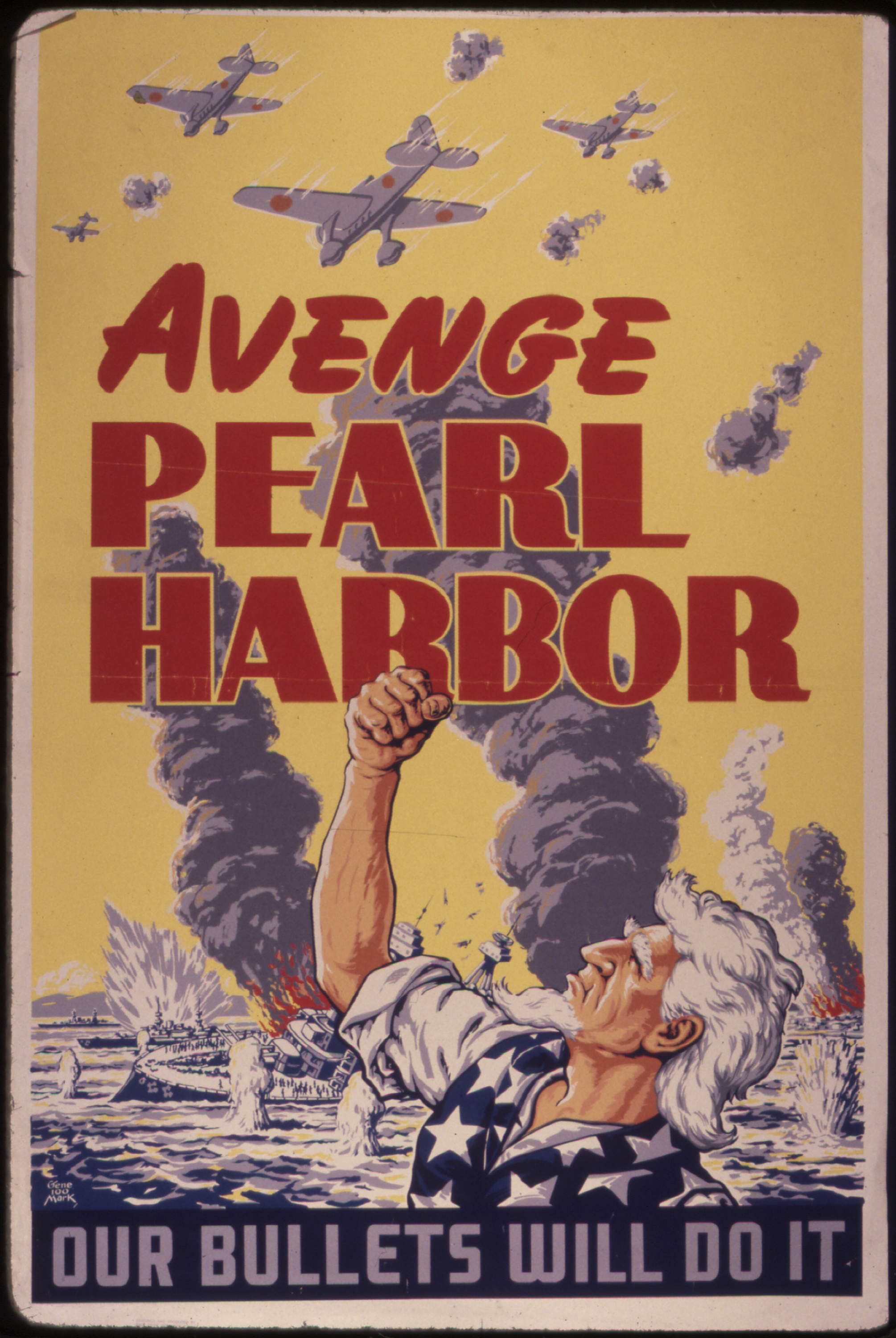
Today marks the 70th anniversary of the Japanese attack on Pearl Harbor, in which 2,402 Americans were killed, and 1,282 were wounded. Japanese planes inflicted heavy damages to the US Pacific Fleet stationed in Hawaii, particularly to her battleships: all eight were damaged, four were sunk, and two were never to be raised again — the Arizona and the Oklahoma. In an instant, the isolationism that had dominated US politics and popular sentiment vanished and America was galvanized to war.
The following day President Roosevelt requested (and immediately received) a Congressional declaration of war on Japan in what has become known as his Day of Infamy speech. That same day, the Archive of American Folk Song (now the Archive of Folk Culture, American Folklife Center), dispatched their fieldworkers to collect “man on the street” reactions to both the attack and the declaration of war. By February 1942, fieldworkers had recorded over twelve hours of opinions from more than two hundred individuals across the country. Touching on topics such as race relations and national pride, the interviews are a revealing look at the American state of mind in the wake of Pearl Harbor.
Head here to listen to these interviews for yourself, courtesy of the US National Archives. You will find them cross-referenced by subject, name and location.
Personally, I found these interviews to be quite the rabbit hole and I am sure you will also find this to be the case. I have a close connection to the Pacific Theatre, as both my grandfathers served there and one of my grandmothers was born and raised in Guam. I have been to the USS Arizona, the battleship still quietly sleeping at the bottom of Pearl Harbor with over 1,000 souls entombed. It is amazing to have the opportunity to hear exactly what Americans thought and felt in those bewildering months, without the filter of nostalgic memories.
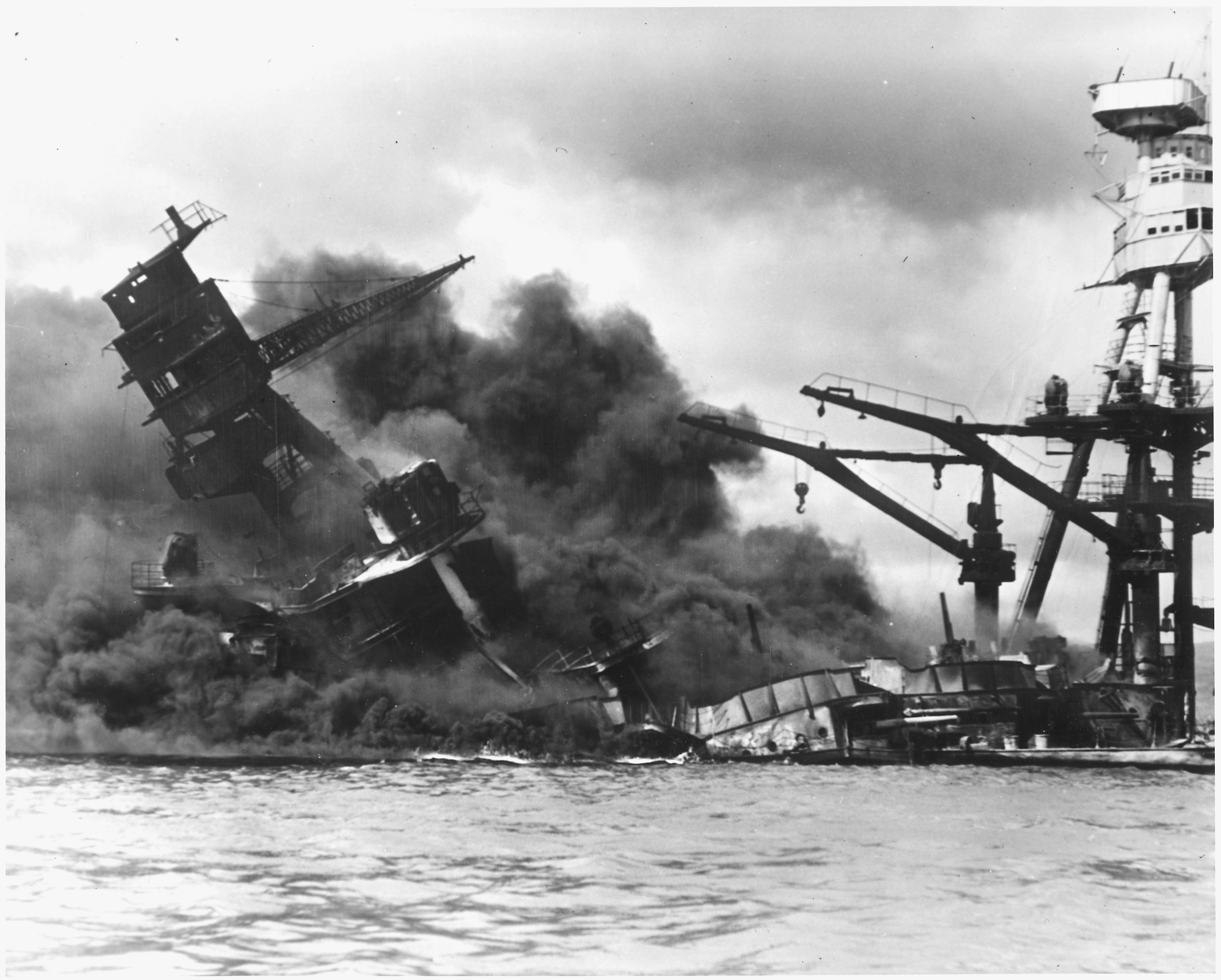 USS Arizona, sinking in the attack on Pearl Harbor.
She was born in the Brooklyn Navy Yard.
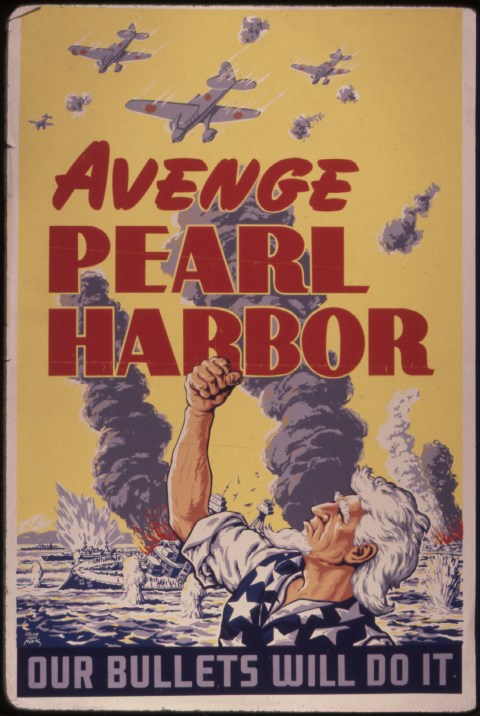 All images via the US National Archives.
Related: Happy Liberation Day: Battle of Guam – July 21, 1944
Style Icon: Amelia Earhart
30/11/2011 § 8 Comments
“The best things of mankind are as useless as Amelia Earhart’s adventure. Such persons…prove that man is no mere creature of his habits, no mere automaton, no mere cog in the collective machine but that in the dust of which he is made there is also fire, lighted now and then by great winds from the sky.” –Walter Lippmann
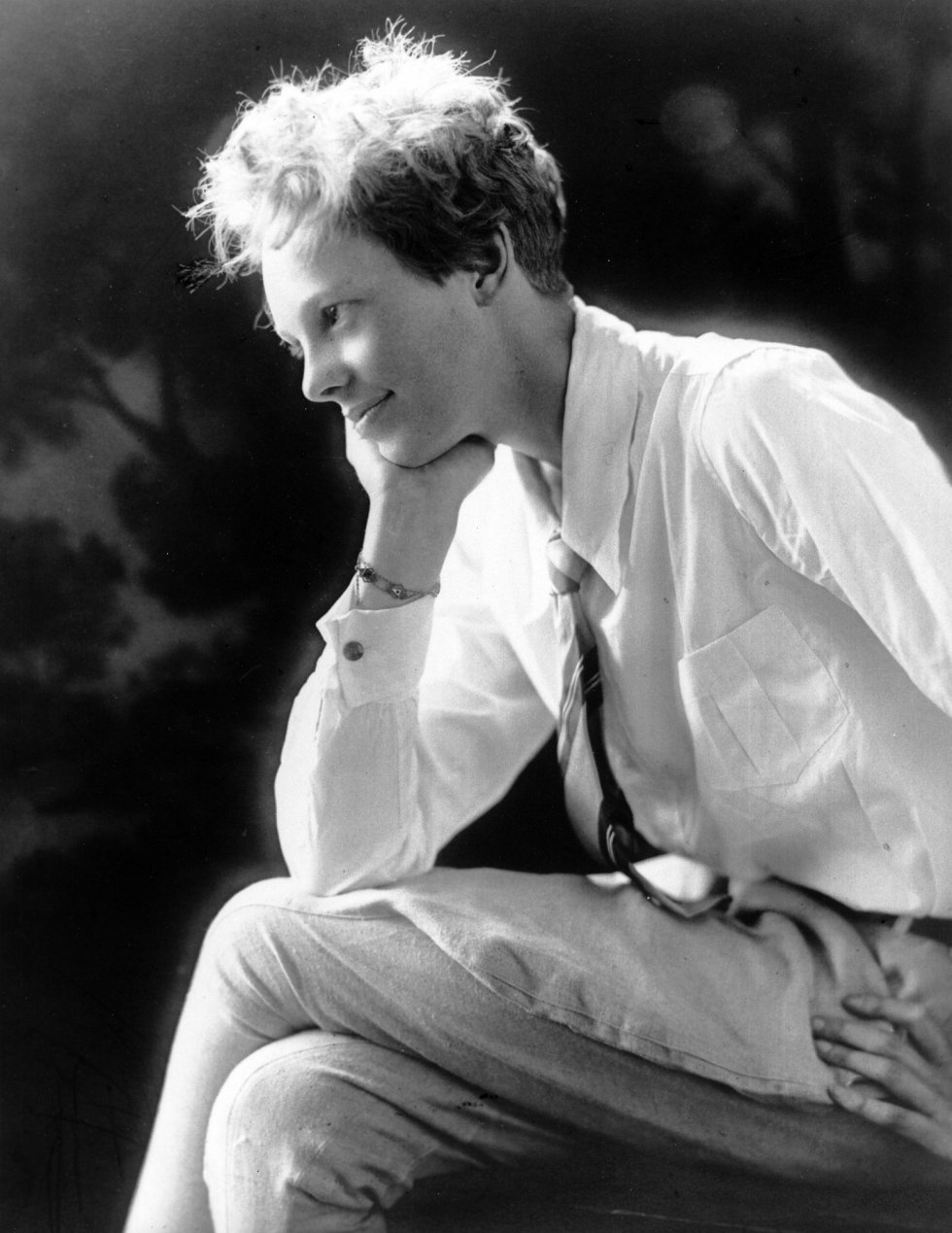
“Please know that I am aware of the hazards. I want to do it because I want to do it. Women must try to do things as men have tried. When they fail, their failure must be a challenge to others.” –Amelia Earhart
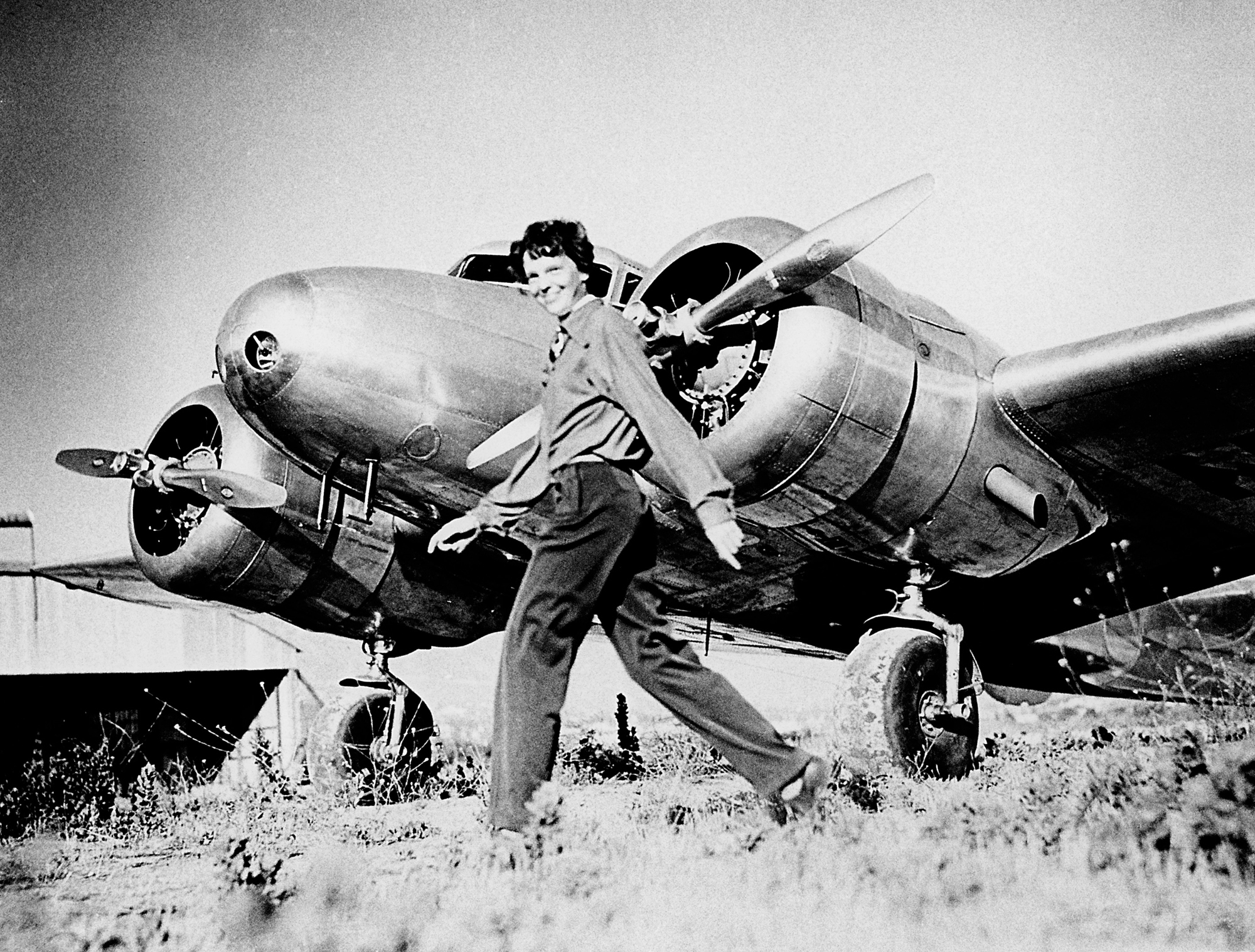
Amelia Earhart (July 24, 1897 – disappeared in 1937) is arguably the most famous aviatrix in history. The first woman to cross the Atlantic solo, and only the second person to do it successfully, the notoriety from Earhart’s many feats in the air were trumped only by the mystery surrounding the loss of her plane while she attempted to circumnavigate the globe in 1937. (You can read the article about her disappearance that ran in the July 19, 1937 issue of LIFE Magazine here, it also has a great photo-log of the trip. It’s been my goal to find this issue to add to my collection, but no such luck yet.)
I have long been an admirer of Earhart’s adventuresome spirit, tenacity and courage — and also her wardrobe. Her staples: a perfect pleated trouser, a crisp dress shirt, a pretty scarf, a well-worn bomber jacket and hardworking boots. Her signature elements: a bit of tousled hair, a scrubbed-clean face, a devil-may-care attitude, and an endearingly scrunched-up Mona Lisa smile.
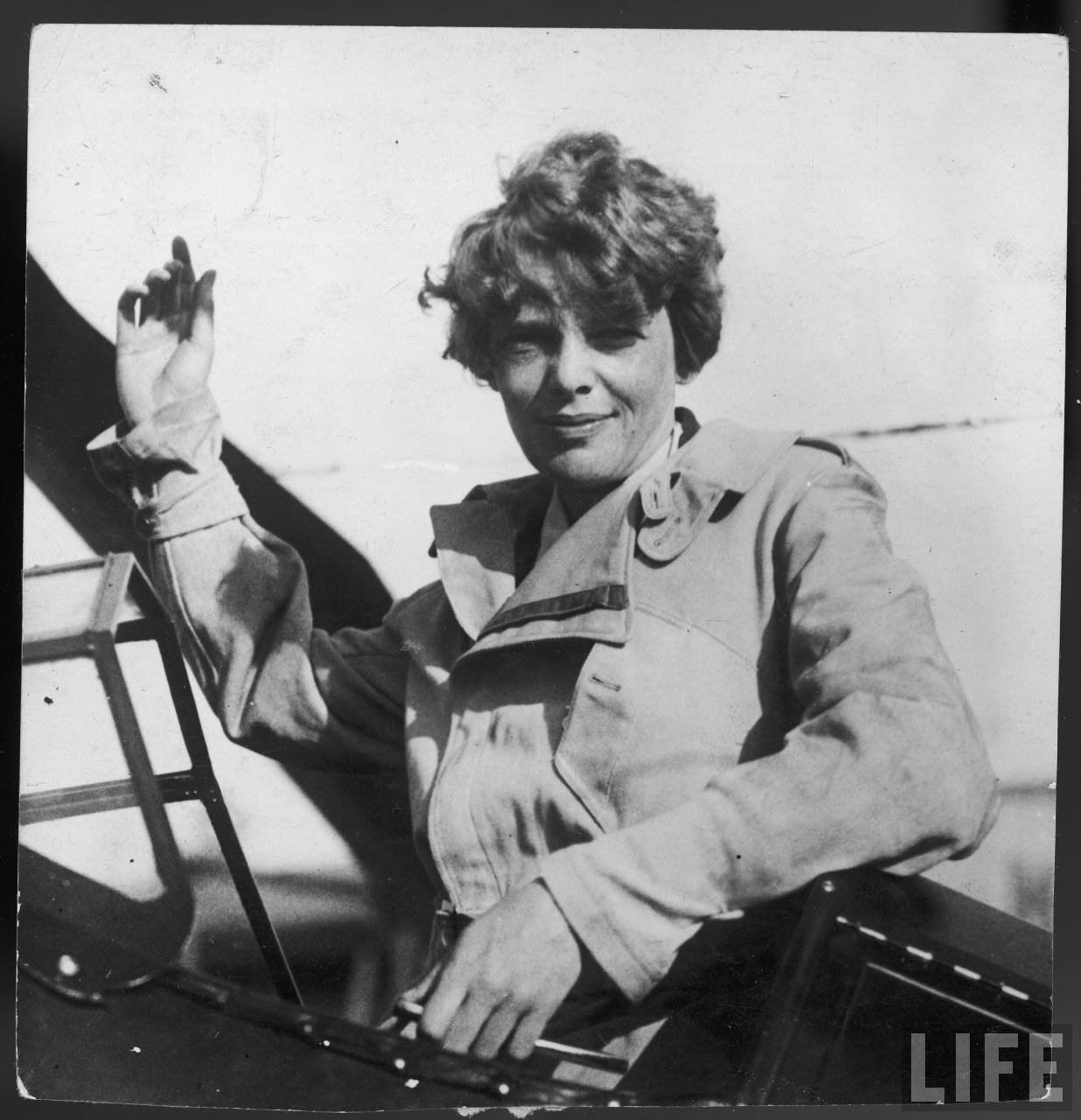
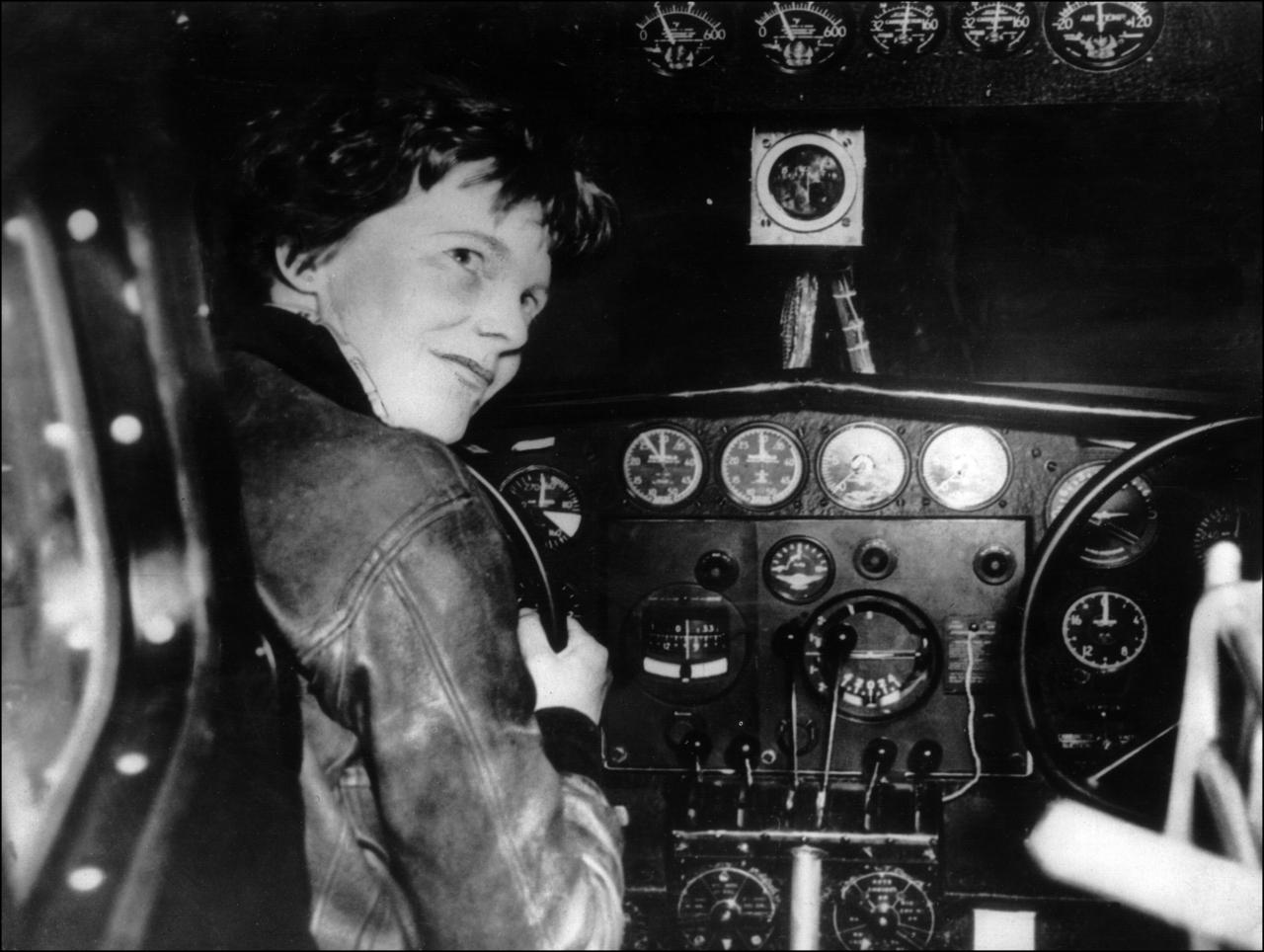
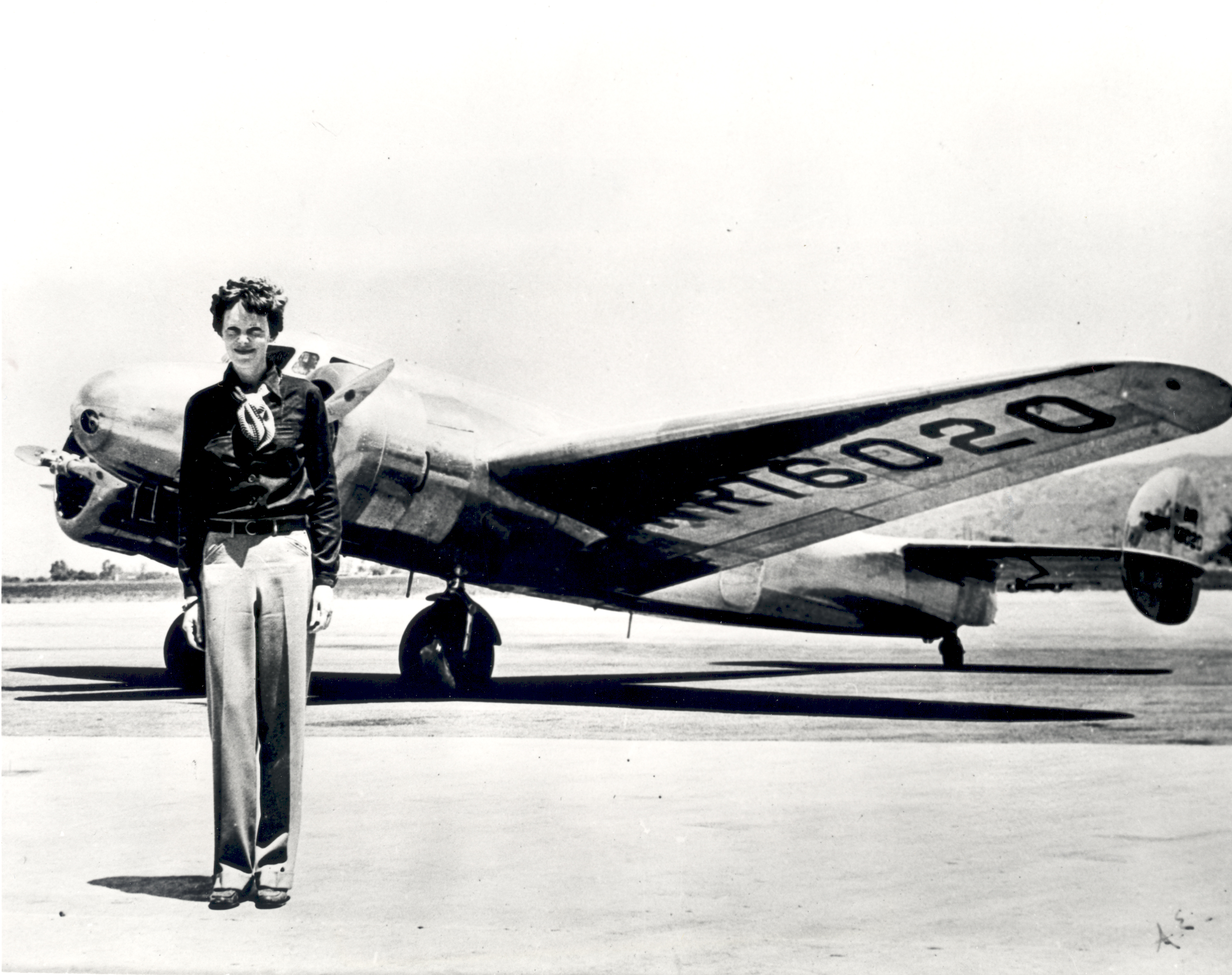
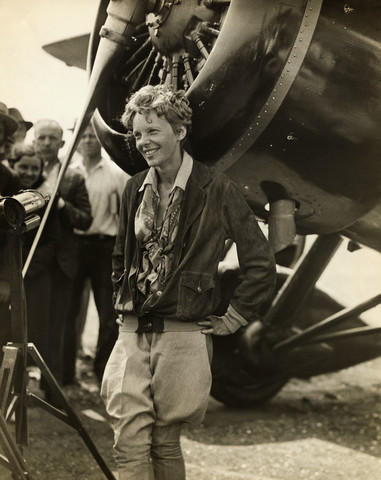
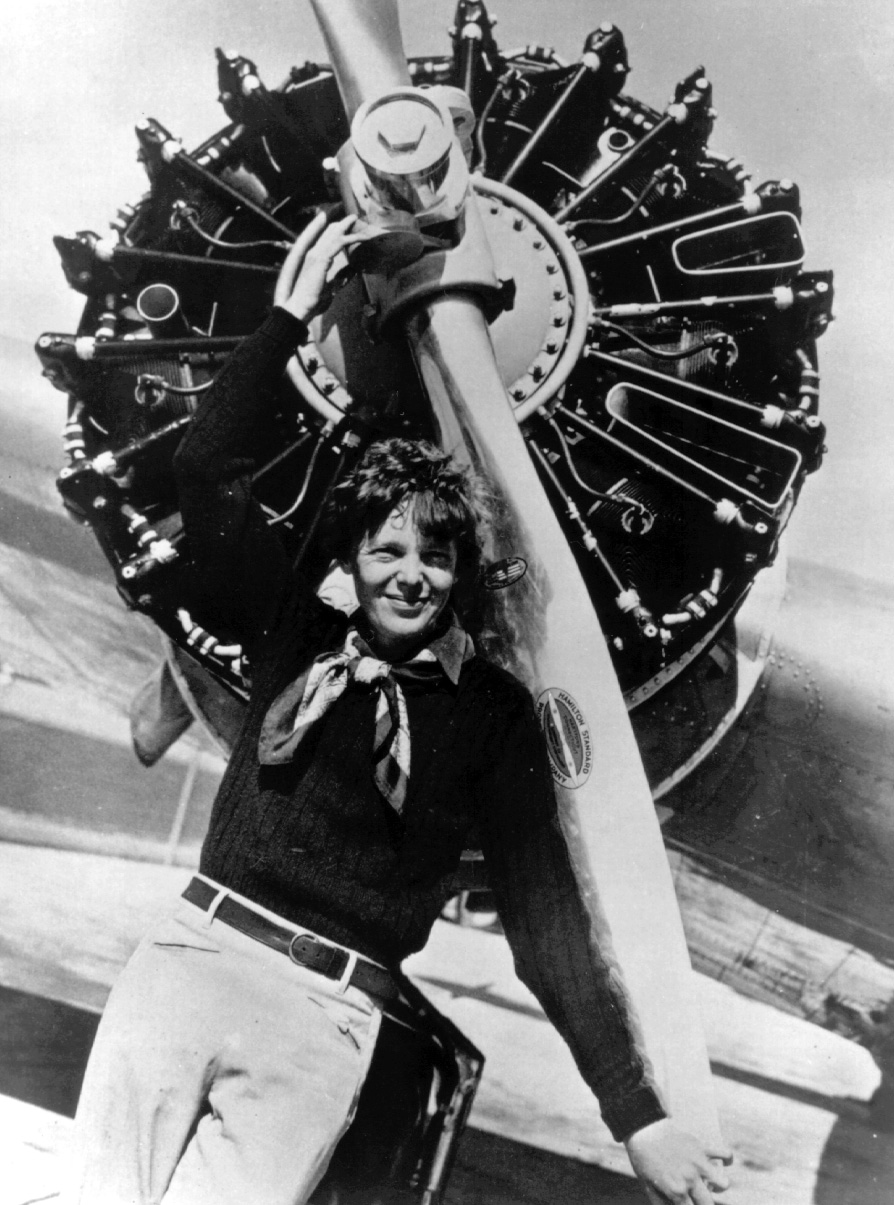
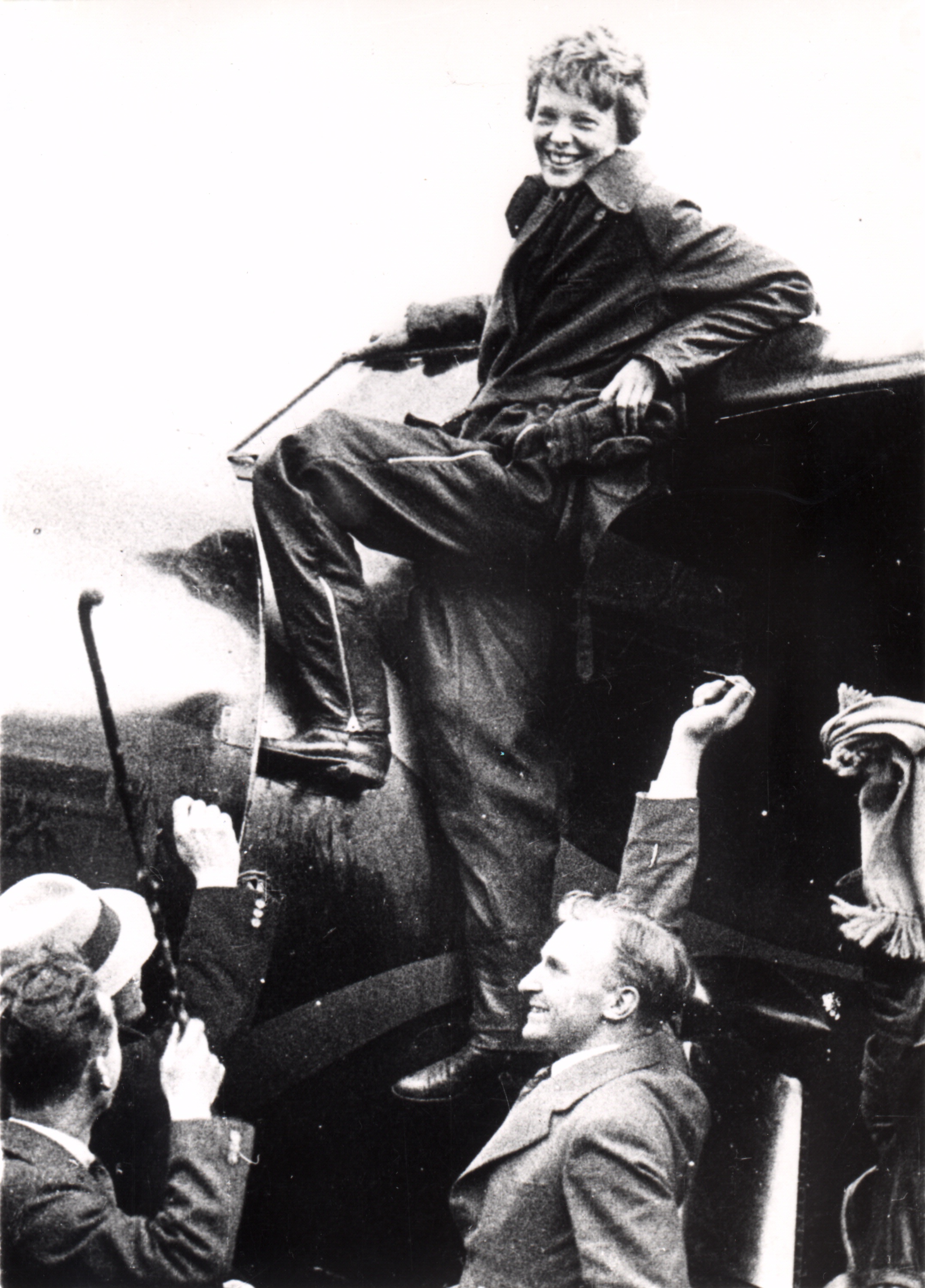
“Adventure is worthwhile in itself.” –Amelia Earhart
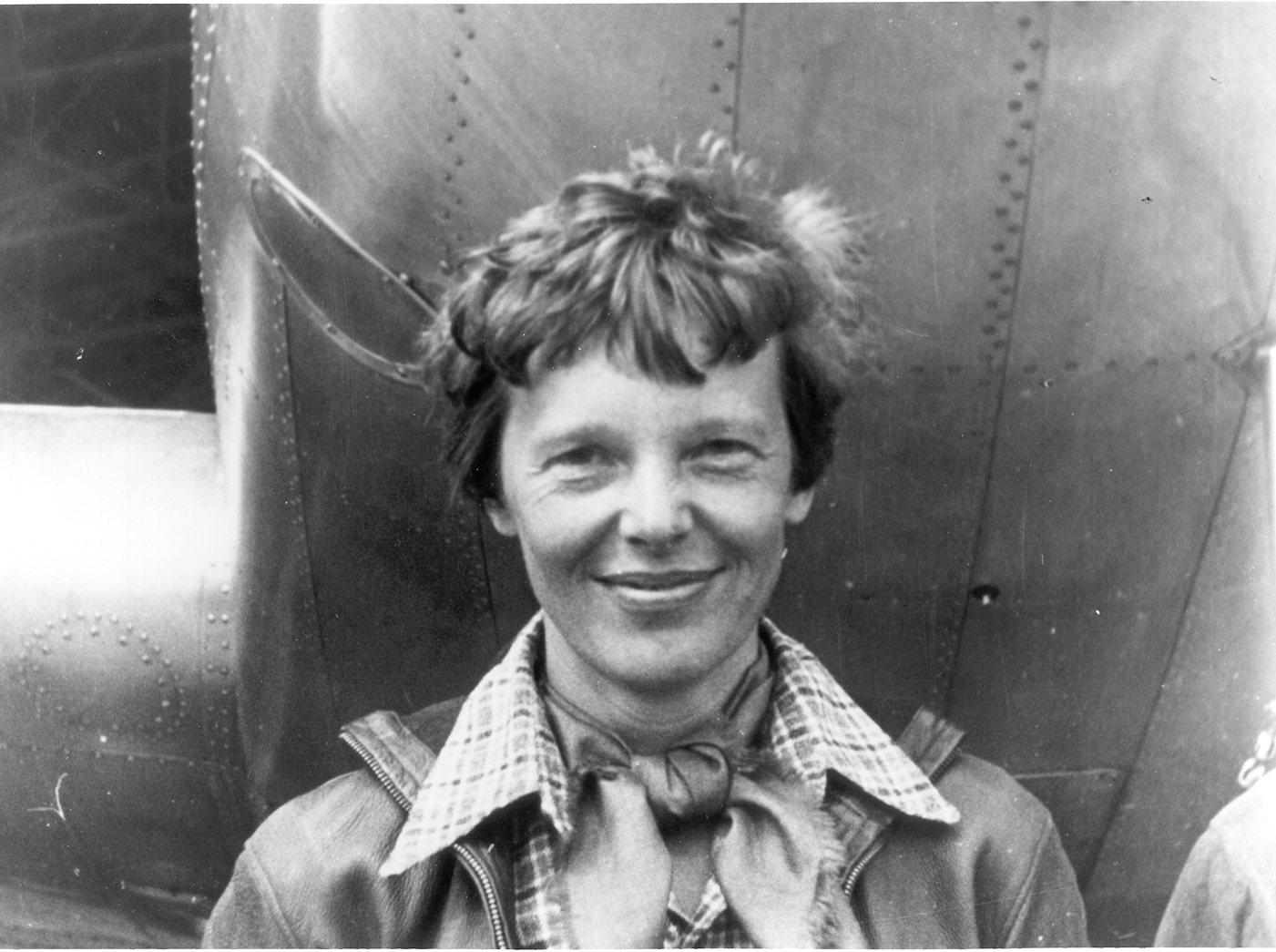
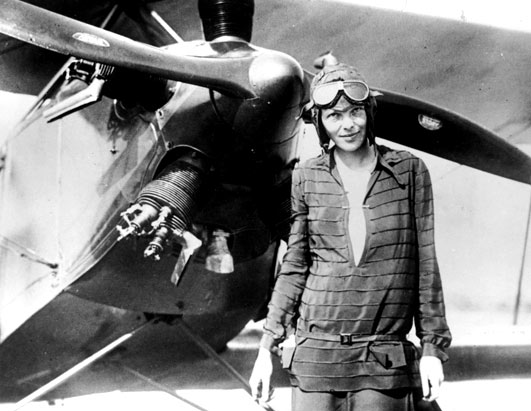


Smithsonian curator Dorothy Cochrane and aircraft restorer Karl Heinzel discuss early aviation, aeronautical technology and Earhart’s Lockheed Vega, the plane she crossed the Atlantic in, which is on display at the Smithsonian National Air and Space Museum in Washington, D.C.
New Addition: San Fernando Valley Mercantile Co. 16″ Tool Bag
27/11/2011 § 5 Comments

I’ve not returned from Buenos Aires just yet, but I thought I would do a brief post from the Southern Hemisphere on what’s turned out to be my favorite travelling companion from the past few weeks. In October, I posted about my trip to the Rose Bowl Flea in California to visit The San Fernando Valley Mercantile Co. and meet founder Warren Schummer. Aside from having a lovely visit, I also put in an order for one of their handsome 16″ tool bags. I was very pleased to receive it before I jetted off for South America and it’s been absolutely great on the trip.
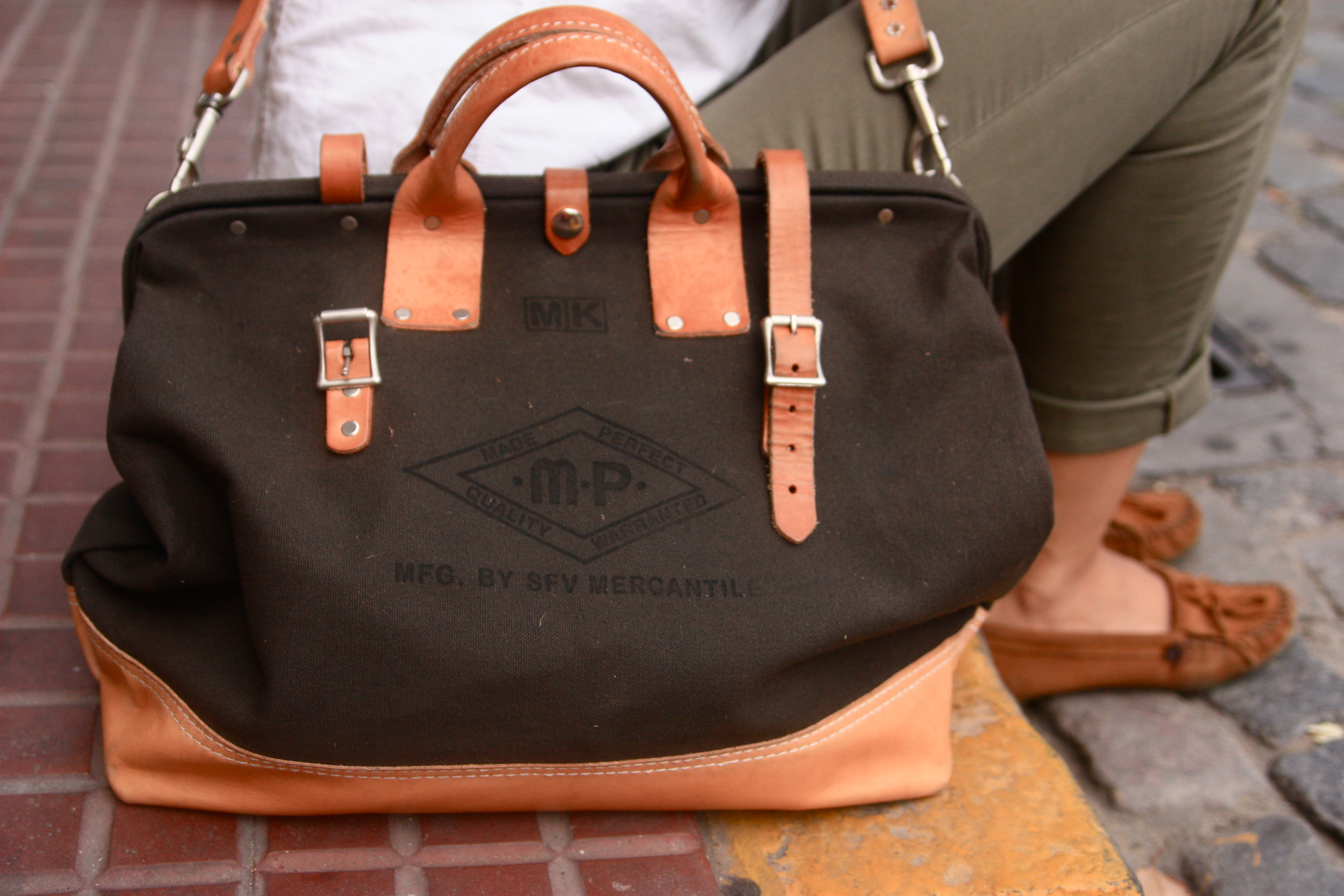
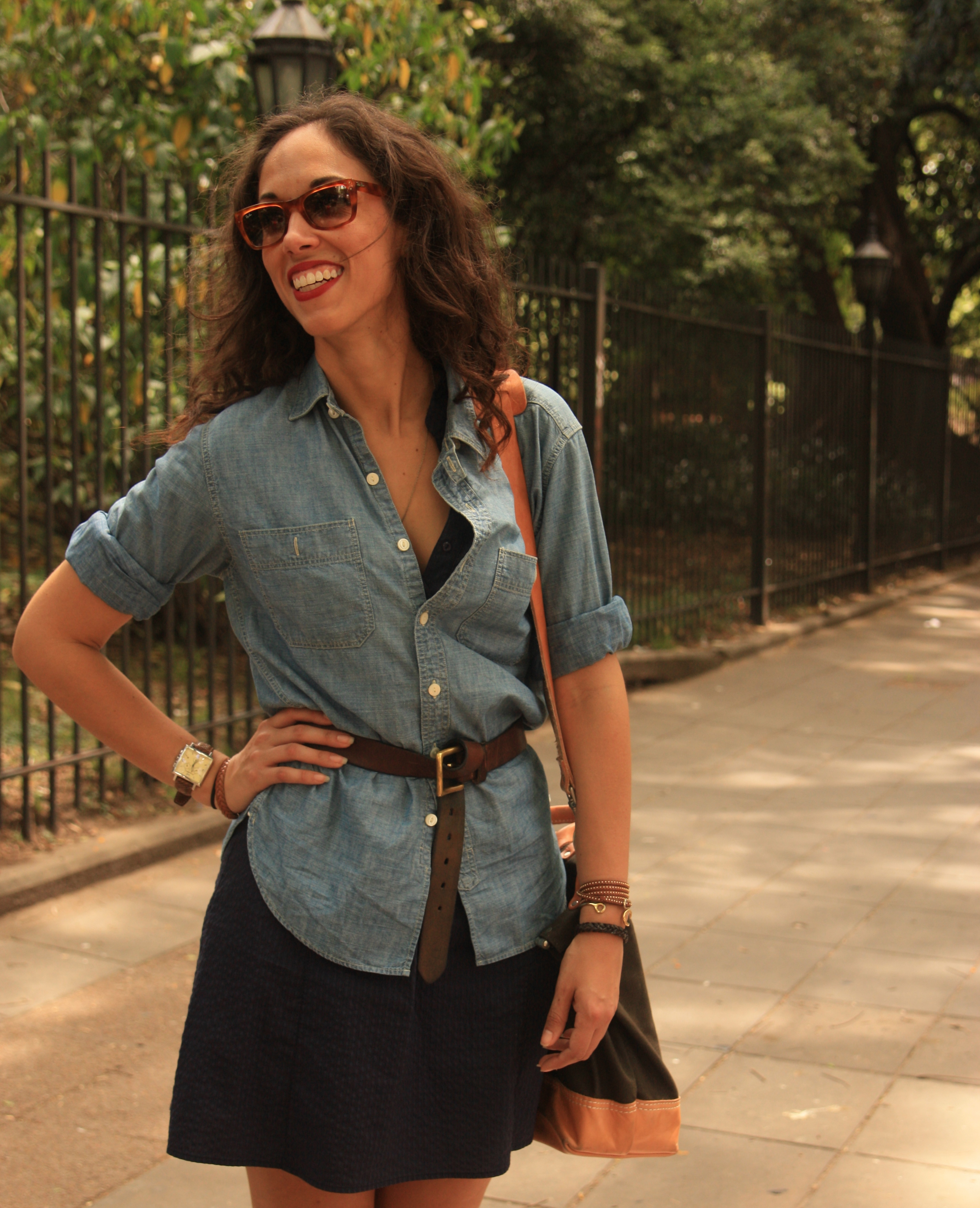
Large enough to fit a MacBook Air, several guidebooks, a Louis Vuitton Pochette, Kate Spade Lacey wallet, a Nikon D60 (and its bag and cords), a few other bits and bobs, and somehow still fit under the seat in front of me, this bag is made for travel. With a firm board bottom and metal feet, it also keeps its shape beautifully when not quite so fully stuffed. I especially liked the detachable shoulder strap, which I usually wore cross-body to keep my hands free. It definitely came in handy while rambling around the antiques market of San Telmo in Buenos Aires, where the photos were taken.

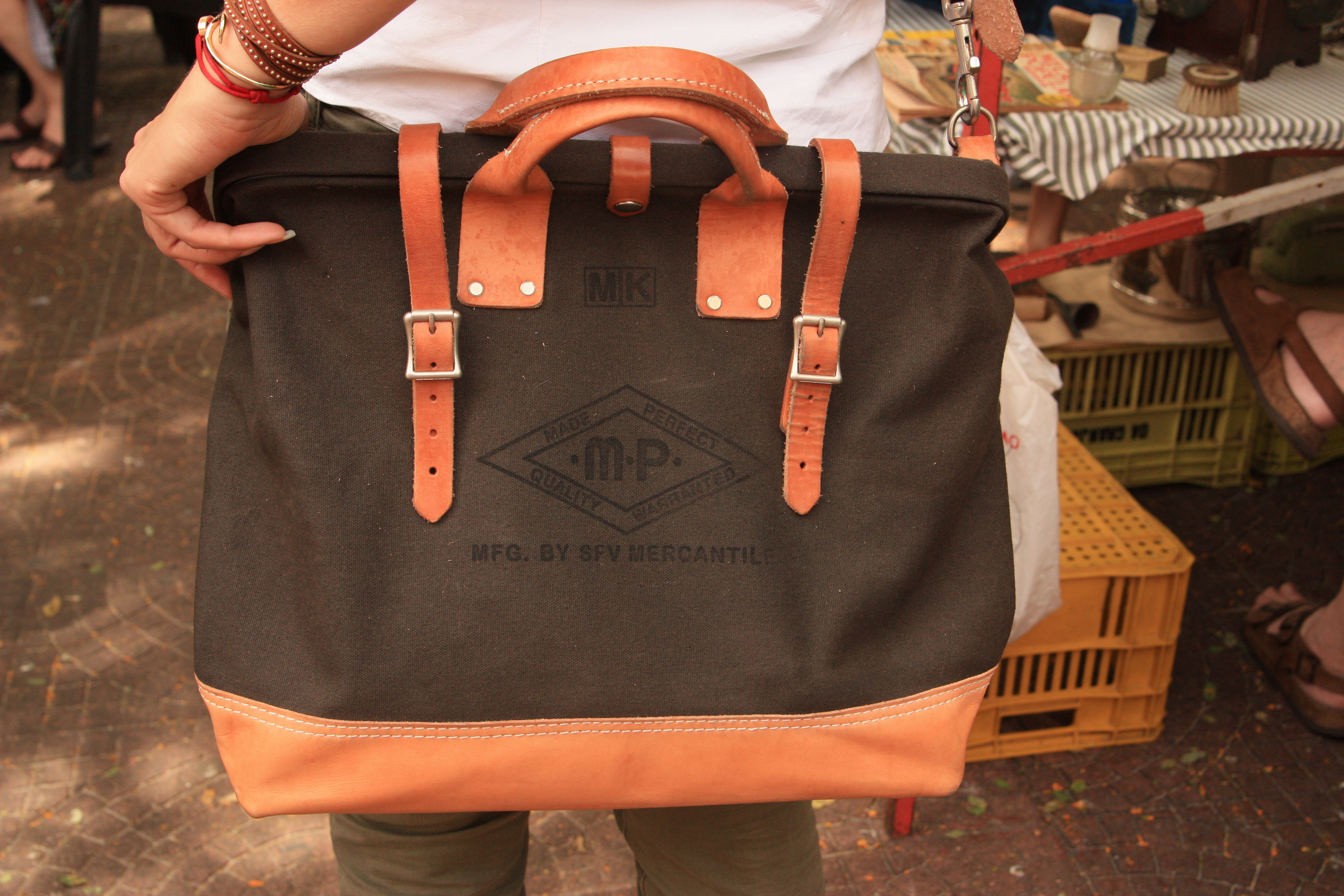
The leather was quite blond when I received it, but after only a few weeks it’s already aging nicely. I’m definitely looking forward to years of use from this handsome bag — and of course, many more trips around the world with it. If you’d like your own bag from this very limited run, all completely handmade in Southern California, head here.
You’ll notice two small alterations on my bag, courtesy of Warren: the addition of a small snap at the top to keep it securely closed and — and! — my monogram just below that. If you ask him very very nicely, he might be able to fix yours up as well.
Don’t forget to also check out the rest of The SFV Mercantile shop here, as well as the store blog, and Warren’s awesome Vintage Workwear blog.
All photographs courtesy of Erin Rickards, who is a great photographer and even greater friend, but sadly is without a website. She did just start Instagramming, though. If you’d like to follow her there, her username is @ericka22.
 Quite Continental