Field Notes: Buenos Aires, Argentina
12/12/2011 § 7 Comments

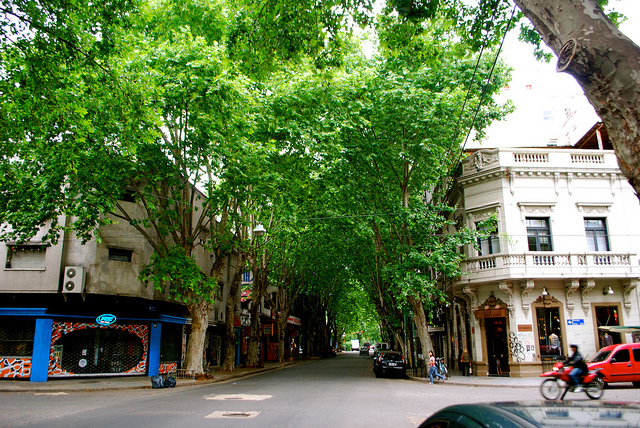 Palermo Soho


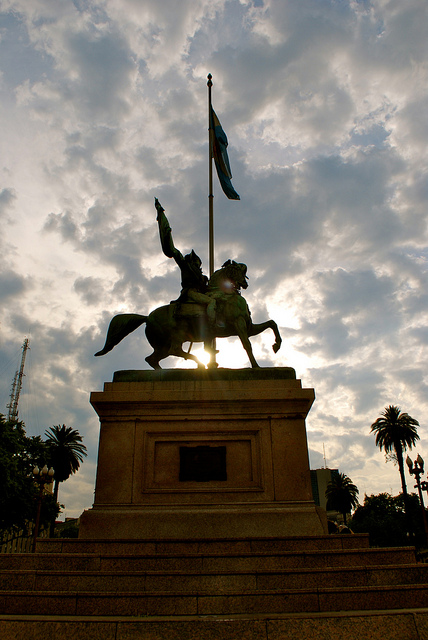 Plaza de Mayo
 Mausoleum of General San Martín, Buenos Aires Metropolitan Cathedral
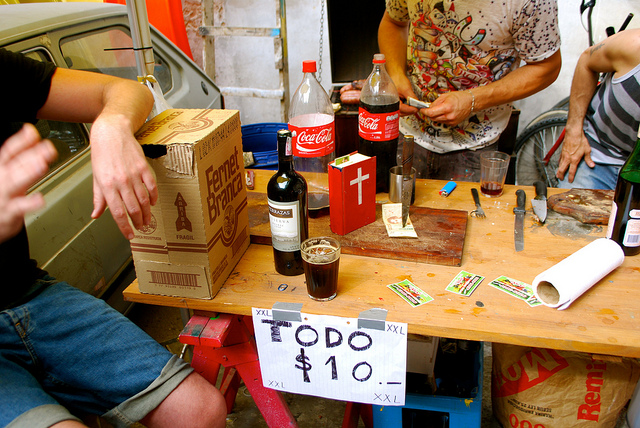

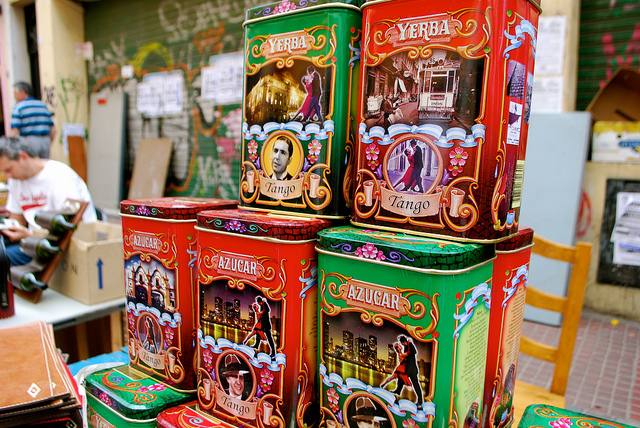
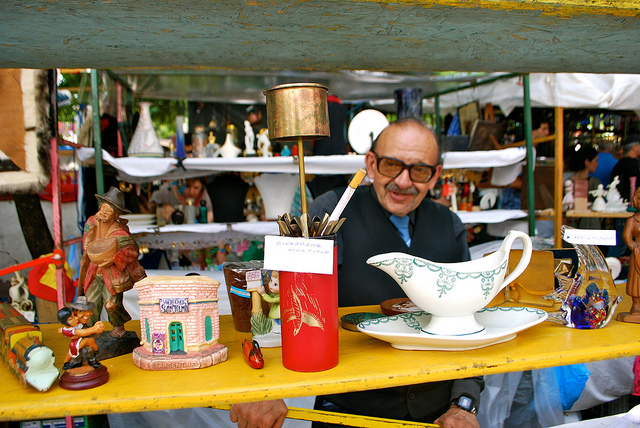
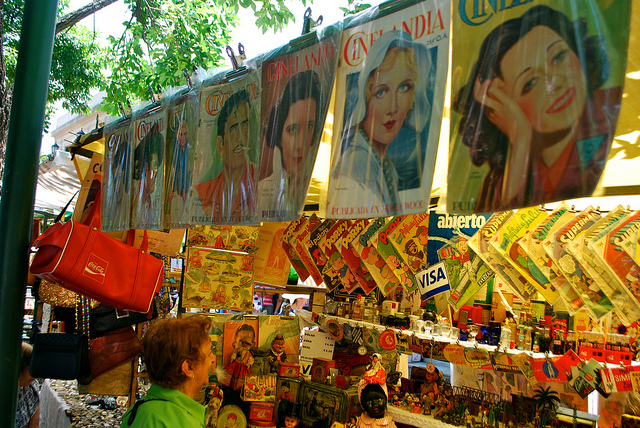 Mercado de San Telmo
 Museum ships


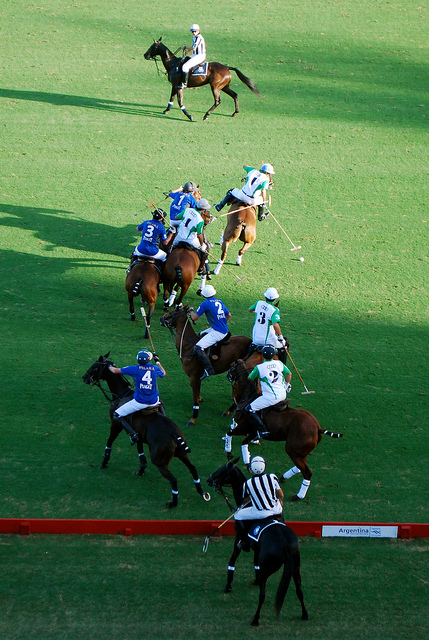 Argentine Polo Open

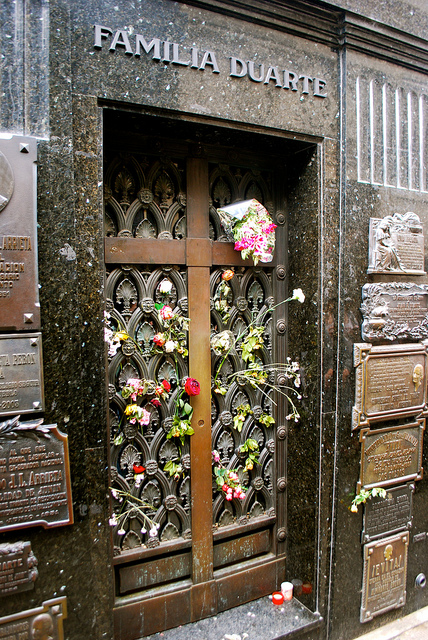 Recoleta Cemetary


Field Notes: Buenos Aires
As you may recall, I recently returned from a trip to Buenos Aires and I have been raving about the city to anyone who will listen. The word amazing has definitely been bandied about quite a bit. Simultaneously cosmopolitan and relaxing, the city makes for a perfect destination when the northern hemisphere turns to winter. With the exchange rate currently in my favor (~4.6 pesos to the dollar), it was an affordable escape as well. Of course, I am plotting my return trip as we speak…
I recommend staying in one of the Palermo neighborhoods: Hollywood or Soho. The neighborhoods are named for their resemblance to the American cities with the same name: Soho with its bustling shopping and dining, Hollywood with its concentration of the city’s media companies. I stayed in Palermo Soho and found it to be well located and felt exceptionally safe after dark. It is, however, a bit of a walk to the Subte (subway), but taxis are plentiful and quite affordable. Instead of staying in a hotel, I rented a flat, which is definitely the most cost-effective option. Through Buenos Aires Rents, I found a sparkling clean studio in a brand new building with 24-hour doorman service, laundry, gym and roof deck with a pool, for a little over $60 per night. While renting a flat means you don’t have a concierge on hand at all times, the folks at Buenos Aires Rents were always immediately available for my questions and also offer car service for airport transfers. If you are the type that requires daily room service, take a look at Esplendor Palermo Soho, which was darling and directly around the corner from where I stayed.
Next time, I will definitely stay at the Hotel del Casco, which is actually in San Isidro, a bit north of Buenos Aires proper. An exceptionally beautiful, 1890s neoclassical palazzo that was formerly the summer home of an aristocratic family, the Hotel del Casco has been converted into a gorgeous 20 room hotel that retains much of its original 19th century aesthetic.
 Hotel del Casco. Perfection.
Buenos Aires is a city that easily lends itself to cafe lingering and meandering. I spent many lovely, lazy mornings people-watching over coffee and toast topped with dulce de leche in corner cafes. Afternoons were for siestas. Evenings were for late and lengthy dinners of steak and malbec. But should you be more itinerary-minded, there is plenty to do. Visit one of the many art museums, go to the Plaza de Mayo and see the Casa Rosada, shop for antiques in the San Telmo market on Sundays, board the museum ships of Puerto Madero, and visit the massive Recoleta Cemetary (where you can find the tomb of Eva Peron). I especially recommend Graffitimundo, a great tour of Buenos Aires street art and graffiti, for an inside look at a burgeoning art scene and neighborhoods a bit off the normal tourist route. If you go in mid-November as I did, you can catch the Argentine Polo Open, which I quite enjoyed.
As for cuisine, Buenos Aires is widely known for their red meat and red wine. I had fantastic meals at Don Julio (Guatemala 4691 in Palermo Soho) and El Trapiche (Paraguay 5099 in El Centro). I also dined at what is widely considered the best restaurant in town, Cabaña Las Lilas (A.M. de Justo 516 in Puerto Madero). While Cabaña Las Lilas was quite good and takes full advantage of their picturesque setting, I definitely preferred the atmosphere of Don Julio and El Trapiche, both of which felt more locally authentic and less touristy. It is also worth noting that most of my dinners — with multiple courses and wine — tended to run between $25 and $40 per person. Also, make sure not to miss Cafe Tortoni (Avenida De Mayo 825), the oldest coffee shop in all of Argentina, founded in 1858.
Parting notes: WiFi is plentiful in the city so no need to run up massive roaming data charges. // Bring the plug adapter for Australia and not the one marked “South America.” For some reason, Argentina uses slanted prongs unlike the rest of the continent. // You won’t need a visa, but upon arrival you will have to pay a fee equal to the amount the US charges Argentines for US visas. Currently that amount is $140, but it will also cover any other entries over the next ten years.
You can see the rest of my photos from Buenos Aires here.
LIFE Archives: The Rabbit Hunt
09/12/2011 § 6 Comments
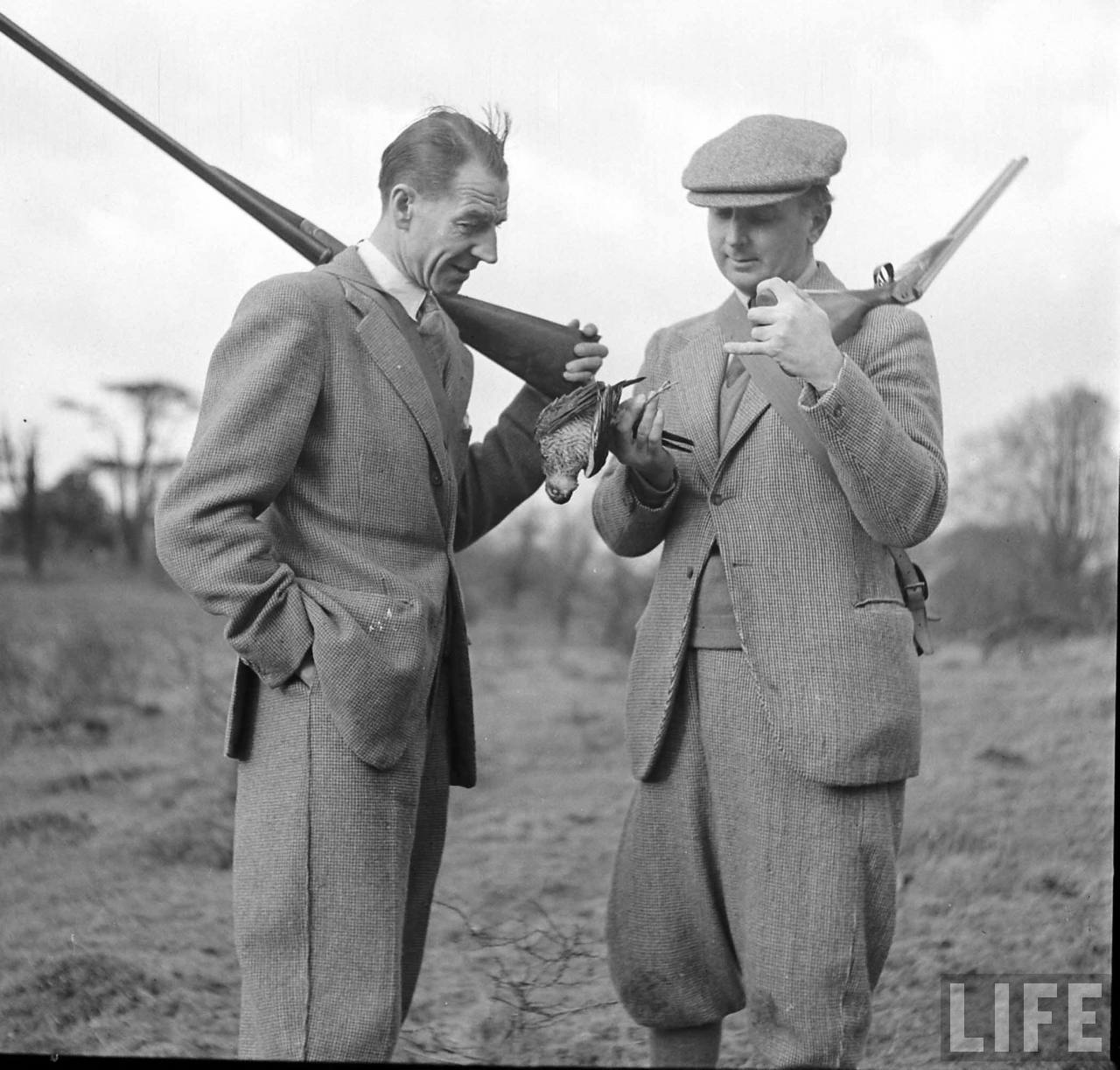
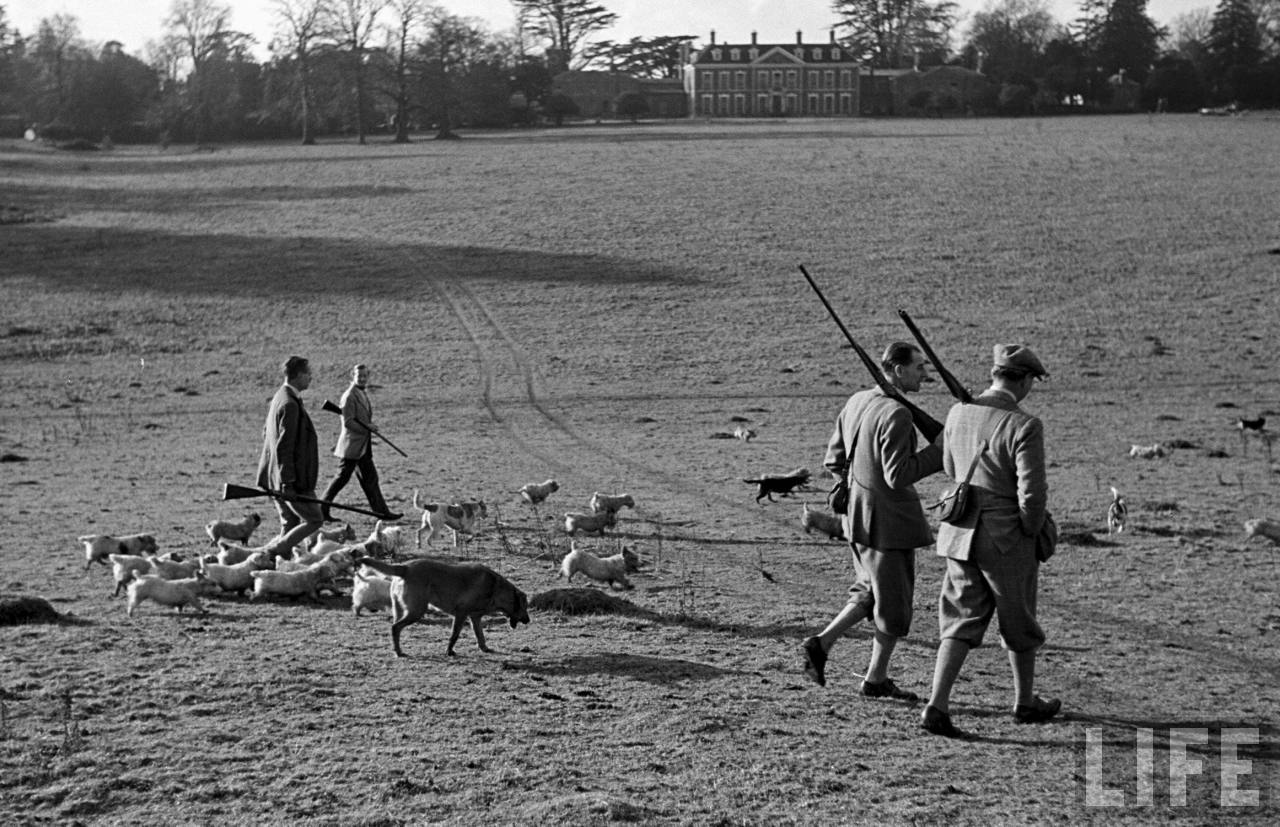
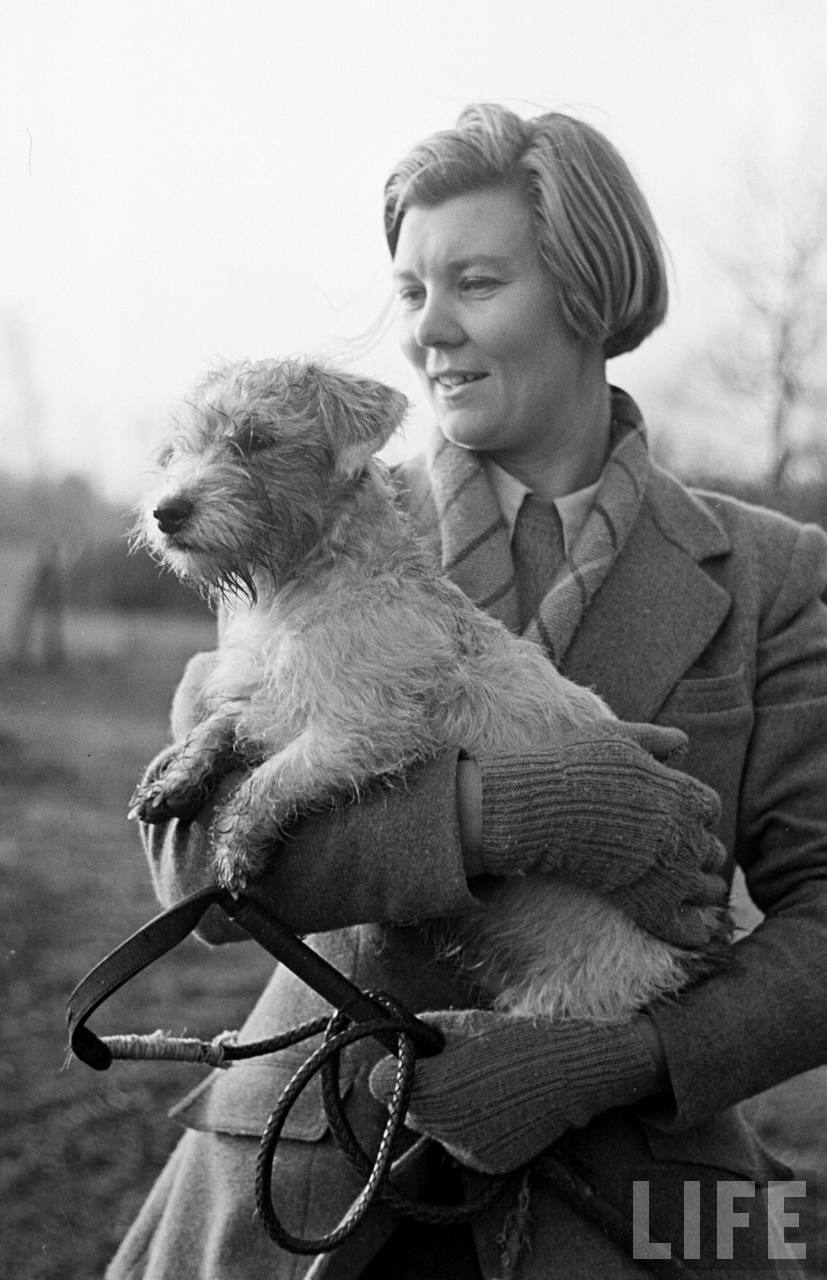
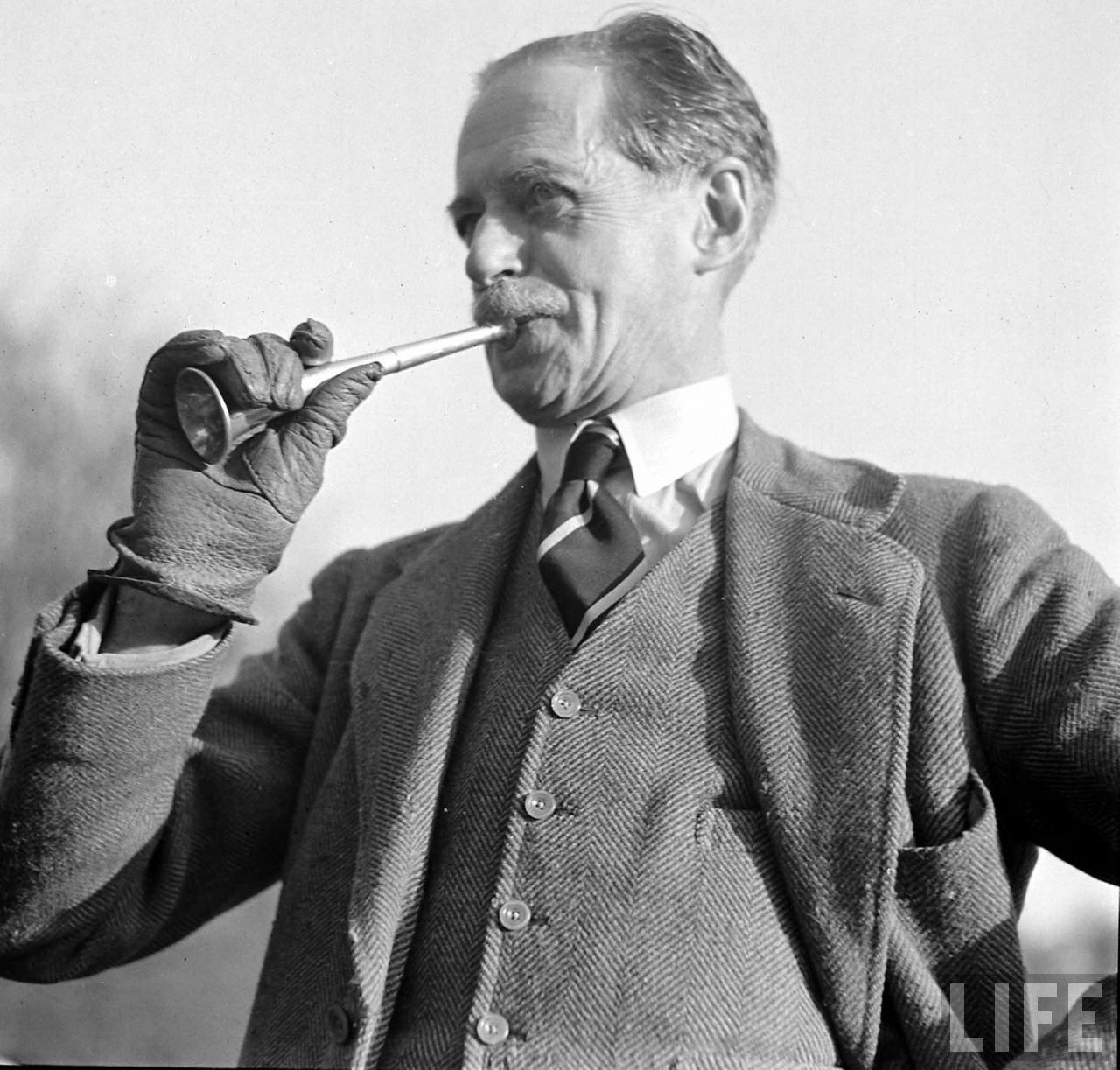
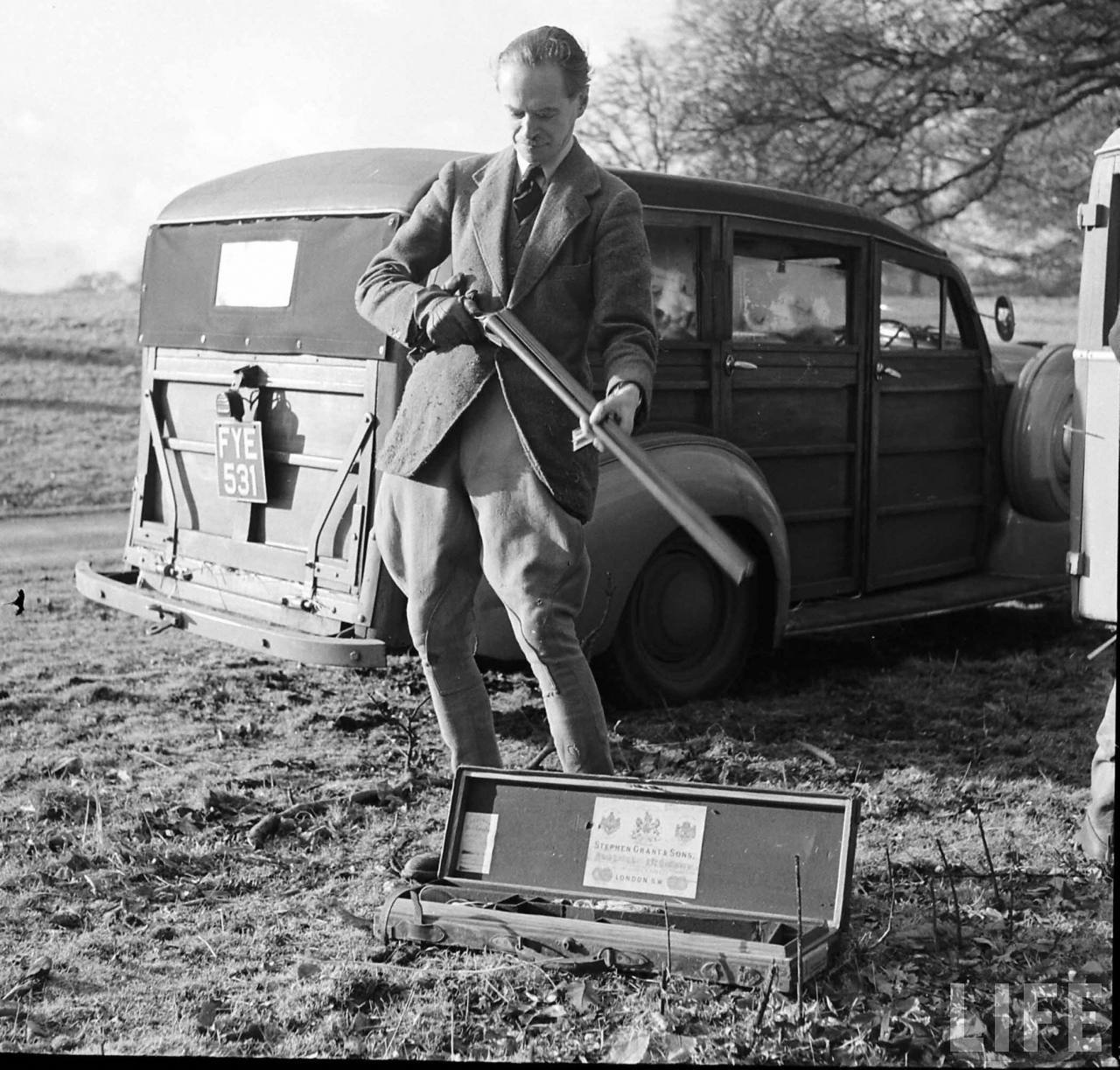

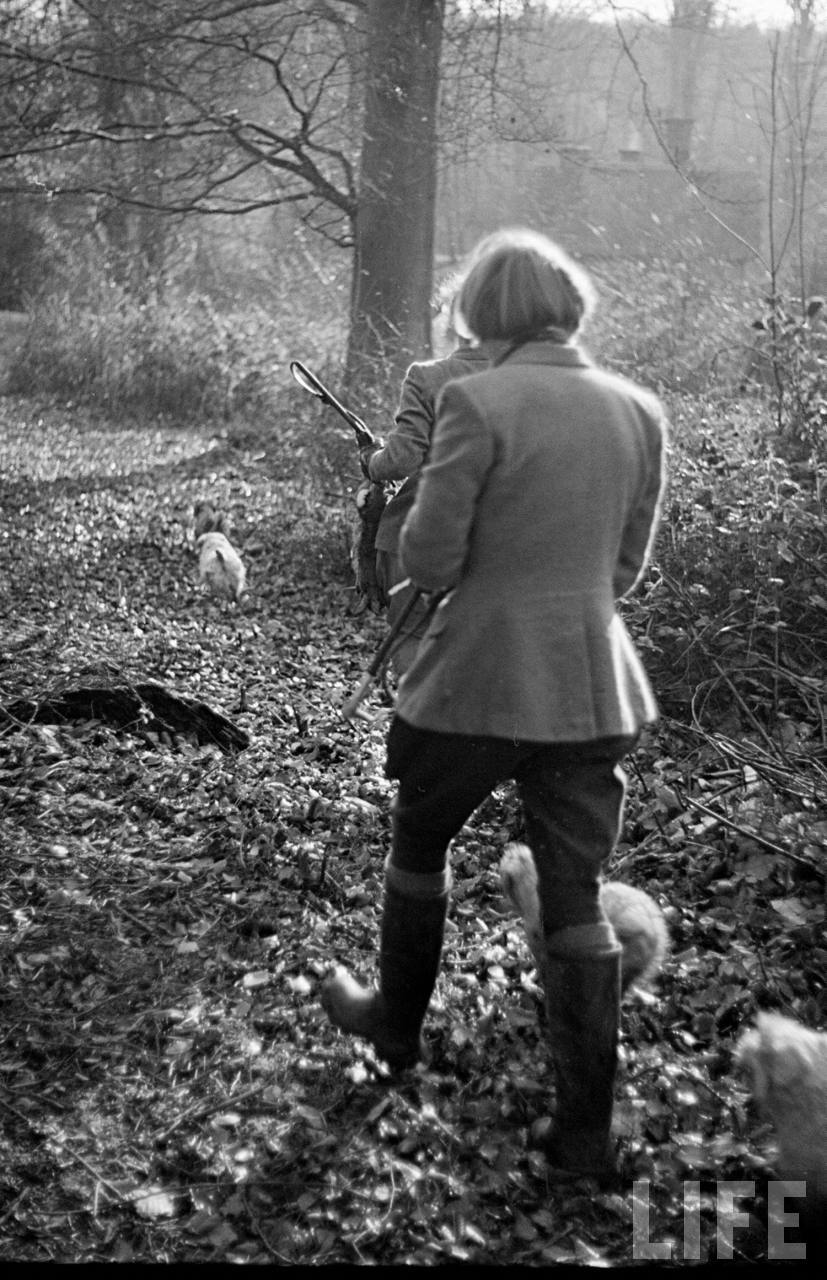
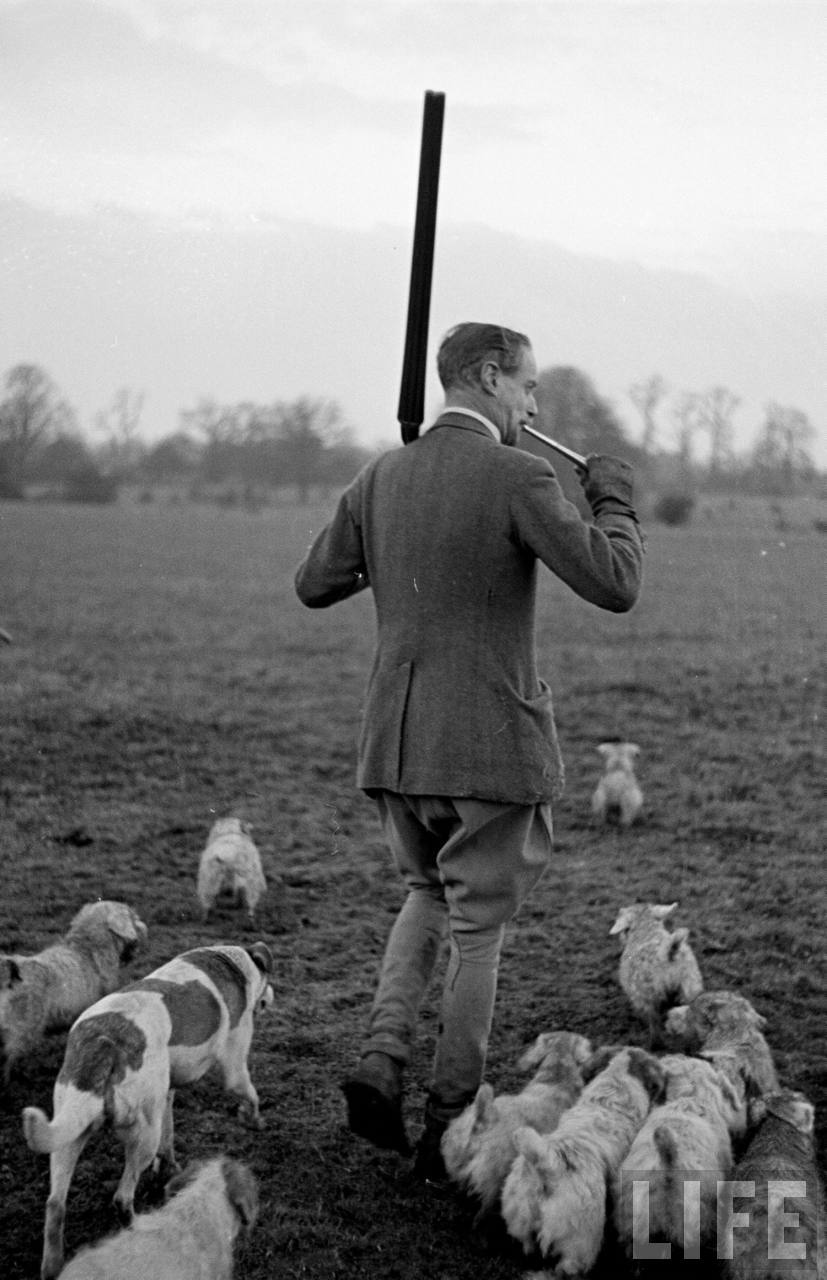
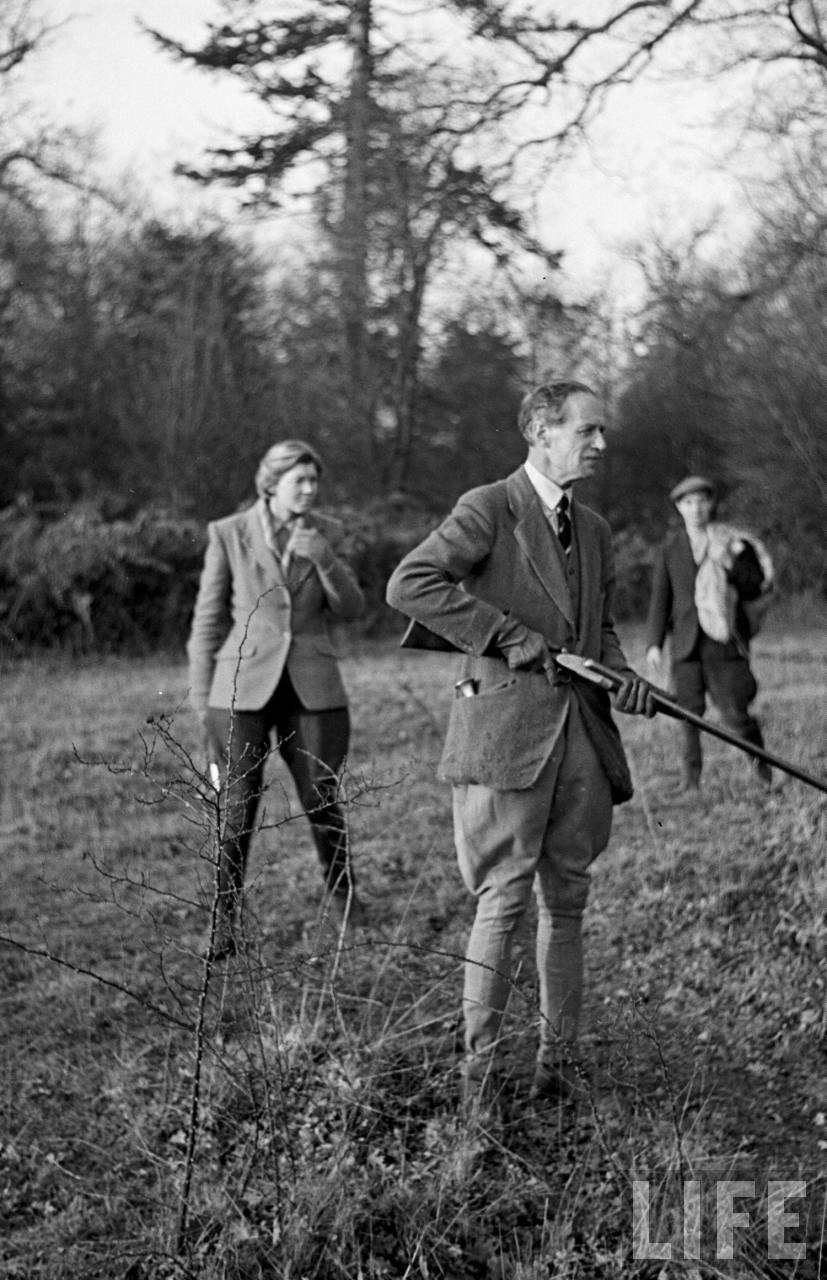

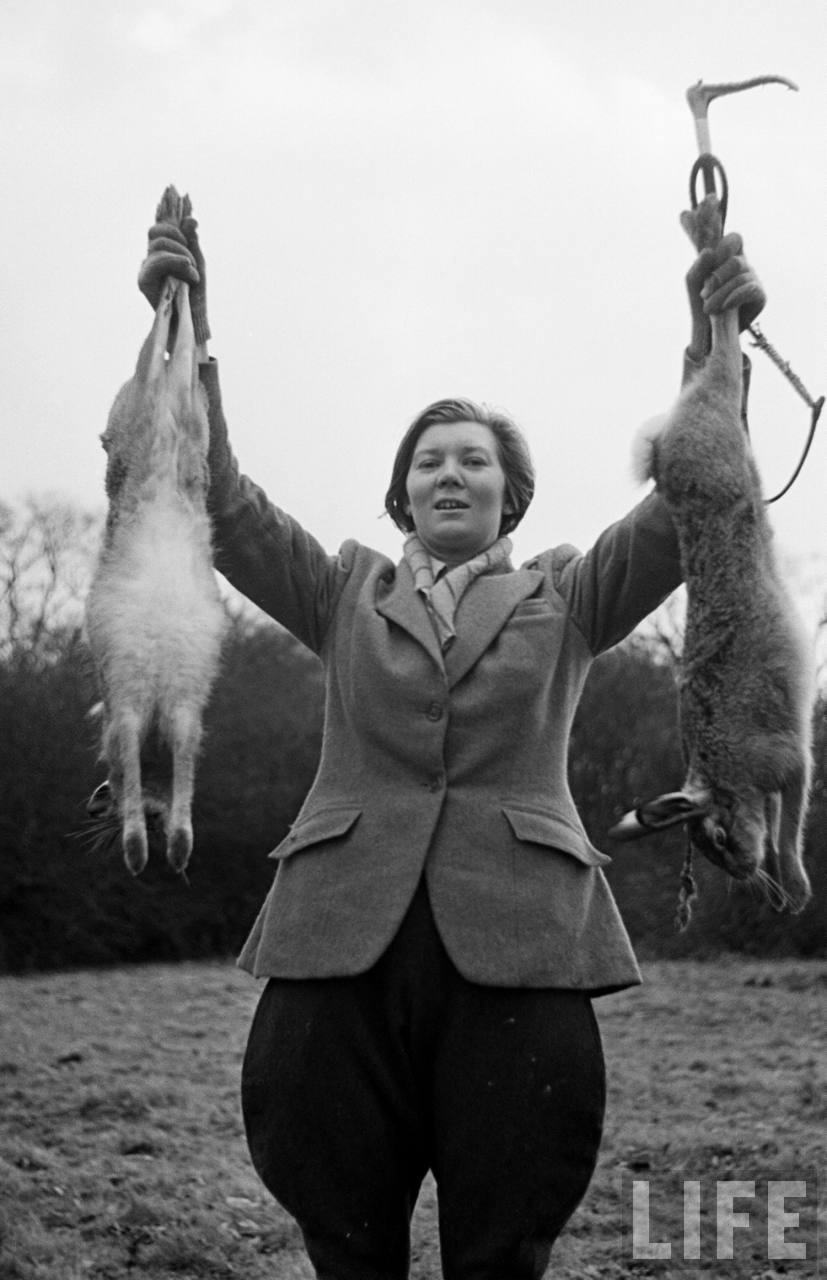

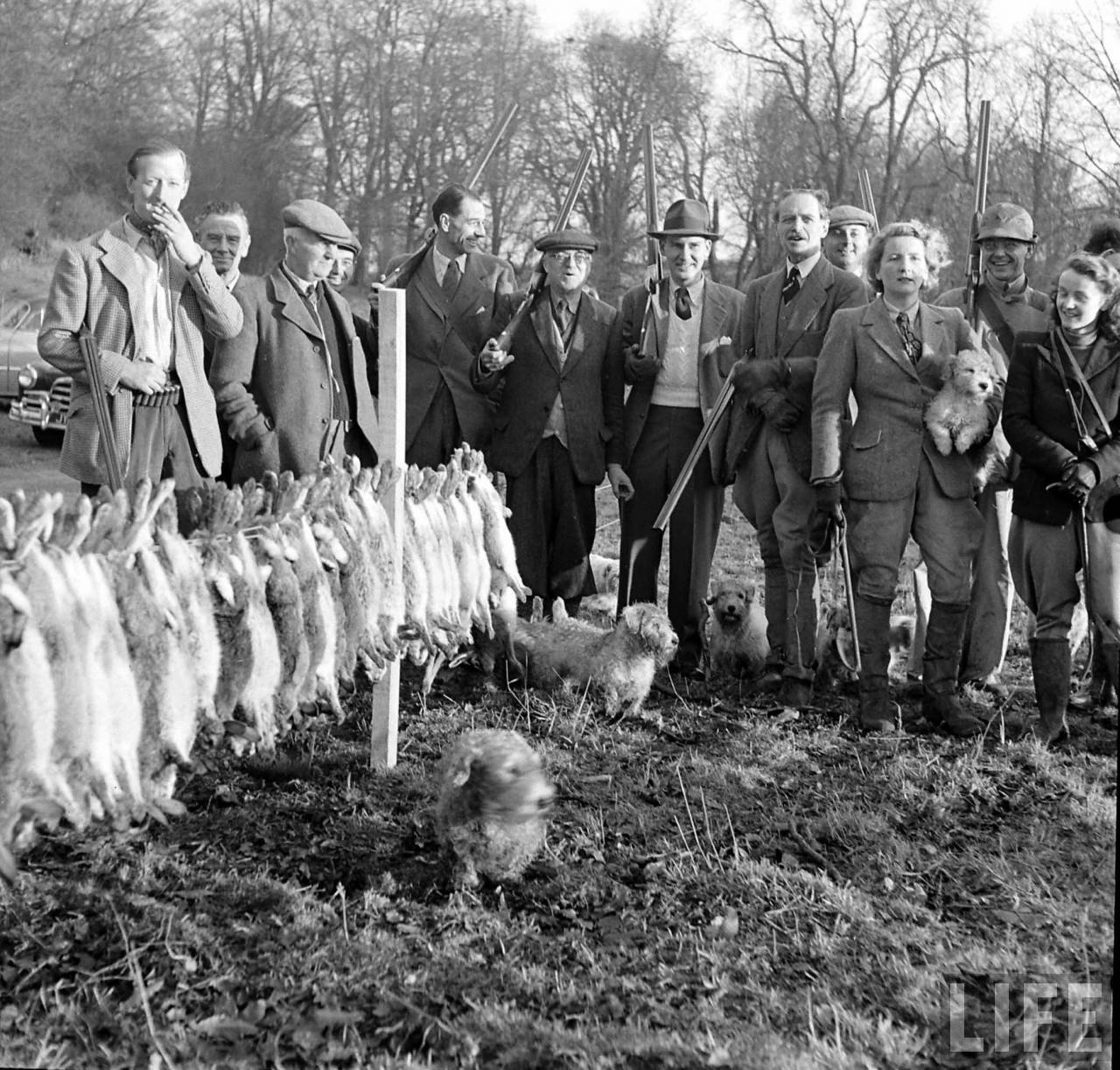 A rabbit hunt somewhere in Britain in 1950 seems perfectly apropos after the chilly weather that descended upon New York today, does it not? Lovely tweed and leather and even a lady in a tie. This hunt was shot for LIFE Magazine by William J. Sumits, but I have been unable to find the accompanying article. In any event, the small wooly dogs — the Sealyham Terrier — seem to be the central focus, but I was quite drawn to the hunting party’s clothes. Of course.
Embrace your modern huntress in this lovely herringbone overcoat, these knickerbocker pants — both by Rugby, this tie by Pierrepont Hicks, these riding boots by Frye, this pretty lavender wool scarf from J.Press (on sale!), and these leather driving gloves from Dents. Dandy it up a bit by adding a vintage brooch and a leather and chrome liquor caddy from Orvis. Tally-ho!
All images via the LIFE Archive.
LIFE Archives: Nantucket Boys In Winter, 1959
27/10/2011 § 1 Comment
From the article The Winter Joys of Children Summer Left Behind.
Published in LIFE Magazine February 23, 1959.
 Under a cold winter sky a knot of Nantucketers, among them the three boys at right, watch incoming steamer Nobska stuck in the ice with its cargo of food and mail for the island.
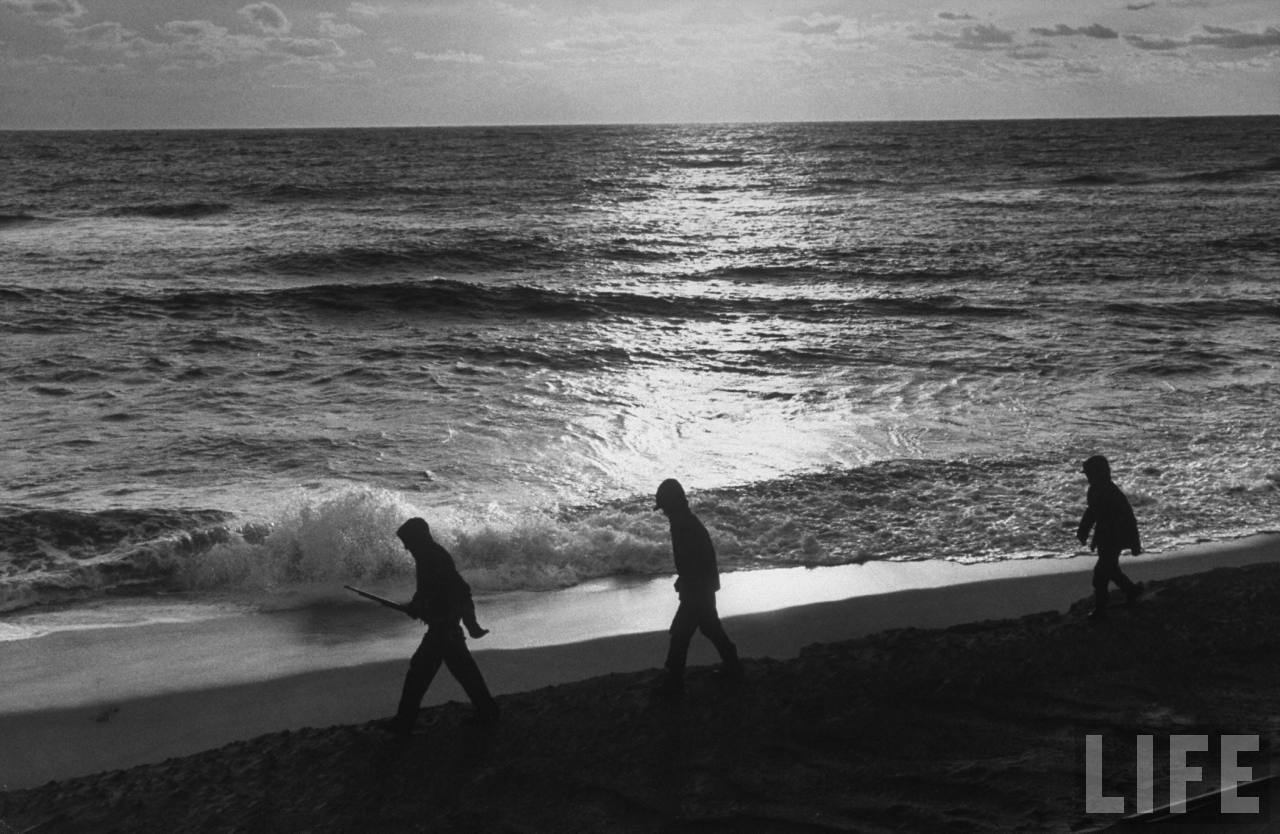
 Muffled in parkas, Dana Perkins, 10 (left), Bruce Bartlett, 12, and Jack Peters, 14 (holding his .22), go off to hunt rabbits on the moors.

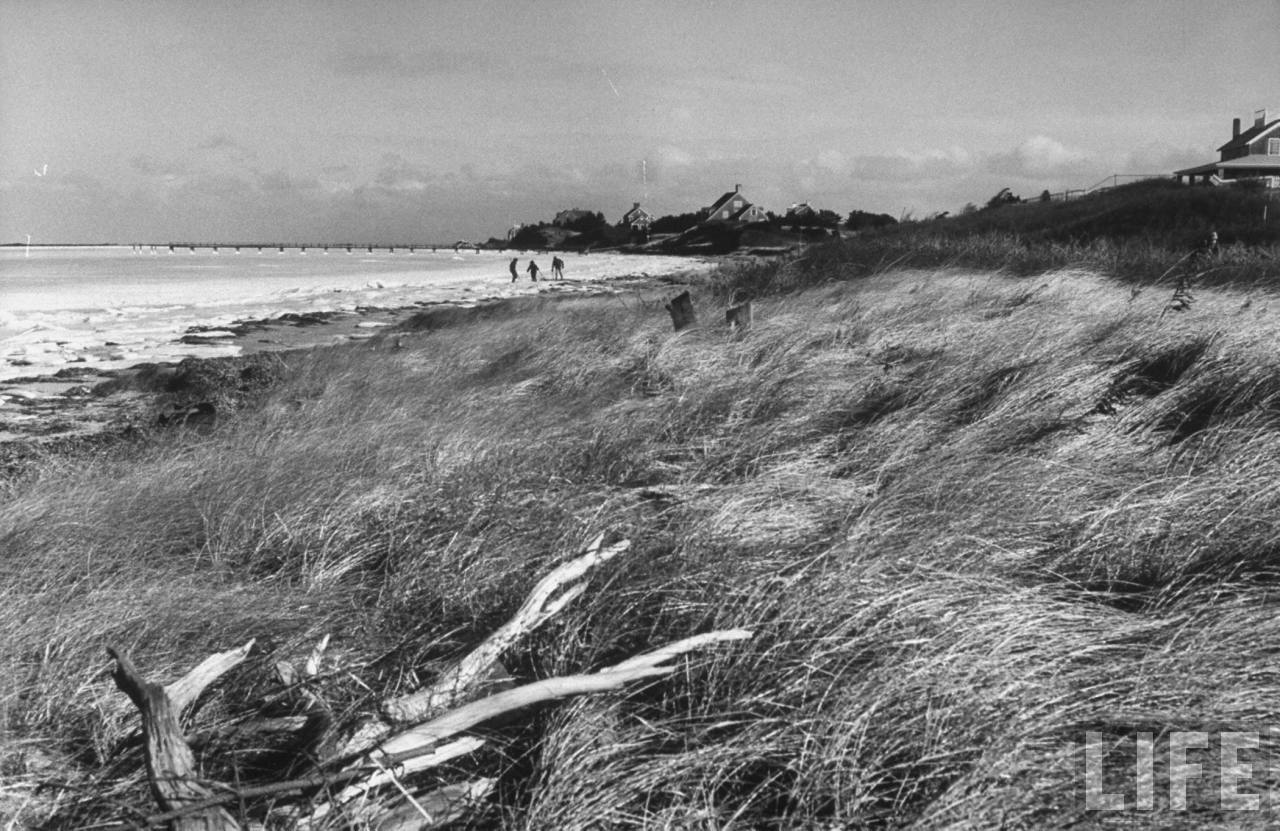

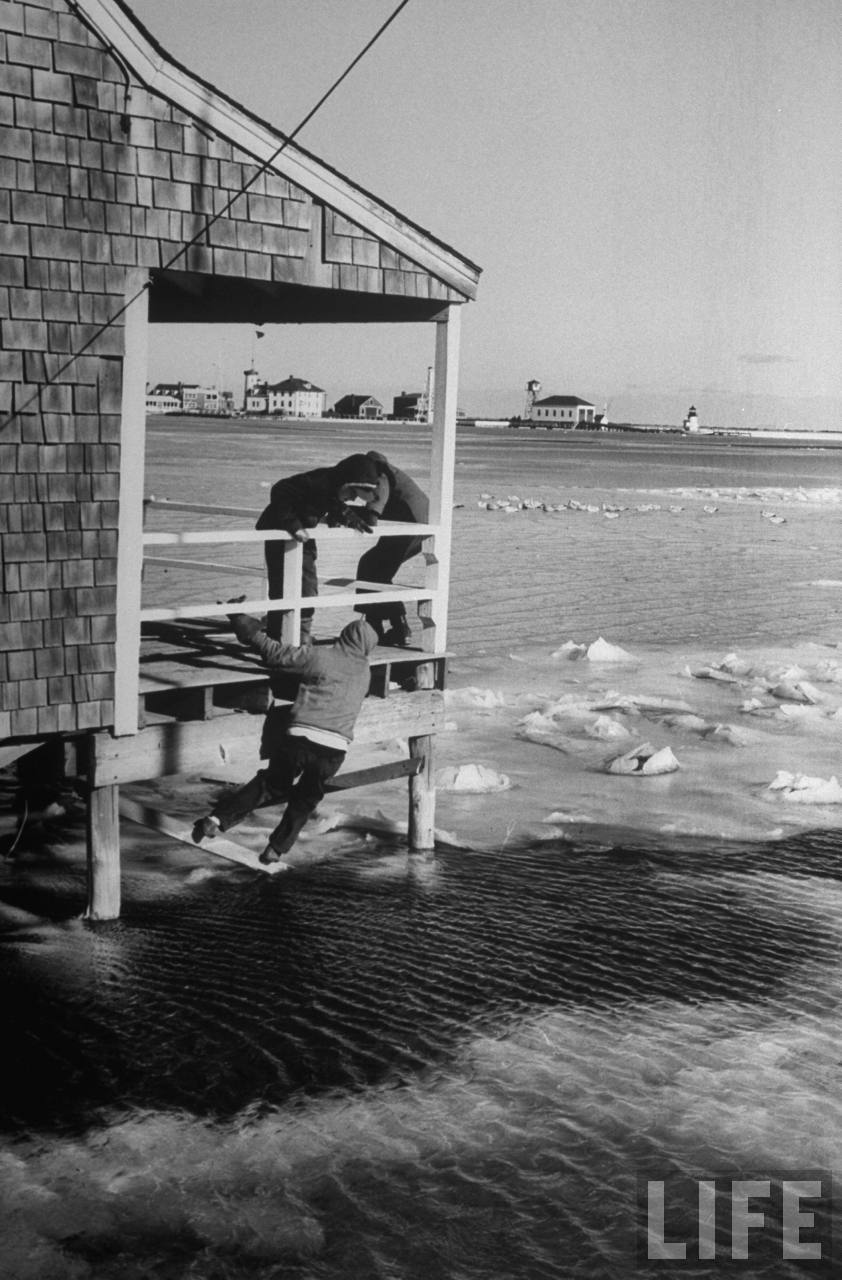
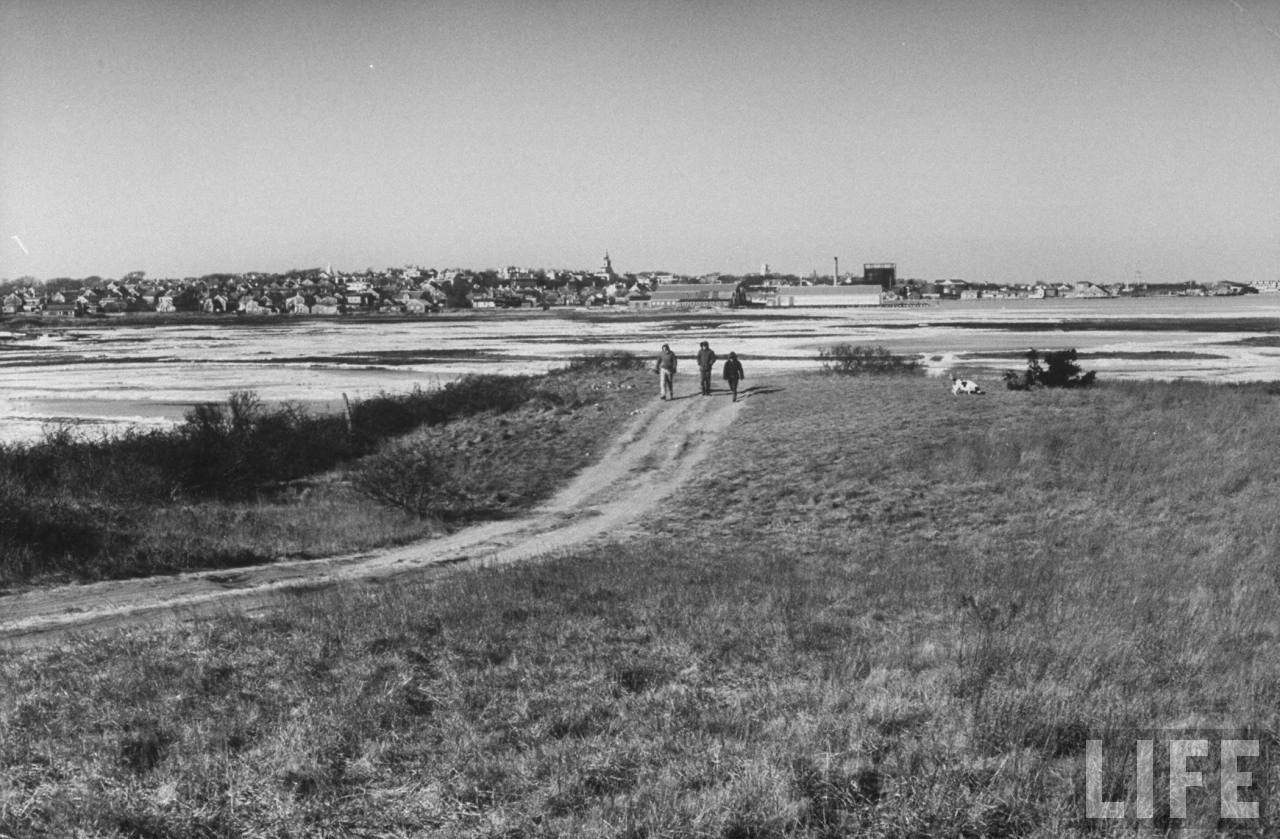


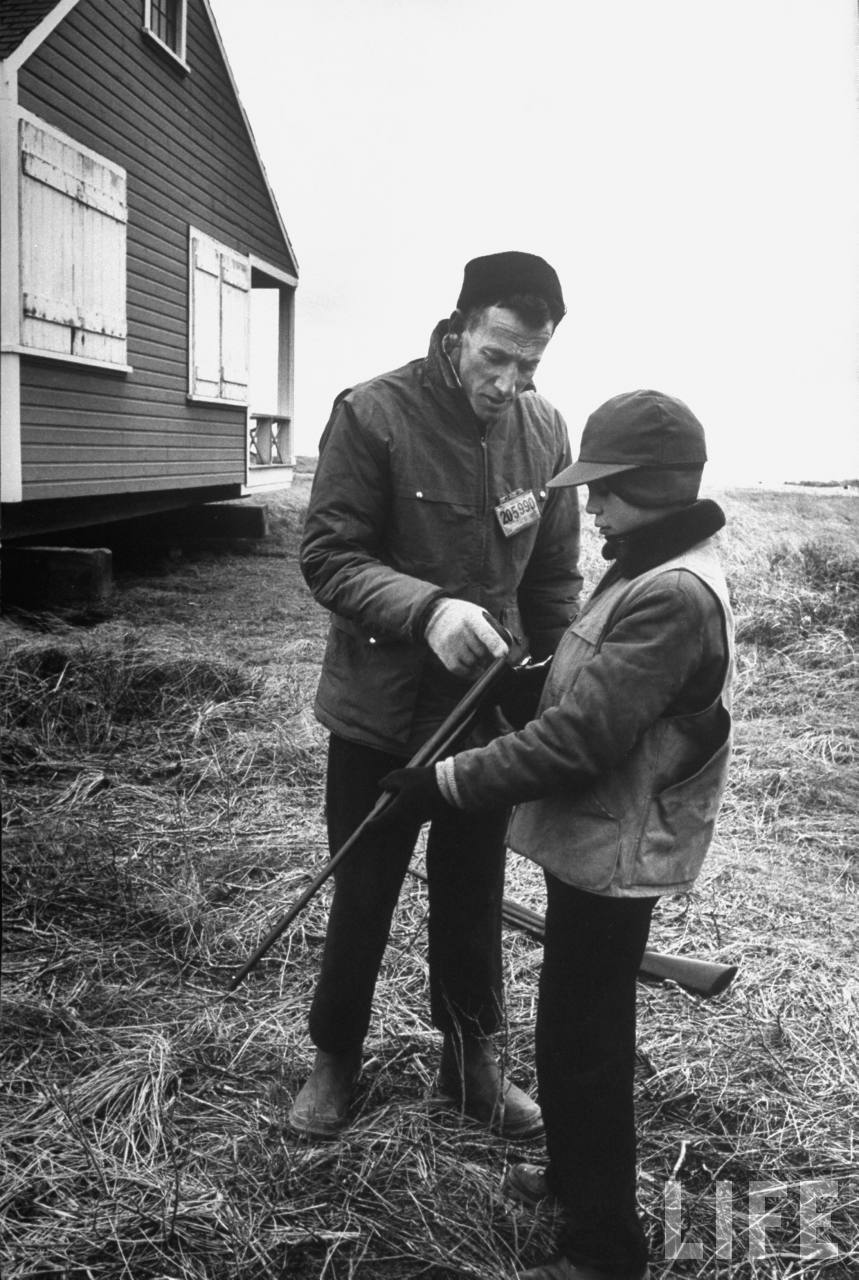
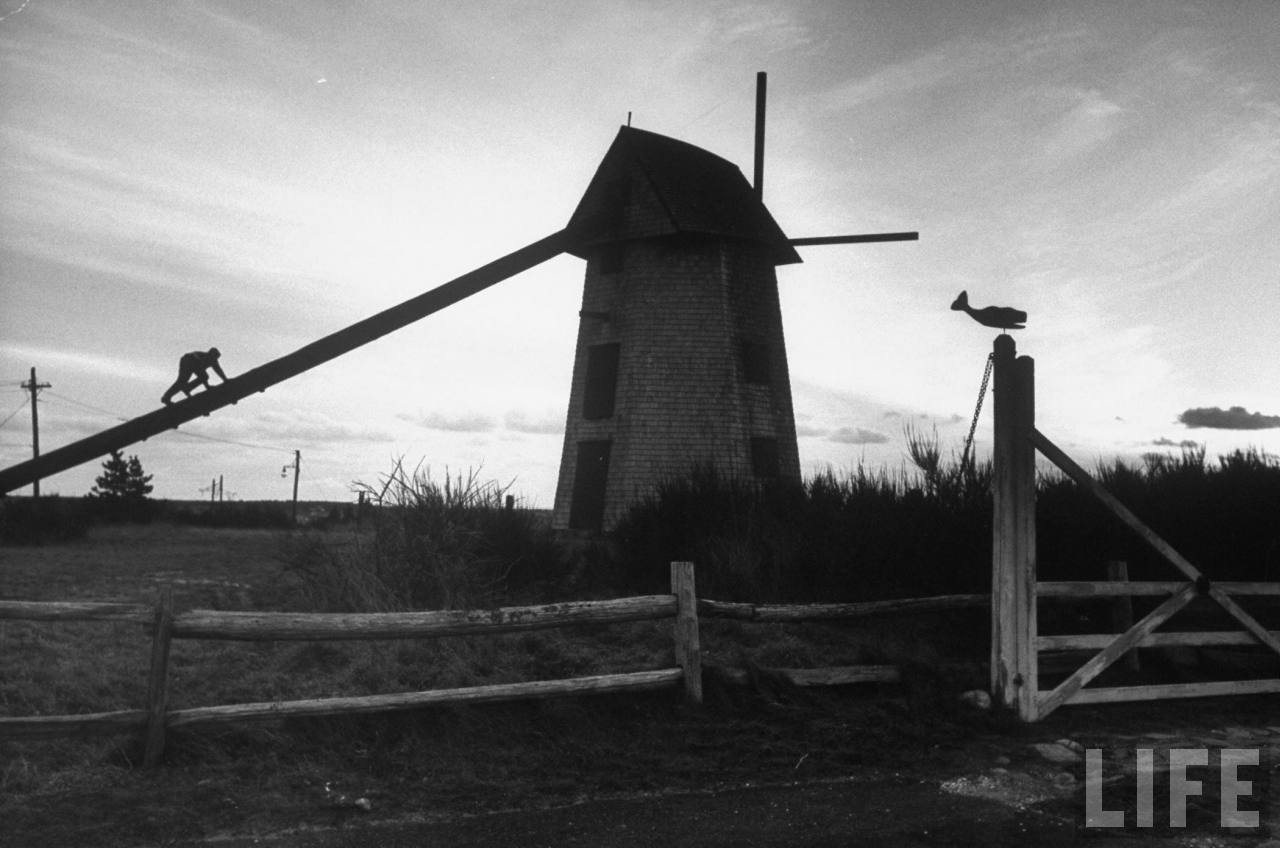 All photographs by Alfred Eisenstaedt, via the LIFE Archives.
Field Notes: The San Fernando Valley Mercantile Co. at the Rose Bowl Flea
27/10/2011 § 2 Comments
Now, when I say that I am originally from Los Angeles, it’s kind of like the geographic equivalent of rounding up to 10 from 7. How so? It’s because I actually spent the majority of my formative years in little place slightly to the north and west of Los Angeles proper, known to some of you simply as “The Valley.” Yes, the location of the party where Tai took a shoe to the head and went on to roll with the homies. Yes, the place that you have to thank for the “like” that permeates the vernacular. Yes, the San Fernando Valley. Like, oh my God.
Granted, The Valley is kind of like the red-headed stepchild of the Southern California family. It’s not regarded as especially cool or interesting, but rather, frankly, as being kind of lame. My mother, who was born and raised in Los Angeles, can’t even remember going there once as a child because, as she put it, “Why would you?” Perhaps I wear my pride somewhat internally, but when it gets down to it, I have so much love for my Valley and the years I spent there. I totally embrace my inner Valley Girl.
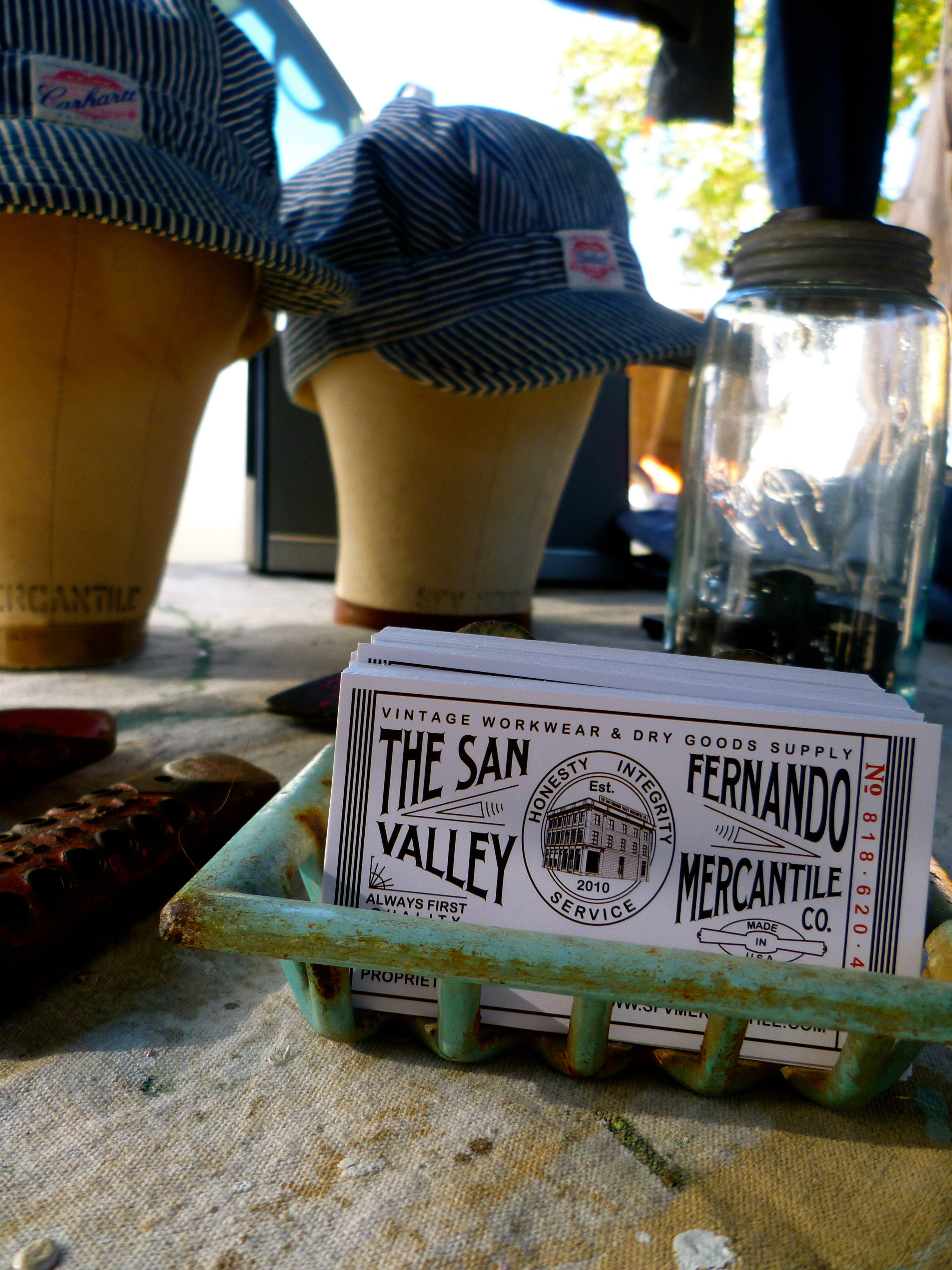
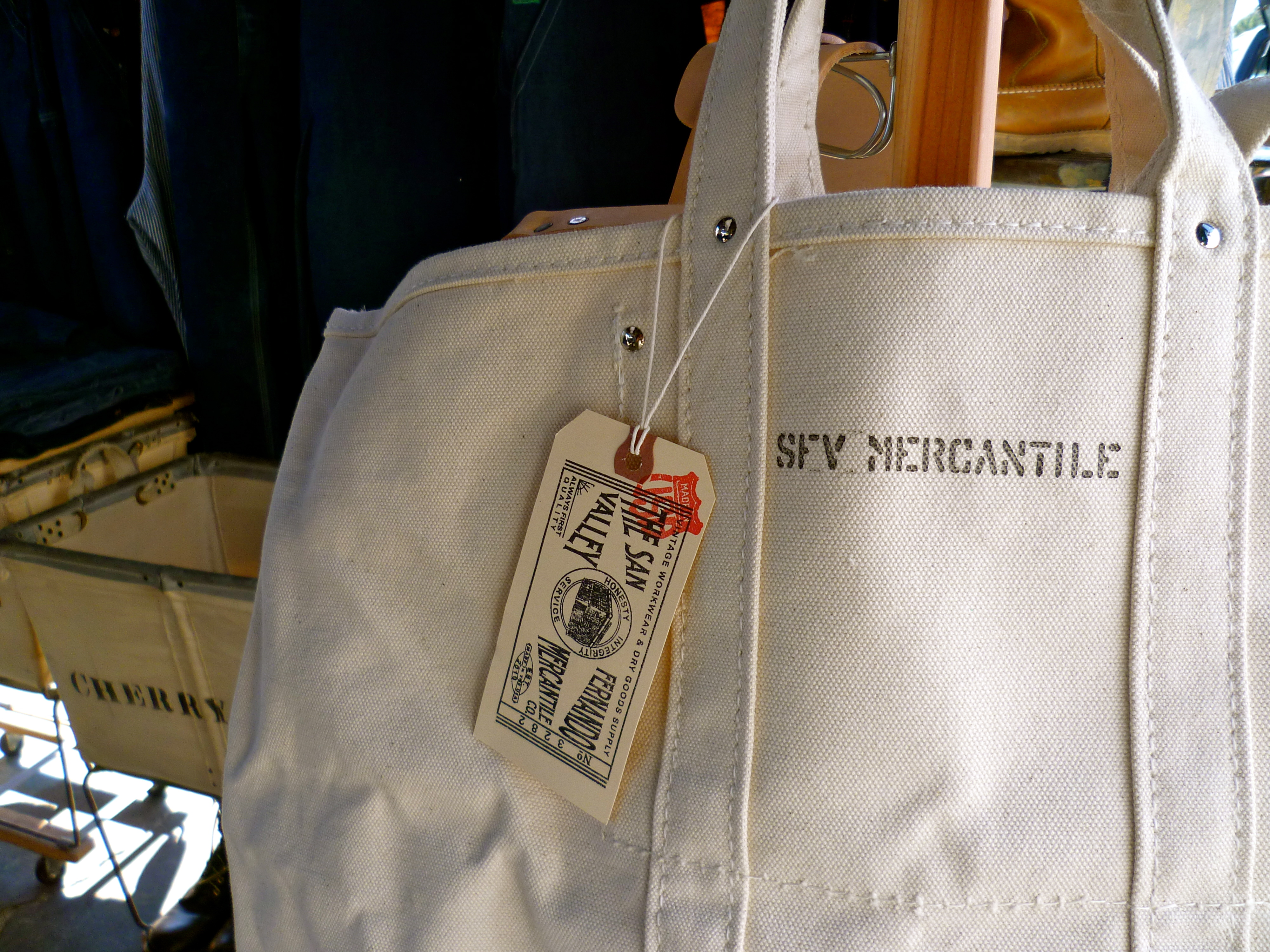
So you can imagine how happy I was a few months ago to discover The San Fernando Valley Mercantile Co., purveyors of fine vintage American-made workwear from 1930-1970 and handmade, utility-inspired dry goods/accessories. And when I realized they had their own take on the classic tool bag, very much like those I had been admiring by a few other designers, but automatically and infinitely so much better because of its Valley origins, I might have geeked out a bit. So of course, I shot off a note to learn more about their bags and the operation at large.
In short order, I received a lovely reply from Warren Schummer, the man behind San Fernando Mercantile Co., as well as Vintage Workwear, a blog focusing on vintage workwear from the 1940s through the 1970s. It turned out Warren’s Valley roots were a bit more established than mine, as his go back three generations, and helped shape his addiction to workwear:
I grew up in the San Fernando Valley, particularly Sylmar in my youth, then left and spent a few years spent in Huntington Beach. Came back to Studio City for my teens and 20s, Sherman Oaks for the 30s and then to Tarzana in the west valley for the past 10 odd years, give or take. My pops owned an auto body repair shop on Ventura Blvd in Studio City where he specialized in German cars including Porsche and Mercedes Benz cars in particular. That environment in addition to my Grandfather working at the now defunct Chevrolet plant in Van Nuys helped shape my love of work clothing.
Warren began collecting — actually, he called it “hoarding” — workwear and soon came to realize that the best way to support his collecting habit was by parting with some of his pieces. This led to a stall at the Rose Bowl Flea Market (#3282), where he has been in residence for more than 18 months now, on the second Sunday of every month. Warren also owns All Valley Handyman Service, which provides him with the opportunity to wear his vintage on the job.
Wanting to apply the inspiration he found in vintage to the creation of new merchandise, Warren began with a small run of work caps made from vintage fabrics, selvedge denim and brown duck, which did well. With the success of the caps, bags were the obvious next step and a tote and tool bag-inspired bag soon followed. Warren is intensely involved in the design and construction process, seemingly coming just short of sewing everything himself — which I think he probably would try to do, if he could. All of San Fernando Valley Mercantile Co.’s merchandise is made in the USA, with most of it made in Southern California.
After hearing and loving all of this, I knew that I desperately wanted one of Warren’s bags and that I would definitely be stopping by stall #3282 on my upcoming (at the time) visit to the Rose Bowl Flea. A few short weeks flew by and I found myself in the sweltering Pasadena sun at the Flea. I dragged along Nick — of the rather awesome Tumblr No Secrets Between Sailors (and also Instagram: nosecretsbetweensailors) — and made him show me the ropes.
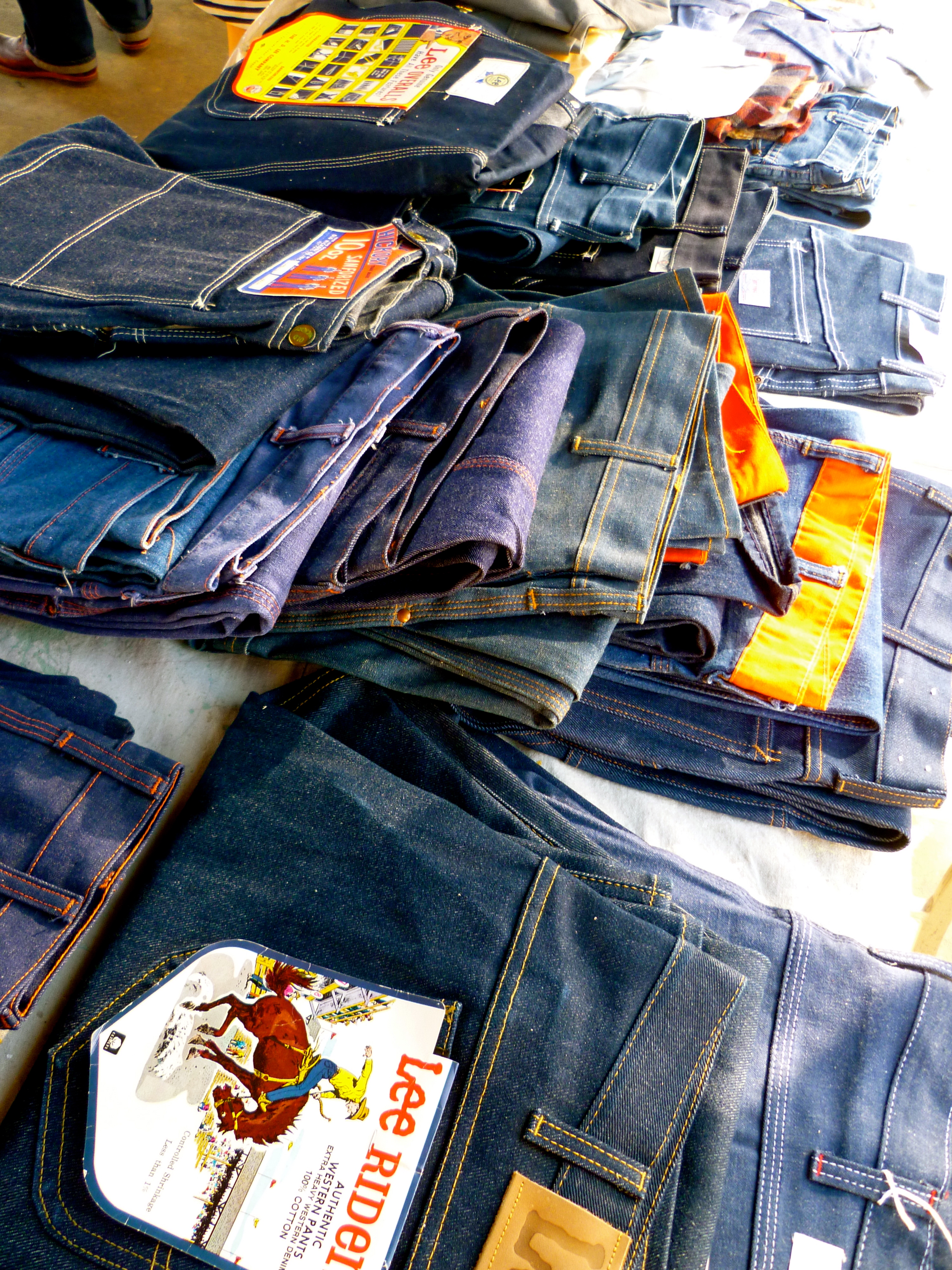
The San Fernando Valley Mercantile Co. was our first stop. Nick and I had a good long visit with Warren and his lovely lady Michele, while taking shelter in the shade of the tent and slowly perusing an amazing selection of workwear merchandise. We also discussed the specifics for one of his glorious 16″ bags that will be making its way to me in New York in the near future. Of course you’ll receive the full rundown when it arrives. Such a great afternoon.
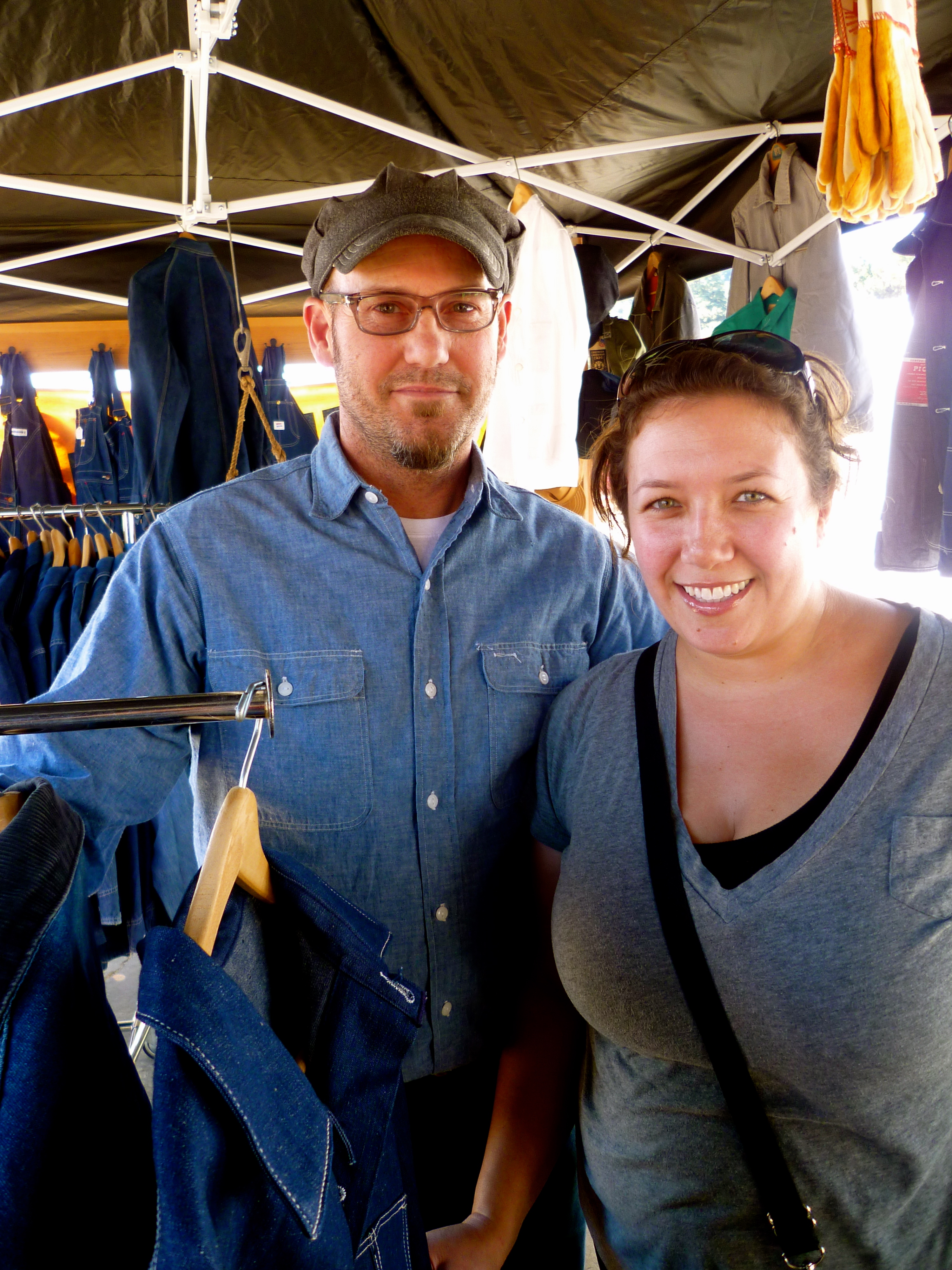 Warren and Michele.



 Nick.
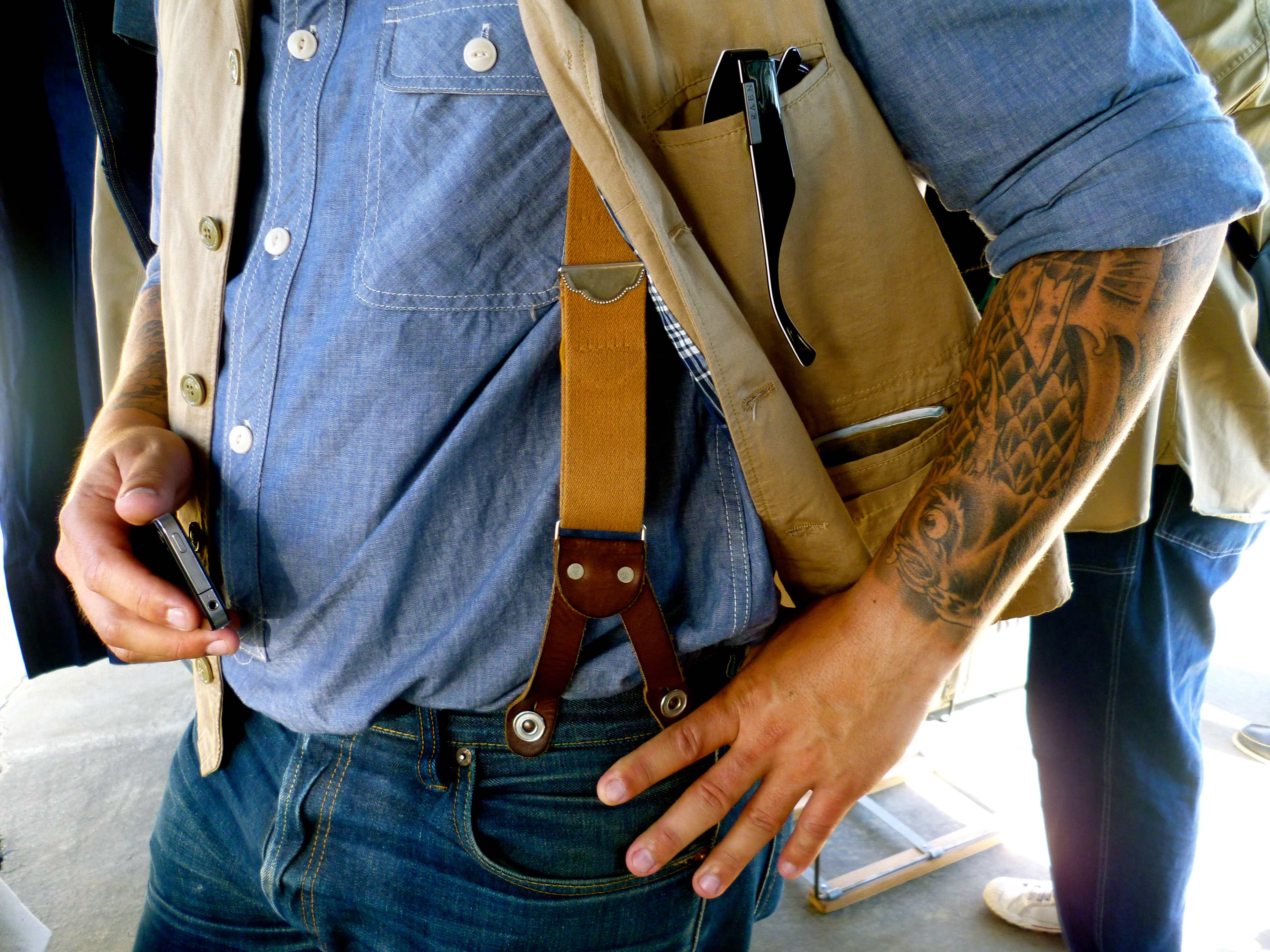
Nick.
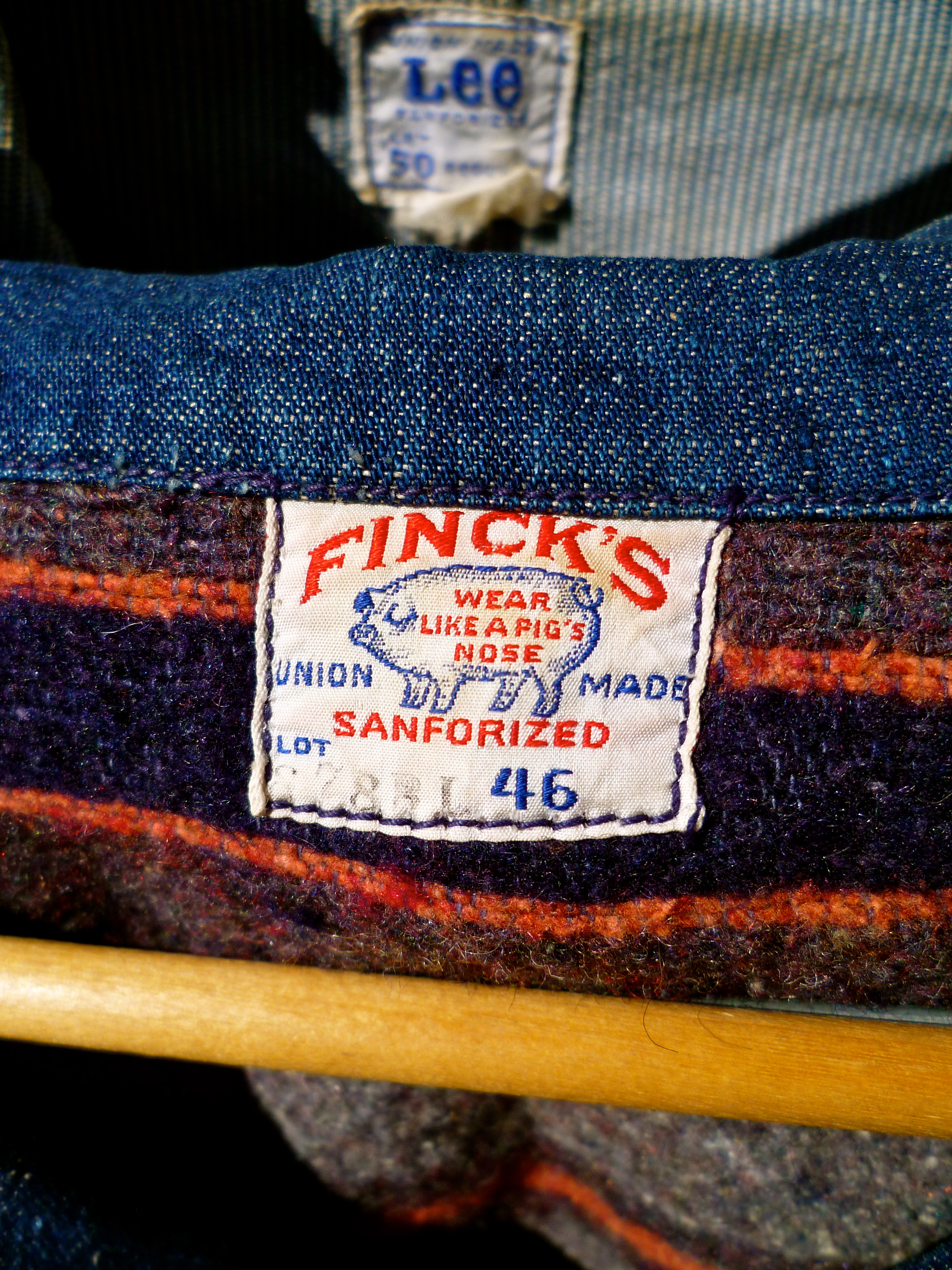

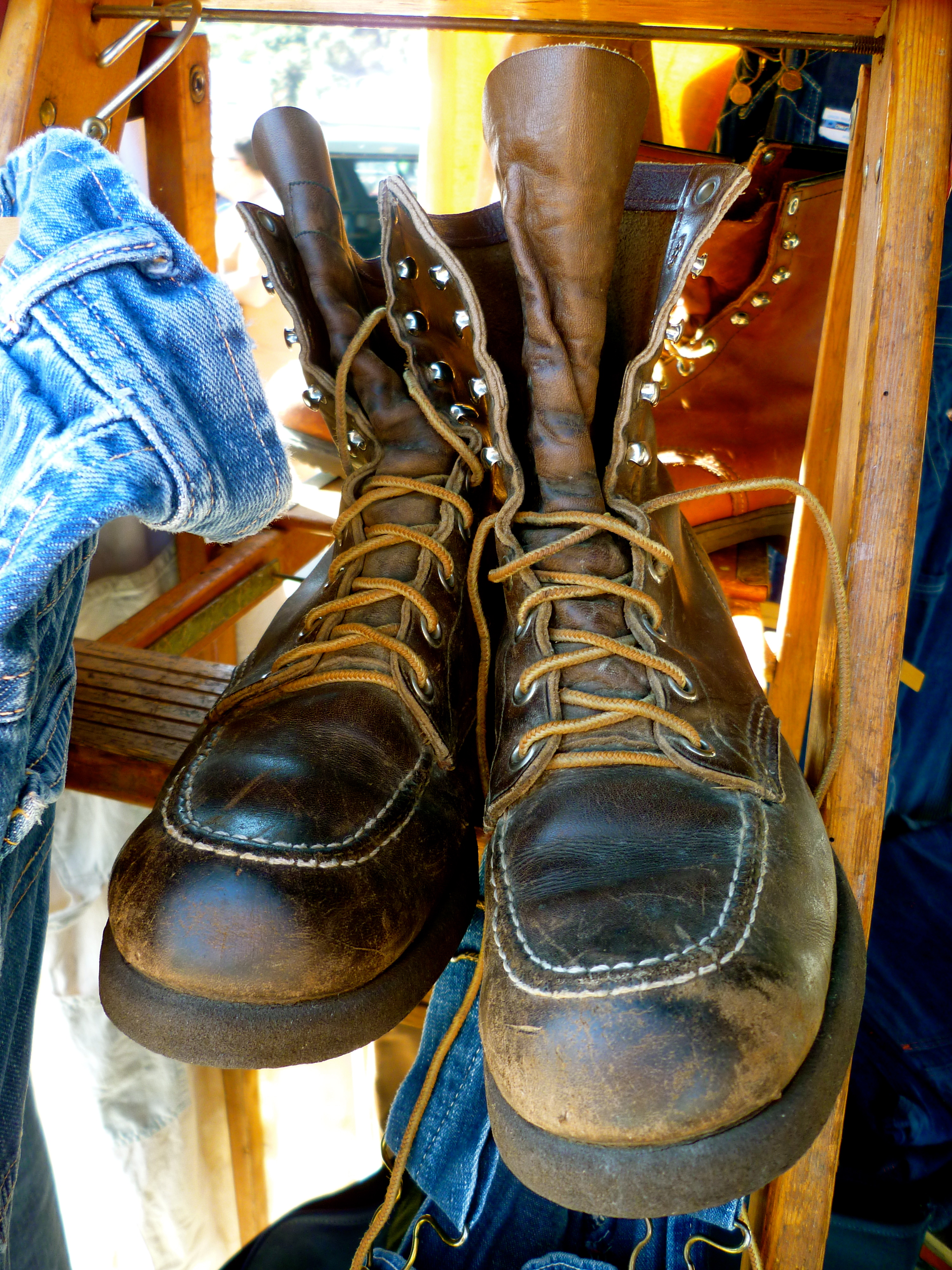
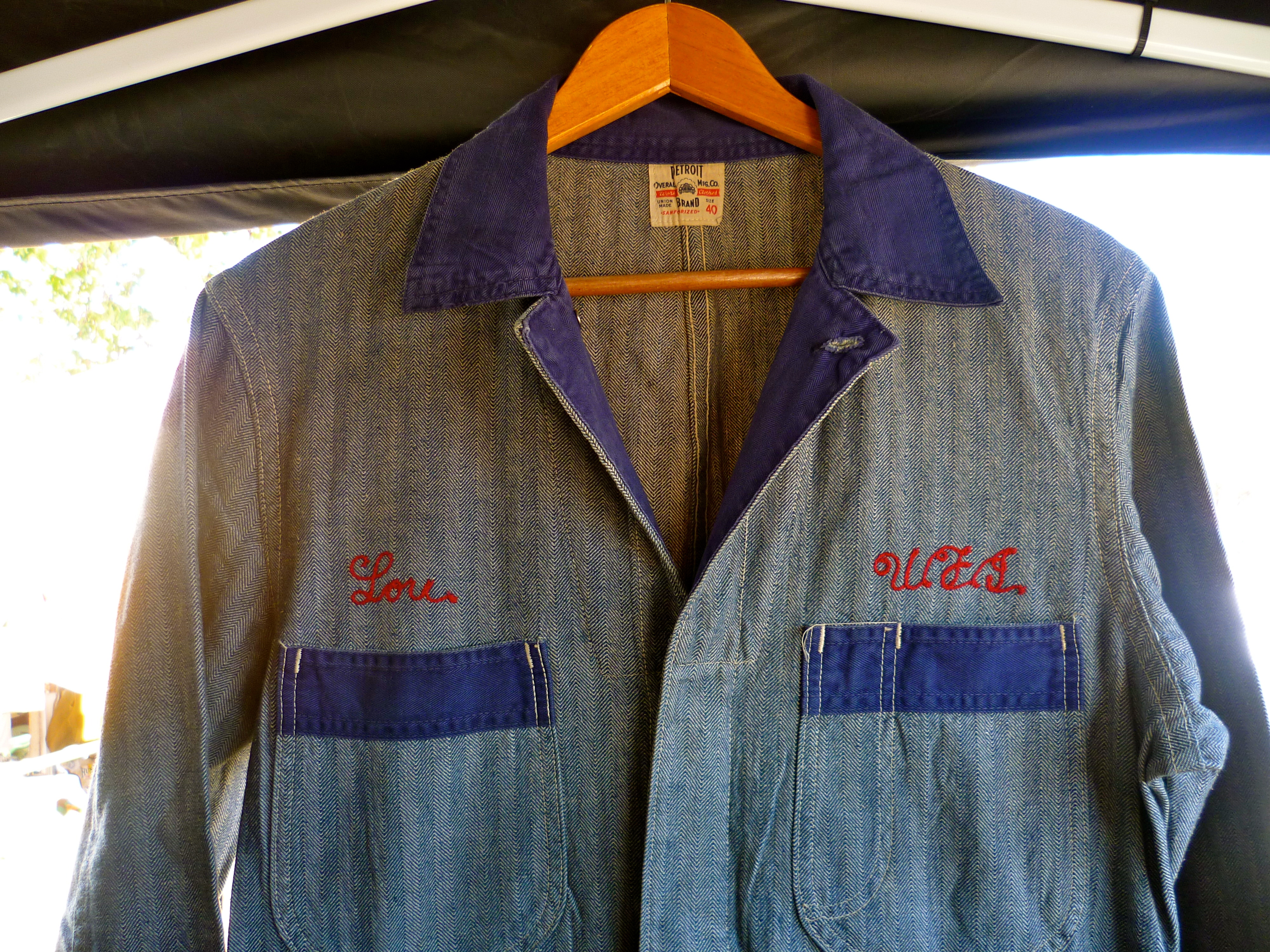
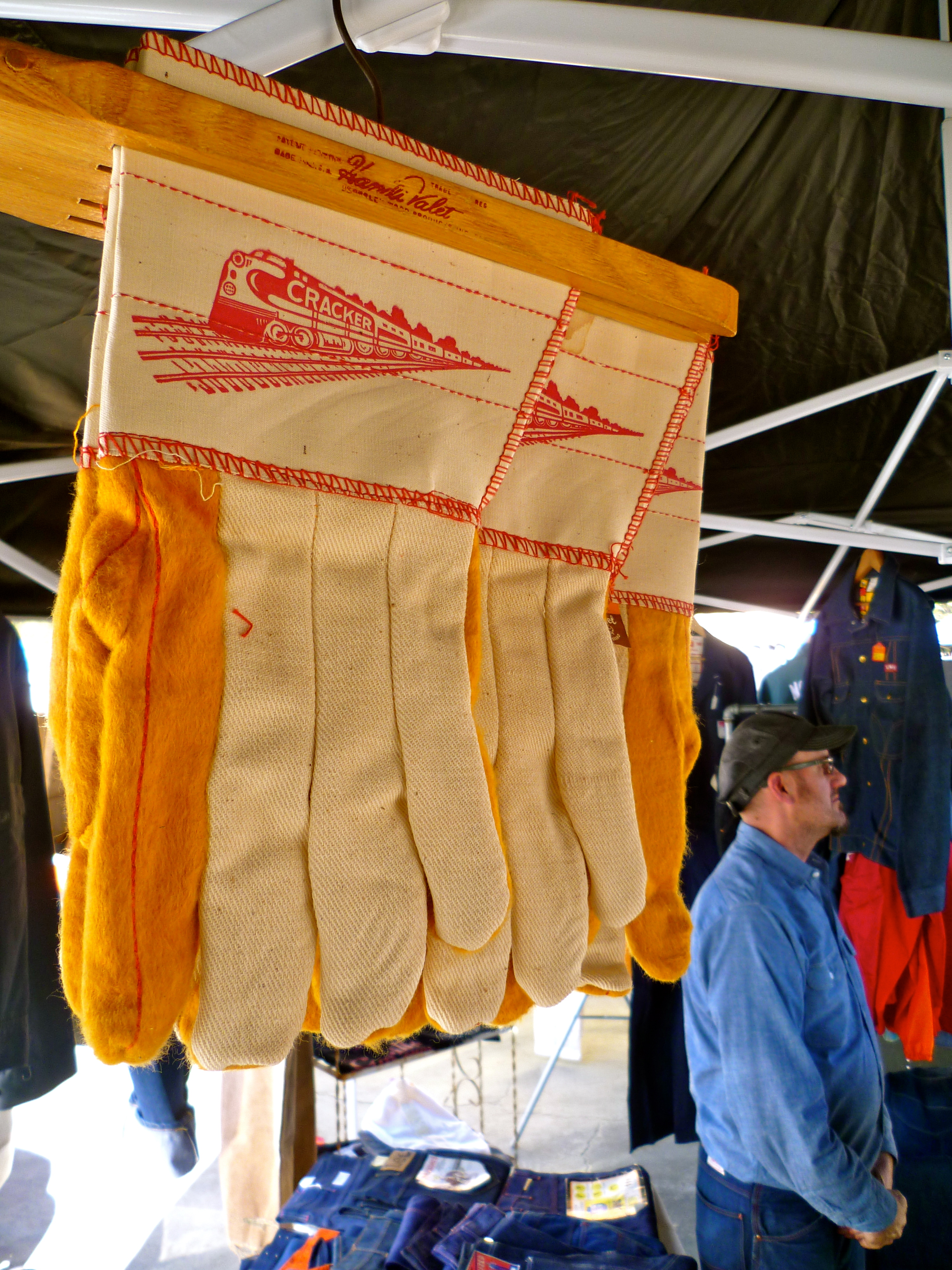
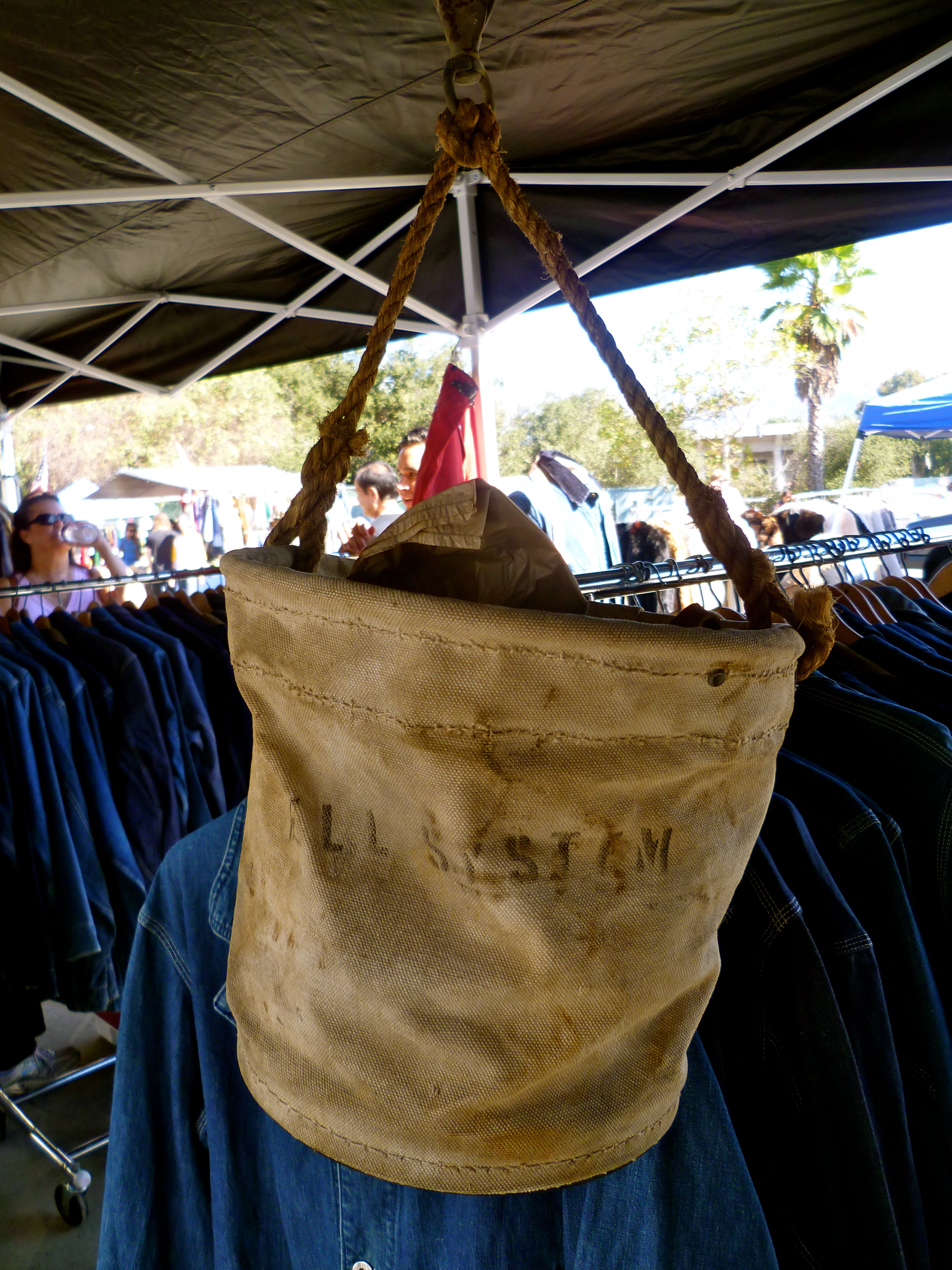
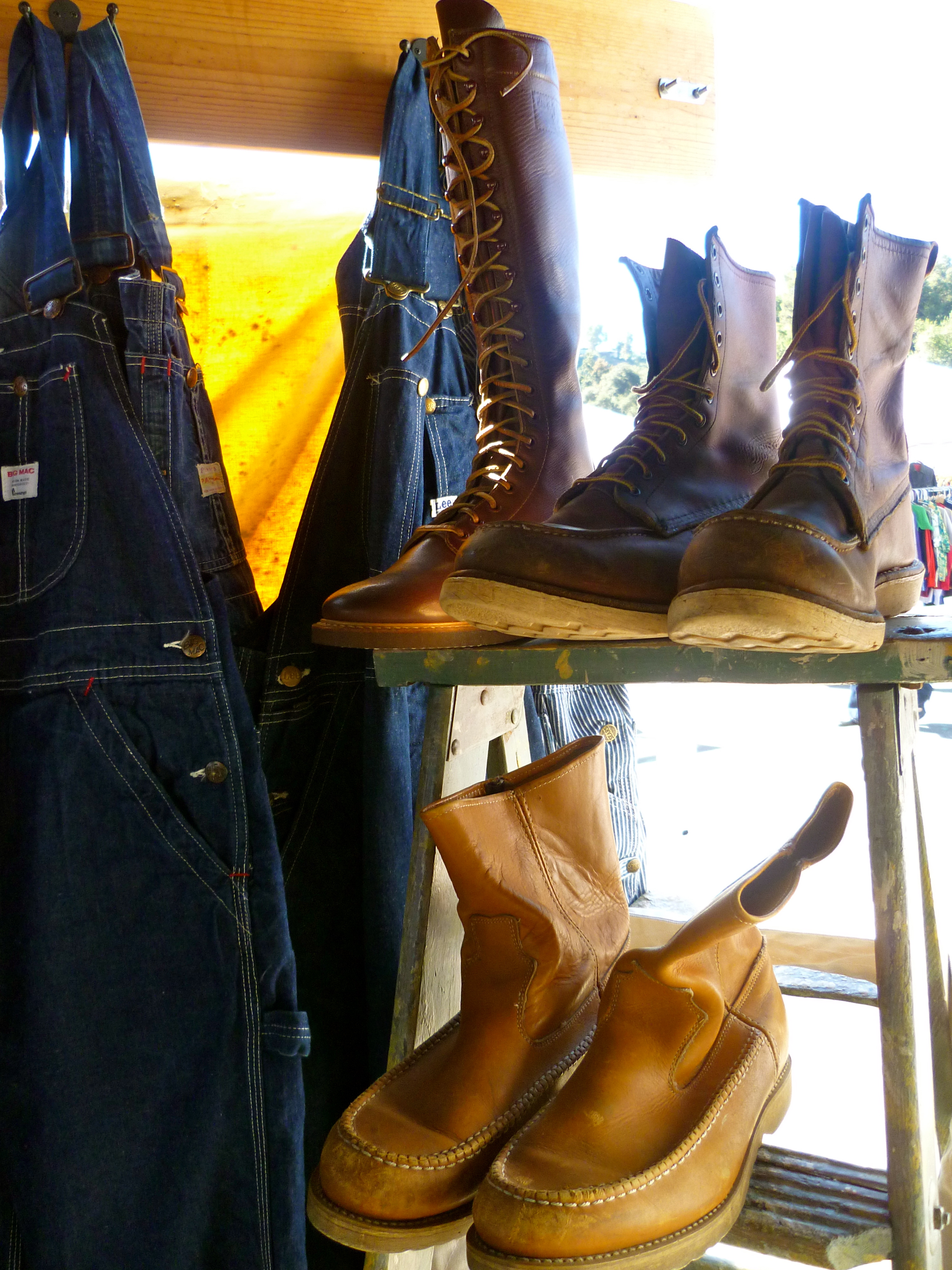
 The vintage inspiration…
 …for their bags.




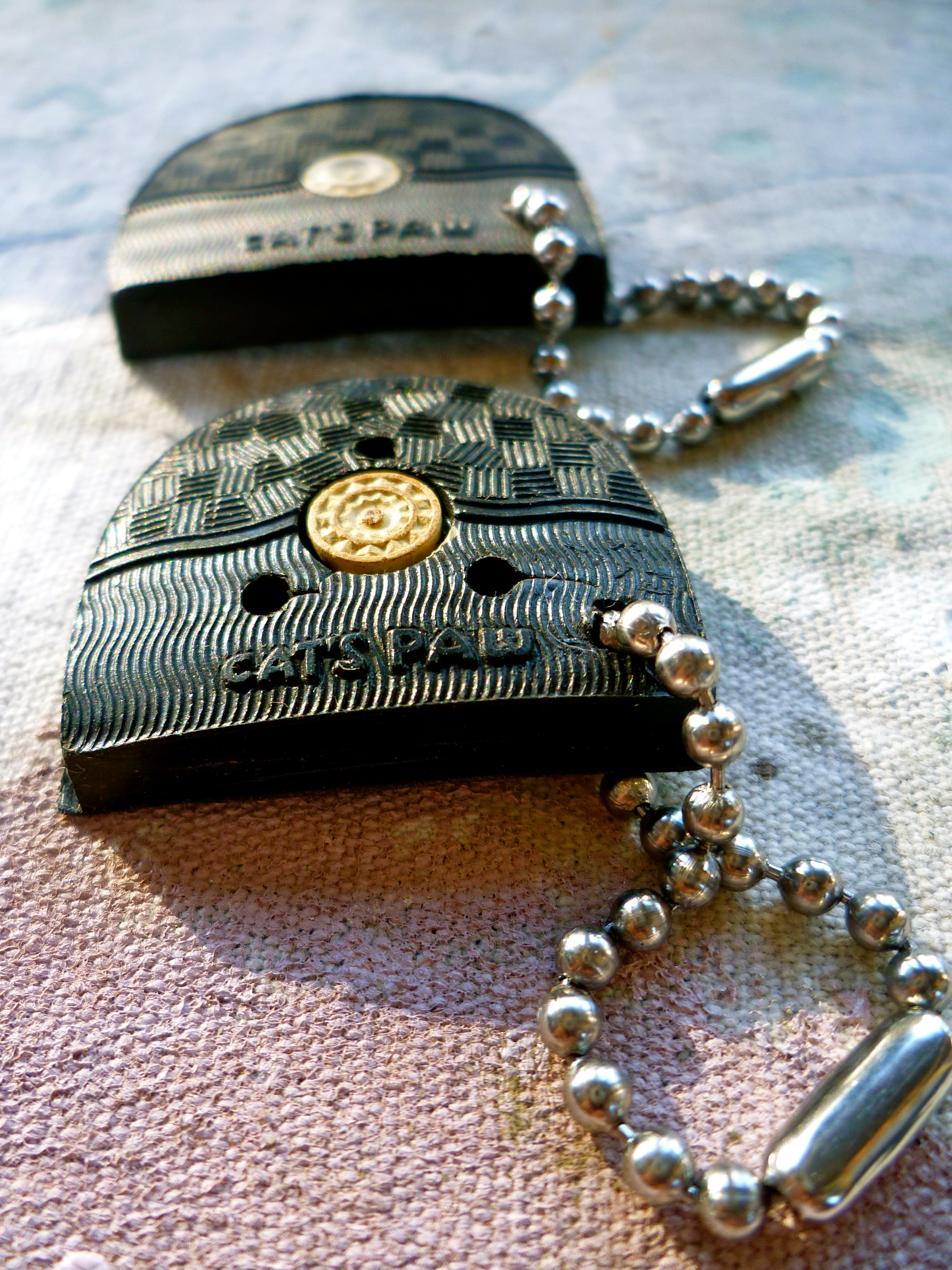 Vintage Cat’s Paw keychains.
If you are at the Rose Bowl Flea, be sure not to miss the The San Fernando Valley Mercantile Co. If you can’t make it out to Pasadena, check the shop out online, as well as the store blog, and the Vintage Workwear blog.
Rabbit Hole: Victorian Child Criminals of Newcastle City Gaol and House of Correction
25/10/2011 § 3 Comments
All taken between the years of 1871 and 1873, these photographs of child criminals who served time in Newcastle City Gaol and House of Correction are so very intriguing to me. Initially because none of the inmates shown here are yet 20 years old, and for their various crimes and corresponding sentences (usually petty thievery and hard labor). Aside from the relatively rare opportunity to view the stark poverty and desperation that underlined the Victorian era on a individual and personal level, what struck me is that each “mugshot” is rather theatrically posed.
Why is this?
Is it because photographs were such a rarity at the time, especially for these subjects, that they were afforded the opportunity to ham it up for the gaoler’s photographer? Perhaps they were posed in an effort to humiliate? I suppose I will never know, but I still am lost down a Victorian rabbit hole, looking at these amazing photographs…
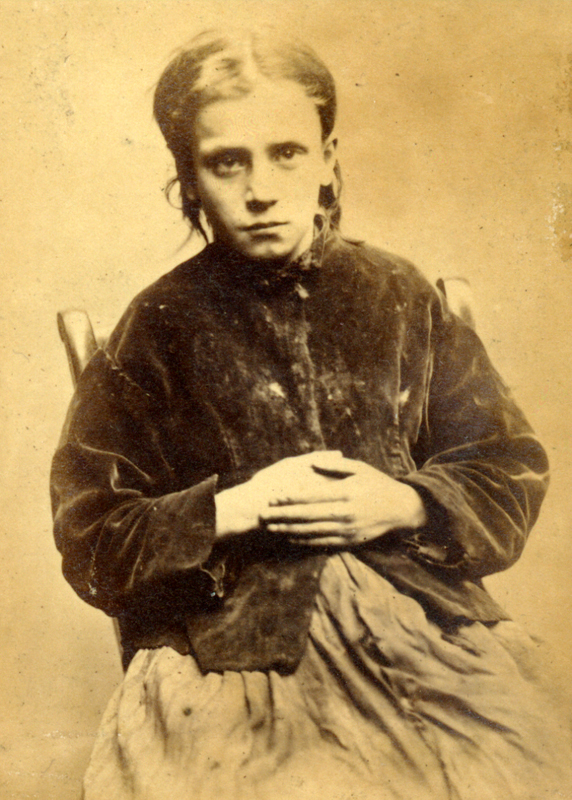 Jane Farrell stole 2 boots and was sentenced to do 10 hard days labour.
Age (on discharge): 12
Height: 4.2
Hair: Brown
Eyes: Blue
Place of Birth: Newcastle
 Henry Leonard Stephenson was convicted of breaking in to houses and was sentenced to 2 months in prison in 1873
Age (on discharge): 12
Height: 4.5
Hair: Dark
Eyes: Hazel
Place of Birth: Castle Eden
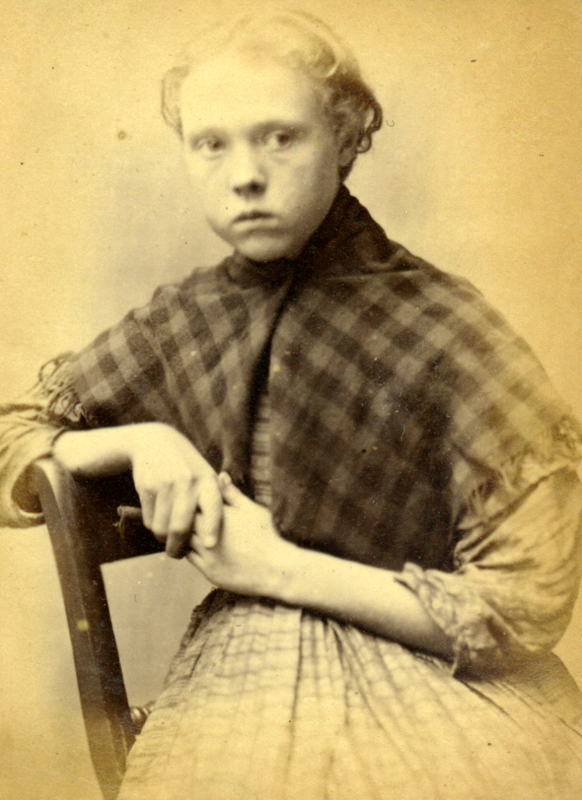 Mary Hinnigan was caught stealing iron and was sentenced to do 7 days hard labour.
Age (on discharge): 13
Height: 5.0½
Hair: Light Brown
Eyes: Hazel
Place of Birth: Newcastle
 James Donneley, also known as James Darley, at the age of just 16, this young man had been in and out of prison, but on this occasion he was sentenced for 2 months for stealing some shirts.
Age:16
Height:5.0
Hair: Brown
Eyes:Hazel
Place of Birth: Shotley Bridge
Work: Labourer
 Mary Catherine Docherty was sentenced to 7 days hard labour after being convicted of stealing iron.
Age (on discharge): 14
Height: 4.9
Hair: Red
Eyes: Dark Blue
Place of Birth: Newcastle
 Henry Miller was charged with the theft of clothing and sentenced to 14 days hard labour.
Age (on discharge): 14
Height: 4.5
Hair: Brown
Eyes: Blue
Place of Birth: Berwick
Occupation: Confectioner
Wait, Henry was a candy-maker??
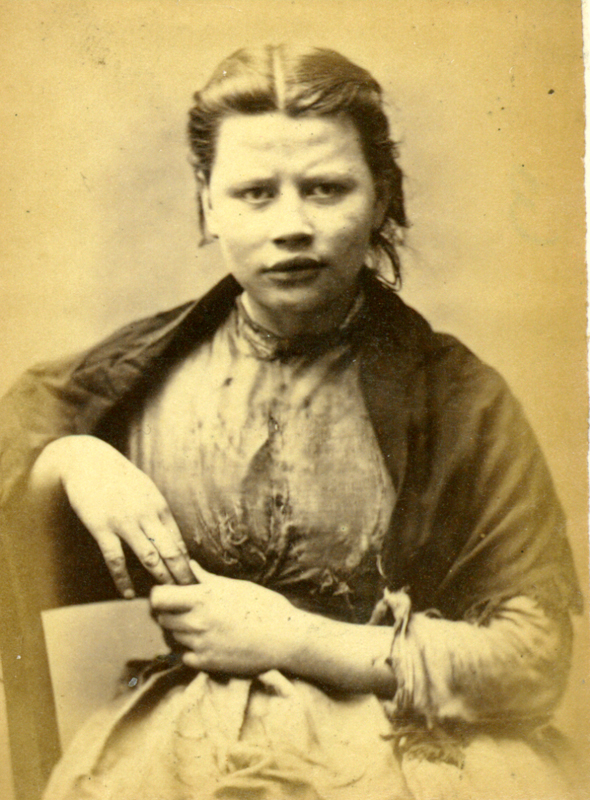 Alice Mullholland was sentenced to 3 months after being convicted of stealing some boots.
Age (on discharge): 18
Height: 5.0¼
Hair: Dark Brown
Eyes: Blue
Place of Birth: Newcastle
 John Divine was imprisoned for 6 months after stealing money from another person.
Age (on discharge): 17
Height: 5.7
Hair: Dark Brown
Eyes: Grey
Place of Birth: Ireland
Occupation: Carver and Guilder
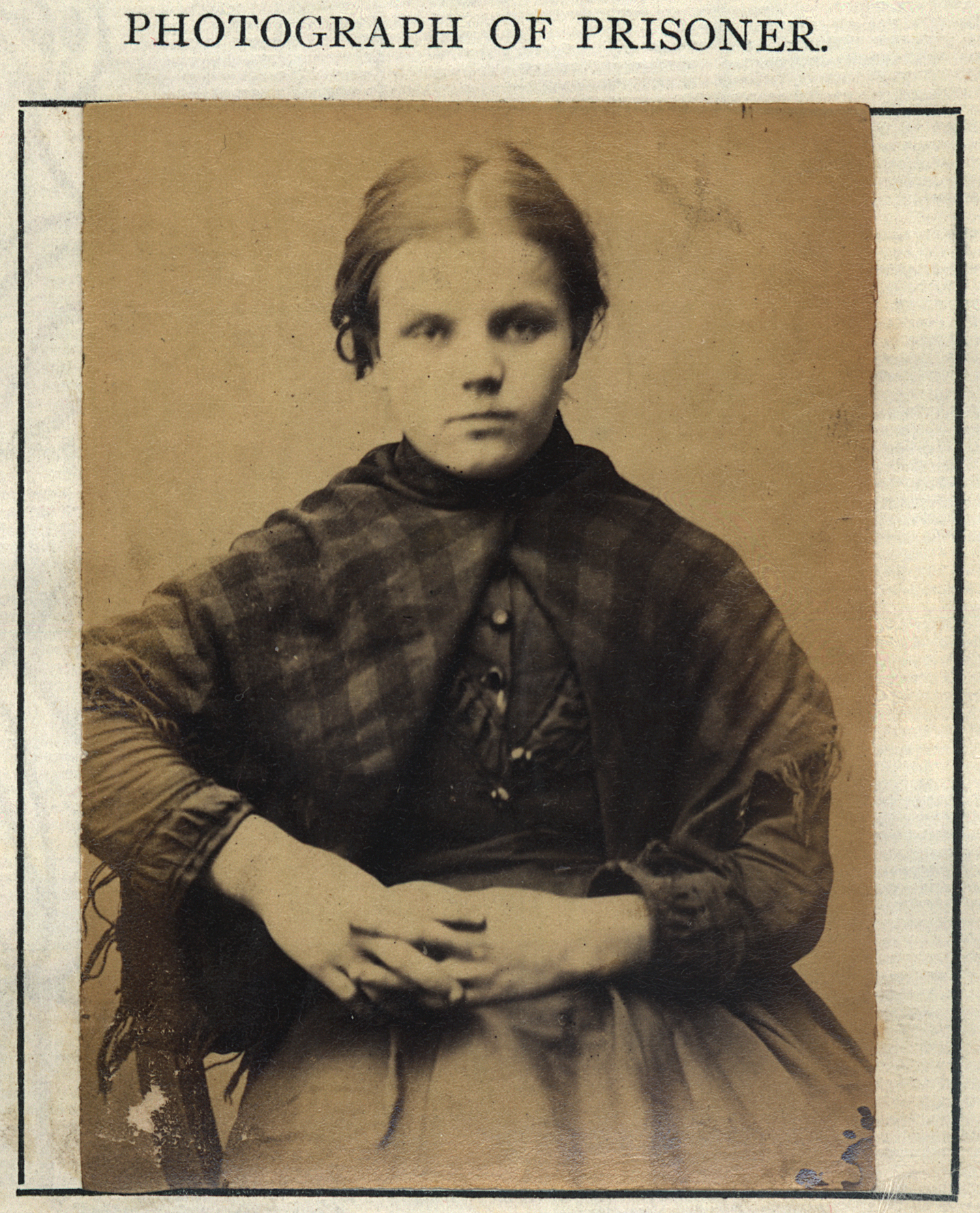 Isabella Hindmarch was convicted of stealing money, she had no previous convictions and served 1 month with hard labour.
Age (on discharge): 16
Height: 4’5 1/2”
Hair: Light Brown
Eyes: Dark Blue
Place of Birth: Gateshead
Occupation: Servant
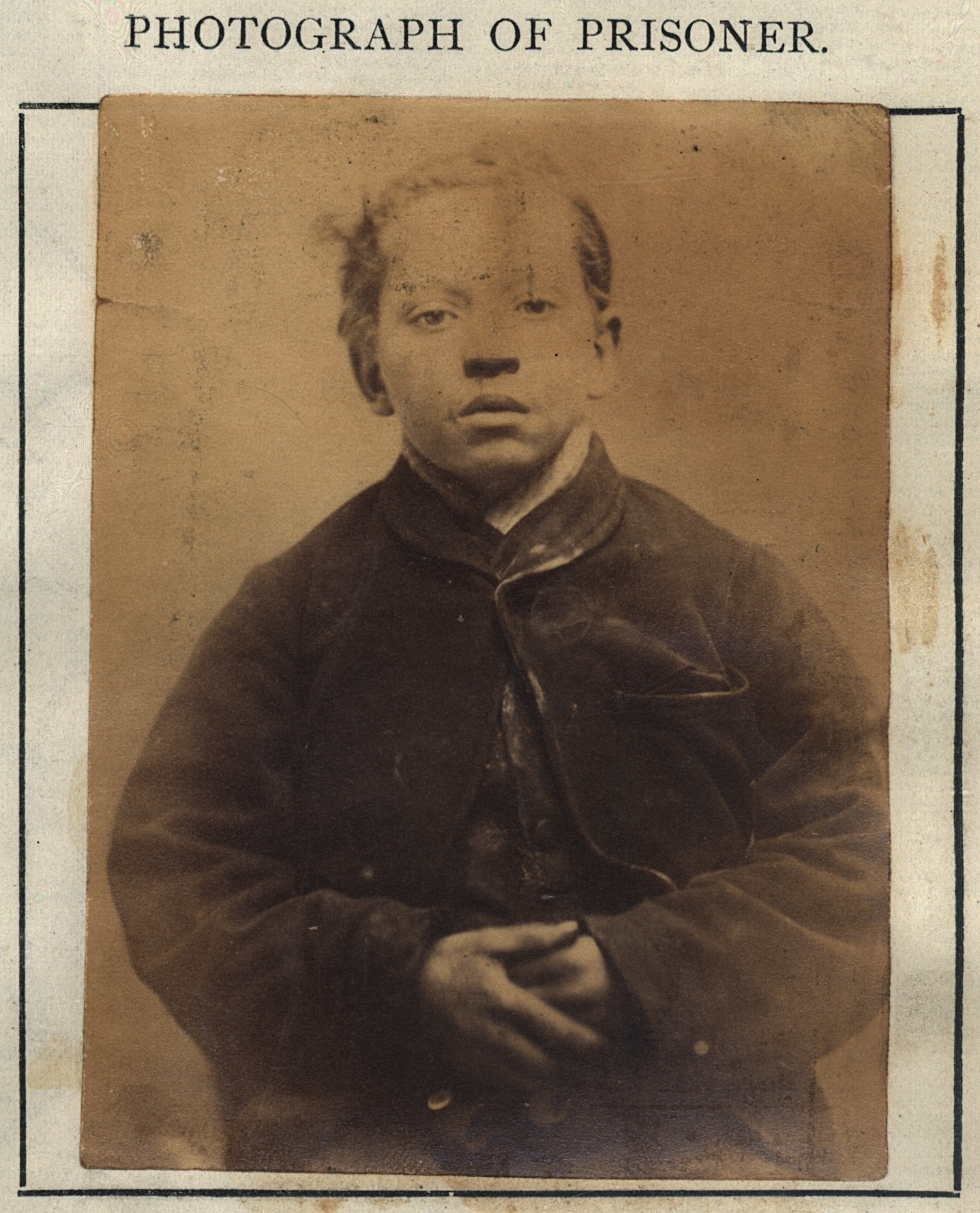 Richard Rimmington was convicted of stealing a pipe from a shop and was expected to serve 14 days with hard labour. He was spared his sentence when his parents agreed to pay costs and the resulting fine.
Age (on discharge): 15
Height: 4’2 1/2”
Hair: Brown
Eyes: Grey
Place of Birth: Newcastle
Occupation: None
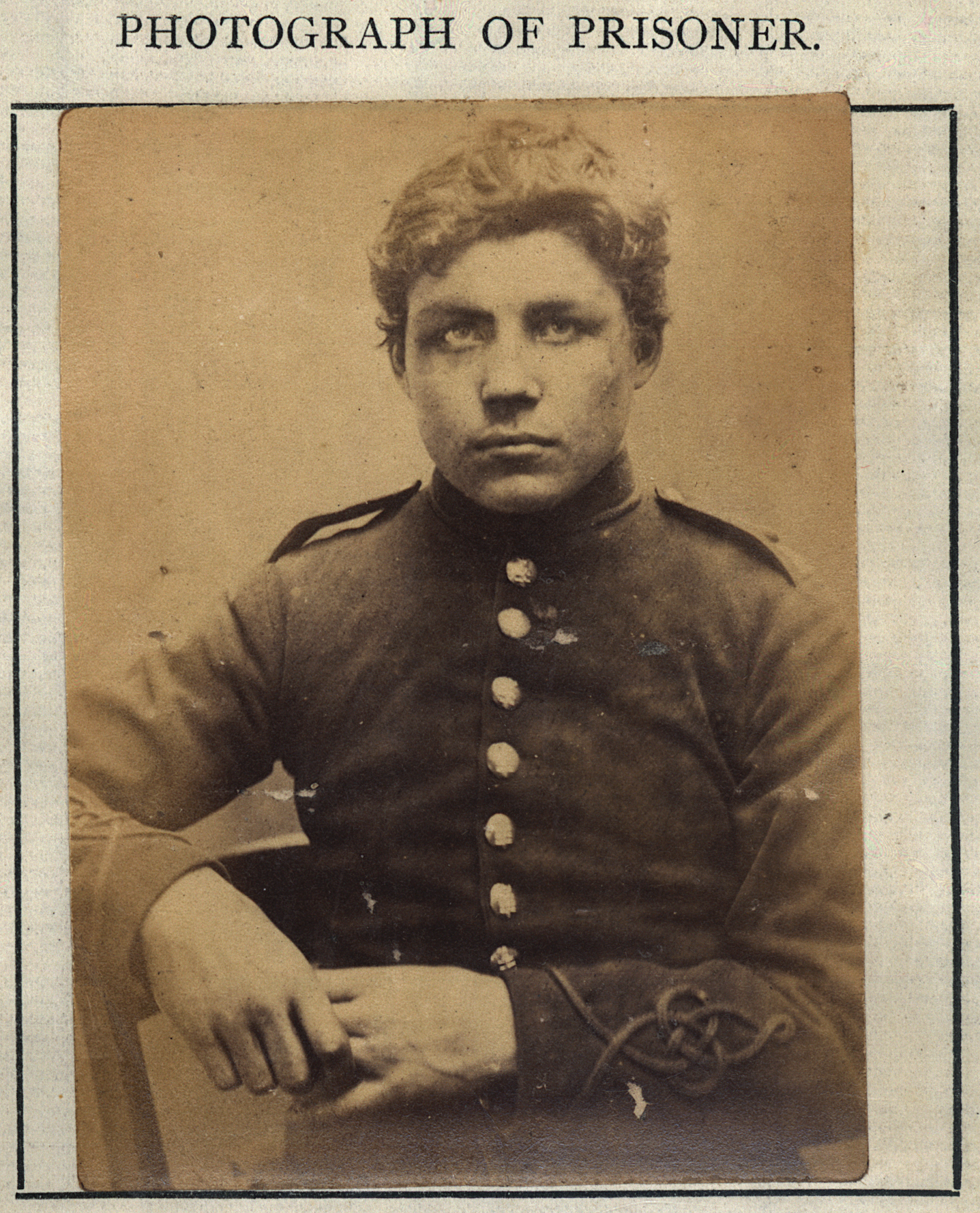 John Park was convicted of stealing a violin, he had no previous convictions and served 1 month with hard labour.
Age (on discharge): 19
Height: 5’6 1/2”
Hair: Dark
Eyes: Hazel
Place of Birth: Scotland
Occupation: Cartman and Soldier, 14th Brigade RA
If you’d like to wander through the full set of portraits of the inmates of Newcastle City Gaol and House of Correction from 1871 to 1873, head here.
Pictures and inmate information via Tyne & Wear Archives & Museums.
Rabbit Hole: Fifth Avenue, New York, 1911
20/10/2011 § 2 Comments
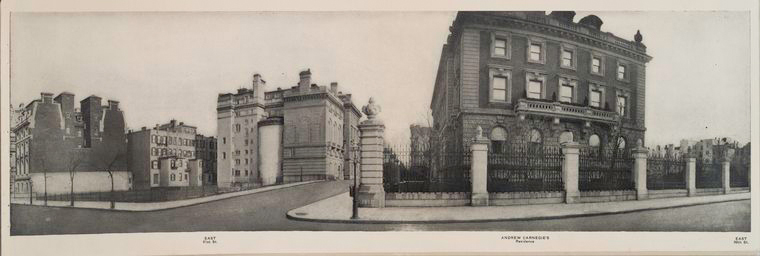 Carnegie mansion (R, current home of the Cooper-Hewitt)
Did you know that the New York Public Library had within its collections a series of panoramic photographs taken of Fifth Avenue — from start to finish — in 1911? I’ve been thoroughly enjoying my virtual wanderings down the avenue in 1911, which coincidentally is also where my office is located in 2011. Cars and pedestrians are frozen in time on the stately street. Some of the buildings I can recognize, while others have been long since torn down. The library is without its lions, St. Thomas is just being built and Mrs. Vanderbilt is still living in the mansion where Bergdorf Goodman now stands.
The images are a bit small here, but I urge you to click through and take a look for yourself at New York 100 years ago. They are amazing. You can find the collection here.
 Knox Hat Building (currently home to HSBC) and NYPL
 St. Patrick’s Cathedral
 The Metropolitan Club
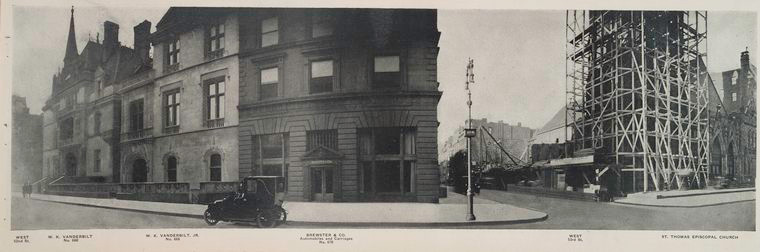 St. Thomas being built (R) and two Vanderbilt homes (L)
 Vanderbilt home (current location of Bergdorf Goodman) and the Plaza
 Met Museum
Field Notes: Big Sur. Big Paradise.
18/10/2011 § 10 Comments
Big Sur was pristine, remote and breathtakingly beautiful.
If you haven’t yet made the trip along PCH, move it to the top of your list.
Immediately...
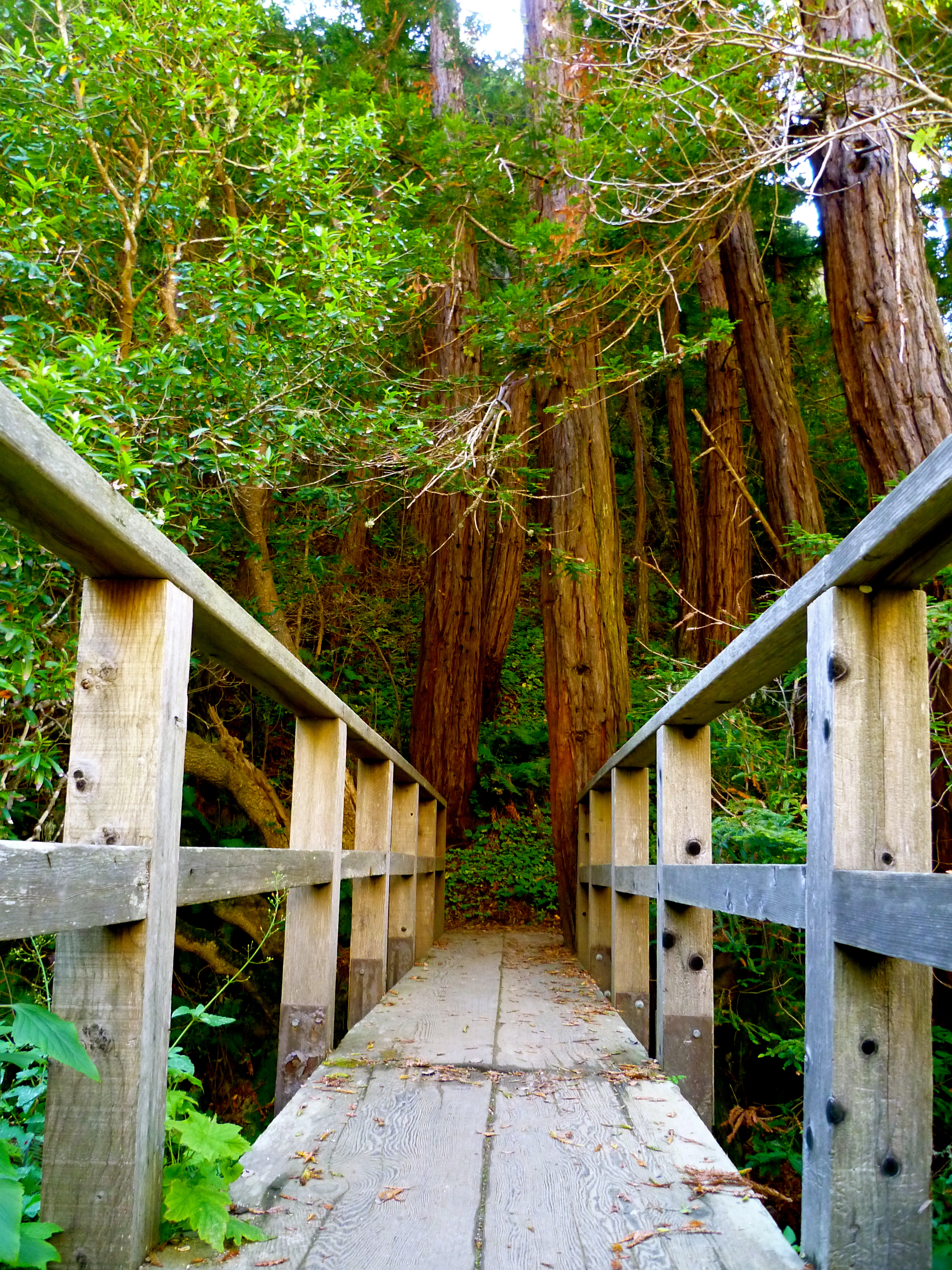
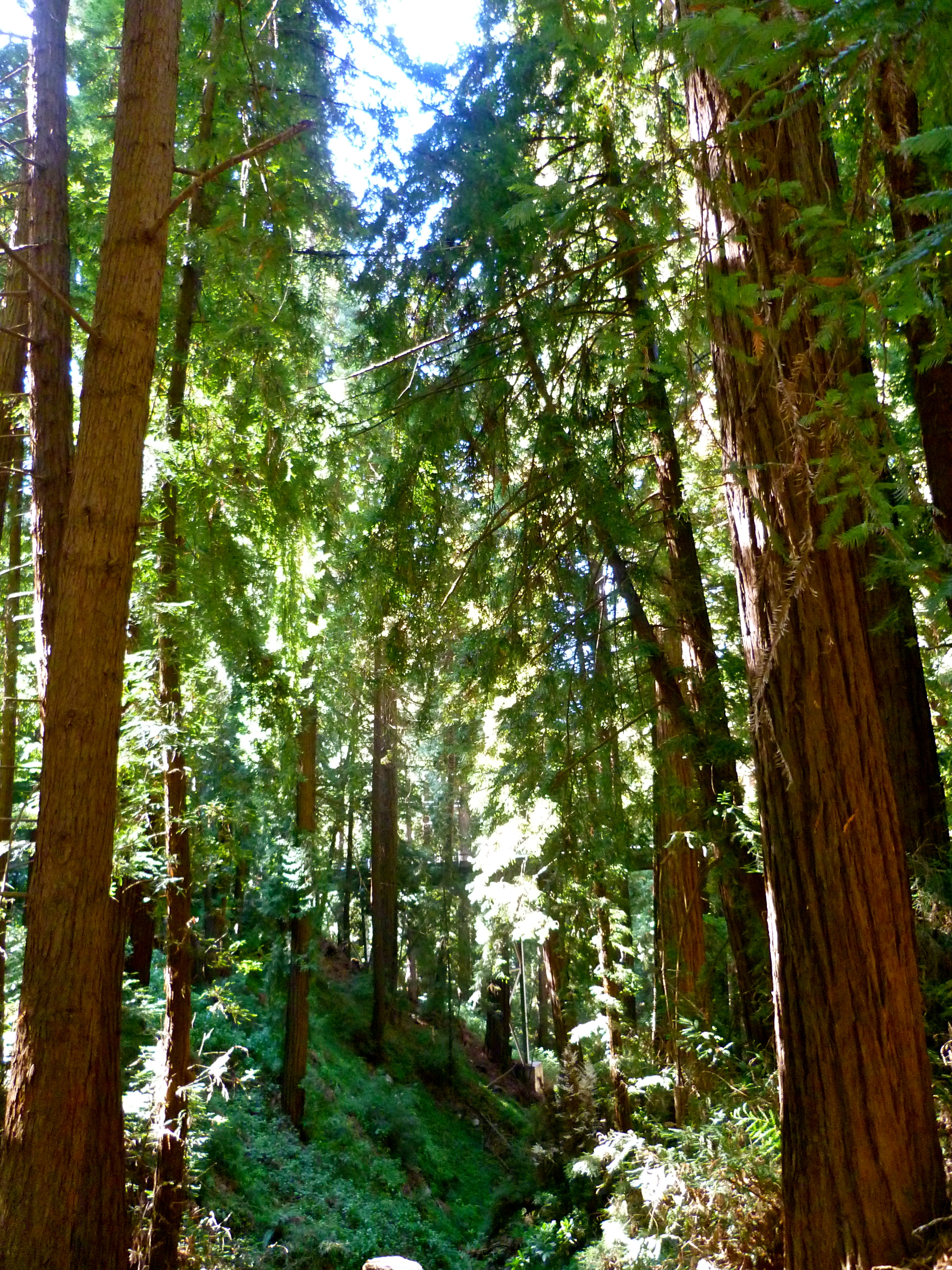 Redwood morning.
Big Sur is the California that men dreamed of years ago, this is the Pacific that Balboa looked at from the Peak of Darien, this is the face of the earth as the Creator intended it to look.
Henry Miller
The blue sky adds “Dont call me eternity, call me God if you like, all of you talkers are in paradise: the leaf is paradise, the tree stump is paradise, the paper bag is paradise, the man is paradise, the fog is paradise”
Jack Kerouac, Big Sur
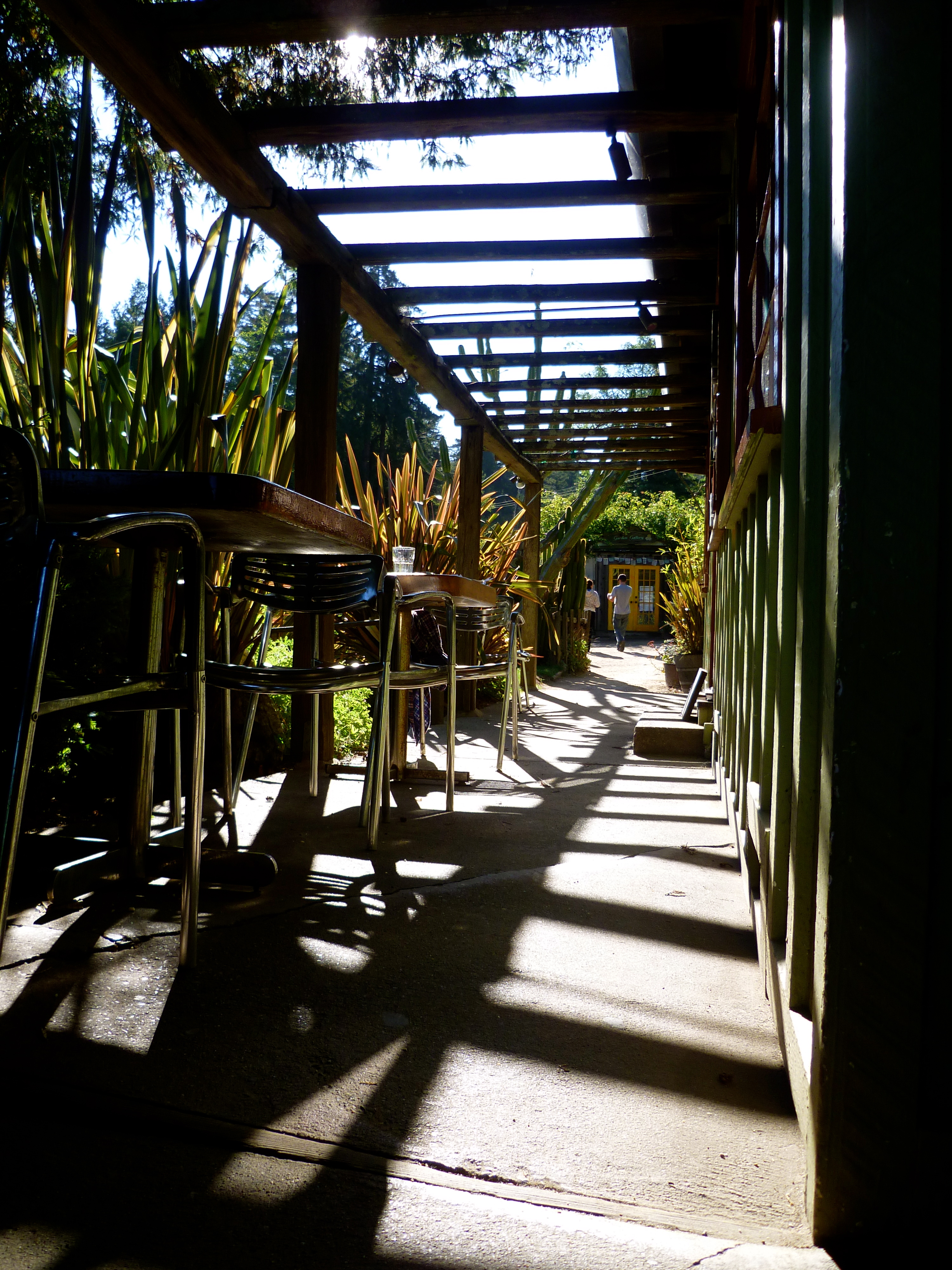 Breakfast at Big Sur Bakery.



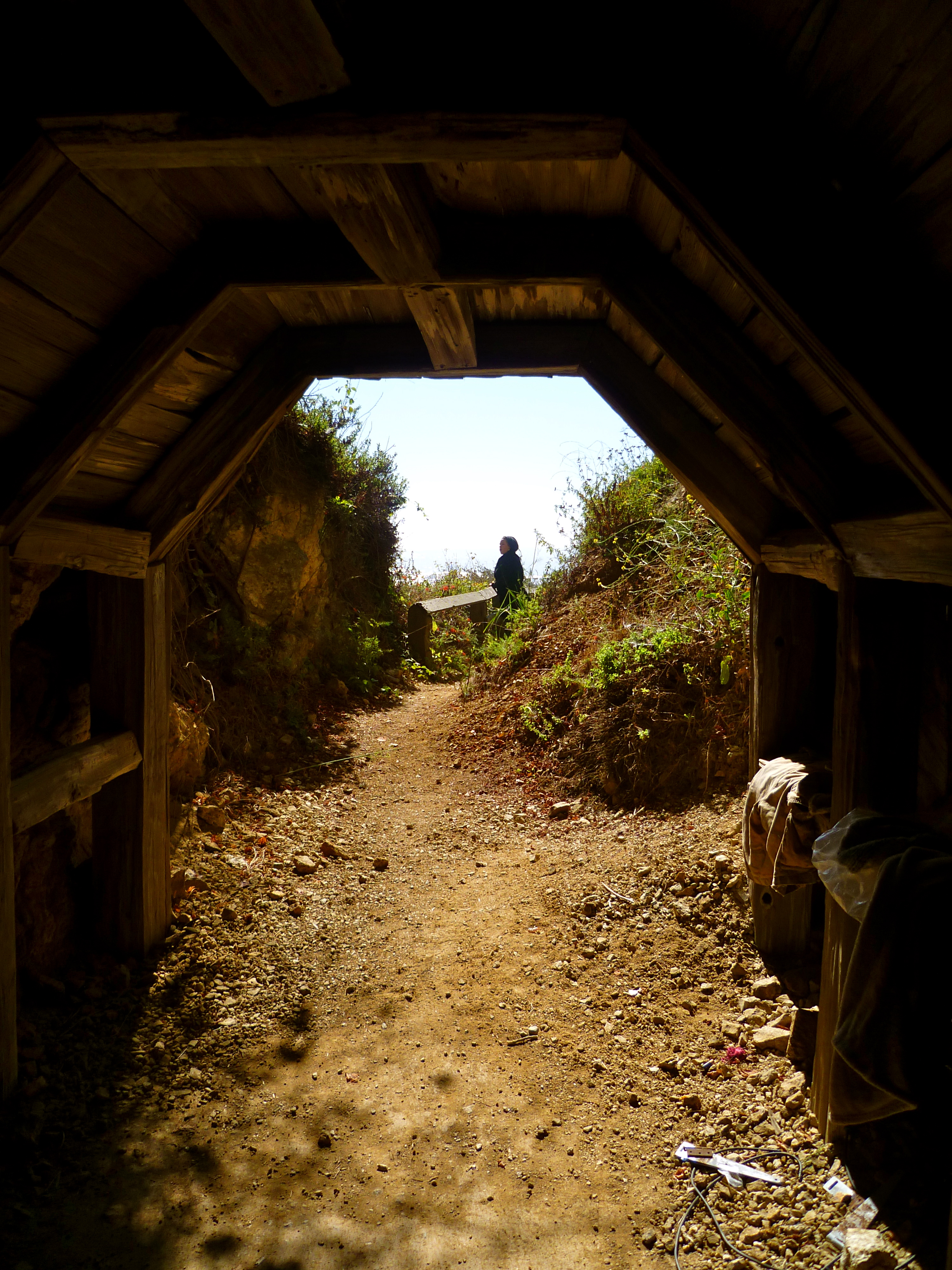
 Partington Cove.


The sea swirls up but seems subdued — It’s not like being alone down in the vast hell writing the sounds of the sea.
Jack Kerouac, Big Sur

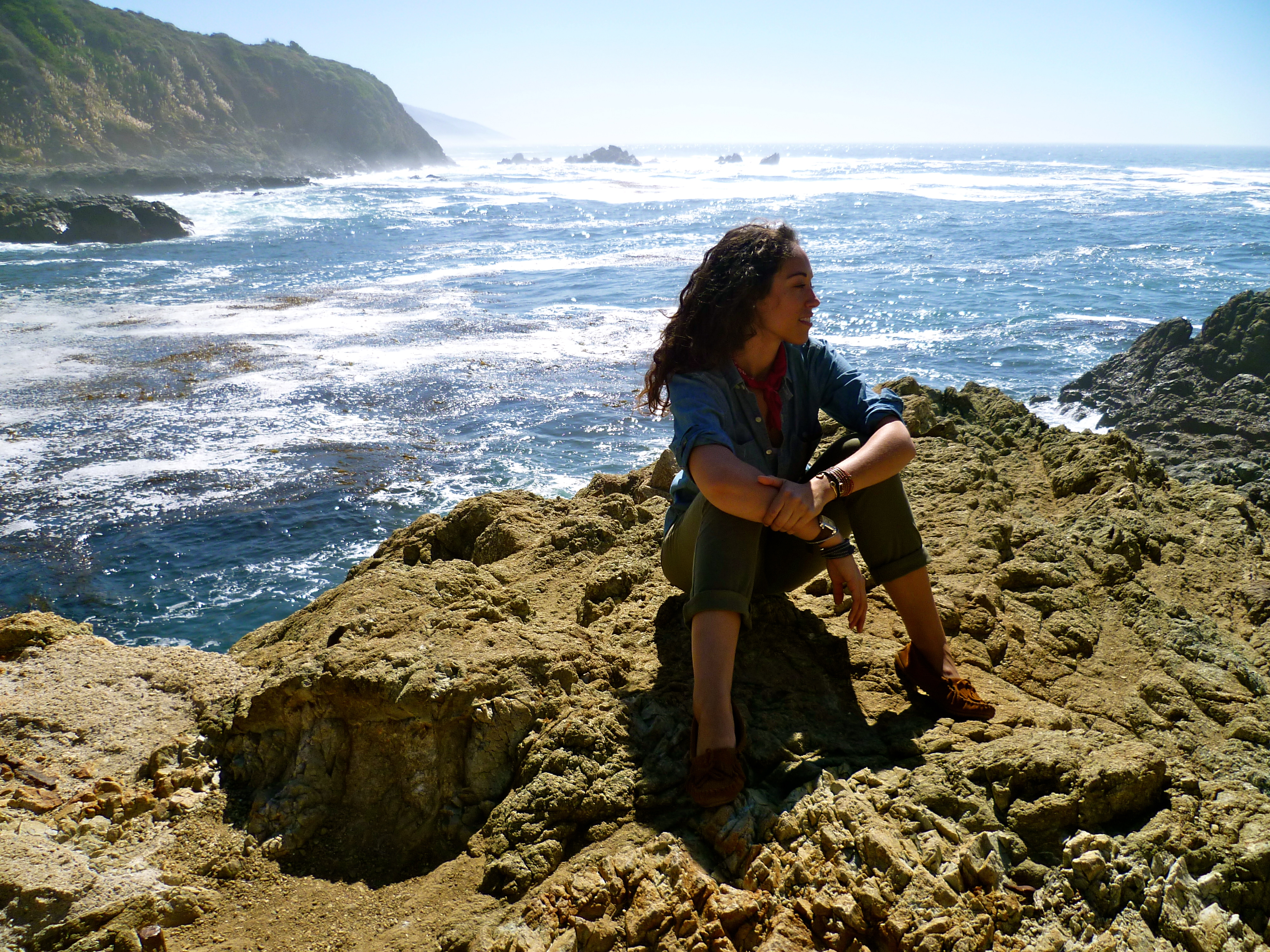

Pacific fury flashing on rocks that rise like gloomy sea shroud towers out of the cove, the bingbang cove with its seas booming inside caves and slapping out, the cities of seaweed floating up and down you can even see their dark leer in the phosphorescent seabeach nightlight
Jack Kerouac, Big Sur


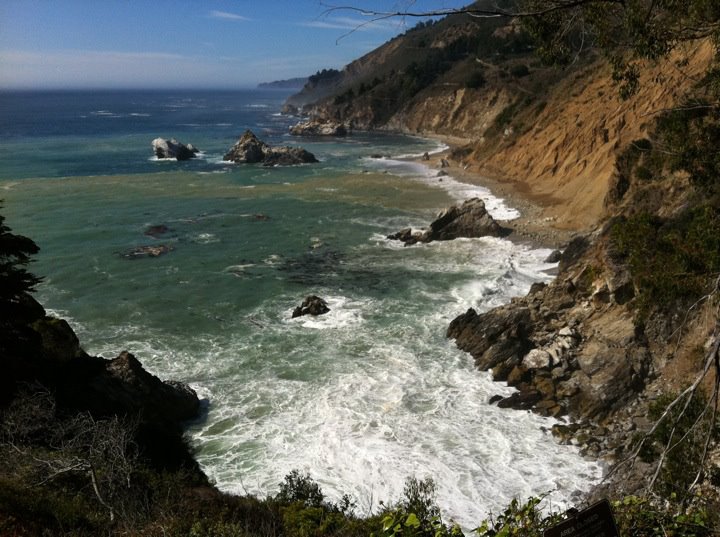 Julia Pfeiffer Burns State Park.

 Bixby Bridge, built in 1932.
 A few Allagash Whites at Post Ranch Inn.
 Sleep at Deetjens, the original Big Sur roadhouse. Built in the 1930s.


Woman of the Hour: Photographer Gerda Taro {also, Waiting for Robert Capa}
17/10/2011 § 4 Comments
 Photograph by Gerda Taro
Greetings from glorious San Francisco. Currently sitting in Four Barrel Coffee, sipping a delicious iced coffee (or three), enjoying the Indian summer and the constant stream of rather handsome gents passing through (ladies, take note). I’ve been reading an amazing book about an amazing woman whilst on my week-long California trip and I wanted to discuss it with you.
Robert Capa, and his brother Cornell, are among some of my favorite photographers, but when I began to investigate into their life histories, I discovered a bit more than I bargained for. In short, Robert Capa never actually existed. The man known as “Robert Capa” was actually a photographer named Andre Ernő Friedmann, a Hungarian Jew born in 1913. “Mr. Capa” was created in the 1936 in response to rising Nazism in Europe. The imaginary photojournalist with the American-sounding name easily secured work that a Jew couldn’t.
But Friedmann didn’t dream up Robert Capa alone.
Enter: Gerda Taro
 Gerda Taro
Born Gerta Pohorylle to a Jewish Polish family living in Germany in 1910, Gerda was the companion and partner of Robert Capa. They met in Paris in the 1930s, where both were refugees. While she initially served as his assistant, Gerda eventually learned the art of photography from Robert. They fell in love and both published work as “Robert Capa,” and Gerta became Gerda. When civil war broke out in Spain in 1936, the two travelled there together to photograph the conflict.
 Capa and Taro
“Taro and Capa represent a sort of romantic vision of the stateless person involving themselves in terrible battles: the social battles, the political battles of the time.”
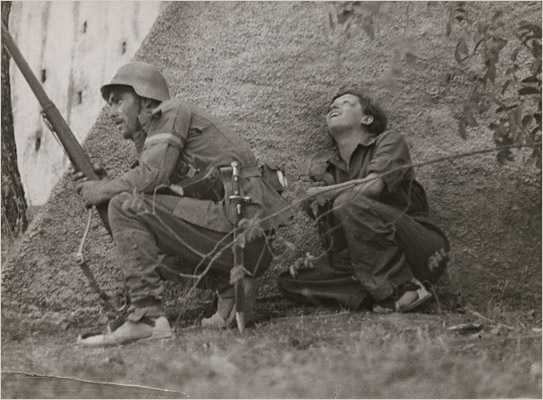
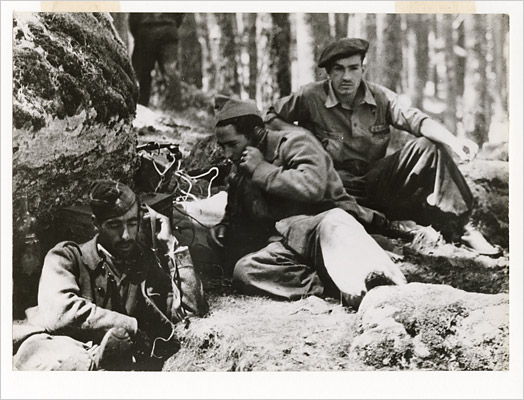
It was during the Spanish Civil War that Taro began to establish herself as a photographer apart from Capa, with a style of her own and the use of a different kind of camera from Capa. While Capa’s photographs illustrate his love of movement and spontaneity, Taro’s photographs are more posed and place more emphasis on intimate moments. Around this same time, Taro also refused Capa’s marriage proposal. Capa would never marry for the rest of his life.
 Robert Capa
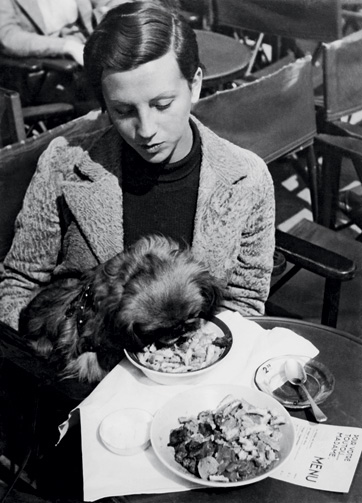 Gerda Taro
Crushed by a tank at the age of 26 in 1937, Gerda Taro was the first female photojournalist to cover the front lines of a war and the first to die doing so. Possibly her most familiar image is the one that opened this post, of a Spanish female soldier practicing with her pistol while wearing heels. Her photographs from the front lines are amazing. I am in awe of her courage and creativity. The woman was a badass.
“Taro is part of a small pantheon of women photographers who saw photography as an extension of their political commitment and of their role as new women.“
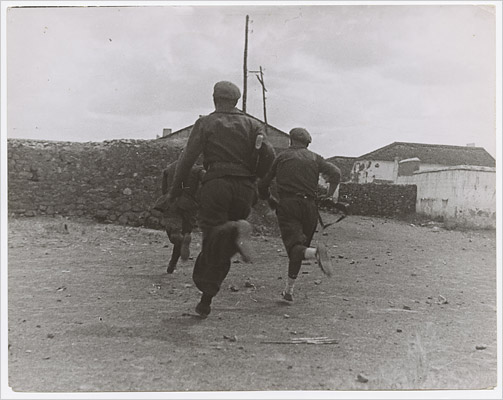

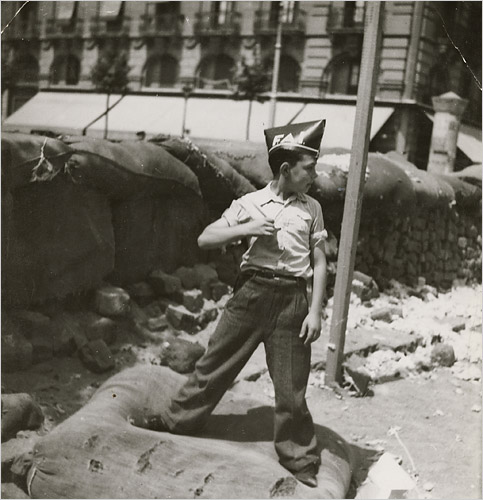
So, about that book I mentioned…

Waiting for Robert Capa retells Robert and Gerda’s amazing story. Author Susana Fortes weaves a gripping tale of historical fiction that is recently translated from Spanish. It begins in Paris and follows them to wartime Spain. I have not been able to put the book down during my trip and I highly recommend you pick it up. I’ve also noticed that one of my favorite directors, Michael Mann, has snapped up the film rights… You can bet that I will be watching this project with interest.
Fotos: PCH ~ Los Angeles to Big Sur
14/10/2011 § Leave a comment
 Santa Monica palms.
As I mentioned, I’ve been travelling this week along the California coast on the Pacific Coast Highway. I’ve got a million pictures — is this boring? are these like boring vacation slides your great uncle made you look at? — and here are some of my favorite moments from the drive north from Los Angeles to Big Sur.
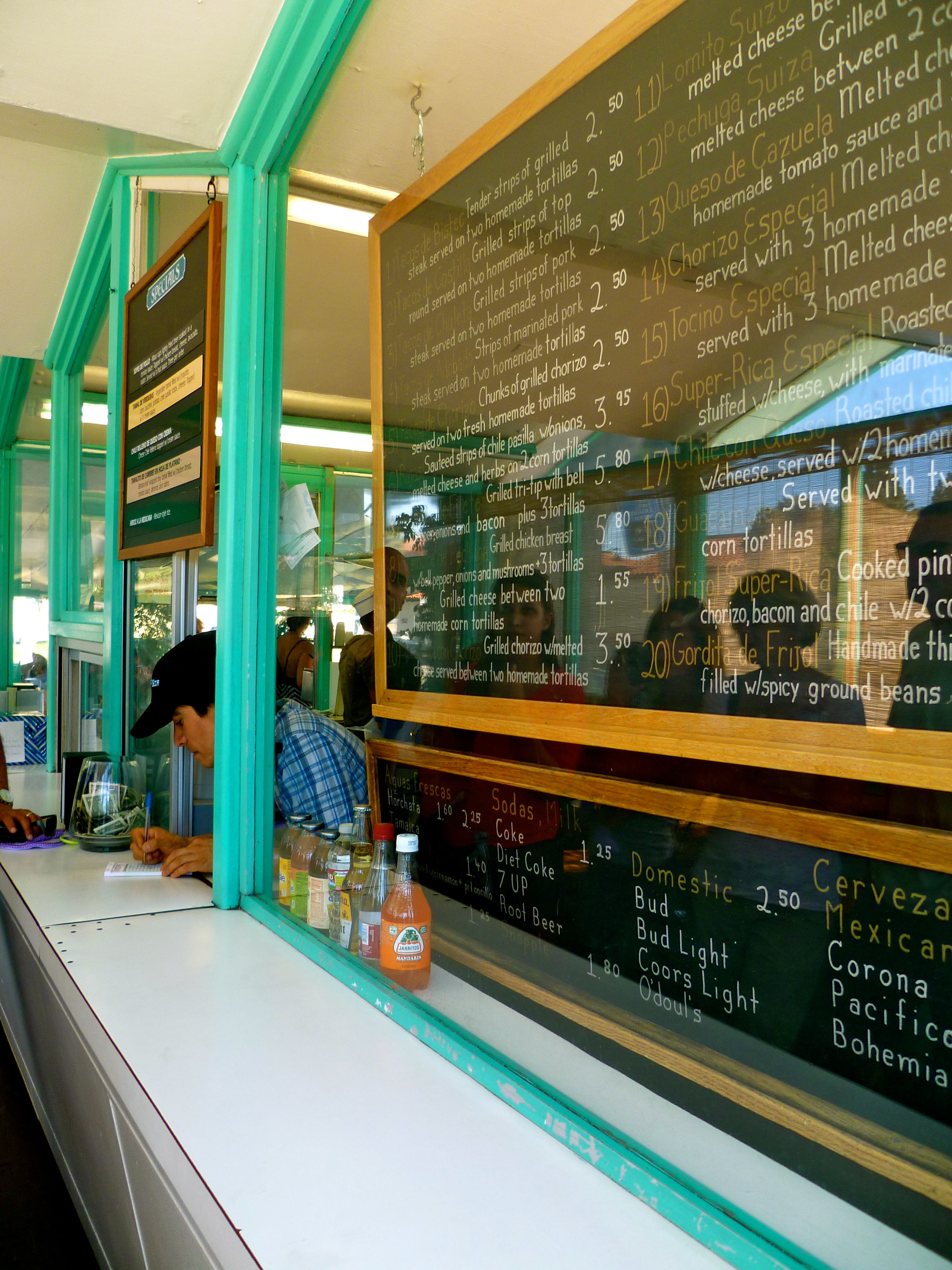 La Super-Rica Taqueria
622 N Milpas St
Santa Barbara, CA 93103
Amazing Mexican food.
If you are in Santa Barbara, you must make a point to stop at La Super-Rica.
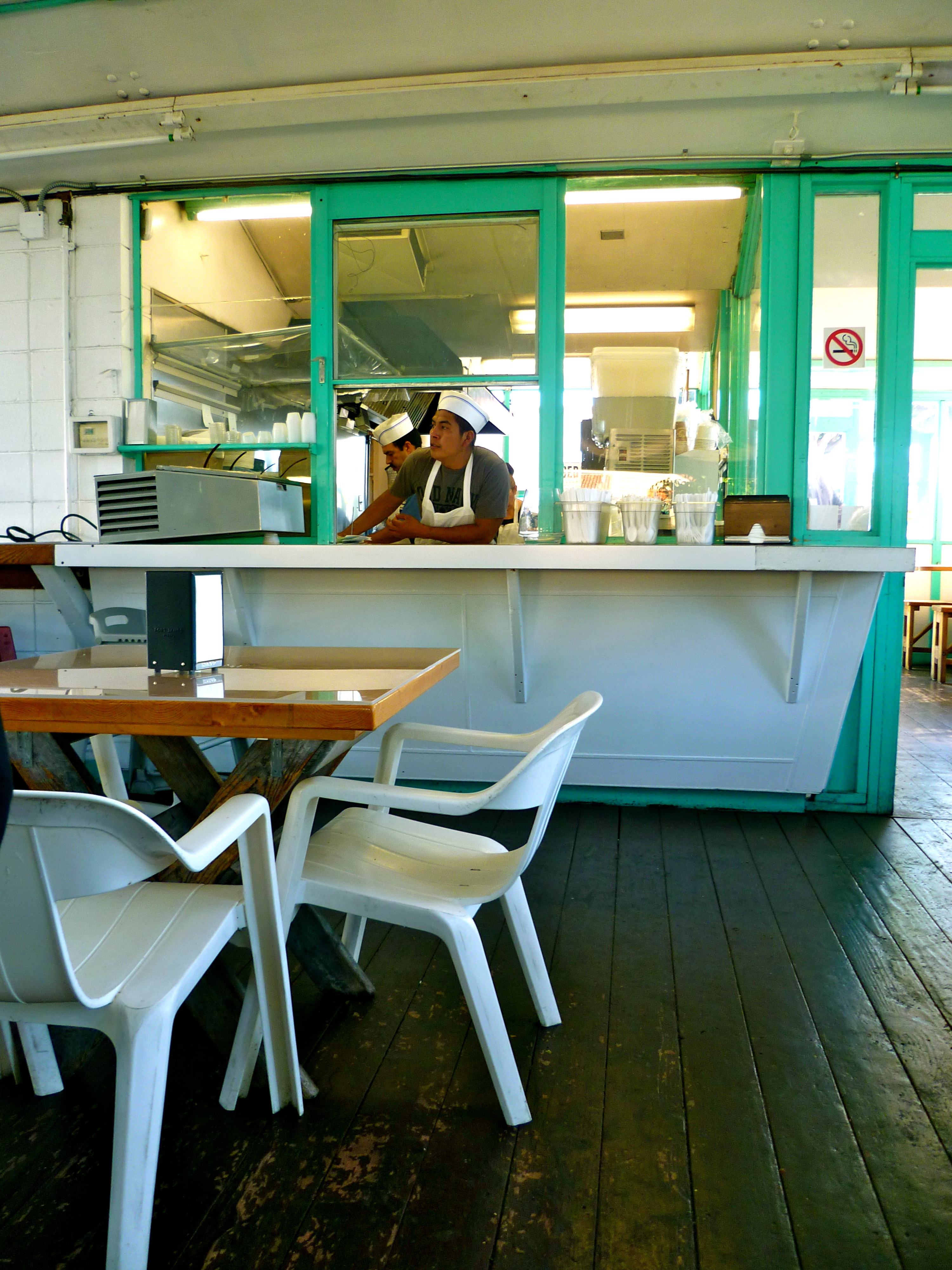

 Have we discussed my horchata addiction? It’s ridiculous.
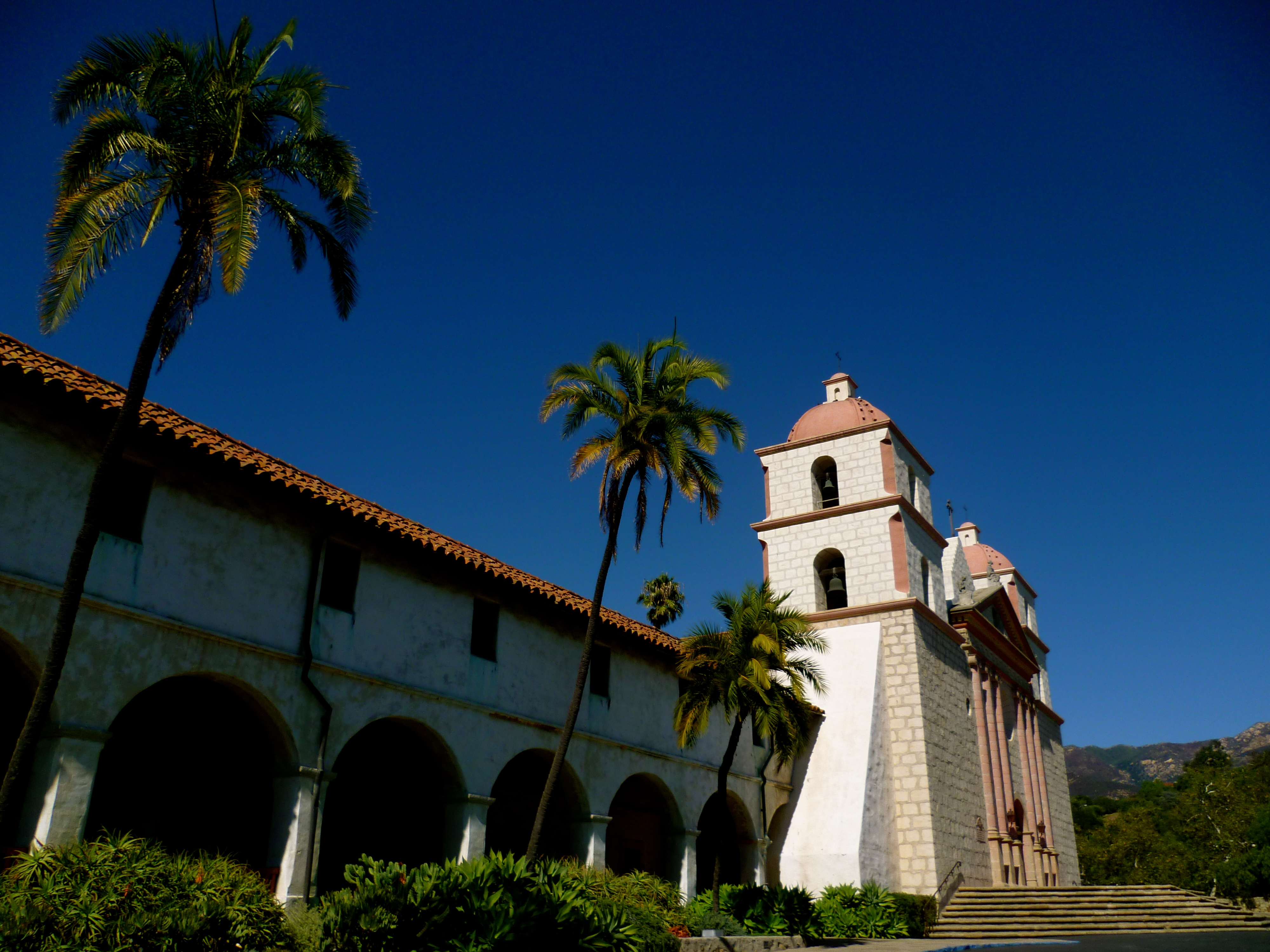 Old Mission Santa Barbara
2201 Laguna St
Santa Barbara, CA 93105
The Santa Barbara Mission was the tenth of the California Missions to be founded by the Spanish Franciscans. It was established on the Feast of St. Barbara, December 4, 1786.

 Morro Bay.

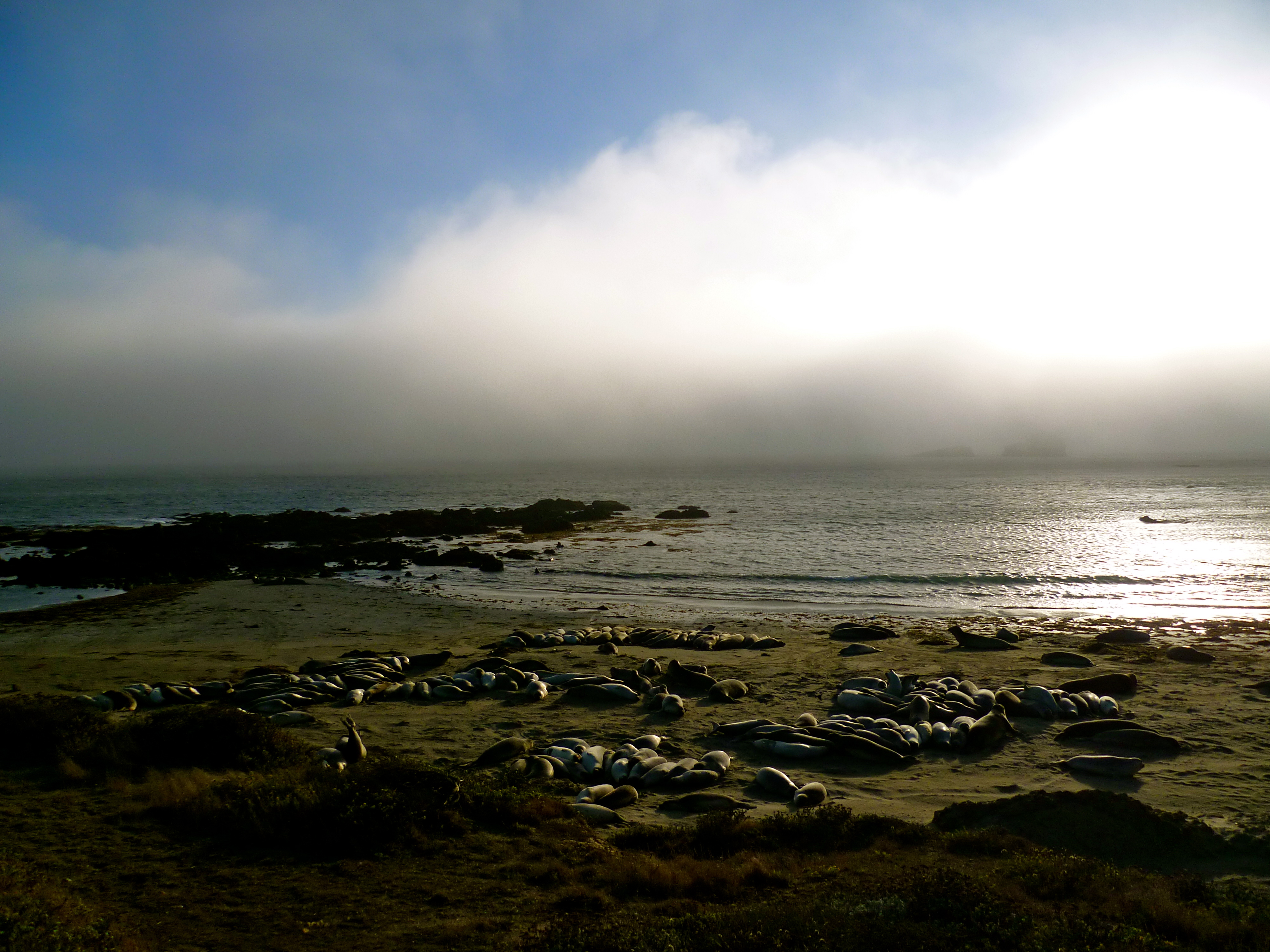 Elephant seals at the Piedras Blancas rookery.
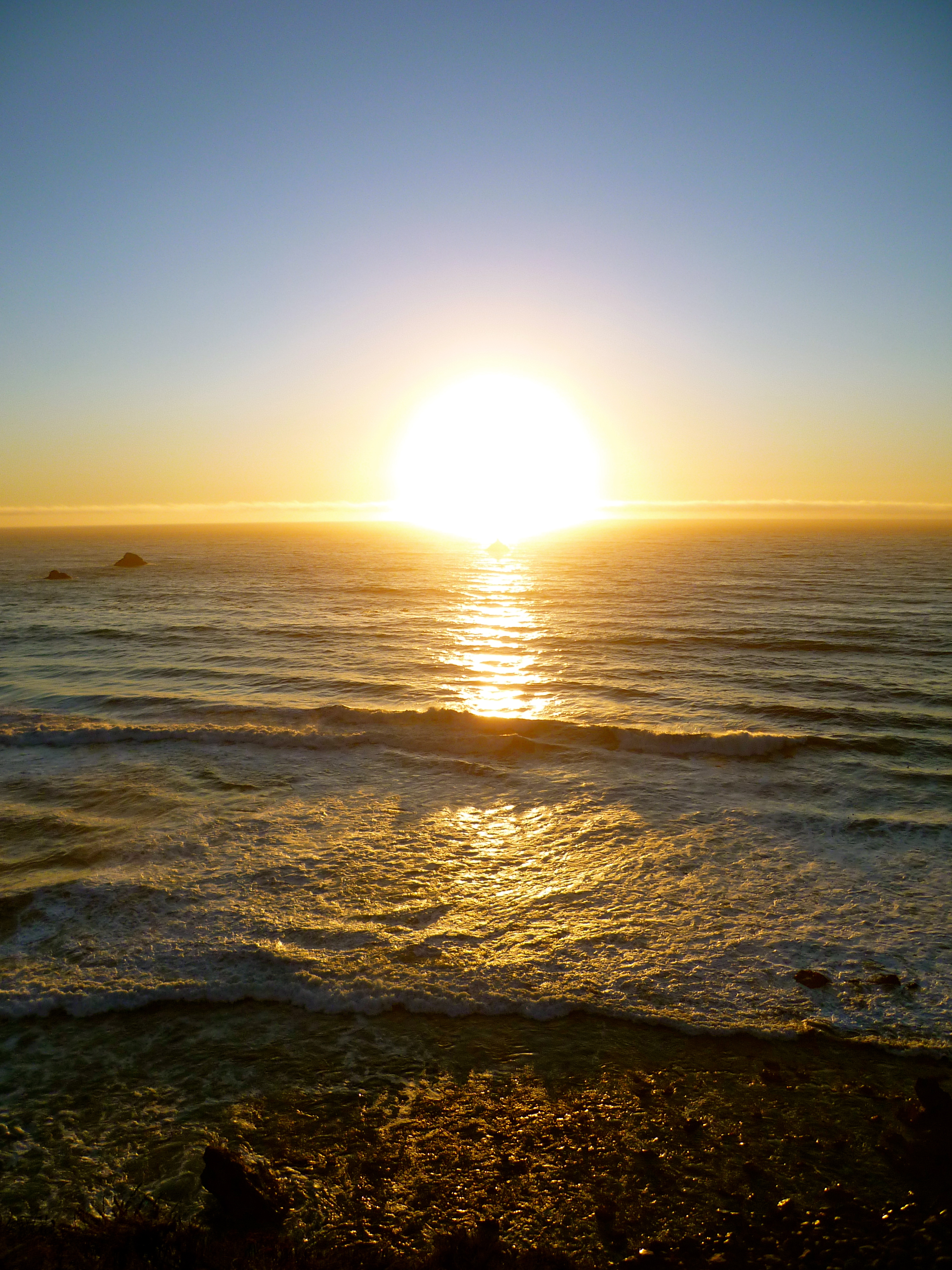
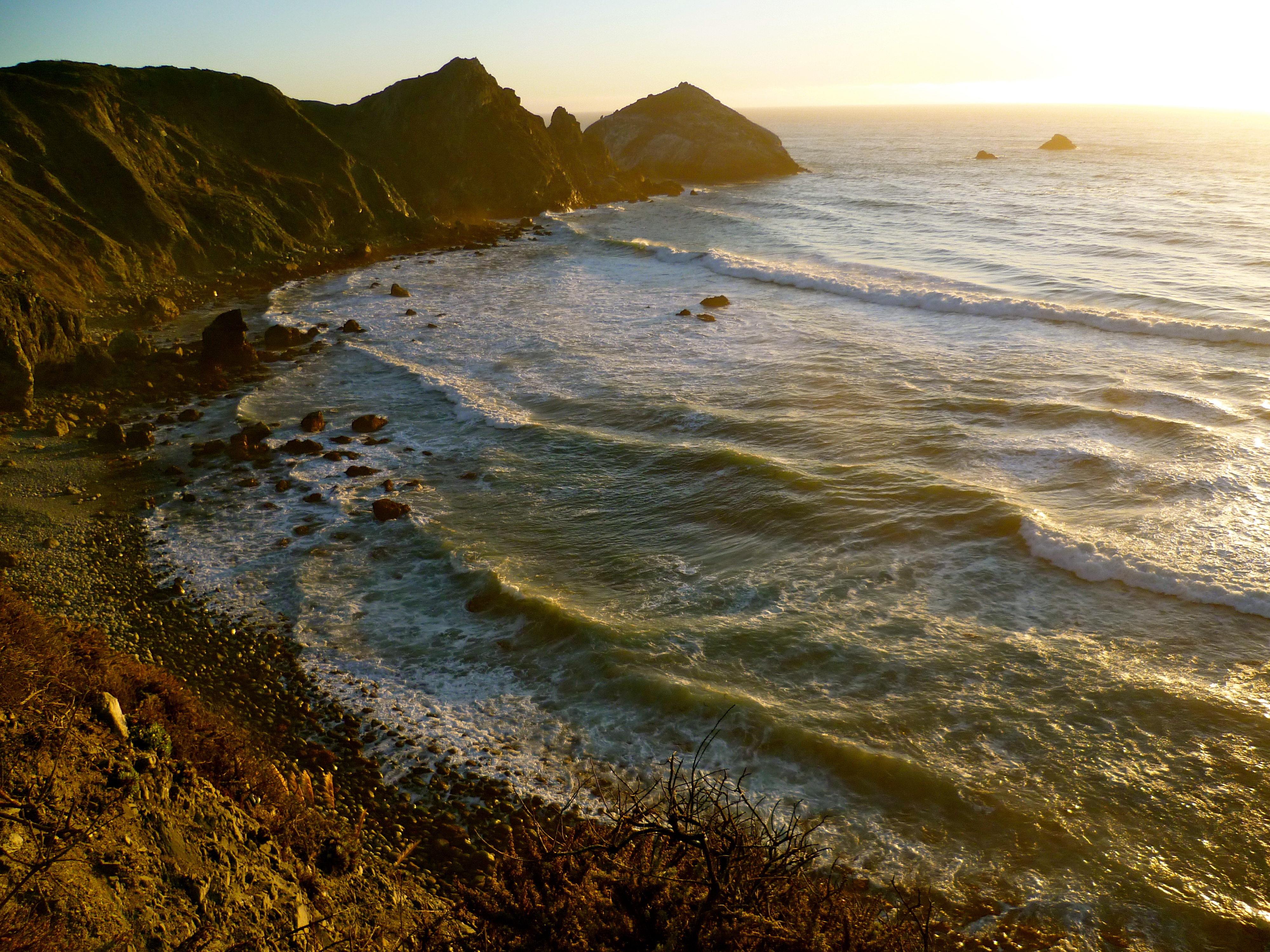 Sunset near Big Sur.
Fotos: Los Angeles Union Station
11/10/2011 § 9 Comments


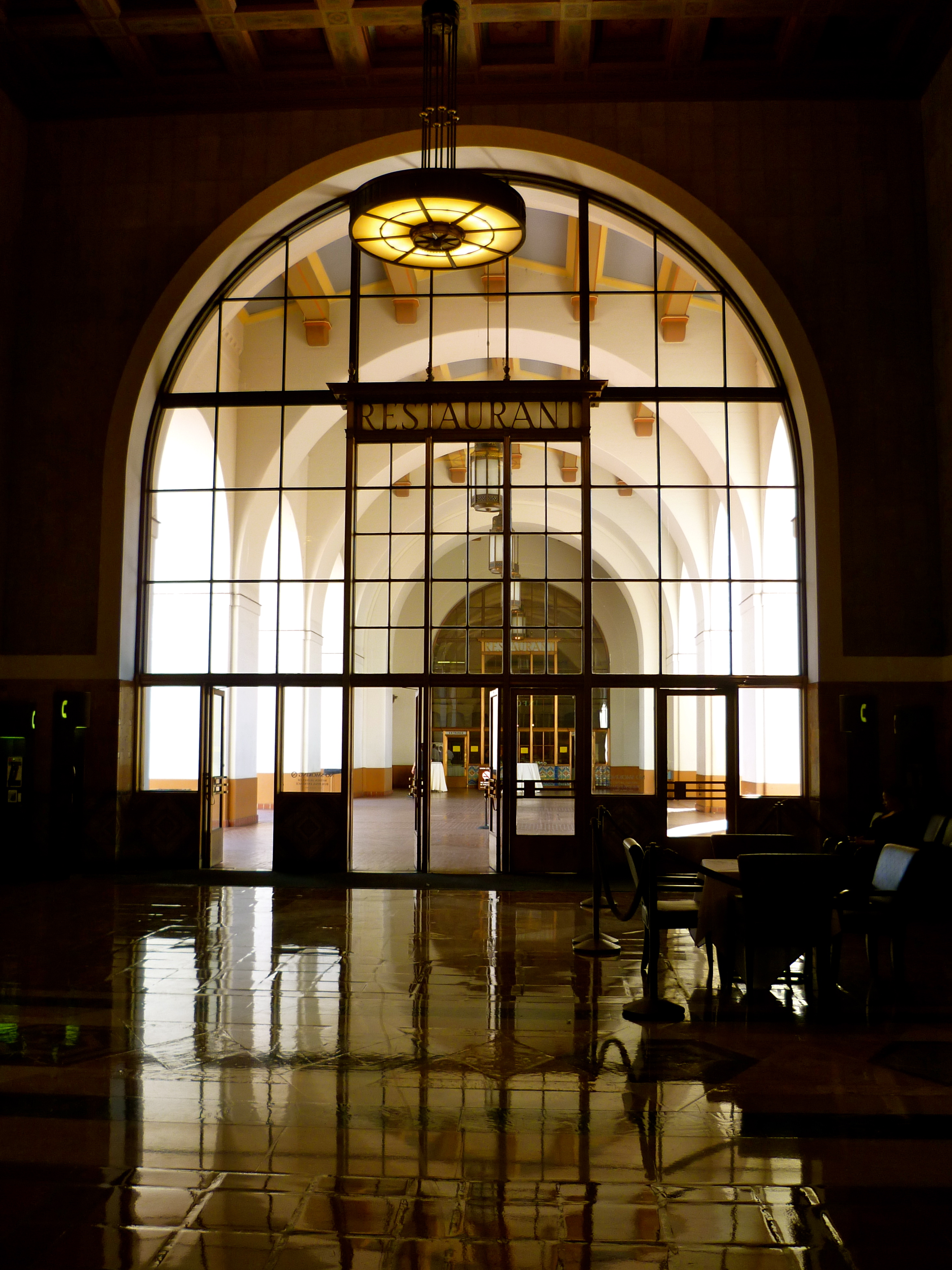
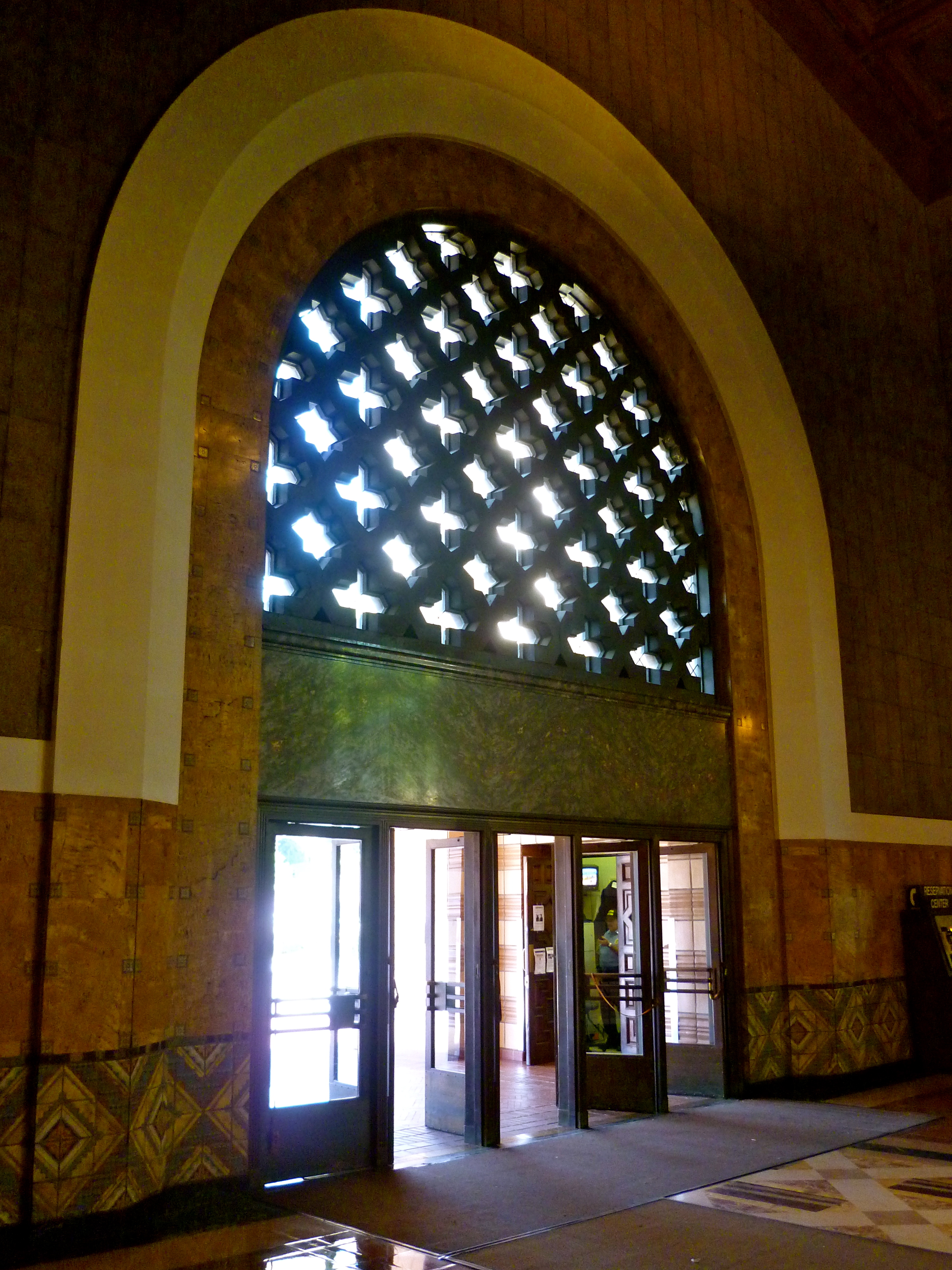

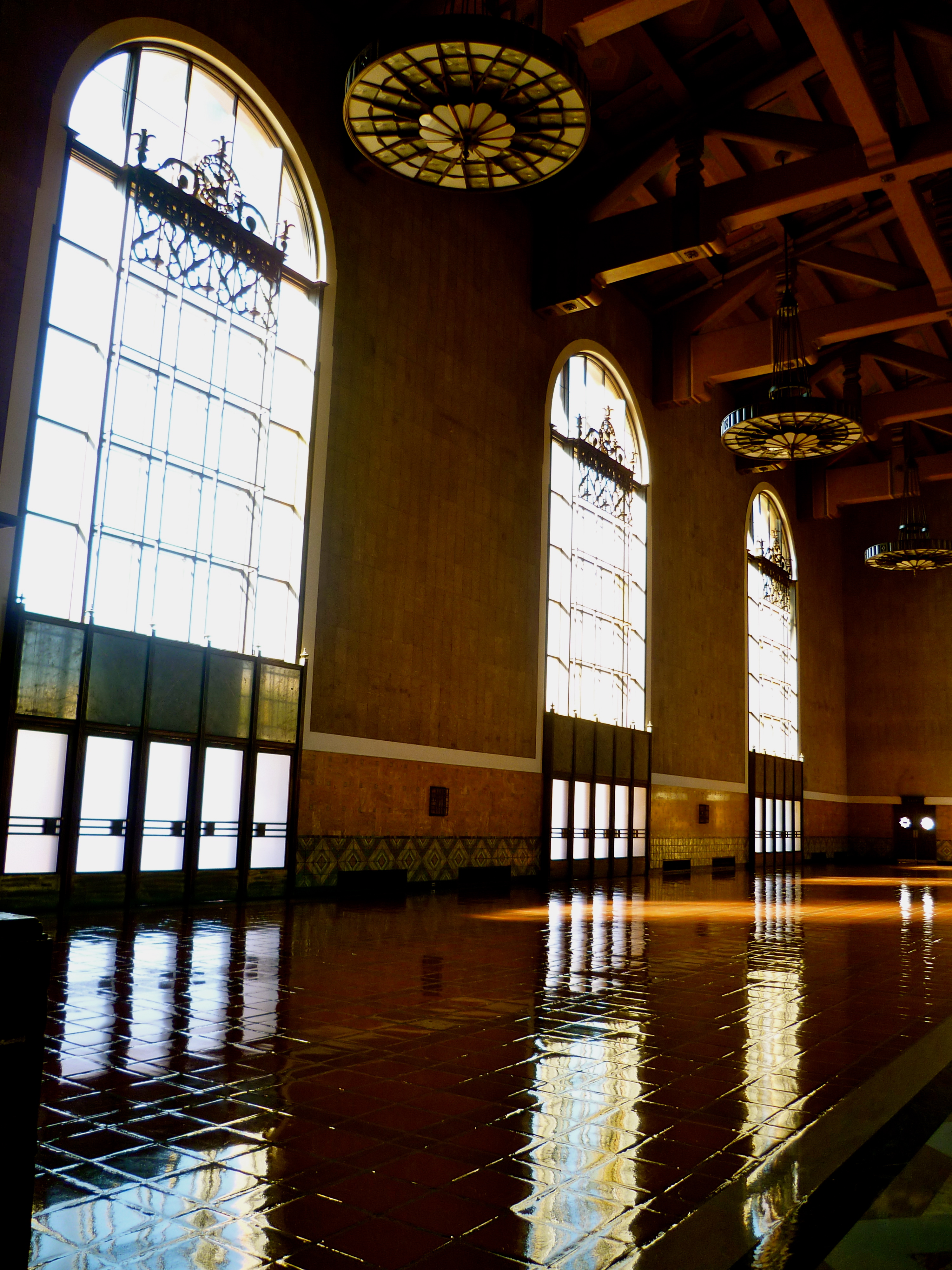


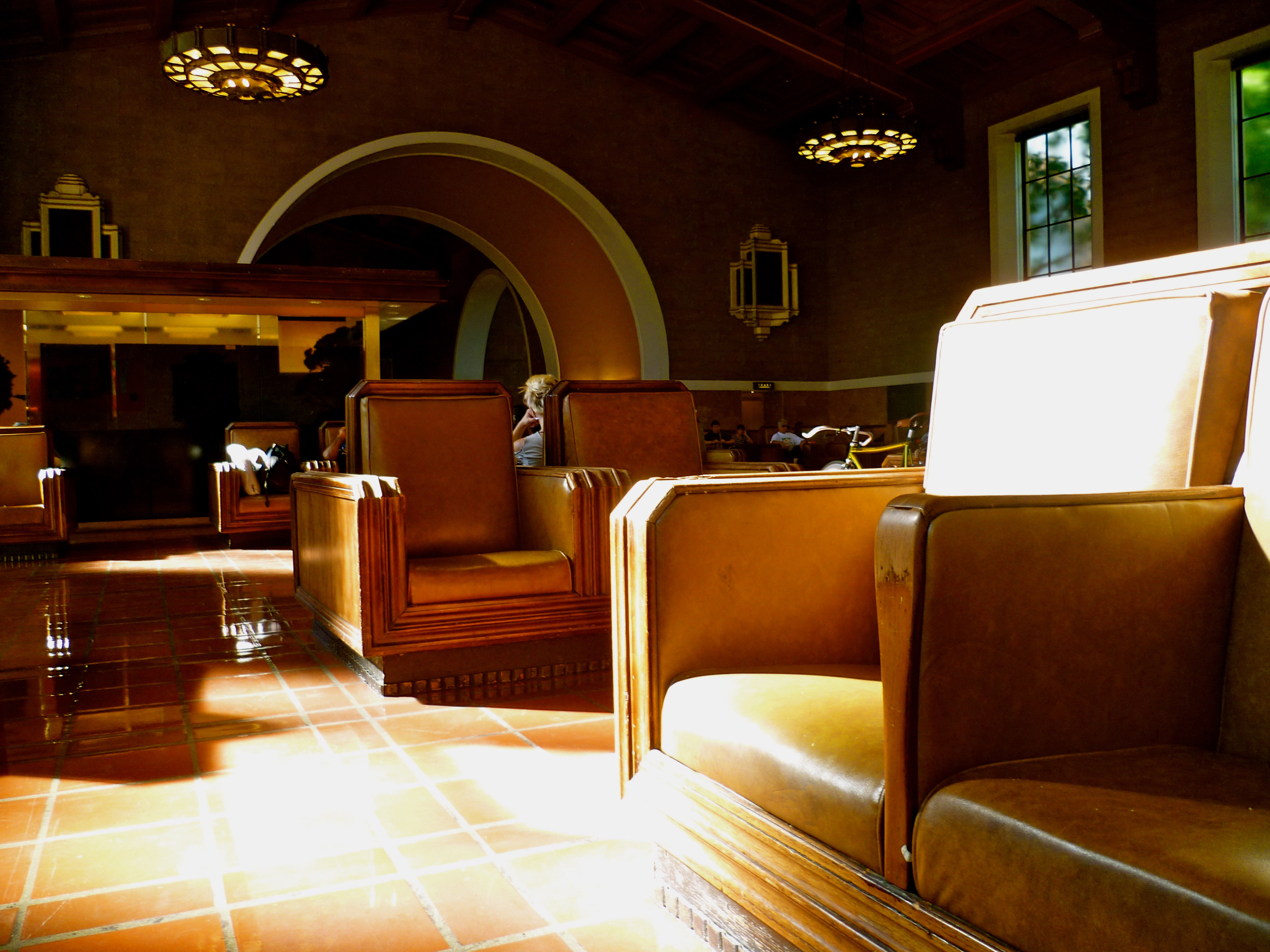
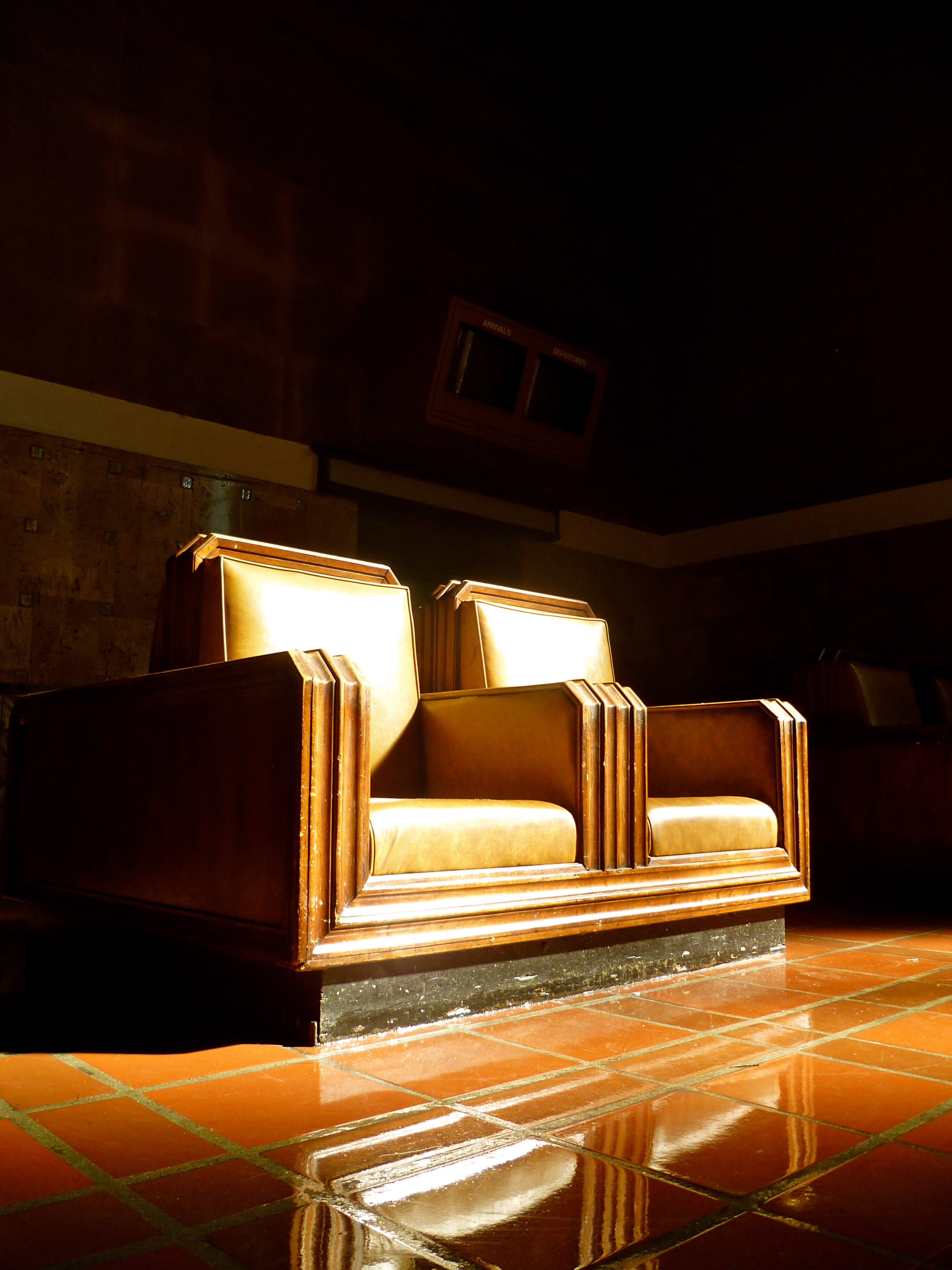

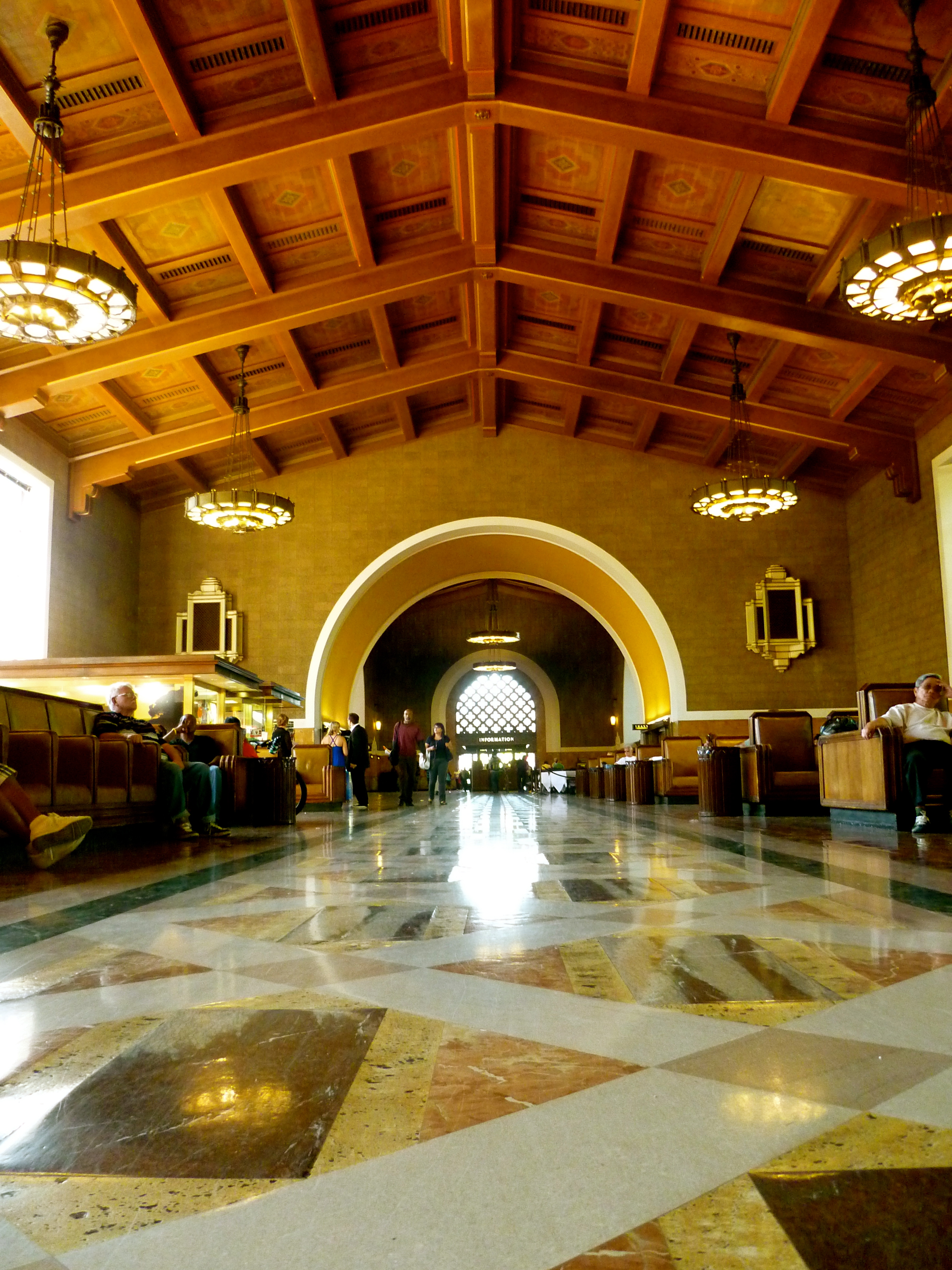

Los Angeles Union Station, the “Last of the Great Railway Stations.”
The station opened in 1939 and it is one of my favorite places in LA.
 Quite Continental